16.6 C
Cape Town
Thursday, June 25, 2026
Home Blog Page 13

Leveraging the European Health Market to Stabilize SA Macadamias

0

The South African macadamia industry is navigating a period of intense global volatility defined by shifting geopolitical and trade pressures. Primary among these is fluctuating US tariffs, which spiked to 30% during last year’s “Liberation Day” crisis before being rolled back to 0% under a temporary, one-year AGOA extension. Despite this zero-rate status, the recent “tariff seesaw”—which saw rates swing between 10% and 15% in early 2026—has left American buyers jittery, resulting in a significant stockpile of unsold Style 4 kernels.

Simultaneously, geopolitical turbulence in the Red Sea and the functional closure of the Strait of Hormuz have imposed a de facto “logistics tax” on exporters. As shipping lines divert vessels around the Cape of Good Hope, transit times have increased by 14 days, accompanied by costly Emergency War Risk Surcharges of roughly R980 ($60) per container.

To safeguard the industry’s future, South Africa is expanding into the European health market, specifically targeting Germany and Poland. By pivoting toward health-conscious European consumers who view macadamias as a premium “functional food” for brain health, South African growers can offset Western volatility and maintain the premium pricing necessary to protect local margins.

The Currency Paradox and the European Frontier

The 2026 price list, released last week in Nelspruit, highlights a painful reality: global price gains are being swallowed by a stronger local currency. While the global price for whole kernels rose by 4.4% to $14.10/kg, the exchange rate has shifted from R18.25 last season to approximately R16.71 today. Consequently, the Rand return for farmers has dropped from R246.38/kg to R235.61/kg—a net loss of value in local terms despite a stronger international price.

As identified in the WMO Macadamia Market Update Q4 2025, Europe has surpassed North America as the most stable market. By marketing macadamias specifically for cognitive function, SA exporters are targeting a consumer base willing to pay a premium that absorbs high logistics costs. This pivot is supported by a secondary “safety valve”: the removal of the 12% China tariff effective May 1, 2026, allowing South Africa to move significant volumes—particularly halves and pieces—into the Chinese market at a 0% duty rate.

South African agriculture stands at a crossroads. While orchards in Mpumalanga, Limpopo, and KwaZulu-Natal continue to yield world-class crops, the traditional “volume-first” export model is being squeezed by exchange rate shifts and shipping disruptions. The industry’s survival now depends on a transition from a bulk commodity to a premium health value. By securing the European health market and leveraging duty-free access to China, South Africa can protect its farming communities against the unpredictable tides of global trade policy and Middle Eastern conflict.

The Heat is On: How One KolKol Mountain Lodge Redefined Outdoor Living

0

In the rugged hills of Bot River, where the fynbos meets the mountain air, a quiet transformation has taken place. What began as a modest hospitality venture has evolved into a national movement in outdoor living. This is the story of KolKol Mountain Lodge—a testament to how a simple, practical solution to a common rural problem can ignite a homegrown industry.

The Problem-Solver’s Mindset

Founders Rudi and Karen Oosthuyse didn’t set out to launch an international product brand. Their initial goal was grounded in the principles of land-based hospitality: creating a space where guests could disconnect and slow down. In the Overberg, that meant building cabins and pods that embraced the landscape.

KolKol Mountain Lodge

However, they hit a practical snag common to many South African landowners. The lodge’s splash pools were a hit in the height of summer, but the biting mountain chill rendered them unusable for half the year. In a remote mountain setting, installing energy-intensive electric heating was neither cost-effective nor aligned with the “off-grid” ethos of the farm.

Rather than settling for a seasonal amenity, Rudi turned to the workshop. Through a process of trial, error, and classic South African persistence, he developed a submerged wood-fired oven. It was a solution born of necessity: practical, independent of the Eskom grid, and beautiful in its mechanical simplicity.

KolKol Mountain Lodge

From Guest Feature to National Brand

The “hero” of the KolKol experience wasn’t the high-end finishes or the mountain views—it was the hot tub. Guests weren’t just using them; they were asking where they could buy one for their own farms and homes.

This sparked the birth of KolKol Wood-Fired Hot Tubs. It is now recognized as the original South African brand in the category, but its roots remain firmly local. In an era where many products are imported and rebranded, KolKol took a different path. Each tub is manufactured right here in South Africa. They are made to order and designed to survive the harsh African elements.

In a country where load-shedding is a daily reality and remote living is a lifestyle, a luxury item that requires zero electricity and minimal maintenance is more than a trend—it’s a smart investment in self-sufficiency.

The KolKol Advantage

100% Off-Grid: Operates entirely on wood-fire with no pumps or electricity required.

Local Manufacturing: Proudly South African, built to endure local weather conditions.

Versatility: Functions as a hot tub in winter and a cooling splash pool in summer.

Low Maintenance: Simple mechanical design means fewer parts to break or replace.

KolKol Mountain Lodge The Lodge: A Living Showroom

While the product brand grew, the lodge remained the heart of the operation. It serves as a “living showroom” where the design intent is proven every day. The freestanding log cabins and Fynbos pods are positioned with a farmer’s eye for the land—ensuring privacy while maximizing the expansive views across the Overberg.

The architecture reflects a “modern-farm” aesthetic: clean lines, large glass doors, and uncluttered spaces. But the most deliberate design choice was the absence of televisions. In a world of constant digital noise, KolKol offers a rare commodity: the space to be present.

For a landowner looking to diversify into agritourism, the KolKol model is a masterclass. It proves that luxury doesn’t have to mean “excess.” It means atmosphere. It’s the smell of wood smoke, the ritual of the morning coffee as the mist lifts from the valley, and the contrast between the crisp mountain air and the warm water of the tub.

Weathering the Seasons

Success in the agricultural sector often depends on how one handles the seasons, and KolKol has built its reputation on year-round appeal.

Winter: The lodge becomes a sanctuary of glowing fireplaces and rising steam.

Spring: The indigenous fynbos provides a burst of colour and a reminder of the land’s biodiversity.

Summer: The “hot” tub doubles as a cooling splash pool, emphasizing the versatility of the design.

This seasonality ensures that the business remains robust throughout the year, a key consideration for any rural enterprise.

KolKol Mountain Lodge

A Proudly South African Legacy

Today, KolKol stands as proof that when a business is built with clarity of purpose, it can grow beyond its original boundaries without losing its essence. The lodge isn’t secondary to the hot tub brand; it is the foundation. Without the lived experience of the Bot River landscape, the product would never have existed.

The Oosthuyse family has shown that innovation doesn’t always require high-tech labs or massive capital—it requires an understanding of your environment and a willingness to build things properly. As the hot tubs find homes on farms and in backyards across the country, the message remains the same: keep it simple, keep it local, and never underestimate the power of a good idea born in the hills.

For more information contact: Email: [email protected] | Website: www.kolkol.co.za

AgriHX 2026 Set to Transform Limpopo’s Farming Future

0

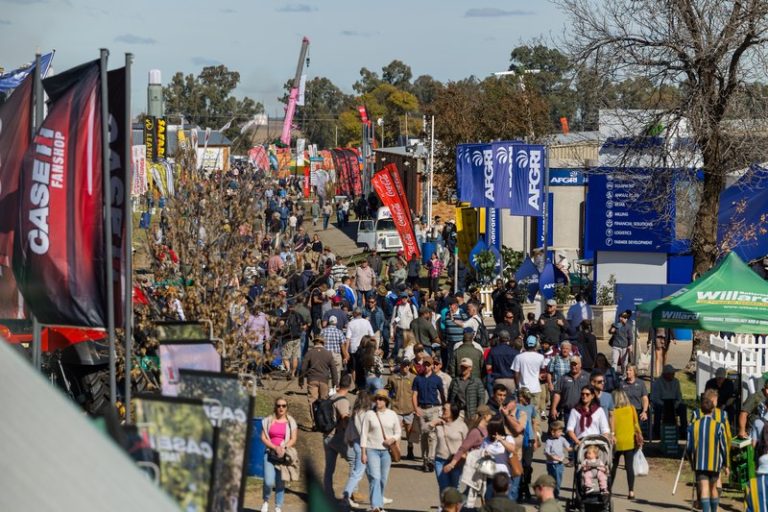
The heart of Limpopo’s agricultural community is set to beat faster this year with the arrival of AgriHX 2026, taking place from 19 to 21 March at The Ranch Resort outside Polokwane. This expo has rapidly evolved into an indispensable platform where innovation, networking, and practical farming solutions converge.

Under the theme of sustainability and growth, AgriHX offers producers a first-hand look at the latest technology—from advanced precision farming equipment to new developments in livestock and crop management. What sets AgriHX apart is its focus on the diverse needs of the region, including pig and cattle farming, as well as the north’s expanding nut and fruit industries.

The 2026 program features a strong emphasis on livestock precision. Dr. Johan Cloete will unpack “LITS in Action,” exploring how farmer-driven traceability is transforming livestock management, strengthening market access, and building trust across the value chain. Complementing this, Leon van Dijkhorst will share critical strategies on Supplementary Feeding to optimize nutrition and animal health during challenging seasons.

Technological advancement remains a cornerstone of the event, with Elaine Griese leading live demonstrations of the Lanescan Ultrasound Scanner. These sessions will showcase how modern breeding equipment can drastically improve herd management and breeding success rates.

Beyond the technical sessions, the expo offers a vibrant Ladies’ Program designed to inspire and empower. With engaging sessions featuring personalities like Debbie Mouton, the program provides a dedicated space for women in agriculture to connect, share experiences, and find inspiration within the sector.

Whether you are a commercial producer, an emerging farmer, or a service provider, AgriHX 2026 at The Ranch Resort provides the insights and tools needed to take your operation to the next level.

SA-Germany FMD Pact: mRNA Technology – the Future of South African Biosecurity

0

While millions of vaccine doses from Argentina and Turkey are currently providing the “ammunition” to halt the immediate spread of Foot-and-Mouth Disease (FMD), a landmark diplomatic event this week has established a new “radar” for South African biosecurity.

On Tuesday evening, 10 March 2026 Minister John Steenhuisen and his German counterpart, Alois Rainer, signed a Joint Declaration of Intent on Agricultural Development. This agreement—the first of its kind following a 13-year hiatus in German ministerial visits to SA soil—shifts the focus from reactive crisis management to long-term technological sovereignty.

Beyond the Syringe: Five Pillars of the Partnership

The alliance is built on five technical pillars designed to modernize South Africa’s animal health systems to global standards:

mRNA Vaccine Frontiers: The partnership will explore using mRNA technology for FMD vaccines. Unlike traditional vaccines, mRNA allows for rapid adaptation to specific local strains, offering a faster response to new outbreaks.

The “DIVA” Diagnostic Edge: A critical barrier to international trade is the inability to distinguish vaccinated animals from infected ones. The alliance prioritizes Differentiating Infected from Vaccinated Animals (DIVA) testing—the technological “gold standard” required to reopen export markets.

Wildlife Surveillance: Recognizing that wildlife are natural reservoirs for the virus, the partners will implement robust monitoring systems to track FMD movement in non-livestock populations.

Biosecurity Knowledge Exchange: This involves a direct transfer of German “best-practice” protocols to local farming communities, ensuring that animal husbandry and veterinary services meet international biosecurity benchmarks.

Risk Management in Slaughter: Collaborative research will focus on the safe handling of risk materials in controlled slaughter environments, ensuring food chain safety remains uncompromised during active outbreaks.

Restoring the “Global Passport” for Trade

Minister Steenhuisen noted that while recent arrivals—including the Dollvet shipment in Cape Town and the Biogénesis Bagó doses—are essential for stabilization, the German partnership is about the future.

By integrating European diagnostic and vaccine technology, South Africa is working to restore its “FMD-free with vaccination” status. “This is not just a document; it is a powerful tool to safeguard our livestock industry and secure the livelihoods of our farmers,” the Minister stated.

Agri-Exports vs Global Refuelling: A New Reality for SA Ports

0

As of March 2026, South Africa’s maritime landscape has shifted. Following the effective closure of the Strait of Hormuz, the ports of Durban and Cape Town have taken on a dual identity: they are no longer just export hubs, but strategic “Service Stations” for a global fleet bypassing conflict zones via the Cape route.

The 112% Diversion Surge

A 112% surge in transit vessels now utilizes South African ports for refueling and resupply. This influx creates direct competition for resources. Transit ships—requiring urgent bunkering and pilotage—utilize the same infrastructure required by the agricultural sector, turning our harbors into high-traffic waypoints.

The Biological Clock: Throughput vs Perishability

In agricultural logistics, throughput is a race against a biological clock. As vessels wait for berths in crowded anchorages, the “cold chain” for perishables faces a crisis.

While table grapes and the forecasted 22 million cartons of avocados are the most immediate concerns, ports are also struggling with the peak of the apple and pear season and the final weeks of stone fruit. These are living organisms; every hour spent staged in a terminal or anchored offshore shifts internal sugars and firmness. With early citrus now arriving, terminal refrigerated “plug-in” capacity has reached a critical ceiling. What begins as a logistical delay ends as a biological crisis: fruit destined for premium shelves risks being downgraded to juice grade before leaving South African waters.

Port Performance Data: March 2026

The logistical strain is reflected in the current performance metrics across three primary regions:

Durban (Global Transit Hub): Meeting efficiency targets at 28 Gross Crane Moves per Hour (GCH), but bunkering demand is at an all-time high. Transit ships are consuming tug and pilot priority, extending queues for cargo vessels.

Cape Town (Primary Export Gate): Performance has dipped to 18–20 GCH. Currently, 1,688 reefer containers are staged at the terminal, with vessels facing a 10-day average wait to berth.

Eastern Cape (Logistical Safety Valve): Ngqura and Gqeberha maintain a stable 22–24 GCH with a significantly shorter 2–4 day wait. This has triggered a 115% spike in “bypass” trucking as farmers move goods overland to find an open door to the market.

The Operational Balance

Because transit vessels require shorter stays than cargo-intensive export ships, they often receive priority, leaving the agricultural sector to navigate a “parking lot” of ships. Exporters are adapting via the Eastern Cape “safety valve,” despite higher trucking costs and rising diesel prices triggered by the global conflict.

As the main citrus season approaches, the challenge is balance: supporting the world’s diverted shipping lanes while ensuring domestic agricultural wealth reaches its destination intact. The port is no longer just a gateway; it is a high-stakes waiting room.

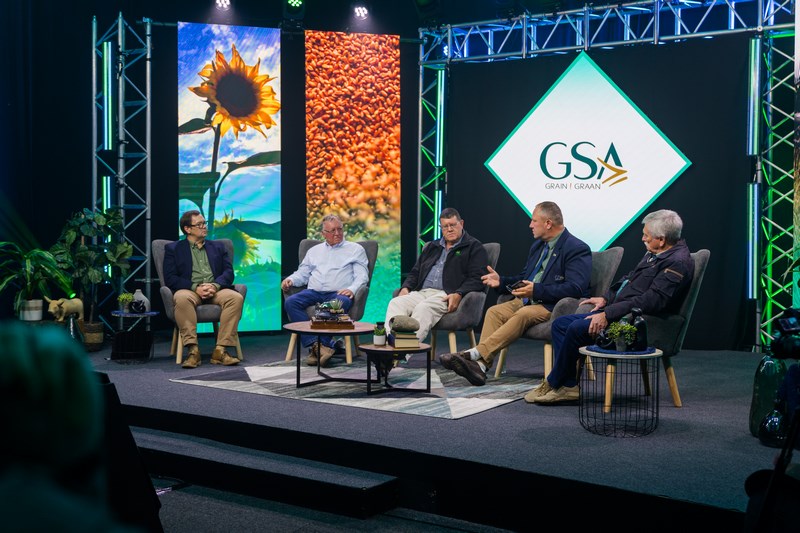
Steenhuisen Pledges Policy Predictability to Secure Grain Sector’s Future

0

Addressing the Grain SA Congress at Nampo Park in Bothaville on 11 March 2026, Minister of Agriculture John Steenhuisen delivered a message centered on “getting the fundamentals right” to bridge the widening gap between production costs and farmer returns. Speaking to a hall of producers and value chain representatives, the Minister emphasized that while agriculture remains a strategic pillar of the economy—contributing roughly 6% to 7% of South Africa’s economy—the sector is currently battling a convergence of structural pressures.

The Profitability Gap and Input Cost Crisis

The Minister acknowledged the Congress theme, “Opening the Gap: Sustainability key; profitability foremost,” noting that the gap between costs and returns is widening. He highlighted the “structural reality” of the wheat sector, where South Africa consumes over 3.5 million tonnes but produces only around 2 million tonnes. This leaves the country 40% to 50% dependent on imports, placing producers in regions like the Swartland and Overberg in an economically unsustainable position.

A primary driver of this strain is the cost of inputs, particularly fertilizer and fuel. With South Africa importing over 80% of its fertilizer requirements, local farmers are directly exposed to global disruptions. Steenhuisen warned that conflict in the Middle East is driving up insurance risk premiums for vessels in the Strait of Hormuz from an average of 0.25% to 1% of the total cargo value, which will result in a surge in transport costs. Furthermore, diesel prices are projected to rise by approximately R4.40 per litre from 1 April 2026, a significant blow to farmers entering the harvest and winter planting periods.

Infrastructure and Administrative Reform

Steenhuisen identified infrastructure as a “cost multiplier” within the country’s control. He noted a sharp decline in rail efficiency; in 2011, 20% of grains and oilseeds were moved via freight rail, but by 2025, that figure dropped to just 3%. To address this, he highlighted a new Memorandum of Cooperation with AgriSA, Agbiz, and Infrastructure South Africa to prioritize critical agricultural road corridors, starting with a pilot project in the Free State.

On the administrative front, the Minister committed to ending “policy uncertainty”. He addressed delays in the wheat import tariff system, stating he has been engaging with the Minister of the DTIC, Parks Tau, since April 2025 to move toward a more automated adjustment system. He also confirmed that the report to appoint a new National Agricultural Marketing Council has been submitted to his office, which will eventually allow for a Section 7 Committee to examine the wheat value chain’s market structure.

Innovation and New Market Frontiers

Looking toward long-term sustainability, the Minister advocated for a regulatory framework that supports scientific innovation. He revealed that the Executive Council of the GMO Act is updating risk-assessment frameworks for gene-edited crops to introduce a tiered system that aligns requirements with risk levels. Research into technologies like CRISPR at the University of Stellenbosch is already showing promise in improving yield stability during droughts.

Finally, Steenhuisen praised the global competitiveness of South African farmers, citing strong interest from Japan for high-quality yellow maize. A follow-up visit from Japanese representatives is planned for April 2026. “Food security ultimately rests on farm profitability,” the Minister concluded, promising that government’s role is to create certainty and allow farmers to get on with the job.

The Protea Powerhouse From Farm Gate to Global Markets

0

While the Western Cape has long been the face of South Africa’s floral kingdom, a new era of fynbos and protea farming is taking root across the country. In 2026, the sector has evolved from a niche botanical interest into a robust commercial export industry, providing a vital lifeline for farmers looking to diversify away from traditional high-input crops.

Zelpy Farm: A Success Story in Waboomskraal

In the mist-shrouded Waboomskraal valley near George, Zelpy Farm stands as a beacon of agricultural transformation. Under the leadership of Managing Director Beverley-Anne Joseph, the farm has masterfully bridged two distinct worlds: industrial hops production and high-value fynbos.

Protea

Zelpy’s success lies in its strategic asset management. By cultivating commercial proteas alongside hops, the farm has created a dual-income stream that hedges against the seasonal nature of the brewing industry. Their recent expansion into several hectares of King Proteas (Protea cynaroides) demonstrates a clear confidence in the long-term global demand for indigenous blooms.

The KZN Midlands: An Emerging Floral Frontier

Beyond the Cape, the KwaZulu-Natal Midlands has emerged as a critical production hub. Regions like Howick, Dargle, and Eston have seen a significant shift, with farmers converting former timber and sugarcane lands into commercial flower estates.

Oaklands Estate: A premier example of this shift, Oaklands specializes in growing proteas and Leucadendrons specifically for the local and international markets. Their operation emphasizes volume and quality, proving that KZN’s acidic “mist-belt” soils are ideal for high-end floral production.

Independent Commercial Growers: Dozens of smaller, independent growers in the Midlands are now contributing to a collective “floral corridor.” These farms have also tapped into Avitourism, as their protea fields attract the rare Gurney’s Sugarbird, drawing high-spending niche tourists and photographers to the region.

Protea

Gauteng: The Global Export Engine

While the flowers grow in the mountains, their journey to the world begins in Gauteng. As South Africa’s logistics heartland, Johannesburg serves as the primary hub for the floral trade.

The Multiflora Flower Market in City Deep remains the pulse of the domestic trade, but for international exports, proximity to OR Tambo International Airport is key. Specialized logistical companies in Gauteng ensure a strict cold chain—maintaining temperatures between 4°C and 10°C—as blooms are air-freighted to major markets in Europe, the Middle East, and Asia. In 2026, this “Farm-to-Flight” model is the engine driving the sector’s 8.6% annual growth, positioning South African farmers as world-class floral entrepreneurs.

By turning indigenous flora into a global commodity, these farmers are doing more than just growing flowers; they are cultivating a resilient rural economy that connects the quiet valleys of the Midlands and the Outeniqua to the bustling markets of the world.

Biosecurity and Global Risks Drive Agribusiness Confidence Below Neutral

0

In a sharp reversal of last year’s optimistic trend, the Agbiz/IDC Agribusiness Confidence Index (ACI) fell by 18 points in the first quarter of 2026 to reach 49. Compiled by Wandile Sihlobo, Chief Economist of the Agricultural Business Chamber of South Africa (Agbiz), the index has now dipped below the crucial 50-point neutral mark for the first time since Q3 2024.

This shift indicates that South African agribusinesses are moving toward a pessimistic outlook as they confront a “perfect storm” of animal diseases, geopolitical tension, and commodity price pressure. Unlike recent historical data from Stats SA, the ACI serves as a leading indicator of how decision-makers view the immediate future.

Disease and Geopolitics: A Confluence of Risks

The primary drivers of this quarter’s decline are persistent biosecurity threats. The spread of Foot-and-Mouth Disease (FMD) continues to drain the cattle industry of financial resources, while African Swine Fever remains a critical threat to pig farmers.

“The livestock and pig industries are under immense financial pressure because of the diseases, and these results mirror the challenge at hand,” said Wandile Sihlobo. “What remains key is a speedy vaccination process that will get us off the current worrying path.”

Beyond local borders, the Middle East conflict has introduced fresh volatility. Respondents expressed rising concerns over the conflict’s impact on energy and fertilizer prices, as well as its disruption to shipping routes. This instability, coupled with lower global prices for sugar and wheat, has left winter crop producers particularly uneasy.

A Closer Look at the Subindices

The decline was broad-based, with significant drops across the ACI’s core metrics:

Agricultural Conditions: This subindex saw the largest fall, plunging 31 points to 39, its lowest level since 2024. Unfavorable winter conditions in the Western Cape and excessive rain in the northeast were key factors.

Turnover and Income: Turnover confidence dropped 21 points to 50, while net operating income fell 22 points to 43, reflecting the strain on beef, dairy, and wheat producers.

Export Volumes: This metric deteriorated by 25 points to 50, fueled by concerns over Middle East logistics and inefficiencies at the Cape Town port.

Employment: Confidence in hiring fell 14 points to 39, tracking the general downbeat sentiment of the sector.

Investment Resilience Amid the Gloom

Interestingly, the report highlights a “decoupling” between sentiment and physical investment. While the Capital Investments subindex dropped 20 points, actual machinery sales tell a different story.

Tractor sales in February 2026 reached 669 units, a 5% increase year-on-year. Even more striking, combine harvester sales hit 19 units, a 63% jump from the previous month. This suggests that while farmers are worried, they are continuing to reinvest gains from the 2024–25 season to maintain capacity.

Despite the local farming challenges, the General Economic Conditions subindex remained resilient, dropping only one point to 61, buoyed by South Africa’s removal from the FATF grey list.

However, the outlook for the coming year remains cautious. “The Middle East conflict complicates our exports and puts pressure on fuel and fertiliser prices,” Sihlobo warned. “These factors may weigh on the sector as we move further into the 2026-27 production cycles.”

Western Cape FMD Update: 100,000 Vaccines Arrive to Bolster Provincial Defense

0

A critical shipment of 100,000 doses of the Foot-and-Mouth Disease (FMD) vaccine arrived at Cape Town International Airport on the night of Tuesday, 10 March 2026. Premier Alan Winde confirmed the arrival of the Dollvet vaccines, which were immediately processed for distribution to high-risk agricultural zones.

This arrival marks a significant milestone in the Western Cape Government’s 21-point response plan. “Our Dollvet vaccines have finally arrived,” the Premier stated, expressing gratitude to key partners including the Milk Producers Organisation (MPO), National RPO, Agri Wes-Kaap, and Shoprite South Africa for their support in managing the crisis.

Vaccination Progress and Strategic Rollout

The provincial “War Room” has already coordinated the vaccination of 47,700 animals across the province. With the new 100,000-dose shipment, the Department of Agriculture is pushing to vaccinate the entire provincial herd to achieve comprehensive herd immunity.

The rollout is prioritized by region and risk level:

Target Districts: West Coast, Cape Winelands, and the Garden Route.

Operational Scale: Over 239 vaccination sites are active, supported by provincial state veterinarians and 29 registered private veterinarians.

Strategy: Vaccination is being deployed in five phases, starting with infected herds and expanding to high-risk dairy and beef herds.

Current Regional Case Status

The vaccination surge comes as authorities work to contain several active clusters:

Garden Route: As of 10 March, a 6th farm in the Mossel Bay area has been confirmed positive. This farm is located within a 10km radius of the original index case.

West Coast: A positive case was recently confirmed at Kalbaskraal (Swartland), leading to the establishment of a quarantine ring and nine local checkpoints.

Cape Metro: Surveillance continues in areas like Mfuleni and Makhaza to prevent the virus from reaching the critical Philippi farming hub.

Strict Movement Controls

To prevent further spread, the province has enforced rigorous roadblocks and Vehicle Control Points (VCPs).

Permit Requirement: No cloven-hoofed animals (cattle, sheep, goats, or pigs) may be moved into or within the Western Cape without a valid state vet permit.

Road Closures: In the Garden Route, several provincial roads (including Kleinvlei and Sandhoogte) remain restricted to residents only to limit vehicle-borne transmission.

Resources for Farmers

The Western Cape Government is urging all livestock owners to remain vigilant and utilize the following official resources:

WCG FMD Hotline: 080 928 4102 (Press 1 for FMD)

Garden Route Emergency Call Centre: 044 805 5071 or WhatsApp 081 709 5193

Livestock Movement App: Register and apply for permits at https://tinyurl.com/AnimalMovementApp

Official Outbreak Info: Visit the Elsenburg FMD Portal for biosecurity protocols and technical updates.

The arrival of the 100,000 Dollvet doses is a game-changer for the Western Cape’s agricultural sector. While new cases in the Garden Route and Swartland show the virus is still active, the province’s rapid response and mass vaccination drive are designed to protect the livelihoods of thousands of farmers and the future of South African exports. As the Premier noted, the government remains “by your side” to #GetItDone.

Agriculture Rebounds with 17.4% Growth: A Story of “Two Agricultures” in 2025

0

Statistics South Africa (Stats SA) has confirmed that the agricultural sector was a primary engine of the South African economy in 2025. According to the Gross Domestic Product (GDP) data released today, the industry recorded a massive 17.4% annual growth rate, rebounding from a lackluster 2024.

This recovery provided a significant lift to the national economy, which grew by 1.1% overall—the fastest pace in three years. However, expert analysis and sub-sector data reveal that this success remains “uneven,” split between record-breaking crop yields and a struggling livestock industry.

The “Green” Engine: Field Crops and Horticulture

The 17.4% surge was driven predominantly by the “green” side of the sector. Favourable La Niña rainfall through the 2024/25 season led to a near-record summer grain harvest and exceptional fruit production. In the fourth quarter (Q4) of 2025 alone, the industry grew by 0.4%, marking its fifth consecutive quarter of gains.

Agbiz Chief Economist Wandile Sihlobo, reacting to the data, noted that while the double-digit growth is a victory, it is partly a “base effect” following the 2024 contraction. “The recovery is robust but concentrated,” Sihlobo remarked. “Field crops and horticulture are powering the numbers, but they are masking deep financial pressures elsewhere.”

The “Red” Warning: Livestock and Imports

While the national headline is positive, the “red” side of agriculture—livestock—tells a different story. Despite the overall sector growth, Stats SA reported a notable increase in the imports of live animals and animal products in Q4 2025.

This reflects the ongoing biosecurity crisis. Foot-and-mouth disease (FMD) and African Swine Fever have continued to limit local production and export potential. Sihlobo warns that for growth to be sustainable in 2026, the focus must shift from weather to health. “Biosecurity is now an economic mandate. Vaccinating the national herd is the only way to ensure the livestock sector doesn’t pull down the 2026 figures,” he stated.

Logistics and the “Export Tax”

A critical red flag in the Q4 data was a 0.6% decline in overall exports, specifically in vegetable products and beverages. This decline occurred despite high production levels, pointing directly to the “logistics tax” paid by farmers at the ports.

For Western Cape producers of table grapes and wine, port inefficiencies between November and February proved immensely costly. While the recent installation of 120 new reefer plug points at the Port of Cape Town is a step toward fixing this, the Q4 data proves that production growth is only half the battle; the ability to move products to market remains a significant hurdle.

Looking Ahead: 2026 Outlook

As we conclude the 2025 calendar year, the industry faces a turning point.

The Weather: The La Niña cycle is ending, with a transition to neutral weather in April and a potential El Niño shift by late 2026.

The Target: With a record US$15.1 billion in exports achieved in 2025, the challenge for 2026 will be maintaining these levels amid changing weather and rising input costs—particularly fuel and fertilizer—driven by global geopolitical tensions.