18.1 C
Cape Town
Friday, November 7, 2025
Home Blog

Saai Karoo Landboufees versterk momentum in landbou

0

Die Saai Karoo Landboufees, wat op 24 en 25 Oktober 2025 in Laingsburg plaasgevind het, het bewys hoe boere, jongmense en gemeenskappe saamwerk om die toekoms van landbou in Suid-Afrika te versterk. Die fees, wat vanjaar vir die vierde keer aangebied is, het weereens gewys dat die Karoo sy eie pad vorentoe ploeg — met kennis, tegnologie en gemeenskapsamewerking as dryfkrag.

Kennis, inspirasie en samewerking

Volgens organiseerder Prof. Manie Spamer het die fees reeds Donderdag begin met opleiding aan Kleinboere aangebied deur BKB. Die veeveilig het Vrydagoggend afgeskop, wat die toon vir die naweek se landbou-aktiwiteite gestel het. Die amptelike opening het Vrydagmiddag plaasgevind, gevolg deur ’n paneelbespreking oor “Landbou in die nuwe globale landskap – uitdagings en geleenthede” met Dr. Ivan Meyer, Dr. Theo de Jager en Dr. Dirk Troskie, en Heindrich Wyngaard as gespreksleier.

Tydens hierdie gesprek het Dr. Meyer, Minister van Landbou, Ekonomiese Ontwikkeling en Toerisme van die Wes-Kaap, verwys na die belangrike rol wat boere in die Wes-Kaap speel in Suid-Afrika se totale landbou-uitvoere. Hy het beklemtoon dat landbou ’n sleutelrol in werkskepping speel en dat die sektor meer as 226 000 werksgeleenthede in die provinsie bied. Sy boodskap het gefokus op landbou se bydrae tot ekonomiese groei en die noodsaak om hierdie momentum te behou. Dr. De Jager het die kernwaarde van familieboerdery onderstreep as ’n pilaar van volhoubare landbou, terwyl Dr. Troskie waardevolle data oor boerderymetodes en voorkeurgewasse in die Karoo gedeel het — insigte wat plaaslike produsente direk kan toepas.

Saai Karoo Landboufees

Produsente en tegniese insigte

As deel van die produsenteprogram het Klein Karoo Sade ’n afsonderlike inligtingsessie aangebied waar boere meer oor saadverbouing en nuwe kultivars geleer het. Hierdie praktiese voorligting het die tegniese komponent van die fees versterk en boere toegerus met toepaslike kennis vir toekomstige seisoene.

Jeug en tegnologie bou momentum

In sy toespraak aan Hoërskool Laingsburg-leerlinge het Dr. Meyer die waarde van landbou as beroep beklemtoon. Hy het verduidelik hoe moderne boerdery toenemend op tegnologie steun – van presisieboerdery wat grondvog via satelliete meet, tot selfoontegnologie wat boere waarsku wanneer plante water benodig. “Ruimtetegnologie werk vandag op plaasvlak – selfs in die Karoo,” het hy gesê, en jongmense aangemoedig om landbouloopbane te oorweeg.

Gemeenskap, jeug en vroue in die kollig

Meer as 70 uitstallers het deelgeneem met demonstrasies en produkte, terwyl die gesprek oor geweld teen vroue, gelei deur Heindrich Wyngaard, ’n ernstige sosiale dimensie bygevoeg het. Die vroueprogram met Amoré Bekker, die Mej. Landbou-kompetisie, en die jeugopleiding deur die Departement van Landbou het gewys dat die toekoms van landbou reeds in jong hande lê.

Saai Karoo Landboufees

Selfs die basaar van plaaslike kerke het groot sukses behaal, met fondse wat hul gemeenskapsprojekte versterk het. Die gewilde wolbaaldra-kompetisie, met Giepie Caldo van BKB as aanbieder, het groot opgewondenheid veroorsaak en die fees ’n egte Karoo-karakter gegee.

Momentum vorentoe

Volgens Prof. Manie Spamer was die vierde Saai Karoo Landboufees vir die organiseringskomitee ’n groot sukses. “Bywoningsyfers het aansienlik gegroei, en boere is bekendgestel aan nuwe tegnieke en metodes wat in boerdery geïmplementeer kan word,” sê hy. “Programme deur die Departement van Landbou, Wes-Kaap vir die jeug en kleinboere was besonder gewild, en die terugvoer was uiters positief. Die organiseringskomitee is reeds besig met retrospeksie en die beplanning vir volgende jaar, terwyl al die groot borge reeds bevestig het dat hulle weer gaan terugkeer na Laingsburg in 2026.”

Hansie Viljoen: ‘n Lewe van Volhoubare Groei en Generasienalatenskap

0

Hansie Viljoen van Leeudoringstad, pas aangewys as die Graan SA Graanprodusent van die Jaar 2025, bewys dat die toekoms van graanboerdery diep in die verlede gewortel is – deur die aarde as ’n nalatenskap te bestuur, nie bloot as ’n bate nie. Sy verhaal is een van voortdurende groei, aanpasbaarheid en innovasie, wat perfek pas by die tema van die PGP Ukukhula Conference & Day of Celebration 2025, wat op 2 Oktober 2025 by NAMPO Park in Bothaville plaasgevind het.

Grain SA

Viljoen se benadering tot boerdery is gerig op wat hy “generasienalatenskap” noem. Vir hom gaan dit daaroor om die boerdery te kapasiteer vir verduursaming en só die grondgesondheid vir die volgende geslag te optimaliseer.

 Grondgesondheid: Die Hart van Nalatenskap

“n Mens moet die verskil tussen verbouing en versorging verstaan,” sê Viljoen. “As Graanprodusent van die Jaar besef ek dat die ware prys van sukses nie in ons tonnemaat lê nie, maar in hoe gesond ons die grond agterlaat.”

Die kern van sy sukses is sy diversiteitsbenadering: hy fokus nie slegs op mielies, koring en sonneblom nie, maar integreer wisselbou met grondbone. Hierdie benadering verseker dat die grond se chemiese en biologiese balans gehandhaaf word, wat deurslaggewend is vir langtermyn-opbrengs en weerstandigheid teen siektes. Deur die klem op presisie en grondgesondheid, dien Hansie Viljoen as ‘n inspirasie.

Presisieboerdery dryf Volhoubaarheid

Die tegnologie wat hy implementeer, is direk gekoppel aan hierdie filosofie. Viljoen maak intensief gebruik van presisieboerdery, slim besproeiing en GPS-tegnologie om hulpbronne te maksimeer en vermorsing te minimaliseer. Dié tegnieke stel hom in staat om elke vierkante meter van die land op sy optimale potensiaal te bestuur, wat die boerdery op ’n volhoubare groeipad plaas.

Sy storie is die perfekte voorbeeld van die momentum en toewyding wat die Graan SA PGP-program vier. Hy bewys dat, ongeag die ekonomiese uitdagings, ‘n toekomsbestande boerdery gebou word op beplanning, tegnologie, en ‘n onwrikbare respek vir die grond wat ons tydelik leen.

Western Cape Agriculture: We Are Not Just Growing – We Are Moving with Purpose

0

At the inaugural Western Cape Investment Summit in Cape Town from 5 to 7 November 2025, Premier Alan Winde reaffirmed that agriculture remains at the heart of the province’s economic growth and resilience. His message was clear: where there is investment, there is growth – and where there is growth, there is opportunity.

Premier Winde praised the determination of farmers and agri-entrepreneurs who continue to drive exports, create jobs, and build sustainable communities. Over the past decade, the Western Cape’s economy has grown by more than eight percent, outpacing other provinces. Nearly 90 percent of all new jobs created in South Africa over the past five years were generated here, many within the broader agri-value chain.

Agribusiness and Food Systems: Feeding the World

The Premier described the Western Cape as Africa’s top exporter of agri-processed products, crediting the province’s producers for their innovation and international reputation. From wine, citrus, and stone fruit to natural products such as rooibos and buchu, Western Cape agriculture continues to expand its footprint in global markets.

He highlighted milestones such as Afriplex’s EU-certified facility in Paarl, which shipped South Africa’s first batch of medicinal cannabis oil to Europe. The Cederberg’s rooibos industry, now protected under European Union designation status, is another example of how local producers are capturing niche, high-value markets. “Our natural abundance,” Winde said, “is also our competitive advantage.”

The Premier commended the agricultural sector for adopting climate-smart and sustainable practices that preserve natural resources while driving exports and creating rural jobs.

Green Economy: Powering a Sustainable Future

Energy security is a growing concern for agriculture, and Winde emphasised that renewable energy is not just part of the plan – it is the plan. Through the Energy Resilience Programme, the Western Cape has already added 819 MW of non-Eskom generation, with a goal of reaching 5 700 MW by 2035. The province also captures 70 percent of South Africa’s renewable energy manufacturing capacity.

He singled out the R47 billion Saldanha Bay hydrogen project as a cornerstone of the province’s green economy. This initiative, he said, will create new industries and reduce costs for energy-intensive agri-processors while unlocking export opportunities for green products.

Infrastructure and Logistics Supporting Growth

The Western Cape’s strong infrastructure network underpins its agricultural success. The province ranks 19th globally on the World Bank’s Logistics Performance Index, with efficient ports, well-maintained roads, and growing airfreight capacity. New developments such as the Cape Winelands Airport and Maersk’s large-scale cold-storage facility will strengthen export logistics for perishable goods, ensuring faster delivery to markets across the world.

Partnership and Good Governance

Premier Winde also credited good governance for sustaining investor confidence. The Western Cape Government has achieved three consecutive years of clean audits, and most of South Africa’s best-run municipalities are based here. These stable conditions allow investors and farmers to plan, expand, and innovate with confidence.

A Province Moving with Purpose

As Winde concluded, “We are not just growing – we are moving with purpose.” For the Western Cape’s agricultural sector, that purpose lies in sustainable growth, rural development, and continued global competitiveness. From the vineyards of the Winelands to the fruit orchards of Ceres and the grain fields of the Overberg, agriculture remains not only the backbone of the provincial economy but the heart of its motion – a living example of growth with purpose.

Agri-Expo Brings Global Agricultural Leaders to Cape Town for Landmark 2026 Commonwealth Conference

0

Agri-Expo and the Western Cape are proud to welcome the world of agriculture to South Africa for the 31st Commonwealth Agriculture Conference, taking place from 1 to 5 November 2026 at the Century City Conference Centre in Cape Town.

Registration officially opened on 3 November 2025, with early bird rates available until 30 April 2026. Delegates from South Africa and other African countries will enjoy a special regional offer, in recognition of the host continent.

A FIRST FOR CAPE TOWN AND A WIN FOR AGRITOURISM

Hosted by Agri-Expo, in association with the Royal Agricultural Society of the Commonwealth (RASC), the biennial conference will bring together agricultural leaders, policymakers, researchers, and next-generation innovators from across the Commonwealth.

Agri-Expo

“This is a first for Cape Town, and Agri-Expo is immensely proud to be your host,” says Breyton Milford, General Manager of Agri-Expo and Trustee of the RASC. “The Western Cape offers an inspiring setting where agriculture, innovation, and world-class tourism meet. As the gateway to agriculture in Africa, South Africa is ideally placed to connect high-level delegates with the continent’s vast potential and diverse agri-economy.”

As one of South Africa’s most productive and competitive provinces, driven by a thriving food and beverage manufacturing sector, a strong export base, the Western Cape employs more than 200,000 people in agriculture. With a fertile agricultural hinterland, major international port, and proximity to African markets, the province plays a vital role in regional food security and trade.

A GLOBAL GATHERING FOR AGRICULTURAL COLLABORATION

Sir Nicholas Bacon, Chairperson of the RASC, said: “I am delighted that the 2026 RASC Conference will be held in Cape Town, South Africa, and I look forward to it enormously. Hosted by Agri-Expo under the theme ‘Opportunities of Change in a Connected World: From South Africa to the World’, the event promises to be an exceptional week of discussion and connection. With the pre-tours adding depth of interest and breadth of quality, delegates can expect an inspiring programme.

Agri-Expo

“The challenges facing agriculture are remarkably similar wherever we are in the world – this conference provides a valuable platform to share experiences, explore solutions, and forge lasting friendships.”

WORLD-CLASS VENUE AND PROGRAMME

The award-winning Century City Conference Centre, voted Africa’s most sustainable venue, will host the main conference. Delegates are encouraged to book early for the Pre-Conference Tour (29–31 October 2026) in Stellenbosch, a uniquely personal agricultural experience with limited numbers. Programme highlights include the CEO Conference and Next Generation Conference at FNB Portside, followed by plenary sessions and networking events in Century City.

Previous RASC Commonwealth Agriculture Conferences have been held in Edinburgh (UK), Brisbane (Australia), Edmonton (Canada), Livingstone (Zambia), and Singapore.

Partners for the 2026 RASC Commonwealth Agricultural Conference include the Western Cape Department of Agriculture, Hollard, FNB, De Grendel Wine Estate, the South Africa National Convention Bureau and Wesgro, among others.

For registration and further information, visit www.rasc2026.com or www.agriexpo.co.za.

Smart Silos: The Key to Securing Africa’s Food Future

0

As Africa faces mounting pressure to feed a rapidly growing population, the continent is losing about 37% of its food before it ever reaches the plate. Post-harvest losses—caused by poor storage, pests, moisture, and inefficient transport—have become one of the greatest threats to food security. Now, a new wave of innovation promises to turn the humble grain silo into a smart, data-driven solution.

Technology Meets Tradition

At this month’s African Agri Investment Indaba (AAII), held from 24–26 November in Cape Town, Bühler Southern Africa’s Managing Director Marco Sutter will showcase how smart silo technology can dramatically reduce food waste.

“Smart silo technology represents a critical solution for reducing post-harvest losses,” says Sutter. He adds that Bühler’s goal is to help protect the hard work of African farmers and preserve every grain harvested for future use.

Smart silos are equipped with sensors, control systems, and artificial intelligence (AI) that monitor grain temperature, humidity, and pest activity in real time. If conditions shift, automated systems adjust ventilation and drying to prevent spoilage. The Internet of Things (IoT) connects each storage unit to a central dashboard, allowing millers and cooperatives to respond instantly to problems that would previously have gone unnoticed until it was too late.

Fighting Losses, Strengthening Food Systems

According to a recent World Bank report, Africa loses about 37% of locally produced food during transport and storage due to inadequate infrastructure and slow processing. With agricultural production projected to decline by 18% because of land degradation and climate change, the urgency to preserve existing yields has never been greater.

By preventing losses at the storage stage, smart silos could help stabilise food prices, strengthen regional grain reserves, and reduce dependency on imports. For smallholder farmers, better storage means they can sell their grain later, when prices are higher, instead of rushing to market immediately after harvest.

A Platform for Collaboration

The African Agri Investment Indaba brings together over 800 stakeholders from across the agricultural value chain — investors, policymakers, and project developers — to explore how to make these innovations scalable and affordable.

“The Indaba is more than a conference; it’s a meeting of minds,” Sutter explains. “Food security cannot be solved by one actor alone. It requires partnerships between technology providers, governments, and farmers.”

Bühler, with its long history in grain processing and sustainability initiatives, sees itself as a bridge between global innovation and African realities. The company invests up to 5% of its turnover in research and development each year, focusing on solutions that cut energy, waste, and water use in half by 2025.

Preserving Africa’s Harvest

In an era of climate uncertainty and rapid population growth, smart grain storage stands out as one of the continent’s most practical defences against hunger. It is not just about technology—it is about resilience, food sovereignty, and protecting the fruits of African labour.

As Marco Sutter puts it: “Every tonne of grain saved is a meal secured. That’s what smart silos are really about.”

Western Cape Prestige Agri Awards 2025 Honours Agri Worker Excellence

0

The Western Cape Department of Agriculture (WCDoA) proudly celebrated the skill and dedication of agri workers across the province at the 2025 Western Cape Prestige Agri Awards (WCPAA) Gala. The event honoured individuals whose daily contributions sustain the Western Cape’s agricultural success and rural prosperity.

These awards not only celebrate excellence, but also the resilience, skill, and spirit of the people who keep the province’s agricultural heart beating.

From Humble Beginnings to Provincial Recognition

Launched in 2002 by the Hex Valley Table Grape Association as the Farm Worker of the Year Competition, the initiative has grown into one of the most respected recognition platforms in South Africa’s agricultural calendar. This year saw an impressive 1 393 participants from across the province—150 more than in 2024—demonstrating the sector’s growing inclusivity and pride in excellence.

L - R: Dr Mogale Sebopetsa, Head Department: Western Cape Department of Agriculture, Shannon Robertson (Winner)  and Dr Ivan Meyer, Western Cape Minister of Agriculture, Economic Development and Tourism
L – R: Dr Mogale Sebopetsa, Head Department: Western Cape Department of Agriculture, Shannon Robertson (Winner) and Dr Ivan Meyer, Western Cape Minister of Agriculture, Economic Development and Tourism

Honouring the Heartbeat of Agriculture

Western Cape Minister of Agriculture, Economic Development and Tourism, Dr Ivan Meyer, commended the finalists and winners, stating:

“Agri workers are the heartbeat of our province’s agricultural economy. Their commitment sustains food security, supports our economy and builds resilient rural communities. Through the Prestige Agri Awards, we honour these hardworking men and women whose contributions ensure that the Western Cape continues to grow, innovate and feed the nation.”

Spotlight on the 2025 Overall Winner

The evening’s highest honour — 2025 WCPAA Overall Winner — was awarded to Shannon Robertson, Assistant Livestock Manager at Boschendal near Franschhoek. Shannon embodies the excellence, leadership, and dedication that define the province’s agricultural sector.

“This award is a blessing,” she said. “It shows that women have a place in agriculture and can lead with confidence, faith, and determination. My hope is that other young women see this and know that they too can make a difference in this sector.”

Behind every winner stands a community of workers, families, and farmers who together nurture the Western Cape’s world-class agricultural heritage.

Recognising Excellence Across the Sector

The competition covers eleven categories across the agricultural value chain, from general labour to management. Each region identifies a Best Potential and a Regional Winner, culminating in 167 finalists who competed at Elsenburg Agricultural Training Institute on 30 September 2025.

Winners were announced across all categories: Buron Kleynhans (General Worker), Selton Johnson (Driver), Kerneels Oncker (Irrigation Specialist), Ashley Bottom (Animal Production), Kaylin Samson (Technical Operator), Clarissa Saroon (Social Development), Jacqueline Lukas (Agri-Processing and Best Potential), Xongile Masungwini (Administrative Personnel), Ngonidzashe Nyaunga (Foreman/Woman), Lugelo Ntamane (Junior Manager) and Jacobus van der Linden (Middle Management).

Building Opportunity Through Partnership

Since 2004, the WCDoA’s Sub-Programme: Farm Worker Development has strengthened agri worker empowerment through training, career development, and partnerships with industry and government. The 2025 Awards, made possible through sponsorships valued at R1 085 517,96, underscore the power of collaboration in driving excellence, innovation, and growth.

A Testament to the Western Cape’s Agri Spirit

As the Western Cape Government continues to deliver on its promise of building a province of integrity, opportunity, and care, the Western Cape Prestige Agri Awards stand as a proud testament to the enduring spirit of our agri workers—whose hands feed our nation, whose dedication grows our economy, and whose stories inspire a new generation of agricultural excellence.

Grain SA Crowns Hansie Viljoen as 2025 Producer of the Year, Upholding Excellence Against Economic Headwinds

0

The pinnacle of South African commercial agriculture was celebrated on Friday, 31 October 2025, at the Birchwood Hotel & Conference Centre in Boksburg. The prestigious Grain SA / Syngenta Grain Producer of the Year Awards 2025 gala crowned a diverse farmer known for his strategic diversification and provided a crucial platform for the Minister of Agriculture to address the serious financial challenges currently facing the industry.

The Champion of Grain: Hansie Viljoen

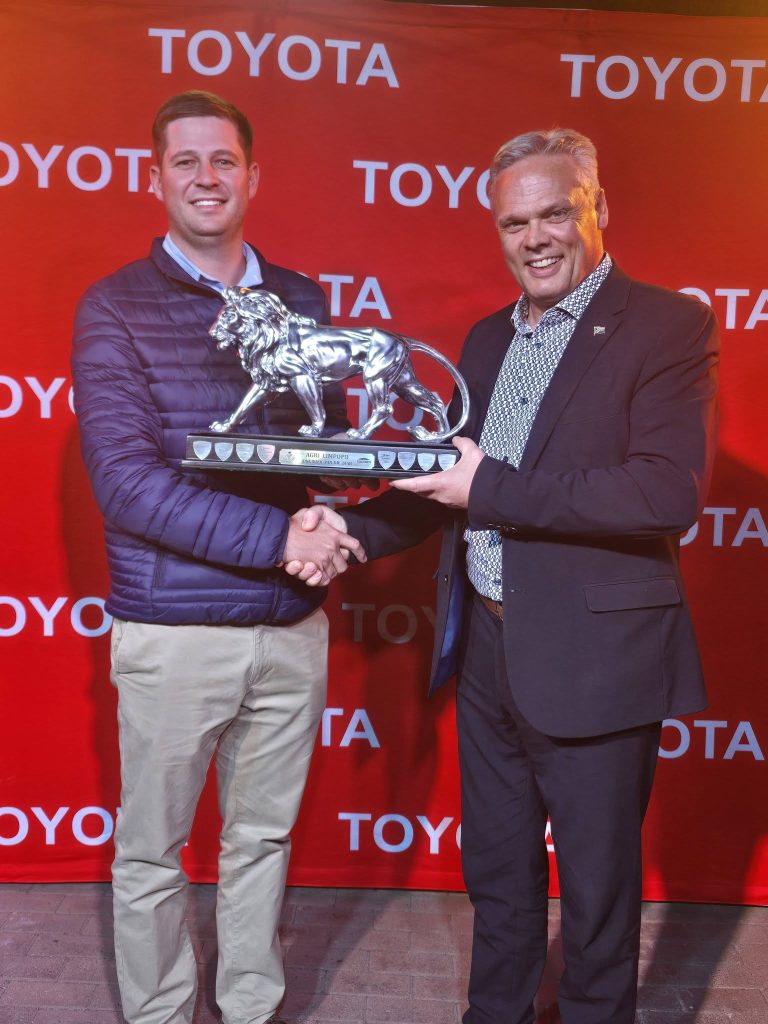
The coveted Grain SA / Syngenta Grain Producer of the Year 2025 title was awarded to Hansie Viljoen of Viljoen Boerdery. Farming across Leeudoringstad (North West), the Free State, and Botswana, Viljoen represents the kind of strategic thinking and diversification required to thrive in modern agriculture.

Viljoen’s operation is a true mixed enterprise, balancing substantial grain production with livestock and game. This approach, which he manages alongside his three sons, is underpinned by a philosophy of hard work, thorough planning, and smart financial management. Viljoen’s win, alongside finalists JP Truter and Riaan Taljaard, highlights that success in today’s farming requires a balance between traditional excellence and the adoption of modern, sustainable practices, particularly focusing on soil health and resource efficiency.

Minister Steenhuisen’s Stark Warning

Minister of Agriculture John Steenhuisen delivered the keynote address, starting with high praise for the sector’s incredible performance. He commended producers for achieving a record 23 million tonne grain and oilseed harvest—a staggering 30% increase year-on-year.

“This is not just a number. It is food on tables, foreign currency in our banks, jobs in rural towns, and stability on our balance of payments. You – the grain producers of South Africa – have delivered one of the greatest agricultural successes in our country’s history,” the Minister declared.

However, the Minister quickly pivoted to a serious warning about the “shadow” cast by this abundance: an “immense financial squeeze.” This pressure hits from two sides: lower output prices due to the surplus, and soaring input costs for fertiliser, fuel, and finance. Steenhuisen committed government support on three fronts: fighting for profit by opening new export markets; slashing red tape with faster water-use licences and permits; and building tomorrow’s farmers through mentorship and mechanisation grants.

Grain SA: Inspiring a Sustainable Future

Grain SA used the event to reinforce the vital role producers play in the nation’s stability and to celebrate the breadth of talent across the sector.

Dr. Tobias Doyer, CEO of Grain SA, underscored the significance of the award beyond just the victory: “Winning the Grain Producer of the Year award is not only a mark of distinction but also serves as an inspiration for other farmers. Recipients often become role-models within the agricultural community, encouraging others to adopt modern, sustainable practices and contributing to the overall development of South Africa’s grain industry.”

The evening also celebrated other key achievements, including the Golden Grain Awards for lifetime service to Jaco Minnaar and Derek Mathews, and honoured the rising stars across the Developing Farmer Categories (e.g., Rameshego Sarah Mahladi, Botlhale Jacob Tshabalala).

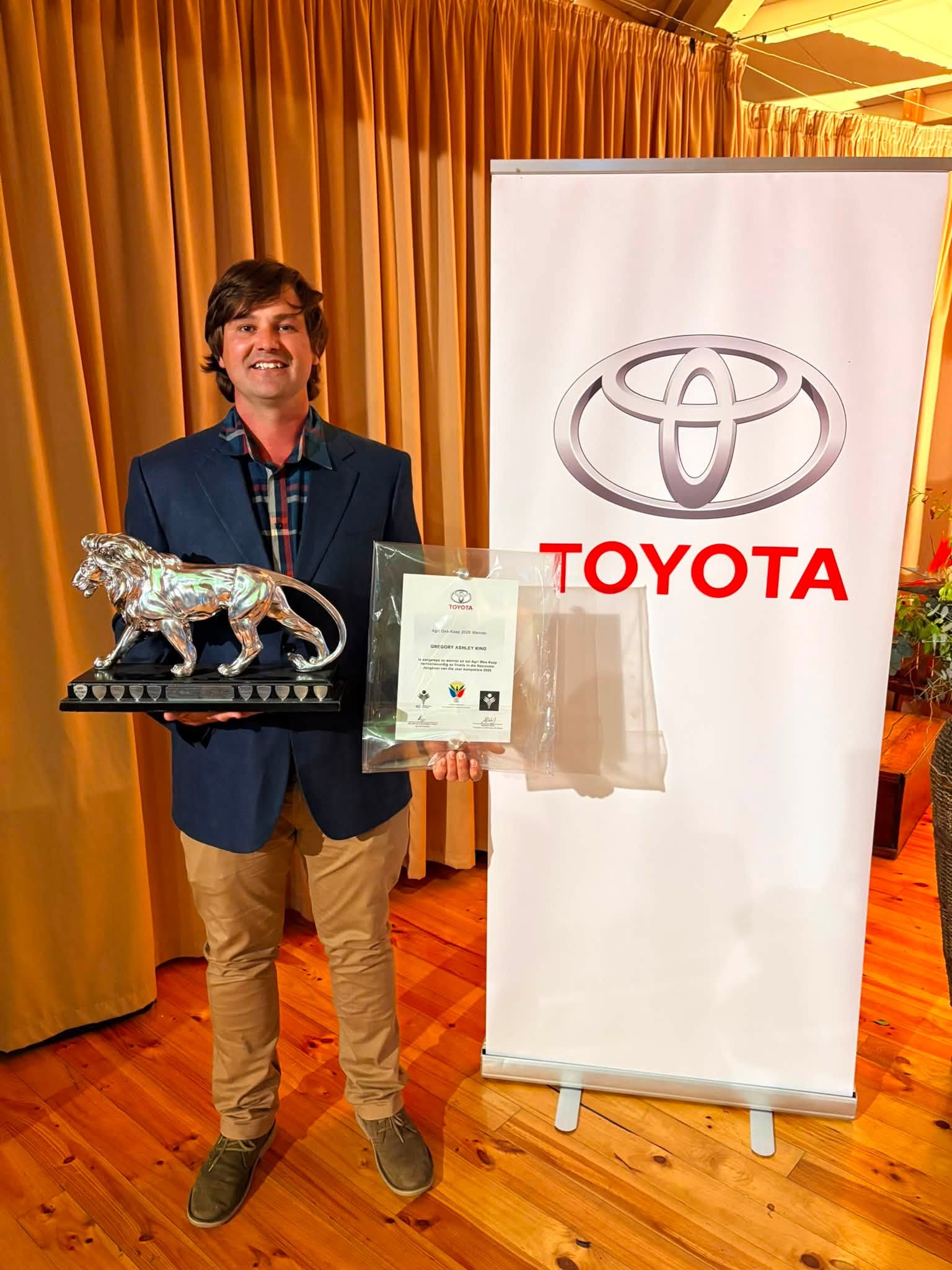
The success of the awards, now in their 25th year, was made possible by the dedicated support of key sponsors, including Syngenta, Toyota, Absa, John Deere Financial, and Land Bank, who continue to champion the pursuit of excellence in South African grain farming.

South Africa Pioneers Clean Plum Cultivars Through Micropropagation

0

In a landmark move set to redefine fruit cultivation in South Africa, Culdevco, a leading cultivar management company, has partnered with the Tissue Culture Facility (TCF) to initiate the micropropagation of plum cultivars. Launched in 2025, this pioneering project marks the first time plum cultivars have been propagated in tissue culture locally. The aim is to provide growers with disease-free plant material and strengthen the industry’s competitiveness.

Need for Clean Plant Material

The deciduous fruit sector has long battled the challenge of providing reliably healthy nursery stock. South Africa’s plant improvement scheme has had limited success. In 2024, only 28% of stone-fruit trees were certified, leaving orchards vulnerable to infection from pathogens such as viruses and viroids.

South Africa

A clear example is plum marbling, a viroid discovered in 2020 that had already spread widely before it was identified. Such infections are graft-transmissible: if present in either rootstock or scion, the entire tree becomes infected, resulting in poor-quality fruit. As former Hortgro Science manager Hugh Campbell noted, clean rootstocks alone are not enough if the budwood is contaminated. By propagating both rootstock and scion in tissue culture, as practiced in advanced European nurseries, growers dramatically reduce this risk.

Culdevco is addressing this challenge by sourcing starting material from its highly tested, isolated nucleus units.


How Micropropagation Benefits Growers

Micropropagation, or tissue culture, brings clear advantages to South African growers.

It provides disease-free orchards by ensuring that clean starting material results in healthy trees. This foundation leads to higher yields and improved fruit quality.

It allows rapid, year-round supply. Unlike conventional methods tied to seasonal growth, micropropagation enables continuous, indoor multiplication. A shoot can produce new micro-cuttings every four to six weeks, creating a steady flow of trees for nurseries.

It supports higher grafting success. Micropropagated material makes green grafting possible while plants are still small. With only one wound at the graft union, the risk of stem cankers drops significantly, while producing strong and reliable unions.

It gives planting flexibility. Trees are grown in containers, reaching 60 to 80 cm in about eight months. Containerised trees can be planted at any time of year, giving growers greater control over orchard establishment.

Looking Ahead

For Culdevco, this initiative is a key part of its responsibility as a cultivar manager for economically valuable varieties such as African Delight, Ruby Star, and Ruby Sun. Tissue culture, which produces identical clones of the parent plant, offers a reliable way to secure the industry’s future.

With healthier orchards, consistent plant supply, and flexible planting options, micropropagation represents a powerful step toward resilience and profitability in South Africa’s plum industry.

GEN-Z Vineyard Project Expands Its Vision

0

The ADVICO (Advancement of Viticulture Collective) platform marks the next chapter in journey of GEN-Z Vineyard Project, launched by Vinpro in 2016. What started as a focused initiative to establish demonstration blocks comparing cultivars, clones, and rootstocks has grown into a dynamic, collaborative effort that connects research, practice, and people across South Africa’s wine industry.

From GEN-Z to ADVICO – A Natural Evolution

The GEN-Z Vineyard Project was established to create a space where winegrowers could learn through observation and shared experience. By developing interplanting demonstration sites in commercial vineyards, growers can see firsthand how different combinations perform under real-world conditions. These demonstrations remain invaluable learning grounds, bringing science out of the lab and into the vineyard, where theory meets practice and practical insights are carefully and collaboratively developed.

GEN-Z Vineyard Project

A Broader Vision for Viticulture

As the project has matured, its vision has broadened. The focus, no longer solely on the “next generation” of vineyard plantings but on advancing viticulture as a whole through applied research, collaboration, and continuous learning. This shift in purpose called for a new identity, one that captured the broader mission and the collaborative spirit that had defined the project’s success.

The name ADVICO, derived from the Advancement of Viticulture Collective, embodies that vision. It reflects a renewed commitment to drive progress through partnerships, to link growers and researchers, and to bridge the gap between research and practical vineyard application. ADVICO represents not a new beginning, but a natural continuation of the GEN-Z legacy—stronger, more connected, and future-focused.

Demonstration Sites and Applied Research

Today, ADVICO’s work spans several interconnected areas. The interplanting demonstration network remains the foundation, offering comparative insights into the performance of cultivars, clones, and rootstocks across diverse growing environments. Alongside these sites, applied research projects address real-world viticulture challenges—developing solutions that are both scientifically sound and practically relevant.

ADVICO also partners with tertiary institutions to support student learning and cultivate the next generation of viticulturists, ensuring that the industry continues to attract and nurture fresh talent. Knowledge sharing is another cornerstone of the platform. Through vineyard walks, demonstration days, workshops, and digital learning resources, ADVICO makes research findings accessible, actionable, and relevant to growers on the ground.

Collaboration in the Face of Industry Challenges

In an industry facing the pressures of climate change, limited natural resources, and rising input costs, collaboration has never been more important. ADVICO helps the South African wine industry respond to these challenges through collective learning and shared innovation. By connecting growers, researchers, and industry partners, the platform encourages open exchange, turning data into understanding and experience into progress.

Looking ahead, ADVICO continues to expand with new demonstration sites, research initiatives, and partnerships. Its goal remains clear: to advance viticulture through collaboration, ensuring that the insights gained in the vineyard benefit not just individual farms but the broader wine community. ADVICO is more than a platform, it is a movement towards smarter, more sustainable, and more connected wine grape growing in South Africa.

Why Agriculture Needs a New Generation of STEM Talent

0

Agriculture is one of South Africa’s most strategically important industries. It secures food systems, sustains rural livelihoods, and supports export competitiveness. To safeguard its future, the sector must rethink how it attracts and prepares talent. Too many young people still view farming as low-skilled manual labour. In reality, modern agriculture is a science- and technology-driven industry where soil analysis, sensor irrigation, biosecurity, and cold-chain logistics are everyday tools. If the sector highlights this transformation, it will appeal to a new generation of problem-solvers with STEM skills who are essential for long-term sustainability.

 Pressures on Producers

South African producers face enormous challenges: water scarcity, crop disease, and infrastructure constraints all erode productivity. At the same time, they must remain globally competitive, meeting strict standards on quality and food safety. The solution lies in building a workforce with a mix of agronomy, soil science, agricultural engineering, mechanisation, data analysis, and post-harvest technology. Just as important are behavioural skills such as teamwork, communication, and resilience—qualities that enable young professionals to apply their technical knowledge effectively in complex conditions.

Learning in the Fields, Not Just the Classroom

The Afri Training Institute (ATI) is addressing this challenge through partnerships that link education with production realities. A prime example is the collaboration with Van Loveren Family Vineyards. Together they run a 12-month National Certificate in Plant Production (NQF Level 3), a credit-bearing learnership that blends classroom theory with practical training.

Learners gain experience in soil testing, crop selection, planting, pest monitoring, and harvesting. Entrepreneurship modules on budgeting, pricing, and routes to market prepare them for either employment or micro-enterprise. The first cohort, including youth with disabilities, trained at a special-needs school on productive plots. A second cohort has since been placed directly on a farm in Philippi, Cape Town, strengthening workplace integration.

Van Loveren reports clear benefits. Learners bring fresh ideas and practical capability into production, while farms gain motivated, better-prepared workers. HR Manager Anchané Koekemoer says the company’s goal is for every farm in its network to sponsor at least one learner, creating a sustainable pipeline of talent.

Why It Matters

This model works because training is contextual, continuous, and outcome-driven. It takes place onsite, aligned to local crop and compliance needs. Annual cohorts compound knowledge and peer learning. Graduates leave with qualifications, real work experience, and a pathway into either jobs or entrepreneurship. For producers, this means stronger yields, better soil and pest decisions, and improved team leadership. For communities, it creates visible, dignified opportunities that shift perceptions of agriculture from outdated stereotypes to a career of choice.

A Call to Action

Sandra Pretorius, General Manager at ATI, is clear about what is required: more employers sponsoring learners, more schools and TVET colleges linking STEM to agriculture, and more partnerships delivering training where people live and work.

If South Africa is to protect its food systems and rural economies, agriculture must present itself as an industry of science, innovation, and entrepreneurship. By investing in young talent today, the sector will cultivate the supervisors, technologists, and entrepreneurs needed to carry farming into the future.