

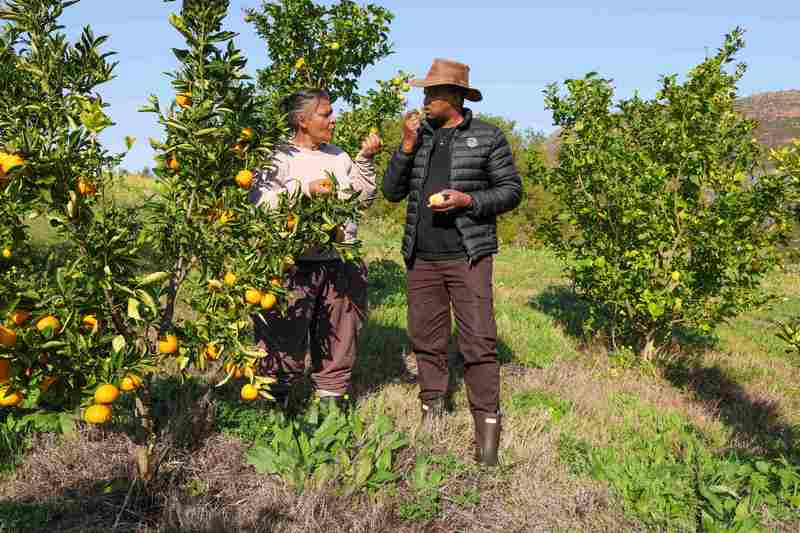

As regenerative tourism emerges as a powerful driver of sustainable development, the Western Cape’s Bergrivier region is demonstrating how this movement can directly benefit local farming communities. For generations, agriculture in the greater Piketberg area has operated in rhythm with the soil, seasons, and local community. Now, the launch of Green Piketberg – Route 366—a self-drive corridor winding along the R366—reframes sustainable farming into a valuable economic asset, offering a practical blueprint for rural producers, smallholders, and commercial farmers alike.
- Directly Commercialising Regenerative Ag-Practices
Modern agriculture faces growing pressure to adopt sustainable, climate-resilient farming techniques. Route 366 turns these ecological investments into immediate economic assets. Farmers utilizing soil-building methods, water conservation, organic viticulture, or biodiversity corridors are no longer keeping these achievements behind closed farm gates. Through farm-to-table dining, guided producer tours, and farm gate sales, agricultural stewardship becomes an interactive consumer product, allowing producers to capture higher margins directly from the consumer.

- Revenue Diversification for Farming Enterprises
Volatility in climate, input costs, and global commodity pricing makes income diversification vital for agricultural survival. Route 366 establishes an infrastructure where secondary farm-based ventures—such as artisan honey production, olive oil pressing, specialized rooibos harvesting, and farm-stay accommodations—can thrive. By driving steady visitor traffic along rural farm roads, the initiative helps smooth out seasonal farm cash flows without requiring landowners to compromise primary crop production.
- Strengthening Smallholders and Heritage Agriculture
Regenerative tourism actively protects local agricultural heritage and creates micro-enterprise pathways. Historic farming settlements like Goedverwacht and Wittewater, alongside small-scale growers in the Sandveld and Piket-Bo-Berg, gain direct access to new markets. Initiatives like the Makers of Green Piketberg storytelling series give visibility to backyard food growers, herbalists, and family-run plots, integrating informal agriculture into the formal rural tourism economy.
Regenerative Agriculture: ‘How Do We Grow More?’ to ‘How Do We Grow Better?’
- Enhancing Local Food Systems and Supply Chains
The route fosters a tighter circular economy within the Bergrivier district. Local hospitality providers, guesthouses, and restaurants are incentivized to source produce, wine, coffee, and meats straight from neighboring farms. This reduces food miles, builds resilient local food supply networks, and ensures that tourist expenditure remains within the farming community.
A Blueprint for Rural Resilience
Ultimately, Green Piketberg – Route 366 demonstrates that agriculture and tourism are not competing land uses, but deeply complementary drivers of rural development. By inviting the public to value the land as farmers do, the route helps secure a more economically sustainable and ecologically sound future for the region’s agricultural heartland.
To learn more about the agricultural producers and eco-friendly experiences along the route, visit Bergrivier Tourism.