

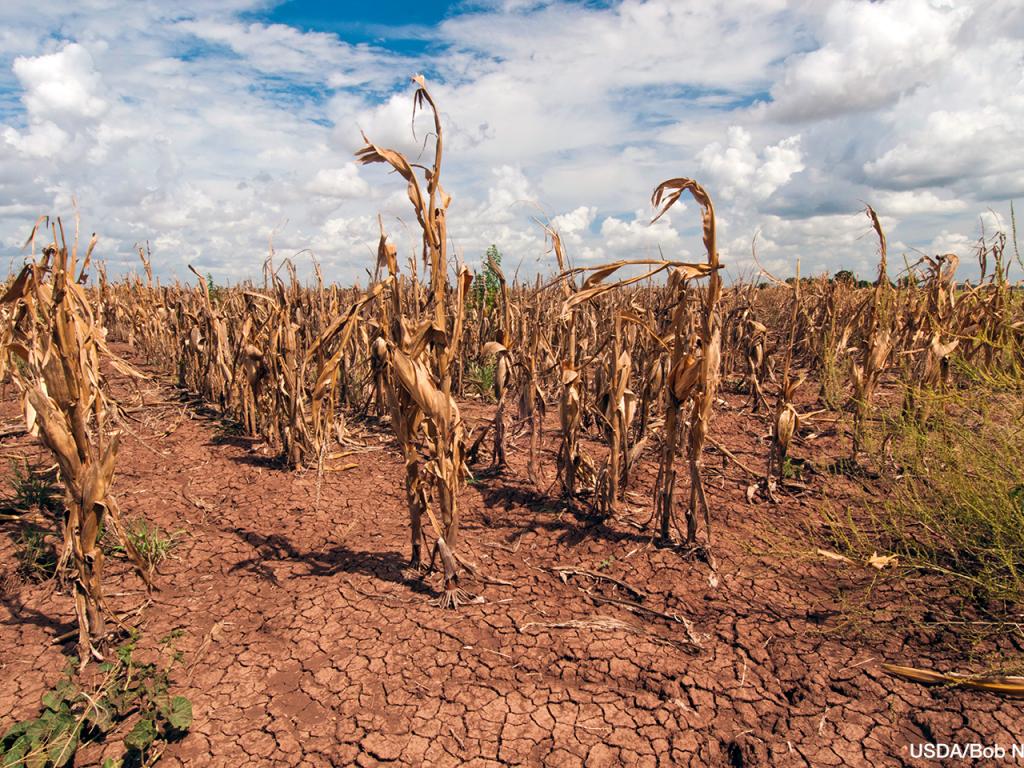

South African farmers are no strangers to uncertainty. Weather volatility, input costs, commodity prices, market access, logistics, and interest rates constantly shape the performance of an agricultural business. The prospect of a strong El Niño summer—bringing below-normal rainfall and elevated temperatures across much of the country—adds another critical layer of risk.
Writing on the strategic approach farmers should adopt, Daneel Rossouw, Head of Sales for Agriculture at Nedbank Business and Commercial Banking, stresses that risk does not equate to inevitable catastrophe.
“The risk is real but does not mean a severe, widespread drought will necessarily occur,” notes Rossouw. “For farmers, the priority is to prepare for potentially difficult conditions without making decisions based on the assumption that the worst-case scenario is certain.”
Understanding Climate Risk in Context
Higher summer temperatures accelerate evaporation and rapidly deplete soil moisture. For livestock producers in vulnerable grazing regions, disappointing rainfall presents direct operational challenges as veld conditions deteriorate. Meanwhile, crop farmers face yield risks if key rain events fail to materialize. Rossouw emphasizes that the timing and distribution of rain can be as important as the total volume received.
“Even a season with reasonable overall rainfall can be difficult if rain arrives late or prolonged dry spells coincide with critical crop-development stages,” Rossouw explains.
Fortunately, South Africa enters the season with a vital buffer: moisture reserves and dam levels improved substantially following the exceptionally wet 2025/26 season. Historical precedents also demonstrate that strong El Niño events do not yield uniform outcomes. While the 1982/83 and 2015/16 seasons produced severe droughts, the intense 1997/98 El Niño actually saw parts of the summer rainfall region record slightly above-normal rainfall.
Climate Risk as Business Risk
A poor rainfall season can reduce yields and carrying capacity right when operating costs are rising, squeezing cash flow and an enterprise’s ability to fund subsequent production cycles. Rossouw points out that managing weather events comes down to sound financial resilience.
“The question is not simply whether a farmer can withstand a dry season, but whether the business is financially equipped to absorb a setback without compromising its longer-term viability,” says Rossouw.
He recommends key steps to protect balance sheets across crop and livestock operations:
- Scenario Planning: Model financial outcomes under lower yield or poor grazing conditions to identify cash flow shortfalls early and defer non-essential capital investments.
- Separating Expense Categories: Clearly distinguish seasonal operational costs, long-term capital investments, and personal living expenses to pinpoint financial pressure points.
- Matching Finance to Asset Lifespans: Avoid using short-term production facilities to purchase long-term machinery or breeding stock investments.
Strategic Investment and Early Communication
While advances in drought-tolerant genetics, conservation agriculture, and precision soil monitoring have strengthened farm resilience since 2015, physical interventions must make commercial sense. Rossouw cautions that an El Niño forecast alone is not sufficient reason to commit heavy capital to irrigation, water storage, or untried diversification projects without thorough risk analysis.
Ultimately, proactive communication with financial partners is essential. Rossouw urges producers to engage their relationship managers early if cash flow projections signal friction down the line.
“Engaging with your relationship manager early allows time to review the business’s financial position, debt structure, and working-capital requirements,” Rossouw highlights. “Ultimately, managing climate risk is about building a financially resilient business that can absorb setbacks, adapt when conditions change, and remain positioned to recover and grow.”