


The domestic market alone is no longer enough to sustain the level of economic growth required to secure the future of the Western Cape’s agricultural sector. With this reality in mind, Dr Ivan Meyer, the Western Cape Minister of Agriculture, Economic Development and Tourism, officially launched the Western Cape Export Strategy 2035 on 14 July 2026.
The strategy positions market access as the single most critical driver for economic growth, investment, and job creation across the province. For the agricultural community—already a dominant force in South Africa’s export economy—this strategy represents a clear, long-term roadmap to connect local farms directly to high-value global opportunities.
The Roadmap to a R1 Trillion Economy
The Export Strategy 2035 is not just a standalone policy; it is the practical engine designed to drive the Western Cape Government’s broader “Growth for Jobs” strategy. The ultimate provincial target is to build an inclusive, R1 trillion economy that grows at a rate of between 4% and 6% annually.
“Growth for Jobs is our vision. The Export Strategy is our roadmap. Market access is the bridge that connects Western Cape businesses to global opportunity, investment and jobs,” Minister Meyer stated during the launch.
For local producers, this means provincial government focus will shift heavily toward opening doors in international markets, ensuring that world-class Western Cape products have a clear, friction-free path to global consumers.
Spotlight on Western Cape’s Export Champions
The strategy is built on the proven success of the province’s existing world-class exporters. Agriculture forms the undisputed vanguard of this effort, driven by high-performing product sectors that already command global attention:
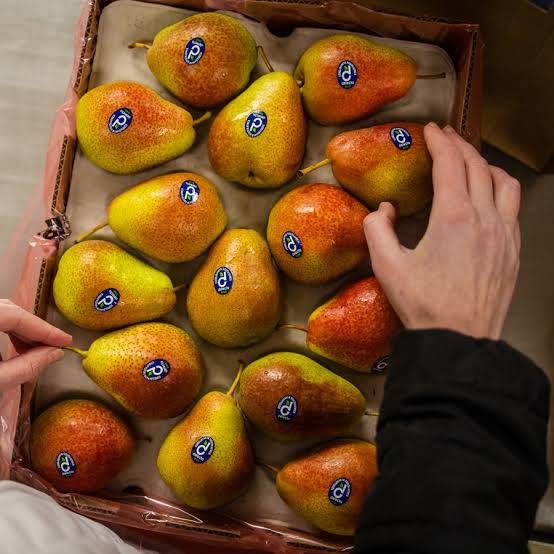
- Deciduous and Citrus Fruit: Table grapes, apples, pears, oranges, and soft citrus destined for European, Asian, and UK supermarkets.
- Premium Wine: The world-renowned South African wine industry, anchored in the Cape Winelands.
- Value-Add and Agro-processing: High-demand products such as locally produced fruit juices, rooibos tea, and processed foods.
- Livestock & Emerging Industries: High-quality beef, mutton, and the rapidly growing equine export sector.
Ambitious Targets for 2035
To measure the success of the strategy, the provincial government has set clear, tangible targets to be achieved over the next nine years:
- Significantly increasing the overall monetary value of exports leaving the province.
- Growing the number of active, exporting businesses by 1,000.
- Unlocking at least 10 brand-new export product opportunities.
These targets represent a massive opportunity for mid-sized agricultural producers who have previously relied solely on local supply chains, as well as established exporters looking to expand their global footprints.
Minister Meyer emphasized that the ultimate success of this strategy will be measured by real-world impact. “Our success will be measured by new markets opened, new exporters supported, new investment secured and new jobs created,” Meyer concluded.
Get the Strategy: A copy of the strategy can be downloaded at https://www.westerncape.gov.za/edat/western-cape-export-strategy-2035