

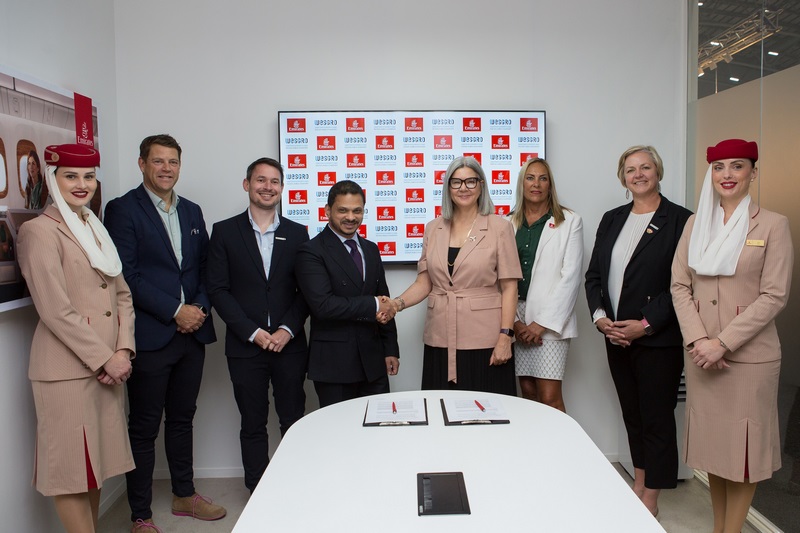

While the primary headlines of the newly signed Memorandum of Understanding (MoU) between Emirates and Wesgro focus on tourism, the implications for the Western Cape’s agricultural sector are equally profound. Signed during the recently concluded Africa’s World Travel Market (WTM) in Cape Town, the agreement cements a partnership that is as much about moving high-value perishables as it is about moving people.
The MoU, signed by Afzal Parambil (Emirates) and Wrenelle Stander (Wesgro), directly supports the province’s Growth for Jobs Strategy, providing a vital link between local producers and lucrative international markets.
Direct Access to High-Value Markets
A key component of the agreement is the focus on growth markets in the GCC (Gulf Cooperation Council), the Far East, and India. For Western Cape farmers, these regions represent massive demand for premium agricultural products.
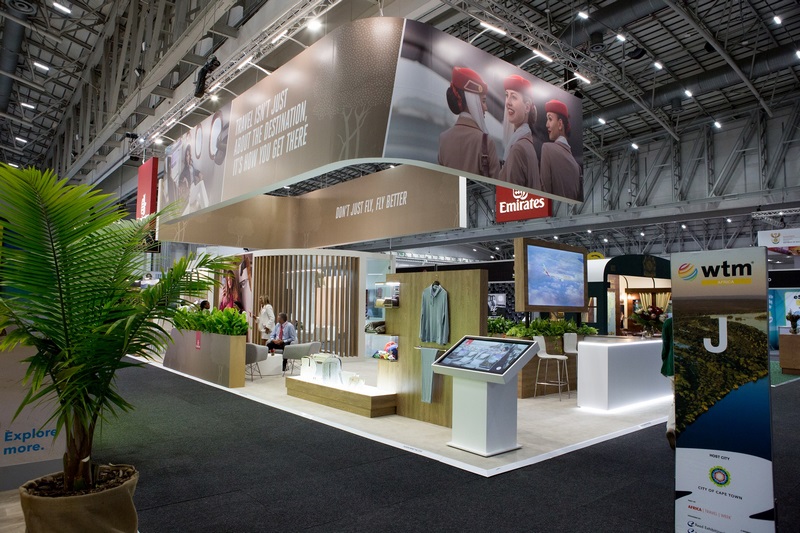
By aligning the airline’s global network with Wesgro’s trade promotion, the MoU ensures that the Western Cape’s natural bounty—from world-class fruits and vegetables to seafood and dairy—has a streamlined path to global consumers. Wrenelle Stander noted that this “system-scale” partnership allows the region to engage global stakeholders more effectively, positioning local produce as a premium offering.
The Logistics of Freshness: 24–48 Hour Turnaround
For the agricultural community, the most critical aspect of this partnership is the role of Emirates SkyCargo. The airline provides a high-speed “cold chain” bridge that is essential for maintaining the integrity of sensitive exports.
Emirates SkyCargo currently facilitates the export of significant volumes of:
Fresh Fruits and Vegetables: Connecting local orchards to global tables.
Chilled Meats and Seafood: Ensuring Western Cape proteins reach international markets at peak quality.
Floriculture: Transporting fresh-cut flowers to global hubs with minimal delay.
With turnaround times ranging from just 24 to 48 hours, this connectivity allows local farmers to compete on quality and freshness in a way that sea freight cannot match.
Increased Belly-Hold Capacity: The A350 Factor
The announcement of a third daily frequency to Cape Town, served by Emirates’ newest aircraft, the Airbus A350, is a win for agri-exporters. Every passenger flight provides additional “belly-hold” cargo capacity.
This increase in flight frequency ensures more consistent and reliable cargo space, reducing bottlenecks for seasonal harvests. As South Africa remains the only African nation served by all three of Emirates’ aircraft types (A380, Boeing 777, and A350), the Western Cape remains uniquely positioned as a logistical leader on the continent.
Economic Resilience and Job Security
Agriculture remains a cornerstone of the Western Cape’s economy. By securing more robust trade routes through this MoU, the partnership helps stabilize the sector against local market fluctuations. As the airline and Wesgro work to “unlock new growth opportunities,” the ripple effect will be felt on farms across the province, supporting the tens of thousands of jobs that depend on a successful, export-oriented agricultural industry.