14.8 C
Cape Town
Wednesday, June 24, 2026
Home Blog Page 9

Enhanced Connectivity: Emirates-Wesgro Deal to Support Western Cape Agri-Exports

0

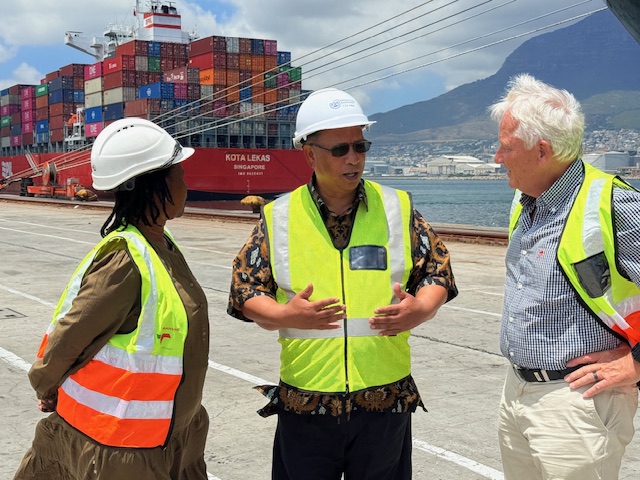
While the primary headlines of the newly signed Memorandum of Understanding (MoU) between Emirates and Wesgro focus on tourism, the implications for the Western Cape’s agricultural sector are equally profound. Signed during the recently concluded Africa’s World Travel Market (WTM) in Cape Town, the agreement cements a partnership that is as much about moving high-value perishables as it is about moving people.

The MoU, signed by Afzal Parambil (Emirates) and Wrenelle Stander (Wesgro), directly supports the province’s Growth for Jobs Strategy, providing a vital link between local producers and lucrative international markets.

Direct Access to High-Value Markets

A key component of the agreement is the focus on growth markets in the GCC (Gulf Cooperation Council), the Far East, and India. For Western Cape farmers, these regions represent massive demand for premium agricultural products.

By aligning the airline’s global network with Wesgro’s trade promotion, the MoU ensures that the Western Cape’s natural bounty—from world-class fruits and vegetables to seafood and dairy—has a streamlined path to global consumers. Wrenelle Stander noted that this “system-scale” partnership allows the region to engage global stakeholders more effectively, positioning local produce as a premium offering.

The Logistics of Freshness: 24–48 Hour Turnaround

For the agricultural community, the most critical aspect of this partnership is the role of Emirates SkyCargo. The airline provides a high-speed “cold chain” bridge that is essential for maintaining the integrity of sensitive exports.

Emirates SkyCargo currently facilitates the export of significant volumes of:

Fresh Fruits and Vegetables: Connecting local orchards to global tables.

Chilled Meats and Seafood: Ensuring Western Cape proteins reach international markets at peak quality.

Floriculture: Transporting fresh-cut flowers to global hubs with minimal delay.

With turnaround times ranging from just 24 to 48 hours, this connectivity allows local farmers to compete on quality and freshness in a way that sea freight cannot match.

Increased Belly-Hold Capacity: The A350 Factor

The announcement of a third daily frequency to Cape Town, served by Emirates’ newest aircraft, the Airbus A350, is a win for agri-exporters. Every passenger flight provides additional “belly-hold” cargo capacity.

This increase in flight frequency ensures more consistent and reliable cargo space, reducing bottlenecks for seasonal harvests. As South Africa remains the only African nation served by all three of Emirates’ aircraft types (A380, Boeing 777, and A350), the Western Cape remains uniquely positioned as a logistical leader on the continent.

Economic Resilience and Job Security

Agriculture remains a cornerstone of the Western Cape’s economy. By securing more robust trade routes through this MoU, the partnership helps stabilize the sector against local market fluctuations. As the airline and Wesgro work to “unlock new growth opportunities,” the ripple effect will be felt on farms across the province, supporting the tens of thousands of jobs that depend on a successful, export-oriented agricultural industry.

Goss’s Wilt Now in 8 Provinces—KZN the Only “Clean” Zone Left

0

Goss’s Wilt is a destructive bacterial disease caused by Clavibacter michiganensis subsp. nebraskensis that primarily targets maize, threatening yield by causing severe leaf blighting and systemic wilting. As of April 2026, the Department of Agriculture has confirmed a significant expansion of the disease, which is now present in eight of South Africa’s nine provinces.

Initially detected in only four provinces in 2024, a comprehensive 2025 survey has now confirmed its presence in the Free State, North West, Gauteng, Eastern Cape, Limpopo, Mpumalanga, Northern Cape, and Western Cape, leaving KwaZulu-Natal as the last remaining province with no recorded detections.

The “No-Cure” Reality

The most alarming factor for maize producers is that Goss’s Wilt is a bacterial pathogen, meaning there are globally no recorded chemicals or fungicides that can cure an infected plant. Unlike fungal diseases where a quick spray might halt progress, once Goss’s Wilt enters a field, the damage is irreversible for that season.

A recent March 2024 study by Grain SA highlighted the stakes: poor management of maize diseases like Goss’s Wilt can lead to yield losses ranging from 30% to 100% in severe cases. While South Africa’s current 16.13 million-ton harvest remains stable, the rapid geographic spread of this pathogen puts long-term food security at risk.

The Harvest Vector: How it Spreads

The bacteria can survive in crop residue for 10 to 15 months, effectively “overwintering” in the soil. While it can move short distances via wind-driven rain or hail—which creates the wounds necessary for infection—the primary driver for long-distance provincial spread is contaminated farming equipment.

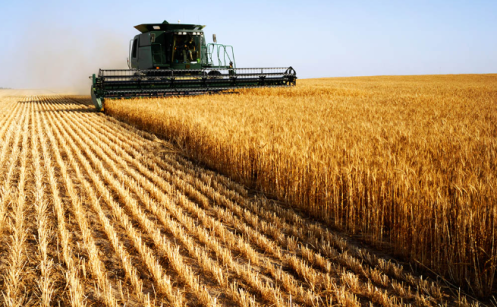
As we enter the 2026 harvest season, harvesters, planters, and tillage implements moving between districts are the #1 biosecurity risk. A harvester that worked an infected field in the Free State can easily “inoculate” a clean farm in the Western Cape if not properly sanitized.

The “Come Clean, Go Clean” Preventative Plan

Since you cannot spray your way out of an infection, prevention is the only viable strategy. Agri News recommends a strict three-pillar approach for all maize producers:

  1. Machine Hygiene (The Immediate Priority)

Before any equipment—especially from contractors—enters your property, it must undergo a rigorous wash-down. Use high-pressure water to remove all plant debris and soil, followed by a disinfectant spray (such as a 1:10 bleach solution) on tyres and high-contact areas.

  1. Aggressive Crop Rotation

Because the bacteria “starves” without a host, rotating infected fields with non-host crops like soya beans, dry beans, or small grains is essential. A minimum two-year break from maize is recommended for heavily infested lands.

  1. Weed Management

The bacteria can persist on alternative hosts, including several common grassy weeds. Maintaining clean fields and fence lines reduces the “reservoir” of bacteria available to infect your next maize crop.

Vigilance in the “Last Stand”

For farmers in KwaZulu-Natal, the message is clear: the disease is at your borders. For farmers in the eight infected provinces, the goal is now containment and yield protection.

The Department of Agriculture and Grain SA urge all producers to report “unusual” symptoms—specifically long, wavy-margined lesions with “freckles”—to diagnostic clinics immediately. By treating biosecurity as a collective responsibility, the industry can protect the 2026/27 cycle from further expansion of this “untreatable” threat.

Report Suspected Cases:

Directorate Plant Health: 012 319 6384 / [email protected]

Grain SA Diagnostic Support: contact your regional representative

From Soil to Shipping: The R10 Per Litre Reality Check

0

For South African grain producers, the financial mathematics of the 2026 season have been rewritten in a single month. As the conflict in the Middle East destabilizes global energy and chemical hubs, the question for many farmers has shifted from profitability to pure survival.

The gravity of the situation was confirmed this week by the International Monetary Fund (IMF). In its latest economic assessment, the IMF slashed South Africa’s 2026 growth projection to just 1.0% (down from 1.4%). The IMF cited the country’s heavy reliance on imported refined fuels and the “heavy economic toll” the Middle East conflict is exacting on oil-importing nations as the primary drivers for this downgrade.

The R3/Litre Illusion

On 1 April 2025 the Department of Mineral and Petroleum Resources (DMRE) implemented a record-shattering R7.51 per litre increase in the wholesale price of 0.005% sulphur diesel. To soften the blow, the National Treasury introduced a temporary R3.00 per litre reduction in the general fuel levy, effective until May 5th.

However, industry leaders warn that this relief is being swallowed by “emergency surcharges” across the logistics chain. Business stakeholders report that as transport and shipping providers struggle with their own rising costs; these surcharges are acting as a “stealth tax” on producers. For export-heavy sectors, where the farmer typically bears the “producers’ cost” of freight and insurance to the final destination, these invisible levies are carving directly into already thin margins.

Fertilizer: Crossing the 50% Threshold

Beyond the fuel pump, the closure of the Strait of Hormuz has triggered a second front for the agricultural sector: a global fertilizer crisis. Because the Persian Gulf is a primary hub for urea and ammonia, global supply has been throttled, and prices have followed the surge in crude oil.

Agri Western Cape has confirmed a sobering new metric: for cereal and grain producers, fertilizer now accounts for between 37% and 50% of total input costs.

“In agriculture… increases in these inputs are deeply concerning,” Agri Western Cape stated. While “shortages are unlikely” for staples like wheat and rice, the price of maintaining soil health has become the single largest line item on the farm ledger.

Calls for “Out-of-Cycle” Reform

In response to this volatility, AgriSA and Agbiz have officially called for an overhaul of the fuel pricing framework. Their proposal includes moving toward weekly or bi-weekly price reviews for the duration of the crisis.

This “out-of-cycle” system aims to prevent the “panic buying” and “supply withholding” reported in rural heartlands last month, where some cooperatives were forced to ration diesel. By keeping the pump price closer to the real-time market value, AgriSA and Agbiz argue that the supply chain will remain more stable as the critical winter planting season approaches.

Maritime Shockwaves

The maritime sector remains the “canary in the coal mine.” Shipping sources report that marine gasoil prices have surged from R17 in early March to over R50 per litre this month—a 300% spike. For South Africa’s fruit exporters, this translates to a massive increase in the cost of reaching global markets, just as the 2026 citrus season gains momentum.

While the IMF warns of global inflation, the immediate burden remains on the South African farmer. Organized agriculture is urging producers to move away from “spot” purchases and formalize contracts with fuel majors to ensure priority delivery. In a market where fuel and fertilizer now dictate the fate of the harvest, precision in the ledger is now as critical as precision in the field.

Final Call: 48 Hours to Shape the “War on FMD” Vaccination Scheme

0

The clock is ticking for South Africa’s livestock producers. Following Minister John Steenhuisen’s formal publication of the Routine Vaccination Scheme for Foot and Mouth Disease (RVS-FMD) on 10 April 2026, the industry has been handed a historic opportunity—and a very tight deadline. With only seven (7)  calendar days permitted for public comment, the window to influence this framework closes this Friday, 17 April 2026.

For a sector that has been hamstrung by reactive containment and export bans, this draft scheme represents more than just a policy update; it is a decisive “leap forward” in biosecurity. However, its success depends entirely on the “partnership” model the Minister has proposed.

From Reactive Crisis to Proactive Defense

Historically, South Africa’s approach to FMD has been one of “emergency response”—reacting only once an outbreak has already paralyzed trade. Minister Steenhuisen’s new RVS-FMD, established under Section 10 of the Animal Diseases Act (Act No. 35 of 1984), flips this script.

The scheme moves the country toward a proactive, risk-based system. By allowing for coordinated, routine vaccination of domesticated cloven-hoofed animals, the Department aims to create a “buffered” national herd. This strategy is designed to ensure the continuity of business operations, even when the disease is detected in neighboring regions.

The “Fine Print”: Traceability and Oversight

While the scheme is voluntary, the requirements for participation are rigorous. This is where producers must pay close attention. To maintain status within the RVS-FMD, the draft mandates:

Unique Identification: Every animal must be recorded on a national traceability system using branding, tattooing, or electronic ear tags to monitor the animal’s entire life cycle.

Strict Audit Trails: Participants must comply with biosecurity plans and submit to regular audits to ensure the “cold chain” management of vaccines and correct administration techniques.

Expert Oversight: A new committee—comprising state and private veterinarians, virologists, and representatives from the dairy, feedlot, pig, and small stock industries—will monitor the scheme’s integrity.

A Shared Financial Burden

A critical pillar of the Minister’s announcement is the cost-sharing mechanism. Unlike emergency state-led vaccinations, the RVS-FMD is built on “equitable participation.” This means the agricultural economy—both government and industry—will share the financial and logistical load. For producers, this is a vital point to address in their comments: how will this cost-sharing be balanced to ensure that small-scale and emerging farmers aren’t priced out of participation?

Why Your Comment Matters Now

The Minister has been clear: this scheme is the groundwork for a return to an internationally recognized disease-free status. This status is the “golden key” to unlocking high-value global markets and protecting the R80 billion livestock sector.

However, once this draft is finalized, the rules on traceability and biosecurity will become the new standard. Farmers must ensure the scheme is practical, affordable, and logistically sound for the reality of South African veld conditions.

How to Respond:

All interested parties must submit representations by 12:00 PM on Friday, April 17, 2026.

Direct submissions to: Dr. EM Mogajane (FMD Command Centre)

Email: [email protected]

This is your chance to move the industry from a state of “reactive containment” to “proactive resilience.” Don’t let the deadline pass in silence.

The April Waiting Game: Can SA Agriculture Weather the New “Section 301” Storm?

0

A year ago, South Africa’s agricultural sector braced for a “Liberation Day” that felt like anything but a celebration. Today, as we pass the anniversary of those 2025 shocks, the industry finds itself in a familiar, albeit more dangerous, waiting room. The focus has shifted from the broad-brush tariffs of last year to a surgical legal investigation beginning in Washington on 28 April 2026.

Looking Back: The 2025 “Price Shock”

The current anxiety is rooted in the scars of 2025. On 2 April 2025, the Trump administration announced a reciprocal tariff regime that initially threatened South African exports with a staggering 30% duty. While a 90-day pause offered a brief reprieve, the tariffs eventually landed on 7 August 2025.

For citrus growers and winemakers, the impact was an immediate “price wall.” US-bound exports in some sectors plummeted by nearly 40% in the final quarter of last year. Although the US Supreme Court ruled these tariffs “unauthorized” in February 2026, Washington responded by targeting a 15% “universal” baseline and initiating a much more aggressive weapon: the Section 301 Investigation.

The April 28 Hearing: What is it About?

On 28 April 2026, the U.S. International Trade Commission will convene public hearings that could reshape South African trade for a decade. Unlike 2025, this investigation is focused on “unfair trade practices.” Specifically, the US is investigating whether South Africa has failed to effectively prohibit the import of goods produced with forced labor. For the farmer, this shifts the risk from the product to the process. US Trade Representative Jamieson Greer has signaled that if issues are not “resolved,” nations face permanent fees or targeted tariffs.

Sectors in the Crosshairs

While the investigation is broad, several sectors are uniquely vulnerable:

  • Citrus (Oranges & Mandarins): While oranges secured a temporary exemption in late 2025, the 301 investigation puts this back on the table. The CGA (Citrus Growers Association) warns that excluding mandarins from exemptions could devastate Western and Northern Cape growers.
  • Table Grapes: Already facing higher duties than competitors like Chile, the grape industry is at a breaking point regarding US market viability.
  • Wine: With SA wine 17% more expensive in the US than a year ago, additional fees could effectively price local labels off American shelves.
  • Macadamias & Tree Nuts: As high-value exports, nuts are primary targets for reciprocal fees, potentially serving as bargaining chips in wider political talks.

The Industry Response

As of today, 15 April, the deadline for written submissions has closed. Industry bodies like Agri SA, Vinpro, and the CGA have spent weeks preparing evidence to prove that South Africa’s labor and environmental standards are world-leading.

The message for producers is clear: the US market is no longer a stable port. While 2025 was a shock to the system, 2026 is a test of our standards and political alignment. Whether it results in a “workable trade deal” or “rough waters ahead” depends on how effectively our envoys defend the integrity of the South African farmgate in Washington this month.

South African Agriculture Carves a New Path

In the opening months of 2026, a profound shift has occurred in the corridors of South African agribusiness. For years, our sector has been described as the “backbone” of the nation—a passive term suggesting we merely support the weight of the economy. But as we enter April, the latest trade figures tell a different story. South African agriculture is no longer just supporting the economy; it is commanding it. At a time of global fragmentation, the South African producer carves a new path toward a future defined by strategic independence.

The Great Trade Pivot

While other sectors have grappled with stagnation, agriculture has delivered a masterclass in resilience. By the close of the last quarter, South Africa’s agricultural exports reached a staggering record of R268.7 billion—the highest performance in years. This was achieved in the face of a geopolitical storm. When the United States implemented its 30% “Liberation Day” tariffs, causing a sharp 36% slump in our exports to that region, the industry did not flinch. Instead, it pivoted, remaining unbowed even as Washington doubles down on its investigation into South African trade.

Expanding Horizons in the East

This April, we aren’t just looking at sensors in the soil; we are looking at new horizons in the East. Driven by a 31% surge in exports to BRIC+ countries and a 21% jump in trade with the United Kingdom, our “sovereignty” now lies in our diversification. We are currently witnessing historic “firsts”: the first zero-tariff shipments of stone fruit to China (the vanguard of the full 0% tariff status implementation arriving 1 May) and the opening of the South Korean and Philippine markets for our table grapes. This is tangible proof that when one door is throttled by tariffs, the South African producer simply builds a better door.

The Engine of Rural Dignity

This isn’t just about moving volume; it’s about moving the needle on national stability. Agriculture now generates approximately R341 million in net foreign exchange every single day, acting as a critical “Value Shield” that stabilizes the Rand against global volatility.  With over 950,000 people now employed in the sector—the highest level in years—we are the primary engine of rural dignity. As the citrus season kicks off this month, targeting a massive 203 million cartons, the message to the world is clear: South Africa is not a “price-taker” begging for market access.

Harvesting Global Influence

We are a global powerhouse with a product the world cannot do without. In April 2026, we don’t just harvest crops; we harvest influence. By diversifying our reach and outmaneuvering volatility, the South African farmer successfully carves a new path for the entire nation.

Transnet Port Terminals Firms Up Infrastructure for 2026 Citrus Surge

0

As the South African citrus industry prepares to move an estimated 210 million cartons to over 100 global markets, the spotlight has shifted firmly onto port readiness. Following a record-breaking 2025 season that saw a 22% spike in volumes, Transnet Port Terminals has officially greenlit its 2026 operational plan. For producers, the message is clear: the focus this year is on “predictable operations” backed by a massive R9 billion infrastructure overhaul.

Securing the Cold Chain: The Power of the Plug

The success of citrus exports depends heavily on reliable cold chain infrastructure, particularly within terminal operations. To maintain the integrity of “cold treatment” protocols required by international markets, Transnet Port Terminals has fortified its reefer (refrigerated container) capacity across the country’s coastline.

Across key terminals, dedicated reefer plug points ensure that temperature-controlled containers remain powered while awaiting loading onto vessels. This infrastructure is the literal lifeline of the export season. During the previous season, the network demonstrated its scale with the following capacities:

  • Ngqura Container Terminal (EC): 1,652 plug points
  • Durban Container Terminal (Pier 1): 1,440 plug points
  • Port Elizabeth Container Terminal (EC): 932 plug points
  • Durban Multi-Purpose Terminal: 277 plug points

This robust infrastructure continues to be maintained and enhanced to meet growing export demand, supporting thousands of refrigerated containers at any given time and ensuring that citrus exports remain within strict temperature requirements throughout their journey.

The R9 Billion Modernization Push

It is no secret that equipment availability has been a pain point in the past. To address this, Transnet Port Terminals has highlighted a R9 billion investment over the last three years. Producers will see the fruits of this spend in the form of new ship-to-shore cranes, rubber-tyred gantry cranes, and reach stackers already deployed at major hubs. This equipment is designed to speed up the “stack-to-ship” transition, reducing the time fruit spends sitting in the terminal.

Operational Mandates for the 2026 Season

Efficiency this year is being driven by strict new “operational rhythms.” Michelle van Buren Schele, General Manager for Commercial and Planning at Transnet Port Terminals, has emphasized that all terminals will operate around the clock, utilizing a four-shift system to ensure 24-hour service.

However, the terminal authority is also asking for industry cooperation to keep the wheels turning. Two critical benchmarks have been set for the 2026 season:

  1. Vessel Loading Plans: These must be finalized within two hours of a ship berthing.
  2. Faulty Reefer Reporting: Any technical issues with refrigerated containers must be reported at least four hours prior to vessel departure to allow for intervention without delaying the ship.

Looking Ahead

South Africa remains the world’s second-largest citrus exporter, and with the industry aiming for even higher growth, the partnership between the farm gate and the port gate has never been more vital. Transnet Port Terminals has committed to weekly logistics engagements with industry bodies to monitor performance in real-time. If weather or operational delays occur, the authority has pledged immediate communication and the extension of stacks where possible to prevent bottlenecks.

Bloemskou 2026 Landbou-uitnemendheid onder die Vergrootglas

0

Van 23 April tot 2 Mei 2026 word die hart van die Vrystaat weer die brandpunt van Suid-Afrikaanse landbou wanneer die jaarlikse Bloemskou in Bloemfontein plaasvind. In ’n jaar waar biosekuriteit weens die dreiging van Bek-en-klouseer die hoogste prioriteit geniet, fokus die skou op die verantwoordelike vertoon van die land se topgenetika. Dit bly een van die min geleenthede waar die algemene publiek en die professionele produsent mekaar rondom die skouring kan ontmoet om die room van die landbousektor te aanskou.

Suid-Afrikaanse Nasionale Saalperdkampioenskappe

Die verrigtinge skop reeds vroeg af met die Suid-Afrikaanse Nasionale Saalperdkampioenskappe wat van 20 tot 25 April aangebied word. Omdat perde nie vatbaar is vir Bek-en-klouseer nie, gaan hierdie prestige-geleentheid in volle glorie voort sonder die beperkings wat tans op splythoewige diere van toepassing is. Hierdie kampioenskap lok ruiters, telers en perde-entoesiaste van regoor die land vir ses dae van ongeëwenaarde elegansie en sportmanskap in die hoofarena. Dit word beskou as die mees glansrykste vertoonvenster van perde-teling in die Suidelike Halfrond.

Nasionale Dorper- en Hereford-kampioenskappe

Vir die rooivleisbedryf is die Nasionale Dorper-kampioenskappe, wat van 28 April tot 1 Mei plaasvind, sowel as die Hereford-streekkampioenskappe op 28 April, die groot trekpleisters. Hierdie kampioenskappe verteenwoordig die toppunt van jare se seleksie en teling. Beoordelaars fokus op funksionele doeltreffendheid en ras-eienskappe wat noodsaaklik is vir volhoubare boerdery in Suid-Afrika se uiteenlopende klimaatstreke.

Streng Biosekuriteit en Veiligheidsmaatreëls

Dit is egter van kritieke balang om daarop te let dat hierdie lewendehawe afdelings onder die strengste biosekuriteitsprotokolle in die skou se geskiedenis funksioneer. As gevolg van die risiko van Bek-en-klouseer, moet elke vertoner voldoen aan verpligte gesondheidsertifikate en onlangse veeartseny-verklarings wat bevestig dat die diere vanaf siektevrye kuddes kom. Toegang tot die krale-areas word streng beheer om kontak tussen verskillende groepe vee te minimaliseer, en verpligte ontsmettingspunte is by alle ingange vir personeel en besoekers geplaas.

Toekomsgerigte Landbou-ervaring

Hoewel sommige beesrasse weens die risiko gekies het om nie vanjaar fisies uit te stal nie, bied die Hereford- en Dorper-genootskappe ’n dapper voorbeeld van hoe die bedryf veilig kan voortgaan te midde van uitdagings. Besoekers kan steeds uitsien na ’n volwaardige landbou-ervaring met die nuutste masjinerie, tegnologie en die beste vee wat die sentrale binneland kan bied.

Vir meer inligting besoek www.bloemshow.co.za

Double Victory for Citrus: Technical and Tariff Barriers Fall as China Trade Deepens

0

South African citrus producers are entering the 2026 season with a significantly cleared path to the East. Following the signing of a supplementary phytosanitary agreement on 10 April 2026, which streamlines cold treatment protocols, industry and government leaders have confirmed an even larger fiscal breakthrough: zero-tariff access starting 1 May 2026.

The Technical Win: Quality at Lower Costs

The immediate operational relief comes from the amendment of rigid cold treatment requirements. Developed through scientific research by Citrus Research International (CRI), the new protocol allows for more flexible temperature parameters.

Operational Savings: Ambassador Wu Peng confirmed this will “significantly reduce import and export costs” by lowering energy consumption during shipping.

Protecting the Crop: The move directly addresses the “risk of cold damage,” ensuring that South African fruit retains its premium quality and shelf life upon arrival in China.

The Fiscal Win: The 1 May Zero-Tariff Milestone

In what Minister John Steenhuisen described as a “gamechanger,” the technical protocol update is the first step in implementing China’s pledge to extend zero tariffs to its African partners.

From 1 May 2026, South Africa will benefit from a unilateral measure by China to remove duties on almost 100% of tariff lines.

Strategic Growth: This policy removes one of the final financial hurdles for the industry, which exported 11.5 million cartons to China in 2025 and is now targeting a significantly larger market share.

Why This Matters Now

The CGA is currently working to ensure the citrus sector is a primary beneficiary of the “Early Harvest” agreement. With the 2026 season already showing strong volume, the combination of lower electricity costs for cooling and zero duties at the Chinese border could provide a much-needed boost to the sector’s US$2.47 billion export economy.

As Minister Steenhuisen noted, this synergy between technical and economic diplomacy is “the kind of progress we are working to replicate across the sector” to ensure long-term sustainability for the 140,000 workers who depend on the citrus value chain.

South Africa Shifts to Proactive War on Foot-and-Mouth Disease

0

The Department of Agriculture has signalled a decisive shift in its strategy to combat Foot-and-Mouth Disease (FMD), moving from reactive containment to a proactive, nationwide offensive. In a pair of landmark announcements, Minister of Agriculture John Steenhuisen has introduced a draft national vaccination framework and strengthened the role of the wildlife sector to protect the country’s multi-billion rand livestock and tourism industries.

A Leap Forward: The Routine Vaccination Scheme

In a move described as a “meaningful leap forward,” Minister Steenhuisen has announced the intention to publish the Routine Vaccination Scheme for Foot-and-Mouth Disease (RVS-FMD). Established under Section 10 of the Animal Diseases Act, 1984, this draft scheme marks a significant shift toward a voluntary, nationwide framework for managing one of the most economically impactful viral diseases in the livestock sector.

The scheme is designed to facilitate coordinated vaccinations for domesticated cloven-hoofed animals, ensuring business continuity for participating farmers while mitigating disease risk. Key pillars of the RVS-FMD include:

Traceability: Every animal must be uniquely identified and recorded on a national system through branding, tattooing, or electronic ear tags.

Oversight: A dedicated committee will be formed, comprising state and private veterinarians, virology experts, and representatives from the dairy, feedlot, small stock, and pig industries.

Strict Compliance: While enrollment is voluntary, participants must comply with strict biosecurity plans, cold chain management for vaccines, and regular audits.

The Department of Agriculture has invited all interested parties to submit comments on the proposed scheme within seven calendar days of the notice, which was gazetted on 10 April 2026.

Integrating the Wildlife Sector

Parallel to the vaccination scheme, the Ministry has integrated the wildlife sector directly into the FMD Recovery Plan. This recognizes that African buffaloes are the natural, asymptomatic reservoirs of the virus and remain the primary source of infection for livestock in Southern Africa.

Minister Steenhuisen has appointed Dr. Gary Bauer of Wildlife Ranching South Africa (WRSA) to the Ministerial Task Team. Dr. Bauer brings crucial expertise at a time when the disease-free buffalo industry—consisting of over 3,200 registered farms—is highly vulnerable to the current outbreaks. Under current protocols, infection in a certified disease-free herd requires complete culling, a requirement that is practically unworkable in large reserves and poses enormous economic challenges.

“Buffaloes are central to the epidemiology of this disease,” stated Minister Steenhuisen. “Any serious strategy to restore our status must account for that reality”.

The Road to Recovery

The Ministerial Task Team is currently implementing a decisive, fact-driven blueprint focused on vaccination, regionalisation, traceability, and market re-entry readiness. By aligning policy with veterinary science and operational execution, the government aims to restore confidence in the livestock sector and eventually return South Africa to an internationally recognized disease-free status.

Stakeholders can access support via the Toll-Free FMD Support Line (0860 246 640) or report suspicious cases at fmd.nda.gov.za.