15.3 C
Cape Town
Wednesday, June 24, 2026
Home Blog Page 8

Smart Farming at Scale: NAMPO 2026 Ready for Record-Breaking Numbers

0

In an economic climate where profitability is under immense pressure, “business as usual” is no longer an option for the South African producer. The 2026 NAMPO Harvest Day, taking place from May 12–15 outside Bothaville, aims to make the concept of “Smart Farming” both practical and financially viable. Under the theme “Resilience through Innovation,” the focus is squarely on technologies that help farmers maximize efficiency and ensure sustainable margins.

A Legacy of Growth and Infrastructure

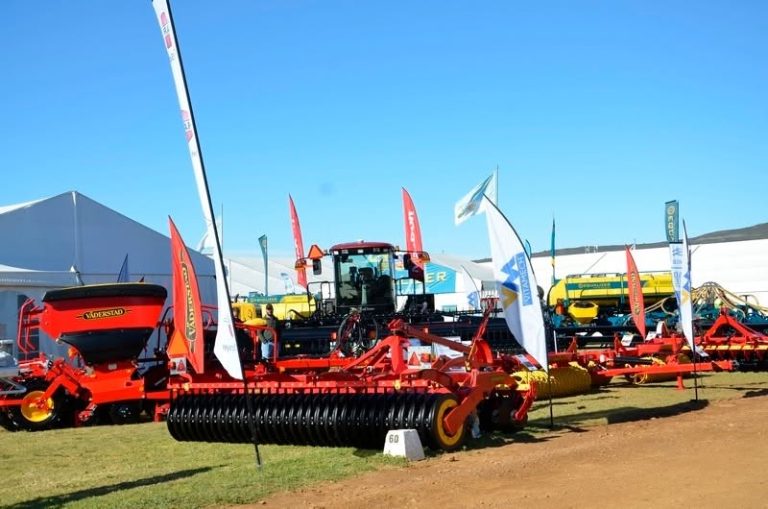
Since its inception in 1967 and its move to NAMPO Park in 1974, the event has become the largest agricultural show in the Southern Hemisphere. The grounds now span 401,932 m², supported by a technical backbone of 17 transformers, 7 km of cables, and 12 boreholes delivering 750,000 liters of water per day. To enhance visitor comfort, the park features over 30,000 m² of paving and nearly 50,000 m² of total roofed area.

NAMPO 2026

The industry’s confidence is evident in the numbers: exhibitor participation has grown from 681 in 2012 to a projected 910 exhibitors for 2026, with over 87,000 visitors expected.

Innovation in Motion and a World Record Attempt

NAMPO 2026 is a launchpad for global tech, featuring dedicated Chinese and Italian pavilions. On Wednesday, May 13, Toyota SA will attempt to break four Guinness World Records with thousands of Hilux bakkies to mark the launch of the 9th generation Hilux. For those flying in, the 1,200-meter landing strip (Frequency 120.2) now offers on-site aviation fuel, while ground travelers can utilize the expanded Mieliehop Shuttle Service.

NAMPO 2026

Biosecurity: The Analytical Livestock Experience

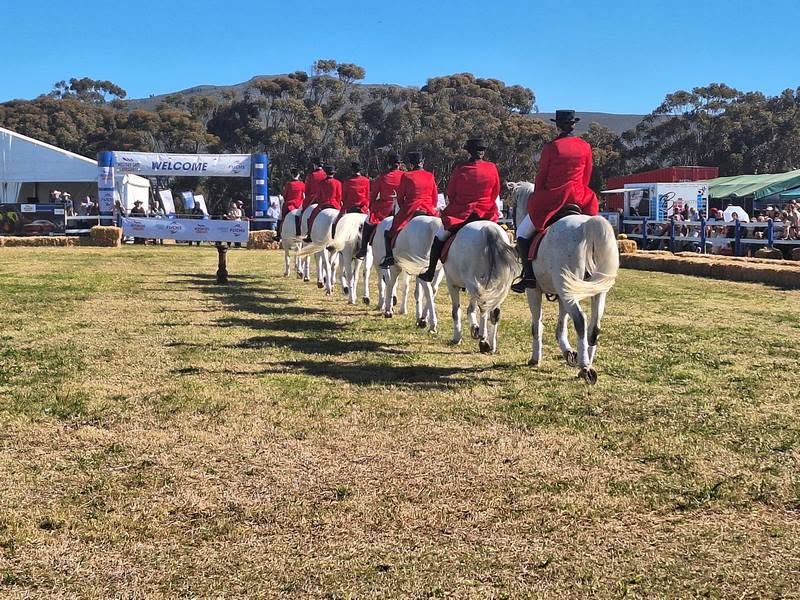
Due to Foot-and-Mouth Disease (FMD) protocols, no cloven-hoofed animals will be on-site. However, the Yara Cattle Complex and BKB Sheep Complex remain hubs of activity. The focus has shifted to the “Science of Breeding,” where societies will use performance data and digital displays to prove the economic value of their genetics. Non-risk animals like horses and poultry remain part of the program under strict biosecurity.

Planning Your Visit

The NAMPO App is essential for navigating the 900+ exhibits. Tickets are available via OpenTickets at R140 (online) or R160 (at the gate). Gates open daily from 07:00 to 17:00.

NAMPO 2026 is more than an exhibition; it is a vital knowledge hub where the South African agricultural value chain connects to ensure a resilient and profitable future.

Absa AgriTrends: The May 2026 Outlook — Why Efficiency is the Only Shield

0

As the South African agricultural sector stands on the threshold of May, the release of the Absa AgriTrends 2026 Autumn Edition serves as a critical pre-month briefing for producers nationwide. With the summer harvest just days away from reaching full momentum and winter planting preparations in high gear, this seasonal report highlights a fundamental shift in the landscape: operational efficiency is no longer just a strategic advantage—it is the primary shield for farm-gate profitability.

While physical harvest volumes remain robust across most regions, the financial climate for the coming month has been redefined by geopolitical ripple effects. The Autumn Edition makes it clear: as we transition into May, the “line in the sand” for sustainability will be drawn by those who can most ruthlessly manage their input costs in a high-volatility environment.

The Macro Shock: An IMF Reality Check

The gravity of this economic shift was underscored late last week when the International Monetary Fund (IMF) slashed South Africa’s 2026 growth projection to a mere 1.0%. This downgrade reflects the country’s precarious reliance on imported refined fuels and the heavy economic toll of global energy instability. For the agricultural sector—the engine of the rural economy—this macro-instability translates directly into a cost-push squeeze that threatens to erode the gains of a record-breaking production year.

Fuel: Preparing for the May Deadline

The industry is still grappling with the fallout of the April price adjustment, which saw a record-shattering R7.51 per litre increase in wholesale diesel. While the temporary R3.00 per litre fuel levy reduction offered a vital cushion throughout the current month, that relief window is set to officially close on 5 May.

Producers must prepare for the immediate impact on logistics. As we move into the first week of May, “emergency surcharges” across the supply chain are expected to act as a stealth tax, carving directly into harvest margins at the exact moment farmers require maximum liquidity for transport and winter cropping.

Fertilizer: Crossing the 50% Threshold

Perhaps the most sobering projection for the month ahead involves the global urea and ammonia crisis. Throttled supply through the Strait of Hormuz has sent input prices into a vertical climb. Data analyzed in the Absa AgriTrends Autumn Edition confirms that fertilizer now accounts for between 37% and 50% of total input costs for cereal and grain producers. When nearly half of your production cost is tied to a single, volatile global commodity, the price of maintaining soil health becomes the single largest liability on the farm ledger.

The Livestock Outlook: High Risk, High Reward

The Autumn Edition further highlights a “high-risk, high-reward” environment for the livestock sector. While a global grain surplus is finally making livestock feed more affordable, local prices remain elevated due to tight supply and persistent biosecurity threats, such as Foot-and-Mouth Disease (FMD). For beef and sheep producers, the coming month will be a test of biosecurity discipline as they navigate the balance between high market prices and the rising costs of logistical risk.

As highlighted by the Absa AgriTrends report, the message for the coming month is clear: efficiency is the only way forward. Survival in this climate necessitates a ruthless, data-driven defense of the bottom line, ensuring that every drop of fuel and every kilogram of fertilizer is optimized to serve as the ultimate shield for the remaining margin.

Other important info can we find here:

  • Detailed livestock market dynamics for beef, sheep, and pork.
  • Macroeconomic exchange rate analysis for the ZAR/USD.
  • Specific grain and oilseed oversupply undercurrents.
  • Vegetable and high-value export sector volatility reports.

Quality Meets Resilience: SA Wine’s 2026 Strategic Pivot

0

The South African wine industry enters the second quarter of 2026 at a critical juncture. As global markets shift toward value and selectivity, the sector has moved beyond a “volume-at-all-costs” mindset, prioritizing premium positioning and a robust “licence to trade.”

Harvest 2026: Efficiency Over Acreage

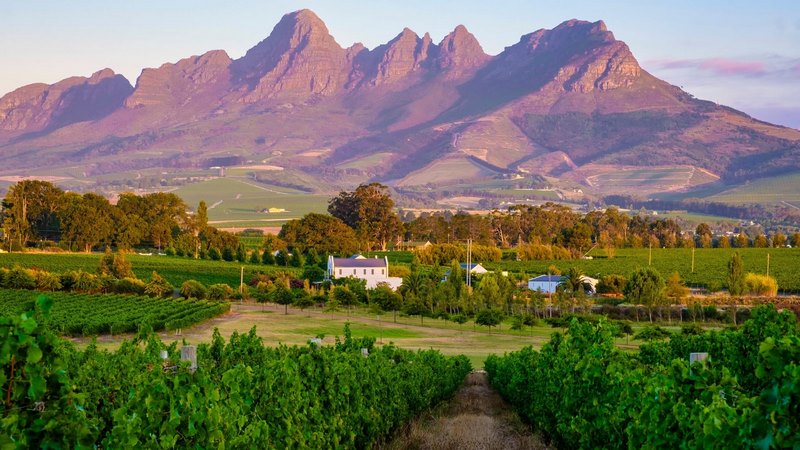
The latest reports from SAWIS (South African Wine Industry Information and Systems) and Vinpro Consultation Services signal a season of renewed confidence. Despite the national vineyard area consolidating to approximately 85,525 hectares, the 2026 harvest is expected to be larger than the previous year.

This counter-intuitive growth is the result of “fit-for-purpose” plantings and exceptionally uniform budding across key regions. While dry conditions in the Swartland and Cape Town necessitated careful water management, February rainfall provided a vital “quality boost” for late-ripening red varieties, which are currently showing excellent color development and flavor intensity.

The Great Decoupling: Value vs. Volume

Data released by SAWIS confirms that the industry’s long-term strategy of prioritizing value over volume is working. In the 2025/2026 period, total export volumes fell by 13.8%, yet export earnings remained resilient at approximately R9.8 billion ($548.5 million).

Notably, packaged wine value held steady, with gains in core markets such as the UK (+4%), Canada (+3%), and Sweden (+1%). This decoupling proves that South African wine is successfully shedding its “cheap and cheerful” reputation, with the premium R200+ price bracket, led by Cap Classique, seeing a massive 34% growth in demand.

Protecting the “Licence to Trade”

The external environment remains a primary challenge, particularly following the 30% tariff hike in the US market in late 2025. In response, the industry body, South Africa Wine, has intensified its advocacy efforts.

The current priority is safeguarding the industry’s “licence to trade” by engaging with the government on liquor policy, tax measures, and port logistics. These efforts aim to reduce compliance risks and ensure that South African wine remains competitive on the global stage, even as international trade barriers rise.

Investing in the Future Value Chain

For 2026, the industry is not just investing in vines, but in people. Comprehensive bursary and graduate placement programs are bridging the gap in digital, export-readiness, and technical skills. This commitment to a future-ready workforce is designed to ensure that the “Sunshine Inside” brand positioning is backed by a professional, world-class value chain.

The Bottom Line

The 2026 roadmap is clear: the South African wine industry is leaner, smarter, and more focused on value than ever before. By leveraging the data-driven insights of SAWIS and maintaining a united front on trade advocacy, the sector is ensuring that South African wine doesn’t just survive global pressures but thrives as a premium leader in world markets

Puglia Cheese se burrata wen groot by SA Suiwelkampioenskappe

0

‘n Handgemaakte burrata van Puglia Cheese in Somerset-Wes is as die 2026 Suid-Afrikaanse Suiwelproduk van die Jaar aangewys tydens die SA Suiwelkampioenskappe wat op Donderdag, 23 April 2026 by Nederburg in die Paarl plaasgevind het.

Die burrata, vervaardig van 100% Suid-Afrikaanse melk, het uitgestaan onder ’n rekordgetal van 1 227 inskrywings van 81 produsente. Die SA Suiwelkampioenskappe bly die grootste en oudste suiwelkompetisie in Afrika.

Kenners loof tegniese vaardigheid en outentiekheid

’n Paneel van 130 beoordelaars het die inskrywings oor drie dae beoordeel. Altesaam 122 produkte is as SA Kampioene in hul klasse aangewys, terwyl 36 produkte met die gesogte Qualité-merk bekroon is.

Volges die hoofbeoordelaar, Graham Sutherland, getuig die wenproduk van tegniese vaardigheid en outentiekheid.

“Dit is ’n ware viering van Italiaanse kaasmaaktradisie – ’n vars pasta filata-kaas met ’n delikate buitenste laag en ’n ryk, romerige binnekant wat balans en weelde bied.”

Wat is burrata?

Burrata is ’n vars mozzarella-tipe kaas gevul met room en stracciatella, met ’n sagte buitekant en ’n ryk, romerige kern, en word tipies by kamertemperatuur bedien.

Puglia Cheese vier erkenning

Die stigters van Puglia Cheese, Davide en Ursula Ostini, sê die toekenning is ’n trotse oomblik vir die span.

“Hierdie erkenning weerspieël jare se toewyding aan gehalte en ’n diep respek vir tradisionele kaasmaaktegnieke, aangepas vir plaaslike omstandighede. Puglia Cheese is in 2010 gestig nadat ons uit Italië verhuis het, met die doel om outentieke, hoëgehalte Italiaanse kaas plaaslik te vervaardig. Ons was pioniers in die produksie van burrata in Suid-Afrika en is trots om ’n produk te lewer wat met die beste kan meeding.”

Bedryf toon innovasie en veerkragtigheid

Volgens Breyton Milford, Hoofbestuurder van Agri-Expo, weerspieël die uitslae sowel innovasie as veerkragtigheid in die suiwelbedryf.

“Die rekordgetal inskrywings en die deurgaans hoë gehalte van produkte dui op ’n mededingende en vooruitstrewende bedryf, waar gevestigde vervaardigers én kleiner rolspelers die standaard bly verhoog.”

Milford het voorste presteerders in vanjaar se Qualité-toekennings gelukgewens, insluitend Lactalis South Africa (agt toekennings), Clover (drie), Fairfield Dairy (drie), Fair Cape Dairies (twee), Ladismith Cheese Company (twee), Lancewood (twee) en Polar Ice Cream Company (twee).

Dalewood Fromage het ’n eervolle vermelding vir derde plek algeheel ontvang vir sy Full Cream Jersey Milk, terwyl tweede plek algeheel toegeken is aan Lactalis South Africa vir sy Woolworths Mature Gouda – 10 maande.

Game Changer-toekenning beklemtoon jong talent

Agri-Expo het ook die 32-jarige Courtenay van der Merwe, Bestuurder: Nuwe Produkontwikkeling by Fair Cape Dairies, met die derde jaarlikse Hollard Game Changer-toekenning vereer. Die toekenning, wat ’n kontantprys van R50 000 insluit en deur Hollard geborg word, erken jong professionele persone wat reeds ’n meetbare bydrae tot die suiwelbedryf lewer.

Bedryfsondersteuning bly deurslaggewend

“’n Projek van hierdie omvang is slegs moontlik danksy sterk samewerking in die bedryf,” sê Milford.

Hy het die rol van vennote beklemtoon, insluitend platinumvennote IMCD South Africa en dsm-firmenich; diamantvennote Novonesis, SIG en Synercore; goue vennote Woolworths, Condio, Hollard, Checkers, IFF, Orchem en die Wes-Kaapse Departement van Landbou; silwervennote Mane, SPAR en Fruitique; en bronsvennote Agrana Fruit, Polyoak Packaging, Tetra Pak en Ecowize.

Natasha de Lange, besturende direkteur van IMCD South Africa, sê hul betrokkenheid weerspieël ’n langtermynverbintenis tot die bedryf.

Slim Boerdery op Groot Skaal: NAMPO 2026 Gereed vir Rekordgetalle

0

In ’n ekonomiese klimaat waar winsgewendheid onder swaar druk verkeer, is “besigheid soos gewoonlik” nie meer ’n opsie vir die Suid-Afrikaanse produsent nie. Die 2026 NAMPO Oesdag, wat van 12 tot 15 Mei buite Bothaville plaasvind, het ten doel om die konsep van “Slim Boerdery” prakties en finansieel voordelig te maak. Onder die tema “Veerkragtigheid deur Innovasie” is die fokus vanjaar vierkantig op tegnologie wat die boer help om doeltreffendheid te maksimeer en volhoubare winsgewendheid te verseker.

NAMPO 2026

’n Platform wat self Rekords breek

Die omvang van die skou weerspieël die belangrikheid van die sektor. Volgens die nuutste datafeite het NAMPO Park gegroei tot ’n infrastruktuur-reus wat nou 401 932 m² beslaan. Die groei in uitstallers is ’n direkte bewys van die bedryf se vertroue: waar daar in 2012 slegs 681 uitstallers was, word daar vir 2026 ’n rekordgetal van 910 uitstallers verwag.

Nampo 2026 is nie bloot ’n ekspo nie; dit is die grootste landbou-ekspo in die Suidelike Halfrond. Met meer as 87 000 besoekers wat verwag word, funksioneer NAMPO Park as ’n onafhanklike spilpunt met sy eie volledige diensnetwerk wat die massiewe toestroom van mense en tegnologie naatloos hanteer.

Slim Infrastruktuur vir Slim Oplossings

Om die nuutste tegnologie—van spuithommeltuie tot gevorderde meganisasie—te kan demonstreer, word die terrein deur ’n kragtige tegniese netwerk ondersteun:

  • Krag: 17 transformators en 7 km se kragkabels verseker dat uitstallers die nuutste digitale oplossings lewendig kan vertoon.
  • Water: ’n Netwerk van 5,2 km pyplyne verbind 12 boorgate om tot 750 000 liter water per dag te lewer.
  • Logistiek: ’n Landingstrook van 1 200 meter (S27° 13′ 36″ E26° 41′ 00″) is nou toegerus met vliegtuigbrandstof op die terrein, spesifiek vir produsente vir wie tyd geld is.
  • NAMPO 2026

Biosekuriteit en Data: Die nuwe Vee-arena

Slim boerdery beteken ook om risiko’s proaktief te bestuur. Weens bek-en-klouseer-protokolle sal daar vanjaar geen gesplete-hoefdiere op die terrein wees nie. Dit keer egter nie die vordering nie; die TAU Animal Feeds Vee-arena is herontwerp om op die “wetenskap van teling” te fokus. In plaas van slegs fisiese vertonings, sal telersgenootskappe prestasiedata en genetiese vordering gebruik om die ekonomiese waarde van hul rasse aan kopers te demonstreer.

Internasionale Toegang

Die insluiting van nuwe Chinese en Italiaanse paviljoene onderstreep dat slim boerdery ’n globale poging is. Suid-Afrikaanse boere het nou direkte toegang tot internasionale meganisasie-tendense op hul eie bodem om hul eie winsgewendheid te bevorder.

Beplan Jou Besoek

Toegang tot hierdie kennis-hub begin by die NAMPO-toepassing, wat noodsaaklik is vir navigasie tussen die meer as 900 uitstallers. Kaartjies is via OpenTickets beskikbaar, met afslag vir aanlyn-aankope. Hekke open daagliks om 07:00 en sluit om 17:00. Neem kennis dat geen troeteldiere, fietse of selfaangedrewe karretjies op die terrein toegelaat word nie.

NAMPO 2026 Feite

  • 910 Verwagte uitstallers
  • 12 000 Parkeerplekke vir voertuie
  • 49 706 m² Totale onderdak oppervlakte
  • 30 000 m² Nuwe plaveisel vir besoekersgerief

Vir meer inligting besoek www.nampo.co.za of kontak dr. Dirk Strydom by [email protected].

Two Million Doses Bolster South Africa’s FMD Response

0

South Africa’s efforts to contain and manage Foot and Mouth Disease (FMD) have received a further boost with the arrival of two million vaccine doses from Dollvet in Turkey. The Department of Agriculture confirmed that this shipment is the first tranche of a larger six-million-dose order placed through their local agents, Dunevax, with distribution to provinces set to begin within days.

Further Vaccine Supply in the Pipeline

Building on this delivery, an order for an additional five million doses from Biogénesis Bagó in Argentina has been placed with Onderstepoort Biological Products (OBP). These will be shipped in two batches—3.5 million and 1.5 million doses respectively—as soon as the South African Health Products Regulatory Authority (SAHPRA) approves the Section 21 application for importation.

Minister of Agriculture, John Steenhuisen, noted that the department has procured all matched vaccines currently available on the international market, ensuring a steady supply to support ongoing vaccination efforts.

Driving Toward FMD-Free Status

The vaccination campaign is aimed at achieving World Organisation for Animal Health (WOAH) recognition of FMD-free status with vaccination. This designation is essential for reopening international markets for South African red meat, which have been closed for decades due to FMD.

“We will push forward to make sure that we achieve our goal… This will allow us to access international markets for South African red meat,” Minister Steenhuisen said.

Targeted Provincial Allocation

A scientific, targeted allocation strategy is guiding the distribution, based on animal risk and population figures. The latest tranche of Dollvet vaccines will be distributed as follows:

  • KwaZulu-Natal: 192,000 doses
  • Free State: 182,400 doses
  • North West: 182,400 doses
  • Western Cape: 150,000 doses
  • Limpopo: 150,000 doses
  • Mpumalanga: 144,000 doses
  • Eastern Cape: 135,400 doses
  • Gauteng: 124,800 doses
  • Northern Cape: 100,000 doses

Support for Key Industries

To ensure the continuity of the food supply chain, dedicated allocations have been set:

  • Dairy Industry: 100,000 doses
  • Feedlot Industry: 150,000 doses
  • Pig Industry: 150,000 doses
  • Emergency Reserve: 239,000 doses held for immediate deployment.

Progress Since Early 2026

Since February 2026, South Africa has received four million doses of FMD vaccines: 2.5 million from Biogénesis Bagó and 1.5 million from Dollvet. This is in addition to the two million doses imported in the last quarter of 2025. This consistent supply has already ensured the vaccination of 2.1 million animals nationally.

Regulatory Process Underway

On 10 April 2026, Minister Steenhuisen officially announced the intention to publish the Routine Vaccination Scheme for Foot and Mouth Disease (RVS-FMD) under Section 10 of the Animal Diseases Act, 1984. Public comments closed on 17 April 2026, and submissions are currently being evaluated before the final scheme is published.

Global Situation and Surveillance

The drive comes amid a challenging global landscape. Outbreaks have recently been reported in Greece, China, Israel, and Germany. Specifically, the SAT1 topotype 3 virus currently affecting South Africa has also been reported in Turkey, Azerbaijan, Lebanon, Israel, Cyprus, and Syria between late 2025 and early 2026.

Minister Steenhuisen emphasized that strengthened surveillance and faster reporting systems are critical to these efforts, allowing the department to capture data from provinces more quickly and work efficiently with the private sector.

Good Life Show 2026 opens global doors for SA’s agri and wellness producers

0

South Africa’s leading conscious living event, the Good Life Show, returns in 2026 with a sharpened focus on market access, sustainability and global trade. The event will take place at the Cape Town International Convention Centre from 29–31 May, followed by a second edition at the Sandton Convention Centre in Johannesburg from 18–20 September.

Now in its sixth year, the Good Life Show has evolved beyond a consumer exhibition into a business-facing platform attracting thousands of visitors, including distributors, investors and procurement specialists from across the globe.

Expanding opportunities for value-added agriculture

With increasing global demand for organic, plant-based and sustainably produced goods, the show provides a showcase for producers looking to diversify and move up the value chain. Exhibitors span categories such as functional foods, plant-based beverages, clean-label products and eco-conscious home and lifestyle goods.

Good Life Show

This reflects a broader shift within agriculture toward value-added production, where branding, processing and sustainability credentials play a growing role in market competitiveness.

International buyers in focus

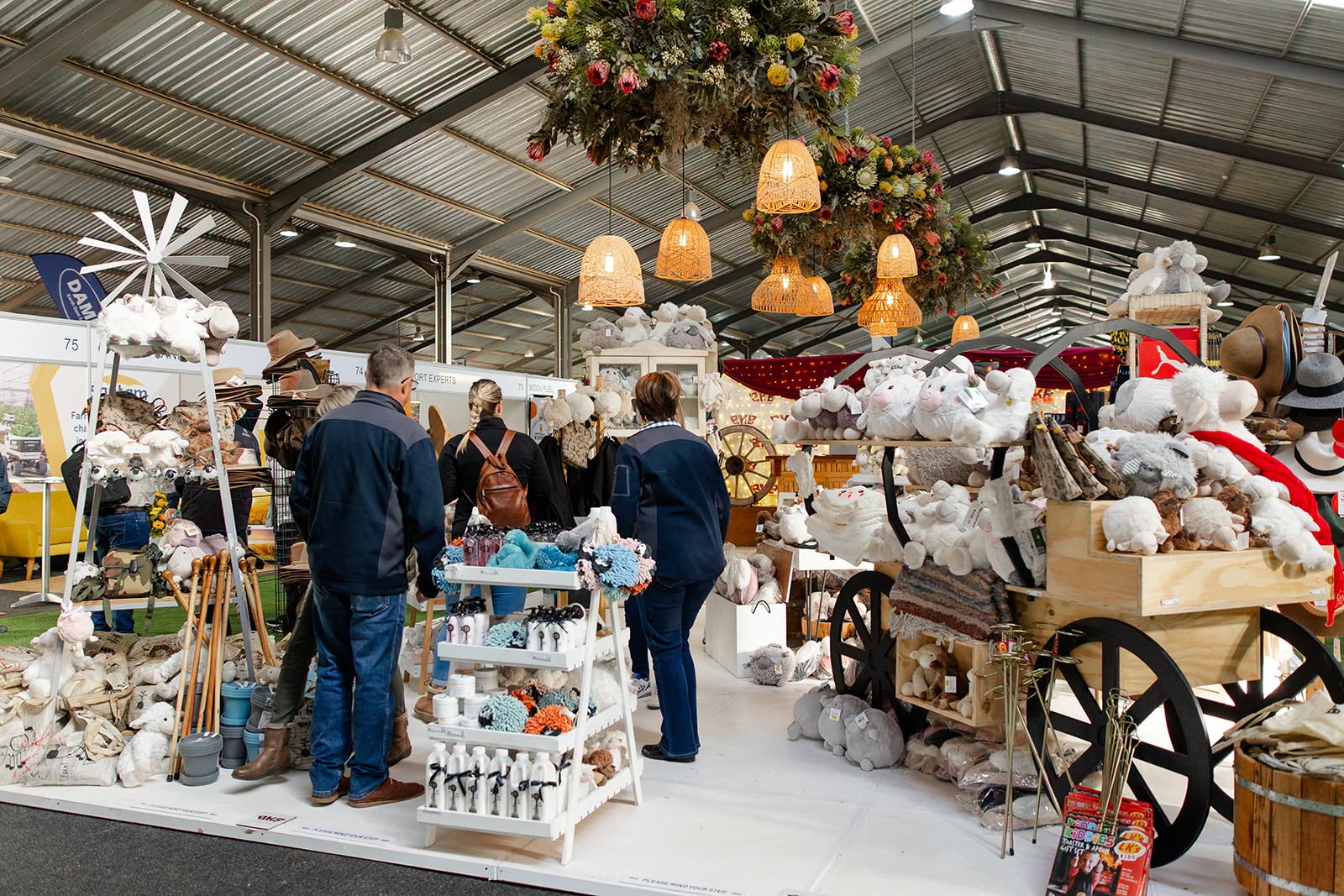
More than 250 regional producers are expected to exhibit, with buyers from countries including Japan, the United States, Germany and the United Arab Emirates attending the event. These interactions are designed to move beyond traditional trade shows, offering structured opportunities for business engagement.

A key development for 2026 is the introduction of the B2B Global Trade Engine, which facilitates pre-scheduled, one-on-one meetings between exhibitors and international procurement heads. The initiative aims to accelerate export readiness and open pathways into new markets.

Linking production to demand trends

While the event retains its strong consumer appeal, its programming increasingly reflects global consumption trends that directly impact producers. Growing interest in plant-forward diets, clean-label foods and environmentally responsible sourcing continues to shape demand, influencing what farmers produce and how products are positioned.

Interactive elements such as masterclasses and product demonstrations serve not only as visitor attractions but also as platforms to showcase innovation in ingredients and production methods.

Culinary influence drives demand

A line-up of leading chefs, including Tolani Tayo-Osikoya and Jenny Morris, will highlight the use of locally sourced, health-conscious ingredients. Their involvement underscores the role of the food service sector in driving demand for premium agricultural products and shaping consumer preferences.

Strengthening export ecosystems

The event’s expanded trade focus is supported through collaboration between Live Events and Ndarama Works, aimed at strengthening the infrastructure required for international market entry.

By facilitating direct engagement between producers and global buyers, the Good Life Show contributes to building a more competitive, export-oriented agricultural sector. The initiative aligns with broader efforts to position South Africa as a supplier of high-quality, sustainably produced goods in the global wellness economy.

A platform for future growth

With the global wellness market continuing to expand, the Good Life Show provides a timely opportunity for agricultural producers to align with emerging trends and secure new routes to market. As the sector increasingly intersects with health, sustainability and lifestyle, platforms such as this are expected to play a critical role in shaping the future of South African agriculture.

Tiger Brands’ Hulisani Programme Expands Support for Emerging Farmers

0

Tiger Brands has expanded its Hulisani agricultural development programme, welcoming a second cohort of 17 emerging farmers from Musina in Limpopo. Notably, women farmers make up the majority of this intake, with 10 participants, reflecting a strong shift toward greater inclusion of women in commercial agriculture.

Launched in 2025, Hulisani—derived from the Tshivenda word meaning “grow” or “cultivate”—aims to integrate emerging and smallholder farmers into formal agricultural value chains. The initiative aligns with Tiger Brands’ broader strategy to strengthen local sourcing while reducing dependence on imports.

Building on Strong Early Results

The programme’s first cohort of nine farmers delivered impressive outcomes, producing nearly 3 400 tonnes of tomatoes—equivalent to approximately 135 400 crates. This exceeded initial expectations and demonstrated the viability of structured support for emerging producers.

Beyond production, the initiative has had a notable socio-economic impact. The first group generated 156 new jobs while sustaining an additional 500 roles within surrounding communities, underlining agriculture’s importance as both an economic driver and employment engine in rural South Africa.

Integrated Support for Sustainable Growth

At the core of the Hulisani programme is a tailored, hands-on support model. Each participating farm undergoes a detailed needs assessment, allowing for customised interventions aimed at improving productivity and long-term sustainability.

Support measures include investment in key infrastructure such as solar energy systems, irrigation networks, fertiliser tanks, and other essential equipment. Farmers also receive continuous technical guidance throughout the growing season, helping them meet quality standards required for commercial supply chains.

Importantly, the programme guarantees a reliable offtake market, enabling farmers to focus on scaling production without the uncertainty of fluctuating demand.

Strengthening Local Supply Chains

According to Maanda Milubi, Director of Enterprise Supplier Development and Transformation at Tiger Brands, the initiative is designed to build a more resilient agricultural supply chain.

By partnering with emerging farmers, the company aims to boost local production capacity, create employment opportunities, and ensure a steady supply of high-quality, affordable food products. This approach not only supports farmers but also contributes to national food security.

Production Underway in Musina

The second cohort has already begun planting tomatoes across 74 hectares—roughly equivalent to 74 rugby fields. Harvesting is expected to take place between April and August, with a portion of the yield contributing directly to Tiger Brands’ tomato processing operations.

As one of South Africa’s major tomato processors, the company sources close to 100 000 tonnes annually from more than 100 farmers in Musina, alongside a smaller network in Lutzville in the Western Cape. The produce is processed locally before being transported to manufacturing facilities, including the well-known All Gold production plant in Boksburg.

Empowering Farmers Beyond the Programme

While the programme provides immediate market access and technical support, its broader goal is to equip farmers with the skills and infrastructure needed to operate independently and sustainably in the long term.

By focusing on women and young farmers, Hulisani is also addressing structural inequalities within the sector, helping to diversify participation and unlock new economic opportunities in rural areas.

As the second cohort begins its production cycle, the programme continues to demonstrate how targeted investment and collaboration can drive both agricultural growth and community development in South Africa.

Sauvignon Blanc Takes the Spotlight as SACelebrates a Month of Flavour This May

0

This May, South Africa’s most expressive cultivar takes center stage as wine lovers across the country toast to International Sauvignon Blanc Day on Friday, 1 May 2026. Far more than a single-day celebration, the entire month of May is dedicated to exploring the diversity of a grape that defines the South African landscape—from salt-sprayed coastal vines to the rugged elevations of the Cederberg.

72 Flavors to Explore

While many associate Sauvignon Blanc with simple “zesty” notes, the South African Sauvignon Blanc Aroma Wheel identifies 72 distinct flavors. “One day is simply too short to explore its full versatility,” says Elunda Basson, Chairperson of Sauvignon Blanc SA. To help enthusiasts navigate this complexity, a free aroma wheel is available at sauvignonblanc.com, turning every glass into a guided tasting experience.

Sauvignon Blanc

Culture Meets Cultivar: Suidoosterfees

In a perfect pairing, Sauvignon Blanc Day coincides with the Worker’s Day long weekend and Cape Town’s Suidoosterfees. The Nasdak venue on the Foreshore will host “storytelling tastings” (R250 via Webtickets), where winemakers from top estates like Groote Post and Zevenwacht share the narratives behind their bottles. It is a rare opportunity to taste FNB Top 10 winners while overlooking the city skyline.

Diary Dates for the Wine Lover

The Durbanville Sauvignon Soirée on Friday, 8 May, is the season’s “must-attend” event. Held at Nitida Wine Estate from 17:00 to 20:00, the evening features live music and unlimited tastings from 12 premier cool-climate producers. For a deeper dive, the new coffee-table book, The Story of South African Sauvignon Blanc, profiles 60 producers and is available at key events, including the Stoep Tastings in Graaff-Reinet.

Who Should Attend?

  • The Socialite: Ideal for the Durbanville Soirée’s live music and sunset vibes.
  • The Connoisseur: Serious collectors should explore the aged Sauvignon Blancs and Blanc Fumé styles, which showcase incredible cellaring potential.
  • The Explorer: Perfect for families visiting the Suidoosterfees or travelers heading to the winelands for a long-weekend escape.

For more information visit:  sauvignonblanc.com

Tongaat Hulett Secures Last-Minute Lifeline: Liquidation Postponed to June

0

In a dramatic turn of events at the KwaZulu-Natal High Court, the looming liquidation of sugar giant Tongaat Hulett (THL) has been temporarily averted. A last-minute funding agreement between the company and the Industrial Development Corporation (IDC) has provided a critical “stay of execution,” pushing the hearing for provisional liquidation to mid-June 2026.

A R200 Million Breather

On the morning of April 16, the court granted an adjournment after the IDC agreed to extend and increase its Post-Commencement Funding (PCF) facility. The facility, which previously stood at R2.3 billion, has been boosted to R2.5 billion and extended until 30  June 2026.

This injection of R200 million provides the immediate liquidity required to maintain “business as usual” during a period of extreme uncertainty. Crucially for the agricultural sector, the Business Rescue Practitioners (BRPs) confirmed that this funding ensures:

Grower Payments: Sugarcane growers will continue to receive payments for delivered crops.

Operational Readiness: Critical off-crop maintenance is proceeding to ensure mills are ready for the upcoming crushing season.

Staff Security: Employees continue to receive salaries, maintaining labor stability in the region.

A Watershed Moment for Growers

The adjournment was met with widespread support from industry heavyweights, including the South African Cane Growers Association, the IDC, and the Vision Consortium. For the more than 18,000 growers—the majority of whom are small-scale farmers—the potential collapse of THL is viewed as an existential threat.

“The liquidation of Tongaat Hulett affects the entire sugar industry,” noted industry representatives. “The cost of preserving these operations is far lower than the long-term economic and social damage of allowing a viable milling business to collapse.”

The Road to June

While the funding provides a temporary reprieve, the underlying crisis remains unresolved. The BRPs originally filed for liquidation in February 2026 after concluding that the existing business rescue plan was no longer implementable.

The High Court has set the new hearing dates for June 17 and 18, 2026. This eight-week window is intended to allow the BRPs, the IDC, and the Vision Consortium to finalize a “concrete and implementable transaction.”

The Vision Consortium, led by Robert Gumede and holding roughly R11.7 billion in secured claims, remains the primary suitor. However, the BRPs have cautioned that they will only withdraw the liquidation application if a definitive deal is signed that guarantees the company’s long-term sustainability.

Industry at a Crossroads

Tongaat Hulett operates three major mills and South Africa’s only standalone white sugar refinery. Its failure would not only devastate the rural economy of KwaZulu-Natal but would also force national food and beverage manufacturers to rely on imported sugar, exposing the local market to global price volatility.

For now, the smoke will continue to rise from the Tongaat mills, but the industry remains on high alert. The mid-June court date is now being viewed as the final “moment of truth” for the 134-year-old sugar pioneer.