16.5 C
Cape Town
Saturday, June 27, 2026
Home Blog Page 46

Western Cape Opens Africa Food Show 2025, Focuses on Growth and Food Security

Yesterday, 10 June 2025, the Western Cape Minister of Agriculture, Economic Development and Tourism, Dr Ivan Meyer, officially opened the inaugural Africa Food Summit 2025 at the Cape Town International Convention Centre (CTICC), highlighting the Western Cape Government’s commitment to agricultural growth, food security, innovation, and continental collaboration.

Agriculture as a Pillar of Economic Growth

Addressing a diverse audience of industry leaders, exhibitors, and delegates from over 30 countries,  Dr Meyer emphasised the importance of agriculture and agri-processing as key pillars of the Western Cape Government’s Growth for Jobs Strategy 2023–2035. “This summit is more than a trade show; it is a strategic platform to highlight and promote sustainable economic growth and food security,” he stated.

Dr Meyer underscored the Western Cape’s agricultural competitiveness, noting that 66% of the province’s agricultural production is exported, contributing significantly to South Africa’s total agricultural exports. “Every 5% increase in agricultural exports creates nearly 23,000 jobs—two-thirds of which are off-farm. These are not just statistics—they are livelihoods, families, and futures,” he added.

Challenges Facing the Agricultural Sector

However, the Minister also acknowledged the challenges facing the sector, including global conflicts, supply chain disruptions, and protectionist trade policies. He highlighted South Africa’s vulnerability as a net importer of agrochemicals and fertilisers and the impact of high tariffs introduced by the United States of America, with the cooling-off period set to end in July 2025.

Call for Regional Cooperation and Export Expansion

In response to these challenges, Dr Meyer called for deeper regional cooperation and strategic alliances through frameworks such as the African Continental Free Trade Area (AfCFTA) and the African Growth and Opportunity Act (AGOA). “To fully realise these opportunities, we must invest in infrastructure, harmonise trade systems, and foster deeper cooperation among African nations,” he urged.

The Minister outlined ambitious targets for the province, including tripling the value of exports to R450 billion by 2035, increasing the number of active exporters by 400, and unlocking 30 new export product opportunities by 2030. “ These targets are directed by my Ministerial priorities, which are agricultural and business support, food security and nutrition and market access, said the Minister.

Dr Meyer concluded with a call to action, “Let us use this platform to reaffirm our commitment to sustainable agricultural production, expand our market access, and strengthen the agri-processing value chain. Let us champion ethical trade, embrace technological innovation, and empower our youth—Africa’s greatest asset.”

The Africa Food Summit ends on Wednesday, 12 August 2025.

Landbouskoue: Sleutel tot groei in die platteland

0

Landbouskoue speel ’n sleutelrol om landbou en plaaslike ekonomieë in die platteland aan te wakker. Hierdie skoue is dekades gelede begin om gehalte landbouprodukte, insluitend diere, te beoordeel, erkenning te gee en gemeenskap te bou.

Só het Breyton Milford, Hoofbestuurder van Agri-Expo, tydens hul jaarlikse Agri-Expo Ledeskou-vergadering gesê. Dié vergadering, wat op 6 Junie 2025 by Houw Hoek buite Grabouw plaasgevind het, is ‘n jarelange tradisie wat fokus op opleiding vir verteenwoordigers van landbouskoue.

Vanjaar se vergadering het 60 afgevaardigdes van die Wes- en Noord-Kaap die kans gegee om idees uit te ruil en met vars inspirasie terug te keer na hul skoue.

“Ons program het gefokus op telers, beoordelaars en beamptes se belangrike rol en hoe om die ba-siese dinge by ‘n skou reg te doen vir ‘n volhoubare skoubedryf,” sê Milford.

LEWENSBYDRAES TOT SKOUBEDRYF VEREER

Eretoekennings is aan drie persone oorhandig vir hul lewenslange bydraes tot die skoubedryf en hul verbintenis met Agri-Expo.

Landbouskoue

Die ontvangers is:

Dr Dirk Troskie, wat ‘n leidende rol gespeel het om die verhouding tussen skoue en die Wes-Kaapse Departement van Landbou oor baie jare te versterk;

Pierre Vlok, een van die mees gerespekteerde skoubeoordelaars met ‘n groot liefde vir skaap en wol; en

Dries Wiese, ‘n bekende stoetteler en beoordelaar met ‘n ongekende passie vir die skoubedryf.

SKOUE WAT UITBLINK, WORD BELOON

Agri-Expo het toekennings oorhandig aan skoue wat op die volgende terreine uitgeblink het:

  • Innovasie: Riversdalskou
  • Kwaliteit-aanbieding: Robertsonskou
  • Nuwe Toetreder – Ontwikkeling: Beaufort-Wes Skou
  • Gemeenskapsbetrokkenheid: Loxtonskou
  • Jeugontwikkeling: Swartlandskou

SKOUKENNERS DEEL INSIGTE

Sprekers het ingesluit:

Dries Wiese, voormalige president van die Dorper Telersgenootskap, wat gepraat het oor vertoners, die gemeenskap en vroue se deelname;

Jurie Wessels, ‘n bekende aankondiger en beoordelaar, oor die praktiese prosesse en basiese be-hoeftes van beoordelaars en beamptes; en

Anneke de Klerk en Annaline van Wyk, bestuurslede van Clanwilliamskou, oor hul skou se omkeer-strategie en hoe hulle die gemeenskap weer betrokke gekry het.


Vir meer inligting oor Agri-Expo se ledeskoue, besoek www.agriexpo.co.za.

NAMPO Kaap 2025: Slim Tegnologie Vorm die Toekoms van Volhoubare Landbou

0

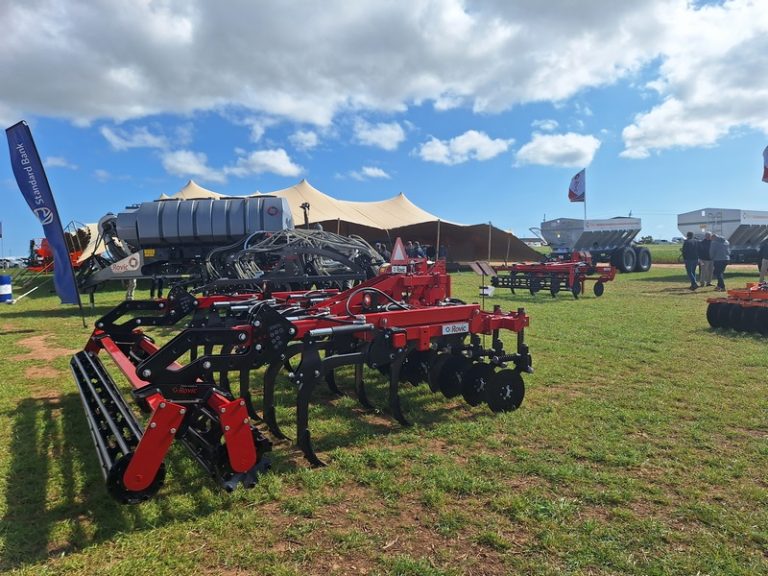
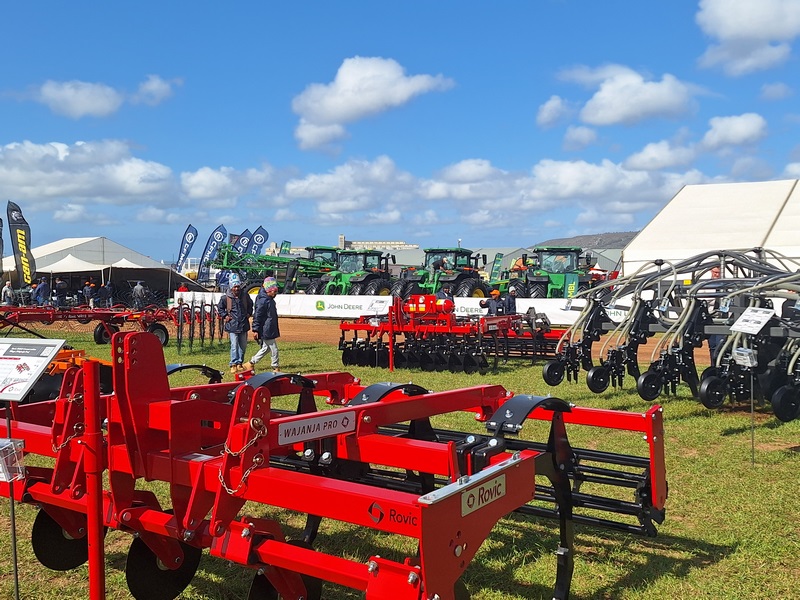
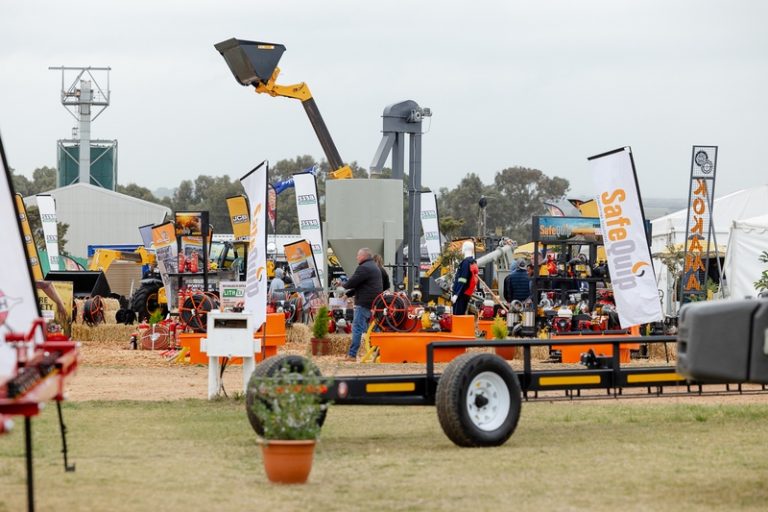
Die landboulandskap is gereed vir ‘n transformerende ervaring by NAMPO Kaap 2025, waar innovasie en volhoubaarheid bymekaarkom om die toekoms van boerdery te hervorm.

Vanjaar se ekspo, wat van 10 tot 13 September 2025 by Bredasdorppark in Bredasdorp gehou word, sal fokus op die tema “Slim tegnologie vir doeltreffende hulpbronbestuur.” Besoekers kan daarna uitsien om die nuutste vooruitgang te sien wat hulpbronbenutting optimaliseer, produktiwiteit verbeter en volhoubare praktyke bevorder.

Tema 

Die tema “Slim tegnologie vir doeltreffende hulpbronbestuur” onderstreep die noodsaaklike rol van tegnologie in die aanpak van hedendaagse landbou-uitdagings. Namate die vraag na voedsel groei en die behoefte om omgewingsimpak te verminder meer krities word, bied slim tegnologie innoverende oplossings om hulpbronne soos grond, water en energie doeltreffender te bestuur.

Hoogtepunte

  • Voorpunt-uitstallings: Verken die nuutste masjinerie en sagteware wat daarop gemik is om landbouproduktiwiteit en volhoubaarheid te verbeter.
  • Interaktiewe demonstrasies: Aanskou slim tegnologie-toepassings intyds en wys hulpbronoptimalisering.
  • Netwerkgeleenthede: Maak kontak met professionele persone in die bedryf, navorsers en belanghebbendes om volhoubare landboupraktyke te bevorder.

Slim tegnologie in aksie

Slim tegnologie maak ‘n rewolusie in die landbou deur hulpbronbestuur doeltreffender en volhoubaarder te maak. Verskeie sleuteltegnologieë wat die tema illustreer, sal vertoon word:

NAMPO Kaap 2025:

Internet of Things (IoT): IoT-toestelle, soos sensors en hommeltuie, versamel intydse data oor grondvog, weer, en gewasgesondheid. Hierdie inligting help boere om ingeligte besluite te neem, water- en kunsmisverbruik te verminder terwyl opbrengste verhoog word. IoT monitor ook omgewingstoestande, veegesondheid, en toerustingstatus vir proaktiewe bestuur.

Kunsmatige intelligensie (KI) en masjienleer (ML): KI en ML ontleed data van IoT-toestelle om gewassiektes te voorspel, plantskedules te optimaliseer en plae te bestuur. Dit lei tot meer doeltreffende gebruik van hulpbronne en hoër produktiwiteit.

Presisielandbou: Presisielandbou gebruik GPS en GIS om lande te karteer en insette presies toe te pas, vermorsing te verminder en oesuitset te maksimeer. Hommeltuie en satelliete monitor gewasgesondheid, grondtoestande en watergebruik, wat boere help om hulpbronne doeltreffend te bestuur.

Outonome masjinerie: Selfbesturende trekkers en stropers kan rondom die klok werk, wat arbeidskoste verminder en doeltreffendheid verhoog. Hulle voer take met hoë presisie uit, wat hulpbronvermorsing verminder.

Blockchain-tegnologie: Blockchain verseker deursigtigheid en naspeurbaarheid in die voorsieningsketting. Dit help om bedrog te verminder, voedselveiligheid te verbeter en billike handelspraktyke te ondersteun. Verbruikers kan landbouprodukte opspoor en volhoubare en etiese produksie verseker.

Vertikale en binnenshuise boerdery: Hierdie metodes gebruik beheerde omgewings om die hele jaar deur gewasse te verbou, met minder water en spasie as tradisionele boerdery. Slim kweekhuise optimaliseer plantgroei en hulpbrongebruik deur sensors en outomatiese stelsels.

Telematiese stelsels: Telematiese stelsels monitor en bestuur plaastoerusting op afstand, verseker optimale werkverrigting en verminder stilstand.

NAMPO Kaap 2025:

Slim besproeiingstelsels: Hierdie stelsels gebruik sensors en weerdata om die optimale water wat nodig is vir gewasse te bepaal, vermorsing te verminder en behoorlike hidrasie te verseker.

Grondgesondheidsmonitering: Tegnologieë wat grondgesondheid en voedingsvlakke monitor, maak presiese kunsmistoediening moontlik, verbeter oesopbrengste en vermy oorbenutting.

Biotegnologie: Biotegnologie verhoog plaagweerstand, verminder chemiese gebruik en verhoog oesopbrengste.

Hernubare energie: Hernubare energiestelsels, soos sonpanele en windturbines, help om fossielbrandstofverbruik te verminder en energiekoste op plase te verminder.

Veebestuur: Slim veebestuur gebruik draagbare toestelle om dieregesondheid en -aktiwiteit te monitor, wat vroeë siekteopsporing en effektiewe voedingsbestuur moontlik maak. Outomatiese voedingstelsels optimaliseer voedselverspreiding, verminder vermorsing en verbeter groeikoerse.

Gevolgtrekking

NAMPO Kaap 2025 sal die beste in landboutegnologie vir doeltreffende hulpbronbestuur ten toon stel. Sluit by ons aan in Bredasdorp van 10 tot 13 September 2025 om die toekoms van landbou en volhoubare produktiwiteit te verken.

Sien jou daar!

Kaartjies is vanaf 1 Julie aanlyn beskikbaar by www.ticketpros.co.za: R100 vir volwassenes en R50 vir skoolgaande kinders. By die hekke kos kaartjies vir volwassenes R110, terwyl kinderkaartjies op R50 bly. Kleuters gaan gratis in. Die Ekspo duur van 10-12 September, 08:00 tot 17:00, en op 13 September, 08:00 tot 14:00.

Vir meer inligting oor NAMPO Kaap 2025, besoek www.nampokaapco.za, kontak Chrystal van Wyk by 028 050 1385 of stuur ‘n e-pos aan [email protected]

Winter 2025: What Farmers Across South Africa Need to Know

0

The South African Weather Service (SAWS) has released its Seasonal Climate Watch for June to October 2025, painting a complex picture for South Africa’s agricultural sector. While some regions can expect beneficial rainfall and manageable winter conditions, others face increased dryness, warmer temperatures, and risks to crops and livestock.

Climate Drivers: Neutral ENSO, Local Weather in Focus

The global El Niño-Southern Oscillation (ENSO) is currently in a neutral phase, which is expected to continue throughout the winter. Because ENSO typically has less influence during South African winters, local and regional climate systems will primarily drive this season’s weather.

Regional Winter Outlooks

Western Cape: A Strong Start, Then a Dry Finish

The Western Cape, particularly the southwestern region, is forecast to receive above-normal rainfall during mid-winter (June to July). This will be welcomed by winter crop producers and grape growers. However, by August and into early spring, rainfall is expected to drop below normal, potentially affecting late-season irrigation and pasture conditions.

Eastern Cape: Mixed Signals, Divided Conditions

Farmers in the Eastern Cape will experience regional variation. The eastern coastal zones (like OR Tambo and Alfred Nzo districts) are forecast to receive above-normal rainfall through late winter and early spring. In contrast, inland areas may see limited rainfall, maintaining the drought stress already affecting some communities. Warm conditions may lead to reduced water availability and higher livestock care needs.

KwaZulu-Natal: Wetter Than Normal for Coastal Areas

In KwaZulu-Natal, coastal and near-coastal districts such as eThekwini, Ugu, and Umgungundlovu are expected to see above-normal rainfall well into early spring. This could support pastures and late-planted crops. However, higher-than-usual temperatures may reduce the benefits of this rain by increasing evaporation.

Free State: Cold Nights, Dry Soils

The Free State lies firmly in the interior’s dry winter zone, and this year is no exception. SAWS forecasts below-normal rainfall across the province through the winter. Although the province may still experience cold overnight temperatures, overall warmth during the day will dominate. Veld conditions will likely deteriorate, and farmers should plan for limited natural grazing and possible increased feed supplementation for livestock.

Gauteng: Warm and Dry

Farmers in Gauteng—which includes high-density urban agriculture as well as peri-urban and subsistence farmers—can expect a warmer and drier-than-normal winter. While frost risk might be reduced in some areas, the lack of rainfall and increasing heat will strain water resources, especially in informal irrigation systems.

North West Province: High Fire Risk and Feed Pressure

Like much of the interior, North West will see below-normal rainfall and above-normal temperatures. This creates ideal conditions for veld fires, especially in open grazing zones. Farmers should manage grazing intensity and establish or maintain firebreaks around key infrastructure and livestock zones.

Limpopo: Dry and Hot Winter Ahead

Limpopo, a summer rainfall region, typically receives minimal winter rain, and the forecast remains consistent with that pattern. This winter, conditions are expected to be drier and warmer than usual, raising irrigation and livestock water demands. Crop farmers in areas like Mopani and Vhembe should delay any off-season planting and focus on moisture conservation.

Mpumalanga: Ongoing Drought and Dry Outlook

Parts of Mpumalanga remain under drought pressure, and unfortunately, this winter is unlikely to offer relief. The province is set to experience above-average temperatures and below-normal rainfall, with continued stress on both water and soil resources. Farmers in districts such as Nkangala and Ehlanzeni should be particularly alert to livestock stress, fire hazards, and irrigation limitations.

Northern Cape: Extreme Dryness in the West

For the Northern Cape, especially the Namakwa and Pixley ka Seme regions, this winter brings dry and very warm conditions, raising concerns about veld degradation and water availability. The lack of rainfall during the cold season is typical, but this year, above-normal temperatures may accelerate pasture depletion and increase the risk of dust storms and respiratory hazards.

Agricultural Risks and Considerations

With most of the country experiencing above-normal temperatures, heat stress and water loss are critical concerns. In dry zones, veld fires, grazing shortages, and stock water stress will be key risks. Meanwhile, wetter coastal areas should stay alert for flood-prone soils, vector-borne diseases, and moisture-related crop issues.

General Advice from SAWS

SAWS urges all farmers to:

  • Monitor weekly and monthly climate updates.
  • Adjust planting, grazing, and irrigation plans accordingly.
  • Collaborate with local agricultural extension officers and fire management units.

 A Divided Winter Demands Localised Strategy

This winter, South Africa’s agricultural landscape is split: some regions will benefit from timely rain, while others face a test of resilience under warm and dry skies. With smart, location-specific planning, farmers can adapt to these conditions and protect their production and livelihoods.

For updates and tools, visit SAWS at www.weathersa.co.za.

Benguela Cove Blends Coastal Terroir with Winter Tourism to Elevate Wine Estate Experience

0

As a gentle chill settles over the Cape, Benguela Cove Wine Estate offers more than just a respite from the cool air; it presents a tapestry of experiences woven around the very essence of the land and the artistry of winemaking. “While our 2022 Syrah stands as a testament to the unique terroir nurtured by the Bot River Lagoon and the Atlantic breeze, the estate hums with a quiet energy, inviting exploration beyond the cellar door.

The 2022 Syrah, crafted with a respectful nod to old-world techniques, speaks volumes of our commitment to allowing the inherent character of the varietal to shine. The cool, temperate climate, a signature of our coastal location, orchestrates a slow and deliberate ripening of the grapes. This patient process concentrates the vibrant fruit and nuanced complexities that define this particular vintage, promising a wine that is both evocative and beautifully balanced.

Benguela Cove

Beyond this exceptional Syrah, Benguela Cove is a place of ongoing discovery. We invite guests to delve deeper into the symbiotic relationship between food and wine with the pairing series that changes monthly.

As June approaches, the estate will host an “Intimate Winter Escape: Fireside Wine Tasting” on the 14th. Picture a scene of warmth and conviviality, gathered around crackling fireplaces, the soft glow of candlelight casting long shadows. This event offers a sanctuary from the winter chill, an opportunity to savour a selection of premium red wines alongside thoughtfully prepared small plates. For those seeking a more immersive experience over the long weekend commencing with a special Father’s Day lunch on June 15th and extending to the 16th, consider making Benguela Cove your winter retreat. Our elegant villas offer a unique opportunity to linger longer amidst the vineyards, providing a cozy and private haven.

Throughout the coming months, Benguela Cove will also host a variety of other events, reflecting the diverse facets of life on a working wine farm.

From monthly flagship tastings offering a broader exploration of our estate’s offerings to the intellectual stimulation of the FynArts Exhibition (June 6-16), and even a workshop focusing on indigenous plants and climate-smart conservation (June 21), there is a genuine invitation to connect with the land, the art, and the philosophy that underpins our approach. For those planning a longer stay over the June long weekend, these events provide additional layers of engagement and discovery.

Benguela Cove in winter is more than just a source of exceptional wine; it is a destination that embraces the season, offering opportunities for sensory exploration, culinary discovery, and warm connection. Whether you join us for an evening by the fire or choose to extend your stay in our villas, the estate provides a tranquil escape where the rhythm of the seasons shapes not only the vines but also the enriching experiences that await.”

For more information visit www.benguelacove.co.za

Santam Landbou/NWKV-fotokompetisie: Die wenners, die beelde – en die stories daaragter

0

Die wenners van die 2025 Santam Landbou/NWKV-fotokompetisie is op 4 Junie 2025 in Gqeberha aangekondig. Die kompetisie het vanjaar weer uitstaande inskrywings opgelewer, elk met sy eie manier om die wolwaardeketting vas te vang – maar vanjaar het die foto’s ook iets diepers weerspieël: die mense, arbeid en betekenis agter die lens.

In ’n tyd waar mense oorlaai is met inligting en min tyd het om stil te staan, sê ’n goeie foto meer as duisend woorde. In landbou is dit dikwels die kragtigste manier om die realiteit van produksie, verbondenheid en vakmanskap te deel.

Reine herder – Marianke Rossouw (1ste plek)

Die wenfoto van Marianke Rossouw van Rusrand, Bothaville, getiteld ‘Reine herder’, wys ’n rustige toneel van ’n kind saam met skape. Die ligval, die nabyheid aan die diere en die sagte teksture verbind die oorsprong van wol met die eindproduk: iets wat nie net warm maak nie, maar betekenis dra.

Dié tonele is werklik, eenvoudig en raakend – en juis waarom dit ‘n mens tref.

Rossouw wen R12 500 en haar foto verskyn op die voorblad van Veeplaas.

Stroom-op – Attie Gerber sr (2de plek)

Attie Gerber sr van Mosselbaai het tweede plek behaal met ‘Stroom-op’, ’n sterk, gefokusde beeld van ’n ram se gesig. Die foto trek die kyker direk in, en dwing jou om die dier nie as ’n nommer in ’n stelsel te sien nie, maar as die bron van iets waardevols.

Visuele storievertelling in landbou herinner ons dat elke veseltjie begin by ’n lewende wese – en elke boer weet dit.

Wol verander lewens – Liza Smith (3de plek)

Liza Smith van Midrand het derde plek ingeneem met haar foto ‘Wol verander lewens’. Die kleurryke komberse wat op ’n kerktrap uitgestal is, wys die eindproduk van ’n hele ketting – en hoe handewerk, herwinning en gemeenskap ook deel van die wolstorie is.

Hier word wol nie net draadjie vir draadjie vasgevang nie – dit word kultuur, warmte, en deel van mense se stories.

Skeerskerp – André Greyvenstein (Wild card-wenner)

André Greyvenstein van Roodepoort, Barkly-Oos, is as wild card-wenner aangewys vir sy treffende beeld van ’n skaapskeerder in aksie. Die foto, dramaties belig teen ’n donker agtergrond, fokus op handewerk: die beweging van skêr oor wol, en die liggaamstaal van iemand wat sy vak verstaan.

Dié beeld sê niks – maar wys alles. Dit eer werk wat dikwels ongeëerd bly.

Soms is die mees eerlike beelde nie die skoonste nie, maar die stilste.

Die wild card-prys gee erkenning aan kreatiwiteit en oorspronklikheid – en Greyvenstein se inskrywing bewys dat daar baie stories in skaapskeer skuil.

Die tema: Wol in Aksie

Die 2025-kompetisietema “Wol in Aksie” het deelnemers gevra om meer as net beelde te skep – hulle moes kyk, en wys, hoe wol regtig gebeur: in aksie, in mense, in gemeenskappe.

Die NWKV gebruik die fotokompetisie as deel van hul strategiese kommunikasie — om die wolbedryf aan verbruikers, bemarkers en die breër publiek bekend te stel. Die inskrywings dra by tot ’n groeiende beeldbank wat oor jare heen gebruik word in publikasies, opleidingsmateriaal en bewusmakingsveldtogte.

Plaas Media het weereens ’n waardevolle bydrae gelewer tot die koördinering, bemarking en beoordeling van die kompetisie — ’n samewerking wat die gehalte en impak van die projek versterk het.

South Africa’s agricultural exports rise in first quarter of 2025

0

South Africa’s agricultural sector has recorded a robust performance in the first quarter of 2025, with exports reaching a substantial US$3.36 billion. This marks a 10% year-on-year increase, attributed largely to improved export volumes and favourable international commodity prices.

According to a statement released by the Ministry of Agriculture on 3 June 2025, key export drivers included grapes, maize, apples, and wine. Minister of Agriculture John Steenhuisen welcomed the development, citing it as a reflection of the “unwavering dedication and courageousness” of South Africa’s farmers and agricultural value chain.

Agriculture’s Role in Economic Stability

Minister Steenhuisen emphasised agriculture’s vital contribution to the national economy, stating, “We can all agree that agriculture plays a vital role in our nation’s economic ambitions and contributes significantly to our trade balance.”

Employment Sees Mild Recovery

The Statistics SA Quarterly Labour Force Survey reported a 1% quarter-on-quarter improvement in primary agricultural employment, reaching 930,000 jobs in Q1 2025. Growth was mainly observed in field crops, game, and hunting.

While total employment still trails by 1% year-on-year, the mild uptick is seen as a sign of resilience and recovery following recent financial challenges. Minister Steenhuisen expressed optimism about the sector’s upward trajectory and assured continued government support for struggling subsectors.

Youth Participation Takes Centre Stage

With June being Youth Month, the minister called for a renewed focus on youth participation in agriculture, citing it as crucial to the industry’s long-term sustainability and food security.

“The future of our country and of our agricultural sector hinges on the active involvement of our young people,” Steenhuisen noted. He urged the nation to “ignite a passion for farming, agribusiness, and the entire agricultural value chain” among the youth.

Strategic Focus Areas to Empower Young Agripreneurs

To attract and retain youth in agriculture, the Ministry outlined several key areas for investment:

  • Tailored financial assistance for young agripreneurs
  • Agricultural education integration into school curricula
  • Vocational training, mentorship, and incubation opportunities
  • Access to land and market linkages for young farmers
  • Promotion of innovation and technology in farming

Positive agricultural career narratives, beyond traditional farming

 Call to Action

Minister Steenhuisen appealed to government, private sector, educational institutions, and community stakeholders to collaborate in creating an enabling environment for youth in agriculture. “The energy, innovation, and adaptability of our young citizens are precisely what our agricultural sector needs,” he said.

As part of Youth Month initiatives, the Ministry looks forward to “progressive engagements and interventions” to support young farmers and advance the sector.

Bursary Applications Now Open

In a related announcement, the Department of Agriculture confirmed that bursary applications for the 2026 academic year are now open for students in agriculture-related fields.

Interested applicants can access the form via the following link:

Application Form – 2026

WWF Honours Zevenwacht for Biodiversity Efforts

0

Zevenwacht Wine Estate, situated on the Stellenbosch Wine Route on the urban edge of Kuilsriver, was awarded WWF Conservation Champion Status recently and has signed a five-year conservation agreement to solidify its commitment to continued stewardship efforts within the Bottelary Hills Renosterveld Conservancy (BHRC).

Visionary owner of Zevenwacht Denise Johnson and her late husband Harold bought the farm in 1992 and were founding members of the BHRC in the same year.  Zevenwacht is a family-run farm, and according to Denise, the focus will remain on making the most of the land and producing top-quality wines in an environmentally friendly manner.

“More than 80 hectares of the farm comprises natural veld that mostly consists of critically endangered Swartland Granite Renosterveld.  We have always loved sharing the farm with the people who live in and visit our area.  Zevenwacht is part of the 130km BHRC mountain bike trail network and has a hiking trail on the farm – a section of which is dog friendly,” says Denise.

It is no small feat to be awarded WWF Conservation Championship Status.  The farm and cellar had to achieve a minimum of 70% on their IPW (Integrated Production of Wine) official audit.  Strong emphasis is placed on biodiversity, water and energy preservation and conservation.  Efficient use of water irrigation systems, water recycling, protection of water resources, the use of renewable energy and energy-efficient technologies must be incorporated in the annual plan of operation that WWF reviews annually.

Zevenwacht has solar panels on their cellar roof, uses mulch in their vineyards and continues to support the BHRC in their conservation efforts, like snare patrols and as a donor site to the Renosterveld rewilding project. Zevenwacht is steeped in history, with the iconic manor house originally builts as Bosman’s cottage by Daniel Bosman and then extended into a T-shape with the neoclassical front façade in 1800.  Remnants of the mining activities of the early 1900’s are still visible in bygone equipment such as a coal-fired boiler and an old steam winding engine, used to lower men down the shaft.  This area is characterised by granite-hosted, vein-type, tin deposits that contribute to the distinct wine characteristics of the Tin Mine range.

‘We treasure our rich heritage and the vital role we play as custodians of the land to preserve our natural and historic heritage for future generations,” says Denise.  Zevenwacht also offers picnics, wine tasting, hiking trails, MTB trails, accommodation, spa, restaurant and conference facilities.

THE BOTTELARY HILLS RENOSTERVELD CONSERVANCY

The Bottelary Hills Renosterveld Conservancy (BHRC) was founded in 1992 and registered as an NPO in 2008. BHRC members are committed to sustainable farming and wine production practices.

Membership has grown from 20 members in 2018 to 56 members in 2025 and stretches across 6 800 hectares, of which 1 600 hectares (23%) is natural veld.

The BHRC is part of the Cape Floral Kingdom, considered one of the smallest yet most biodiverse hot spots and home to critically endangered Renosterveld fynbos. The BHRC is part of the Cape Winelands Biosphere Reserve (a UNESCO-designated biosphere reserve).

According to BHRC manager Christel Liebenberg, the mission of the BHRC is to care for, expand and sustain the large tracts of Renosterveld fynbos in its area and to launch projects to better the lives of the people living and working in the BHRC.

The BHRC is a vital buffer zone on the urban edge that strives to protect and maintain the area’s rich biodiversity. Game such as caracal, grysbok, grey duiker, porcupine, bat-eared foxes, cape foxes and otters still roam naturally.  Many bird species are also found in the Bottelary Hills.

The BHRC Anti-Poaching action group, under the leadership of the Bottelary Rural Response Unit, is very active on the Bottelary road.  Numerous suspects were apprehended and indigenous flora were confiscated thanks to the local community reporting suspects spotted in possession. Local authorities are notified and the necessary action is taken by law enforcement and Cape Nature.

The BHRC applauds the efforts of individual members to upgrade their conservation status with Mooiplaas, Koopmanskloof and Steeneveld Private Nature Reserves and De Morgenzon, Mooiplaas, Neethlingshof, Hartenberg, Koopmanskloof and Zevenwacht WWF Conservation Agreements.

Conservation efforts in the BHRC include:  alien invasive clearing, fighting the illegal harvesting of critically endangered Renosterveld fynbos, strategic firebreaks, recycling, youth development and regular snare patrols with the Cape Leopard Trust.  The Cape Leopard Trust is a non-governmental, not-for-profit organisation engaged in innovative research, conservation and education projects established to facilitate and promote the conservation of biological diversity.

DISCOVER RENOSTERVELD

Lynda Muller, founder of Discover Renosterveld, is among the environmentalists who believe that it’s not too late to try to rescue, restore and recover the almost lost bits of the Renosterveld.  She has been a horticulturist for more than 40 years and is an expert in producing Fynbos.

“We at Discover Renosterveld are involved in rewilding on the farms and urban environments and assisting with Renosterveld management so that the very threatened Renosterveld can be showcased in all its glory.  We support planting locally endemic Renosterveld back into the landscape, wild or in gardens.  To preserve the gene pool of the fragile environment, it is important that we consider the locally endemic species before introducing similar species from a different ecotype,” explains Lynda, who is driving several Renosterveld rewilding projects in the Bottelary Hills Renosterveld Conservancy.

One of the flagship projects is the Info Garden on Mooiplaas Wine Estate (the first WWF Conservation Champion in the BHRC.  Funded with initial start-up funding by WWF Conservation Champions activation fund, the project was launched in 2022 and is making steady progress.

MOUNTAIN BIKE TRAILS

The MTB trails remain the key income driver for the BHRC with annual and day permits sold at various park and ride points.  The trails are well-maintained by TrailBlazers.

The BHRC joined the Wine Lands Regional trail network in 2023 and negotiated a top-up permit with Tygerberg MTB Club in 2024.  Being part of a larger cycling community provides valuable exposure for the Bottelary trails.

BHRC and Wine Lands annual permit holders have free access to THE GOAT and Polkadraai Bike parks at Devonbosch and the Zetler Strawberry Farm on Polkadraai Road.

Funds generated through the MTB trails are allocated specifically to trail maintenance and invasive alien clearing.  Trail Running events fund smaller community development needs.  The local youth remain a key focus as they are the custodians of the future. The BHRC is grateful to all supporting organisations such as the Cape Leopard Trust, Pebbles, Anna Foundation, Grant in Aid, Stellenbosch Municipality, Cape Winelands District Municipality, Cycle2Ride and the Table Mountain Fund’s Fynbos Forever Programme.

Orchard Innovation Earns Spot in Young Farmer Competition

0

Tru-Cape Fruit Marketing is proud to announce that Gordon Anderson (36), farm manager at Oewerzicht near Greyton, a supplier of apples and pears to Tru-Cape, has been named a finalist in the prestigious Agri Western Cape Santam Young Farmer of the Year competition.

Gordon manages 83 hectares of apples and pears in the Overberg and leads a team of 180 permanent and seasonal workers.

Though Gordon grew up in Worcester, his heart has always been on the farm.

“From the age of seven, I spent every school holiday on my godfather Kobus van der Merwe’s Karoo farm, helping with everything from cutting lucerne at 2 a.m. to making bales and going hunting. That’s where my love for farming started,” says Gordon.

After studying farm management at Boland College, Gordon’s interest in fruit production was sparked during his early work on a peach, pear, and nectarine farm in the Wolseley area.

“The apple and pear industry has huge potential with the development of new varieties and markets,” he says. “After several tough years with high shipping costs and the impact of the coronavirus, prices are finally looking up. With improved cultivars, netting, and reflective mulches, we’re achieving both better yields and top quality.”

Before joining Kootjie Viljoen’s team at Oewerzicht, Gordon worked in the table grape industry in De Doorns and gained international experience in the United States.

“Kootjie reignited my passion for farming. He’s incredibly enthusiastic about the fruit industry. It’s rewarding to see the impact of even small improvements — whether it’s leaf removal or summer pruning — on the final quality of the fruit.”

Innovation in the orchard

Gordon thrives in an environment where innovation is encouraged. He speaks highly of the trust and freedom he receives from Kootjie.

“I believe I have a natural feel for fruit trees. I’m very focused on light management and once implemented aggressive branch thinning in a Packham’s Triumph orchard. Kootjie was unsure at first, but when the results came in, he supported rolling it out across the farm.”

One of his current projects involves trialing Louterwater Granny Smiths across eight different rootstocks and trellising systems. He is particularly excited about RDS (a Cripps Red mutation, also known as Joya) planted on a V-trellis system.

“This 2D structure ensures the trees get maximum sunlight and are easy to manage and harvest. It may cost more initially, but the long-term benefits are clear. I can’t see us planting any other way going forward.”

Leading with people first

Gordon’s people skills are a cornerstone of his leadership.

“I love working with people. I want to see them grow and take pride in their work. I encourage our supervisors to share ideas and take initiative. It’s not just about a pay cheque — we’re building something for the future.”

To reinforce this mind set, Gordon introduced a quality-based incentive system where pickers are paid more per bin if fruit damage is below a certain threshold at the packhouse.

Like most farmers, Gordon acknowledges that rising costs and unpredictable weather remain key challenges.

“It pushes us to innovate, become more efficient, and keep raising the bar. When things get tough, I get on my KTM motorbike for a ride — two hours later, I’m reset and ready to go again.”

Commitment sets a benchmark

Kootjie describes Gordon as someone with a remarkable ability to inspire others.

“It is a skill you either have or you don’t – it can’t be taught. Gordon is always positive. Two years ago, we experienced devastating floods on the farm, yet the team’s spirit remained high, and Gordon played a big role in keeping morale up.”

Gordon’s natural instinct for fruit farming is another quality that stands out for Kootjie.

“He knows what truly matters, and his passion is exceptional. Our entire team is solidly behind Gordon. We are incredibly proud of him and wish him all the best in the competition,” says Kootjie.

Roelf Pienaar, managing director of Tru-Cape Fruit Marketing, welcomed Gordon’s nomination as a finalist in the Young Farmer of the Year competition.

“Gordon’s dedication, innovation, and leadership truly reflect the values we uphold at Tru-Cape. As a marketing company, our success relies on strong alignment with world-class producers like Gordon, whose commitment to quality and people sets a benchmark for the future of agriculture.”

Looking ahead

Gordon says he is honoured to be a finalist in the Young Farmer of the Year competition.

“Winning would be amazing, but the opportunity to meet like-minded people and learn from them is already a win.”

He believes younger generations are well positioned to embrace the future of farming.

“Agriculture — especially the fruit sector — is a great place for young people. We grew up with technology, so we’re more open to adopting tools that can save time and money. A GPS-guided fertiliser spreader is only useful if you understand it and trust it.”

Before heading back to his beloved orchards, Gordon leaves this advice for aspiring farmers:

“Be yourself and live your passion. Don’t be afraid to ask questions — there are smart people willing to help. Most of all, believe in your own abilities.”

The winner of the Young Farmer of the Year competition will be announced on June 11.

For more information, please contact Lucille Botha at [email protected] or visit www.tru-cape.com.

Rooibos Finds New Life as Eco-Friendly Hero This World Environment Day

0

As World Environment Day approaches on June 5, Rooibos is gaining attention not only for its health benefits, but also for its potential in promoting sustainable practices. Beyond its soothing flavour, Rooibos offers eco-friendly opportunities to repurpose used leaves, aligning with global efforts to reduce waste and support environmental conservation.

Globally, recycling rates have declined for the eighth consecutive year, with only 6.9% of the 106 billion tonnes of materials used annually coming from recycled sources. In South Africa, the situation is equally pressing. Approximately 90% of the country’s waste ends up in landfills, with only 10% being recycled. This linear approach to waste management underscores the urgent need for sustainable practices.

“The single-use model is no longer viable,” says Marthane Swart, secretariat of the SA Rooibos Council (SARC). “We must transition to a circular economy where waste is minimised and resources are reused and recycled. Consumers play a crucial role in this shift by adopting sustainable habits in their daily lives.”

Rooibos, endemic to the Cederberg region in the Western Cape, is not only a beloved beverage, but also a symbol of sustainable agriculture. The Rooibos industry provides income and employment to approximately 8 000 workers in primary production and related activities, such as processing, packaging and retailing.

Swart emphasises the industry’s dedication to sustainable practices.

“The Rooibos industry, deeply intertwined with the rich biodiversity of the Cederberg region, is committed to protecting this natural heritage for future generations. This commitment is reflected in its participation in sustainability initiatives, such as the Union for Ethical Biotrade (UEBT) and Rainforest Alliance certification. As part of these efforts, Rooibos farmers have collectively rehabilitated over 500 hectares of land, actively restoring ecosystems.

“Further bolstering conservation efforts, the Greater Cederberg Biodiversity Corridor (GCBC) has secured 70 406 hectares through formal stewardship agreements, alongside an additional 282 953 hectares under voluntary partnerships between biodiversity organisations and the agricultural sector. These initiatives demonstrate a growing synergy between farming and conservation, ensuring that agricultural growth supports – rather than compromises – biodiversity.

South Africans consume an estimated 3.5 billion cups of Rooibos every year. “That’s a staggering volume – and with every cup comes an opportunity to make a small, but meaningful difference,” says Swart. “By repurposing used Rooibos sachets or loose leaves instead of discarding them, we can collectively reduce waste and support a more sustainable way of living.

This simple shift in mindset opens the door to creative and eco-friendly reuses. Here are a few easy ways to repurpose leftover Rooibos leaves:

  1. Natural fertiliser: Rich in nutrients, used Rooibos leaves can be added to compost or directly to soil, enhancing plant growth and soil health.
  2. Seedling mulch: Sprinkle used Rooibos around delicate seedlings as a light mulch – it helps retain moisture and can gently nourish young plants.
  3. Exfoliating scrub: The antioxidant properties of Rooibos extend to skincare. Used leaves can be incorporated into homemade exfoliating scrubs, offering a natural alternative to commercial products.
  4. Deodoriser: Dried Rooibos leaves can absorb odours in refrigerators or shoes, acting as a natural deodoriser.
  5. Natural dye: The leaves can be used to create natural dyes for fabrics or paper, showcasing the versatility of Rooibos in promoting a zero-waste lifestyle.
  6. Cleaning agent: The mild acidity of Rooibos makes it suitable for cleaning purposes, such as polishing wooden surfaces.
  7. Pet care rinse: Rooibos has natural anti-inflammatory and soothing properties, making it a gentle rinse for pets with itchy or sensitive skin.
  8. Eye compress: Cooled Rooibos sachets or leaves wrapped in gauze can be used as a calming eye compress to reduce puffiness and irritation.
  9. Moth repellent: Dried Rooibos leaves can be mixed with lavender or cloves and placed in fabric sachets to deter moths in cupboards or drawers.
  10. Fire starter: When thoroughly dried, Rooibos leaves can be used as a natural fire starter for fireplaces, braais or camping, giving it a second life.

“It’s encouraging to see how aware South African consumers have become of their environmental impact – more than 80% believe they can make a difference by recycling, cutting down on food waste and reducing plastic use. According to global market research company, Euromonitor International, nearly half of South Africans identify as zero wasters, which shows a real shift in mindset. But, while the willingness is there, which is a vital first step, we urgently need to see more action. Real environmental change depends on turning that awareness into everyday habits.

“As World Environment Day calls attention to the escalating environmental challenges we face, it also serves as a reminder that meaningful change starts with the choices we make each day. From how we consume to how we reuse and recycle, individual actions, when multiplied, can have a significant impact. Embracing sustainable habits – even in simple ways like repurposing everyday items – is key to fostering a culture of responsibility that supports long-term environmental resilience,” she says.