16.5 C
Cape Town
Saturday, June 27, 2026
Home Blog Page 47

Century of Pinotage Celebrated with Gold: A Proud Milestone for SA Viticulture

0

The Cape Mint™, Sub-Saharan Africa’s oldest private mint, in collaboration with the Pinotage Association, held an event during which centenarian Madame May-Eliane de Lencquesaing overstruck a gold medallion to mark one hundred years of Pinotage, South Africa’s signature red cultivar.

De Lencquesaing (fondly known as ‘Lady May’) was born in 1925 into one of Bordeaux’s oldest and most respected wine families, the Miailhe. The iconic winemaker’s life journey has been punctuated by numerous challenges and milestones, leading to France’s highest award of recognition, Officer of the Legion of Honour.

Pinotage

Struck by the tremendous potential of South Africa and the beauty of the country and its people, the Grande Dame decided in 2003, at the age of seventy-eight, to relocate and start a new adventure in winemaking. Her pursuit of excellence led her to founding the magnificent Glenelly Estate in Stellenbosch, going on later to win the Lifetime Achievement Award at International Wine Challenge (IWC) Awards 2017, among several other accolades.

“What an honour for Glenelly [wine] Estate to host such an important event celebrating the Centennial of Pinotage!” said de Lencquesaing. “By crossing Pinot Noir and Cinsault, Professor Perold created a South African cultivar – Pinotage. You can be incredibly proud of the specificities and high qualities of Pinotage Varietal.”

“It gives us immense pride to commemorate South Africa’s rich winemaking heritage through these limited-edition gold medallions,” commented Natanya Van Niekerk, award-winning numismatist and Managing Director of The Cape Mint. “Gold’s enduring qualities and value make it the ideal preserver of history, and together with Lady May’s striking of the first medallion, nothing could be more fitting for the celebration of Pinotage’s centenary.”

The launch of the ‘Pinotage Centenary Collection’ is part of a year-long celebration of South Africa’s proudly homegrown cultivar. The commemorative pieces feature Professor of Viticulture Abraham Izak Perold, who developed Pinotage in 1925 by combining the French varietals Pinot Noir and Cinsault (which was known as Hermitage in South Africa, hence the name Pinotage).

“Pinotage is a uniquely bold, multifaceted wine that is intrinsically linked to South Africa’s history, land, and its people – it is a national point of pride,” said Beyers Truter, Chairman of the Pinotage Association. “These centenary celebrations pay tribute to the resilience and innovative spirit of our nation that will forever be etched in gold – and in our collective memories.”

The one troy ounce, 24-carrat (999.9 Au) gold medallion also features Perold’s signature, a wreath of grapes, and a crystal glass with burgundy-colored filling representing the Pinotage (with overstrike of an angel). Each medallion comes in a premium hardwood box and a numbered certificate of authenticity from The Cape Mint™.

To acquire any of these commemorative medallions, visit www.pinotage.co.za.


Minister Highlights Dairy Sector’s Role in Food Security, Jobs, and Economic Growth

0

On Friday, 30 May 2025, the Western Cape Minister of Agriculture, Economic Development and Tourism, Dr Ivan Meyer, joined agricultural scientists and students at the dairy research facility at Elsenburg to mark World Milk Day.

Commemorated on 1 June, World Milk Day was established in 2001 by the Food and Agriculture Organisation (FAO) of the United Nations to recognise the importance of milk as a global food. Additionally, the day aims to draw attention to activities related to the dairy sector. This year’s theme is The Power of Dairy.

The Minister highlighted that the theme allows us to reflect on the dairy sector’s vital role in a sustainable global food system.

Minister Meyer said, “World Milk Day is more than just a celebration – it’s a movement that highlights milk as a vital, accessible food source that nourishes billions.

The Minister continued, “It is also a day to acknowledge and celebrate the dairy sector’s significant and positive impact on sustainable agriculture, economic development, and global health”.

While the number of producers in South Africa has declined by 46% from January 2015 to January 2022, milk production has increased by 7.2% over the same period.

Minister Meyer added, “Western Cape Milk producers are responsible for 30.6% or 1 041 349 tonnes of the country’s fresh milk production. At an average milk price of R5.50/kg at the farm gate, this equates to more than R5.73 billion in the province, at the primary producer level alone”.

Approximately 299 unprocessed milk producers were operating in the Western Cape province in January 2024, creating many jobs for the domestic economy.

Minister Meyer stressed, “Agri-processing is a key and much-needed sub-sector to accelerate economic growth, attract more investment, achieve export-led growth, and drive job creation for youth. It is for this reason that the department’s Food Safety System Certification (FSSC) 22000-accredited Agri-Processing Hub has been steadfast in its mission to empower young entrepreneurs and producers by facilitating their ability to process products or access funding schemes for business expansion.

According to Stats SA data, in the last quarter of 2024, the Western Cape employed 1,679 people in the dairy sector, accounting for 17% of the national total dairy employment.

Minister Meyer stated, “Fifty-two per cent of the dairy employment in the province is concentrated at dairy and livestock producers, which comprise farm owners and skilled labour, and the remaining 48% (823) is mainly dairy product makers, which include apprentices/trainees.”

“World Milk Day provides the perfect opportunity to spread the word that milk is an integral part of a healthy, balanced diet and to express our gratitude to our milk producers, agri-workers and agri-businesses for working tirelessly to make milk and milk products accessible to our consumers”, concluded the Minister.

South Africa Lifts FMD Restrictions in Key Provinces as Vaccination Drive Expands

0

The South African Minister of Agriculture, John Steenhuisen, has announced a major breakthrough in the campaign to contain Foot-and-Mouth Disease (FMD), highlighting intensified efforts by the Department of Agriculture. Two provinces—Eastern Cape and Limpopo—are set to see the lifting of Disease Management Area (DMA) restrictions, and an urgent order of R72 million worth of vaccines has been placed.

Vaccine Rollout Gains Momentum

The Department has transferred the procurement of vaccines to Onderstepoort Biological Products (OBP), with deliveries expected by mid-June 2025. This is part of a broader plan to scale up the vaccination programme, which is budgeted at R1.2 billion for the 2025/2026 financial year, with doses priced at R100 each. Recent rounds of vaccination resulted in over 144,000 animals vaccinated nationwide, including 32,024 in the Vhembe Municipality alone.

DMA Restrictions Lifted in Key Provinces

Movement restrictions are now set to be lifted in the Eastern Cape DMA, particularly in the Kouga and Kou-Kamma municipalities, and in Limpopo, where restrictions have been in place since 2022. Surveillance data and absence of recent cases support this decision.

Ongoing Challenges in Other Provinces

In KwaZulu-Natal (KZN), the virus remains active within the DMA. While some outbreaks outside the zone were contained without further spread, the province remains under strict surveillance. Similarly, Mpumalanga has seen stabilisation after a single farm outbreak in the Gert Sibande District in April 2025, with no signs of further transmission.

In Gauteng, however, new cases have emerged in the West Rand. A feedlot and adjacent farm tested positive, and investigations are underway to trace potential linked locations.

China Imposes Trade Suspension on Beef

The People’s Republic of China has suspended imports of cloven-hoofed animals and related products from South Africa, citing concerns over the outbreaks in KZN, Mpumalanga, and Gauteng. Fortunately, wool exports that comply with the pre-agreed protocol remain unaffected.

Heightened Biosecurity and Legal Responsibilities

Minister Steenhuisen stressed that biosecurity is a national responsibility. Farmers must adhere to the legal requirement of separating new livestock from resident herds for 28 days—even with a health certificate. This has been mandatory since October 2022.

The Department is also placing renewed emphasis on traceability. Farmers are encouraged to maintain detailed records of animal purchases, sales, and movements. This measure—alongside stricter biosecurity—enables rapid identification and containment of outbreaks and is a key priority outlined in the Department’s directive.

The Animal Diseases Act (Act No. 35 of 1984) mandates immediate reporting of suspicious symptoms and prohibits movement of potentially infected animals. Key measures include isolation, restricting farm access, and preventing nose-to-nose contact between animals.

Livestock owners and auctioneers are urged to remain vigilant, avoid sourcing animals from restricted areas, and report any FMD symptoms immediately to state veterinarians.

Regenerative Agriculture Takes Root at Ravensmead Educare

0

Observed annually on 28 May, World Hunger Day is a global call to action to raise awareness and inspire efforts to end hunger. Responding to this call,  Libstar, a leading South African producer and distributor of consumer packaged goods, rolled up their sleeves to plant a winter crop and ten fruit trees at the Ravensmead Educare Centre, reaffirming their commitment to long-term food security.

The new plantings build on the success of a summer crop sowed by the team on World Food Day in October 2024. That harvest has already contributed significantly to the community’s nutritional needs.

A Sustainable Harvest Takes Root

The garden at the Ravensmead Educare Centre yields approximately 85 kg of fresh produce per season, which translates into over 4,000 nutritious meals. With the addition of the winter crop, the centre expects to serve more than 7,000 additional meals to at least 135 children over the next six months.

“As a food business, addressing hunger is core to our purpose,” said Charl de Villiers, CEO at Libstar. “This initiative is about more than just planting crops – it’s about creating sustainable solutions to hunger alongside our committed partners.”

The Ravensmead Educare Centre, a GROW Early Learning programme participant, plays a vital role in the local community by providing both early childhood education and daily meals to families in need.

Principal Sarah Strauss expressed gratitude for the ongoing partnership: “We are deeply thankful for the continued support from Libstar and The Sprightly Seed. Their commitment helps ensure our learners are well-fed and gives us the means to support the broader community during the tough winter months.”

Founded by human development specialist Jade Orgill, The Sprightly Seed specialises in regenerative agriculture and building community resilience.

“Our partnership with Libstar empowers communities to take ownership of their food systems. We’re not only growing vegetables – we’re growing knowledge, skills, and confidence. That’s what sustainable food security looks like, commented Orgill.

From Multinational to Local Hands: Can Ashton’s Fruit Industry Thrive After Tiger?

0

After years of uncertainty and drawn-out negotiations, the sale of Langeberg and Ashton Foods by Tiger Brands marks a dramatic shift in the future of one of the Western Cape’s most vital agri-processing facilities. The business has been sold to a newly formed company owned by the Ashton Fruit Producers Co-operative and a development finance institution, marking the end of Tiger’s involvement in a factory it has operated for decades.

A Critical Asset for the Western Cape Economy

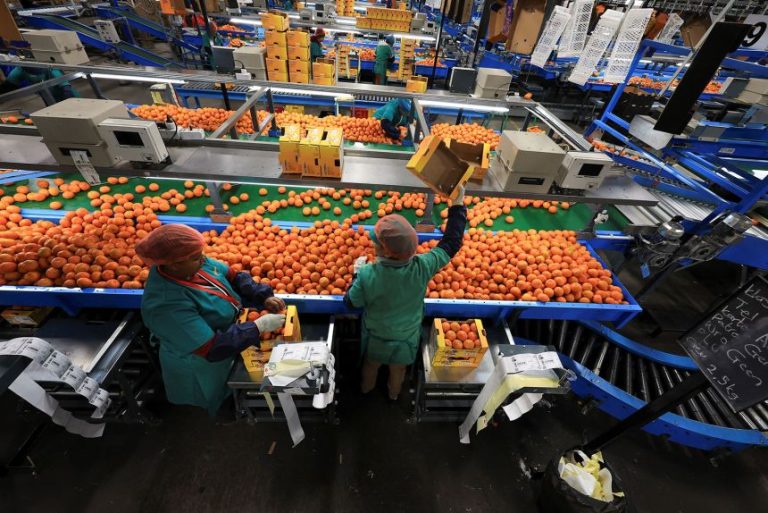
Based in Ashton, the fruit processing plant plays a vital role in the region’s agricultural economy. It employs over 3,000 seasonal and permanent workers and sources fruit from more than 250 local producers across Robertson, Ceres, Breede River, and the Klein Karoo. The factory processes peaches, pears, apples, apricots and guavas — with over 80% of production destined for export markets in Europe, China, Australia, and Japan.

For years, Langeberg and Ashton Foods also supplied canned fruit under the KOO brand, making it a key link in both domestic and international agri-value chains.

A Symbolic Sale with Real Stakes

Tiger Brands announced in 2020 its intention to exit the business to better align with its core strategy. Despite exhaustive efforts to find a buyer, talks repeatedly stalled, and the factory’s future hung in the balance. After extending operations season-by-season to keep it afloat, Tiger has now sold the business for a symbolic R1. The sale includes a significant R150 million commitment from Tiger towards a Community Trust, which will hold 10% equity in the new entity.

In addition, Tiger Brands will upgrade the factory’s effluent plant at a cost of R31 million, ensuring compliance with environmental regulations even after their exit. The company has also pledged ongoing support for school nutrition and local infrastructure in the Langeberg area.

From Corporate Control to Community Ownership

The Ashton Fruit Producers Co-operative, established in 2020, now steps into a leadership role after years of uncertainty. Backed by a development finance institution focused on job creation and sustainability, the new ownership model aims to keep the factory operational, profitable, and locally accountable.

This move mirrors other notable corporate exits from rural agri-processing in South Africa — including Nestlé’s closure of a dairy plant in the Eastern Cape and Pioneer Foods’ sale of grain silos in the Free State — where local players have attempted to step in and stabilise regional economies.

A New Era or a Cautionary Tale?

The sale is not just a business transaction — it’s a test of resilience and local leadership. Can Ashton’s producers preserve jobs, maintain quality, and grow export markets under local control? If they succeed, the Ashton model may offer a hopeful roadmap for other agricultural communities navigating corporate divestment.

Time, and the next few harvests, will tell.

Cape Town Hosts Inaugural AgTech Connect to Drive Innovation and Investment

0

The City and its green energy growth partner, GreenCape, have hosted the first-ever AgTech Connect, a session bringing together investors, business leaders and government officials for high-impact networking, and an exchange of ideas relating to technologies in the agricultural sector.

With ongoing challenges to agriculture, namely those such as climate change, there is a growing need to develop solutions that will safeguard the industry now, and for future generations.

‘Across Africa, agritech grew 44% year-on-year between 2016 and 2019, and is projected to reach a continent-wide value of $1 trillion by 2030. This presents major opportunities for innovators and investors in Cape Town where there exists an ecosystem of support from organisations, such as the City government and GreenCape,’ said Alderman James Vos, the Mayoral Committee Member for Economic Growth.

The session saw the gathering identify pathways for growth, investment, and policy support to scale the sector. Agricultural tech solutions developed in Cape Town and surrounds are well-positioned to support the growth and resilience of the African agricultural sector.

Western Cape Agriculture Continues Upward Trend

‘Over the past five to 10 years, the Western Cape’s agricultural sector grew at an average annual rate of 2,5% and 2,7%, reaching R25,6 billion in 2023. The GreenCape Sustainable Agri Market Intelligence Report 2025 indicates that the sector has further maintained its national share at 16% for agriculture and 21% for agri-processing.

To build an industry that can withstand challenges, both known and unknown, we have to encourage bold solutions. For example, drones have become one of the leading solutions for the sector and the market is currently valued at just over R1 billion with forecasts saying that it will more than triple over the next five years. This is why the City funds and works with partners such as GreenCape who help us to understand and realise the investment potential of emerging industries while energising the development of small businesses and job opportunities,’ said Alderman Vos.

TMR Conference 2025 to Unite South Africa’s Livestock Leaders for Innovation and Growth

0

The TMR Conference, organised by the Milk Producers’ Organisation (MPO), will be held from 8 to 10 June 2025 at the Radisson Hotel OR Tambo in Gauteng. As a premier event for the South African livestock sector, the conference is designed to bring together key role players in the industry—specifically milk, red meat, and intensive sheep producers, feedlot specialists, veterinarians, and important input suppliers—to facilitate knowledge sharing and the exchange of ideas in support of the development of the livestock industry.

A Platform for Innovation in Agriculture

For over two decades, the MPO’s biennial conference has served as a launchpad for new ideas, systems, and practical solutions across the dairy and broader livestock value chain. The 2025 conference will focus strongly on the latest developments in farming systems and animal health. Advanced techniques, technologies, and products related to biosecurity and ruminant health feeding systems will be discussed in depth, with specific attention given to management, nutrition, and performance improvement. These discussions will provide producers with relevant strategies for enhancing farm efficiency, animal well-being, and long-term productivity. Key themes will also include the application of smart technologies such as robotic milking, artificial intelligence, and precision monitoring tools in daily farm operations.

Meet the Speakers: Experts Leading the Way

Fanie Ferreira, Chief Executive Officer of the MPO, brings over 34 years of experience in the dairy sector. Known for his leadership during the MPO’s recent structural reform, Ferreira also serves on several national committees focused on animal health and welfare. He will speak about the current landscape and future opportunities for milk producers in South Africa. Dr Paolo Fantinati, a veterinarian and ruminant specialist at Novonesis, will present scientific findings on topics such as mycotoxins, feed efficiency, and sustainable supplementation.

With decades of experience across Europe and an extensive research background, Dr. Fantinati offers valuable global insights for improving livestock productivity. Stef du Plessis, a specialist in workplace culture and leadership from Epic, will turn the spotlight onto people and performance. His sessions focus on employee engagement and aligning teams with organisational values to deliver strategic outcomes. Silage expert Richardt Venter from AgSci Unlimited will present practical solutions based on his Precision-Silage® approach, aimed at improving forage quality and feed utilisation in a range of production environments.

Engaging With Innovation and Insights

While the conference will explore the latest tools and solutions in the industry, the real focus will be on the exchange of insights and application of knowledge. Attendees will gain access to expert perspectives and detailed discussions on current and emerging challenges in livestock production—particularly in the areas of nutrition, animal health, and sustainable management. The programme is designed to encourage practical takeaways that can be implemented on farms and across the industry.

Maximising the Conference Experience

Attendees are encouraged to prepare in advance by familiarising themselves with the programme and planning which sessions and exhibitions best align with their operational needs. Engaging with fellow producers, experts, and exhibitors will be key to maximising value from the event. The MPO also encourages producers to implement what they learn and to share insights with their teams after the event to ensure practical impact.

Register Today

Registration is now open at www.mpo.co.za. For assistance, contact Lize Marié du Toit at [email protected] or call 076 774 1284. The 2025 TGR Conference is set to be a landmark event in the agricultural calendar—uniting knowledge, innovation, and collaboration for a more sustainable and productive future in livestock farming.

Dohne-Merino-wêreldkongres: ’n viering van nalatenskap en leierskap

0

In 2026 keer een van Suid-Afrika se grootste landbousuksesse simbolies huis toe. Die Dohne-Merino-wêreldkongres, ‘n internasionale hoogtepunt op die landboukalender, sal van 6 – 13 September by die luukse Arabella Hotel naby Hermanus plaasvind.

Vir die eerste keer in die geskiedenis word dié wêreldbyeenkoms in die land gehou waar die ras ontstaan het – ‘n gepaste huldeblyk aan Suid-Afrikaanse vindingrykheid, wetenskap en volgehoue landboupassie. Die kongres word onder die vaandel van die Dohne Merino Telersgenootskap van Suid-Afrika aangebied, met BKB as hoofborg. Die geleentheid sal saamval met die 60ste bestaansjaar van die Dohne Merino Telersgenootskap, wat in 1966 gestig is.

Die Dohne Merino is ‘n eg Suid-Afrikaanse skaapras wat in die 1930’s deur die Departement van Landbou ontwikkel is. Die ras is aanvanklik geskep om in die uitdagende suurveldtoestande van die Oos-Kaap te floreer, en staan vandag bekend vir sy hoë vrugbaarheid, aanpasbaarheid, uitstekende lamgroei en wol van uitnemende gehalte. Dit is een van die wêreld se snelstgroeiende skaaprasse en ‘n ware suksesverhaal van wetenskap en praktyk.

Die oorspronklike ontwikkeling is gelei deur Mnr. J.J.J. (Koot) Kotzé van die Dohne Navorsingsinstituut in Stutterheim, met die eerste kruising wat reeds in 1939 tussen Duitse Vleisskaap-Merino-ramme en Merino-ooie plaasgevind het.

’n Internasionale viering van ’n plaaslike prestasie

Die tema van die 2026-kongres is “Wetenskap, passie, uitnemendheid, Dohne”, en dit weerspieël die toewyding van generasies telers en navorsers wat saamgewerk het om hierdie dubbeldoelras tot internasionale vlak te bring. Volgens Vaughn Collier, bestuurder van die genootskap, bied die kongres ‘n ideale geleentheid om hulde te bring aan die pioniers van die ras, sowel as die nuwe geslag wat hul werk voortsit.

Vandag bestaan daar aktiewe Dohne Merino-telersgenootskappe nie net in Suid-Afrika nie, maar ook in Australië en Uruguay – ’n bewys van die ras se wêreldwye aanvaarding.

Die weeklange program sal insiggewende voorleggings, plaasbesoeke en waardevolle netwerkgeleenthede insluit, en bied aan telers van regoor die wêreld die kans om kennis te deel en bande te smee – alles op die plek waar die Dohne Merino sy oorsprong het.

Suid-Afrika kan met reg trots wees om hierdie wêreldkongres aan te bied – ‘n viering van ‘n ras wat deur wetenskap en passie gevorm is, en steeds wêreldwyd uitsonderlike waarde lewer.

Deelnemers word aangemoedig om reeds nou hul plek te bespreek vir hierdie unieke gebeurtenis wat verwag word om nie net informatief nie, maar ook histories van aard te wees.

Kobie Lochner Steps In as Historic Wines CEO

0

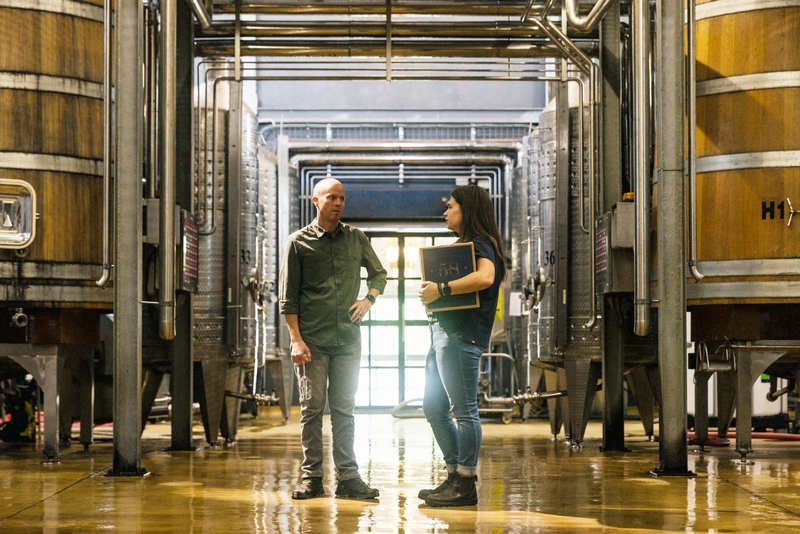
Historic Wines of the Cape, the managerial company of acclaimed wine brands, La Motte Wine Estate and Leopard’s Leap Wines, is pleased to announce the appointment of a new Chief Executive Officer – Kobie Lochner.

Lochner, who is currently the Senior Growth and Development Manager at Heineken Beverages International, will join Historic Wines of the Cape on 2 June 2025. He brings with him valuable experience, especially in the fields of leadership, strategic management and organisational development.

He will be succeeding current CEO and dynamic industry leader, Hein Koegelenberg, who will be retiring at the end of 2025 after 26 years of visionary leadership and pioneering efforts to establish a market for SA Wine in the Far East and to position the Cape Winelands as a leading wine tourism destination. The family and directors of the company are deeply grateful for his invaluable contribution and wish him all the best for the future.

Koegelenberg says: “Committed to performance and with a people focused approach, Kobie is the ideal person to lead our wine brands into a next phase of growth within a tough global environment. The team at Historic Wines of the Cape extends him a warm welcome and is looking forward to a new chapter under his leadership.”

To ensure continuity and a smooth transition, Lochner will be working closely with Koegelenberg until the end of 2025.

Celebrating the Hidden Voices of South Africa’s Agri-Sector

Agri’s Got Talent (AGT), South Africa’s unique singing competition for agri-workers, is back for its 12th season. Open to individuals working in the deciduous fruit, table grape, citrus, or wine industries, AGT invites passionate singers from packhouses, farms, and cellars to share their talent and their stories.

More than a singing contest, AGT is a transformative journey. Finalists receive professional voice coaching, social media training, makeovers, and take part in self-development workshops during a dynamic training week in the Western Cape from 14 to 19 September 2025. The week ends with a gala finale where the Top 10 contestants perform live on stage in front of a panel of judges and a cheering audience.

From the Packhouse to the Stage

Over the years, AGT has helped launch remarkable journeys. Victor Fredericks, a 2018 finalist and production foreman from Wolseley, has since published poetry, recorded original songs, and joined the ATKV Mentorship Programme. Jason Baartman, a former contestant turned mentor and judge, now performs at major festivals such as the Woordfees and Oesfees and continues to inspire new talent. Chanthel Boonzaaier, who was the runner-up in 2024, now performs professionally in Greece as part of an international music trio that celebrates artists like Whitney Houston, Wilson Pickett, and Lionel Richie.

AGT celebrates the diversity, talent, and resilience of South Africa’s agricultural workers. Contestants are encouraged to sing in any language and style, whether it’s gospel, R&B, pop, rap, or classical. Whether you sing at church, in the vineyards, or at home, AGT wants to hear your voice.

To enter, you must send a voice recording no longer than three minutes to [email protected]. Your entry must include your full name, date of birth, cellphone number, job title, the name of the farm, cellar, or packhouse where you work, how long you have worked there, the name of the nearest town, your supervisor’s name and cellphone number, and where you heard about Agri’s Got Talent.

For more information, you can contact Thea van Zyl by email at [email protected] or by phone at 083 642 5342.

Entries must be submitted by Thursday, 31 July 2025—don’t miss your chance to be part of this life-changing journey.