14.1 C
Cape Town
Saturday, June 27, 2026
Home Blog Page 48

Gold-Winning Fynbos Exhibit to Bloom in Stanford

0

South Africa has won Gold at the RHS Chelsea Flower Show 2025 for its fynbos display created by Leon Kluge and Tristan Woudberg. All eyes were on this creative team after they stole the hearts of all South Africans and 3 gold awards at the RHS Chelsea Flower Show 2024 last year and now they have done it again! The nation has been watching with interest to see whether the flowers of the Cape Floral Kingdom would steal the show again and they have! Two towering mountain slopes draped in the textures, scents and hues of 25’000 stems of fynbos blooms, divided by a watery ravine magically capture the essence of a secret Cape waterfall in springtime.

Four Grootbos staff ambassadors joined Leon and Tristan’s creative build-team in London to pull off this artistic floral exhibit and they will build it all over again in the village of Stanford for all of South Africa to enjoy. Chelsea Flowers in Stanford will be open to the public in spring from 10-24 September 2025 and will offer locals the opportunity to visit an exact replica of this bodacious floral design in which Tristan and Leon stretch the very boundaries of what can be achieved in floral exhibitions. The flowers in the exhibit will be of the finest quality to showcase the incredible springtime bloom that occurs naturally at that time of year in the Western Cape. Tickets cost R200 per person and will be available on Webtickets and at Pick ‘n Pay.

Photo credit: Sven Musica

Guests will be able to meet Leon and Tristan as well as the Grootbos staff ambassadors, Chris Lochner, Bulelani Bashe, Shiluva Khosa and Amy Williams, along with other conservationists and artists. Botanical art from the Grootbos Florilegium collection will add visual flourishes to the exhibit, all completely different from the artworks exhibited at Chelsea Flowers in Stanford last year. Chelsea Flowers in Stanford is a proud participant in Stanford in Bloom, a village-wide festival built to celebrate spring. All funds generated from the replica flower exhibit will be donated to Grootbos Foundation, a registered Non Profit Company which delivers ongoing fynbos landscape conservation and youth development programmes in the region and towns surrounding Grootbos Private Nature Reserve.

Congratulations and thank you to the sponsors who made the Flora of South Africa exhibit possible in London at the RHS Chelsea Flower Show 2025: Grootbos Private Nature Reserve, Hazendal, Rupert Nature Foundation and Southern Sun.

South African Wine Industry Uncorks Strategy for Growth in a Shifting World

0

The South Africa Wine Summit 2025, held at the Stellenbosch University Conservatory, brought together industry leaders, experts, and innovators to shape the future of South African wine. With a focus on authentic storytelling, sustainability, and innovation, the summit addressed the evolving demands of global consumers who seek purpose-driven brands.

Daneel Rossouw, Head of Sales Agriculture for Nedbank, the event’s main sponsor, highlighted how the new US tariffs have only added to local challenges from tax increases and competition from other alcoholic beverages. Despite these challenges, the industry has contributed R56 billion and 270 000 jobs to the national GDP. He says this is an important context when considering solutions.

As net exporters, agribusinesses in the Western Cape must diversify and consider new markets, requiring expert advice. This is where banks can play an important role. “Banks are no longer the traditional funding institutions, but we can take on a role as trade advisors,” he says. “We are uniquely positioned to maximise profitability and sustainability through technology and innovation. Agriculture is a long-term investment that plays a significant role and is vital to the economy.”

Wine

Heritage and innovation

South Africa Wine CEO Rico Basson said more producer cellars are becoming involved in tourism and have ventured into brand building, but it takes 30 to 50 years to build a wine brand. “Successful producer cellars have adopted the model of less is more,” he says. Meanwhile, the industry is successfully employing technology and data to address uncertainties and reinvest in vineyards. “Nothing is being planted without a plan or a market. Producers are using science to choose the right sites.”

“Heritage and innovation are twins, not opposites,” Rico adds. “Let’s bank our 366 years of heritage and rely on innovation as a bridge to greater diversity, talent and inclusiveness. We have the data and research to help shape the narrative.”

The only certainty is uncertainty

South African wine businesses are facing tough times. That was the message from Nicky Weimar, Chief Economist at Nedbank. “There are strong crosswinds at work,” she said. Local and global challenges, from weak infrastructure to uncertain trade policies, make it hard to plan ahead. “Producers and exporters are up against rising costs, crime, and a lack of reliable services,” Nicky explained.

Still, there are signs of hope. “Consumer spending is picking up, and incomes are growing again. Better performance at Eskom and the ports is also helping. But the future remains fragile. We are still dealing with global uncertainty, and the rand is vulnerable. Wine businesses must stay alert, plan carefully, and adapt quickly to changing conditions,” she warned.

There is hope for agriculture

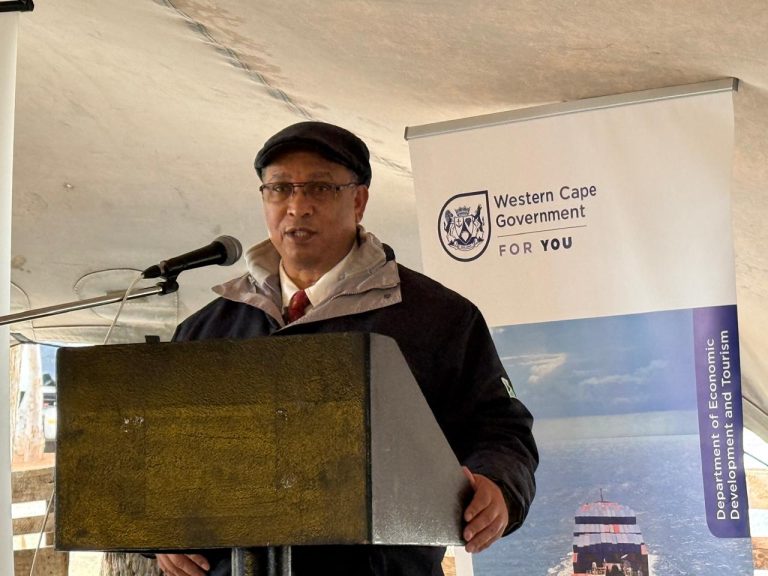
Western Cape Minister of Agriculture, Economic Development and Tourism Dr Ivan Meyer brought a message of hope to the South Africa Wine Summit. “There is hope for agriculture,” he said. “But we must act with urgency and unity.” He explained how global politics, like new tariffs and tensions with the US, could hurt exports of wine and other farm goods. “We must protect trade deals like AGOA,” he said. “Half of what we produce is sold overseas. We cannot afford to lose those markets.”

wine

He also called for action from the wine industry. “Let’s work together to show the US what they will lose if AGOA ends,” Dr Meyer said. He encouraged producers and exporters to support Premier Winde’s diplomatic efforts and to share contacts and insights to help lobby for South Africa. “We must build strong partnerships, invest in youth and research, and prepare for the future,” he said. And then, with a smile, he concluded, “Farmers don’t just plant crops, they plant hope. Now let’s drink South African wine.”

Driving domestic growth

South African wine tourism shows strong growth potential, with domestic visitors making up 58% of Cape Winelands room nights in 2024. During a panel discussion with industry leaders, Marisah Nieuwoudt, Tourism Manager at South Africa Wine, emphasised that booming wine tourism requires smart investment in experiences that create lasting memories. Melanie Leloup, Trade Relations Manager: Domestic Market for South African Tourism, said South Africans rely on word of mouth, and initiatives like the Sho’t Left campaign allow brands to be part of the conversation.

Sarel Meyer from Stettyn Family Vineyards highlighted how producers can increase profits by diversifying beyond traditional wine sales. Key upgrades include personalised tastings, family-friendly spaces, and unique selling points for different audiences. The message was clear: wine farms must invest in infrastructure, talent, and technology to attract more visitors and turn them into loyal customers.

The industry faces a significant challenge in attracting millennials and Gen Z consumers, who comprise 66% of South Africans aged 35 and under. Megan van der Merwe from Beau Constantia shared practical solutions for reaching younger visitors through digital innovation and data collection. Wineries can track visitor behaviour and convert them into repeat customers using WiFi analytics and customer relationship management tools. Her data showed that just 5% of guests who shared their contact details bought an extra bottle, generating nearly R275,000 in additional revenue. The key takeaway is to know your customers, make wine experiences memorable, and use technology to build lasting relationships with the next generation of wine drinkers. “Customers don’t remember what you tell them but how you make them feel,” she said.

A standout vintage

Dr Etienne Terblanche, Consultation Service Manager at Vinpro, shared insights from the 2025 harvest, calling it “a resilient vintage in the face of tough conditions.” Despite heat spikes, uneven rainfall, and late budding, many producers reported high-quality wines. “Some of the best wines I’ve seen in two decades,” said winemaker Eben Sadie. Charles Hopkins of De Grendel agreed, adding, “The wines show great balance and freshness.” Etienne noted the industry’s hard work paid off, proving that small, wise choices today can build a stronger future. “It was not an easy season,” he said, “but the wines tell a story of focus, care, and hope.”

He also highlighted how the 2025 harvest showed the power of adaptation. “Farmers faced heat, floods, and water stress, but kept focus,” he said. He praised how many winegrowers made small but smart decisions, like adjusting picking dates or protecting vines at the correct

times. “That’s what resilience looks like,” he added. “It’s not about avoiding challenges; it’s about responding to them well.”

The world is changing

South African wine is entering a new era, powered by technology, shaped by climate awareness, and centred around the consumer. Tech and wine consultant Joanna Dabrowska urged producers to embrace innovation without losing their story. “South Africa’s strength lies in authenticity, resilience, and immersive experiences,” she said. From AI in vineyards to digital storytelling through QR codes, the future is already here, and it’s innovative, sustainable, and deeply personal.

Joanna emphasised how global shifts change expectations, “Transparency is the new imperative. Consumers want to see carbon footprint, biodiversity efforts, and packaging impact.” With demand rising for ethically made, lower-alcohol wines and direct-to-consumer experiences, South African producers are well placed to lead. Her advice? Use tech to support your story, not replace it, and always think long-term. “AI won’t take your job,” she added. “But the person who uses AI will.”

Big shifts

South Africa faces significant shifts, globally and at home. Doris Viljoen, director at the Institute for Futures Research, said we need to be alert, adaptive, and brave. “We must zoom out, look for patterns, and find partners in unlikely places,” she said. Her message was clear: if we want to thrive, not just survive, we must act with foresight and curiosity.

Doris warned that rising temperatures, water stress, and weak infrastructure are real risks. But there are also new tools and innovative tech that can help. “Be brave enough to step into the mess,” she urged. The future is already here, from wearable plant sensors to AI that thinks for itself. “It’s time to ask: what else is going on, and how long do we have?” Viljoen said. The wine industry must embrace change because waiting is not an option.

Unpacking the South African wine consumer

Brandon de Kock from WhyFive shared powerful insights into what South Africans are really drinking, and why it matters. “Younger people are drinking less,” he said, “but when they do, they want quality.” He showed how the consumer class is growing, especially at the top end, and that wine still has a strong place, but only for brands that cut through the clutter. “Of over 1 000 wine brands, just 4% are doing 80% of the sales,” he warned. His key message is, “Know your customer. Make it easier to choose wine, and don’t be afraid to go slowly. Just don’t stand still.”

De Kock also reminded the audience that younger drinkers live in a fast-moving, digital world. He encouraged the industry to rethink how wine is marketed and sold, especially to a new generation that values simplicity and authenticity over tradition. “Legacy means nothing to them; they want convenience, experience, and stories they can connect with.”

The South Africa Wine Summit was made possible by our main sponsor, Nedbank, and co-sponsors Ardagh Glass Packaging, Agrimark, and the Western Cape Government. “Your support is a vote of confidence in our industry,” said Rico. “Thank you for believing in the power of collaboration and investing in South African wine’s future.”

Agri Wes-Kaap se 2025 Jongboer van die Jaar-finaliste bekendgemaak

Agri Wes-Kaap en Santam het met trots die agt finaliste vir die 2025 Jongboer van die Jaar-kompetisie aangekondig – ‘n geleentheid wat die passie, vernuf en volhoubare denke van jong landbouleiers beklemtoon. Hierdie finaliste staan nie net uit as produsente nie, maar as innoveerders wat hul gemeenskappe versterk en die toekoms van landbou vorm.

Agt jong boere met visie en vasberadenheid

Van Robertson boer André Swanepoel reeds vir sewe jaar met sitrus, steenvrugte, wingerd en groente. Sy dryfkrag is duidelik: “Volhoubaarheid! Ek wil graag so uitbrei dat die besigheid vir nog baie generasies suksesvol sal voortbestaan.”

In die Hexriviervallei produseer Francois Rossouw tafeldruiwe op 310 hektaar. Sy fokus is op uitnemendheid: “My visie is om verder te groei deur volhoubare kwaliteit tafeldruiwe te produseer en uit te voer.”

Gordon Anderson, van Greyton, verbou appels en pere in die Overberg. Hy sê: “My visie vir Oewersig is, dat ons onder die top 10% vrugteplase in die Wes-Kaap, asook die land is.”

Hermann Heins, ’n boer van Stellenbosch, bestuur wynboorde en ‘n varkeenheid. Hy glo sterk aan nalatenskap: “Om volhoubaar te boer sodat die volgende vier generasies nog kan boer.”

Barrydale se Jaco Bruwer produseer ‘n reeks vrugte en groente. Sy doelwit: “Om volhoubaar te wees en ’n positiewe invloed op die gemeenskap uit te oefen terwyl ons hoë gehalte voedsel produseer.”

Mario Lombard van George, met 19 jaar se ervaring in avokado- en beesproduksie, sê: “My langtermyn visie is die uitbreiding van avokadoproduksie, asook om ander boerderyvertakkings te ondersoek.”

Musa Mfengu van Tulbagh produseer bloubessies op 36,6 hektaar en wil standaarde stel: “My goal is to make this farm the benchmark for all Ozblu Farms, showcasing best practices and exceptional performance.”

Van Ceres/Hamlet is Niel Bruwer, ’n produsent van droë- en kernvrugte. Hy streef daarna “om volhoubaar en effektief te boer deur die toepassing van moderne boerderypraktyke en gemeenskapsbetrokkenheid te bevorder.”

Volgens beoordelaar Inus Oosthuizen is hierdie groep besonder indrukwekkend vanweë die uiteenlopende produksievelde – van bloubessies tot varke, en van tafeldruiwe tot vleisbeeste.

Besoeke aan die boere werp waardevolle insigte op

In die week van 19 tot 22 Mei 2025 het Agri Wes-Kaap en die beoordelaarspaneel begin met hul plaasbesoeke aan die finaliste. Tot dusver is Mario Lombard op George, Musa Mfengu in Tulbagh, Francois Rossouw in die Hexriviervallei, en Gordon Anderson in die Overberg besoek. Hierdie ontmoetings het waardevolle geleenthede gebied om eerstehands insig te kry in die boerderypraktyke, tegnologie en visie van elke deelnemer. Die oorblywende finaliste sal in die komende week besoek word.

Die wenner sal op 11 Junie 2025 bekend gemaak word en die Wes-Kaap tydens die Toyota SA/Agri SA Nasionale Jongboer van die Jaar-kompetisie verteenwoordig. Hierdie agt finaliste verteenwoordig nie net die beste van jong boerdery nie – hulle ís die toekoms van volhoubare landbou in Suid-Afrika.

Cattle in the Vines: New Research Could Reshape South African Wine Farming

As the South African wine industry gathers today, 22 May 2025, in Stellenbosch for the South Africa Wine Summit, a bold research initiative is turning heads. The newly launched ReGenWine project is exploring how the integration of cattle into vineyards could enhance sustainability, cut costs, and build resilience in a changing climate.

Led by Stellenbosch University (SU) and funded by South Africa Wine, the three-year study is one of the most comprehensive scientific efforts yet to test regenerative viticulture in a working wine estate. It is being conducted primarily at Hartenberg Wine Estate in the Western Cape.

Sustainable Answers for a Pressured Industry

The launch of ReGenWine comes at a crucial time. Wine farmers are facing the dual pressure of rising input costs and intensifying climate impacts—issues expected to be central to today’s 22 May 2025 discussions at the Summit.

“Everywhere I go, people want to talk about sustainability,” said Gerard Martin, executive for research development and innovation at South Africa Wine. “This study will help us understand what regenerative farming could mean for the industry’s future.”

ReGenWine aligns closely with the themes of innovation and climate resilience being discussed at the summit, making it a timely contribution to the industry’s future planning.

Inside the Regenerative Model

The ReGenWine project puts regenerative farming principles into action. It involves planting cover crops like oats and grasses between vine rows to suppress weeds, retain moisture, and boost biodiversity. After the harvest, Dexter cattle—a small, vineyard-suited breed—graze these crops.

Their manure enriches the soil naturally, reducing reliance on chemical fertilisers. The cattle can also provide a secondary income stream through meat sales or use in the estate’s restaurant.

“We’ve seen the land come alive,” said Wilhelm Joubert, viticulturist at Hartenberg. “Bringing animals into the vineyards has improved soil structure and brought back key organisms like earthworms and dung beetles.”

Hartenberg’s broader regenerative shift, which began in 2017, has earned it international recognition. Earlier this year, it became the first South African wine estate to be verified under the Ecological Outcome Verification (EOV) framework.

• In the ReGenWine study, Dexter cattle are used in the vineyards because they are a smaller and more manageable breed. Picture: Supplied

Science Backed by Five Teams

To ensure the study produces measurable results, ReGenWine is driven by five interdisciplinary teams from SU:

Soil System: Measures carbon levels, microbial activity, and soil health.

Grapevine to Wine System: Tracks vine growth and juice quality with precision tools.

Cover Crop and Animal System: Studies livestock movement, feed intake, and nutrient cycling.

Economic and Environmental Circularity: Analyses input-output models and return on investment.

Knowledge Coordination: Ensures efficient project management and data sharing.

This scientific approach aims to move regenerative wine farming from theory to proven practice—giving wine producers the evidence they need to adopt new methods.

Building a Better Future

ReGenWine builds on pre-trial work done between 2022 and 2024. Project lead Professor Melané Vivier is clear about its long-term purpose: “We’re laying the foundation for future innovation—not just for this farm, but for the broader industry.”

With today’s 22 May 2025 Summit spotlighting climate resilience and innovation, ReGenWine stands as a timely symbol of how South Africa’s wine industry can embrace change—and lead it.

Shoprite Group Launches South Africa’s First Fully Recyclable Potato Bag

0

The Shoprite Group has become the first South African retailer to introduce a fully recyclable 7kg potato pocket, marking a major step forward in sustainable packaging. Developed in-house by a team of five employees participating in a leadership development programme with the Gordon Institute of Business Science (GIBS), the innovation resolves a long-standing industry challenge around potato bag recyclability.

Traditional potato pockets consist of an outer and an inner wet-strength layer, the latter being non-recyclable under local conditions. In the year 2023, an estimated 18 600 tons of these bags ended up in South African landfills. The team’s objective—to make the packaging recyclable, reusable or compostable—revealed complex supply chain hurdles. Despite exploring alternatives like consumer return schemes and international packaging solutions, none proved viable for South Africa’s infrastructure.

A turning point came when paper supplier Billerud’s Swedish R&D team collaborated with Shoprite to develop a new semi-wet-strength material. After an initial failure, their second attempt met all technical and environmental standards without incurring additional costs or disrupting operations.

Major Environmental and Economic Impact

The new packaging, launching in over 1 400 Shoprite, Checkers and Usave stores from May 2025, significantly reduces environmental harm. With the new recyclable bags, Shoprite’s overall recyclable, reusable or compostable packaging will rise from 88.9% to 90%, aligning with its 2025 sustainability targets.

The environmental benefits extend beyond reduced landfill waste. The innovation also eliminates the need for costly recycling infrastructure. Previously, a CSIR study estimated that processing the old wet-strength lining would require the construction of specialised plants, each costing approximately R30 million. Shoprite’s breakthrough circumvents this need entirely.

Perhaps most significantly, the recyclable bags open new economic avenues for South Africa’s informal waste pickers. If adopted industry-wide, this packaging could generate over R22 million in potential income for this community—providing both social and economic upliftment.

Benefits Across the Value Chain

The impact of Shoprite’s recyclable potato bag extends beyond waste reduction and innovation—it delivers real value throughout the agricultural supply chain. For farmers, the packaging ensures product quality, supports shelf-life requirements, and strengthens access to retailers committed to sustainability. For consumers, it provides an easy way to make environmentally responsible choices without paying more or sacrificing freshness. This development represents a win for all stakeholders, combining ecological responsibility with economic and practical benefits.

Gold Blooms from South African Soil at Chelsea Flower Show

0

South Africa has once again captivated the global stage at the prestigious RHS Chelsea Flower Show, claiming gold for the second year running. This year’s success, led by celebrated horticulturist Leon Kluge and supported by gardening icon Tanya Visser and right-hand man Tristan Woudberg, is a proud tribute to the country’s natural splendour and creative excellence. Following last year’s winning return to the Chelsea stage after a lengthy absence, the pressure was on — and South Africa delivered in spectacular style.

Nature’s Dual Influence: The Atlantic and Indian Oceans

The 2025 exhibit, South Africa’s largest yet, was inspired by the country’s unique position between two mighty oceans — the Indian and the Atlantic — and the contrasting habitats they nurture. From the dramatic cliffs and lush escarpments of the east to the floral richness of the Cape, the design celebrated biodiversity shaped by water and wind.

A stunning canyon carved through a mountain of Proteas, revealing cascading waterfalls and vertical gardens bursting with native plants. Among the highlights were the blue Streptocarpus (an indigenous cousin of the African violet), the rare Disa orchid peeking from mossy ravine walls, and summer-rainfall gems like the fiery Sandersonia aurantiaca (Christmas bells) and flame lilies. The display even paid homage to the iconic Storms River mouth — a natural border between the Western and Eastern Cape — recreated through a dramatic living cliff.

South Africa
Photo credit: Babylonstoren

A Woven Symbol of Identity

Central to the exhibit was a massive hand-woven basket, crafted in sections by London artisans and assembled onsite. The basket cradled the floral installation and symbolised South Africa as “the fynbos basket of the world.” Leon Kluge described it as a visual metaphor for the country’s role in global biodiversity conservation and a testament to traditional craftsmanship and natural abundance.

The Fox that Left its Mark

Every day, the South African team would arrive early to tend the exhibit. What they didn’t expect was a nightly visitor — a curious London fox. Each morning, its pawprints appeared on the carefully groomed soil. Initially frustrated, the team eventually embraced the tracks as a whimsical, wild endorsement. “It became our little Chelsea mascot,” said Leon with a grin. “As if London itself gave our garden its blessing.”

A Tea-Stained Tribute to the Cape

Adding a playful local flavour, the exhibit’s cola-coloured stream was tinted using 50 Rooibos tea bags — capturing the amber tones of Cape mountain water with a distinct South African touch. This level of detail showcased the team’s dedication to authenticity and creativity.

A Voice for South African Gardeners: Tanya Visser

Popular South African gardening expert, landscape designer, and television presenter Tanya Visser was part of the core team that brought this magnificent exhibit to life. Known for her down-to-earth passion and deep horticultural knowledge, Tanya often describes herself simply as “a gardener first.” As a professional public speaker and advocate for local gardening, her involvement was not only hands-on but deeply heartfelt. “Our proud moment this morning could not be possible without this dedicated team and the amazing sponsors believing in our country and our diverse Floral Kingdom!” she said. Her energy and presence brought warmth and authenticity to the exhibit — making her not just a contributor, but a living representation of South Africa’s gardening spirit.

Voices from the Team

Leon Kluge, beaming with pride, said, “South Africa’s gold-winning display at this year’s RHS Chelsea Flower Show is our biggest yet, with up to 25,000 stems of fynbos cut flowers. This gold medal is shared with every farmer and farmworker who contributed to this achievement. May it inspire us to keep protecting our natural heritage.”

Thanks to the Pillars Behind the Glory

The exhibit was made possible through the generous support of sponsors including Grootbos Private Nature Reserve, Hazendal Wine Estate, Cape Flora SA, the Rupert Nature Foundation and Southern Sun, and others.  Their commitment helped bring South Africa’s floral magic to the world’s greatest garden stage.

A Legacy that Blossoms On

This win brings South Africa’s tally at the RHS Chelsea Flower Show to an astonishing 39 medals over four decades. It is a testament to the power of nature, creativity, and teamwork — and to a country that continues to bloom with pride on the world stage.

From Farm to the World: Gauteng Powers Afrex’s Floral Export Boom

As Gauteng continues to position itself as South Africa’s logistics and export nerve centre, Afrex South Africa has made a bold investment in the province’s future with a brand-new, state-of-the-art facility in Pomona, Johannesburg. Just 5 km from its previous site, the upgraded facility features advanced cooling and handling systems, a modern packshed, and expanded storage and office space—all designed to maintain the highest standards in cold-chain logistics.

For Gauteng’s agriculture and logistics sectors, this marks a pivotal shift. “Our new Johannesburg facility is about reliability, speed, and quality,” says Etienne Taitz, Managing Director of Afrex. “It allows us to move fresh, high-value flowers from farm to export with greater efficiency than ever before.”

Driving agricultural exports from the heart of the country

Although many of Afrex’s partner farms are based in the Western Cape, Gauteng’s infrastructure has become crucial to bridging inland handling and international distribution. The new Pomona site also welcomes PPECB and Department of Agriculture offices under the same roof—streamlining inspections and reducing processing delays.

This integration is a game-changer for the province. By offering quicker clearance and seamless cold-chain logistics, Gauteng becomes more than a stopover—it becomes the launchpad for high-value agricultural exports.

A resilient exporter with roots in Cape Flora

Founded in 2003, Afrex quickly emerged as a leader in exporting South African Cape Flora—particularly Proteas, Leucospermums, and Leucadendrons—to global markets. A major milestone came when Afrex partnered with Waitrose in the UK to deliver Cape Flora bouquets to over 700 stores, reaching sales of 20,000 bouquets per week.

Though the pandemic brought airfreight disruptions, Afrex rebounded as Cape Town resumed its role as an international logistics hub. Today, the Johannesburg expansion strengthens the national distribution chain by enhancing local handling and reducing pressure on Cape Town’s ports and flights.

A fresh model for modern agriculture

Afrex’s operating model is built for both efficiency and farm viability. By sourcing fresh flowers daily from more than 30 farms—and supplying to order without holding stock—they ensure freshness, reduce waste, and support grower sustainability. This approach is made possible by Gauteng’s excellent transport networks and access to international freight routes via OR Tambo.

“We don’t just export flowers,” says Taitz. “We deliver freshness, variety, and value from farm to florist, every day.”

Looking forward: Growth from Gauteng outward

With their Johannesburg facility now fully operational, Afrex is targeting growth in key markets such as the USA, Japan, and China. They also plan to introduce new floral varieties, keeping South Africa’s floral exports competitive in a demanding global market.

For Gauteng’s farmers, agri-logistics operators, and exporters, Afrex’s investment is a blueprint for high-value, globally connected agriculture—driven by innovation, infrastructure, and a commitment to quality.

Stellenbosch Farmers Lead Massive Reforestation Drive After Storm Devastation

0

The Stellenbosch Wine Routes’ ambitious tree-planting campaign has dramatically exceeded expectations, with wineries planting more than 20 times the number of trees uprooted in last year’s devastating storm. What began as a mission to restore the landscape of South Africa’s City of Oaks now stands as a symbol of resilience, with over 6300 new trees gracing the region and its many vineyards.

A Storm That Uprooted More Than Trees

The initiative launched in the wake of the storm that saw, amongst others, the uprooting of Stellenbosch’s oldest tree planted over two centuries ago. Under the leadership of Stellenbosch Wine Routes Board, the goal was to plant over 1 000 trees to restore the landscape that was dramatically affected.

The storm not only swept across the town and farmlands but also led to a fire that razed the historic Manor House and Jonkershuis at Blaauwklippen. Over 200 trees throughout the town and on farms were uprooted.

Stellenbosch

From Loss to Legacy

Soon after, commitments were made by Stellenbosch Wine Routes’ members to plant trees, with preference given to indigenous trees. English Oaks are being specifically replaced with Turkish, Pin and Water Oak trees. To date, contributions have been made by producers across the region with among the largest being Villiera, which planted more than 2 000 saplings; and, De Zalze Golf Estate, including Kleine Zalze Wines, with 3 258.

In collaboration with the Stellenbosch Trail Fund, this campaign will also honour local legends through the planting of commemorative trees along the Eerste River. Together with the tree planted last year for Jeanneret Momberg, former chief executive of Visit Stellenbosch, another 10 indigenous trees will follow this winter to commemorate luminaries of Stellenbosch Wine Routes, such as previous chairpersons, founder members as well as the late Danie Steytler Sr. of Kaapzicht.

A Natural Symbol of Hope

“The success of this initiative has been extraordinary, not just in raising awareness of the trees that surround us, but also in making a tangible, lasting impact on the environment,” says Elmarie Rabe, General Manager of Stellenbosch Wine Routes. “We are inspired to continue planting, preserving, and celebrating the natural beauty that defines Stellenbosch.”

For Stellenbosch, it is particularly the mighty oak that has become synonymous with the landscape. Not only do they line the streets that bring thousands of local and international visitors every year, but their presence is at the heart of every local’s love for the region.

Since its foundation in 1679, when Governor Simon van der Stel noted the valley’s “clear river… adorned with fine and lofty trees”, Stellenbosch has been home to some of the oldest living oaks in South Africa, marking it an important custodian of a rich history.

The region, however, faces new challenges, particularly with the emergence of the Polyphagous Shothole Borer Beetle (PSHB). Substantial research by specialists at Stellenbosch University, the Stellenbosch Municipality and around the country is being invested to curb its effects.

“We invite all nature lovers to join us in this initiative by planting trees and sharing their endeavours,” says Elmarie. “Using social media and tagging Stellenbosch Wine Routes helps to keep the conversation active and alive.”

For more information, visit www.wineroute.co.za or contact Stellenbosch Wine Routes on info@wineroute.co.za or 021 886 4310. Connect with @stellwineroute on Facebook, Twitter and Instagram.

Preserving South Africa’s Fresh Produce Markets: Insights from the WUWM Conference

The World Union of Wholesale Markets (WUWM) Conference, held from May 14-16, 2025, at the Sandton Convention Centre in Johannesburg, marked a historic milestone as the first time this global event was hosted in Africa. Themed “The African Edition: Shaping the Future of Fresh Produce Markets through Sustainability, Innovation, and Inclusivity,” the conference, hosted by Joburg Market, underscored the critical role of fresh produce markets in ensuring food security, fostering innovation, and supporting inclusive economic growth. With delegates from over 200 member countries, the event highlighted South Africa’s unique open market system and its potential as a model for global agriculture.

The Vital Role of Fresh Produce Markets

South Africa’s fresh produce markets, exemplified by Joburg Market, are a cornerstone of the nation’s food system, processing 1.4 million tons of produce annually and holding a 46% share of the national market. Jaco Oosthuizen, CEO of RSA Group, described these markets as “South Africa’s best-kept secret,” emphasising their ability to supply millions locally and across borders at no cost to the state. Unlike global markets dominated by subsidies and chain stores, South Africa’s commission-based system ensures authentic price discovery, enabling farmers to thrive through rapid cash conversion—payments are made within two to three days. Oosthuizen projected that municipal markets could reach R25 billion in sales in 2025, highlighting their economic significance.

The Power of the Agent Model

Central to South Africa’s market success is the agent model, where agencies charge a 5-7.5% commission on daily transactions. This model, as Sello Makhubela, Acting CEO of Joburg Market, noted, is a replicable system that the world should adopt. It incentivises risk-taking among producers and creates a transparent, trusted pricing system used across marketing channels. Oosthuizen highlighted RSA Group’s success in establishing markets in underserved areas like Mooketsi, Limpopo, serving 78,000 buyers annually. This approach fosters inclusivity, particularly for smallholder farmers, by providing equitable market access without state funding.

Modernization and Infrastructure Challenges

The conference spotlighted the urgent need for infrastructure upgrades to maintain market competitiveness. Makhubela admitted that Joburg Market, established in 1893 and relocated to City Deep in 1974, has lagged due to insufficient upgrades, facing competition from private players. With a turnover of R11.3 billion in 2024, the market is implementing a “Smart Fresh Produce Market Strategy” that includes cold chain enhancements, clean energy solutions, and diversification into meat, fish, and flower markets. These upgrades are critical to meeting food safety regulations and addressing climate change challenges, ensuring the market’s role in food security.

Innovation and Global Relevance

Discussions emphasised digital transformation and sustainable practices. Greg Whitaker from AgrigateOne highlighted how digital agriculture can reshape food distribution, while Minister Parks Tau stressed liberalised trade agreements to bolster South Africa’s role in global food security. The conference also explored omni-channel strategies, with João Tiago Carapau of Portugal’s SIMAB noting that physical markets remain essential for building trust and testing new products, complementing online trading.

A Template for Africa and Beyond

Joburg Market, with 11,000 to 14,000 daily visitors and over 8,000 producers, is a vibrant hub attracting buyers from across Southern Africa. Oosthuizen and Makhubela see it as a template for the continent, promoting intra-African trade and resilient food systems. Despite concerns about declining traded mass, the market’s record R70 million daily transaction in May 2025 underscores its potential. By prioritising infrastructure, sustainability, and inclusivity, South Africa’s fresh produce markets can continue to drive economic growth and food security globally.

Grain SA’s NAMPO 2025 Sets New Benchmark for Agri Innovation

0

The 57th NAMPO Harvest Day, proudly presented by Grain SA and held from 13 – 16 May 2025 at NAMPO Park, concluded on a high note last week, reaffirming its position as the Southern Africa’s largest and most influential grain-focused agricultural trade exhibition.

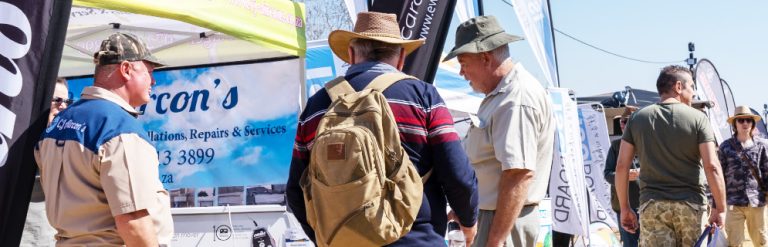
With a record attendance of 87 191 visitors over four days and hosting more than 900 exhibitors, NAMPO 2025 once again proved to be the significant convergence point for the grain sector, the broader agri-value chain, and a critical engagement platform to explore solutions and discussions for the agricultural industry. Various exhibitors use the NAMPO Harvest Day as a platform to launch new products and innovations to the agricultural industry. With air traffic totalling 377 aeroplanes and 69 helicopters predominantly form the business sector, the sky above NAMPO was as busy as the ground below – a clear symbol of the reach, relevance, and reputation this event has built over decades.

“Despite the current harvesting pressures facing producers where wet conditions during harvest delayed harvest time, the show was a resounding success. The general mood among farmers was upbeat, and exhibitors have expressed satisfaction with the quality of business done. The strong presence of young people also reinforces that agriculture in South Africa has a future,” said Danie Minnaar, Chairperson of Grain SA’s Harvest Day Committee.

NAMPO 2025

While visitor numbers are a key performance indicator, the business conducted during NAMPO is an even more important measure of success. “There’s no doubt that last week’s expo enabled meaningful business engagements across the value chain,” Dr Dirk Strydom, Managing Director of NAMPO (Pty) Ltd, said.

Strydom also noted the increased presence of mainstream media, in addition to the dedicated agricultural press, which helped broaden the narrative around the role and realities of the agricultural sector.

“NAMPO is not just Grain SA’s flagship event – it is proudly owned by our members – 7 670 commercial and 6 073 developing producers – and driven by Grain SA’s commitment to farmer profitability and food security. It’s a space for practical engagement, driven by the needs of producers,” said Richard Krige, Chairperson of Grain SA. “NAMPO’s purpose remains clear: it’s a neutral, apolitical platform that promotes knowledge sharing, innovation and critical dialogue to advance the entire sector – from soil to silo.”

The Real Business of Farming: Innovation, Insights, and Practical Engagement

NAMPO’s core strength remained visible in the thousands of conversations happening every hour – between farmers comparing cultivars, researchers explaining trial results, and service providers demonstrating innovations designed to improve yields and sustainability. “What makes NAMPO irreplaceable is the sound of producers debating harvester specs or swapping notes on input cost strategies. NAMPO is where producers discuss strategies to have access to the best seed technologies, where they inspect harvester models, and where solutions are sought for input cost hikes, infrastructure bottlenecks, and new technology,” said Dr Tobias Doyer, CEO of Grain SA, affirming that these conversations are the heartbeat of NAMPO.

The theme for this year, “Global Agriculture, Locally!”, resonated throughout NAMPO Park as global ag-tech met local grit. International exhibitors from the USA, UK, Turkey, Argentina, and Brazil together with numerous foreign visitors, joined South African innovators in bringing global agriculture local. Exhibitors and producers interacted across precision tech, machinery demos, and input innovations, livestock showcases and agronomy hubs, 4×4 tracks and family-friendly experiences, a dedicated women’s programme and vibrant market spaces, the Engen Tractor Museum, Grain SA Museum, and Boereplanne (Farmer Inventions) zones.

NAMPO 2025

A Platform for Opportunity: Meaningful Discussions and Purposeful Commitments

NAMPO 2025 will undoubtedly be remembered not only for its commercial success, but also for the unprecedented political attention it received. Over the course of the week, the show was attended by a series of cabinet-level visitors, including President Cyril Ramaphosa, Deputy President Paul Mashatile, several ministers – among them John Steenhuisen (Agriculture) and Dean Macpherson (Public Works and Infrastructure) – as well as five provincial MECs and various other political party’s leadership. These visits, some formally arranged and others in a personal capacity, underscore renewed national interest in the agricultural sector.

President Cyril Ramaphosa attended the event in his personal capacity as a farmer to conduct business and engage with exhibitors on the latest agricultural technologies and innovation. However, the official government delegation, led by Deputy President Paul Mashatile, made headlines for a more strategic reason: a renewed national dialogue about agriculture’s central role in the economy.

The agricultural sector raised several critical issues during these engagements:

Persistent rural safety concerns

  • Lack of infrastructure maintenance and investment
  • Delayed regulatory approvals for crop protection and seed technologies
  • The urgent need for land tenure security and title deeds
  • Greater investment into mechanisation and digital access

The Deputy President acknowledged these concerns and responded with strong support. “Agriculture is the backbone of South Africa’s economy,” he said, affirming that food security is not only a social priority, but a national economic imperative. “We are not pursuing land grabs. Our focus is on productive land use, inclusivity, and transformation that supports growth.”

He further pledged that rural safety would receive focused attention through a new task team under discussion between government and organised agriculture – a development welcomed by Grain SA. Opening of new markets through bilaterial discussions is also highlighted as priority.

However, Dr Tobias Doyer, CEO of Grain SA, was clear about NAMPO’s core purpose:

“While we were honoured to receive several political leaders, it remains critical to remember that NAMPO exists first and foremost as South Africa’s leading grain production and value chain exhibition. The real impact of the week lies in the discussions that took place around crop performance, input costs, infrastructure bottlenecks, and access to new technologies.”

Grain SA reiterated that meaningful dialogue with government is non-negotiable, “If we don’t talk to government, how are we going to fix the problems? Our members demand solutions, not posturing,” said Krige. “Agriculture has the power to kickstart the economy – but only if we safeguard our farmers, maintain and improve profitability, secure land ownership, and ensure access to the tools that drive sustainable production.”

“NAMPO’s success lies in the provided platform where producers, researchers, agribusinesses and technology providers come together to exchange knowledge, showcase innovation and prepare for the challenges of the coming season”, Doyer added.

NAMPO Cape & ALFA next

Grain SA is further looking forward to NAMPO Cape which will be presented at Bredasdorp from 10-13 September and NAMPO ALFA, the Livestock, Hunting & Outdoor expo which will be presented from 16-18 October at NAMPO Park.

2026 NAMPO Harvest Day

NAMPO’s dates for next year have been set for 12 – 15 May 2026 at NAMPO Park, outside Bothaville. Visit www.nampo.co.za for more information or follow us on social media platforms.