The Transvaal Agricultural Union of South Africa (TLU SA) and the Red Meat Producers Organisation (RPO) have jointly raised alarm over the escalating economic impact of ongoing Foot-and-Mouth Disease (FMD) outbreaks on commercial livestock producers.
Producers Struggling Under Prolonged Movement Bans
Bennie van Zyl, General Manager of TLU SA, states that farmers are under severe financial pressure due to movement restrictions. “They cannot take their animals to auctions, feedlots, or abattoirs, which directly impacts their cash flow needed for essentials like food, electricity, and wages,” he explains. While the need for biosecurity is understood, the lack of alternative marketing channels is crippling. “We are economically destroying farmers,” Van Zyl adds.
Government’s Role in Crisis Response
Dr Frikkie Maré, CEO of the RPO, highlights that FMD is a state-controlled disease. “The industry can only offer support and recommendations, but the government bears responsibility not only for disease control but also for the impact on affected businesses and individuals,” he says.
State Neglect, Forcing Farmers to Self-Regulate
Both organisations point to the state’s failure to enforce its legal obligations, such as monitoring livestock movement in affected areas. Farmers have been left to manage this themselves using privately funded camera systems, while the government remains absent.
Urgent Call for a Disaster Management Plan
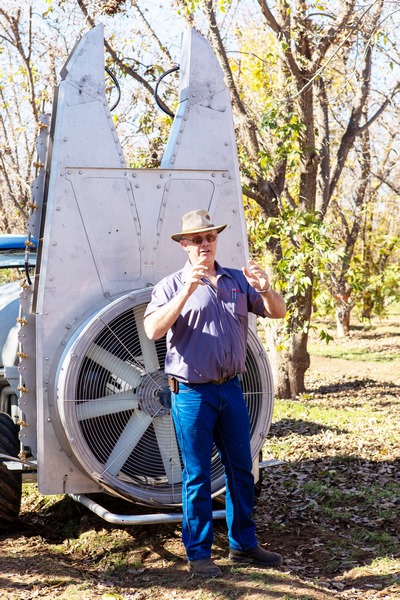
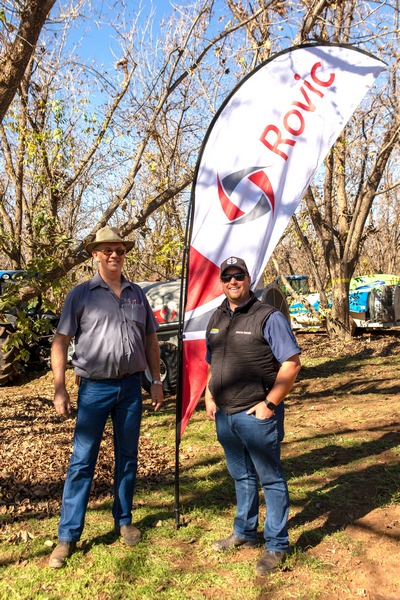
At the recent NAMPO Harvest Day, Van Zyl, in consultation with Maré, discussed the crisis with Agriculture Minister John Steenhuisen. They appealed for a disaster management programme to help producers stay operational and meet their financial commitments.
Market Access and Practical Solutions Needed
The organisations are urging the government to fast-track a process that would allow low-risk farms with proper biosecurity to regain market access. They also call for classification of abattoirs within the control zones to enable continued slaughtering of FMD-affected animals.
A Final Plea for Decisive Action
TLU SA and the RPO warn that without immediate intervention, the sustainability of farming—and with it, food production and rural jobs—is at risk. They urge the state to act decisively to avoid lasting damage to the agricultural value chain.
Vergelegen has announced a new partnership with brand-building agency Nimbility to expand its presence in the Asia Pacific (APAC) region.
Strategic Partnership to Drive APAC Expansion
“We are thrilled to be partnering with Nimbility to build our export markets in APAC and increase Vergelegen’s presence and visibility across the region,” said Luke O’Cuinneagain, head winemaker at Vergelegen in Somerset West, South Africa. “Our historic brand credentials, focus on sustainable farming practices resulting in exceptional wine quality, and deep-rooted hospitality credentials which focus us within occasion-based drinking moments, gives us a number of unique selling points that we hope will resonate with Asian consumers.”
The collaboration with Nimbility aims to boost Vergelegen’s brand recognition and market penetration throughout the APAC region. The agency will bring its regional expertise in market strategy and brand development to support Vergelegen’s positioning in a competitive and growing wine market.
Tapping into Occasion-Based Drinking Trends
Francesca Martin, Nimbility founding partner and CMO, commented: “Vergelegen’s deep-rooted expertise in hospitality and entertainment, where their wines are developed for occasion-based drinking—be that a casual picnic with friends or toasting a celebratory dinner—positions the brand extremely well to take advantage of the new trends in occasion-based drinking that are currently hitting APAC. We are excited to be adding these wines to our South African portfolio.”
Vergelegen’s focus on lifestyle and celebratory drinking moments aligns with evolving consumer preferences across Asia Pacific, where premium wine is increasingly enjoyed in social and experiential settings.
Sustainability and Conservation at the Core
Vergelegen’s vineyards are located in the Helderberg region of Stellenbosch and the estate is a recognised WWF Conservation Champion. From 2004 to 2018, Vergelegen led South Africa’s largest privately funded alien vegetation clearing project, restoring 2,240 hectares of land.
“As alien vegetation uses up to 60% more water than fynbos, the project unlocked water resources, allowing natural vegetation to return and animals to thrive,” said Vergelegen environmental manager Eben Olderwagen.
This strong sustainability ethos enhances Vergelegen’s appeal to environmentally conscious consumers in the APAC region and further differentiates the brand in a crowded market.
Just six years after its debut on the international stage, South Africa’s homegrown apple brand, Flash Gala, has reached a remarkable milestone. For the first time, over one million cartons of this sought-after variety were exported in a single season—an achievement that reaffirms the country’s position as a leading apple exporter in the Southern Hemisphere.
“We’re handling the largest Flash Gala crop in history, and it’s also the season with the fewest quality issues. We’re undoubtedly making great strides with the variety,” says Calla du Toit, procurement manager at Tru-Cape Fruit Marketing and BigBucks Growers’ Association chairperson.
From orchard to international fame
The story of Flash Gala began in 2011, when renowned horticulturist Buks Nel discovered a promising mutation in a Corder Gala orchard at Oak Valley in the Elgin Valley.
“I found BigBucks Gala—Flash Gala’s variety name—on 18 January 2011, to be exact. The apple already had a vibrant red colour, even though Galas are typically harvested in February,” recalls Nel. “At the time, there was a gap in the market for full-red Galas, and BigBucks Gala filled that perfectly.”
Word of the new discovery spread quickly. Buks still remembers Hennie Venter’s (who was tasked with describing the variety for plant breeders’ rights) reaction upon seeing the apples: “Buks, I think you’ve hit on something big.”
Now, with a grin, Buks reflects on the variety’s journey: “I’m rather chuffed, to say the least.”
Thanks to a strong brand and targeted promotional activities, Flash Gala is being introduced to Chinese consumers on a retail level
A taste of sunshine
Commercial orchards were planted in 2017, and export trials followed in 2019. By 2020, substantial volumes were shipped abroad.
“South African apples benefit from our sunny climate, resulting in higher sugar levels and excellent flavour. Flash Gala exemplifies this—brilliant colour and superior eating quality,” explains Calla.
When American red apples became less available in India, it opened a golden opportunity for South Africa’s Flash Gala to establish itself in the market — which has since become its largest export destination. The brand is also thriving in China, Vietnam, Africa, and Russia.
“The potential for growth in India and China remains enormous,” says Calla.
A brand that stands out
For Louis du Toit, responsible for marketing at Dutoit Agri, Flash Gala’s consistent, striking colour sets it apart.
“A carton of Flash Gala apples with their uniform red hue is a visual standout. The packaging is eye-catching, and consumers are drawn to the brand.”
JJ van der Spuy, commercial manager of fruit exports at Core Fruit, agrees that branding is a key advantage.
“Flash Gala offers crispness, shelf life, and consistency, but what truly sets it apart is brand recognition. That’s invaluable in markets like the Far East.”
Exporters credit Tru-Cape’s promotional and development funds for accelerating the brand’s success. These funds are largely invested in market development—particularly in the Middle East, Vietnam, and India—with additional spending on client-specific promotions.
Thanks to these efforts, even traditionally hesitant markets are embracing the variety.
“Chinese consumers generally prefer striped Gala apples, but with targeted promotions, we convinced Yong Hui Superstores to carry Flash Gala. It’s been a breakthrough in the Chinese retail market. We are luring consumers with our promotional banners, encouraging them to develop an appetite for beautiful red apples. By giving them a good experience, they will return for more,” says JJ.
He is also enthusiastic about a recent first: Flash Gala exports to Thailand, following the reopening of the market for South African apples.
“Thailand holds promising potential for further growth.”
From challenges to consistency
As with any new cultivar, early stages of development presented challenges, particularly in determining optimal harvest times.
“We had issues with lenticel and bitter pit from harvesting too early, and softness from harvesting too late,” says Calla. “But over the past three seasons, we’ve improved consistency. As orchards mature and growers gain experience, quality issues have dropped significantly—even as volumes increased.”
The BigBucks Gala technical committee played a key role in refining production and packing protocols.
“We’ve collaborated closely to address harvest timing, eating quality, pack-out percentages, and consistency,” explains Calla. “Regular field days, knowledge sharing, and access to resources—such as our central information website—have all contributed to our success.”
Looking ahead: Proudly South African
Interest in cultivating BigBucks Gala is growing in countries such as America, Australia, and India. And although local planting is currently stabilising after a rapid expansion phase, a second wave—particularly in cooler regions—is anticipated.
With South Africa recently overtaking Chile as the largest apple exporter in the Southern Hemisphere, international attention is firmly fixed on the country’s innovative, high-quality produce.
“The fact that we’ve developed and scaled a variety like Flash Gala proves that South Africa is a leader in the global apple industry,” says Calla.
Louis agrees: “We should take pride in Flash Gala—not only as an industry but as a nation. Marketing it as a truly South African product gives us a global edge.”
From 2-4 June 2025, the coastal city of Durban will become the gateway to global agri-food trade as it hosts Market Access Africa (MAA) 2025 at the International Convention Centre (ICC Durban). Positioned as the premier event for connecting Africa’s agriculture and food industries with international buyers, sellers, and policymakers, MAA 2025 is designed to transform how Africa engages with both regional and global markets. Organised by the African Agri Council, the event aligns closely with the United Nations’ Sustainable Development Goals, particularly the goal of achieving Zero Hunger by 2030.
Strengthening the Value Chain
Market Access Africa is more than a conference—it is a platform for redefining Africa’s agricultural export identity. The event seeks to expand the continent’s export portfolio by targeting new destinations and increasing the proportion of value-added products. With an eye toward long-term growth, MAA 2025 aims to embed African agricultural producers into international value chains and reduce reliance on imported food products.
A core focus will be promoting Africa’s diverse range of indigenous, organic, and non-traditional agricultural goods, many of which hold untapped market potential. The event also addresses structural challenges, such as limited coordination among institutions and regulatory barriers like sanitary and phytosanitary measures. These issues are central to discussions on improving the competitiveness of African agricultural exports and ensuring compliance with international standards.
An Agenda Geared for Impact
The programme across the three days is structured to deliver strategic insights and practical outcomes. The opening plenary on 2 June will feature keynote addresses from prominent figures including South Africa’s Minister of Agriculture and Land Reform, John Steenhuisen. Early discussions will cover regulatory harmonisation and sustainable value chain development through public-private partnerships.
On 3 June, the agenda will highlight private sector participation, with a keynote from South Africa’s Deputy President followed by panels on trade facilitation, climate-resilient agriculture, and the role of global retail networks in enabling African market access. Industry leaders such as Ade Adefako of Olam Group and Susan Payne of Sustainable Planet LTD will provide expert insights.
The final day, 4 June, will be dedicated to the Youth in Agri Indaba. The day will open with a keynote from Minister Stella Ndabeni-Abrahams and will explore how young people can be empowered through innovation, agro-processing, and entrepreneurial development. Discussions will aim to shift the perception of agriculture into a dynamic, profitable career path for the next generation.
A Holistic Industry Experience
Beyond its conference sessions, MAA 2025 offers live demonstrations, hands-on workshops, exclusive site visits to agro-industrial facilities, and strategic roundtable discussions. The event will also celebrate innovation through the 40 Under 40 Gala Awards Dinner, recognising young trailblazers in the agri-food sector.
A Must-Attend for Agriculture Stakeholders
MAA 2025 is expected to draw farmers, exporters, retailers, policymakers, researchers, investors, and innovators from across the continent and beyond. As the date approaches, it stands as a pivotal moment to drive Africa’s agricultural transformation through market access, collaboration, and forward-thinking policy dialogue.
A new era of agri-finance and trading has arrived, and Nedbank Agribusiness is proud to announce a game-changing collaboration with PrysWys, South Africa’s leading online agri-input marketplace. This collaboration not only offers finance solutions to farmers and producers, but also convenient agricultural input purchases directly via the PrysWys online platform.
Tackling Rising Input Costs for Farmers
With input costs rising and farmers facing the cost price squeeze, this collaboration makes it easier to purchase affordable, quality agricultural inputs like fertiliser, seed, livestock feed, and fuel in a manner that sustains profitability.
‘This alliance between PrysWys and Nedbank supports Nedbank’s imperative to stimulate intra-South African trade through finance while providing efficiency and convenience for farmers,’ says Desry Lesele, senior manager for agribusiness client value propositions at Nedbank Commercial Banking. ‘While Nedbank provides the funding for the agricultural inputs, PrysWys simplifies the procurement process by connecting farmers directly with trusted suppliers at wholesale prices.’
Innovation, Sustainability, and Access
Lesele adds that the unique combination of technological innovation and environmental and social impact that PrysWys represents made it the logical choice for a meaningful collaboration with Nedbank. ‘For us at Nedbank, it’s clear that technology, efficiency, innovation, and sustainability are the major factors contributing towards transitioning the South African agricultural sector to a resilient future. By collaborating with PrysWys, we are making finance and sustainable solutions more accessible to farmers across all demographics. And linking buyers and sellers directly streamlines the agricultural value chain and reduces inefficiencies, resulting in cost savings and higher income for producers while reducing wastage and carbon emissions.’
How the PrysWys Platform Works
PrysWys, which is powered by SwiftVEE, is an online platform designed to simplify the purchase of agricultural inputs for farmers. It connects farmers directly with trusted suppliers, offering a streamlined and user-friendly experience. By using PrysWys, farmers can request quotes, compare prices, and place orders for various agricultural inputs such as fertilisers, seed, and livestock feed. Now, with Nedbank’s support, farmers can access finance for these inputs with just a few clicks on the PrysWys online platform.
‘This collaboration isn’t just about finance; it’s about reinventing value chains through technology,’ says Russel Luck, CEO of SwiftVEE. ‘Whether you want price transparency to ensure you’re not over-paying at your local retailer or need scarce agricultural inputs that are unavailable in your area, PrysWys ensures you get trusted inputs at the most affordable prices. By providing finance for these purchases, Nedbank has proved that it sees money differently. We’re incredibly proud of the collaboration between PrysWys and Nedbank as it demonstrates how much value can be unlocked for all stakeholders when market leaders join forces to innovate.’
What farmers get
Access to wholesale input pricing.
Guidance from the expert team at PrysWys.
Easily accessible finance directly through the PrysWys platform.
Hassle-free ordering and delivery through PrysWys.
Go to the Nedbank or SwiftVEE/PrysWys stands at NAMPO to learn more, or download the PrysWys app: pryswys.com
The highly anticipated South Africa Wine Summit returns on 22 May 2025 at the Stellenbosch University Conservatory, uniting industry leaders and innovators to drive the future of South African wine. This year’s summit is built around three core themes—authentic storytelling, sustainability, and innovation—vital for remaining competitive in a rapidly evolving global market.
Spotlight on Industry Visionaries and Bold Conversations
Attendees can expect a dynamic lineup of experts offering both global foresight and local insight. Rico Basson, CEO of South Africa Wine, will open the conversation by exploring how heritage and innovation can work together to future-proof the industry. These themes echo throughout the day, reflected in a programme designed to inspire and challenge.
Economic expert Nicky Weimar will guide attendees through future-facing agricultural trends, while AI and data specialist Joanna Dabrowska unpacks how international shifts and technology are reshaping the wine sector. Doris Viljoen of Stellenbosch University continues this thread, offering a deep dive into the role of sustainability and tech in long-term growth.
Harnessing Climate Resilience and Tourism Potential
With climate change and global volatility impacting the industry, Dr. Etienne Terblanche will explore how producers can adapt to build climate-resilient vineyards, referencing the lessons of the 2025 harvest. These insights are vital as the sector navigates unpredictable growing conditions and market fluctuations.
The summit also shines a spotlight on wine tourism as a driver of domestic market growth. Marisah Nieuwoudt, Melanie Leloup, Megan van der Merwe, and Sarel Meyer will lead a discussion on crafting compelling tourism experiences that benefit both brands and local economies.
Engaging New Generations and Leading with Purpose
With younger consumers bringing new values to the market, Brandon de Kock of WhyFive will examine how to market wine to emerging generations, highlighting the importance of authenticity and cultural relevance.
Closing the day is a focus on leadership and policy, with John Steenhuisen, Minister of Agriculture, offering insights into the role of strong governance in shaping a resilient, thriving wine industry.
With a robust, forward-thinking programme and a call to embrace change, the South Africa Wine Summit 2025 promises to be a defining moment for the industry—one that champions transformation through purpose, people, and progress.
South Africa’s avocado industry is electrified with excitement as ZZ2, the nation’s largest avocado producer, has boldly landed its 2025 season’s first shipment in Shanghai, China! This monumental achievement, after years of tireless negotiations, ignites a vibrant new era for South African agriculture, poised to shake up global avocado markets. With faster shipping than Peru and a strategic early-season edge, South Africa is ready to dazzle Chinese consumers and catapult its export ambitions to new heights!
A Triumphant Entry into China’s Massive Market
The arrival of 80 tons of ZZ2’s luscious Hass avocados in Shanghai are a heart-pounding win for South African horticulture. Teaming up with export powerhouse Core Fruit, ZZ2 masterfully navigated China’s rigorous phytosanitary requirements, tapping into Core’s citrus and pome fruit expertise to unlock this colossal market. Clive Garrett, ZZ2’s spirited marketing manager, is bursting with pride: “It’s a game-changer! Our proximity to China—five days faster than Peru—delivers fresher avocados and a competitive spark that’s lighting up the industry!”
Secured by the 2023 phytosanitary agreement, South Africa is now the third African nation to crack China’s avocado market, following Kenya and Tanzania. With China’s 1.4 billion consumers craving healthy, versatile fruits, the timing is pure magic. Agriculture Minister John Steenhuisen is overjoyed, calling this “a testament to our industry’s innovation and ambition.” The energy is contagious—South Africa is set to triple its avocado plantings and reclaim its throne as a global titan!
Early-Season Brilliance and Logistical Wizardry
What fuels this thrilling venture? ZZ2’s early-season Hass avocados hit Shanghai just when global supply dips, giving them a prime window to shine before Peru’s season ramps up. This strategic timing, paired with South Africa’s logistical prowess, ensures avocados arrive fresher and faster, thrilling Chinese markets. Shanghai’s warm reception has the industry buzzing, with ZZ2’s range of sizes (count 18 to 30) delighting diverse tastes. Garrett’s enthusiasm is electric: “China’s market could explode as avocado fever spreads!”
ZZ2’s eco-conscious “Natuurboerdery®” approach—using organic fertilisers and drip irrigation—adds a sustainable glow, resonating with global demand for green produce. Their state-of-the-art packhouses and nurseries, backed by standards like Global GAP, make ZZ2 a pioneer in meeting China’s strict requirements, from methyl bromide fumigation to meticulous traceability.
Beyond Avocados: Cherries and more!
The excitement doesn’t end with avocados. ZZ2 is eyeing China’s cherry market, with plans to fill a unique global gap. “There’s massive demand for cherries in China, and we’re ready to seize it!” Garrett exclaims. Stone fruit and Medjool dates are also on the radar, signalling a dazzling future for exports. With 19,500 hectares of orchards and the potential to export 22.5 million 4kg cartons, the industry is soaring.
A Bold, Bright Future
This Shanghai triumph is a beacon of hope amid challenges like the recent beef export suspension. Fuelled by ZZ2’s vision and government backing, South Africa’s avocado sector is charging toward a spectacular 2025. With plans to expand plantings and explore treatments like cold storage, the nation is set to captivate China and beyond. Buckle up—South African avocados are taking the world by storm!
On 14 May 2025, NAMPO Harvest Day 2025’s second day at NAMPO Park in Bothaville, Free State, solidified its role as a global-local hub for agriculture, drawing thousands to contribute to a two-day attendance of over 42,000. Building on Day 1’s foundation, Day 2 showcased innovations, policies, and inclusivity under the theme “Global Agriculture, Local!” to address rising input costs, trade uncertainties, and climate challenges.
Empowering Emerging Farmers
The Standard Bank AgriBusiness Transformation Graduation Ceremony celebrated emerging farmers and agri-preneurs who completed development programs with the University of the Free State and Free State Department of Agriculture. Noted in Standard Bank’s announcement, this event highlighted NAMPO’s commitment to inclusivity, equipping new entrants with skills to drive economic growth and sustainable practices, reinforcing the sector’s future resilience.
Innovative Agri-Finance Solutions
At the Nedbank stand, a presentation unveiled a transformative collaboration with PrysWys, South Africa’s leading online agri-input marketplace. Desry Lesele of Nedbank emphasised that this partnership streamlines procurement with accessible finance, connecting farmers to affordable, sustainable inputs like fertilisers and seeds, reducing costs and emissions while boosting profitability, aligning with NAMPO’s sustainability focus.
Global Connections, Local Impact
Approximately 900 exhibitors, including international players from the UK, USA, Argentina, Turkey, and Brazil, showcased advanced technologies, per Grain SA. FNB Commercial’s Sustainable Agriculture Loan saw strong demand, reflecting farmers’ embrace of climate-smart practices. These exhibits bridged global innovations with local needs, strengthening trade networks amid challenges like the African Growth and Opportunity Act (AGOA).
Policy and Sustainability Momentum
Day 2 featured three pivotal Nation in Conversation sessions, all facilitated by Anlie Hattingh. At 09:00, “Implementing Sustainable Practices to Meet ESG Goals” explored environmental stewardship, with Nedbank’s Herman de Kock among panelists discussing strategies to align farming with sustainability targets. At 11:00, “Global Trade Relations: Where to From Here” examined trade policies and market access, building on Day 1’s trade focus to address export challenges. The 13:00 session, “Preparing for the Future: What’s Next for Commercial Agriculture?”, tackled long-term strategies for competitiveness and innovation.
Grain SA’s ongoing engagements, anticipating visits from Deputy President Paul Mashatile and Ministers John Steenhuisen and Dean Macpherson, emphasised market access, rural safety, and genetic advancements to drive job creation and global competitiveness.
Vibrant Engagement and Accessibility
NAMPO Park buzzed with activity, supported by shuttles and tractor trailers across the 40-hectare site. Over 213 aircraft landings over two days underscored the event’s reach. The women’s programme and NAMPO App enhanced visitor experiences, ensuring accessibility for diverse attendees, as noted by Grain SA.
Looking Ahead
With gates open until 16 May, NAMPO 2025 continues to connect farmers with tools, technologies, and policies to thrive in a complex global landscape. As South Africa positions agriculture as an economic driver, NAMPO remains a beacon of innovation, collaboration, and resilience for the sector’s future.
NAMPO 2025’s first day on 13 May 2025, solidified its role as a cornerstone of South African agriculture, uniting 17,500 visitors to confront global and local challenges with innovative, farmer-led solutions. From President Ramaphosa’s engagement to vibrant exhibits and resilient discussions, the event laid a strong foundation for sustainable growth and sector resilience.
On May 13, 2025, NAMPO Harvest Day 2025, the 57th edition of one of the Southern Hemisphere’s largest agricultural exhibitions, launched with fervour at NAMPO Park in Bothaville, Free State. With agriculture under pressure from rising input costs, extreme weather, and trade challenges, NAMPO 2025 emerged as a pivotal platform for farmer-led solutions, uniting 17,500 visitors under the theme “Global Agriculture, Local!”
Photo credit: Nampo 2025
Solemn Start at the Wall of Remembrance
The day commenced with a poignant ceremony at the Wall of Remembrance, honouring farmers, farm residents, and workers lost to farm murders over the past year. Reverend Laurie Naudé from Bothaville delivered an uplifting message, setting a reflective tone for the bustling event. This tribute underscored the agricultural community’s resilience amid adversity.
Vibrant Exhibits and Innovations
More than 850 exhibitors showcased cutting-edge solutions to boost productivity and sustainability, as reported by SA Grain. FNB Commercial drew attention with its Sustainable Agriculture Loan, launched at NAMPO 2024, noting substantial uptake for climate-smart practices. Mahindra South Africa displayed its award-winning XUV 3XO SUV, while GWM South Africa and Ford South Africa highlighted vehicles and mobile services tailored for farmers. The Agricultural Research Council engaged visitors with research on sustainable productivity, reinforcing NAMPO’s focus on innovation.
High Attendance and Logistical Feats
The event attracted 17,500 attendees, surpassing NAMPO 2024’s first-day figure of 16,122, leading to significant traffic congestion. Logistical efforts shone, with a shuttle service between Bothaville and NAMPO Park and tractor trailers aiding navigation across the 40-hectare site. Notably, 85 aeroplanes and 16 helicopters landed, highlighting the event’s accessibility via NAMPO Park’s airstrip.
Thought Leadership in Trade and Resilience
The Nation in Conversation program, sponsored by Nedbank, featured a session titled “Global Trade Relations: Where to From Here,” facilitated by Anlie Hattingh. Experts, including Shane Naidoo and JP Landman, discussed trade policies and geopolitical shifts, urging adaptability to bolster South Africa’s agricultural exports. In a separate session, Johan Kotze from AgriSA emphasised farmers’ socio-economic contributions, declaring, “We will keep farming,” despite economic hurdles, galvanising the audience with a message of passion and stability.
Presidential Engagement
President Cyril Ramaphosa attended as a farmer, accompanied by his farm manager, to explore advanced technologies. His meeting with Grain SA leadership addressed grain producers’ challenges and opportunities, underscoring his commitment to agriculture’s economic role.
Photo credit: Nampo 2025
A Platform for the Future
NAMPO 2025’s first day, vibrant and celebratory, bridged global innovations with local solutions. Standard Bank’s emphasis on resilience, through practical tools and finance, complemented the event’s ethos. With interactive demonstrations, livestock parades, and the new Grain SA Museum, NAMPO 2025 set a robust foundation for addressing agriculture’s pressing challenges, fostering a sustainable future.
NAMPO 2025’s first day on May 13, 2025, solidified its role as a cornerstone of South African agriculture, uniting 17,500 visitors to confront global and local challenges with innovative, farmer-led solutions.
Where the rugged landscape meets the sky, farmers rise before dawn to tend to their lands. Theirs is a life marked by dedication, resilience, and an unyielding connection to the earth. In this environment, every piece of gear is chosen not just for utility but for endurance, comfort, and value. Among the tools of the trade, footwear stands as a vital component, offering protection and support through long hours on unforgiving terrain. This is where Bummel Shoes steps in – a brand that deeply understands the demands of a farmer’s life, offering leather footwear as resilient as the people who rely on them.
The Breathable Advantage of Leather Footwear
Since its inception in November 2018, Bummel Shoes, founded by Michael Stumpfe in George, has become synonymous with quality and craftsmanship. Stumpfe’s vision was to create shoes that aren’t just worn, but experienced – footwear that moulds to the individual, offering comfort and durability. For farmers, whose feet carry them through countless miles of fields, pastures, and orchards, the value of Bummel Shoes becomes immediately apparent.
The story of Bummel Shoes is a testament to the enduring value of leather, a material that has stood the test of time. Unlike synthetic alternatives that dominate the market, leather is a natural, breathable material that offers unique benefits essential for those who spend their days outdoors.
Whether under the scorching summer sun or during the damp, misty mornings, Bummel Shoes ensure that feet remain comfortable, thanks to the leather’s ability to manage moisture. This breathability also contributes to the shoe’s resistance to odour, a crucial feature when one is constantly on the move.
Personalized Comfort: Shoes That Mould to Your Feet
One of the standout features of Bummel leather shoes is their ability to conform to the shape of the wearer’s foot. Over time, the leather stretches and moulds, creating a personalized fit that enhances comfort with every step. This is especially important for farmers, who often spend hours on their feet. The difference between a standard shoe and one that fits like a glove can mean the difference between fatigue and comfort at the end of a long day.
Understanding the unique tastes and needs of its clients, Bummel offers an online custom service, allowing customers to personalize their shoes in terms of colours, materials, and sole options. This service, coupled with a comprehensive online shop, has significantly enhanced the Bummel experience, making it accessible to a global audience seeking quality, handcrafted leather shoes. Farmers, who often require specific features to accommodate their daily work, can now tailor their footwear to meet those exact needs, ensuring that their shoes are as unique as the tasks they perform.
Sustainability Matters: Leather as a Biodegradable Choice
In a world where cost-cutting measures have led to the widespread use of plastic linings and synthetic materials, Bummel Shoes remains steadfast in its commitment to genuine leather. The entire shoe, from the outer surface to the inner lining, is crafted from leather, ensuring that what touches your foot is natural, breathable, and supportive. For farmers, this translates into a shoe that can be worn barefoot, offering a level of comfort that is hard to match. The absence of synthetic materials also means that Bummel Shoes are more sustainable – a by-product of tanned animal skin, these shoes are biodegradable and a far better environmental choice than plastic-based alternatives.
Water-Resistant Durability for Rugged Terrains
The ruggedness of the South African landscape is reflected in the design of Bummel Shoes. Farmers often work in environments where wet grass and muddy fields are a daily reality. Bummel’s leather shoes, when properly waxed, offer excellent water resistance, allowing water to run off without soaking through. This feature, combined with the availability of different soles whether rugged for challenging terrains or flat for easier tasks – ensures that Bummel Shoes can meet the diverse needs of any farmer.
Comprehensive Aftercare: A Shoe That Lasts
Bummel’s commitment to quality doesn’t end when the shoes leave the shop. The brand offers an aftercare service, from restitching loose threads to resoling worn-out pairs. This dedication to customer service ensures that a pair of Bummel Shoes can accompany a farmer through many seasons, offering not just immediate value, but long-term reliability.
Bummel Shoes isn’t just a brand; it’s a partner in the daily life of a farmer. It’s a reminder that quality, comfort, and sustainability don’t have to be sacrificed for cost. Instead, they can be combined to create a product that not only meets the demands of the present, but also honours the traditions of the past. Bummel’s range of products has grown significantly, boasting an impressive array of collections.
The diversity in design caters to a broad spectrum of preferences, from the traditional to the more modern, ensuring that there’s a Bummel shoe for every occasion. Bummel Shoes is more than a choice – it’s an investment in quality, comfort, and sustainability. It’s a testament to the belief that the best tools are those that last, crafted with care and built to endure.
Visit Bumme; at the Kamers/Makers tent at Nampo 2025.
Shop online at www.bummel.co.za or visit the stores in George (Western Cape) & Rosebank (Gauteng) For more information contact Michael on 082 511 9647 or [email protected]