13.6 C
Cape Town
Tuesday, July 28, 2026
Home Blog Page 45

South Africa’s Foot and Mouth Disease Crisis: A Persistent Challenge

0

South Africa is currently grappling with a persistent and escalating Foot and Mouth Disease (FMD) crisis, with the latest outbreak confirmed in the Free State, adding to the growing number of affected provinces. The highly contagious viral disease, which affects cloven-hoofed animals, continues to pose a significant threat to the nation’s livestock industry, leading to export bans and severe economic repercussions.

Escalation of the Outbreak

FMD is endemic in African buffalo within and around the Kruger National Park (KNP) in South Africa. Historically, outbreaks in domestic livestock outside the FMD control zone were rare, with South Africa even achieving FMD-free status without vaccination by the World Organisation for Animal Health (OIE) in 1995. However, this status has been repeatedly lost due to various factors.

The current wave of outbreaks has seen the disease spread across multiple provinces. Issues like illegal animal movements, especially through auction houses, and inadequate biosecurity measures on farms have been identified as major contributors to the rapid escalation. Infected animals can shed the virus for up to 14 days before showing clinical signs, making early detection and containment extremely challenging. The failure to adhere to the legally required 28-day quarantine period for newly introduced animals has also been cited as a critical lapse.

A significant turning point in the recent escalation was the confirmed outbreak at Karan Beef’s Heidelberg facility in Gauteng in May 2025 – one of the world’s largest feedlots. This event highlighted the systemic vulnerabilities in the country’s animal health management, leading to immediate trade suspensions from key markets like China, Namibia, and Zimbabwe, inflicting substantial financial damage on the red meat industry.

 Latest in the Free State

On July 14, 2025, the Department of Agriculture, Land Reform and Rural Development (DALRRD) confirmed a new FMD outbreak on a commercial farm in the Moqhaka Local Municipality, near Kroonstad in the Free State. The affected property was promptly placed under quarantine on July 8, 2025. Immediate control measures, including surveillance and vaccination of livestock, are now underway. Trace-back activities are ongoing to determine the source of this new infection, and farms within a 10-km radius are under active surveillance to assess the potential for further spread.

National FMD Landscape

As of July 2025, South Africa has reported a staggering 270 FMD outbreaks across five provinces. Of these, 249 remain unresolved, while only 21 have been successfully contained and resolved.

  • KwaZulu-Natal remains the most affected province, accounting for 191 reported outbreaks (172 active, 19 resolved). The Disease Management Area (DMA) in KZN remains in place due to persistent active virus circulation, with the Department recently correcting a gazette notice to clarify the areas included in the DMA.
  • Since May 2025, Gauteng has reported 32 outbreaks, including the significant one at Karan Beef.
  • North West currently has four open outbreaks.
  • Mpumalanga has recorded three outbreaks.
  • The Eastern Cape has experienced 40 outbreaks (38 open, two resolved), though encouragingly, no new cases have been reported in the province since September 2024. The DMA in parts of the Eastern Cape and Limpopo is expected to be lifted soon, a positive sign of containment in those regions.

Government Response and Challenges

In response to the escalating crisis, the DALRRD has intensified its control efforts, including the procurement of FMD vaccines. Minister of Agriculture John Steenhuisen confirmed in mid-June 2025 that the first consignment of over 900,000 vaccine doses had arrived, with a second order on the way. The government has provisionally budgeted R1.2 billion for vaccine requirements for the 2025/2026 financial year.

Despite these efforts, the situation remains precarious. The ongoing outbreaks underscore the critical need for improved biosecurity protocols, more effective animal traceability systems, and stricter enforcement of movement restrictions. Farmers are urged to remain vigilant, implement robust biosecurity measures, limit animal movement as much as possible, and immediately report any suspicious clinical signs to local State Veterinarians. The economic fallout, coupled with the persistent threat to food security, highlights the urgent need for a comprehensive and sustained national strategy to bring FMD under control.

Hendy-Hein Mathews: Fifth-Generation Farmer Finds His Footing

0

When Hendy-Hein Mathews stepped up to receive AgriCulture Mpumalanga’s 2025 Young Farmer of the Year award in White River, he brought with him a story of endurance, rediscovery, and purpose.

A fifth-generation farmer, Mathews grew up on a farm near Lichtenburg. But his childhood memories were shaped by hardship—the family lost their land to drought in the 1980s, and he vowed never to farm. “Boerdery het vir my net soos swaarkry gevoel,” he recalls.
Instead, he pursued a BSc in Environmental Management and Geography. But when jobs were scarce, he returned to the land—and found his passion waiting. “Farming is part of me. It’s no longer just work; it’s my purpose.”

A Holistic Approach to Livestock

Today, as herd manager at Janvos Estate near Davel, Mathews oversees commercial cattle, sheep, a Boran stud herd, and contributes to dairy management. His approach is deeply rooted in holistic sustainability.

“I manage for profit, people, and the planet,” he says. He relies on Boran cattle for their adaptability, veld-friendly grazing habits, and low input needs. “They work with the land, not against it.”

Mathews runs seven income streams from his herd, including weaners, A- and C-grade meat, breeding cows, and stud animals. He also prioritises team empowerment. “People thrive when their strengths are recognised and developed.”

Mathews is realistic about the challenges facing young farmers—from BEE policies to volatile markets and high input costs. But he remains hopeful. “Every generation has had its struggles. We’ll find our way too—if we adapt and stay positive.”
He believes transformation must be approached inclusively, and that collaboration will carry the sector forward. “The will to succeed is strong among young farmers. We’re not giving up.”

Driven by Passion, Grounded in Purpose

Mathews doesn’t see his role as work—it’s a calling. “Yes, I work to provide for my family, but I love every minute of it. It’s not a job—it’s a pleasure.”

With leaders like Hendy-Hein Mathews in the field, South Africa’s agricultural future looks both sustainable and inspiring.

Our Next Harvest Isn’t Just Crops — It’s Cultivating People

This is more than a season of good rain or export success. It’s a moment of cultural shift. South African agriculture is putting talent, innovation, and trade at the heart of growth — not only in hectares and yields, but in people, knowledge, and ideas. The next harvest isn’t just in the ground — it’s walking among us, ready to grow.

From the Soil of Every Province

From the maize fields of Bothaville in the Free State, to the apple orchards of Ceres in the Western Cape, the citrus groves of Limpopo, the banana belts of Mpumalanga, the sugarcane fields of KwaZulu-Natal, the table grape vineyards and pecan orchards of the Northern Cape, the grain lands of North West, the lush vegetable hubs of the Eastern Cape, and the agri-business and fresh produce powerhouses of Gauteng — South African agriculture is alive with purpose and possibility.

Across provinces, a new generation of producers is redefining what it means to farm. Smart technology is turning once-isolated fields into innovation zones — powered by youth, connectivity, and an unstoppable will to grow.

NAMPO: Where the Future of Farming Meets

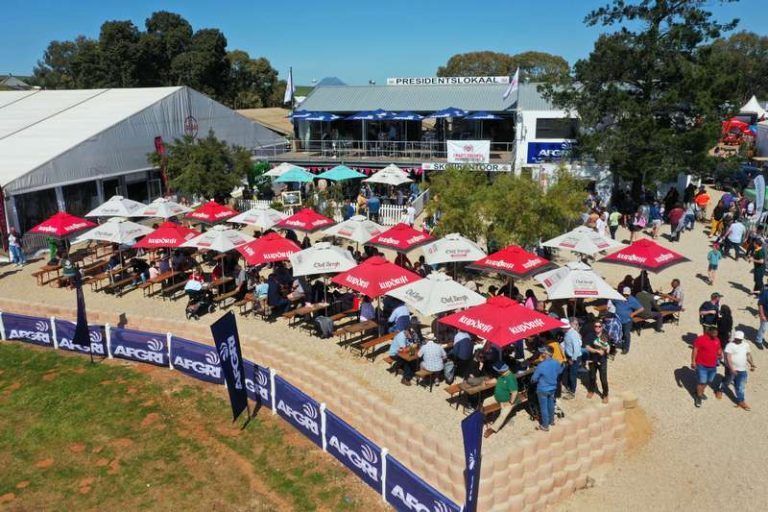
Nowhere was this more visible than at the 2025 NAMPO Harvest Day — South Africa’s flagship agricultural showcase, where more than 87,000 visitors and 900 exhibitors gathered to explore the future of farming. From grain producers to agri-tech entrepreneurs, and from students to sector leaders, NAMPO created a stage where real conversations shaped real solutions.

New Hands, New Tools

All over the country, young agripreneurs are embracing modern tools — from drone-based crop monitoring to mobile-linked soil sensors and precision irrigation systems. These are more than just gadgets — they are catalysts for change, enabling young farmers to boost productivity, improve sustainability, and build resilient enterprises.

Behind these stories are bursaries, mentorship programmes, agricultural education, and national investment in skills development. With the right support, young South Africans are stepping confidently into agri-leadership — in every region, in every language, and with every crop.

Momentum You Can Measure

South Africa’s agricultural energy isn’t just seen in the fields — it’s reflected in the numbers. The first quarter of 2025 recorded a 10% increase in agricultural exports, led by fresh produce, grains, and wine. Improved port logistics and smarter digital platforms are helping young and established producers alike get their goods to global markets. It’s a reminder that when people are supported, performance follows — from rural farms to international shelves.

Partnerships That Matter

But this shift can’t happen without systemic support. Youth face real barriers: rising input costs, limited access to land and markets, grid instability, and financing gaps. Addressing these is not a development issue — it’s an economic imperative.

Organisations such as AgriSA, Agbiz, and the Bureau for Food and Agricultural Policy (BFAP) play a vital role in this landscape — from policy advocacy and market access to technology adoption and data-driven planning. Their continued leadership is helping shape a stronger, more connected, and more resilient sector.

South African agriculture is no longer just about surviving the season. It’s about shaping the future — with strategy, innovation, and people at the centre. From rural fields to urban distribution hubs, from classrooms to commercial farms, the next harvest is already underway. And this time, it’s rooted in people.

The Heart of the Klein Karoo: When Tariffs Threaten Livelihoods

0

In the sun-drenched Klein Karoo, a region synonymous with the majestic ostrich, a quiet anxiety is simmering. It’s not the familiar concern of drought or market fluctuations, but the looming shadow of proposed 30% tariffs by the United States, threatening to dismantle a trade relationship cultivated over 40 years. For the hundreds of families whose lives are intricately woven into South Africa’s R200 million ostrich export trade, this isn’t just about economics; it’s about their very survival.

Oudtshoorn at the Centre

Oudtshoorn, often dubbed the “ostrich capital of the world,” stands at the epicentre of this concern. It’s here that Cape Karoo International (CKI), the agri-collective processing and distributing for some 300 farms across the Western and Eastern Cape, operates. These farms, predominantly family-run, represent generations of expertise, dedication, and a deep connection to the land and its unique feathered inhabitants.

A Wider Rural Impact

Dr. Francois de Wet, managing director of CKI, speaks with a measured gravity. He acknowledges the company’s 1,000 direct employees, but his concern extends far beyond the factory walls. “Over and above the people in our employ,” he says, “the clients we represent have people and families on their farms, and it’s important for them to feel protected.” The broader South African ostrich industry, which contributes significantly to the rural economy, is estimated to create around 20,000 direct jobs. A blow to CKI’s US exports directly impacts this vast network of human lives.

A Labour-Intensive Heritage

Consider the daily rhythm of an ostrich farm in the Klein Karoo. From the delicate handling of eggs in the incubators to the careful rearing of chicks, and eventually to the processing of the birds for their prized leather, feathers, and meat, every step is labour-intensive. Exports include everything from luxury leather to feather dusters and pet treats — a surprisingly diverse product line that supports jobs far beyond the farm gates. It’s a heritage passed down through generations, supporting not just the immediate family but also farmhands, veterinarians, feed suppliers, and numerous small businesses in the surrounding towns.

The Irreplaceable US Market

The particular vulnerability lies in ostrich leather. The US market, with its enduring demand for high-end cowboy boots, is a unique and irreplaceable customer. South Africa remains the sole supplier of the specific tanned leather favoured by brands like Lucchese and Justin Boots. While 80% of CKI’s ostrich leather finds its way to luxury markets elsewhere, the US share, though sensitive information, is a “significant amount of our annual turnover.” Losing this could force painful adjustments.

Uncertain Negotiations and a Narrow Window

For now, the strategy is cautious. CKI is engaging with its US clients, hoping to cushion the blow, and holding out hope that the South African Government of National Unity can avert the tariffs by August. But the prospect of a 30% tariff, potentially escalating to 40% if retaliatory tariffs related to BRICS materialise, casts a long shadow. As Dr. De Wet grimly notes, “if additional tariffs are imposed on existing tariffs and costs escalate beyond 30%, then it becomes very difficult to feasibly remain in the US market.”


A Way of Life at Risk

Diversifying markets is a long-term goal, but not a quick fix. The unique demand and established supply chains in the US make a rapid shift challenging. Previous efforts to build alternative markets, such as stimulating demand for dress-shoe leather in Europe — notably in fashion-forward Italy — have failed to gain traction. For the farmers, the thought of reducing the roughly 20,000 ostriches processed annually by CKI is not just an economic decision; it’s a profound disruption to a way of life.

A Community in Waiting

In the quiet communities of the Klein Karoo, the threat of these tariffs is a tangible one. It’s in the anxious conversations around dinner tables, the tightened budgets, and the uncertain glances towards the future. This is the human cost of distant trade disputes, where the fate of an iconic South African industry, and the thousands of livelihoods it sustains, hangs precariously in the balance.

Stellenbosch Took Over Jozi – and Gauteng Showed Up in Style

0

This June, Gauteng wine lovers were treated to a rich taste of the Cape Winelands, as the famed Stellenbosch Wine Routes brought their best to Johannesburg. Over the weekend of 9 – 11 June, the heart of Joburg—from Soweto to Sandton—became ground zero for the Stellenbosch Experience, an immersive celebration of South Africa’s most celebrated wine region.

With more than 40 top producers represented, the events offered an extraordinary opportunity to engage directly with the winemakers and winery owners behind the labels Gauteng consumers know and love. The likes of Ntsiki Biyela from Aslina Wines, Shawn Matthyse of Ken Forrester Wines, Rianie Strydom of Cavalli Estate and Dirk van Zyl of Glenelly Wines were among the esteemed names who made the journey north.

A particular highlight this year was the inclusion of Stellenbosch’s award-winning brandies, bringing a warm, refined touch to the festivities.

Gauteng has long been one of the strongest support bases for Cape wineries, whether through holiday visits or regular purchases at favourite local outlets. The Stellenbosch Experience offered the perfect occasion to bring that relationship full circle—allowing Joburg locals to enjoy the wines, stories and personalities of Stellenbosch, without leaving the city.
“It’s about more than wine,” said Stellenbosch Wine Routes manager Elmarie Rabe. “It’s about shared culture, heritage and community.”

With sold-out events at Ristorante Villa in Soweto and the Southern Sun Sandton, the Stellenbosch Experience cemented itself once again as a highlight on Gauteng’s wine calendar.

And for those who now crave more—Stellenbosch awaits. The region’s much-anticipated Wine Town Festival returns this August, promising yet another unforgettable journey into the soul of South African wine.

Rovic se Syncrospray skitter by Neutfees: Hoë tegnologie vir hoë bome

0

Die Nedbank Neutfees, gehou op die bekoorlike Plaas Sewenster buite Groblershoop in die Noord-Kaap, het boere, families en landboukundiges van regoor die streek gelok vir ’n naweek wat beskik het oor praktiese demonstrasies, tegnologiese bekendstellings en waardevolle boerdery-insigte. Met pekanneutproduksie as fokustema, het die fees ’n ideale platform geskep vir produsente om deur praktiese ondervinding te leer – en een van die uitblinkers was sonder twyfel die bekendstelling van die Rovic Syncrospray Spuit, met sy gepatenteerde Superflow Toring.

Rovic

Tydens ’n demonstrasie het Philip Oosthuizen, Meganisasie Verkoopsbestuurder by Rovic in Blackheath, die beginsels van doeltreffende toediening uiteengesit. “Die doel is dat die spuitmiddel akkuraat, eweredig en veilig op die teikenoppervlak toegedien word – want dit is die grondslag van enige suksesvolle toediening,” sê Oosthuizen.

Volgens hom beloop die gemiddelde jaarlikse chemiese koste per hektaar vir pekanneute sowat R8 000. Hierdie koste is ’n gegewe. “Al het produsente geen beheer oor internasionale pryse nie, het hulle wel beheer oor hul insetkoste – en dit is waar presiese toerusting soos die Syncrospray ’n verskil maak.”

Kragtige toediening vir hoë boorde

Die Rovic Syncrospray Superflow™, nou in sy tweede generasie met meer as 100 ontwerpverbeterings, is beskikbaar in 3000 ℓ en 4000 ℓ modelle en spesiaal ontwerp vir hoë boorde soos pekanneutbome. Die Superflow™-toring is 3,3 m hoog en, saam met die kragtige waaier wat ’n lugvolume van 75 700 m³/h verplaas, stel dit die spuit in staat om pekanneutbome tot ’n hoogte van 12 tot 15 meter te bereik. En ondanks hierdie indrukwekkende werkverrigting benodig dit slegs ’n 85 pk trekker om die stelsel aan te dryf.

Verder beskik dit oor ’n waaierdeursnee van 1120 mm, en ’n pistonpomp met ’n lewering van 265 ℓ/min wat bydra tot kragtige en volledige toediening – selfs in digte of hoë boomtoppe. ’n Skoonwatertenk van 234ℓ is ook ingesluit vir spoel en onderhoud na gebruik.

Rovic

Koste-effektief en akkuraat

Hoewel die belegging nie gering is nie, is die totale koste per hektaar, oor 10 jaar geskat op sowat R530, met jaarlikse toedienings- en onderhoudskoste van ongeveer R985/ha. “Dit is beduidend laer as die chemiese koste – en dit maak dit ’n strategiese en berekende belegging,” sê Oosthuizen.

Met die integrasie van ARAG se BRAVO 180 DPA-beheerstelsel, wat die toedieningsvolume aanpas volgens die trekker se snelheid, word verseker dat die regte hoeveelheid spuitmiddel altyd akkuraat op die regte plek toegedien word – ongeag terrein of spoed.

’n Belegging in opbrengs en doeltreffendheid

Die Neutfees het bewys hoe belangrik dit is dat produsente toegang het tot die nuutste tegnologie en praktiese demonstrasies. Vir diegene wat hul boorde ernstig opneem, is dit duidelik: die Rovic Syncrospray reeks van Spuite is nie net ’n werktuig nie – dit is ’n belegging in opbrengs, doeltreffendheid en die volhoubare bestuur van pekanneutboorde in die Noord-Kaap en reg oor Suid-Afrika.

Vir meer inligting besoek www.rovic.com

George Landbouskou 2025: ’n Fees van Tradisie, Talent en Gemeenskap

0

Die George Landbouskou 2025, wat vanaf 28 tot 30 Augustus 2025 by die George Skougronde plaasvind, beloof om een van die grootste en mees opwindende gebeurtenisse in die Tuinroete-streek te wees. Met sy ryk geskiedenis van 165 jaar, bring hierdie jaar se skou ’n dinamiese kombinasie van landbou-uitstallings, sport, vermaak en kultuur wat besoekers van alle ouderdomme sal betower.

Spesiale geleenthede vir dames en sakelui

Die program vir vanjaar sluit spesiale dae in wat elke gehoor in ag neem. Donderdag 28 Augustus begin met ’n sake-ontbyt aangebied deur die gesoute ekonoom Dawie Roodt. Hierdie geleentheid bied ’n unieke kans vir netwerkgeleenthede en ekonomiese insigte.

Saterdag 30 Augustus is spesiaal vir die dames. Carmen Niehaus, bekende kosredakteur en kookboekskrywer, sal tydens die Damesoggend inspirasie bring met haar kulinêre kundigheid en kreatiewe flair. Dit beloof om ’n heerlike en leersame oggend te wees.

Perde-afdeling vol styl en aksie

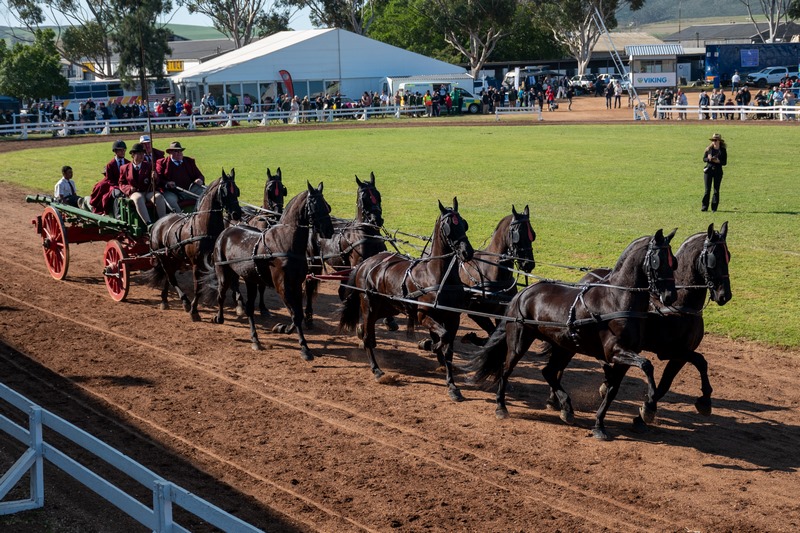
Die perde-afdeling by die George Landbouskou bied vanjaar ’n wye verskeidenheid klasse wat beide tradisie en vernuwende kompetisies insluit. Die Saalperd- en Ryperdklasse sal die styl, stamina en vaardigheid van Suid-Afrikaanse perde in die kollig plaas, terwyl die Vriesperde steeds bewondering ontlok met hul krag en elegansie. ’n Nuwe toevoeging tot die program is die springkompetisie, wat beloof om ruiters en hul perde se behendigheid en spoed op die proef te stel. Hierdie afdeling is ’n viering van die band tussen mens en dier, en bring vermaak vir die hele gesin.

Kudde-evaluering: Skaapboerdery op sy beste

Vrydag 30 Augustus vind die 38ste jaarlikse Merino en Dohne Merino kudde-evaluering plaas. Dié geleentheid, gereël deur BKB in samewerking met NWKV – Caledon, is ’n hoogtepunt vir skaapboere en belangstellendes. Tien deelnemers van regoor die streek neem deel, met ooie wat beoordeel word op hul woleienskappe en liggaamsbou. Die dag sluit af met ’n skeerdemonstrasie wat waardevolle insigte in skeertegnieke en wolhantering sal bied.

Pluimvee-afdeling: Veren, vlug en verskeidenheid

Die pluimvee-afdeling bring weer ’n uiteenlopende reeks voëls na die skou, insluitend hoenders, eende, ganse, sierduiwe en wedvlugduiwe. Beoordeling fokus op rasstandaarde, liggaamsbou en veerkwaliteit. Alhoewel die insluiting van konyne nog onseker is as gevolg van die RHDV2-virus, is daar hoop dat hierdie diere weer in 2025 kan deelneem, aangesien geen nuwe gevalle in byna twee jaar aangemeld is nie. Die afdeling bied ook opvoedkundige geleenthede rondom volhoubare boerderypraktyke en bioveiligheid.

Sport en kompetisie: Energie en talent op die baan

Vanjaar se sportprogram is sterker as ooit en bring ’n wye verskeidenheid dissiplines wat sowel fisieke as geestelike vaardighede vereis. Titan Fight Night, aangebied deur die South African Sports League, beloof intense gevegte met plaaslike en opkomende vegters wat hul vaardighede in die ring demonstreer.

Die karate-afdeling sluit kata en kumite in vir alle ouderdomme en vlakke, met ’n sterk fokus op jeugontwikkeling. Skaak, georganiseer deur Pravin Meyer, sal weer ’n gesofistikeerde atmosfeer bring met snel- en blitstoernooie wat denke en strategie vereis.

Toutrek bly ’n gewilde aktiwiteit wat gemeenskappe en skole betrek in ’n toets van krag en samewerking. Table Tennis maak ook sy verskyning met toernooie vir alle vlakke en vrye sessies waar besoekers die sport self kan probeer. Hierdie sportportefeulje bring nie net kompetisie nie, maar ook pret, deelname en ’n gevoel van eenheid.

Musiek en sosiale vermaak

Vermaak is ’n sleutelelement van die George Landbouskou en hierdie jaar se program stel nie teleur nie.

Die George Landbouskou Dans word op Saterdag 16 Augustus by die Agri-saal aangebied. Die aand sluit die kroning van die Skoukoningin in, asook danskompetisies vir jonk en oud. Dit is die perfekte manier om die koue van die vroeë lente weg te dans in ’n feestelike atmosfeer van liggies, musiek en glans.

Die gewilde kunstenaar Elandré tree op Saterdag 30 Augustus op met ’n energieke en emosionele vertoning wat beloof om die skou met ’n knal af te sluit.

Besoekersinligting en kontakbesonderhede

Die skougronde is daagliks oop vir besoekers, en kaartjies is teen bekostigbare pryse beskikbaar. ’n Wye verskeidenheid kosstalletjies, vermaak en aktiwiteite vir kinders maak dit ’n ideale uitstappie vir die hele gesin.

Vir meer inligting, besoek www.georgelandbouskou.co.za of kontak Chantel Norris by 079 801 4793. Perde-afdelingsnavrae kan gerig word aan [email protected].

’n Skou vir die hele gemeenskap

Die George Landbouskou 2025 is meer as net ’n landbouskou. Dit is ’n viering van kultuur, tradisie, sport, boerdery en gemeenskapsamehorigheid. Of jy kom vir die perde, die skaap, die sport, of bloot die lekker kuier en musiek, die George Skou beloof om elke besoeker se verwagtinge te oortref. Moet dit nie misloop nie.

Boschendal Citrus Festival Returns This July

0

Celebrate the season at the Boschendal Citrus Festival, happening 26–27 July at the iconic Boschendal Estate in Franschhoek. Set in the farm’s picturesque orchards, this much-loved event offers a hands-on citrus picking experience, guided by Boschendal’s expert farming team.

Guests can enjoy picking ripe, flavourful citrus straight from the trees during scheduled slots, with time to explore and savour the vibrant atmosphere throughout the day.

A lively market will be open from 09h00 to 16h00, serving up farm-fresh food, award-winning Boschendal wines, live music, local crafts, and fun for the whole family. Children’s entertainment adds to the festive vibe, making it a perfect winter outing for all ages.
Please note that picking slots run from 09h00 to 14h00, and you’ll be asked to select a time when booking your ticket.

In case of extreme weather, the event may be rescheduled or credited toward a future Boschendal experience.

For more information visit www.boschendal.com

Western Cape farmers Free green help desks to boost resilience

0

Farmers and agri-businesses across the Western Cape are encouraged to attend a series of free green economy help desks this July, aimed at improving on-farm energy and water resilience. Organised by the Western Cape Department of Environmental Affairs and Development Planning in partnership with GreenCape, these sessions are designed to support the agricultural sector in navigating rising input costs, reducing climate-related risks, and investing in sustainable technologies.

The help desks will offer one-on-one consultations with green economy specialists who will provide tailored advice based on each farm’s unique needs. Participants will receive practical guidance on implementing renewable energy and water-efficient systems, reducing operational disruptions, and accessing relevant finance and incentive opportunities. The initiative is especially relevant for smallholder and commercial farmers seeking to future-proof their operations and strengthen long-term sustainability.

Roadshows: Dates and Venues

The July 2025 roadshow will take place on 15 July at Skilpad Community Hall, 15 Main Street, Vredenburg (Saldanha Bay); 29 July at the Savoy Hotel, 1 Church Street, Beaufort West (Central Karoo); and 31 July at the Side Hall, Mossel Bay Municipal Offices, 101 Marsh Street, Mossel Bay (Garden Route). Farmers in these regions are strongly encouraged to attend the event closest to them.

Attendance is free of charge, but space is limited and pre-registration is essential. For more information or to confirm attendance, email [email protected] or complete the online form at https://forms.gle/Ktakq2MdxqgqtSd1A.

These help desks are a valuable opportunity to build resilience and secure the future of farming in the Western Cape.

C4 Fire and Security Protecting Farms with Precision and Purpose

0

In Paarl’s agricultural heartland, where cold storage, packhouses, and production lines keep South Africa’s food economy running, C4 Fire and Security National has grown into a trusted safety partner. Founded by Carlo Le Brun, the company is focused on delivering specialised fire detection and security solutions that meet the critical needs of the farming and agri-processing sectors.

With over a decade of industry experience, Le Brun recognised a gap in the market for fast, compliant, and farm-specific fire safety systems. “We work with farmers daily. They face real risks — remote locations, power outages, seasonal pressures — and they need systems that hold up under these conditions,” he explains. In agricultural settings, seconds matter and system failures can cost millions. The need for durable, responsive safety infrastructure is more than a regulatory requirement — it’s a daily necessity.

Fire Protection Where It Counts

C4’s expertise lies in precision fire detection, particularly in cold environments like sub-zero storage and bottling facilities. Using advanced technologies such as capillary aspiration systems, addressable control panels, and heat-rated equipment, C4 designs systems that remain effective even in the harshest operating conditions.

Their installations span fruit exporters, wineries, meat processors, and bulk grain storage sites across the Western Cape, including Paarl, Wellington, Franschhoek, and Stellenbosch. Every project is executed with full compliance to SAQCC, BSI, and SANS standards, ensuring systems are audit-ready, insurer-approved, and built for longevity.
But C4 is more than a service provider. “We’re not just installers — we’re risk partners,” says Le Brun. “Whether it’s a family-run farm or a major export facility, we deliver the same level of urgency, care, and technical excellence.”

End-to-End Safety, Rooted in Community

Beyond fire detection, C4 offers a full suite of security services: gas suppression, CCTV, access control, and tailored risk assessments. This makes them one of the few companies providing end-to-end safety solutions built specifically for the agricultural and rural industrial landscape.

As C4 expands into national contracts and larger industrial projects, their roots remain firmly planted in the agricultural community.

Working side by side with the farmers who feed the nation, C4 Fire and Security National is committed to keeping South Africa’s people, produce, and property protected — 24/7.
As the agricultural sector evolves, C4 Fire and Security National remains committed to protecting the people, produce, and infrastructure that keep South Africa’s food chain moving. By combining technical expertise with genuine community partnership, they continue to raise the standard for safety in farming and agri-processing — offering peace of mind where it matters most.

For more information visit www.c4fire.co.za