14.9 C
Cape Town
Friday, June 26, 2026
Home Blog Page 18

Western Cape Agriculture Rallies as Foot-and-Mouth Disease Outbreaks Multiply

0

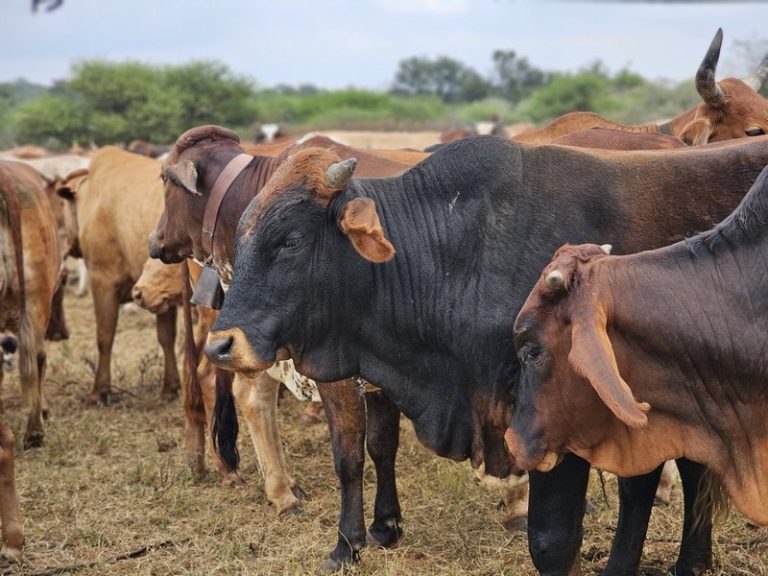
The Western Cape’s battle against Foot-and-Mouth Disease (FMD) reached a critical turning point this week. Following a pivotal Cabinet briefing on Wednesday, 4 February 2026, where provincial leaders moved to intensify roadblocks and quarantine protocols, the situation escalated rapidly with confirmed cases in  and new suspected outbreaks in the Garden Route. This proactive shift was backed by a landmark R100 million emergency allocation to move the province from a defensive posture to an all-out offensive against the virus.

The 4 February Turning Point

During the Wednesday briefing, the Western Cape Cabinet endorsed an intensified “whole-of-society” approach. While the original November 2025 Gouda case was resolved through controlled slaughter, new data prompted the immediate quarantine of properties in Velddrif and Bredasdorp linked to previous livestock movements. Cabinet also formally requested the national department to consider border closures to protect the province’s FMD-free status.

The Mbekweni (Wellington) Confirmation

The urgency of the Cabinet’s plan was validated just 48 hours later. On Wednesday afternoon, a private veterinarian in Wellington reported suspicious clinical signs in a herd in Mbekweni. Samples were airlifted to Pretoria, and by the morning of Friday, 6 February, results officially confirmed the virus. Veterinary teams commenced vaccinations of affected and surrounding cattle that same afternoon.

Minister of Agriculture, Dr. Ivan Meyer, highlighted the economic stakes following the confirmation:

“This is critical because we are dealing with 11% of the province’s GDP. That is the size of the agricultural sector in the Western Cape. For us, it is significant that we act with speed and urgency… roadblocks will continue because it is vital for us to restrict the movement of animals. However, we must also restrict farm visits. This is very important because biosecurity begins at the farm gate.”

Provincial Government’s R100 Million Intervention

In a decisive media briefing on Sunday, 8 February, Premier Alan Winde and Minister Meyer announced a R100 million allocation to procure vaccines and fund a 21-point emergency plan. This strategy includes 24/7 border controls and rapid response teams to monitor new suspected cases currently under investigation in George, Mossel Bay, Mfuleni, Makhaza, and Kalkfontein.

Garden Route: A Growing Concern

The crisis is no longer localized to the Winelands. On the afternoon of 8 February, the Milk Producers Organisation (MPO) flagged a suspected case in a dairy herd in the Mossel Bay area. This has triggered an immediate call for a voluntary lockdown of all dairy farms in the region. Mossel Bay Mayor Dirk Kotze and local safety officials are set to deliberate on municipal response strategies this coming Tuesday.

Movement Control and Biosecurity Protocols

Mobility Minister Isaac Sileku has warned that livestock movement is the highest-risk pathway. Provincial Traffic Officers have intensified inspections at all provincial entry points and weighbridges.

Essential Actions for Farmers:

  • Mandatory Reporting: Any cloven-hoofed animal showing blisters or sores must be reported to a state veterinarian immediately.
  • Movement Control: All movements must be logged via the Animal Movement App.
  • Uncompromising Biosecurity: Restrict farm access, use footbaths, and disinfect all vehicles and equipment.

As the national government moves toward gazetting a formal State of Disaster to unlock further enforcement powers, the Western Cape remains at the frontline of protecting South Africa’s R80 billion livestock industry. Success now depends on the unwavering cooperation of every farmer and transporter to uphold biosecurity protocols and halt the spread of this devastating virus.

Africa’s Green Economy Summit: Powering Agricultural Resilience from Soil to Sea

0

The agricultural sector is at a crossroads where sustainability and profitability must become synonymous. To address this, the fourth edition of Africa’s Green Economy Summit (AGES) 2026 is set to return to the Century City Conference Centre in Cape Town from 24–27 February 2026. This premier event serves as a strategic bridge between “ambition and action,” focusing specifically on the critical intersections of Renewable Energy, Water Services, Sustainable Agriculture, and the Blue Economy.

As a primary gateway for climate-positive investment on the continent, the summit aims to connect a USD 5 billion pipeline of vetted ventures with a global network of institutional investors and commercial lenders intent on unlocking capital for Africa’s most pressing development priorities.

Beyond the Grid: Energy as a Managed Input

For the modern producer, the summit’s emphasis on decentralized power offers a practical roadmap to energy independence. Rather than remaining vulnerable to national grid instability and rising tariffs, the “Investment Pitch and Showcase” at the heart of the summit features curated projects in agrivoltaics. This technology allows farmers to utilize land for dual purposes: generating solar power while providing essential shade for high-value crops or livestock. Furthermore, the event explores the decarbonization of the “yellow fleet,” showcasing financing models for electric tractors and solar-integrated cold chain logistics that can significantly slash diesel expenses and post-harvest losses.

Blue & Green: The Next Frontier for Diversification

A highlight of the 2026 program is the dedicated Blue Economy Track, which introduces “Regenerative Ocean Industries” as a viable diversification strategy for traditional landowners. While terrestrial farming faces increasing land pressure, the blue economy offers opportunities in seaweed and shellfish production—crops that require zero freshwater or chemical fertilizers. For land-based farmers, this represents a new frontier for producing high-protein animal feed and organic soil stimulants, effectively turning marine conservation into a high-value agricultural input.

Social Equity and the 2030 Job Market

Beyond the balance sheet, transitioning to green sectors is a powerful engine for social equity. In South Africa alone, the shift toward sustainable fields—such as waste-to-value innovation and climate-smart farming—is projected to create over 460,000 new jobs by 2030. To provide a tangible perspective, the summit will include guided technical site visits to Cape Town’s leading green infrastructure projects. These visits will demonstrate how sustainable capital translates into local jobs, increased competitiveness, and long-term regional resilience for the farming community at large.

Too Little, Too Late? Mooring Upgrade Arrives as Fruit Industry Faces R1bn Crisis

0

This week’s delivery of eight new hydraulic mooring units to South African ports marks a high-tech attempt to stabilize the country’s export gateways. However, for the deciduous fruit industry, the R534 million investment is overshadowed by a mounting logistical crisis that has already cost producers hundreds of millions of rands.

On 3 February 2026, Transnet National Ports Authority (TNPA) confirmed that four new units are now operational in Cape Town, with four more being commissioned in Durban and Ngqura. Designed to stabilize vessels in winds up to 50 knots, these assets address “vessel ranging”—a phenomenon that often halts loading during the Cape’s frequent high-wind events.

A Billion-Rand Inventory in Limbo

While TNPA Acting Chief Executive Mohammed Abdool hailed the arrival of these assets as a “critical response to climate change,” the industry representative body, Hortgro, has signaled that hardware alone is not enough. In a formal statement issued on January 30, 2026, Hortgro confirmed it is now “considering formal legal remedies” due to what it describes as “sustained, material underperformance” at the Cape Town Container Terminal (CTCT).

The data provided by the industry is stark. Since the start of the 2025/26 season, direct losses have already exceeded R350 million. Even more concerning is the backlog: approximately 1,688 containers are currently stuck in cold storage, representing R1 billion in fruit inventory at risk of spoilage.

“The commercial consequences of this sustained underperformance are now severe,” Hortgro stated, noting that productivity remains below 20 gross crane movements per hour, far behind the global competitive benchmark of 25–30.

Exporters Forced into Costly Detours

To bypass the bottlenecks in Cape Town, exporters have been forced into expensive “logistical gymnastics.” Shipments via Port Elizabeth have surged by 140%, racking up over R133 million in unplanned road transport costs. Additional volumes are being rerouted through Durban and as far as Walvis Bay in Namibia, further eroding the narrow margins of South African farmers.

Structural Gaps Remain

Industry leaders argue that while the new mooring units help with weather delays, they do not fix the “deep-seated structural weaknesses” at the ports. Hortgro has identified five key failure areas:

  • Human resources and labor management shortcomings.
  • Equipment reliability (specifically ship-to-shore cranes).
  • Health and safety governance gaps.
  • Operational execution and control.
  • Communication and accountability.

As the peak export window for pome and stone fruit moves into high gear, the arrival of new mooring technology is a welcome modernization. Yet, for many growers already facing “unsound fruit” claims from overseas markets, the prevailing sentiment is that these interventions have come “too little, too late” to save the 2025/26 season.

Rovic: Precision is profit

Why Uneven Fertiliser Spreading Is Quietly Costing Farmers More Than Rising Input Prices

Rovic is a South African-based leader in agricultural mechanisation, specialising in the engineering, manufacturing, and distribution of high-quality farming equipment. With a strong focus on innovation, precision, and technical efficiency, the company delivers advanced solutions—from tillage and spraying to fertiliser application—designed to help farmers maximise productivity while reducing operational and environmental risk.

Across South Africa’s grain, pasture, and mixed-farming regions, fertiliser remains one of the most significant annual input costs on the farm. Lime, gypsum, granular fertilisers, manure, and compost are all applied with the same objective: to improve soil fertility and protect yield potential. Yet for many producers, the difference between a profitable season and an underperforming one often comes down to a single, overlooked factor — spreading accuracy.

While fertiliser prices receive most of the attention, the true hidden cost lies in uneven application. In an era of tight margins and increasing regulatory pressure, understanding how fertiliser is spread is just as important as what is spread.

The Financial Reality of “Even Application”

Uneven fertiliser spreading is more than a technical inconvenience — it is a direct financial leak. Over-application wastes costly inputs and increases the risk of nutrient runoff, soil imbalance, and environmental damage. Under-application, on the other hand, restricts crop growth and yield potential long before rainfall or temperature become limiting factors.rovic

Every fertiliser recommendation is calculated to deliver a precise nutrient rate per hectare. When that rate varies across the spread width, or drifts during operation, the return on investment is immediately compromised. Patchy crop development, inconsistent nutrient uptake, and uneven yields are often the visible symptoms of a problem that began at spreading. In many cases, farmers unknowingly lose a substantial portion of their fertiliser investment simply because the spreader cannot deliver consistent rates across the full working width.

Why Conventional Spreaders Struggle

Traditional spreaders commonly face three core challenges:

Inconsistent material flow, caused by bridging, variable moisture content, or excessive hydraulic pressure. Uneven left-to-right distribution, particularly during boundary spreading or on sloping terrain. Rate drift, requiring frequent manual recalibration when changing products or application rates.

As fertiliser products vary widely in density and flow characteristics, operators are often forced to rely on estimates rather than real-time measurement. These inaccuracies may appear small, but over hundreds of hectares they accumulate rapidly — costing yield, fertiliser, and confidence.

Optional extra

Rovic Syncrospread: Engineering the Solution

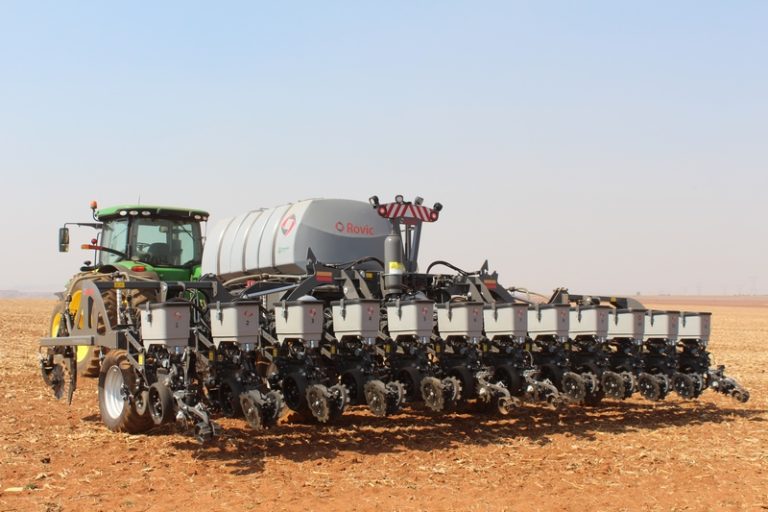
The Rovic Syncrospread range was engineered specifically to address these inefficiencies through controlled material flow, precise metering, and real-time rate management.

At the heart of the system is a hydraulic twin-chain conveyor, allowing independent left- and right-side control of material flow. This enables accurate boundary spreading, headland shut-off, and compensation for uneven terrain — capabilities that are not possible with conventional single-chain systems.

A lined chain floor and hopper bridge reduce the hydraulic pressure required to move material, improving durability while ensuring a consistent feed to the spinners. This design also prevents material compaction on the bin floor, lowers power demand, and reduces long-term wear.

The Syncrospread’s open discharge design, adjustable stainless-steel rear door with height scale, and drop-point adjustment allow the machine to handle a wide range of products — from light, bulky manures to dense granular fertilisers — while maintaining a stable and predictable spread pattern.

Precision You Can Measure: Accu-Spread® and AFSA Compliance

Precision spreading is not a marketing claim — it is something that can be independently verified.

The Syncrospread has been tested and accredited under the Accu-Spread® certification programme, administered by the Australian Fertiliser Services Association (AFSA). During independent testing, the Syncrospread achieved a coefficient of variation (CV) below 15% at a 36-metre spread width when applying urea, meeting stringent international standards for evenness of application.

Rovic

Accu-Spread® certification provides farmers and contractors with peace of mind that fertiliser is being applied evenly and accurately across the entire working width. It also serves as an important risk-management and compliance tool, especially in operations where nutrient stewardship and environmental accountability are becoming increasingly important.

FertCare Certification: Responsible Nutrient Management

In addition to Accu-Spread® accreditation, the Syncrospread is also FertCare certified. FertCare is an internationally recognised training and certification programme that promotes responsible nutrient application, environmental protection, and best management practices.

FertCare certification reinforces that the Syncrospread is designed not only for accuracy, but for responsible fertiliser use, helping farmers:

  • Optimise nutrient efficiency
  • Minimise over-application and runoff
  • Protect soil health and surrounding ecosystems
  • Meet evolving environmental and sustainability standards

Together, FertCare and Accu-Spread® certification position the Syncrospread as a precision tool aligned with modern nutrient stewardship principles.

Smarter Control, Less Guesswork

Modern fertiliser application demands more than mechanical reliability — it requires data-driven control.

The Syncrospread is ISOBUS-ready, compatible with leading control platforms including Topcon, GreenStar, and Raven. Optional dynamic weighing systems with load cells allow the machine to calibrate continuously while spreading, eliminating the need for repeated manual recalibration when changing products or rates.

Encoders, RPM sensors, and optional pressure sensors continuously monitor chain speed, spinner speed, and hydraulic load, ensuring accurate metering even as field conditions change.

Rovic

Built for Longevity and Return on Investment

Precision only delivers value if it lasts.

All spreading components in direct contact with fertiliser are manufactured from stainless steel, significantly improving corrosion resistance and service life. A patented rock separator, with adjustable fin spacing, removes stones before they reach the spinners, protecting bearings and reducing downtime.

Heavy-duty axles, flotation tyres, a rubber-block sprung drawbar, and optional self-steering tandem axles ensure stability, reduced soil compaction, and consistent performance across uneven terrain.

The Takeaway

Fertiliser will always represent a major investment on the farm. Losing even a small percentage of that investment to uneven spreading is a cost farmers can no longer afford.

By combining mechanical durability with certified accuracy, intelligent control, and responsible nutrient management, the Rovic Syncrospread transforms fertiliser application from a variable cost into a controlled, measurable, and compliant investment.

Because in modern farming, precision isn’t optional — it’s profit.

CAPE TOWN: 021 907 1700 | JOHANNESBURG: 011 396 6200|

EXPORT: +27 (0)11 369 6240

For more information visit www.rovic.com

AGOA Renewed: A One-Year Reprieve on a Shortening Fuse

0

The “September Cliff” has finally been bridged, but the crossing is significantly narrower than the three-year extension originally proposed by the US House of Representatives. On Tuesday, 3 February 2026, President Donald Trump signed the African Growth and Opportunity Act (AGOA) extension into law. While this restores duty-free access for over 1,800 products, the legislative victory is localized: the Senate slashed the House’s 2028 timeline to a single year.

For South African agricultural exporters, the clock is already ticking toward a 31 December 2026 expiry.

The Retroactive Refund Window

The most critical takeaway for agribusinesses is the retroactive clause. Because the program lapsed on 30 September 2025, exporters have spent four months paying Most Favoured Nation (MFN) tariffs. The new law allows for these duties to be refunded in full.

However, the “180-day rule” is now in effect. Importers of Record must file for these refunds with US Customs and Border Protection (CBP) within six months of the signing date. For Western Cape wine and fruit exporters, who saw margins decimated by 10–15% duty hikes since October, this “cash back” is a vital injection of liquidity ahead of the 2026 harvest.

The “Oranges vs. Mandarins” Tariff Split

The restoration of AGOA does not mean a return to “zero-duty” across the board. The administration’s 30% reciprocal tariffs remain a dominant overlay. For citrus farmers, the impact is split:

The Reprieve: A selective exemption has been granted for South African oranges, viewing them as “non-competitive” to US growers during the American summer.

The Penalty: Higher-value “soft citrus”—including mandarins, lemons, and grapefruit—remains subject to the 30% duty.

As a 30% tariff often exceeds the entire profit margin for soft citrus, the AGOA extension provides little relief for these specific lines unless further “reciprocal tariff” negotiations, currently led by Minister Parks Tau, yield results before the April shipping window.

“Modernization” and Reciprocity

US Trade Representative (USTR) Jamieson Greer has stated that 2026 will be a year of “modernization.” For the agricultural sector, this is a code word for reciprocity. The US is demanding significantly more market access for American businesses, farmers, and ranchers. We can expect high-pressure negotiations regarding South Africa’s own barriers to US poultry, grain, and pork imports as a condition for any extension beyond December.

Strategic Action for 2026

Exporters must treat this one-year window as a transition period rather than a permanent fix:

Audit Entry Records: Immediately compile all “Entry Summary” (CBP Form 7501) records for shipments sent since 1 October 2025.

Evaluate Crop Margins: Assess the viability of soft citrus and nuts against the 30% reciprocal tariff, which currently overrides AGOA benefits.

Market Diversification: With the 2027 season technically “uncovered,” expanding into AfCFTA and Far Eastern markets is no longer a long-term goal—it is a survival necessity.

While the 2026 extension offers a vital pulse for the industry, the “out-of-cycle” review and reciprocal tariffs have transformed AGOA from a stable trade pillar into a high-stakes, month-to-month survival game. For the African farmer, the message is clear: secure your US refunds now, but look to the Far East and the AfCFTA to secure your future.

Graan SA waarsku: Koringkrisis is struktureel – dringende ingryping nodig

0

Suid-Afrika se koringbedryf staar ’n diepgaande strukturele ekonomiese krisis in die gesig wat produsente se voortbestaan, toekomstige aanplantingsbesluite en die land se langtermyn-voedselsekerheid bedreig. Dit was die kernboodskap wat na vore gekom het tydens ’n reeks streeksvergaderings wat Graan SA onlangs regoor die Wes-Kaapse wintergraanproduksiegebiede aangebied het.

Vergaderings in die Swartland, Overberg en Suid-Kaap het koringprodusente, Graan SA-leierskap en ander rolspelers byeengebring om die uitdagings in die sektor te bespreek. Oor alle streke heen was die boodskap eenvormig en dringend: onder huidige mark- en beleidsomstandighede is koringproduksie nie meer ekonomies volhoubaar nie, en gekoördineerde ingryping uit die breër waardeketting is noodsaaklik.

Nie ’n korttermyn-terugslag nie,  maar ’n strukturele knyptang

Graan SA het beklemtoon dat die krisis nie bloot aan lae internasionale pryse toegeskryf kan word nie. Produsente ervaar reeds oor verskeie seisoene ’n toenemende prys-koste-knyptang, gedryf deur strukturele tekortkominge in beleid, handel en waardekettingdinamika.

Kwessies wat konsekwent uitgelig is, sluit in volgehoue wêreldwye prysdruk, stygende insetkoste – veral vir energie, kunsmis, logistiek en meganisasie – asook die invloei van gesubsidieerde invoere wat direk met plaaslike produksie meeding. Daarby ondermyn vertraagde en onvoldoende implementering van die veranderlike invoertarief die beskermende doel daarvan.

Volgens produsente bereik invoere dikwels ’n hoogtepunt in September en Oktober, net voor die Wes-Kaap se strooptyd, wat plaaslike pryse op die kwesbaarste punt onder druk plaas. Terselfdertyd bly prysoordrag in die waardeketting swak, met produsente wat die grootste deel van die afwaartse risiko dra, terwyl verbruikerspryse relatief stabiel bly.

“Dit is nie ’n funksionerende vryemark-aanpassing nie,” het Graan SA se uitvoerende hoof, Tobias Doyer, gesê. “Dit is ’n struktureel verwronge stelsel waar produsente verliese absorbeer terwyl kostedruk elders nie teen dieselfde tempo aanpas nie.”

Invoertydsberekening en markmeganismes onder die loep

Hoewel Suid-Afrika oor beleidsinstrumente beskik om plaaslike produsente te beskerm, het produsente ernstige frustrasie uitgespreek oor stadige administratiewe reaksies. Volgens Graan SA is die probleem nie die afwesigheid van beleid nie, maar die onvermoë daarvan om betyds te reageer.

Produsente het ook kommer uitgespreek oor ongebalanseerde mededinging in die fisiese mark, veral die wisselwerking tussen die SAFEX-verwysingsprys en die huidige liggingsdifferensiaal, wat volgens hulle nie meer die realiteite van plaaslike koringmarkte weerspieël nie.

Insetkoste en gedeelde verantwoordelikheid

Benewens handels- en beleidskwessies het insetkostegedrag sterk kritiek ontlok. Ten spyte van dalende wêreldwye kommoditeitspryse en wisselkoersversterking, ervaar produsente min verligting in insetpryse. Graan SA het gewaarsku dat volhoubaarheid nie bereik kan word indien produsente alleen elke strukturele aanpassing moet dra nie.

Produsente se oorlewing is ’n nasionale belang

Graan SA doen ’n beroep op dringende, gekoördineerde ingryping om verdere kapasiteitsverlies te voorkom. Produsente waarsku dat sodra koringproduksie verlore gaan, vaardighede, infrastruktuur en produktiewe grond nie maklik herstel kan word nie.

“Koringprodusente se verdwyning sal Suid-Afrika blootstel aan groter invoerafhanklikheid en langtermyn-voedselsekerheidsrisiko’s,” het Doyer gesê. “Dit is ’n strukturele probleem wat nie langer uitgestel kan word nie.”


Growing Smarter: A Strategic Blueprint for the 2026 South African Wine Industry

0

The South African wine industry is currently navigating a critical “crossroad,” defined by a complex mix of declining hectares and rising production performance. At the Vinpro Nedbank Producer Day 2026, held on 22 January at ATKV Goudini Spa, industry leaders presented a strategic roadmap focused on the theme: “Grow Smarter: Harnessing Technology for the Wine Producer.” The day was designed to move producers from high-level global risks to practical, farm-level technological solutions cantered on the minimization of waste and a radical pivot toward the consumer.

Setting the Stage: Conrad Schutte and the 2026 Harvest

Conrad Schutte, Vinpro’s Managing Director, opened the day by grounding the conversation in the immediate reality of the 2026 harvest. He noted that the season approached faster than many expected, with roughly 4% to 5% of the grapes (over 26,000 tonnes) already safely in cellars. Schutte characterized the current climate as standing in the “eye of a storm,” marked by volatility and extreme weather, including recent wildfires and heat-induced sunburn on grapes.

South African Wine

To help producers mitigate these risks, he highlighted that Vinpro members now receive weekly weather forecasts to assist in proactive vineyard management. He also shared successes in virus elimination for table grape cultivars, which has directly led to improved production, better colour, and significantly increased net home income.

Economic Crossroads: Daneel Roussouw and Strategic Investment

Representing the financial backbone of the industry, Daneel Roussouw of Nedbank acknowledged that despite the decline in vineyard hectares, there remains a “positive sentiment” following a strong 2025 performance. Roussouw argued that the industry’s success depends on “strategic investment”—not just in land, but in new technologies and skills to maintain South Africa’s global competitiveness.

The Global Mirror: California’s Hard Lessons

South African Wine

International keynote Dr. Luca Brillante from California State University provided a sobering “mirror” for South African growers. California has seen a 7.5% decrease in vineyards since 2018 due to oversupply and environmental pressures. Brillante emphasized that technology must be a “hammer on the nail” to help growers stay afloat. He demonstrated how machine vision is being developed to detect biological threats, such as the Red Blotch virus, before they are visible to the human eye.

The Consumer Gap: Addressing the Drop in Usage

A standout theme was the urgent need for producers to look beyond the vineyard gate and focus on consumer behaviour. Dr. Jan Greyling issued a provocative wake-up call regarding the global shift in wine consumption. He noted that wine is currently the only major alcohol group globally that is not seeing growth, emphasizing that producers must focus on the market much more than they currently do.

Greyling pointed out that successful agricultural sectors, like the citrus industry, allocate 85% of their research budget to market intelligence, whereas the wine industry remains heavily production-focused. For wine producers, “Growing Smarter” means using digital tools to bridge the gap between the cellar and a global consumer base that is drinking less, but more selectively.

The ZZ2 Blueprint: Minimizing Waste through Transformation

Martin Jansen, CIO of the diversified farming giant ZZ2, provided an exceptional operational philosophy. For Jansen, digital transformation is about the minimization of all forms of waste—including waste of overproduction, movement, and effort.

Jansen argued that data should bring a business as close as possible to a “one-to-one supply and demand” relationship. He offered a practical “de-risking” strategy:

South African Wine

Foundations First: Secure the basics like internet, firewalls, and backups to de-escalate risk for very little money.

Focus on the “Why”: Avoid adopting technology for its own sake; every tool must improve a specific business process.

Actionable Results: Move into high-value applications like irrigation automation, where data translates into saved electricity and optimized nutrients.

The 2026 Harvest: Resilience in the Face of Extremes

The day concluded with Dr. Etienne Terblanche providing a detailed technical overview of the 2026 season. While post-harvest 2025 saw an “excellent” reserve buildup, the current season has been marked by gale-force winds and wildfires in the Paarl, Wellington and Franschhoek regions.

Terblanche noted that abnormally high winds in early January increased grapevine water demand by 20-30%, potentially leading to smaller berry sizes. He also addressed the threat of “smoke taint” from the wildfires, urging producers to perform “bucket ferments” to assess risks. Despite these challenges, he urged producers to “control the controllables” and remain optimistic for a “warm and proper month” of harvest.

The Power of Networking

The value of the Vinpro Nedbank Producer Day extended beyond the stage. As Conrad Schutte noted in his opening, networking with experts and fellow conference-goers often makes a significant impact, as it allows for one-on-one conversations where specific questions can be asked and practical solutions shared. By mastering digital foundations, focusing on the vineyard “controllables,” and using data to truly understand the consumer, South African wine producers are better equipped than ever to ensure long-term sustainability.

Agri-Expo nooi suiwelvervaardigers om vir 2026 se kampioenskappe in te skryf

0

Inskrywings het geopen vir die 2026 Suid-Afrikaanse Suiwelkampioenskappe, met Agri-Expo wat suiwelvervaardigers regoor die land nooi om in te skryf vir die 193ste aanbieding van Afrika se oudste en grootste suiwelkompetisie.

Die kampioenskappe lok jaarliks sowat 1 000 inskrywings van groot, medium en klein vervaardigers oor meer as 100 klasse. Produkte word beoordeel deur ’n onafhanklike paneel kundiges, met elke klaswenner wat as SA Kampioen bekroon word. Slegs produkte van uitsonderlike gehalte kwalifiseer vir die gesogte Qualité-merk van Uitnemendheid, terwyl die produk met die hoogste algehele punt as Produk van die Jaar aangewys word.

Agri Expo

Die omvang en aansien van die kompetisie is verlede jaar onderstreep toe ’n rekordgetal 1 110 suiwelprodukte van 77 vervaardigers beoordeel is. ’n Paneel van 103 beoordelaars van 47 maatskappye het die inskrywings oor drie dae geëvalueer, met 114 SA Kampioene en 30 Qualité-bekroonde produkte wat uiteindelik aangewys is.

Volgens Breyton Milford, hoofbestuurder van Agri-Expo, bly die kampioenskappe ’n belangrike maatstaf vir uitnemendheid in die Suid-Afrikaanse suiwelbedryf. “Die volgehoue groei in inskrywings bevestig die waarde wat vervaardigers heg aan onafhanklike en geloofwaardige beoordeling,” sê Milford. “Kwaliteitsuiwelprodukte verdien erkenning en sigbaarheid by verbruikers – en dit is presies die rol wat hierdie kompetisie vervul.”

BELANGRIKE DATUMS

  • Inskrywings open: Woensdag 28 Januarie 2026
  • Inskrywings sluit: Maandag 23 Februarie 2026
  • Aflewering van produkte: 23–24 Maart 2026 (Eensgezind, Durbanville)
  • Beoordeling: 25–27 Maart 2026 (Eensgezind, Durbanville)
  • SA Suiweltoekennings-seremonie: Donderdag 23 April 2026 (Nederburg, Paarl)

Vervaardigers kan aanlyn inskryf by www.sadairychamps.co.za. Die 2026 Suid-Afrikaanse Suiwelkampioenskappe word moontlik gemaak met die ondersteuning van platinumvennote IMCD en dsm-firmenich, asook ander borge. Vir meer inligting, skakel 021 863 1599 of 083 440 1628, of stuur ’n e-pos aan [email protected].

Farming adapts as climate volatility reshapes the 2026 outlook

0

South Africa’s agricultural sector delivered a resilient but uneven performance in 2025, supported by strong export growth, generally favourable weather conditions, and a rebound in agricultural gross domestic product (GDP). However, climate volatility, infrastructure constraints, and unresolved policy challenges continue to pose material risks as the sector prepares for 2026.

These insights were shared at Nedbank’s Agriculture presentation, held on 27 January 2026, where industry experts assessed the sector’s 2025 performance and discussed the outlook for the year ahead.

Supportive financing environment, but caution urged

Daneel Rossouw, Head of Agricultural Sales at Nedbank, said 2025 marked the start of a meaningful monetary easing cycle, offering some relief after an extended period of high interest rates. However, he cautioned that improved financing conditions should be approached with discipline.

Rossouw encouraged farmers to consolidate balance sheets, invest in productivity and climate resilience, diversify markets and revenue streams, and strengthen financial buffers against climate and geopolitical shocks.

Exports underpin sector recovery

Dr Tracy Davids, senior economist at the Bureau for Food and Agricultural Policy (BFAP), noted that while primary agriculture contributes about 3% to South Africa’s GDP, the broader agricultural value chain accounts for roughly 14%, underscoring the sector’s importance to the economy.

Agricultural trade remained a standout feature in 2025, with exports reaching US$13.3 billion. Horticulture continued to anchor export performance, led by citrus exports valued at approximately R38 billion, followed by grapes, raisins, and pome fruit. The European Union remained the largest destination for fruit and nut exports at 36%, while China, the Middle East, and the United Kingdom continued to grow in importance.

However, the year was not without challenges. Foot-and-mouth disease outbreaks weighed heavily on the beef sector, while infrastructure constraints — particularly equipment shortages and volatile performance at the Cape Town port late in the season — disrupted logistics. Input costs eased from recent highs but remained elevated, and uncertainty around US tariff policy added pressure to trade conditions.

Agricultural GDP turns the corner

After two consecutive years of decline, agricultural GDP rebounded strongly in 2025. BFAP estimates suggest full-year output will be broadly in line with 2023 levels. Between the first and third quarter, agricultural GDP grew by 19.5%, outperforming all other sectors of the economy.

Revenue growth is expected across all subsectors, led by field crops (+18.8%), livestock (+10.2%), and horticulture (+7.8%). Agro-processing, which absorbs about 62% of farm sales, also showed resilience, outperforming the wider manufacturing sector despite slightly slower growth than in 2024.

Climate volatility intensifies risks

Agricultural meteorologist Johan van den Berg highlighted growing climate variability as a key risk. Global temperatures are now more than 1.2 °C warmer than a century ago, with 2024 recorded as the hottest year on record and 2025 ranking third.

In South Africa, extreme weather events are becoming both more frequent and more difficult to predict. Frost is occurring up to four weeks later in some regions, while extreme heatwaves are appearing earlier in the season. Rapid shifts between frost and temperatures above 40 °C are placing crops under severe physiological stress, complicating planting decisions and yield forecasting.

Rainfall patterns are also shifting. Declining late-winter and spring rainfall in summer rainfall regions, combined with heavier midsummer precipitation, is increasing runoff and reducing effective soil moisture. These changes have already contributed to reduced dryland winter wheat production in the Free State and are forcing producers to reconsider cultivar selection, planting windows, and long-term investment decisions.

Van den Berg noted that forecasts indicate a transition to Enso-neutral conditions in early 2026, suggesting more moderate but uncertain rainfall. He cautioned that climate variability, rather than average temperature increases alone, will remain the dominant driver of seasonal outcomes.

Policy reform critical for 2026

Wandile Sihlobo, chief economist at Agbiz, said recent growth has been driven more by farmer efficiency and favourable weather than by policy reform. He identified land reform, export diversification, improved biosecurity, reform of the Southern African Customs Union, and decisive action against rural crime and stock theft as priorities for 2026.

While agriculture showed resilience in 2025, sustained growth into 2026 will depend on coordinated action across climate risk management, infrastructure investment, and policy implementation.

Minister Steenhuisen Appoints New Veterinary Council to Guard National Standards

0

In the latest move of a high-speed month for agricultural reform, Minister of Agriculture John Steenhuisen officially constituted the new South African Veterinary Council (SAVC) on 26 January 2026. This appointment completes a “triad of governance” launched this January, providing the professional and regulatory oversight necessary to ensure the 10-year FMD roadmap is executed with clinical integrity.

The SAVC is a statutory body established under the Veterinary and Para-Veterinary Professions Act of 1982. While previous announcements this month focused on industry coordination and global science, the SAVC’s role is to regulate the people on the front lines—ensuring that every veterinarian and para-veterinary professional in South Africa operates with the “independence, integrity, and professionalism” required to safeguard the national herd.

A Council Fit for Purpose

The new council, which commences its three-year term on 1 February 2026, was selected through a rigorous process designed to balance technical expertise with independent oversight. Minister Steenhuisen emphasised that the appointments were made on the basis of “merit, balance, and suitability,” effectively ending a governance vacuum that has existed since the previous council’s term expired in July 2025.

The council includes a diverse range of experts, including:

  • Ministerial Designees: Leading professionals such as Dr. Motsisi-Mehlape (Department Veterinarian), Adv. R Maruma (Legal Expert), and Prof. V Naidoo (University of Pretoria).

  • Elected Professionals: Peer-elected veterinarians including Prof. JP Schoeman, Dr. P van der Merwe, and Dr. J Basch.

  • Para-Veterinary Representatives: Specialists across the field, including Animal Health Technicians, Laboratory Technologists, and Veterinary Nurses.

The Guardrails of the FMD Strategy

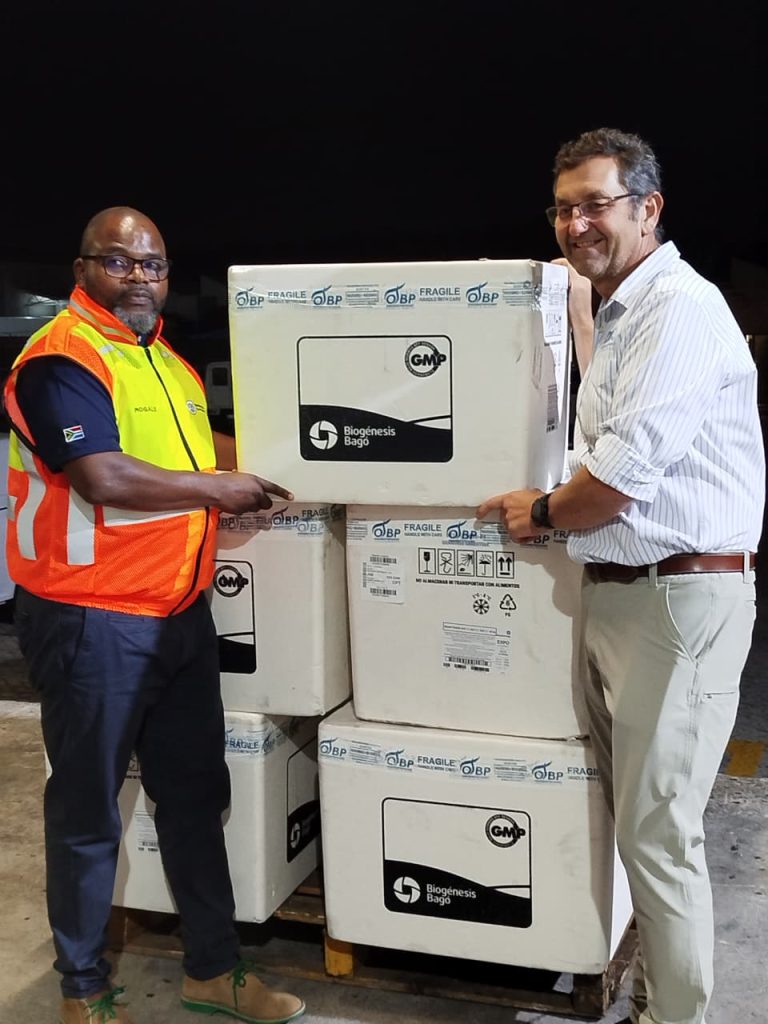
The timing of this appointment is critical. As South Africa begins receiving millions of vaccine doses from Argentina and Turkey, the SAVC acts as the regulatory guardrail. They ensure that vaccination campaigns and biosecurity protocols meet the “globally credible” standards required to satisfy international trading partners like the World Organisation for Animal Health (WOAH).

“The establishment of this council marks an important step in restoring stability and credibility within the veterinary regulatory environment,” said Minister Steenhuisen.

A Month of Momentum The constitution of the SAVC is the fourth major development in just two weeks:

  1. Jan 14: The 10-Year FMD Roadmap is unveiled.

  2. Jan 21: The Industry Coordination Council is appointed for operational leadership.

  3. Jan 23: Scientific partnership with Pirbright Institute is resumed and RMIS hits 5,000 units.

  4. Jan 26: The SAVC is constituted to provide professional regulatory oversight.

With the induction and inaugural meeting of the SAVC set for February 2026, the infrastructure to defeat Foot and Mouth Disease is now fully assembled—from the farmer’s gate to the scientist’s lab and the veterinarian’s clinic.