

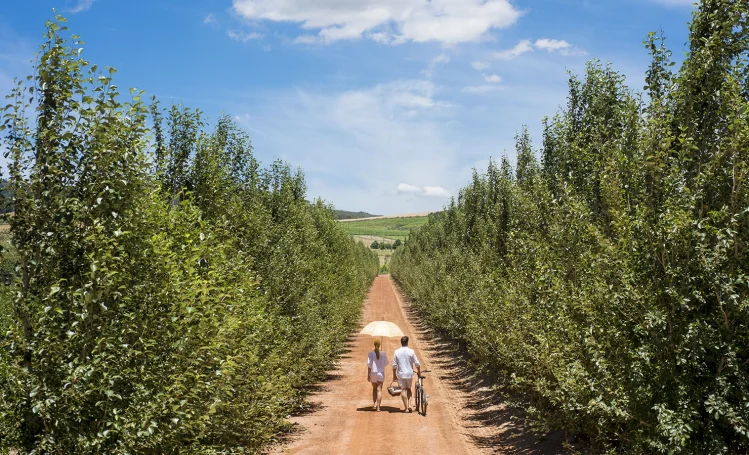

Agritourism is gaining momentum in South Africa as farmers look beyond traditional production models to strengthen their businesses and build resilience. By blending agriculture and tourism, the sector is opening new income streams while connecting consumers more closely with farming and rural life.
Agritourism allows visitors to experience authentic farm life through activities such as farm stays, guided tours, wine tastings, berry picking, farm-to-table dining, camping and wellness retreats. These experiences give farmers an opportunity to showcase their produce while sharing the land, lifestyle and stories behind their operations.
A growing field of opportunity
According to Future Business Insight, the global agritourism sector is forecast to grow at a compound annual rate of 11.5% between 2022 and 2030. South Africa is following this trend. The local agritourism market generated $180.6 million in 2024 and is expected to reach $295.5 million by 2030, representing an annual growth rate of 8.6%.
“This growth shows that agritourism is becoming an increasingly viable and valuable diversification option for South African farmers,” says Desry Lesele, Senior Manager for Agriculture Client Value Propositions at Nedbank Commercial Banking.
What’s driving the growth?
Consumer demand is a key driver behind the sector’s expansion. Travellers, particularly urban dwellers, are seeking authentic, nature-based experiences and a slower pace of life. The Covid-19 pandemic further boosted interest in local, outdoor and wellness-focused travel, and this shift has endured.
“As awareness of sustainability and wellness grows, travellers are drawn to experiences that are meaningful and environmentally responsible,” explains Lesele. “Agritourism meets this demand while allowing farmers to share their story and build stronger connections with consumers.”
From a farming perspective, agritourism also provides an opportunity to supplement traditional income streams at a time when rising input costs are placing pressure on margins. In addition, governments and municipalities recognise agritourism’s potential to revitalise rural economies and create sustainable employment.
Expanding beyond the Western Cape
While the Western Cape remains South Africa’s agritourism heartland, renowned for its wine routes and established farm experiences, interest is growing in other regions. Limpopo, Mpumalanga and KwaZulu-Natal are seeing increased activity, particularly along popular tourist routes and near nature reserves.
“There is significant untapped potential for agritourism in these provinces,” says Lesele.
Turning obstacles into opportunities
Challenges remain, including inadequate rural infrastructure such as poor roads, limited public transport and insufficient signage. Financial constraints can also limit farmers’ ability to invest in visitor facilities.
“Although infrastructure development falls under government responsibility, access to funding is critical for farmers looking to develop agritourism offerings,” Lesele notes. Nedbank, he says, supports farmers through funding for facilities, skills development, technology adoption and targeted marketing.
As South African agriculture evolves, agritourism is emerging as a bridge between farm and city — creating resilience, strengthening rural economies and positioning farmers as producers, hosts and entrepreneurs.