

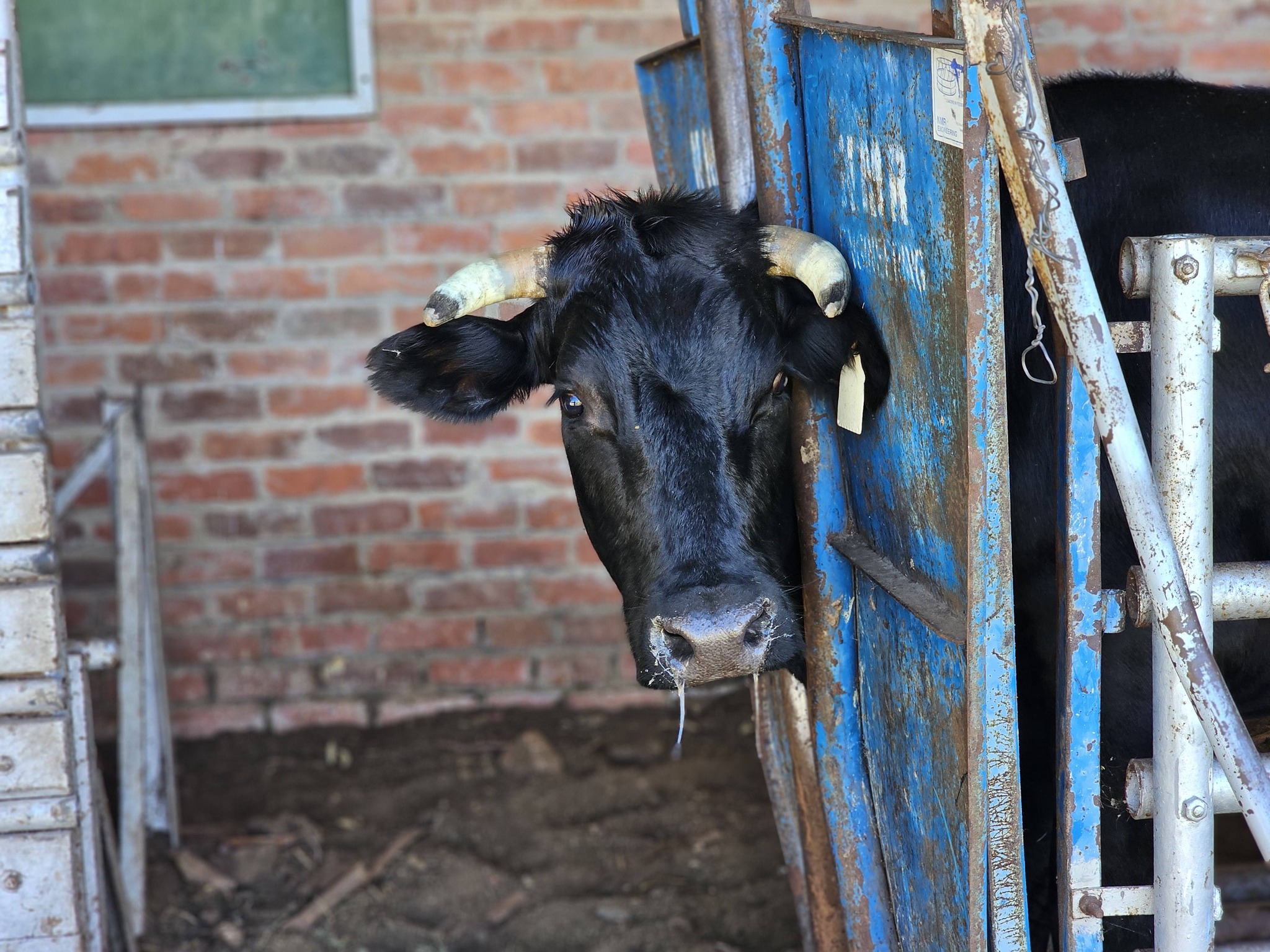

In a decisive move to protect the heart of South Africa’s R80 billion livestock industry, Minister of Agriculture John Steenhuisen has confirmed that the national government will cover the full cost of vaccinating the national herd against Foot and Mouth Disease (FMD).
The announcement, released on 5 March 2026, clarifies that vaccinations administered as part of the official national response are entirely free of charge to farmers. This initiative follows the formal classification of the FMD outbreak as a national disaster by President Cyril Ramaphosa in February.
Ambitious Targets and Global Supply
The Department’s strategy has shifted “from defense to offense,” with a clear goal to vaccinate 80% of the national herd by December 2026. This mass rollout is supported by a steady pipeline of international vaccines.
To date, South Africa has received:
- 1 million doses from Biogénesis Bagó in Argentina.
- 1.5 million doses from Dollvet in Türkiye.
Minister Steenhuisen confirmed that hundreds of thousands of animals are being reached weekly, with millions more doses scheduled for arrival throughout March. Locally, the Agricultural Research Council (ARC) is also scaling up, currently producing 20,000 doses per week with plans to reach 200,000 per week.
Debunking the “R45” Price Dispute
A significant portion of the Minister’s statement was dedicated to correcting what he termed “misinformation” from certain agricultural lobby groups. These groups had claimed the Dollvet vaccines only cost R45 per dose, implying government mismanagement of funds.
The Minister clarified that the R45 figure is merely the bulk supply price for the vaccine to arrive at a warehouse. He argued that this figure ignores the massive logistical costs funded by the taxpayer, including:
- International Cold-Chain Logistics: Maintaining strict temperature controls from overseas.
- National Distribution: Moving stock from central depots to remote provincial farms.
- Field Administration: The deployment of state and private veterinary teams, inventory management, and quality assurance.
“The suggestion that government is ‘making a profit’ from vaccines is entirely incorrect,” Steenhuisen stated. “No farmer is paying for these vaccines, and the government is certainly not selling them.”
A Unified Front
The Minister emphasized that the success of this campaign relies on cooperation rather than litigation or social media division. He praised the work of the FMD Industry Coordination Council and the “zero-waste” approach seen in provinces like KwaZulu-Natal, where vaccinations often begin within 24 hours of vaccine arrival.
Farmers are urged to ignore unverified “registration schemes” from private groups and stick to official departmental protocols to ensure the country regains its “FMD-free with vaccination” status.