14.9 C
Cape Town
Friday, June 26, 2026
Home Blog Page 17

Steenhuisen Bridges Wildlife Gap to Safeguard R80bn Livestock Sector

0

Minister of Agriculture John Steenhuisen has emphasized that South Africa’s path to regaining its FMD-free status requires the total integration of the wildlife sector into national biosecurity protocols.

Acknowledging that buffalo and other wildlife species act as natural reservoirs and intermediaries for the virus, the Minister’s strategy marks a shift from isolated farm management to a comprehensive landscape-wide approach. “The wildlife sector must be fully integrated into our FMD Recovery Plan,” Steenhuisen stated, noting that the health of the R80 billion livestock industry is inextricably linked to the management of wild populations.

Appointment of Specialist Task Team Leadership

To bridge the gap between commercial agriculture and conservation, Minister Steenhuisen has appointed Dr. Gary Bauer to the Foot-and-Mouth Disease Task Team. This appointment ensures that the specific expertise of the wildlife ranching and conservation industry is represented at the highest decision-making level. The Task Team is charged with implementing a “fact-driven blueprint” that balances the economic needs of game farmers with the strict veterinary requirements of the World Organisation for Animal Health (WOAH).

Targeted Vaccination and Heatmap Technology

A cornerstone of the two-page directive is the use of advanced digital heatmap technology to identify high-risk “interface” zones where wildlife and livestock overlap.

Buffer Zones: The strategy prioritizes 100% vaccination coverage in dairy and feedlot sectors, with 80-90% coverage in communal and commercial areas bordering wildlife reserves.

Movement Controls: Real-time tracking will now monitor animal movements within a 10km radius of suspected outbreaks, ensuring that displaced wildlife or illegally moved game do not trigger secondary “spill-over” events in FMD-free provinces.

Local Vaccine Production and “One Health”

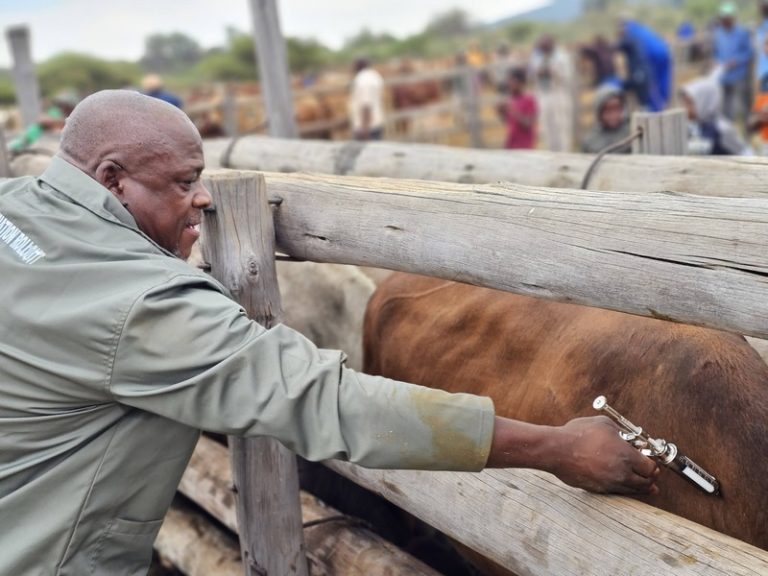
The Minister confirmed that South Africa has broken a 20-year hiatus by resuming local FMD vaccine production through the Agricultural Research Council (ARC). These locally produced vaccines are being formulated to match regional strains circulating in both livestock and wildlife populations. This “One Health” perspective aims to interrupt virus transmission cycles at the source, moving the country toward a ten-year goal of total FMD eradication without the long-term necessity of vaccination.

Legislative Reform and Emergency Powers

In response to the acute pressure on the national herd, the Minister is pursuing amendments to the Animal Diseases Act. These reforms will grant the state explicit emergency powers to authorize rapid “ring vaccination” and enforce stricter movement controls at the wildlife-livestock interface. Steenhuisen warned that “vaccine-free-for-alls” or unregulated private interventions pose a catastrophic risk of creating new, unmanageable virus strains that could permanently derail South Africa’s export potential.

The Minister has made it clear that the success of this roadmap depends on a unified front between state veterinarians, private landowners, and the conservation sector. Through disciplined, science-driven cooperation, South Africa aims to protect its agricultural value chain while preserving the integrity of its world-class wildlife heritage.

Why Data and Research are the Lifeline of the Modern Farm

In the unpredictable landscape of South African agriculture, relying solely on intuition is rapidly fading. As we stand at a critical “crossroad” in 2026, the industry is navigating climate volatility, rising costs, and shifting global markets. In this environment, data and research have transitioned from luxuries to the essential pulse-points of a thriving farm.

Dashboard for Decision-Making

Consider the analogy of a vehicle: driving without data is like driving without a speedometer. You might be moving, but you have no true sense of your efficiency or how close you are to a breakdown. For the modern producer, data is that speedometer, providing the objective insights needed to fine-tune every aspect of the business.

Turning Intelligence into Action

On a day-to-day level, this means moving beyond anecdotal evidence to actionable intelligence that accounts for regional differences. While the North has recently battled devastating floods, the Western Cape remains gripped by drought and wildfire threats. Data allows for precision in both extremes.

Whether monitoring fire-risk indices in the Cape or employing digital mapping to track infrastructure damage in the North, technology solves immediate problems. It ensures the farm remains operational by protecting labour safety and crop integrity. By focusing on these “controllables,” producers can maintain a level of stability even when the environment is unstable.

Our Greatest Weapon Against Waste

Perhaps most importantly, data-driven research is our greatest weapon against waste. In an era of high input costs, every drop of water and kilogram of fertilizer must be accounted for. By matching supply to demand as closely as possible, farmers minimize the “waste of effort” that quietly erodes profitability.

A Long-Term Strategy for Survival

The value of research also lies in its relationship with time. In a meritocracy like South African farming, staying up-to-date is a requirement for survival. Research helps us understand long-term cycles—such as the multi-decade window needed to break even on a new permanent crop—allowing us to make decisions today that safeguard the next forty seasons. It is the difference between a short-term gamble and a long-term investment.

The Foundation: Connectivity

Finally, this digital revolution rests on one pillar: Connectivity. All the research in the world is only as good as your ability to access it. Connectivity is the gatekeeper to weather updates, mapping tools, and global insights. Ensuring your farm is connected is no longer just about communication; it is about ensuring your business has the information it needs to thrive. Without a reliable signal, the most advanced tools remain silent.

As we delve into this month’s edition, let us remember that while technology is the tool, data is the fuel. By embracing a culture of research, we don’t just survive the volatility; we master it.

The Importance of Data & Research

Managing Scarcity: In drought-prone regions, soil moisture probes ensure water is utilized only when the plant reaches a critical stress point. This saves both water and the electricity used to pump it.

Crisis Recovery: In flood-affected areas, GPS coordinates and digital mapping allow producers to pinpoint washed-away roads, restoring logistics quickly.

Strategic Pivoting: Studying 20-year climate shifts helps decide whether to stick with traditional varieties or pivot to resilient cultivars.

Resilience Planning: Investigating disease-resistant crops that withstand rapid temperature shifts—from frost to extreme heat. This research provides the blueprint for future-proofing your soil.

In 2026, success is defined by the precision of insights rather than just the scale of production. By integrating real-time data with long-term research, producers can navigate regional extremes with resilience. Ultimately, data is not just a digital asset; it is a fundamental implement for modern farming.

China Deal Signals Opportunity, But Work Remains for South Africa Wine Exports

0

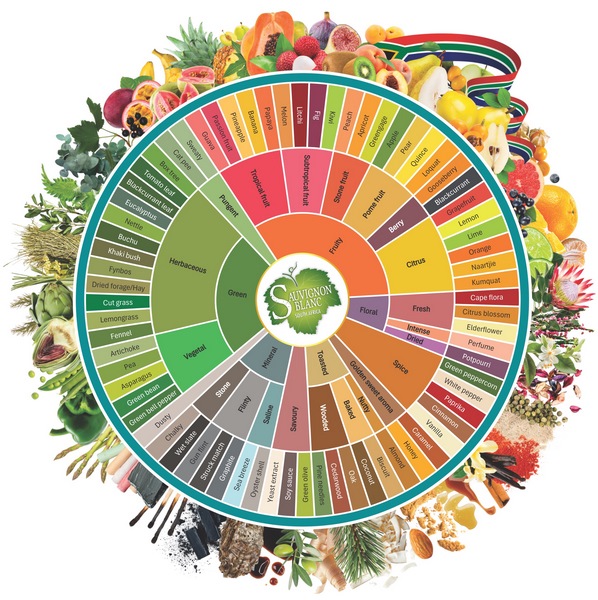
South Africa’s wine industry has welcomed two recent trade developments that could shape export prospects over the medium to long term, while warning that immediate commercial benefits remain limited.

The assessment comes from South Africa Wine, which briefed members on the implications of the China–Africa Economic Partnership Agreement (CAEPA) and the extension of the African Growth and Opportunity Act (AGOA) with the United States.

CAEPA: Positive Signal, Not Yet a Trade Deal

The Department of Trade, Industry and Competition (DTIC) last week signed CAEPA with China, an overarching cooperation agreement intended to pave the way for duty-free access for South African exports into the Chinese market.

From the wine industry’s perspective, the agreement signals meaningful political commitment. However, South Africa Wine cautioned that CAEPA is not yet a fully operational trade agreement and does not provide immediate duty-free access.

CAEPA functions as an enabling framework rather than a binding deal. Its purpose is to provide for further negotiations and agreements to follow, before any concrete tariff benefits can be realised.

What Still Needs to Happen

Before duty-free access can be unlocked, the framework must still be converted into binding legal instruments. According to South Africa Wine, this includes clearly defining tariff treatment, market access conditions, rules of origin, customs procedures and dispute resolution mechanisms — the stage at which negotiations typically intensify.

The organisation also noted that several additional phases must be completed before CAEPA can function as a true trade agreement. These include legal formalisation, alignment with the World Trade Organization and regional frameworks, coordination among Southern African Customs Union (SACU) member states, institutional setup, standards recognition, customs implementation and private-sector activation.

Until these steps are finalised, South Africa Wine stressed that the agreement remains politically significant but commercially limited.

Government has indicated that the framework agreement will be followed by an “Early Harvest Agreement”, targeted for completion by the end of March 2026. Details on tariff lines and implementation timelines are still to be determined.

Implications for the Wine Industry

China represents significant long-term export potential for South African wine. “We have consistently raised improved market access to China as a strategic priority in our engagements with government, and we are encouraged by this important first step,” South Africa Wine said.

The organisation indicated that it will closely monitor developments, engage with government on wine-specific tariff lines and market access conditions, and provide input where required. No immediate action is required from exporters at this stage, but those with an interest in the Chinese market are encouraged to remain strategically engaged.

AGOA Extension Undermined by US Tariffs

South Africa Wine also welcomed the extension of the African Growth and Opportunity Act (AGOA) to 31 December 2026, recognising its continued importance for agricultural and wine exports to the United States.

However, the benefit of AGOA is currently being significantly undermined by additional 30% “Liberation Day” tariffs. According to South Africa Wine, these tariffs have materially reduced the effectiveness of the preference programme and placed substantial strain on exporters.

The current cost environment has threatened the commercial viability of the US market, particularly for bulk wine, where trade has effectively stalled.

Call for Urgent Engagement

South Africa Wine has called for urgent and continued high-level government engagement with the United States, in alignment with SACU partners, to address the impact of the additional tariffs, restore meaningful market access and secure greater long-term trade certainty.

While CAEPA represents a positive starting signal and AGOA’s extension provides some relief, the organisation stressed that sustained negotiation and advocacy remain essential to protect export volumes, jobs and the competitiveness of South African wine.

Van Loveren Family Vineyards Honoured for Visionary Leadership in Agriculture

0

The Retief family of Van Loveren Family Vineyards (VLFV) has been awarded the 1659 Award for Visionary Leadership, recognising its long-standing contribution to economic resilience, environmental stewardship and social sustainability within South Africa’s wine and agricultural sectors.

Conferred at the country’s annual Wine Harvest Commemorative Event, the 2026 award acknowledges leadership that goes beyond commercial success to address the long-term viability of farming in a changing economic and climatic environment.

Third-Generation Leadership at Scale

Since 2006, third-generation family members Philip, Neil, Hennie and Bussell Retief have jointly led the family-owned enterprise, transforming it into what is widely regarded as South Africa’s largest independent wine company. The business exports to 70 countries and has agricultural interests across several key production regions, including Robertson, Stellenbosch, Paarl, the Swartland, Tradouw and Worcester.

This geographic spread has allowed the group to manage climatic and market risk while maintaining consistent supply across multiple terroirs.

Diversification as a Risk Strategy

While best known for wine, VLFV has deliberately diversified its farming operations beyond vineyards. The group cultivates cherries, almonds, stone fruit, citrus, olives and avocados, spreading exposure across different crops and harvest cycles. This diversification underpins business resilience and enables more effective use of land, labour and infrastructure.

In addition, VLFV owns and operates multiple wine tourism venues, creating alternative income streams and employment opportunities in rural areas.

Transformation Through Ownership and Skills Development

Worker inclusion forms a central pillar of VLFV’s sustainability strategy. Farm workers hold a 26% stake in the Five’s Reserve wine brand, with dividends reinvested annually into local community development. At De Goree, a 138-hectare farm near Robertson, workers hold a 52% ownership stake, while the Middelburg farm includes a worker entity holding 30% of the 832-hectare multi-crop operation.

The group also co-owns Olyfberg, a 1 230-hectare olive and grape farm in which the majority shareholder is a BEE agricultural entity, the Karaan Family Trust.

To support long-term skills development, VLFV has partnered with the Afri Training Institute to deliver a year-long, accredited work-integrated learning programme covering crop production, farming systems, entrepreneurship and data analytics.

Energy, Conservation and Climate Response

Self-sufficiency is another cornerstone of the business. Through ongoing solar investment, VLFV now generates close to 40% of its own electricity, reducing energy costs and exposure to grid instability.

More than 2 500 hectares of land have been set aside for conservation and rehabilitation to indigenous habitat. These environmental efforts, alongside initiatives to reduce carbon emissions, have earned the business silver status from the Confronting Climate Change (CCC) programme for South African wine and fruit farming.

A Model for Modern Agriculture

In recognising the Retief family, the 1659 Award highlights an agricultural business that has integrated scale, diversification, transformation and environmental responsibility into a single operating model. As climate pressures, energy constraints and social expectations continue to reshape farming, Van Loveren Family Vineyards offers a practical example of how long-term agricultural sustainability can be built into a commercial enterprise.

Fruit Logistica 2026: What South African Citrus Producers Took Home from Berlin

0

As the global fresh produce industry gathered in Berlin for Fruit Logistica 2026, the tone was notably more serious than in previous years. Insights from the event, outlined by the Citrus Growers’ Association of Southern Africa (CGA), highlight how global citrus trade is being reshaped by geopolitical uncertainty, tighter regulation, and heightened competition for market access.

For South African citrus producers, the event offered valuable perspective on both risks and opportunities emerging in key export markets.

A Shift from Opportunity to Security in Global Trade

One of the strongest messages from Fruit Logistica was that international buyers are prioritising security of supply over expansion. Conversations are no longer speculative or exploratory. Instead, importers are seeking dependable suppliers with consistent quality, strong compliance records, and proven logistics capability.

This shift plays to South Africa’s strengths as a large-scale citrus exporter, but it also raises the bar. Producers who can demonstrate reliability and transparency are increasingly favoured, while inconsistency carries growing commercial risk.

Market Access: Collective Representation Pays Off

South Africa’s presence at Fruit Logistica was reinforced through coordinated industry engagement rather than fragmented individual participation. Meetings with global partners underscored the value of collective representation when dealing with increasingly complex market access rules.

Discussions with international citrus counterparts were encouraging, particularly around collaboration and information sharing. For producers, this points to long-term benefits in improved market intelligence and greater transparency in global citrus trade, both of which support better production and export planning.

Regulatory Pressure in the EU Sends a Clear Warning

The European Union remains a critical market, but Fruit Logistica again highlighted rising concern around stricter Maximum Residue Limits (MRLs). These regulations, increasingly influenced by retailer standards, risk becoming legislative barriers rather than purely food-safety tools.

The lesson for South African producers is clear: compliance is no longer optional or reactive. Residue management, traceability systems, and accurate documentation are becoming strategic assets. Producers who invest early in compliance are better positioned to absorb regulatory shifts without losing market access.

Logistics: From Farm to Market, Coordination Is Key

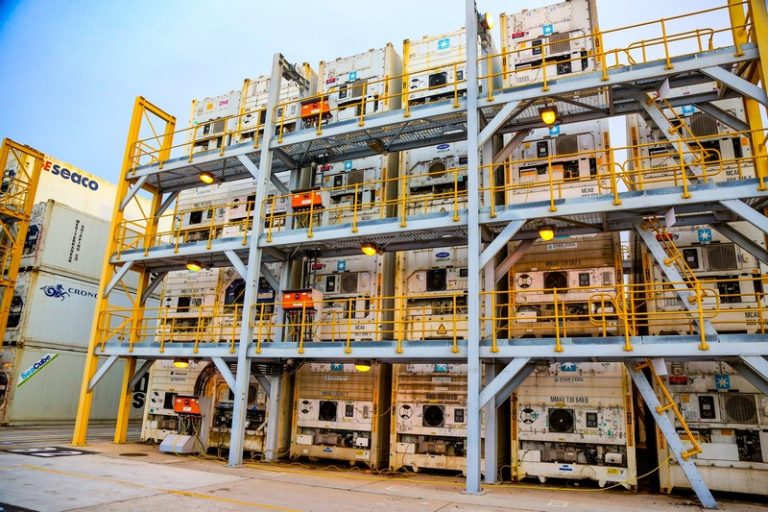
Logistics featured prominently at Fruit Logistica, with ongoing global disruptions reinforcing the importance of resilient supply chains. South Africa’s recent ability to export large citrus volumes attracted attention, but it also highlighted vulnerabilities across ports, transport, and cold chain infrastructure.

For producers, the takeaway is indirect but critical. Export success increasingly depends on coordination across the entire value chain. Events like Fruit Logistica provide a platform to align expectations between producers, exporters, shipping lines, and overseas buyers—reducing risk during peak export periods.

Lessons for the Season Ahead

Perhaps the greatest benefit of Fruit Logistica 2026 for South African citrus producers was strategic clarity. The event reinforced that competitiveness in global markets is built on three pillars: reliability, compliance, and collaboration.

While regulatory pressure and trade complexity are intensifying, South Africa remains well positioned. Industry-wide engagement suggests that producers who adapt early and work collectively will be better placed to protect market access and sustain growth.

In a challenging global environment, Fruit Logistica served as a reminder that preparation and unity remain the citrus sector’s strongest assets.

’n “Pragtige oes” – Vrystaatse appels lei die somer-oes

0

Die 2026-vrugteseisoen het amptelik in die noorde van Suid-Afrika begin, en die nuus uit die boorde is besonder positief. In die Bethlehem- en Fouriesburg-omgewing verander die landskap tans in ’n see van rooi namate die eerste Gale Gala-blokke hul piekrypheid bereik. Hierdie vroeë oes bring nie net verligting ná uitdagende seisoene nie, maar dien ook as ’n belangrike ekonomiese inspuiting vir die streek.

Volgens Johan Naudé, voorsitter van die Hoogland Vrugtekwekersvereniging, beleef produsente vanjaar ’n “pragtige oes”. Gunstige somerreën, saam met ’n rypvrye blomtydperk, het bygedra tot uitstekende vruggehalte. Die appels is bros, soet en egalig ingekleur — eienskappe wat hoog aangeslaan word in beide plaaslike en uitvoermarkte. Hierdie toestande plaas die Vrystaat in ’n unieke posisie as Suid-Afrika se primêre verskaffer van vars geoeste appels gedurende die beperkte Januarie- en Februarie-oesvenster.

Varsheid gee die Vrystaat ’n vroeë voordeel

Vir verbruikers by varsproduktemarkte soos Evergreens beteken dit appels wat kort ná pluk op die rakke beland, eerder as produkte wat vir maande in koelstoor gehou is. Die varsheid en geur onderskei die noordelike oes duidelik van later seisoen-voorrade.

Buite die vrugteboorde weerspieël die seisoen ook die voordele van moderne boerderypraktyke. Deur die gebruik van innoverende onderstokke en die vestiging van boorde op hoër, rypvrye grond, het produsente hul risiko’s beter bestuur en meer konsekwente opbrengste verseker. Hierdie aanpassings ondersteun ook ’n groeiende vraag na Suid-Afrikaanse appels in markte soos die Midde-Ooste en Asië.wys i

Hoewel appels tans die voortou neem, strek die sukses van die seisoen verder. Die sogenaamde “Summer Slices”-tema word versterk deur goeie oeste van plaaslike steenvrugte en somergroente wat in die warm toestande floreer het. Namate die oes vorder, is die boodskap uit die noorde duidelik: die 2026-seisoen getuig van veerkragtigheid, kundigheid en ’n sterk fokus op gehalte in die plaaslike boerderygemeenskap.

Local FMD Vaccine Production: A Milestone Facing a National Emergency

0

The announcement on 6 February 2026, by Agriculture Minister John Steenhuisen regarding the local production of Foot-and-Mouth Disease (FMD) vaccines at the Agricultural Research Council (ARC) has sent ripples through the South African livestock industry. For the first time in two decades, South Africa has produced its own FMD vaccine batch, signaling a strategic shift toward “vaccine sovereignty.”

The Return of Local Production

The initial pilot batch of 12,900 doses was produced using modern bioreactor technology specifically designed to match the SAT 1, 2, and 3 strains prevalent in the region. The government’s roadmap is ambitious: the ARC expects to ramp up to 20,000 doses per week by March 2026, with a long-term goal of reaching 200,000 doses per week by 2027.

For a country that has been at the mercy of expensive imports and fragile international supply chains, this move is a necessary step to reclaiming South Africa’s FMD-free status from the World Organisation for Animal Health (WOAH). However, this scientific victory is being launched into a landscape of unprecedented veterinary challenge.

Escalating Outbreaks: A Nation Under Pressure

The “breakthrough” announcement comes at a time of severe escalation across the country. As of early February 2026, the situation has shifted from chronic to acute in several key regions:

KwaZulu-Natal: Currently the national epicenter, official reports confirm over 207 outbreaks, with 187 remaining unresolved. With a cattle population of 2.4 million, the impact is being described by provincial authorities as a “crisis of social and economic dimensions.”

Western Cape: Following a period of relative safety, FMD was officially confirmed in Mbekweni (Wellington) on Friday, February 6. Suspected cases are currently being inspected in George, Mossel Bay, and the Garden Route. The provincial government has moved to allocate R100 million for emergency vaccine procurement and roadblocks.

Gauteng and Free State: Major feedlots and dairy operations have reported new cases within the last week, highlighting the virus’s ability to penetrate high-security biosecurity zones.

The Reality on the Ground

While the industry has welcomed the restart of local production, technical consultants have noted that the initial rollout will require a phased approach. Veterinary specialists have emphasized that the current scale of production is an important pilot phase that will need significant expansion to cover the national herd.

The expert critique focuses on three critical areas:

  • Logistical Coordination (instead of Logistical Deadlock)

  • Infrastructure Development (instead of Infrastructure Skepticism)

  • Phased Implementation (instead of Economic Impatience)

“The consensus within the sector is that the ARC has proven its capability to produce a high-quality vaccine, marking a long-term strategic win for South African biosecurity. While the immediate situation in the Western Cape, North West, Free State, and KwaZulu-Natal requires continued vigilance and the use of imported supplies to bridge the gap, the industry now has a sustainable, home-grown foundation to build upon.”

South Africa Secures New Export Market for Table Grapes to South Korea

0

South Africa’s table grape industry has received a major boost following the official opening of the South Korean market to fresh table grapes from the Republic of South Africa. The announcement, made by the Department of Agriculture, marks a significant milestone for the local agricultural export sector and strengthens South Africa’s global market presence.

The market officially opened on 23 January 2026, allowing South African producers to begin exporting table grapes to the Republic of Korea once the first consignments are ready for loading.

A Strategic Win After Years of Negotiations

The opening of the South Korean market is the result of more than two decades of technical negotiations between South African and South Korean authorities. These efforts culminated in a physical field verification visit by South Korean officials to South Africa in February 2025.

The visit assessed local production systems, orchard practices, and phytosanitary controls. Its successful conclusion confirmed that South Africa meets South Korea’s strict phytosanitary import requirements, paving the way for market access.

This achievement highlights the strength of South Africa’s plant health systems and the country’s ability to meet demanding international standards.

Expanding Market Access Beyond Traditional Destinations

South Africa is ranked among the world’s top five table grape exporters. Currently, approximately 55% of exports are destined for the European Union and around 20% for the United Kingdom.

The opening of the South Korean market is strategically important as it helps diversify export destinations, reducing reliance on traditional markets and spreading commercial risk. Asia remains a high-value growth market, and access to South Korea positions South African growers to benefit from increasing demand for premium fresh fruit.

Economic Importance for the Agricultural Sector

The table grape industry plays a critical role in the South African economy. It contributes significantly to foreign exchange earnings, supports rural economies, and creates thousands of seasonal and permanent jobs across production, packing, logistics, and export services.

The 2025/26 table grape season is already progressing well, with export volumes estimated at 79.4 million 4.5 kg cartons — a 0.6% increase compared to the previous season. The addition of a new export destination strengthens the industry’s growth outlook and income potential.

Strict Compliance Required to Protect the Market

To safeguard access to the South Korean market, exporters must comply fully with all phytosanitary and food safety requirements outlined in the final import conditions.

Producers, production units, and packhouses must be registered with the Department of Agriculture and obtain official production unit and packhouse codes. Registered growers are required to implement good agricultural practices, including orchard sanitation, integrated pest management, and effective control measures to eliminate identified quarantine pests.

Maintaining strict compliance will be essential to sustaining this market and protecting South Africa’s export reputation.

A Positive Signal for Agricultural Trade Growth

The successful opening of the South Korean market sends a strong signal about South Africa’s capability to compete in high-standard global markets. It reflects the value of sustained government-to-government engagement, industry cooperation, and investment in plant health systems.

For growers and exporters, this development represents new commercial opportunities. For the broader agricultural sector, it reinforces the role of export-led growth in driving economic recovery, job creation, and long-term sustainability.

Geen gesplete-hoefdiere by NAMPO Oesdag 2026 weens BKS-risiko

0

Graan SA en die NAMPO-bestuur bevestig dat geen gesplete-hoefdiere by die 2026 NAMPO Oesdag, wat van 12-15 Mei 2026 by NAMPO Park plaasvind, toegelaat sal word nie. Hierdie besluit volg ná die onlangse uitbrekings van bek- en klouseer (BKS) in Suid-Afrika, insluitend gevalle wat geografies nader aan die sentrale produksiegebiede beweeg het.

Gesplete-hoefdiere sluit beeste, skape, bokke en varke in – diere wat bekend is daarvoor dat hulle die BKS-virus kan dra en versprei.

Die besluit is eenparig geneem tydens ’n vergadering tussen NAMPO, Graan SA en die verskeie telersgenootskappe, ná deeglike risiko-evaluasie en konsultasie met relevante rolspelers.

“Bek- en klouseer het nou letterlik naby aan die huis gekom. As beskermers van biosekuriteit kan ons dit nie waag om ’n platform te skep waar risiko’s nie effektief beheer kan word nie,” sê Danie Minnaar, Voorsitter van die NAMPO Oesdagkomitee.

Waarom dié besluit geneem is

Die onlangse besluit om die Bloemskou te kanselleer, asook sterk aanbevelings vanuit die Vrystaatse Departement van Landbou dat die risiko rondom diere-byeenkomste tans te hoog is, het die erns van die situasie onderstreep. Kundige insette het bevestig dat bestaande protokolle slegs risiko by ’n grootskaalse geleentheid soos NAMPO beperk en nie elimineer nie.

“NAMPO neem biosekuriteit uiters ernstig op. Hierdie vroeë besluit stel telersgenootskappe in staat om hul beplanning betyds aan te pas en voorkom groter risiko’s later,” sê Dirk Strydom, Besturende Direkteur van NAMPO.

Wat beteken dit vir telers en besoekers?

  • Geen gesplete-hoefdiere (beeste, skape, bokke, varke) sal by NAMPO 2026 toegelaat word nie.
  • Nie-risiko diere, soos perde, honde en pluimvee, sal wel toegelaat word, onderhewig aan streng biosekuriteitsmaatreëls.
  • Alle diere en voertuie wat betrokke is by dierverwante aktiwiteite sal gespuit en ontsmet word.
  • Praktiese biosekuriteitsmaatreëls vir besoekers word tans ondersoek en verder verfyn.
  • Bewusmakingsinisiatiewe oor biosekuriteit sal regdeur die NAMPO Oesdag geïntegreer word.

Nuwe unieke besoekers ervaring

Belangrik is dat telersgenootskappe steeds hul stalletjies sal beman en aangemoedig word om innoverend en kreatief te wees in hoe hulle rasse se genetiese voordele, prestasiedata en produksiewaarde uitbeeld – selfs sonder die fisiese teenwoordigheid van diere. Besoekers kan dus uitsien na ‘n nuwe ervaring waar rasse se voordele en prestasies op kreatiewe maniere met tegnologie en slim bemarking uitgebeeld gaan word.

NAMPO as opvoedkundige platform

Hoewel diere nie fisies teenwoordig sal wees nie, sal NAMPO 2026 hierdie situasie doelbewus gebruik as ’n opvoedkundige geleentheid om produsente, rolspelers en die breër publiek bewus te maak van:

  • die belangrikheid van biosekuriteit,
  • hoe siektes soos bek- en klouseer versprei,
  • en watter praktiese stappe produsente kan neem om hul eie bedrywighede te beskerm.

Voortgesette konsultasie

Graan SA en NAMPO sal voortgaan om met alle relevante partye te konsulteer in die aanloop tot die ekspo en sal enige verdere ontwikkelings betyds kommunikeer.

“Verantwoordelike besluitneming beteken soms om moeilike keuses vroeg te maak. Hierdie besluit is geneem in die beste belang van die bedryf, produsente en Suid-Afrika se dieregesondheid,” sluit Minnaar af.

Early Harvest Sets the Tone for the Apple and Pear Season

0

The South African apple and pear season has started earlier than usual, creating a mix of opportunity and uncertainty for producers. Early indications point to good-quality fruit, although factors such as hail damage, water availability, logistics and exchange-rate volatility are expected to influence outcomes as the season progresses.

Industry role players say the crop is progressing well, but caution that several variables remain outside producers’ control.

Hail Damage Under Assessment

Recent hailstorms have raised concern in two major production regions. The Langkloof was severely affected by hail on 5 February, followed by further damage in the Koue Bokkeveld on 8 February.

“It is with concern that we take note of the hail damage reported in the Langkloof and the Koue Bokkeveld; however, the full extent of the impact on the apple and pear crop is still being assessed,” said Roelf Pienaar, Managing Director at Tru-Cape Fruit.

Pienaar said that while quality indicators remain encouraging, several variables will continue to influence market performance and global demand as the season unfolds.

Harvest Running Ahead of the Norm

Depending on the variety, the season is on average seven to ten days earlier than usual. Calla du Toit, Procurement Director at Tru-Cape Fruit Marketing, confirmed that the first BigBucks Gala apples in the Ceres region were harvested on 26 January — ten days earlier than last season.

Harvesting of Rosemarie pears, a blushed summer pear variety, began on 23 December, approximately two to three weeks earlier than the industry norm. Du Toit noted that it was only the second time in 25 years that harvesting had started before Christmas.

In the EGVV region — Elgin, Grabouw, Villiersdorp and Vyeboom — summer pears are ten to twelve days earlier than usual, while apples are approximately seven to ten days ahead of the normal pattern. Graeme Krige, Technical Advisor at Two-a-Day, said a good-volume crop with clean fruit is expected, with later varieties likely to return to a more normal ripening pattern.

Weather and Water Pressures

Warm and dry conditions during November and December played a significant role in the earlier harvest. According to Du Toit, the absence of cooler, wetter periods accelerated ripening and contributed to good fruit quality, despite a windy season.

Krige noted that warmer spring and early summer temperatures shortened the growing season, which affected fruit size.

Water availability is currently not a major concern in Ceres and the EGVV, but responsible water use remains essential. In the Langkloof, the lack of summer rainfall placed producers under severe pressure, forcing difficult irrigation decisions. Although recent rain benefited tree health, it came too late to influence fruit size.

Export Demand and Market Access

Demand for South African apples and pears remains positive. A significant portion of Rosemarie pears is destined for the Middle East, with additional opportunities in India, Russia and China. Delayed arrivals of New Zealand Royal Gala apples are creating opportunities in the Far East.

In Europe and the United Kingdom, the apple season is expected to start slightly later due to carry-over stock. Tru-Cape follows a diversification strategy to spread fruit across multiple markets and manage the transition between carry-over and new-season fruit.

Logistics and Exchange Rate Challenges

Logistics remains the biggest challenge for producers. Productivity at the Port of Cape Town and recovery after windbound conditions are critical to export success. A stronger rand also poses a risk, as it negatively affects producer income despite reducing certain input costs.

Despite these challenges, investment in packhouse upgrades at Two-a-Day and Ceres Fruit Growers, along with the introduction of new varieties and increasing summer pear volumes, positions the industry to take advantage of opportunities ahead.