16.3 C
Cape Town
Friday, June 26, 2026
Home Blog Page 16

Biosecurity Over Tradition: 2026 Show Season Pivot as FMD Declared National Disaster

0

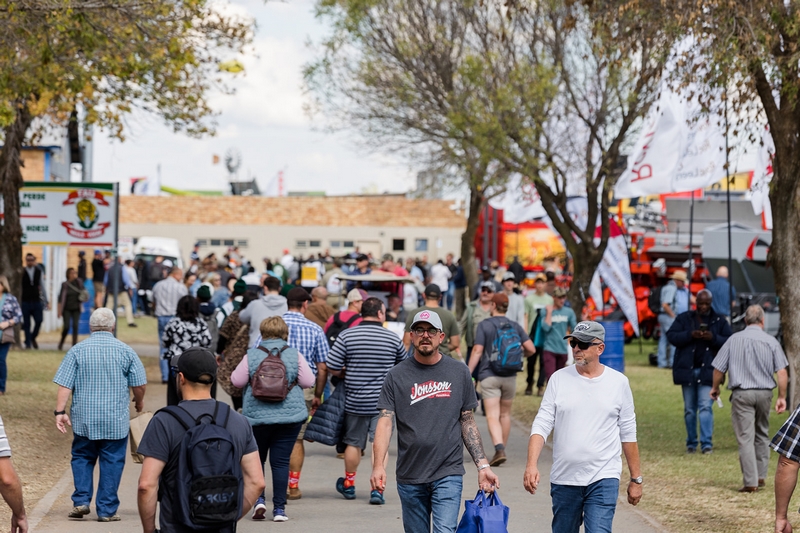
As of mid-February 2026, the South African agricultural sector is demonstrating extraordinary resilience in the face of a National State of Disaster. Following President Cyril Ramaphosa’s formal declaration on 13 February 2026, the industry has shifted its focus from crisis management to a “biosecurity-first” exhibition model.

While the virus has now touched eight provinces, the most significant shift has been in the Western Cape. Cases in Mbekweni (Drakenstein/Wellington) and a recent dairy farm outbreak in Hartenbos (Mossel Bay) have seen the provincial government allocate R100 million for vaccines and 24/7 border controls. This heightened risk has led to landmark decisions for the country’s most iconic agricultural gatherings.

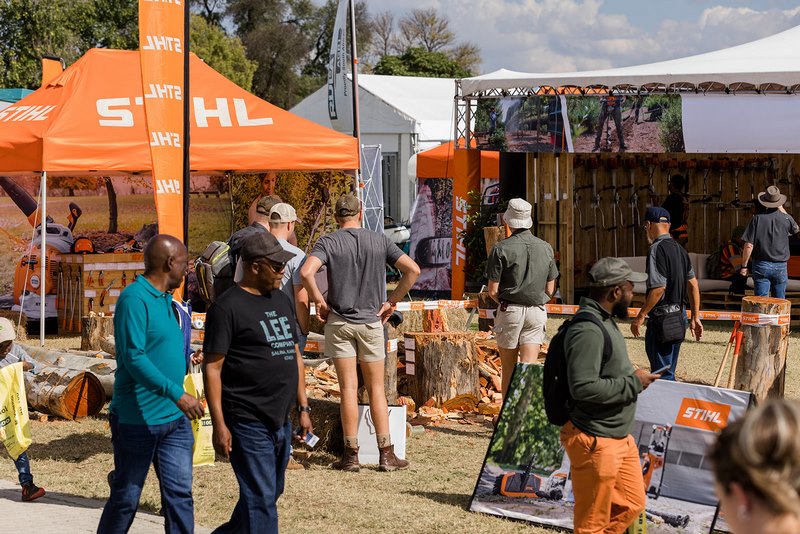
NAMPO Harvest Day (12–15 May 2026)

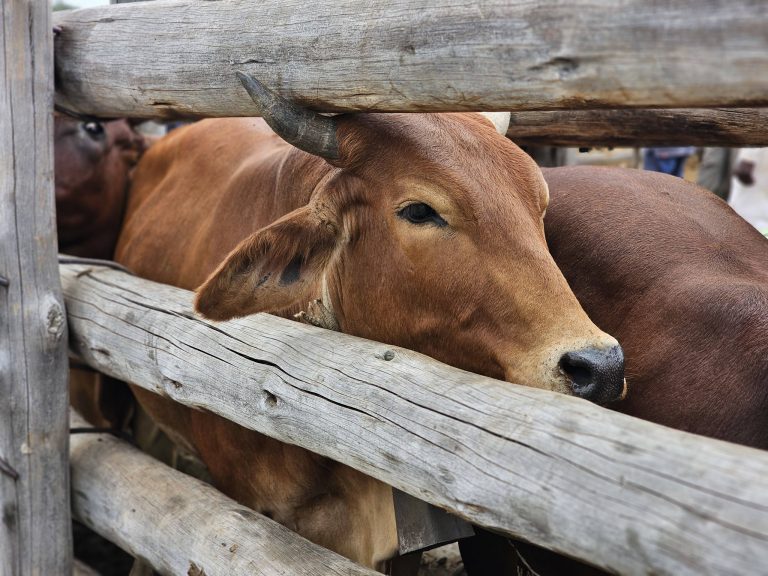
c and the NAMPO management have officially confirmed that no cloven-hoofed animals (cattle, sheep, goats, or pigs) will be permitted at NAMPO Park this year. The decision was taken unanimously after a deep risk assessment showed the virus moving closer to central production areas.

A New Experience: Instead of physical pens, breeders are pivoting to high-tech displays, using data and digital marketing to showcase genetic performance.

Permitted Sections: Animals that do not carry FMD—including horses, dogs, and poultry—will still be exhibited under strict sanitization protocols.

Educational Focus: The event will serve as a national classroom for biosecurity, teaching producers how to implement the 21-point recovery plan on their own farms.

Bloem Show (23 April – 2 May 2026)

The Bloem Show remains a beacon of the central Free State, though it has suspended all cattle and small-stock competitions for 2026.

What’s On: The National Saddle Horse Show remains the crown jewel of the event. Visitors can still enjoy the full funfair, commercial exhibitions, and the vibrant “Beach Party” theme.

Economic Impact: While the livestock suspension is a blow to stud breeders, CEO Elmarie Prinsloo emphasized that the move is a “responsible sacrifice” to protect the long-term integrity of the national herd.

Royal Agricultural Show (29 May – 3 June 2026)

Marking its 175th anniversary at its new home in Howick, the “Royal” is currently maintaining a restricted livestock schedule. While organizers are still planning for traditional poultry and honey sections, all cloven-hoofed entries are under constant review. Organizers are exploring “slaughter classes” as a lower-risk alternative, ensuring animals move directly to approved abattoirs rather than returning to farms.

The Auction and Tour Circuit

The commitment to biosecurity has caused a strategic pause across the country:

Postponed Auctions: The National Boran Auction (originally 13 Feb) and the National Bonsmara Auction (originally 17 March) have been suspended to prevent inter-provincial animal movement.

Breeders’ Tours: The Beefmaster Cattle Breeders’ Society has moved its annual tour to 2027, prioritizing the safety of its participants and the host farms.

Why the Caution is Necessary

Minister John Steenhuisen’s newly formed Industry Coordination Council (ICC) has successfully restarted local vaccine production at Onderstepoort, but until the national herd is stabilized, the “show must go on”—just without the cloven hooves.

By choosing innovation over tradition in 2026, South Africa is ensuring that its world-class genetics survive to see the 2027 season and beyond.

Harvest 2026 Celebrated Across Durbanville Wine Valley

0

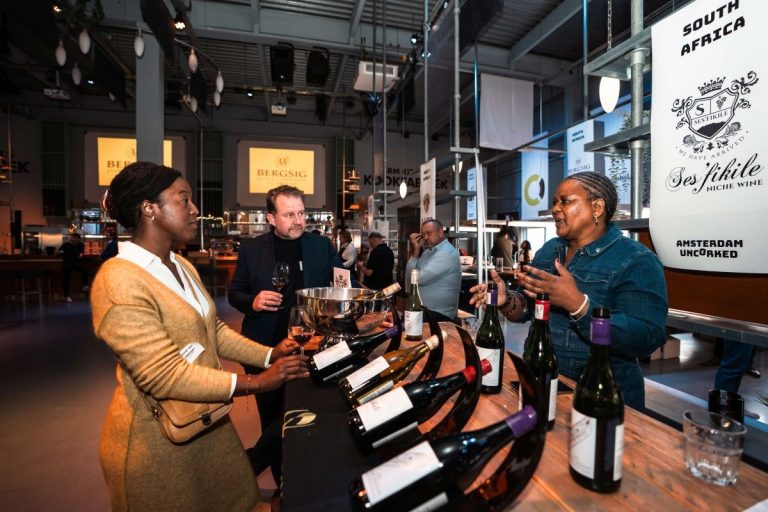
The Durbanville Wine Valley invites wine lovers to celebrate the height of Harvest 2026 with the return of its much-anticipated Tasting Under the Stars on Thursday, 12 March. As vineyards hum with activity and cellars fill with the aromas of fermenting grapes, participating wineries across the valley will extend their trading hours into the evening, offering a series of harvest-inspired experiences that honour the season.

Just 20 minutes from Cape Town, Durbanville’s cool-climate vineyards are at their most atmospheric in March. Long golden days linger into dusk, while the promise of autumn brings a sense of transition and anticipation. Rather than a single, central festival, Tasting Under the Stars unfolds across the valley, with each participating cellar curating its own event as part of a broader celebration marking the close of harvest in the region.

Visitors are invited to explore the valley after dark, moving between estates that showcase different expressions of harvest — from relaxed outdoor gatherings and food-and-wine pairings to behind-the-scenes cellar tastings and live music under the stars. Together, these experiences offer a layered and authentic snapshot of Durbanville at one of the most important moments in the winemaking calendar.

Participating Wineries | 12 March

Canto: A relaxed daytime-to-evening experience pairing wine with pizza, set against sweeping views and expansive lawns that make it especially welcoming for families.

D’Aria: An informal, family-friendly stop offering wine tastings alongside cheese and charcuterie, enjoyed in open gardens and wide green spaces.

De Grendel: A refined evening centred on elegant tapas-style dishes paired with estate wines, reflecting the classic style of this historic farm.

c: A laid-back, Mediterranean-inspired harvest celebration featuring food, wine and live music in an open-air setting.

Durbanville Hills: An immersive harvest evening combining tapas-style dishes with wine, including a rare opportunity to taste wines still in barrel.

Groot Phesantekraal: A cellar-focused experience that explores wines at different stages of their evolution, offering insight into the journey from grape to glass.

Hillcrest Wines: A relaxed harvest gathering with wine, platters and vineyard views, ideal for lingering into the evening with friends.

Klein Roosboom: A playful celebration of harvest featuring traditional grape stomping and small plates designed to complement the farm’s boutique wines.

Maastricht Wines: A lively local favourite offering a casual evening of wine and food, accompanied by live music and an easy-going atmosphere.

Meerendal: A classic harvest tasting experience set within a historic environment, highlighting the season through carefully curated wine selections.

c: A full-day harvest celebration culminating in the evening, combining wine tastings with a distinctive nod to historic European wine traditions.

Capturing the Spirit of the Valley

More than a showcase of individual wineries, Tasting Under the Stars captures the essence of Durbanville Wine Valley itself — close to the city yet deeply rooted in the rhythms of the land. It offers wine lovers a rare opportunity to experience harvest first-hand, tasting wines at their source and sharing in the moment when a year’s work in the vineyard begins its transformation into the vintage to come.

For full programme details and booking information visit www.durbanvillewine.co.za

The Biological Clock: Tongaat Mills Face April Shutdown

0

The South African sugar industry is navigating its most significant crisis in a generation. What began as a corporate scandal in 2019 has culminated in a high-stakes legal stalemate that now threatens the survival of the 2026/27 crushing season. Following the announcement that Tongaat Hulett Limited (THL) has moved toward provisional liquidation, a “biological clock” is now ticking for thousands of farmers.

The Current Crisis: February 2026

As of mid-February 2026, Tongaat Hulett has officially exited the Business Rescue process. On February 12, the Business Rescue Practitioners (BRPs) applied to the High Court for provisional liquidation. This follows the collapse of the proposed sale to the Vision Consortium on February 7, after the consortium and the Industrial Development Corporation (IDC) reached a financial stalemate over a R2.3 billion refinancing agreement.

The fallout was immediate: Vision issued a demand for approximately R11.7 billion in debt to be paid immediately, rendering the company’s South African operations insolvent.

Minister of Agriculture John Steenhuisen issued an urgent call for intervention this week, emphasizing that agriculture works on “biological timelines, not legal ones.” With the crushing season set to begin in April, the priority is resolving this funding stalemate to ensure the Maidstone, Amatikulu, and Felixton mills can process the roughly 4 million tons of cane currently in the fields.

The Human Cost: 40,000 Livelihoods at Risk

The impact of this stalemate extends far beyond the boardroom, threatening to paralyze the rural economy of KwaZulu-Natal. According to the Department of Agriculture, the potential halt of milling operations puts between 35,000 and 40,000 jobs in immediate jeopardy. These figures include mill workers, farm laborers, and contractors who form the backbone of the local supply chain.

Furthermore, the South African Farmers Development Association (SAFDA) notes that roughly 60% of the country’s small-scale growers—over 15,000 individuals—operate within the Tongaat catchment area. For these farmers, who generated over R845 million in revenue last season, the closure of these mills would mean they have no viable facility to process their crop, leading to potential financial ruin for thousands of households.

The Turning Point: December 2025

The road to liquidation was accelerated by a landmark ruling from the Supreme Court of Appeal in late 2025. The court ordered THL to pay over R500 million in statutory levies to the South African Sugar Association (SASA). The BRPs had attempted to defer these payments to maintain liquidity, but the court ruled that statutory obligations—mandated by the Sugar Act—take precedence over private rescue arrangements. This added a massive, unbudgeted liability that the Vision deal could not easily absorb.

Background: 2022 – 2024

The “Vision” Approval (January 2024): After a year of bidding wars, creditors approved a rescue plan by the Vision Consortium (led by Robert Gumede). The plan relied on a debt-to-equity swap to wipe out billions in debt. However, the deal remained stuck for two years, largely due to the protracted stalemate with the IDC over Post-Commencement Funding (PCF)—the emergency loans needed to keep the company running during the rescue.

Voluntary Business Rescue (October 2022): THL entered business rescue after a R12 billion hole was found in its balance sheet—the result of a massive accounting fraud scandal under former management that came to light in 2019.

 A Strategic Industry at a Crossroads

Tongaat Hulett accounts for nearly 30% of South Africa’s sugar production. Its potential collapse is not just a corporate failure; it is a threat to 15,500 growers and over 40,000 direct jobs.

As of today, the industry’s hope lies in a government-facilitated “funded liquidation”—a process where liquidators are provided with the capital to keep the mills running to preserve the asset’s value and the rural economy’s stability. If this stalemate is not broken by April, the “biological deadline” will pass, and the resulting economic rot may be irreversible for the KwaZulu-Natal sugar belt.

Tru-Cape Opens Heritage Orchard to Showcase the Roots of SA’s Fruit Industry

0

Tru-Cape will open its Heritage Orchard at Oak Valley Estate in Grabouw to the public on Saturday, 28 February, offering a guided walk through a living collection of historic apple and pear cultivars that played a formative role in the development of South Africa’s deciduous fruit industry.

The event provides growers, industry stakeholders and the broader public with an opportunity to engage with varieties that are no longer part of mainstream commercial production, but remain critically important from a genetic, historical and breeding perspective.

Located at Oak Valley Estate, the orchard forms part of Tru-Cape’s long-term commitment to conserving heritage cultivars that have largely disappeared as production systems have shifted towards fewer, more uniform varieties.

Conserving Cultivars and Genetic Diversity

The Heritage Orchard serves as a curated collection of rare and nearly forgotten apple and pear varieties, including Newton Apple, Northern Spy, Pomme de Neige, Cox Orange Pippin, Witte Wijnappel, Badappel, Kroonappel and old Koo cultivars. Many of these varieties were widely planted in the early days of fruit farming at the Cape, before being replaced by cultivars better suited to modern yield, storage and export requirements.

By maintaining these trees, Tru-Cape aims to safeguard genetic material that may hold value for future breeding programmes, particularly in the context of climate change, evolving pest and disease pressures, and shifting consumer preferences.

Industry Insight from Experienced Specialists

The guided walk will be hosted by Tru-Cape’s Quality Assurance Manager, Henk Griessel, together with varietal specialists Buks Nel and Jeanne Fourie.

Drawing on years of research and practical experience, the hosts will discuss the origins, introduction routes and historical performance of these cultivars, as well as their relevance to contemporary fruit production. Griessel and Nel are co-authors of several publications documenting the early history of apples and pears at the Cape, and will share insights that link archival research with hands-on orchard management.

Nel, who is also known for his involvement in the development of modern cultivars such as BigBucks Gala (Flash Gala), emphasises that understanding historical varieties is essential for informed innovation. Preserving older cultivars allows breeders and producers to access a wider genetic base when developing future varieties.

Beyond the Orchard

Tru-Cape’s heritage work extends beyond Grabouw. In partnership with Hortgro, the company replanted the historic Witte Wijnappel — regarded as the first apple recorded at the Cape — at its original site in Company’s Garden in 2019. The cultivar was also re-established at Oak Valley Estate and Babylonstoren.

Event Details

The free guided walk will take place from 10h00 to 12h00. While the event is open to the public, booking via Quicket is required for access. Visitors will be able to view and taste selected varieties, and copies of the featured books will be available for purchase.

For producers and industry professionals, the Heritage Orchard offers a reminder that the future resilience of the fruit sector is closely tied to its past — and that conserving diversity today may prove invaluable for tomorrow’s orchards.

Western Cape Bristling With Jobs as Unemployment Drops Further

0

The Western Cape has recorded a further decline in unemployment, with new data showing that the province’s unemployment rate has dropped to a five-year low. According to the latest Quarterly Labour Force Survey (QLFS) released by Statistics South Africa, the province’s unemployment rate fell to 18.1% in the fourth quarter of 2025, substantially lower than the national unemployment rate of 31.4%.

Over the past three months, the Western Cape added an average of 31 000 jobs per month, according to the survey results.

Agriculture Among Top Job Creators

For the agricultural sector, the latest figures provide positive news. Agriculture was one of the three strongest job-creating sectors in the province, adding 22 000 jobs year-on-year, alongside trade and construction.

These three sectors were identified as the main drivers of provincial job growth in the fourth quarter of 2025. Agriculture’s contribution highlights its continued importance to employment in the Western Cape, particularly in rural areas.

Labour Force Participation Remains Strong

Another key indicator reflected in the QLFS data is the Western Cape’s labour force participation rate, which stood at 68.8% in the fourth quarter of 2025. This rate increased year-on-year and remains one of the highest in the country.

By comparison, the national labour force participation rate was 59.3%, which declined over the same period. This reinforces the Western Cape’s position as a province with stronger job prospects and economic activity.

Youth Employment Shows Positive Shift

The Western Cape also recorded an improvement in youth employment outcomes. The province’s youth NEET rate—which measures people aged 15 to 24 who are not in employment, education or training—declined by 6.6% quarter-on-quarter.

The Western Cape was one of only three provinces to record a decrease in this indicator and was the only province where the reduction was larger than that of the Eastern Cape and Limpopo combined.

Momentum Built on Partnerships

Provincial leadership has attributed the improved employment figures to efforts aimed at building an enabling environment for job creation. These efforts include collaboration between government and the private sector to strengthen confidence and support economic growth.

The Western Cape contributed 30% of South Africa’s total job gains in the fourth quarter of 2025, according to the QLFS data.

What It Means for Farmers

For farmers and agri-business owners, the latest labour market data point to agriculture’s continued role as a key contributor to job creation in the Western Cape. While challenges remain, the figures show that the province continues to lead the country in employment performance, with agriculture playing a significant role in that outcome.

Why the “Phytosanitary Protocol” is the Real Key to China’s 0% Tariff

0

The announcement that China will grant zero-tariff access to South African agricultural exports starting 1 May 2026, has been hailed as a landmark victory for the sector. For years, our producers have faced “middle-income” tariffs of 10% to 25%, while competitors like Chile and Australia exported duty-free. From May 1st, that financial wall collapses under the new China-Africa Economic Partnership Agreement (CAEPA).

However, for a significant portion of the agricultural sector, the 0% tariff is currently a locked door without a key. While the tax has been removed, the scientific permission to enter remains the real gatekeeper.

The Two Gates: Financial vs. Biological

To succeed in the Chinese market, a product must pass through two entirely different regulatory systems:

The Tariff Gate (Financial): Managed by the Ministry of Trade. This removes the “entry fee” or tax at the border. On May 1st, this drops to 0%.

The Phytosanitary Protocol (Biological): Managed by the GACC (China’s Customs). This is the scientific “Health Passport.” Without this, your fruit or food isn’t just expensive—it’s illegal.

The hard truth: China does not lower its health standards just because it lowered its taxes. If a specific crop does not have a signed Phytosanitary Protocol, it is prohibited from entry—even if the tariff is 0%.

The Sectors with the Key: Fruit, Nuts, and Wine

These industries are perfectly positioned to walk through the door on May 1st because their “keys” are already cut and verified.

Stone Fruit (Plums, Peaches, Nectarines): A historic unified protocol was signed in late 2025 by Minister John Steenhuisen, granting immediate access. This was a massive breakthrough, as China traditionally negotiates access one fruit at a time.

Citrus, Apples, and Pears: These sectors have long-standing protocols and will see an immediate boost in profitability as their 11%–12% tariffs vanish on May 1st.

Nuts (Macadamias and Pecans): South Africa is a global leader in nut exports. Because nuts carry lower biological risk, our Phytosanitary Protocols are stable. Dropping the 12% tariff on macadamias provides an immediate profit boost to growers in Mpumalanga and Limpopo.

Wine: On May 1st, our 14% to 20% tariff disappears, leveling the field with Chile and Australia. While wine doesn’t face pest protocols, every winery must be registered on China’s CIFER system to use the 0% rate.

The “Waiting Room”: Cherries and Blueberries

For the cherry and blueberry industries, the May 1st news is “bittersweet.” While the price will be right, the permission is missing.

The Status: These sectors are currently undergoing rigorous Cold-Treatment Trials. Producers must prove they can maintain fruit at exactly -0.6°C for up to 24 days to kill larvae.

The Goal: Until the GACC officially signs the Phytosanitary Protocol, the 0% tariff is a “future benefit” only. Industry experts hope to have these signed in time for the 2026/27 harvest season.

The Beef Crisis: When the Key is Taken Away

The red meat sector serves as a warning. While beef technically qualifies for the 0% tariff, China suspended the Beef Protocol for most of South Africa due to Foot and Mouth Disease (FMD) outbreaks. Until the Department of Agriculture (DALRRD) can prove our biosecurity is restored, the 0% tariff is a key that no longer fits the lock.

The trade negotiators have opened the door by removing the tariffs. Now, the burden shifts to the scientists and the farmers. To unlock the 0% benefit, you must first master the Phytosanitary Protocol. In this new era of trade, the scientist in the lab is just as important to your bottom line as the broker at the port.

The May 1st Reset: Why the CAEPA Deal is a Competitive Game-Changer for SA

0

For years, South African producers have eyed the massive Chinese market with a mix of ambition and frustration. While “Least Developed Countries” (LDCs) in Africa enjoyed duty-free access, South Africa’s status as a middle-income economy meant our premium produce often landed on Chinese shelves with a 10% to 25% price penalty.

That changes on 1 May 2026. Following the landmark signing of the China-Africa Economic Partnership Agreement (CAEPA) in February, China will officially remove import tariffs on 100% of tariff lines for South Africa. For the agricultural sector, this isn’t just a policy tweak—it is a competitive reset.

The Winners: From Double Digits to Zero

The most immediate impact will be felt in high-value export sectors. By removing the “entry fee” at the border, South African products will finally compete on an equal footing with nations like Chile and Australia, who have long enjoyed free-trade status with Beijing.

CAEPA Deal

What You Still Have to Pay

It is crucial for producers to understand that Zero Tariff does not mean Zero Tax. While the import duty (the border tax) is being removed, internal Chinese taxes still apply at the port of entry:

Value Added Tax (VAT): Most agricultural products in China are subject to a 9% VAT (recently standardized for necessity goods).

Consumption Tax: Specific goods, such as wine, still carry a 10% Consumption Tax.

Logistics & Levies: Standard port handling fees, customs clearance costs, and local distribution levies remain the responsibility of the importer/exporter.

The “Hidden Barrier”: It’s Not Just About Price

While the 0% tariff makes our prices competitive, it does not bypass Sanitary and Phytosanitary (SPS) hurdles. China’s “Green Channel” initiative aims to speed up inspections, but strict health protocols remain the primary gatekeeper.

Currently, the Department of Agriculture is finalizing protocols for Cherries and Blueberries. Until these specific “health passports” are signed, even a 0% tariff won’t get the fruit past the port. Producers must ensure their packhouses meet the rigorous “cold-chain” and pest-management standards required by Chinese customs (GACC).

Looking Ahead

An “Early Harvest Agreement” is expected by the end of March 2026, which will provide the final technical HS Codes for every agricultural product. For the South African farmer, the message is clear: the financial barrier is falling. Now, the challenge is meeting the volume and quality demands of the world’s most populous consumer base.

One Step Closer: SAHPRA Authorizes Dollvet FMD Vaccine from Turkey for Immediate Import

0

The “War on Foot and Mouth Disease” has reached a pivotal turning point. While political discussions regarding vaccine imports have dominated headlines since January, the South African Health Products Regulatory Authority (SAHPRA) has finally cleared the path for the physical arrival of international reinforcements. By granting Section 21 authorization for the Dollvet FMD vaccine from Turkey, the regulator has effectively moved the country from the planning phase to active large-scale containment.

Bridging the Supply Gap

The authorization comes at a critical moment for South Africa’s livestock sector. While the Agricultural Research Council (ARC) celebrated a historic milestone on 6 February by producing its first local batch of vaccines in over 20 years, that pilot run consisted of only 12,900 doses.

In contrast, the scale of the Dollvet import is massive. According to Department of Agriculture briefings, the first shipment of 1.5 million doses is scheduled to land in the third week of February, with an additional 5 million doses expected in March. For a country currently battling outbreaks in eight of its nine provinces, this influx of high-potency vaccine is the only realistic way to achieve the “ring of immunity” required to stop the virus’s spread.

The Significance of Section 21

The granting of Section 21 status by SAHPRA is more than just a bureaucratic formality. Because FMD vaccines are typically unregistered in South Africa, they cannot be used without this specific emergency legal clearance.

Under this provision, SAHPRA ensures that the Turkish vaccine has been evaluated for safety and efficacy, specifically against locally circulating strains. This “fast-track” mechanism allows the Department of Agriculture to respond to the National State of Disaster declared by President Ramaphosa on 12 February, ensuring that veterinarians have timely access to scientifically approved tools.

Strategy: From Epicenter to Perimeter

Minister of Agriculture John Steenhuisen has emphasized that the distribution of these millions of doses will follow a strictly controlled, state-led strategy. The primary goal for this first 1.5 million-dose batch is to protect high-risk zones and create a buffer between infected regions and the remaining FMD-free provinces, such as the Northern Cape.

SAHPRA and the Department have warned that vaccination must only take place within officially approved programs. Unregulated vaccination risks masking infections and could delay the country’s ability to prove to the world that the virus is truly under control.

The Road to FMD-Free Status

The ultimate prize remains the restoration of South Africa’s FMD-free status with the World Organisation for Animal Health (WOAH). To achieve this, the country must demonstrate 12 months of zero transmission.

The arrival of the Dollvet FMD vaccine represents the first time in recent history that South African authorities will have the sheer volume of supply needed to conduct a massive, synchronized vaccination campaign. With the regulatory “green light” now official, the livestock industry is finally seeing a clear path toward economic recovery and the resumption of international trade.

WCG Launches Massive Vaccination Drive to Shield R13.5bn Livestock Sector

0

In a high-stakes race to wall off the Western Cape’s R13.5 billion livestock industry from the national Foot-and-Mouth Disease (FMD) crisis, provincial and national leaders—including Premier Alan Winde, national Agriculture Minister John Steenhuisen, provincial Agriculture Minister Dr. Ivan Meyer, and Local Government Minister Anton Bredell—oversaw the vaccination of 450 cattle in Fisantekraal yesterday, 15 February.

While no cases of FMD have been detected in the Fisantekraal herd to date, the Western Cape Government (WCG) is treating the area as a strategic frontline. The drive signals the start of a massive provincial campaign to immunize the entire provincial herd and secure the livelihoods of over 50,000 workers.

Proactive Defense: 200,000 Doses to Shield High-Risk Herds

Premier Winde confirmed that the province is expecting a delivery of 200,000 vaccine doses in the coming weeks. Each animal vaccinated in Fisantekraal has been tagged for optimal identification, surveillance, and monitoring.

“This is a proactive step,” Winde stated. “We are taking every precaution because we want to protect jobs and livelihoods.” In a move to increase provincial autonomy, the Premier also announced that the Western Cape will seek permission to procure its own vaccine stocks directly.

Push for 21-Day Online Auction Mandate

Beyond vaccination, the WCG is moving to tighten movement controls. Premier Winde has formally requested the national Department of Agriculture, under the Animal Diseases Act, to:

  • Move all physical auctions online for 21 days.
  • Issue permit control regulations for all livestock movement.

Premier Winde, Minister Meyer, and Minister Bredell are scheduled to meet with Minister Steenhuisen today, 16 February, to receive an update on these emergency requests.

Protecting a R13.5 Billion Industry

Dr. Ivan Meyer, Western Cape Minister of Agriculture, emphasized that because FMD is a national disaster, the province is deploying a full-scale response.

“The Western Cape Department of Agriculture, through our Veterinary Service, will do everything possible to prevent its spread,” Minister Meyer said. “We do this to protect the Western Cape’s R13.5 billion livestock industry and 50,000 jobs.” He further reassured the public that the virus is not transferable to humans and that meat products remain safe for consumption.

The 21-Point Response Plan: A Fortress Approach

The Fisantekraal initiative is a core component of a broader 21-point response plan. This strategy, currently being deployed across 13 municipalities, includes:

Movement Control: 24/7 border monitoring and major roadblocks.

Rapid Response: On-the-ground veterinary surveillance and traceability.

Protocols: Standardized communication, by-law enforcement, and contingency plans.

Recovery: Intensive cleaning operations and monitoring of quarantine areas.

A “National Emergency”: Biosecurity as the Only Line of Defense

National Minister John Steenhuisen described the outbreak as a national emergency that requires “fortress-level” biosecurity.

“Biosecurity is not a suggestion—it is our only line of defense,” said Steenhuisen. “If you move animals without permits or ignore basic hygiene, you are putting the entire country at risk.”

Critical Directives for Livestock Owners

Authorities have urged farmers and the public to adhere to these non-negotiable rules:

Stop all illegal movements: No transport of cattle, sheep, goats, or pigs without signed health certificates and valid permits.

Limit farm visitors: Mandatory use of disinfectant footbaths and vehicle sprays.

Strict Quarantine: Isolate new stock for at least 28 days.

Immediate Reporting: Any signs of drooling, limping, or sores must be reported to a state veterinarian instantly.

Fence Integrity: Ensure fences are in good repair to prevent mixing with roaming herds or wildlife.

The Fisantekraal rollout marks the start of a province-wide effort to build a “firebreak” against the national disaster. By combining rapid vaccination with the proposed 21-day auction hiatus, the WCG aims to stabilize the agricultural economy. As Premier Winde concluded: “We are working tirelessly to protect jobs; every precaution must be taken.”

FMD Confirmed in Mossel Bay: 10km Quarantine and Ring-Vaccination Underway

0

The Western Cape agricultural sector is on high alert following official confirmation that Foot-and-Mouth Disease (FMD) has been detected at a dairy farm near Hartenbos in Mossel Bay. The announcement, released by the Garden Route District Municipality (GRDM) Multi-Agency Command Centre on 11 February 2026, marks a significant escalation in the province’s efforts to contain the highly contagious viral disease.

Lab Confirmation and New Suspected Cases

Dr Leana Janse van Rensburg, the State Veterinarian leading the response, confirmed that laboratory test results for the index farm—the first dairy farm identified with the disease in the area—have returned positive. This property is now under strict official quarantine.

However, the threat appears to be spreading beyond the initial site. “Livestock on two farms adjacent to the index farm are already showing lesions,” Dr Janse van Rensburg noted. Samples from these neighboring premises have been collected, with results expected later this week. In a proactive move, authorities will issue provisional quarantine notices to all farms within a 10km radius starting Thursday, 12 February.

To manage the viral load and prevent further spread, the Department of Agriculture has confirmed that livestock at farms where lesions have been noted will be vaccinated immediately.

Strict Containment Protocols

The response team is adhering to rigorous biosecurity protocols to prevent cross-contamination. Most notably, once the State Veterinarian and her team visit a farm where suspect lesions are observed, they are prohibited from visiting any other agricultural premises for a minimum period of three days. This precautionary measure is vital to minimize the risk of spreading the virus between properties.

While movement permits have not yet been formally gazetted, a de facto lockdown on livestock movement within the 10km radius is being strictly enforced. Control points, manned 24/7 by law enforcement, have been established around the affected area to ensure compliance. Transporters moving livestock are reminded to carry all legal documentation, including owner declarations, buyer undertakings, and certificates issued under Sections 6 and 8 of the Stock Theft Act.

A Call for Farm-Level Biosecurity

MEC for Agriculture Ivan Meyer and industry bodies like Agri Western Cape have emphasized that the “first line of defense” is the farm gate. Producers are urged to:

Restrict Access: Limit all non-essential visitors and vehicles. Uncontrolled access to farms must not be permitted, and animals must remain within property boundaries.

Road Management: Cattle crossing public roads pose a significant biosecurity risk. Surfaces must be disinfected immediately after crossing to prevent the virus from spreading via tires, manure, or footwear.

Wildlife Warning: Wildlife farms, particularly those with buffalo or other cloven-hoofed species, are warned strictly against accepting cattle mortalities from the index farm or neighboring properties.

Disinfection Guidelines for Producers

The Command Centre has released a list of approved disinfectants. Slaked lime is recommended for soil and kraals, while Soda ash and Caustic soda (handled with extreme care) are effective for concrete floors and equipment. For general use, Virkon S, F10CL, and Household Bleach (3% Sodium hypochlorite) remain effective for hosing down vehicles and sanitizing footwear.

Reporting and Resources

Producers must report all cloven-hoofed animal movements via the Western Cape Government’s online portal. Any signs of sores in the mouth or on the hooves must be reported to the State Veterinarian immediately.

The next official update is expected on 13 February 2026. For more resources, visit the official sites below:

FMD Resource Centre: www.gardenroute.gov.za/document-category/foot-and-mouth-disease/

Animal Movement Reporting: https://tinyurl.com/AnimalMovementApp