16.3 C
Cape Town
Thursday, June 25, 2026
Home Blog Page 15

Agri-Expo Calls for Nominations for 2026 Hollard Game Changer Award

0

Agri-Expo, in partnership with Hollard, has opened nominations for the third annual Hollard Game Changer Award – an initiative that recognises and showcases exceptional young talent in the South African dairy industry.

The recipient of the 2026 award will be announced on Thursday 23 April at the South African Dairy Awards at Nederburg in Paarl and will receive a cash prize of R50 000, sponsored by Hollard. “We invite the industry to nominate individuals under the age of 40 who are already making a meaningful and measurable contribution to the South African dairy industry,” says Breyton Milford, General Manager of Agri-Expo.

Previous recipients reflect industry impact

In 2025, Pamella Dzindikwa (31), Production Manager at Puglia Cheese in Somerset West, received the award. The inaugural recipient was Clement October (34), Head Cheesemaker at Klein River Cheese in Stanford, who was honoured in 2024. “Both recipients’ career journeys reflect remarkable growth – from junior positions to key leadership roles that strengthen and expand established brands through the production of exceptional dairy products,” Milford says.

Investing in the next generation

“The success stories of previous recipients underscore the value of intentional investment in young talent,” says Andries Wiese, Hollard’s Head of Agriculture. “When young people develop into key role players across the dairy value chain, it not only boosts individual careers, but the long-term competitiveness and sustainability of the sector gains a lot. The Hollard Game Changer Award is our contribution towards deliberately recognising, strengthening and promoting this next generation of expertise, innovation and leadership.”

The South African Dairy Championships is made possible with the support of platinum partners IMCD and dsm-firmenich, together with other industry partners.

Nominate a game changer

To submit a nomination, complete the form at https://sadairychamps.co.za/

The closing date for nominations is 30 March 2026. For enquiries, contact [email protected]

2026 Policy vs. Purse: A Critical Crossroads for Agriculture

0

Following the State of the Nation Address (12 February 2026) and the subsequent National Budget Speech (25 February 2026), South Africa’s agricultural sector finds itself at a key turning point. While the President’s address earlier this month laid out an ambitious roadmap for growth, the Finance Minister’s budget yesterday provided the “reality check” that industry leaders were anticipating.

The Biosecurity Crisis: FMD in the Spotlight

A major headline from SONA (12 February) was the classification of the current Foot-and-Mouth Disease (FMD) outbreak as a national disaster. President Ramaphosa committed to a centralized vaccine strategy, aiming to secure 28 million doses to protect the national herd of 14 million cattle.

However, experts are calling the financial follow-through in the Budget (25 February) reactive.

The Funding Gap: Wandile Sihlobo (Chief Economist at Agbiz) noted that while the intent is clear, the budget lacks a new, ring-fenced funding model for long-term biosecurity.

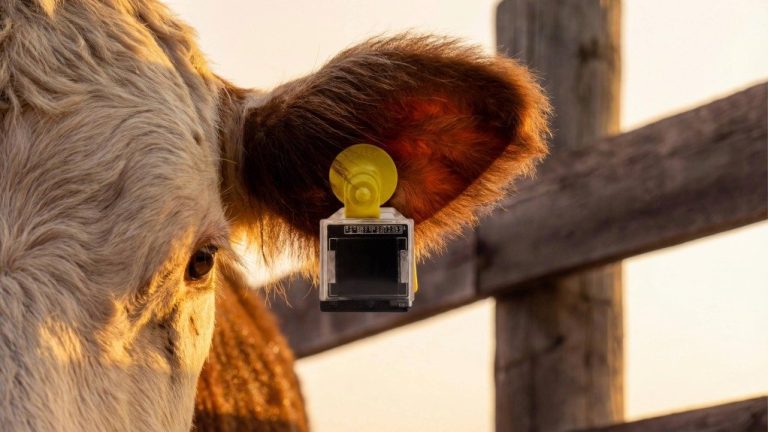
Expert View: Dewald Olivier (CEO of Red Meat Industry Services) criticized the reliance on redirecting R400 million from existing departmental funds. He argued that the industry requires stable, multi-year funding and a robust national traceability system to move beyond “crisis management” and restore international trade confidence.

The Diesel “Give and Take”

Diesel costs were a major focus of yesterday’s Budget (25 February). From 1 April 2026, fuel levies will increase by a combined 21 cents per litre (9c for the general levy, 7c for the RAF, and 5c for the carbon tax). For logistics and road freight, this is an immediate hit to the bottom line.

However, there is a significant win for primary production: the Diesel Refund Scheme has been adjusted.

  • The Refund Boost: Effectively from 1 April 2026, farmers can now claim a 100% refund on qualifying diesel use, up from the previous 80%.

  • The Catch: SARS is modernizing the system, decoupling it from the VAT system. Experts warn that this “relief” comes with a price: stricter audits. Farmers must now maintain meticulous digital logbooks to qualify for the full refund.

The “Sin Tax” Reprieve for Wine

The wine industry received a rare, inflation-linked reprieve in yesterday’s Budget (25 February).

The Hikes: Excise duties on wine and spirits were increased by 3.4% (strictly in line with CPI), avoiding the double-digit shocks of previous years.

Per Bottle: Still wine increases by 15 cents per 750ml bottle, while sparkling wine goes up by 65 cents.

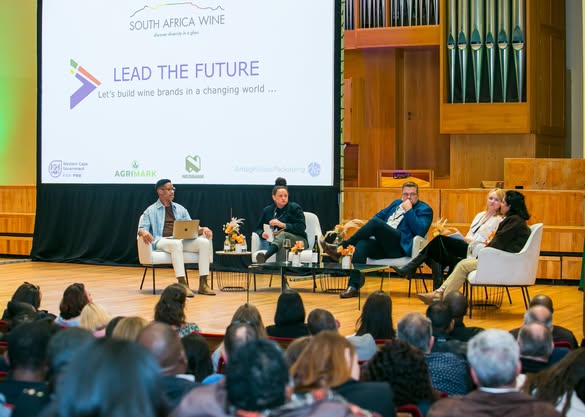
Expert View: Rico Basson (CEO of South Africa Wine) welcomed the move, stating that “policy certainty is vital for a labor-intensive industry” and that CPI-linked adjustments allow for much-needed long-term planning.

The Chicken VAT Controversy

A significant point of contention for both farmers and consumers was the “Chicken VAT” decision. Despite a high-profile campaign by FairPlay and the SA Poultry Association (SAPA) to zero-rate bone-in chicken portions, the Budget (25 February) declined the request.

The Snub: While the Minister added edible offal (heads, feet, livers) to the VAT-exempt list, he kept the 15% tax on the frozen bone-in portions most consumed by low-income households.

Expert View: FairPlay’s Francois Baird described the decision as “starving our future,” citing the national child stunting rate of 28.8%. Experts from ENSafrica noted that zero-rating these portions would have cost the fiscus roughly R5 billion—less than 1% of total VAT revenue—making it “fiscally affordable.”

Human Capital and Tax “Wins”

Extension Officers: In SONA (12 February), the President promised to deploy 10,000 new extension officers. Agri SA has welcomed this “knowledge infrastructure” but specifically cautioned that the quality and technical specialization of their training will be the true decider of productivity gains.

Tax Thresholds: In a major win for small farms, the mandatory VAT registration threshold was increased to R2.3 million (up from R1 million), providing immediate cash-flow relief.

Capital Gains: The exclusion for the sale of small business assets was raised to R15 million in the Budget (25 February).

The 2026 policy season has highlighted a government that recognizes agriculture as a primary engine for the South African economy. However, as industry experts point out, there is a lingering gap between the ambition of SONA and the allocation of the Budget. For the livestock and poultry sectors, the road ahead remains uphill, while the wine and small-business sectors can find some comfort in the return to predictable, inflation-linked fiscal policy.

The Cold Reality: AI and Infrastructure Reform Could Save 18,000 Tonnes of SA Produce

0

While more than 63% of South African households grapple with varying levels of food insecurity, a staggering volume of fresh nutrition never reaches the consumer. Recent doctoral research from Stellenbosch University has exposed a quiet crisis at the nation’s wholesale hubs, where between 9,124 and 17,969 tonnes of fruits and vegetables are wasted annually.

To put this into perspective, that is the equivalent of up to 900 fully loaded large trucks of food being discarded every year. According to Dr. Ikechukwu Opara, a food systems researcher who recently obtained his doctorate in Food Science, this waste is a direct threat to national food security and economic stability.

The “Hidden” Wholesale Gap

Most agricultural research focuses on the farm gate or the retail shelf, but Dr. Opara chose to shine a light on the often-overlooked middle: the wholesale market. By monitoring operational processes and conducting laboratory simulations, he identified that the later stages of the value chain are where information gaps lead to massive losses.

“The lack of comprehensive data at wholesale markets makes it difficult to identify waste hotspots accurately,” says Opara. This data vacuum hinders the development of tailored interventions needed to stop the rot before it starts.

A Lethal Break in the Cold Chain

The research identifies a familiar enemy for the industry: the “break in the cold chain.” Dr. Opara found that the most significant challenges occur during the receipt of produce. Operational delays often mean that crates of fresh fruit sit in ambient temperatures for hours before being moved into optimal storage.

This is particularly acute during the summer months when temperatures rise and markets are at their highest capacity. “Cold storage units and operations must be improved to cater for the volume of produce supplied during peak periods,” Opara warns. Furthermore, transportation in unrefrigerated vehicles subjects produce to unfavorable humidity, accelerating respiration and shriveling, which leads to immediate downgrading and waste.

The AI Revolution: Machine Learning as a Shield

A groundbreaking aspect of Dr. Opara’s study is the application of machine learning (AI) to predict and prevent waste. He argues that “smart” markets are the only sustainable path forward.

By using machine learning tools, markets can implement:

Automated Monitoring: Systems that alert staff the moment temperature or humidity deviates from the set range.

Demand Forecasting: Optimizing the process of ordering and selling to prevent oversupply.

Dynamic Pricing: AI can track shelf life and recommend price adjustments that encourage quicker sales, ensuring produce is sold while still fresh rather than being binned.

The Human and Economic Cost

The consequences of this waste ripple far beyond the market floor. For the farmer, it means lower returns; for the consumer, it means higher prices. Opara points out that when postharvest losses reduce availability, prices spike, hitting low-income households the hardest.

“Addressing and reducing postharvest losses not only enhances food security but also alleviates negative economic impacts,” Opara concludes. By bridging the gap between AI-driven data and physical infrastructure, South Africa can begin to turn the tide on a crisis that currently sees hundreds of truckloads of nutrition go to waste.

Rail Revitalisation: Overberg Business Case to Unlock Grain Export Potential

0

The Western Cape Government has unveiled the initial findings of the Overberg Rail Business Case, marking a decisive step toward revitalizing the region’s dormant rail infrastructure. Following a high-level stakeholder session held in Bredasdorp on Friday, 20 February 2026, the report outlines a strategic roadmap to transform the Overberg’s transport network into a modern, integrated freight system. For the agricultural sector, this represents a structural shift in how commodities reach both domestic and international markets.

Restoring the Backbone of Agricultural Logistics

Central to the business case is the development of a seamless intermodal corridor linking Transnet-operated rail, the Belcon Inland Terminal, and the Port of Cape Town. This system is specifically engineered to handle the high-volume transport of bulk agricultural commodities. The report explicitly identifies barley, wheat, canola, animal feed, and fertilizer as the primary drivers of this rail demand.

By utilizing rail as the backbone of the freight system, the Western Cape Government aims to enhance supply chain reliability and lower logistics costs—two factors critical to maintaining the thin margins of grain and oilseed production in the Overberg “breadbasket.”

Significant Volume Projections: Road to Rail

The findings present compelling figures for the scale of this revitalized corridor. The business case highlights the potential to transport approximately 105,000 tons of freight annually between the Western Cape and Gauteng. Furthermore, the plan accounts for an estimated 2,000 refrigerated containers (reefers) moving through the corridor each year.

This shift from road to rail is not merely about infrastructure; it is about efficiency. Moving these volumes by train reduces the heavy-vehicle pressure on provincial roads and minimizes the congestion that often bottlenecks agricultural exports during peak harvest seasons.

Unlocking Export Growth and “Backloading”

Western Cape Mobility Minister Isaac Sileku noted that this project is a key enabler in the province’s goal to triple exports by 2035. By strengthening intermodal links and attracting private investment, the government intends to restore the competitiveness of Overberg producers.

A vital economic component of the plan is “backloading.” While the rail will carry crops to the ports and inland markets, it creates an efficient channel for essential inputs—such as fertilizer—to be transported back into the Overberg. This “two-way” efficiency is expected to significantly reduce the total cost of production for local farmers.

A Policy Environment Ripe for Investment

The timing of the Overberg Rail Business Case aligns with national freight rail reforms recently announced by the National Minister of Transport to open underutilized branch lines to third-party participation. Minister Sileku described this as a “historic opportunity” to attract private sector investment into regional corridors.

The Overberg District Municipality, led by Executive Mayor Ald Sakkie Franken, has signaled its full support, emphasizing that the project will improve the standing of Overberg producers in both domestic and global arenas.

The Path Ahead

The next phase will focus on finalizing the implementation plan and addressing specific infrastructure needs. As a pilot project, the Overberg Rail Business Case will offer valuable insights to guide future freight rail revitalization efforts across South Africa. For the agricultural community, the message is clear: the transition toward a more resilient, rail-centric logistics system is officially underway.

Data-Driven Lifeline: New Partnership to Fix Free State Farm Roads

0

What began as urgent deliberations between industry leaders and government at the NAMPO Harvest Day exhibition has officially shifted from conversation to concrete action. On Saturday, February 21, 2026, the Minister of Public Works and Infrastructure, Dean Macpherson, joined leaders from AgriSA and Agbiz at the Peritum Agricultural Institute in Bloemfontein to sign a historic Memorandum of Cooperation (MoC).

The agreement marks the launch of the Agriculture Rural Roads Revitalisation Pilot Initiative. For the Free State—the heart of South Africa’s grain and livestock production—this partnership is a strategic intervention to salvage a road network that has reached a tipping point.

The NAMPO Origin

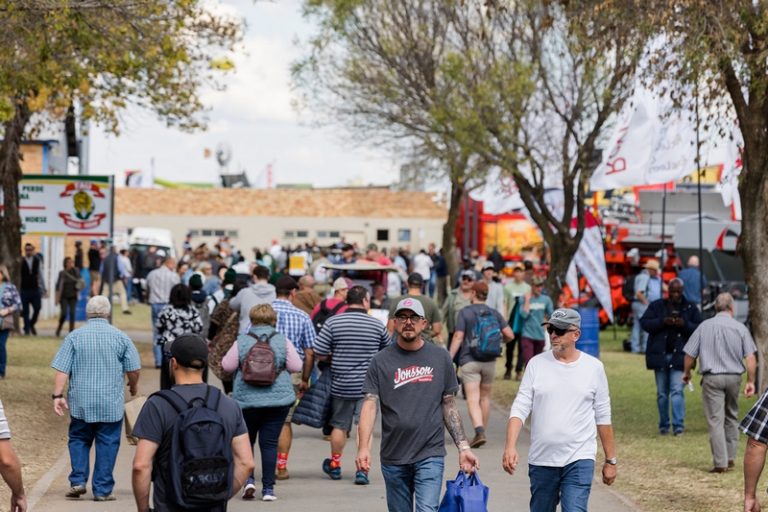
Minister Macpherson explicitly credited the foundation of this project to his engagements with Agbiz CEO Theo Boshoff and AgriSA CEO Johann Kotzé at the NAMPO exhibition last year. By utilizing the “Nation in Conversation” platform as a space for alignment, the parties bridged the gap between high-level policy and the “on-the-farm” reality of rural logistics.

Logistics Driven by Data

At the heart of the MoC is Infrastructure South Africa (ISA), represented by Head of ISA, Mameetse Masemola. ISA has already analyzed approximately 5,000 local and provincial roads across the province. By overlaying this with commodity flow data provided by AgriSA and Agbiz, the government can now identify “high-impact” corridors—the specific routes that carry the bulk of the nation’s maize, wheat, and livestock.

“We are no longer guessing where the need is greatest,” Minister Macpherson noted. “With this data, we can calculate the economic impact of roads that carry high volumes of output and demonstrate how much logistics costs can be reduced.”

A Permanent Voice for Agriculture

The partnership is reinforced by the appointment of Johann Kotzé and Theo Boshoff to the Ministerial Advisory Panel on Public Asset Management. This ensures that organized agriculture has a permanent role in advising the government on how public assets—including the Free State’s 13,000km provincial road network—should be managed.

AgriSA CEO Johann Kotzé emphasized that infrastructure reform must be “anchored in economic reality.” This sentiment was echoed by Agbiz CEO Theo Boshoff, who noted that the initiative would help direct infrastructure investment toward roads with the greatest potential to reduce costs for both farmers and consumers.

Why the Free State?

As the “breadbasket” of South Africa, the Free State was the logical choice for the pilot. With the support of provincial MEC Kathleen Dibolelo Mance, the findings will be used to prioritize maintenance where it provides the greatest benefit to farming communities.

As the pilot moves into implementation, it stands as a testament to the power of public-private collaboration. For the farmers who originally voiced their concerns at NAMPO, this MoC is a promise that their daily logistics pressures are finally a national priority.

150 Days of Uncertainty: Navigating the New 15% U.S. Import Tariff

0

The landscape for South African agricultural exports shifted dramatically following a historic U.S. Supreme Court ruling on 20 February 2026. In a landmark decision, the Court dismantled the previous tariff structure, ruling that U.S. President Donald Trump exceeded his authority by using emergency laws to bypass Congress. However, the reprieve was brief. Within 48 hours, the Trump administration pivoted to Section 122 of the Trade Act of 1974 to impose a new global surcharge, effective 24 February 2026, forcing South African producers to adjust to a rapidly evolving “Plan B.”

The 15% Reset: A Lower but Wider Hurdle

While the Supreme Court’s ruling makes the previous 30% “reciprocal” tariffs illegal, the new Section 122 surcharge acts as an immediate replacement. Although the White House initially signaled a 10% rate on Friday, President Trump escalated the figure to the 15% statutory maximum via social media on Saturday.

For South African agriculture, this 15% rate is a “double-edged sword.” While it is a significant reduction from the 30% “punishment” rates that crippled exports in late 2025, it is a temporary measure with a strict 150-day “kill switch.” To extend these tariffs beyond July 24, 2026, the President must secure a vote from the U.S. Congress, shifting the trade battle from the White House to the U.S. Senate.

Industry Reaction: “Engage Urgently”

The national body South Africa Wine has issued an urgent notice to its members, interpreting the new measure as a “temporary trade surcharge” that will apply to all wine entering the U.S. during this 150-day window. The organization warned that despite the recent extension of AGOA, this new emergency tax acts as a “sole additional duty,” meaning it effectively overrides previous duty-free arrangements.

South Africa Wine has advised exporters to “engage urgently” with U.S. importers and customs brokers to reassess pricing and shipment timing. As the U.S. Harmonised Tariff Schedule is updated to reflect the new 15% rate, the industry body remains in a high state of alert, monitoring for any further executive orders that might clarify the jump from 10% to 15%.

The Economic Outlook: Regaining Competitiveness

Wandile Sihlobo, Chief Economist at Agbiz, suggests that this “reset” could allow South Africa to reclaim lost market share. Data reveals that SA agricultural exports to the U.S. plummeted by 39% in the final quarter of 2025 as competitors with lower tariffs seized the advantage.

“The 15% tariff will be a great relief from the 30% we have been struggling with,” Sihlobo says. He emphasizes that maintaining the 15% rate for now—rather than the previous 30%—could make South African products competitive again, provided the “profound uncertainty” in Washington does not trigger further sudden changes.

Specific Impacts: Oranges vs. Wine

The new tariff regime treats South Africa’s key products differently:

Citrus and Beef: In a vital win for the sector, oranges, fruit juices, and beef remain on the “exempt” list, continuing the carve-outs granted in late 2025 to curb U.S. food inflation.

Wine: South African wine is currently not exempt. For the next five months, winemakers must pay the 15% surcharge. While an improvement over 30%, it remains a significant cost burden that must be managed through the value chain.

What Happens Now?

The next five months represent a critical “trading window.” While the 15% rate is the “new normal” until July, the possibility of refunds for the old 30% tariffs remains a complex legal question for U.S. courts. For now, the industry’s focus is clear: use the 150-day timer to rebuild the South African brand in the U.S. market before the Congressional deadline in August.

President Appoints Wandile Sihlobo as Presidential Envoy on Agriculture and Land

0

President Cyril Ramaphosa has appointed Wandile Sihlobo, Chief Economist of the Agricultural Business Chamber of South Africa (Agbiz) and a member of the Presidential Economic Advisory Council, to serve as Presidential Envoy on Agriculture and Land.

The appointment reflects the importance of agriculture in South Africa’s economic growth path, as well as the recurrent challenges and growth opportunities facing the sector both domestically and internationally.

Extensive Experience in Agriculture and Academia

Mr Sihlobo is a Senior Lecturer Extraordinary in the Department of Agricultural Economics at Stellenbosch University and has published widely on agricultural policy, land reform, and food security. He brings more than a decade of experience across the agricultural sector and academia.

He holds a Bachelor of Science degree in Agricultural Economics from the University of Fort Hare and a Master of Science degree in Agricultural Economics from Stellenbosch University.

Supporting The Presidency’s Priorities

In his role as Envoy, Mr Sihlobo will support The Presidency’s priorities and objectives on agriculture, rural development, land reform, and international trade. He will work closely with relevant government departments in pursuit of these goals.

The Envoy will also collaborate with key state-owned entities, including the Agricultural Research Council, Land Bank, and Onderstepoort Biological Products, as required to support agricultural development and growth opportunities.

Driving Competitiveness, Inclusion and Growth

In addition, Mr Sihlobo will engage with other stakeholders, including the private sector, to unlock progress and realise tangible gains. The ultimate objective of this work is to advance The Presidency’s priorities of overcoming constraints to agricultural growth, while boosting competitiveness, inclusion, and the sector’s export profile.

Arrival of FMD Vaccines Accelerates National Fight Against Disease

0

The arrival of the first major consignment of foot-and-mouth disease (FMD) vaccines on 21 February 2026 marks a significant acceleration in South Africa’s national response to the ongoing outbreak, according to the Department of Agriculture.

The Minister of Agriculture, John Steenhuisen, oversaw the arrival of one million high-potency FMD vaccine doses at OR Tambo International Airport. The vaccines will strengthen an expanding vaccination programme that is already underway in affected areas but has been limited by supply constraints.

FMD Vaccines

Part of sustained international supply pipeline

The shipment was sourced from Biogénesis Bagó in Argentina and forms part of a sustained international supply pipeline. Further consignments are scheduled to arrive over the coming weeks, including vaccines sourced from BVI in Botswana and Dollvet in Turkey.

By the end of March, the department expects over five million vaccine doses from the three international suppliers to have entered South Africa. These additional supplies will allow authorities to move beyond targeted outbreak responses toward broader suppression of viral circulation in high-risk regions.

Local production capacity being expanded

In addition to international procurement, the Agriculture Research Council (ARC) has committed to producing 20 000 FMD vaccines per week, with plans to scale up production to 200 000 doses per week in 2027. This local production will support ongoing vaccination needs and contribute to long-term disease management.

Risk-based vaccination rollout

Vaccination has already begun in affected areas, but limited supply has constrained the speed and coverage of the programme. With the arrival of the additional doses, authorities are now able to accelerate protection across priority provinces.

Outbreaks have been reported across all provinces, with quarantine measures, movement restrictions and surveillance continuing nationwide. A risk-based vaccination approach will prioritise outbreak epicentres in KwaZulu-Natal, parts of Gauteng, Free State and North West, while high-risk and border regions will follow structured vaccination programmes.

The first million doses will be distributed as follows:

  • KwaZulu-Natal: 200 000 doses
  • Free State: 200 000 doses
  • Eastern Cape: 150 000 doses
  • Mpumalanga: 100 000 doses
  • North West: 100 000 doses
  • Limpopo: 100 000 doses
  • Gauteng: 70 000 doses
  • Northern Cape: 50 000 doses
  • Western Cape: 30 000 doses

Compliance remains critical

The minister stressed that vaccines alone will not defeat the disease. Quarantine rules, movement permits and biosecurity measures remain in place to protect farmers nationwide. Deliberate illegal movement of animals, concealment of infections or ignoring restrictions threatens recovery of the entire livestock sector, and non-compliance will be addressed with law-enforcement support where necessary.

Support measures for farmers

To better support the farming community, the department has established a dedicated FMD Control Centre. From this week, farmers can access a toll-free FMD Support Line on 0860 246 640 for expert guidance.

The support line provides:

  • Information on FMD symptoms;
  • Advice on movement controls and permits;
  • Updates on vaccine availability and vaccinations; and
  • Practical tips on how to keep farms biosecure.

The department has also launched a dedicated WhatsApp channel for FMD updates.

Minister Steenhuisen will visit Mooi River in KwaZulu-Natal on 27 February to vaccinate dairy cattle alongside veterinarians and farmers, acknowledging the severe impact the outbreak has had on the dairy sector.

The department concluded that South Africa is moving step by step from crisis management to control, with vaccines arriving, systems scaling up and compliance being enforced to stabilise the livestock sector and rebuild confidence in the country’s animal-health system.

Western Cape to Scale Up FMD Vaccine Drive to Over 400,000 Doses

0

Premier Alan Winde and the Western Cape Minister of Agriculture, Economic Development and Tourism, Dr Ivan Meyer, have stated that the rollout of doses of vaccines to combat the Foot-and-Mouth Disease (FMD) outbreak in the province will be scaled up over the next several weeks.

In a briefing held today, Friday, 20 February 2026, Premier Winde and Minister Meyer provided an update on the coordinated response to the national outbreak of FMD. While 30,000 doses have already been allocated to the Western Cape by the national Department of Agriculture, this will be scaled up over the coming weeks to more than 400,000 doses.

Five Key Strategic Developments

Alongside the vaccine surge, the Western Cape Government announced five critical developments aimed at curbing the spread:

Permit System: The draft gazette of a permitting system to better manage the movement of livestock in the Western Cape.

Private Vet Registration: Private veterinarians can now register to further bolster the province-wide vaccination drive.

Local Testing: The accreditation of the Western Cape Provincial Veterinary Laboratory to assist with testing for FMD.

Additional Personnel: The Western Cape Government Cabinet has resolved to bring in additional veterinary technicians.

Establishment of a “War Room”: The Western Cape Department of Agriculture (WCDoA) has established a “War Room” that brings numerous role players together to manage and sustain the overall containment of FMD.

The 21-Point Response Plan

  • These measures form part of a 21-point response plan implemented by the Western Cape Government and its agricultural partners. The plan includes:
  • Movement control, including 24/7 border monitoring.
  • Monitoring, surveillance, and traceability, through on-the-ground rapid response from provincial veterinary services.
  • Protocols such as communication, by-law enforcement, and contingency plans.
  • Recovery involving cleaning operations and monitoring quarantine areas.

A Message to the Sector

Premier Winde emphasized the high stakes of the outbreak, stating: “We are fighting to protect the livelihoods of thousands of farmers, to secure jobs and the future of our agricultural exports. This is a collective responsibility, and we need every livestock owner to stand with us. Biosecurity is our first and only line of defence.”

He warned that moving animals without permits or neglecting basic hygiene protocols puts the entire province and country at risk, urging all residents to stop the illegal movement of cattle and report signs of illness immediately.

Call to Action: Official Hotline

The public, and specifically the agriculture sector, is encouraged to use the official WCDoA FMD hotline for reporting or assistance:

WCDoA FMD Hotline: 080 928 4102 (Press 1 for FMD)

SA Ships First Stone Fruit to China, Marking a New Chapter for Fruit Exports

0

South Africa has reached an important milestone in agricultural trade with the departure of its first shipment of locally produced stone fruit to China. The consignment, prepared in Franschhoek in February, represents more than a single export event — it signals the opening of a major new market for the country’s deciduous fruit industry.

The shipment follows years of technical negotiations and cooperation between South African and Chinese authorities, culminating in the implementation of a formal stone fruit trade protocol.

A Breakthrough for the Deciduous Fruit Industry

The inaugural shipment consists of approximately 20,000 cartons of premium plums, primarily from the African Delight and Ruby Star varieties. While modest in volume compared to South Africa’s total fruit exports, its symbolic value is significant.

For producers, exporters, and packhouses, access to the Chinese market offers a new outlet at a time when global trade conditions remain uncertain. The protocol provides a framework for phytosanitary compliance, traceability, and quality assurance — requirements that South African growers are well positioned to meet.

Why China Matters

China is the world’s largest agricultural importer, purchasing an estimated US$200 billion in agricultural products annually. Despite this, South Africa currently holds only a small share of that market.

Gaining access for stone fruit creates an opportunity to diversify export destinations beyond traditional markets such as Europe and the United Kingdom. Diversification is increasingly important as producers face rising input costs, climate risks, and shifting trade policies in established markets.

Crucially, the agreement grants South African produce tariff-free access, significantly improving competitiveness against other exporting countries.

Economic Impact and Growth Potential

The stone fruit protocol is expected to support export growth and rural employment across the value chain — from orchards and packhouses to logistics and cold storage. Industry estimates suggest that exports to China could double in value over the next four years as volumes increase and additional fruit categories are approved.

This growth potential is particularly relevant for plum producers, who have faced pressure from tariffs and market constraints elsewhere. China’s large consumer base and growing demand for high-quality imported fruit offer a promising alternative.

Expanding the Basket: Cherries and Blueberries Next

The stone fruit shipment is only the first phase of a broader export expansion strategy. Government has confirmed that protocols for cherries are nearing completion, with blueberries expected to follow later in the year.

If concluded, these agreements would further strengthen South Africa’s position as a reliable supplier of premium fruit to Asia and reduce reliance on a narrow range of export markets.

A Collective Industry Effort

The success of the first shipment reflects sustained collaboration between government, industry bodies, growers, and packhouse operators. Meeting China’s rigorous phytosanitary standards requires discipline, investment, and strict adherence to protocols — all of which are already hallmarks of South Africa’s export fruit sector.

As the first cartons make their way to Chinese consumers, the industry is looking ahead. The real significance of this milestone lies not only in what has shipped, but in the long-term opportunities now firmly within reach.