

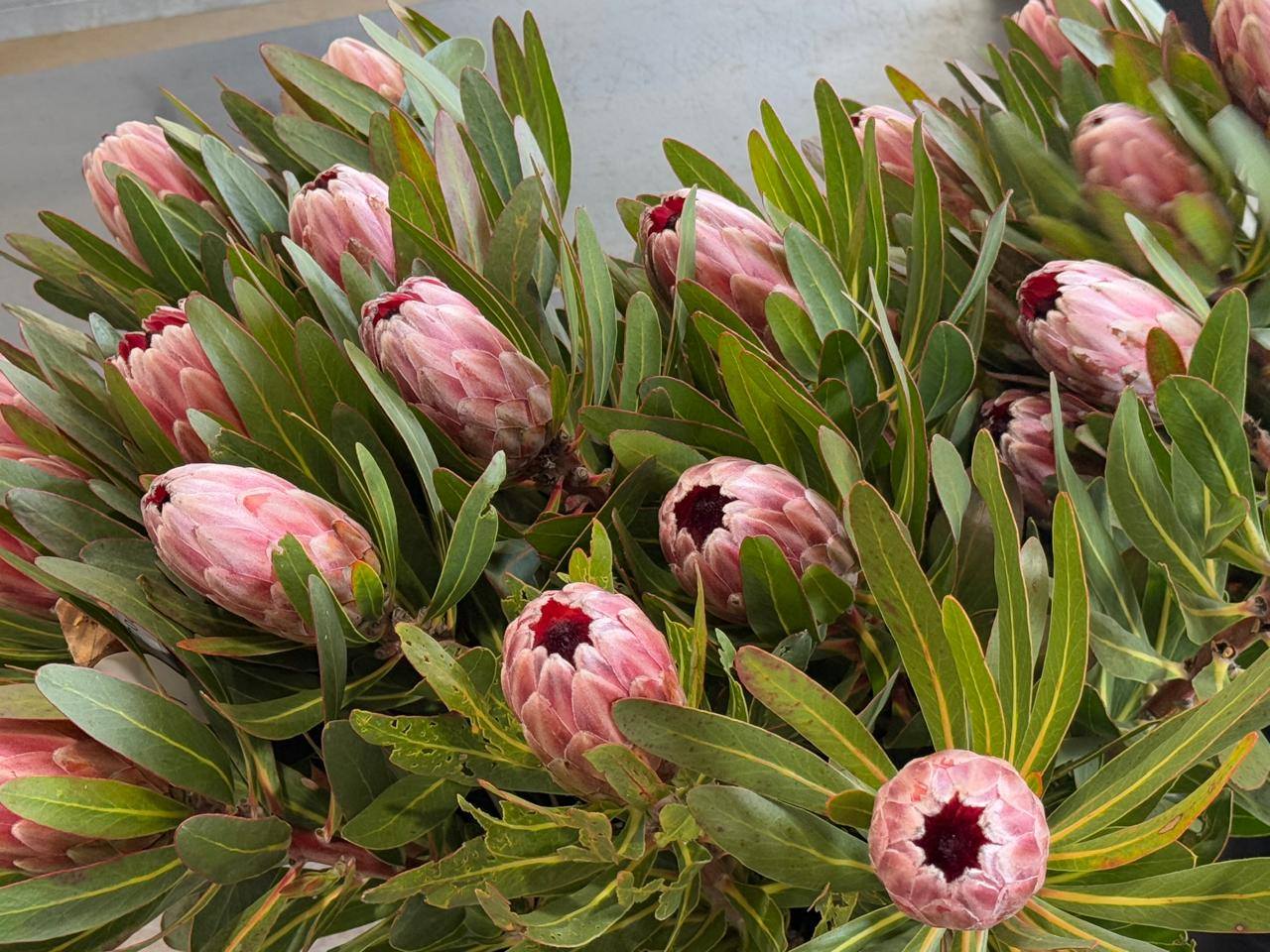

While the Western Cape has long been the face of South Africa’s floral kingdom, a new era of fynbos and protea farming is taking root across the country. In 2026, the sector has evolved from a niche botanical interest into a robust commercial export industry, providing a vital lifeline for farmers looking to diversify away from traditional high-input crops.
Zelpy Farm: A Success Story in Waboomskraal
In the mist-shrouded Waboomskraal valley near George, Zelpy Farm stands as a beacon of agricultural transformation. Under the leadership of Managing Director Beverley-Anne Joseph, the farm has masterfully bridged two distinct worlds: industrial hops production and high-value fynbos.
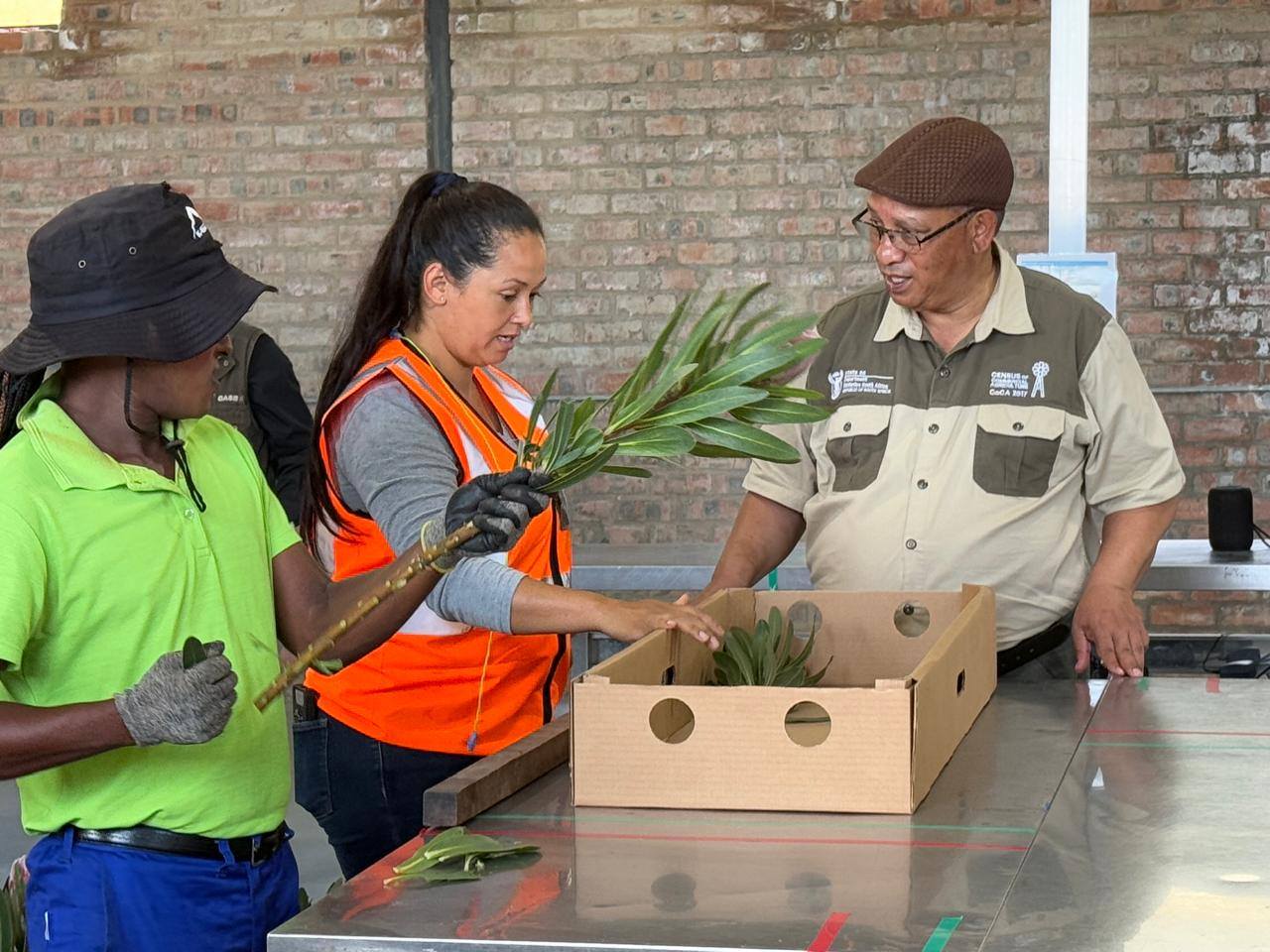
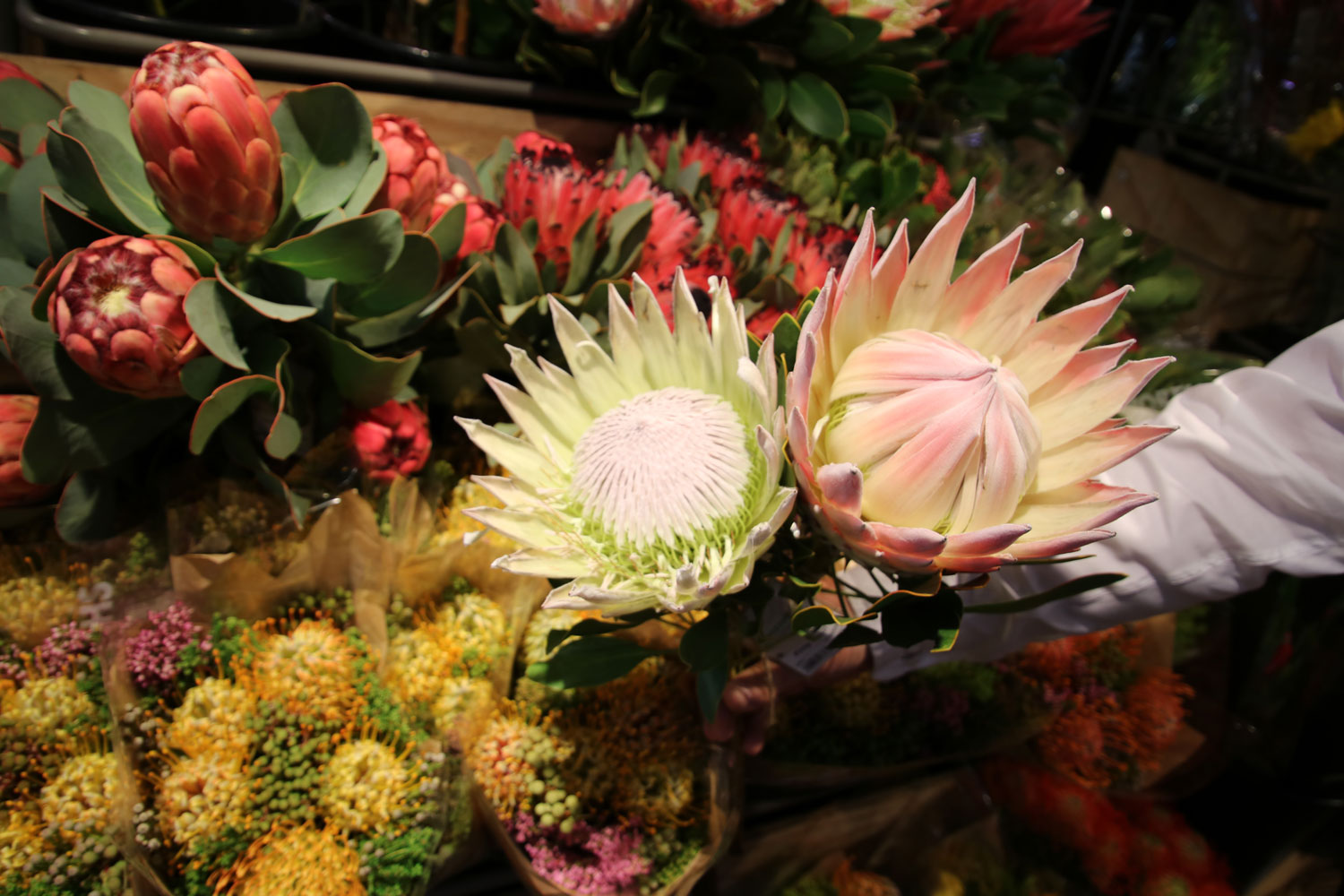
Zelpy’s success lies in its strategic asset management. By cultivating commercial proteas alongside hops, the farm has created a dual-income stream that hedges against the seasonal nature of the brewing industry. Their recent expansion into several hectares of King Proteas (Protea cynaroides) demonstrates a clear confidence in the long-term global demand for indigenous blooms.
The KZN Midlands: An Emerging Floral Frontier
Beyond the Cape, the KwaZulu-Natal Midlands has emerged as a critical production hub. Regions like Howick, Dargle, and Eston have seen a significant shift, with farmers converting former timber and sugarcane lands into commercial flower estates.
Oaklands Estate: A premier example of this shift, Oaklands specializes in growing proteas and Leucadendrons specifically for the local and international markets. Their operation emphasizes volume and quality, proving that KZN’s acidic “mist-belt” soils are ideal for high-end floral production.
Independent Commercial Growers: Dozens of smaller, independent growers in the Midlands are now contributing to a collective “floral corridor.” These farms have also tapped into Avitourism, as their protea fields attract the rare Gurney’s Sugarbird, drawing high-spending niche tourists and photographers to the region.
Gauteng: The Global Export Engine
While the flowers grow in the mountains, their journey to the world begins in Gauteng. As South Africa’s logistics heartland, Johannesburg serves as the primary hub for the floral trade.
The Multiflora Flower Market in City Deep remains the pulse of the domestic trade, but for international exports, proximity to OR Tambo International Airport is key. Specialized logistical companies in Gauteng ensure a strict cold chain—maintaining temperatures between 4°C and 10°C—as blooms are air-freighted to major markets in Europe, the Middle East, and Asia. In 2026, this “Farm-to-Flight” model is the engine driving the sector’s 8.6% annual growth, positioning South African farmers as world-class floral entrepreneurs.
By turning indigenous flora into a global commodity, these farmers are doing more than just growing flowers; they are cultivating a resilient rural economy that connects the quiet valleys of the Midlands and the Outeniqua to the bustling markets of the world.