15.3 C
Cape Town
Wednesday, June 24, 2026
Home Blog Page 99

SA Wine Heritage Celebrates Excellence and Diversity in Annual Campaign

0

South African Wine joined industry stakeholders on 21 November 2023 at the country’s oldest wine estate, Groot Constantia, to initiate a campaign celebrating the rich heritage of the South African wine industry. This sector employs approximately 269,000 individuals and supports nearly a million dependants, contributing over R55 billion to the gross domestic product (GDP).

The vision for the South African wine industry’s anniversary is to establish an annual, month-long celebration every February. This event aims to highlight the industry’s unique heritage, which dates back to February 2, 1659, making South Africa the only country in the world with a known exact start date for its wine industry.

SA Wine The campaign calls for participation from the entire wine industry, the tourism sector, both local and international partners, South African trade, and retailers. The goal is to drive global awareness of South African wine and celebrate the essence of an industry characterized by diversity, innovation, and leadership. This initiative also seeks to create ambassadors for South African wine through responsible consumption and to generate additional job opportunities.

Rico Basson, CEO of South African Wine, commented on the industry’s spirit, saying, ‘In the heart of South Africa, where vines create a tapestry of tradition and innovation, we celebrate the unique spirit of our nation’s wine industry – a legacy dating back to the 17th century. As we toast to this remarkable journey, we pay tribute not only to the vineyards, but also to the people who infuse life into every grape and the progress that drives us towards a future where excellence and diversity are intertwined.’

He further expressed anticipation for another birthday celebration of South African wine, emphasizing that ‘its people, products, and progress are a testament to the enduring beauty of our cultural heritage.’

Industry members, wine enthusiasts, and supporters are invited to participate in the February celebrations, utilizing free assets specially created for the occasion, including videos, maps, and artwork.

Gallop into Culinary Delight: Bit and Bridle at Mistico Equestrian Centre

0

Nestled between the picturesque towns of Durbanville and Paarl on the R312, lies an equestrian haven, the Mistico Equestrian Centre, home to the magnificent South African Lipizzaners. It’s here that you’ll discover the new restaurant – Bit and Bridle.

A Grand Entrance for SummerThe Restaurant opened its doors in September, just in time for summer. Mia and Andries Roux, the dynamic duo behind the restaurant, fuelled by an unwavering passion for farm life and the grace of horses, have created a haven of warm hospitality and a relaxed atmosphere – a place where you’ll feel right at home.

A Feast for All

Whether you prefer the cosy indoor or the beautiful outdoor setting, Bit and Bridle caters to every member of the family.
From eating out with friends and family, private functions to birthday parties, baby showers, kiddies’ parties, kitchen teas, weddings or year-end functions – this place has got you covered.
And for those seeking a productive workday, they offer Wi-Fi, making it a great spot for business meetings and remote work.

Bit & Bridle’s Menu

Bit and Bridle’s menu offers a wide range of options, from breakfast delights to light meals, platters, juicy burgers, and mouthwatering pizzas – they’ve got it all. We recommend trying the Camembert & Fig Burger and the smoked chicken wrap. And as for desserts – you’ll be spoilt for choice with options like Apple Crumble Tart, Cape Malva Pudding, or Salted Caramel Baked Cheesecake. Pair these delectable treats with a selection of wines, gourmet shakes, or indulge in a cup of coffee, crafted by the expert barista at the Coffee Bar.

Kid-Friendly Fun

At Bit and Bridle, friendly staff go the extra mile to ensure your visit is unforgettable. For families with little ones, there’s no shortage of entertainment. From ice-cream pairings to a dedicated kids’ menu and a jumping castle, the young ones will have a blast.

Unique Location

What makes Bit and Bridle truly special is its one-of-a-kind location. With the next Lipizzaner Classical Performances coming up on 5 November and the promise of more shows during December, Mistico Equestrian Centre transforms into a captivating wonderland of performances. The Restaurant offers the perfect spot to enjoy a delightful lunch or a cup of coffee, either before or after the dance of the white stallions.

Plan Your Visit

Bit and Bridle welcomes you from Wednesday to Sunday, between 09h00 and 17h00. So, whether you’re seeking a breakfast, a leisurely lunch, or a family-friendly afternoon meal, this restaurant is your gateway to equestrian elegance, sumptuous meals, and unforgettable memories.

For more information contact 082 9300 858
email [email protected]

Du Toit’s Innovative Approach from Orchard to Global Markets

0

At Du Toit’s advanced cherry packing facility, a marvel of modern agricultural technology, an impressive six tonnes of cherries are packed every hour. This facility, which began operations last year, has quickly become a cornerstone of the region’s agricultural talent. The facility’s efficiency was on full display on 1 November when Cherry Time™ opened its online orders to the delight of South African cherry aficionados.

Tanith Freeman, Du Toit’s horticulturalist and product development manager, expressed her amazement at the rapid transformation of cherry trees. “It remains a miracle each year,” she said, referring to the eight-week journey from blossoming trees to ripe cherries ready for picking. “This process, while fast, leaves little room for error, underscoring the meticulous care and precision required in modern horticulture.”

During the Cherry Time™ launch, Freeman shared her passion for cherries with guests, highlighting the dedication and care that goes into each tree. “Walking through the orchards is an absolute pleasure,” she remarked, emphasizing the team’s commitment to nurturing each cherry to its fullest potential.

Cherry Time™ isn’t just a local treasure. They’re highly anticipated in the UK and Europe, with shipments planned via both air and sea. This international demand speaks volumes about the quality of Du Toit’s produce.

This year’s winter, described by Freeman as the coldest in over a decade, played a crucial role in the cherries’ development. The colder weather, significantly chillier than the past twelve years, provided ideal conditions for the cherries, despite some challenges in springtime pollination due to inconsistent weather.

The success of Dutoit’s cherry crop is also a testament to their long-term collaboration with international breeders. This partnership has enabled them to select cherry varieties best suited for local conditions, particularly those that thrive without the long, cold winters traditionally required for cherry cultivation.

This innovation extends beyond genetics to farming practices. In Worcester, for example, Dutoit has developed techniques to grow cherries in warmer conditions, including unique irrigation strategies to simulate the freshness of rain, which is scarce in the summer.

As the season progresses, the cherry crop from Worcester will be complemented by harvests from the Warm Bokkeveld orchards and the higher altitude Koue Bokkeveld, showcasing the diverse climatic adaptability of Du Toit’s cherry varieties.

Dutoit’s state-of-the-art cherry packing facility and innovative agricultural practices not only highlight the advancements in modern horticulture, but also signify a promising future for cherry cultivation in South Africa and beyond.

Mooiberge – One of the Sweetest Summer Experiences

0

The Western Cape of South Africa is blessed with many treasures, and one of the sweetest experiences you can enjoy during summer is strawberry-picking. Picture yourself strolling through picturesque fruit fields with friends, filling baskets with the freshest, most delicious strawberries you’ve ever tasted.

Strawberry-picking season is a much-anticipated event, occurring annually between October and December. During this time, Stellenbosch emerges as the number one destination for strawberry enthusiasts. Among the strawberry farms in this region, the Mooiberge Strawberry Farm, also known as Wynland Boerdery, stands out as a true gem.

Mooiberge

Mooiberge offers visitors a typical countryside experience that is both visually charming and delectably tempting. As you approach the farm, the sight of lush, rolling fields brimming with the vibrant colours of ripe strawberries is enough to captivate your senses.

Mooiberge boasts a rich history of consistently producing some of the finest strawberry harvests in the country year after year. Their commitment to quality and dedication to the art of strawberry cultivation, shine through in every strawberry you pick.

One of the most distinctive features of Mooiberge is its army of brightly coloured metallic scarecrows. These whimsical creations are lining the entrance road and standing guard over the precious strawberry fields. Not only do they serve their intended purpose of keeping the birds at bay, but they also make for fantastic photo opportunities. These towering and eye-catching scarecrows have become an iconic symbol of the region, synonymous with the joy of strawberry-picking.

Aside from the strawberry fields themselves, Mooiberge is renowned for its unique farm stall offering strawberry-themed products and goodies and beyond strawberries, you can purchase a wide variety of dried fruits, nuts, honey, jams, and other delectable products. And, since you’re in the heart of Stellenbosch, you’ll also have the opportunity to purchase wine at greatly discounted prices.

Mooiberg is open Monday to Sunday from 8:30 AM to 6:00 PM, ensuring that you have plenty of time to enjoy this delightful experience.

Mooiberge

If you find yourself in the Western Cape during the summer months and want to embark on a delightful strawberry-picking adventure, you can easily locate Mooiberge on the R44, Stellenbosch.

Whether you’re a local looking for a fun day out with friends or a visitor seeking an authentic taste of the region, Mooiberge promises a truly unforgettable experience.

Come and savour the simple joys of summer – one juicy, sun-ripened strawberry at a time.

AVCO Foods launches Project White Gold – The first cassava value chain in SA

AVCO Foods, co-founded by Zin Mabaso and Markus Fröhlich, announces the launch of Project White Gold, a groundbreaking initiative that establishes a sustainable cassava industry in Northern KwaZulu-Natal, South Africa, the largest of its kind in Africa.

Leveraging their 25+ years in agroprocessing and 7+ years of combined experience in cassava operations across Africa, Mabaso and Fröhlich’s vision for this project is nothing short of extraordinary. Spearheading this local cassava value chain, they aim to cultivate up to 10,000 hectares of land and substitute up to 20,000 annual tons of imported starch.

According to Mabaso, AVCO Foods’ true passion, however, lies in economic and social transformation:

“Project White Gold brings economic and social transformation to the rural communities of Northern Kwa-Zulu Natal. By establishing cassava production on this land, the project will bring life to the community while growing the local economy by an estimated R900mio per year.”

What is Cassava?

Scientifically known as Manihot Esculenta, cassava goes by many names – Tapioca, Manioc, Yuca, Mandioca. It is a root crop similar to other starch-rich crops like potatoes. Thriving in subtropical climates, cassava stands out for its adaptability to climate change, high yield, and resilience to drought.

The Secrets of Cassava

Cassava is a sturdy, easy to grow, low input, and high starch tuber plant. On average cassava yields twice as much starch per hectare, in Africa, as maize. Cassava does not create dependency on seed companies; farmers utilise stem material from the previous harvest to plant their next crop.

AVCO Foods

Cassava is a gluten-free, GMO-free starch, offering a healthier alternative to wheat and corn. Tapioca starch is also said to be a source of resistant starch that supports gut-health and stabilises the blood sugar, giving long lasting satiety.

In the food and beverage industry, tapioca starch offers versatile applications in processed meats, bread, ice-cream, dairy-products, desserts, biscuits, noodles, pasta, snacks, and gluten-free flour mixes.

These qualities make cassava appealing to the fast growing category of eco-friendly health products, while its binding and texture improvement capabilities, make it a valuable ingredient in enhancing product quality and shelf life.

Additionally, the brewing industry can explore the potential of tapioca starch in crafting unique beers and alcoholic beverages that cater to evolving consumer preferences.

The paper industry is another sector that stands to gain from tapioca starch localisation. With an increasing focus on sustainability and environmental responsibility, the demand for eco-friendly alternatives to traditional material, is on the rise.

Transformation through Localisation

South Africa currently imports up to 20,000 tons of starch each year. By localising the farming and processing of cassava, Project White Gold will trigger large-scale social and economic transformation into Mkhanyakude, the second poorest district in KZN. The project will cultivate up to 10,000 hectares of land, applying regenerative agricultural principles. It will build a zero waste, autonomous, green- energy cassava processing factory, and an agripreneurial training centre will capacitate talented local subsistence farmers to become commercial farmers.

“We believe that, through local production and processing of cassava, South Africa can not only reduce its dependence on tapioca starch imports, but also become a formidable player on the global market,” says Fröhlich.

Mabaso adds: “This local cassava value chain will provide market access for subsistence farmers, employment opportunities for women and youth and training for agripreneurs. Through shareholding in the farming company, the project creates meaningful participation for the local community of Mkhanyakude.”

Greening Your Farm: Sustainable Practices for a Resilient Future

0

In today’s rapidly changing world, energy resilience has become a top priority for farmers. The volatile energy landscape, characterized by rising costs and inconsistent supply, poses significant challenges to agricultural operations. To address these challenges, farmers need to explore ways to use energy more efficiently, reduce costs, and implement renewable energy solutions. This guide aims to empower farmers with the knowledge and tools necessary to make informed decisions about energy resilience on their farms.

The Importance of Energy Resilience in Agriculture

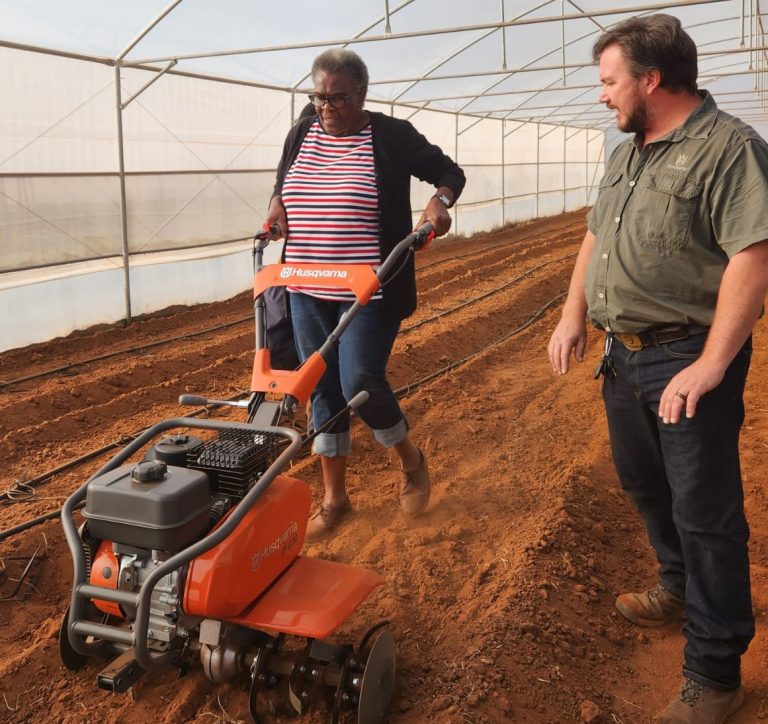
Energy plays a crucial role in agriculture, powering various operations such as irrigation, lighting, harvesting, and tilling. A consistent and affordable energy supply is essential for maintaining consistent production, which, in turn, ensures the quality and quantity of produce. However, South Africa’s energy sector has experienced significant volatility in recent years, with skyrocketing electricity and diesel prices and frequent load shedding. These challenges necessitate proactive measures to make agricultural production resilient to energy supply and price shocks.

Steps Towards Energy Resilience

This guide outlines a series of steps that farmers can follow to enhance energy resilience on their farms:

Conducting an Energy Audit: The first step in improving energy efficiency is to conduct an energy audit. This assessment helps farmers understand their farm’s energy needs and identifies opportunities to reduce energy usage while maintaining or increasing production. By applying the First Law of Thermodynamics (Conservation of Energy), farmers can track energy flows in and out of their facilities.

Behavioural Changes: Implementing behavioural changes can significantly reduce electricity usage and generate savings. For example, farmers on time-of-use tariffs can save money by shifting energy-intensive activities to off-peak hours.

Energy Efficiency: Farmers should consider purchasing energy at the lowest possible price, managing energy use for peak efficiency, and utilizing the most appropriate technology for their specific needs.

Alternative Renewable Energy Technologies: Exploring renewable energy options such as solar PV, wind power, hydroelectricity, and battery storage can help reduce reliance on non-renewable energy sources. Each technology has its own financial considerations and benefits.

Monitoring and Evaluation: Continuously monitoring energy usage and evaluating the effectiveness of energy-saving measures is crucial. Behavioural changes among farm workers are equally important to fully realize the benefits of energy efficiency.

Farmers looking to implement energy-resilient solutions should consider collaborating with reputable service providers. For energy audits, the National Cleaner Production Centre (NCPC) and Eskom’s Energy Advisory Service offer valuable assistance, including assessments, recommendations, and information on government incentives.

When exploring renewable energy technologies like solar PV or wind power, it’s essential to work with certified and experienced installers.

Becoming energy-resilient is crucial for farmers to navigate the challenges posed by the unpredictable energy landscape. This decision-making guide equips farmers with the knowledge and resources to conduct energy audits, implement energy-efficient practices, explore renewable energy technologies, and monitor their progress. By following these steps and making informed choices, farmers can not only reduce energy costs but also increase productivity, reduce environmental impact, and ensure the sustainability of their agricultural operations in the face of energy supply and price fluctuations.

Information: GreenCape

Table Grape Symposium to Unite Leaders and Innovators in Somerset West

The 10th International Table Grape Symposium taking place in Cape Town this November will bring together global industry leaders to discuss the latest scientific research and commercial factors impacting the global table grape industry.

South Africa is ready to welcome delegates from around the world to this prestigious event that promises to deliver cutting-edge research and innovative solutions for the global table grape industry. This year, for the first time, panel discussions with a commercial focus have been added to the symposium programme in response to the increasingly dynamic factors impacting the sector.

Prof. David Hughes will be the keynote speaker and deliver the opening address. Dubbed ‘Doctor Food’, Hughes is highly regarded around the globe as an authority on fresh produce consumer and retail trends. His presentation will focus on the impacts of recent global events on consumers’ buying patterns and why there is still room in the market for premium products.

“Income-stretched consumers have changed their shopping behaviours and in many markets fruit and vegetable sales are under pressure. Yet, there is ample evidence of continued strong demand for premium produce,” he says.

The programme also features informative sessions with other world-renowned scientists and researchers, including Prof. Gerhard Pietersen, Senior Researcher at PathoSolutions, Dr Carlos Poblete-Echeverria, Scientific Researcher at Universidad de La Rioja Spain and Dr Juan Pablo Zoffoli, Research Director at Universidad Católica Chile. Access the complete list of keynote speakers here.

Over the course of four days delegates can look forward to presentations across five key themes, among them Postharvest Physiology, Maintenance of Grape Quality and Environmental Sustainability. They promise to deliver cutting-edge science, and innovative approaches to factors impacting the global sector.

Commercially focused panel discussions will take place on three of the four days, covering topics aligned with global industry themes. Discussions will focus on prompting pro-active approaches to some of the challenges the table grape industry faces.

Panel one will focus on the global table grape landscape and discuss constraints faced by the leading table grape supply countries. Chaired by Oscar Salgado, global table grape expert at Ingenuity-Tech, Fruits & Partners and Proteku.

Panel two will explore the interplay between marketing and global import decisions. Chaired by Rupert Maude, global table grape consultant based in Spain.

Panel three will explore the global logistics landscape and the disruptions that impacted the industry in recent years. Discussions will focus on mitigating strategies applicable to producers, commercial players and governments – such as privatising port operations, stimulating competition and using data to inform decisions. Chaired by AJ Griesel, SATI CEO.

The programme includes a field tour and optional post-symposium tour to a table grape growing region during harvest time.

“This event promises to be exciting and present discussions that will be relevant to table grape growers around the world. We have been overwhelmed with a positive response – from both sponsors and delegates – and look forward to hosting the global table grape community in South Africa,” says Schalk Reynolds, chairperson of the 10 ITGS Local Organising Committee.

The 10th International Table Grape Symposium will be jointly hosted by the South African Society for Enology and Viticulture (SASEV) and the South African Table Grape Industry (SATI), in the country’s Western Cape region from 26 November to 1 December at the Lord Charles Hotel, in Somerset West.

Clarity regarding permit requirements for EU & UK EPA TQR

0

The Department of Agriculture, Land Reform and Rural Development published two gazettes outlining the procedure for exports from SACU and Mozambique to the EU and the UK, respectively, to take advantage of preferential Tariff Rate Quotas for certain agricultural and agro-processed products contained in an annexure to the agreement.

Some articles were published in the media recently in relation to export-quotas and BBBEE which are factually incorrect and misleading. The permitting system is administered by DALRRD who publish the procedural requirements on an annual basis. Amongst the requirements, an applicant must comply with any sanitary and phytosanitary requirements, rules of origin and a number of other factors contained in the bilateral agreements. The allocation of these quota takes into account the market share of the applicants, the quota applied for, the total available quota, the number of applicants and the BBBEE status of the applicant. These requirements are not new, and mirror the previous years’ requirements.

A few important factors must be borne in mind to contextualize the requirements:

1. These requirements are not new and mirror the previous years’ requirements. It is therefore not a new requirement.

2. There is no threshold or level that an applicant must reach to be awarded a permit – The BBBEE status of the applicant is but one factor that must be considered in conjunction with all other factors; Under the AgriBEE Sector Code, entities with a turnover of less than R10 million are Exempted Micro Enterprises and are deemed level 4. They merely need an affidavit to this effect and not a verified certificate.

3. The scope of the notices and Gazettes do not apply to all exports, but merely to those products contained in Table 1 (part of the notices in the Gazettes – this excludes fresh fruit but still applies to several of our key exports) exported to the EU or UK under the preferential Tariff Rate Quota; The impact and effectiveness of these vital trade agreements are currently being reviewed with an eye to extending and improving upon them. Given the sensitive nature of the discussions, it is vital that public comments are made from a factual and contextualized point of view. Factually incorrect or sensationalist media articles may harm the sector’s prospects as these agreements are reviewed. We therefore urge all parties to refrain from such reporting devoid of the correct facts and context.

Article: Theo Boshoff, Agricultural Business Chamber

United Exports Anticipates a Promising Stone Fruit Season Ahead

0

After a month of the new stone fruit season, United Exports looks ahead to a positive season with good yields, despite recent inclement weather in the Western Cape.

United Exports was fortunate to have had no flood damage on any of their grower’s farms, and the proprietary genetics grown under licence from United Exports meant they were able to start production of peaches very early in the north and, in some instances, be first to market.

United Exports executive chairman and founder, Roger Horak, comments: “While these low-chill genetics developed by OZ Peach and Burchell’s, were innovations focused on being able to produce peaches and nectarines in a wider range of production areas with less chill units, they are well placed to be less impacted by the warmer and uncertain weather patterns we are seeing globally brought about by climate change.”

United Exports began exporting their first peaches from the northern part of South Africa – Limpopo – in weeks 38 and 39.

In the Western Cape, the stone fruit season started in week 41 amid challenging weather, which affected the Brix levels that week. But as of week 42, United Exports was able to meet client expectations and export good quality fruit. The demand for peaches and nectarines in the United Kingdom is very high; United Exports’ focus lies here at present, and they supply most retailers.

The season ahead

Peach yields are expected to be similar to last season, and the company anticipates an increase in nectarine yields with new orchards coming into production.

Plum crops (starting in weeks 45 and 46) are expected to be similar to last season. A yield increase, thanks to new orchards, will offset the impact of continuous heavy rain during flowering and pollination.

The apricot crop is expected to be slightly lower than last year, primarily due to the effect of the adverse weather.

Continuous improvement in packaging

A plastic packaging tax has been introduced in the United Kingdom for packaging not adhering to the required specifications set by the United Kingdom regulators; this aligns with United Exports’ aim to minimise plastic as far as possible.

The company is working on innovative solutions and continuous improvements to maintain fruit quality while saving costs.

Operational Challenges Hamper Port of Cape Town

0

Premier Winde recently met with stakeholders from the citrus fruit industry in Ceres, alongside provincial Minister of Finance and Economic Opportunities, Mireille Wenger. Their discussions brought to light significant concerns regarding ongoing inefficiencies at the Port of Cape Town (PoCT), a critical gateway for exporting 42% of the region’s produce, valued at over R17 billion. These inefficiencies pose a considerable hurdle to industry growth and the regional economy.

Key issues plaguing the PoCT include inadequate infrastructure investment, poor maintenance, and a loss of specialized skills. Premier Winde emphasized the need for Transnet, the port’s operator, to address these issues promptly, recognizing the potential to boost exports and job creation.

In addition to this meeting, Premier Winde and Minister Wenger engaged with representatives from the Citrus Growers Association (CGA), Wesgro, and a United States delegation attending the African Growth and Opportunity Act (AGOA) summit. They advocated for South Africa’s continued inclusion in AGOA, highlighting the significant benefits it brings to the Western Cape’s agriculture sector. The industry currently employs over 68,300 people nationally, with the USA consistently ranking as one of the top export markets for the Western Cape.

The Premier stressed the need to protect frontline services such as healthcare and education while addressing budget constraints, emphasizing the importance of policy changes and infrastructure investments for economic growth.

Urgent Calls for Private Sector Participation at the Port of Cape Town

Minister Wenger provided an economic update highlighting several crucial developments:

The Port of Cape Town’s container terminal is grappling with persistent challenges, operating well below its intended capacity due to ongoing equipment breakdowns. Meanwhile, the Western Cape celebrated its achievements in the World Tourism Awards, where Cape Town International Airport was honoured as Africa’s premier airport, along with other notable accolades. While there has been a marginal improvement in Eskom’s electricity generation, the broader energy situation in the country continues to be a cause for concern, underscoring the need for sustainable solution

Minister Wenger expressed concern about the Port of Cape Town’s deteriorating condition, specifically citing issues with Rubber-Tyred Gantries, vital for container handling. These persistent equipment breakdowns hinder the port’s ability to handle increasing volumes of goods efficiently.

During the first half of October 2023, concerning statistics revealed that the Port of Cape Town faced significant operational challenges, as vessel waiting times extended to an average of 4.9 days, well above the target of 1 day, and vessel turnaround times stretched to an average of 10 days, surpassing the target of 4 days. Additionally, container movements were significantly below expectations, with only 9,197 TEUs compared to the target of 20,000, and truck turnaround times averaged 77 minutes instead of the desired 35 minutes. Furthermore, night shift utilization remained low at 13.5%, falling short of the 20% target, underscoring the urgent need for improvements in the port’s efficiency and operations.

Minister Wenger emphasized the urgent need for private sector participation at the Port of Cape Town, similar to ongoing efforts at other ports in South Africa. Increasing Western Cape exports by 10% is projected to boost GDP by about 1%, but this can only be achieved with an efficiently operating port, adequate infrastructure investment, and private sector involvement.