16.3 C
Cape Town
Friday, June 26, 2026
Home Blog Page 76

Western Cape Welcomes Resumption of Thoroughbred Horse Exports to EU

0

Western Cape Minister of Agriculture, Dr Ivan Meyer, has welcomed the news that the export of thoroughbred horses from South Africa to the EU has resumed after a 14-year absence.

Minister Meyer’s comment comes following the departure of a consignment of 32 horses to the European Union (EU) on Saturday, 17 August 2024.

Minister Meyer said, “This is fantastic news and a boost to our breakout economic vision to triple the value of Western Cape exports of goods and services (inclusive tourism) to R450 billion as we work towards creating a trillion-rand Western Cape Economy by 2035.”

“This was the first direct export of horses to the European Union (EU) since December 2010. It was the result of many years of hard work through a public-private partnership between the Western Cape Department of Agriculture, Veterinary Services, the Department of Land Reform and Rural Development, SA Equine Health and Protocols (SAEHP), and the various sectors of the equine industry”, added Minister Meyer.

Minister Meyer continues, “The Western Cape Government believes in partnerships and collaboration. We are therefore appreciative of the significant role played by our partners in completing this project successfully. I am also excited that further exports are planned for as early as mid-September, which signals a resounding vote of confidence in the work being done by the public-private partnership.”

The SAEHP highlighted that since December 2010, when the EU no longer allowed the direct export of horses, horses destined for the EU have had to be exported via Mauritius.

South Africa’s internationally acclaimed racehorse trainer Mike de Kock commented, “Having competed with South African runners in countries around the world, including the United States, the UK, Dubai and Hong Kong, I can tell you that our global participation in racing has a significant impact on our local industry and its thousands of employees. The first direct shipment to the EU in 14 years has been completed, a pertinent and potentially beneficial turning point for horseracing and breeding in our country. It’s a game changer.”

Leading bloodstock consultant Jehan Malherbe of Form Bloodstock said, “That we’re able to export again is a welcome development I hope will open doors around the world. The price in South Africa is right, and the costs are relatively low. You can buy yearlings here and start them here. They can be shipped out to overseas buyers. The costs of failure for potential investors are much less.”

According to the Western Cape Department of Agriculture’s senior state veterinarian, Dr Vivian Malan, the EU added South Africa to the list of countries approved to export horses in May 2024 after an audit team visited South Africa in October 2022.

Dr  Malan commented, “The rigorous control measures in place to control the movement from the  African Horse sickness-infected area into the control area in the Western Cape was the main reason for allowing the export of horses again.”

Dr Malan continues, “Before horses can be exported, they must be quarantined at an approved quarantine facility. State veterinarians attached to the WCDOA’s Boland Veterinary Office oversee the quarantine, monitor the horses’ health during the quarantine, and certify the horses for export before departure.”

Minister Meyer said that the direct export of horses to the EU results in a significant increase in sales of horses in the Thoroughbred and Endurance horse industry, which will significantly boost the local economy and create jobs locally and in other provinces.

“An estimated 177 000 people are supported by employment in the thoroughbred horse racing and breeding industry alone, with many more jobs in the rural areas provided by other sectors of the equine industry. The ability to export horses to the EU will protect these jobs,” concluded Minister Meyer.


TE Tours: Sri Lanka… the travel secret of those in the know!

0

Formerly Ceylon and once the mystical Serendip (hence ‘serendipity’), Sri Lanka, with its eight World Heritage Sites, is rich in natural beauty and man-made wonders: pristine rainforests, tropical spice plantations, and picturesque tea plantations in the cool highlands. The rich Buddhist culture is evident in the friendly Sinhalese people and the impressive colourful Dambulla Rock Temples. The country boasts a glorious historical legacy, such as Polonnaruwa, the ancient capital, but the highlight is Sigiriya – the impregnable and mystical rock fortress.

Sigiriya, also known as Lion Rock, towers almost 200 meters above the surrounding forest and has been inhabited since the third century. Surrounding the massive rock are shady gardens and symmetrical water channels based on a complex (and still functioning) hydraulic system. Even if the many stairs to the top deter you, there is plenty to rejuvenate your soul.

Halfway up the rock is a series of ancient rock paintings of sensuous female figures. The origin of these magnificent artworks is unknown, but the Hindu influence from India is clear. Further past the so-called Mirror Wall, up to the giant carved lion paws, with steps winding against the rock face, and you’re at the top. Besides the ruins of the former palace, even with swimming pools carved out of rock, it is the breathtaking view over the surrounding green forest that will leave you gasping for breath.

Combine the marvel that is Sri Lanka with stunning South India – rock hewn temples of Mahabalipuram, the impressive Meenakshi temple of Madurai to the beautiful tranquil backwaters of Kerala – and you have an awe-inspiring epic journey that will enchant and enrich and probably end up at the top of your favourite travel memories.

This boutique small group tour departs in February 2025.

For more information contact TE Tours at Club Travel Tygervalley
021 914 2265 or [email protected]
www.smallgrouptours.co.za

Discover Western Cape’s Natural Wonders with Free Access During National Parks Week 2024

0

National Parks Week 2024 promises to be a celebration of South Africa’s natural beauty, offering free access to most of the country’s 21 national parks. Kicking off with a special event at Marakele National Park on 8 September 2024, the 19th annual SA National Parks Week runs from 9 to 13 September, with extended access on 14 and 15 September at selected parks.

This initiative, which began in 2006, aims to foster pride in South Africa’s natural, cultural, and historical heritage. By granting free day visits, SANParks hopes to educate and raise awareness about conservation and sustainable development, engaging communities, businesses, scientists, and tourists in the process.

In the Western Cape, several parks will participate in National Parks Week, offering free day visits. These include:

  • Agulhas National Park: The southernmost tip of Africa, where the Atlantic and Indian Oceans meet.
  • Bontebok National Park: Known for its rich biodiversity and the conservation of the bontebok.
  • Garden Route National Park: A diverse area including the Tsitsikamma, Knysna, and Wilderness sections.
  • Karoo National Park: Offering a glimpse into the vast semi-desert region of the Karoo.
  • Namaqua National Park: Famous for its spring wildflower displays.
  • Table Mountain National Park: A global icon and part of the Cape Floristic Region, a UNESCO World Heritage Site.
  • Tankwa Karoo National Park: A stark and beautiful landscape offering unique flora and fauna.
  • West Coast National Park: Featuring stunning coastal scenery and the renowned Langebaan Lagoon.

Please note that free access does not extend to accommodation or other tourist activities. Visitors are encouraged to check the specific dates for free access at each park, as these may vary. National Parks Week is a fantastic opportunity to explore South Africa’s natural heritage without cost, while contributing to a greater understanding and appreciation of conservation efforts.

R14.98 Million Allocated to Safeguard Citrusdal Agriculture Against Future Floods

0

On Saturday, 17 August 2024, Dr Ivan Meyer, the Western Cape Minister of Agriculture, Economic Development and Tourism, handed over R14.98 m to the Citrusdal Water Users Association.

Dr Ruben Richards, Executive Mayor of Citrusdal, and Mr Boffie Strydom, Executive Mayor of the West Coast District Municipality, accompanied Minister Meyer. Both expressed their gratitude to the Western Cape Government (WCG) for responding to farmers’ plight following severe flood damage to agriculture in the area.

The funds will mitigate future flood damage to the Upper Oliphants River catchment area.

Minister Meyer said the 2023 and 2024 floods significantly affected farmland’s ecological infrastructure.

Minister Meyer said, “The flood resulted in the agricultural sector requiring significant repairs, including removing debris and sediment build-up over approximately 60 kilometres along the main stem of the Olifants River and its associated tributary.”

“We must protect the water security of the region, particularly the agricultural industries and livelihoods that depend on it,” added the Minister.

Western Cape Government Head of Agriculture, Dr Mogale Sebopetsa, highlighted that partnership and collaboration with the citrus farmers, businesses, municipalities and water user associations is crucial to dealing with more frequent extreme weather patterns due to climate change.

Dr Sebopetsa said, “Our focus is also to care for the environment and the local communities affected by the recent floods,” adding, “The funding is in line with the value of responsiveness of the Western Cape Government.”

Thanking the Western Cape Department of Agriculture, Stefan Theron of the Citrusdal Waters Users Association said that they “ have been through a rough time over the last couple of months,” adding that it is “significant to note the impact the floods and the damage to the roads have on people’s lives and their access to food and cash.”

“The R14.98 million donation will enable us to reinstate drainage along the river, remove sediment and debris islands that can block or divert river flow and reinstate access along the river where roads, cultivated fields, orchards, and infrastructure have washed away.”

Minister Meyer said, “While we need a permanent solution to the road infrastructure at the entrance/exit to Citrusdal, it is also essential that, as the agricultural sector, we adapt to climate change to repair our agricultural infrastructure in a way that is resilient and able to withstand more unpredictable weather.”

Green Horizons 2024 Shaping the Future of Agriculture with Innovation and Sustainability

AgriSA has announced the Green Horizons 2024 Agricultural Congress, scheduled for 9-10 October 2024 at the V&A Waterfront, a pivotal gathering focusing on sustainable agriculture and innovative strategies for the sector’s future. Under the theme “Green Horizons: Cultivating Success, Harvesting Futures,” the event will feature comprehensive discussions on sustainability, technology, and collaboration across the agricultural industry.

The congress will commence on 9 October with AgriSA’s annual general meeting, setting the stage for the discussions and interactions that will follow. Johann Kotzé, CEO of AgriSA, emphasized the congress’ commitment to nurturing growth and innovation within the industry. The event will continue on 10 October with a new format designed to enhance interaction among participants. Five critical topics will be explored across nearby venues at the V&A Waterfront, ensuring easy access for all attendees.

Discussion sessions will address securing food value chains, implementing ESG practices, adopting precision agriculture technologies, embracing regenerative practices to restore nature, and building resilience against climate change. Experts will elaborate on each topic in three separate sessions, inviting deeper engagement and exchange of ideas.

Additionally, the congress promises ample networking opportunities, with venues designed to facilitate meaningful connections among industry leaders, innovators, and stakeholders. The event will culminate in a grand gala dinner on the evening of 10 October, celebrating AgriSA’s 120-year journey and honouring companies that have also reached significant milestones.

This congress is set to be a landmark event for those involved in South Africa’s agricultural sector, providing a platform to inspire and empower attendees by focusing on future challenges and opportunities for sustainable growth.

SA Wine 2024 Research Book Highlights Innovation and Sustainability

0

South Africa Wine proudly announces the release of its 2024 research book, a comprehensive publication detailing innovative strategies and initiatives dedicated to the South African wine industry’s economic viability and market growth.

This book highlights the South Africa Wine Research, Development, and Innovation (RDI) strategy, which funds academic research on vineyard management, pest and disease control, grape and wine quality improvement, climate change adaptation, water efficiency, soil health, and sustainable production practices. By collaborating with industry stakeholders, including wine producers, winemakers, researchers, and academic institutions, the RDI strategy aims to facilitate sustainable grape and wine production, delivering quality wines that can be marketed profitably.

Key strategic objectives include flagship programmes, generating relevant scientific knowledge, fostering innovation and research business ventures, developing a South African wine blockchain ecosystem, creating a holistic sustainability strategy (ESG Roadmap), and promoting knowledge transfer and international partnerships.

The flagship programmes detailed in the book address climate change, water efficiency, plant breeding, and wine authenticity, pushing the boundaries of knowledge and innovation.

The research book compiles summaries of research projects concluded by the end of 2023 and those currently underway in 2024. Organised by specialised committees, the book aims to create awareness of the initiatives funded by South Africa Wine and acknowledge the dedication of the researchers. This collection hopes to inspire continued collaboration, innovation, and progress within the South African wine industry, ensuring a sustainable and prosperous future for all stakeholders.

For more information visit https://user-hpa96tt.cld.bz/South-Africa-Wine-Research-Projects

Minister Meyer Focuses on Cape Town Port to Propel Economic Growth

0

On Monday, 12 August 2024, Dr Ivan Meyer, the Western Cape Minister of Agriculture, Economic Development and Tourism, met with Transnet’s Port of Cape Town management.

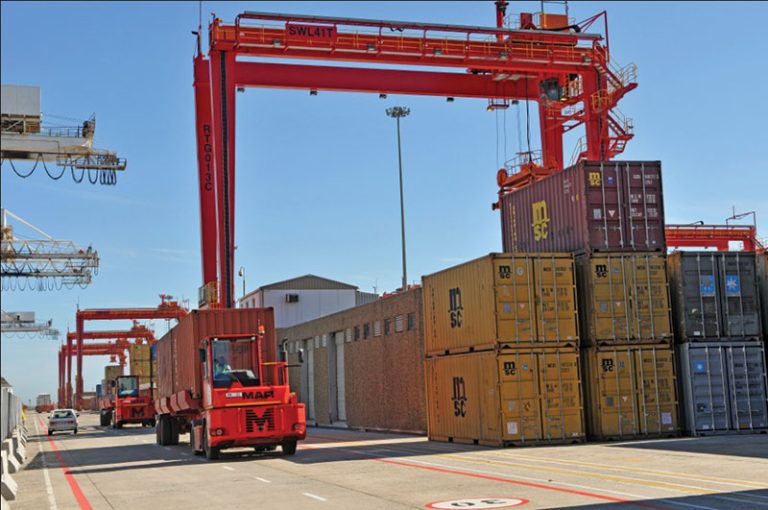
At the meeting, Minister Meyer emphasised the Port of Cape Town’s (PoCT) importance as the Western Cape’s paramount export hub, underscoring its pivotal role in the province’s ambitious plans to achieve breakout economic growth to combat poverty and create jobs.

Minister Meyer said, “The Western Cape Government’s (WCG) Growth for Job strategy aims to create a R1 trillion economy by 2035. To achieve this, we must triple Western Cape exports to reach R450 billion and increase private sector investment to 20% of the province’s GDP. We must have a fully operational harbour to drive economic growth, boost exports, and attract private sector investment.”

During the visit, Port management, including Transnet Port Terminals (TPT) and Transnet National Ports Authority (TNPA), also briefed Minister Meyer on initiatives to improve operational efficiencies.

“As the Cape Town container and multi-purpose terminals, we remain committed to contributing towards the growth of the South African economy. Since January, we have hit a few milestones that align with our improvement of efficiencies. Our equipment replacement plan is tracking well, with 47 new hauliers recently delivered, four reach stackers, and a leased empty container handler as additional equipment received. Our people and systems are equally important in ensuring our terminals are fluid and operate seamlessly. Since April, we have recruited 32 haulier drivers, and our effective utilisation of the Navis system further helps us optimise operations. Furthermore, we have recruited additional diesel mechanics, millwrights and electricians to capacitate our Engineering team further,” said TPT’s Western Cape Managing Executive, Oscar Borchards.

Responding to the PoCT’s  plan, Minister Meyer said, “I am optimistic that the PoCT’s  8-point improvement plan places a viable strategy on the table to improve their operations including crisis management, enhance information sharing and port operations visibility, combat adverse weather conditions, upgrade terminal equipment and port infrastructure, and improve truck operations.”

“Optimising marine services, focusing on the people, and elevating the port as a delivery platform will result in more efficient and effective operations at the PoCT”, continued the Minister.

The Minister added that it is also heartening to note that the partnership between the WCG, the Council for Scientific and Industrial Research, the private sector, the fruit industry, and the PoCT is paying dividends.

Rajesh Dana, TNPA’s Western Cape Managing Executive, highlighted, “We are undertaking several strategic projects at the PoCT to enhance its operational capacity and efficiency. These include the expansion of the Cape Town Container Terminal – Phase 2B, the Truck Staging Project, and the development of the Back of Port Logistics Park at Culemborg.”

“Additionally, our efforts are to implement the TNPA Recovery plan, which is focused on improving information sharing and port operations visibility, enhancing truck operations, and optimising marine services. We aim to refine these operational aspects and position the port as a premier delivery platform, emphasising our people and their contributions.”

“The WCG will continue to partner with the PoCT and stakeholders to increase the number of active exporters and unlock new export opportunities as we work towards breakout economic growth to create more jobs”, concluded Minister Meyer.

South African Bioplastics Gain Competitive Edge in Global Agriculture Market through AGOA

South African bioplastics, bolstered by the African Growth and Opportunity Act (AGOA), are poised to revolutionise the agricultural sector by providing eco-friendly alternatives to traditional plastics. Andrew Pollock, entrepreneur and founder of The Compostable Company, believes that South Africa is perfectly positioned to capture this market, especially considering the vast amounts of plastic currently used in farming, such as clips, sheeting, twine, and rope.

Innovations in Biodegradable Agricultural Products

In 2019, The Compostable Company began importing Italian bioplastic resins from the Mater-Bi range, developed by Novamont, an Italian bioplastics leader. These plant-based resins were used to create the world’s first biodegradable agriclip, as well as mulch films and agritape, which were successfully trialled on Alexanderfontein wine farm in the Darling district. Over five years, the farm transitioned to plastic-free vineyards, showcasing the potential of bioplastics in sustainable farming.

The company has since expanded its offerings, including a new agritwine created in partnership with SICOR and Novamont Bayer in Portugal, which will be trialled in South Africa and Zimbabwe. These innovations underline the potential for South African bioplastics to meet global demand for sustainable agricultural solutions.

AGOA: A Game-Changer for South African Bioplastics

AGOA provides a significant competitive advantage for South African bioplastics. This US trade agreement offers preferential access to the American market, allowing African manufacturers to land their products at a cost advantage that no other First World country enjoys. Pollock sees this as a unique opportunity to establish a bioplastics manufacturing hub in the Western Cape, supplying the US with biodegradable agricultural products.

The alignment between AGOA and the California Office of Environmental Farming & Innovation (OEFI) further strengthens this potential. OEFI agrees that reducing plastic use in agriculture would benefit the environment, and Pollock plans to showcase South African-made bioplastics to US stakeholders in California, making a compelling case for sustainable alternatives to Chinese plastic imports.

Future Prospects and Economic Impact

Pollock is optimistic about South Africa’s continued inclusion in AGOA, despite recent diplomatic tensions with the US. He is confident that the newly formed government of national unity will secure the extension of AGOA, recognising the mutual benefits it offers. From an agricultural perspective, AGOA’s continuation would be transformative, enabling local factories to upscale and creating downstream opportunities in the Western Cape.

World Bank Endorsement and Global Opportunities

The World Bank has also identified the potential for South African exporters to benefit from producing carbon-competitive goods. The increasing environmental regulations in Europe, particularly around plastic packaging, make it imperative for South African exporters to explore non-plastic alternatives. Bioplastics, which are deemed environmentally friendly, offer a viable solution to meet these stringent requirements and open up new trading opportunities.

A Personal Commitment to Sustainability

Pollock’s personal commitment to reducing plastic pollution, sparked by finding microplastics in his borehole water, has driven his involvement in this field. His company’s latest venture, a compostable golf tee prototype, has already attracted interest from international markets, further highlighting the global relevance of South African bioplastics.

Positioning South Africa as a Leader in Bioplastics

In conclusion, South Africa’s bioplastics sector, supported by AGOA, presents a unique opportunity to lead the global shift towards sustainable agricultural practices. By embracing these innovations, South Africa can position itself as a key player in the global market for environmentally friendly agricultural products, benefiting both the local economy and the environment.

South Africa Turns to Brazil for Maize Imports Amid Local Shortage

0

In a significant move to ensure food security, the South African government has approved the import of yellow maize from Brazil, a decision driven by shrinking local production and rising prices. The National Agricultural Marketing Council (NAMC) had earlier estimated the need to import around 383,000 tonnes of yellow maize – a crucial component in animal feed – due to lower rainfall affecting the country’s maize-producing regions.

Brazil has recently emerged as the world’s leading corn exporter, surpassing the United States, according to data from the United States Department of Agriculture (USDA). This shift in global trade dynamics comes at a critical time for South Africa, where it has become more economical to source yellow maize from South America rather than domestically in certain coastal areas.

Cost-Effective Solution for Coastal Regions

While the price increases in yellow maize have stabilized since a sharp 19% rise earlier this year, it remains R275-R300 per tonne cheaper for animal feed manufacturers in the Western Cape, Eastern Cape, and possibly parts of KwaZulu-Natal to import yellow maize from Brazil. By early August, South Africa had already imported 168,000 tonnes of maize, according to the South African Cereals and Oilseeds Trade Association (Sacota).

The importation of maize is not straightforward, as South Africa’s stringent GMO regulations require that the list of approved cultivars in the exporting country aligns with the local lists maintained by the Department of Agriculture. Despite the complexity of synchronizing these lists, the Department of Agriculture, Land Reform, and Rural Development has confirmed that Brazilian maize imports are now permitted.

This move is crucial not only for stabilizing prices, but also for maintaining food security. With Argentina experiencing a harbor export strike, having Brazil as an alternative supplier ensures that South Africa can continue to access essential food commodities at competitive prices. As global maize prices may decrease in the coming weeks, the decision to import from Brazil could prove even more beneficial, helping to curb rising local costs and secure the nation’s food supply.

Chelsea Flower Show’s Award-Winning Display Coming to Stanford

0

South Africa’s triumph at the Chelsea Flower Show 2024, where the nation’s vibrant display of proteas and fynbos won three prestigious awards, has inspired a homecoming of this floral masterpiece to the village of Stanford. From 21 September to 6 October 2024, the breathtaking exhibit, designed by renowned floral artist Leon Kluge, will be recreated in all its glory for local South Africans to experience.

The original display, which captured the Gold Medal, Best in Pavilion, and Best New Design awards, was a testament to the beauty and uniqueness of Cape fynbos. Its success not only showcased South Africa’s botanical treasures but also lifted the spirits of a nation, akin to the pride felt during a World Cup victory.

Now, Grootbos Private Nature Reserve, a key sponsor of the exhibit, and Leon Kluge are bringing this floral celebration back to South Africa. The recreated garden will be a full-sized replica of the award-winning design from the Chelsea Pavilion, offering a rare opportunity for locals to witness the grandeur that stunned international audiences.

Mayor Dr. Annelie Rabie, the patron of Chelsea Flowers in Stanford, expressed her excitement, stating, “This is a once-in-a-lifetime opportunity for the Overstrand. Thanks to Grootbos’s dedication to championing fynbos, we are bringing the very best of the RHS Chelsea Flower Show to Stanford. We look forward to welcoming visitors to share in this celebration of our natural heritage.”

In addition to the floral exhibit, visitors will have the chance to view 120 illustrations from the Grootbos Florilegium, a private collection of botanical artworks, and see the award-winning works of local artist Daleen Roodt, who garnered top honors at the Royal Horticultural Society’s Botanical Art and Photography Show in London.

Chelsea Flowers in Stanford promises to be a jubilant celebration, bringing the splendour and prestige of the world’s most famous flower show to the heart of South Africa. This unique event is a must-see, offering a slice of Chelsea right in your backyard.