12.9 C
Cape Town
Saturday, June 27, 2026
Home Blog Page 63

VAT-Free Chicken: A Boost for South African Agriculture?

0

South Africa is set for major changes to the country’s list of VAT-exempt food items, with the President calling for the list to be expanded to help citizens deal with the rising cost of living. Among the proposals under consideration is the inclusion of certain chicken products, a move strongly supported by the South African Poultry Association (SAPA). The organization argues that the time is right to make chicken VAT-free, highlighting the potential benefits for consumers and the agricultural sector alike. This article explores the implications of these proposed changes for South Africa’s agriculture, focusing on opportunities and challenges.

Current Scope of VAT-Exempt Items

Currently, VAT-exempt food products encompass staples such as brown bread, maize meal, and a selection of proteins and dairy items. Notably, fruits and vegetables are also exempt, alongside other essential goods and services like educational resources and public transportation. These exemptions aim to reduce the tax burden on essential goods, providing some relief to lower-income households. The proposed expansion to include chicken products would build on this foundation, addressing the need for affordable protein.

Importance of Chicken Products in the VAT-Exempt Debate

Chicken is the most consumed protein source in South Africa, especially among low-income households. Yet, it remains subject to VAT, increasing its cost. The South African Poultry Association (SAPA) argues that making certain chicken products VAT-free would lower prices, enhancing affordability and nutritional access for millions of households. This aligns with the government’s broader goal of alleviating poverty and food insecurity. The proposed VAT exemption would apply to tertiary chicken products such as offal, frozen bone-in cuts, and other affordable options commonly purchased by low-income households. However, fresh and value-added chicken products like marinated or spiced cuts are excluded. This targeted approach aims to maximize the benefit for vulnerable populations while minimizing revenue loss for the government.

Benefits for South Africa’s Agricultural Sector

The poultry industry is a significant contributor to South Africa’s agricultural economy, generating approximately R65 billion annually and employing 146,000 people. VAT exemptions on chicken could stimulate demand, allowing the sector to expand production and create jobs. Increased domestic production might also reduce dependency on imports, strengthening local supply chains and contributing to food sovereignty. The anticipated rise in consumption due to lower prices could stabilize the poultry market. With greater affordability, chicken sales would increase, ensuring steady income for poultry farmers and associated businesses. This stability is particularly critical in the face of fluctuating feed costs and other economic challenges that have historically affected the sector.

Challenges and Potential Drawbacks

The National Treasury estimates that zero-rating chicken would cost the government over R4 billion in foregone VAT revenue, approximately 1.1% of total VAT income. While this loss may seem manageable, it raises questions about funding for other critical programs. Moreover, studies indicate that wealthier households might disproportionately benefit from VAT exemptions, as they tend to consume larger quantities of zero-rated goods. Concerns about abuse and market manipulation are significant. Ambiguities in defining eligible chicken products, such as individually quick-frozen (IQF) cuts, could lead to loopholes and misuse. To address this, SAPA has committed to working with the government to establish clear definitions and mechanisms to prevent exploitation.

While VAT exemptions can provide immediate relief, experts argue that targeted nutritional programs may be more effective in addressing food insecurity. These programs can directly benefit low-income households without the risk of regressive effects seen with broad-based VAT exemptions.

Implications for Broader Agriculture

The expansion of VAT-exempt items, particularly chicken, could have ripple effects across South Africa’s agricultural landscape. Increased poultry production would drive demand for maize and soybeans, key components of chicken feed, benefiting crop farmers. However, higher demand for feed could also lead to price volatility, requiring careful market management to ensure stability. Additionally, the expansion of VAT exemptions might set a precedent for other agricultural commodities, sparking debates over which items should be included. While this could benefit certain sectors, it may strain government resources and complicate fiscal planning.

 A Double-Edged Sword for Agriculture?

The proposed VAT exemption on chicken products represents a significant opportunity for South Africa’s agricultural sector to grow, create jobs, and enhance food security. However, it also poses challenges related to revenue loss, market abuse, and equity. The success of this initiative will depend on clear policy design, effective implementation, and complementary measures to address food insecurity. For South Africa’s agriculture, the proposal is both a promise and a challenge—a chance to lead in feeding the nation while navigating the complexities of policy and practice.

Why Stricter EU Requirements Are Challenging South African Agricultural Exports

0

South Africa’s agricultural exports to the European Union (EU) represent a significant portion of the country’s trade, with the EU accounting for approximately 27% of South Africa’s total agricultural exports. In 2023 alone, citrus exports to the EU exceeded R20 billion, making the bloc a critical market for local producers. However, the introduction of stricter EU requirements for sustainability and compliance poses significant challenges for these exports. Against this backdrop, Minister of Agriculture and Democratic Alliance (DA) leader John Steenhuisen has taken proactive steps to strengthen ties with Germany, a key European partner, to navigate these challenges.

South Africa’s Strategic Partnership with Germany

In December 2024, Minister of Agriculture John Steenhuisen met with German President Frank-Walter Steinmeier to discuss ways to enhance cooperation between the two nations. Agriculture and trade were central to their discussions, with both leaders emphasizing the importance of deepening bilateral ties.

Steenhuisen described Germany as a “strategic partner” for South Africa, particularly in agriculture. He highlighted the upcoming Green Week Global Food and Agriculture Conference in Germany, where South African agricultural products will be showcased to potential buyers and investors.

The partnership also aims to foster knowledge sharing between the two nations. Steenhuisen announced plans for South African agricultural colleges to collaborate with German universities to provide specialized training for young agro-ecologists and farm workers. These efforts aim to upskill the workforce and equip them with the expertise needed to meet EU sustainability standards.

Why Stricter Requirements Are Coming for South African Agricultural Exports

The EU has implemented rigorous sustainability and food safety regulations under its Green Deal and Farm to Fork strategy. These initiatives are part of Europe’s commitment to combat climate change and promote sustainable agriculture. For South African exporters, this has led to several challenges:

  • Deforestation-Free Certification: Products such as citrus must now meet stringent requirements proving they are not linked to deforestation.
  • Tougher Pest Control Measures: The EU mandates zero tolerance for pests like the false codling moth, which frequently affects South African citrus exports.
  • Eco-Labeling and Traceability: Exporters must demonstrate compliance with environmental and sustainability standards through certification and labelling systems.

While these regulations aim to promote sustainability, they disproportionately impact exporters in developing nations like South Africa. Compliance often requires costly adjustments to farming practices and supply chains, adding financial pressure to local producers.

Addressing the Challenges

Minister Steenhuisen has been vocal about South Africa’s concerns regarding EU trade barriers. During his meeting with President Steinmeier, Steenhuisen discussed the World Trade Organization (WTO) case South Africa is pursuing against the EU’s citrus regulations. He described these measures as unfair and argued they create unnecessary trade barriers, limiting South African producers’ access to European markets.

To address these challenges, Steenhuisen has focused on modernization and education within the agriculture sector. He has advocated for using agricultural colleges as hubs for skills development, enabling young people to enter the industry with the knowledge required to meet international standards.

Germany’s Role in Supporting South Africa

Germany remains a critical trading partner for South Africa, particularly in agriculture. South African wines, citrus, and other produce are popular in the German market, which provides an essential source of export revenue. Additionally, Germany’s agricultural universities and research institutions offer expertise in sustainable farming practices, which could benefit South African producers striving to meet EU requirements.

Steenhuisen’s emphasis on collaboration with Germany reflects his broader vision for strengthening South Africa’s agricultural sector. He has prioritized partnerships and international cooperation as tools for overcoming export challenges and ensuring long-term growth.

While stricter EU regulations create hurdles for South African agricultural exports, they also present an opportunity for growth and modernization. Minister of Agriculture John Steenhuisen’s efforts to strengthen ties with Germany highlight the importance of strategic partnerships in addressing these challenges. By investing in education, sustainability, and trade relations, South Africa is positioning itself to adapt to evolving global markets and secure its agricultural future.

As Steenhuisen aptly put it, “Good relations with trading partners are essential for our success—and we are committed to building them.”

Rain Brings Grain: Unpacking Wandile Sihlobo’s Insights

0

Wandile Sihlobo, a renowned agricultural economist, recently penned an article titled Rain Brings Grain, offering a hopeful outlook on the rains currently blessing South Africa. These rains signal recovery for the agricultural sector, particularly after the challenges posed by last year’s drought. In this article, we explore Wandile’s insights, break down the weather forecasts for different regions, and analyze the potential impact of the La Niña weather phenomenon. As Wandile aptly stated, “The rains we’re seeing now offer a lifeline to South African agriculture after the challenges of the past season. They’re a signal of recovery and renewal for farmers and the sector as a whole.”

The Current State of South African Agriculture

The agricultural sector is entering a recovery period following the mid-summer drought of 2024, which led to significant crop losses across Southern Africa. The recent rains in the northern, central, and eastern regions are replenishing soil moisture, enabling farmers to proceed with the 2024-25 summer crop planting season. For many farmers, these rains are a turning point, allowing them to recover from last year’s setbacks and prepare for a potentially more fruitful season ahead.

Weather Forecast: Western Cape vs the Rest of South Africa

The Western Cape remains dry, as expected during this time of year due to its Mediterranean climate. With summer in full swing, rainfall is scarce, and farmers are reliant on irrigation to sustain crops like fruit, wheat, and vineyards. While the dry weather aligns with seasonal norms, it underscores the need for sustainable water management practices in this agriculturally rich region.

In contrast, the northern, central, and eastern parts of South Africa are experiencing widespread rains, with more forecasted in the coming weeks. These regions, key for growing summer crops like maize, soybeans, and sunflowers, are seeing improved soil moisture levels and favorable planting conditions. The rains are particularly timely, as they support planting and early crop development, bolstering hopes for a recovery in the agricultural sector. Farmers in provinces like Limpopo, Mpumalanga, Free State, and KwaZulu-Natal are optimistic about the prospects for a productive season.

The Impact of La Niña on Farming

A key highlight of Wandile’s article is the potential onset of the La Niña weather phenomenon. La Niña, characterized by cooler Pacific Ocean temperatures, often brings above-average rainfall to Southern Africa. If it materializes, this could significantly benefit South African agriculture in several ways. Consistent rains support the growth of summer crops like maize, sunflowers, and soybeans, leading to higher yields. Rain rejuvenates grasslands, providing ample grazing for livestock, which is crucial for farmers who struggled during last year’s dry conditions. Above-average rainfall fills dams and reservoirs, providing vital resources for irrigation and drinking water. While La Niña generally brings positive outcomes, excessive rainfall can lead to flooding and waterlogging, which may damage crops and infrastructure.

Looking Ahead: Optimism and Preparedness

The current weather patterns, combined with the prospects of La Niña, offer hope for South Africa’s agricultural sector. Farmers are poised to take advantage of these favourable conditions to rebuild production levels and restore food security. However, vigilance remains essential to mitigate risks associated with heavy rains. Wandile’s reflections remind us of the resilience and adaptability of South African farmers. As he noted, these rains are more than just a natural phenomenon—they represent an opportunity to recover, grow, and strengthen the sector for future challenges.

“Rain truly brings grain, folks. Here’s to a season of recovery, growth, and abundant harvests!”

How South Africa’s Wine Industry is Redefining Global Excellence!

0

South Africa’s wine industry is earning global recognition, celebrated for its exceptional quality, heritage, and forward-thinking innovation. Here’s a closer look at how local winemakers and industry leaders are shaping the future of South African wine.

Working with Nature

Winemakers are increasingly adopting a nature-first philosophy, adapting to climate challenges by planting drought-resistant Mediterranean varieties like Assyrtiko and Albariño. These varieties are ideally suited to South Africa’s unique terroirs and are helping produce wines that authentically reflect their origins.

Minimal intervention in winemaking is gaining popularity, with single-varietal wines celebrated for their unique structure and flavors. Rosé, once considered a summer drink, has evolved into a year-round favourite, with winemakers crafting sophisticated and diverse styles to meet growing demand. Woolworths has seen a significant rise in the popularity of rosé within its wine range, highlighting its versatility and appeal.

Exploring New Territories

The traditional strongholds of Stellenbosch, Franschhoek, and Constantia are being complemented by emerging wine regions like Elim, the Cederberg, and the Koue Bokkeveld. Each of these areas offers unique terroirs that contribute to innovative wines capturing global attention.

KwaZulu-Natal’s Midlands region is another standout, with its European-like conditions producing wines of elegance, minerality, and Old World charm. Even the Northern Cape is joining the winemaking frontier, with regions like Prieska producing exciting new wines that are expanding South Africa’s viticultural map.

How South Africa’s Wine Industry is Redefining Global Excellence

Evolving Consumer Palates

Consumer tastes are shifting. While Sauvignon Blanc and red blends remain popular, lighter reds such as Cinsault, Grenache, and Pinot Noir are gaining traction. Niche sparkling wines like Pét-Nat are also making waves.

Chenin Blanc remains South Africa’s flagship white variety. Its versatility makes it a favorite for food pairings and diverse styles, from fresh and fruity to barrel-aged and even dessert wines. Woolworths continues to champion this variety, offering a range of Chenin Blanc options to suit different palates.

Focus on Sustainability

South Africa is at the forefront of sustainable wine production, with projects like SAWIS (South African Wine Industry Information & Systems) and the Old Vine Project championing environmental and social responsibility. These initiatives ensure that wine production respects both the land and the communities involved, creating wines with purpose and authenticity.

Innovations Driving the Industry

The South African wine industry is embracing modern lifestyles with groundbreaking innovations. Woolworths, a leader in retail innovation, has introduced canned wines and is exploring sustainable packaging options, such as plastic bottles made from recycled materials. Canned wines, in particular, have grown in popularity for their portability and resistance to cork taint.

Screw caps are becoming standard for convenience and quality preservation, while boxed wines are gaining popularity for their eco-friendly advantages. Digital advancements, including online wine retail, have made premium South African wines more accessible to a broader demographic, a trend accelerated by the COVID-19 pandemic.

Innovation extends beyond packaging. Playful branding, experimental winemakers, and a focus on low-alcohol and health-conscious wines are redefining the wine experience for younger, adventurous consumers. The Platter’s Wine Guide, an iconic resource, continues to educate and inspire wine lovers, making it easier to navigate South Africa’s rich and diverse wine landscape.

The Role of Sommeliers

As wine culture deepens in South Africa, the role of sommeliers has become pivotal. Restaurants are equipping their front-of-house teams with extensive wine knowledge, empowering them to guide customers in selecting wines that enhance their dining experiences. As Woolworths’ wine expert Rene Groenewald notes, sommeliers are vital in creating a bridge between the producer and the consumer, ensuring that every bottle tells its story.

Looking Ahead

The future of South African wine is as vibrant as its past. With its unique blend of tradition and innovation, the industry is poised for even greater global recognition. From sustainable practices to adventurous winemaking and consumer-friendly innovations, South Africa is redefining what wine can be. As the Platter’s Wine Guide and retailers like Woolworths continue to champion these wines, there’s never been a better time to explore the richness of South African viticulture.

Whether you’re drawn to classic styles, bold innovations, or the stories behind the bottle, South Africa’s wine industry has something extraordinary to offer.

Taste, Explore, Discover: Bergrivier’s New Farmstall Route

0

The festive season is the perfect time to hit the open road and enjoy a summer holiday road trip filled with discovery, delicious flavours, and scenic beauty. Imagine a journey where every stop invites you to explore, taste, and connect with something uniquely South African. Just in time for the summer holidays, Bergrivier Tourism has unveiled a brand-new farmstall route—a journey that transforms the humble roadside pitstop into a celebration of local flavour, culture, and adventure.

This route isn’t just about getting from A to B; it’s about savouring every moment along the way, with each stop a chance to pause, breathe, and experience the heart of the Cape West Coast.

Spanning a distance of approximately 200–250 kilometres, the route features eight distinctive farmstalls, each offering its own blend of charm, flavours, and local treasures. Whether you’re a foodie, a family on a festive outing, or simply someone seeking an authentic West Coast experience, this route promises something special at every turn.

Stops Along the Farmstall Route

“The farmstall route was developed to highlight the unique charm and heritage of the Bergrivier region,” says Nomonde Ndlangisa, CEO of Bergrivier Tourism. “It offers visitors an opportunity to connect with local people, savour home-grown flavours, and immerse themselves in the scenic beauty of the area. Each farmstall reflects the rich traditions and warm hospitality that make Bergrivier so special, creating an authentic experience for every traveller.”

  1. Desert Rose Farm Stall (Koringberg)

Your adventure begins at Desert Rose Farm Stall, a delightful introduction to the region. Known for its mouthwatering rusks, hearty pies, and freshly baked mosbrood, this cosy stop sets the tone for a memorable journey. The welcoming atmosphere makes it a place you’ll want to linger before heading further along the route.

  1. Winkelshoek Padstal (Piketberg)

Nestled in the Winkelshoek Complex along the N7, this farmstall is a favourite for its delicious roosterkoek, boerebeskuit, homemade bread, Houwhoek pies, and jams. Its wide array of offerings and warm atmosphere make it a standout stop for food lovers.

  1. Kardoesie N7 (Piekenierskloof Pass)

As you continue, the scenic drive brings you to Kardoesie, perched high on the Piekenierskloof Pass. This farmstall is famous for its delicious homemade pies and dried fruit, all served with sweeping views of the picturesque Renosterhoek Valley. It’s a perfect stop to relax and soak in the natural beauty.

  1. Skrik van Rondom Farm Stall (R366)

Next, make your way to Skrik van Rondom, a farmstall that embodies the flavours of the West Coast. Here, rooibos lovers will delight in a variety of products, while the more carnivorous can enjoy game meat and biltong. This stop is a must for those wanting a true taste of Bergrivier’s culinary offerings.

  1. Die Rooi Stoor Farm Stall (Verlorenvlei)

The route then leads you to Die Rooi Stoor, a farmstall perfectly placed to showcase the stunning beauty of Verlorenvlei. Known for its freshly baked treats, this stop invites you to sit back, relax, and enjoy one of the most scenic spots on the route.

  1. Die Skooltjie Farm Stall (Dwarskersbos to Elands Bay)

Heading further along the coastline, you’ll find Die Skooltjie—a nostalgic stop that charms visitors with its homemade jams and preserves. Stepping into this farmstall feels like stepping back in time, with a warm, welcoming atmosphere that captures the essence of Bergrivier.

  1. Tolbossie Farm Stall (Velddrif)

Your next stop is Tolbossie, a gem in the heart of Velddrif. This farmstall is home to Tannie Aggie’s famous fish pies and heat-and-eat rolls, offering a flavourful slice of West Coast tradition.

  1. Kalahari Nooi Farm Stall (Velddrif)

Finally, wrap up your journey at Kalahari Nooi, where their signature Pap & Kaiings provides the perfect conclusion to your adventure. It’s a comforting and satisfying way to end your exploration of Bergrivier’s best.

Towns Along the Route

As you journey along this newly launched farmstall route, you’ll discover more than just great food and scenic views—you’ll uncover the heart of the Bergrivier region. Along the way, the charming towns that anchor this route offer even more reasons to linger, explore, and stay awhile.

  1. Piketberg
    Surrounded by rolling wheat fields and vineyards, Piketberg combines history and hospitality in one picturesque package. The self-guided Piketberg Historical Route takes visitors through the town’s rich heritage, including the stunning neo-gothic Dutch Reformed Church. Wine lovers can indulge in eco-friendly wines at Org-de-Rac, while outdoor enthusiasts can enjoy hiking, trail running, and breathtaking mountain views.
  2. Porterville
    Situated at the base of the Groot Winterhoek Wilderness Area, Porterville is a haven for adventure seekers and nature lovers. Known for its enchanting waterfalls and hiking trails, the town also offers paragliding and hang-gliding for those craving a thrill. Foodies will enjoy the town’s artisanal gin distillery and vibrant local arts scene, while the warm community ensures every visitor feels at home.
  3. Aurora
    This quiet village, perched along a scenic country road, is a hidden gem offering dramatic mountain views and pristine night skies perfect for stargazing. The Danielshoogte Private Reserve is a highlight, boasting fynbos-covered landscapes and hiking trails with spectacular vistas. Aurora’s small-town charm and relaxed pace make it an ideal retreat.
  4. Velddrif
    Nestled where the Berg River meets the ocean, Velddrif is a coastal gem with a tranquil atmosphere. A must-visit is the historic Bokkomlaan, where you can stroll along the riverbanks, enjoy artisanal coffee, and take in the abundant birdlife. For those seeking a unique experience, a river cruise offers a front-row seat to the natural beauty of the estuary.

Each of these towns offers an array of accommodation options to suit all tastes and budgets, from cosy guesthouses and self-catering cottages to boutique hotels and family-friendly campsites. Whether you’re staying overnight or planning a longer getaway, Bergrivier has the perfect base for your road trip adventure.

Your Summer Adventure Awaits

“We are delighted to share the unique charm of Bergrivier with travellers,” says Ndlangisa. “This route offers a curated adventure that highlights the diverse flavours and scenic beauty of our area, making it a memorable journey for all.”

So why wait? Pack your bags, hit the road, and explore the treasures of Bergrivier’s farmstall route this festive season. For more information and to start planning your adventure, visit Bergrivier Tourism.

Vergelegen Photographic Contest Now Open

0

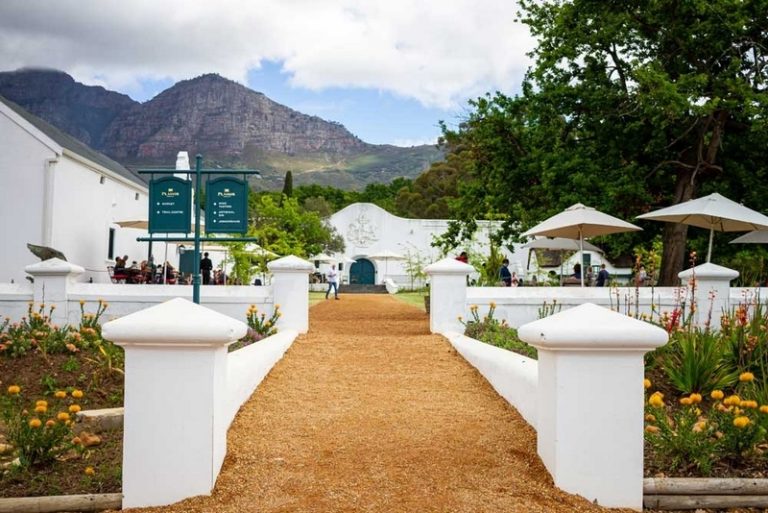
Vergelegen wine estate in Somerset West is renowned for its beauty and diverse attractions, and visitors constantly delight in photographing the historic buildings, manicured gardens, wildlife, wine range and spectacular scenery.

Vergelegen fans now have the opportunity to not only showcase their photographs to a wider audience, but also the chance to win great prizes.

Entries for the annual Essence of Vergelegen photographic contest, in association with Orms Direct, now in its third edition, may be submitted from 1 December 2024 to end-February 2025. Submissions must be photographed within this three-month period. The contest is open to both amateur and professional photographers.

Prizes include photographic equipment sponsored by Orms Direct, plus print exhibitionvouchers, wine, and experiences. Finalists and winners will be announced during March 2025.

There are three entry classes:

  • Camera class (taken on any camera, with or without lenses);
  • Smartphone class (taken on a cellphone or mobile device); and
  • Junior class (16 years and under, image taken on any device).

There will be one overall prize-winner, plus a runner-up in each class. In addition, a ‘People’s Choice’ award will be made according to guests’ votes at the function for finalists.

  • Each entry must relate to Vergelegen, and be taken at the estate.
  • The image must be submitted with a caption that explains the motivation for choosing the subject. The judges will consider both the image and caption.
  • Two photographs are allowed per person. All entrants must confirm that the images are their own work.
  • Entries are free.
  • High resolution images will be required if chosen for the print exhibition.

The winners, and owners of the top 10 images, must undertake to have their photographs displayed at the estate and used on social media, in print communications and Vergelegen digital channels. The image owner will always be credited. Any further use, which is considered commercial, will be agreed in writing with the photographer.

To enter the contest, click here.

Dewald Kirsten: Capturing the Heart of Agriculture

0

In the heart of the Breede River Valley, where agriculture thrives amidst picturesque landscapes, photographer Dewald Kirsten has made a remarkable impact by capturing the essence of farming. His passion and dedication have not gone unnoticed, as he was recently named Agricultural Photographer of the Year for the second consecutive year. Along with his business partner Louise Brodie, he also received the Communicator of the Year (Digital Category) award for their inspiring work on the Lucentlands Podcast. But what fuels Dewald’s passion for photography, particularly in agriculture? Let’s delve into his story and what makes him tick.

A Journey of Passion and Persistence

Fifteen years ago, Dewald Kirsten bought his first camera, taking the first step on a self-taught journey that would transform his life. His determination and natural talent soon earned him recognition as an accomplished wedding photographer, known for his ability to capture intimate moments and striking landscapes. However, life had other plans. Starting a family made weekends away at weddings increasingly challenging, prompting Dewald to explore new opportunities closer to home.

Living amidst the rolling vineyards and farms of the Breede River Valley, Dewald found his niche in agricultural photography. In 2019, he partnered with Louise Brodie, a seasoned agricultural journalist, to establish Lucentlands Media, a company dedicated to visual storytelling in the agricultural industry. Today, Dewald’s photography and videography skills are central to Lucentlands’ high-quality productions, which continue to grow in influence and reach.

The Heart of Agricultural Photography

For Dewald, agricultural photography is more than a profession—it is a mission driven by passion and purpose. He believes that agriculture, though often overlooked, is a sector deserving of recognition and representation. “Agriculture deserves to have its landscapes, activities, people, and products celebrated and documented,” Dewald says. His deep curiosity and technical mindset fuel his work as he seeks to understand and visually convey the intricate processes that define farming life.

Dewald emphasizes the multifaceted importance of agricultural photography: “It isn’t just about showcasing beauty—it’s about record-keeping, education, and marketing,” he explains. In a world where misconceptions about farming practices often dominate public discourse, Dewald uses his lens to tell the truth. His clear, technically flawless imagery bridges the gap between farmers and the public, offering a glimpse into the passion and innovation that sustain the industry.

A Banner Year for Lucentlands Media

The year 2024 was one of incredible achievement for Dewald and Lucentlands Media. Dewald’s recognition as Agricultural Photographer of the Year, sponsored by BKB, was a testament to his ability to elevate agricultural imagery to an art form. His compelling portraits and landscapes highlight the vital work of farmers and the beauty of the sector they serve.

Lucentlands’ impact extended beyond photography with the success of its Lucentlands Podcast, which earned Dewald and Louise the Communicator of the Year (Digital Category) award, sponsored by FNB. Launched in December 2022, the podcast provides an unscripted, conversational platform for discussions about agriculture. Its local and international audience continues to grow, making it a passion project for Dewald and Louise as they share the untold stories of the industry.

A Vision for the Future

Dewald’s vision for the future is clear: to continue capturing the stories of agriculture with the artistry and precision it deserves. As Lucentlands Media expands, he remains committed to showcasing the people, processes, and landscapes that form the backbone of the agricultural sector. Whether through photography, videography, or podcasting, Dewald is dedicated to preserving the legacy of an industry that feeds the world.

Through his lens, Dewald Kirsten captures more than just images—he captures the spirit of agriculture, sharing its stories with a world that often overlooks its importance. His work is a testament to the power of storytelling and the role of photography in celebrating the beauty and significance of the farming community.

Bergrivier: A Haven for Eco-Tourism and Adventure

0

Eco-tourism has emerged as a powerful way to explore the world, while preserving its natural beauty. It’s more than just a trend – it’s a movement that supports conservation, protects fragile ecosystems, and promotes responsible travel practices. Travellers can reduce their carbon footprint, while contributing to efforts that ensure future generations experience the same wonders of the natural world.

The Bergrivier region in the Western Cape is an eco-tourism hotspot that embodies this philosophy. Stretching from the Atlantic Ocean near Velddrif to the foothills of the Cederberg Mountains, this area offers a perfect blend of adventure and sustainability. Key towns such as Piketberg, Porterville, and Aurora are home to diverse landscapes, eco-friendly lodging, and community-led conservation initiatives.

Unforgettable Hiking and Outdoor Adventures

Visitors can connect with nature through a variety of activities, such as hiking in serene landscapes. Trails like Daniel’s Hoogte in Aurora offer panoramic views and tranquillity, while Langrietvlei’s birdwatching trails immerse visitors in a peaceful haven for bird species. Adventure enthusiasts will appreciate Klein Tafelberg’s rugged beauty, with 4×4 routes and camping options. Beaverlac, located in Porterville, offers a combination of hiking, swimming, and overnight camping, perfect for an immersive wilderness experience.

For birdwatchers, Velddrif is a must-see, with the Berg River Estuary hosting hundreds of bird species, including flamingos in winter. Canoeing and kayaking on the Berg River allow adventurers to explore local ecosystems while learning about conservation efforts to protect the river’s biodiversity.

Sustainable Stays: Eco-Lodges and Conservation Efforts

Sustainable accommodations in the region reflect a commitment to eco-friendly travel. Rocherpan Nature Reserve, just 20 kilometres from Velddrif, is renowned for its focus on sustainability and proximity to bird-rich wetlands.

Similarly, Kruistementvlei offers rustic eco-lodging in the Piket-Bo-Berg mountains, providing a serene retreat in nature. Community-led conservation efforts are central to Bergrivier’s eco-tourism identity. Volunteer-driven initiatives work to preserve natural spaces and enhance biodiversity. According to Nomonde Ndlangisa, CEO of Bergrivier Tourism, the region’s focus is on ensuring that tourism contributes to environmental preservation and community well-being.

Bergrivier offers eco-adventures for everyone – from hiking and birdwatching to paddling along rivers – without compromising the environment. This region invites travellers to experience its natural beauty responsibly, leaving behind only footprints while supporting local conservation.

Power of Recognition: Celebrating Champions in Agriculture

0

The agricultural sector serves as the backbone of global economies, feeding billions while sustaining rural communities. Yet, the tireless dedication of those working in the fields often goes unrecognized. Agricultural awards, such as the Western Cape Prestige Agri-Worker Awards, the National Dairy Master Farmer Awards, the Agricultural Writers SA Farmer of the Year recognition, and many others, aim to change this narrative. These accolades highlight the exceptional contributions of agri-workers, farmers, and agricultural leaders, inspiring progress and fostering excellence within the industry.

Shining a Light on Dedication

Agriculture is more than an industry; for many, it’s a way of life. Yet, the sacrifices and unwavering efforts of agri-workers and farmers often remain unnoticed. Agricultural awards serve as a platform to acknowledge and celebrate their hard work, bringing much-needed validation to their contributions. By recognizing these individuals, the awards uplift not just the recipients, but also entire communities, fostering a sense of pride and belonging in this often challenging sector. Beyond acknowledgment, these awards also play a crucial role in showcasing the role of agriculture in ensuring food security and strengthening economies. Every achievement honoured represents countless hours of dedication and resilience, demonstrating the pivotal role agriculture plays in society.

Inspiring Innovation and Sustainability

The challenges facing modern agriculture – climate change, resource scarcity, and biodiversity loss – demand innovation and sustainable practices.

By celebrating achievements in these areas, agricultural awards encourage others to follow suit. The individuals and organizations recognized often lead the way with forward-thinking approaches, from water-efficient irrigation systems to regenerative soil practices.

These success stories inspire the agricultural community to embrace change and adopt strategies that enhance productivity, while protecting the environment.

Building a Future for Generations to Come

Recognizing excellence in agriculture doesn’t just celebrate the present; it invests in the future. By providing platforms for mentorship and youth-focused initiatives, these awards inspire the next generation to enter the sector. With many farming communities facing an aging workforce, attracting young, tech-savvy individuals is vital to ensuring the longevity and vibrancy of agriculture.
The achievements celebrated at these awards highlight the transformative power of recognition in agriculture. By honouring excellence across the sector, these stories inspire progress, foster innovation, and strengthen communities.

From agri-workers shaping food security to farmers driving sustainable practices, their contributions lay the foundation for a resilient agricultural future. Read more about the inspiring stories of this year’s honourees and their remarkable achievements on the following pages.

South African Farmers Eye Bright Future with Full Red Apricots

0

Starting in January and continuing through March, South Africa stands as the sole global supplier of apricots in certain markets. This unique position is fuelling interest among farmers, particularly with a growing demand for full red apricots.

Rising Demand for Red Apricots

Michael Oosthuizen, a representative of International Plant Selection (IPS) in South Africa, highlights a significant global shortage of apricots post-Christmas. This shortage, combined with exceptional demand worldwide, makes cultivating apricots a lucrative opportunity for farmers. “Demand from all over the world has been phenomenal,” Oosthuizen explains, emphasizing how the market’s openness presents an exceptional opportunity for South African farmers to establish a stronghold in the industry.

Consumer preferences are shifting toward full red apricots, driving the popularity of the Rubyngo and Carmingo cultivars. “Consumers tend to buy with their eyes,” says Oosthuizen. “The visual appeal of red apricots, combined with their flavor and quality, is what sets them apart in the market.”

Introducing the Rubikoo Variety

Despite fewer winter chilling hours in the Western Cape, the low chill Rubikoo apricot (Rubyngo variety M20.390) has shown excellent results. At a recent field day in Northern Paarl, a low chill area with only 320 Richardson chilling hours this past winter, the Rubikoo variety impressed visitors with its performance.

“Rubikoo is opening opportunities for all South African apricot-growing regions,” says Oosthuizen. He points out that the adaptability of the Rubikoo variety, even in low chill conditions, offers South African farmers a chance to grow a highly marketable crop where traditional apricots might not thrive. This breakthrough could revolutionize apricot farming in the country.

A Rubikoo tree, planted in 2021 in Paarl, is already producing over 15 tonnes per hectare in its fourth year, bearing a minimum of 350 fruits per tree. This yield represents not only a reliable return on investment, but also a consistent supply chain for international markets, something that buyers are increasingly seeking.

Market Potential and Appeal

The appeal of red apricots lies in their striking appearance. European markets, in particular, are familiar with red-blushed fruits, which often sell faster than their yellow counterparts. At the recent Rubikoo field day, Woolworths buyers observed the impressive market response to red apricots during a recent test. “In stores, red apricots outperformed traditional varieties significantly, showing their immense consumer appeal,” one buyer noted.

Experts predict that red apricots could capture up to 70% of the apricot market in the future. With harvesting windows spanning seven to eight weeks, and individual cultivars offering a three to four-week picking period, IPS cultivars promise consistent supply and profitability. Additionally, the longer harvest window means that farmers can better plan labor and logistics, reducing pressure during peak harvest times and ensuring fruit quality is maintained.

A Bright Future for South African Apricots

With strong global demand, ease of cultivation, and high market appeal, the Rubikoo variety presents a transformative opportunity for South African farmers. “This is not just a shift in apricot farming—it’s a new era,” Oosthuizen concludes, highlighting how full red apricots are reshaping both local agriculture and international trade. As consumer preferences continue to evolve, the full red apricot is poised to dominate the apricot market, setting a new standard for stonefruit cultivation. Farmers who embrace this change stand to benefit from the rising tide of red apricot popularity, securing their place in a competitive global market.