13.7 C
Cape Town
Tuesday, June 23, 2026
Home Blog Page 6

From Volume to Value: Experts’ Take on South Africa’s Historic Citrus Milestone

0

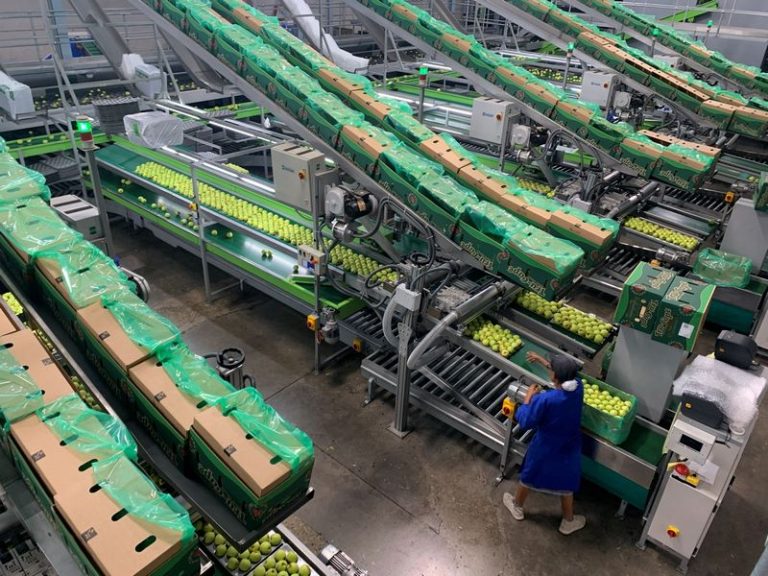
For years, the South African citrus industry has been chasing the horizon. This week, it finally crossed it. With 2.9 million tons exported in 2025, South Africa has officially unseated Spain as the world’s top citrus exporter by volume. However, while the Citrus Growers’ Association (CGA) has reason to celebrate this massive output, the achievement is tempered by the immediate pressure of logistical constraints and recent climatic challenges; the crown is heavy, and the “logistics ledger” is yet to be balanced.

The Volume Victory

National Minister of Agriculture John Steenhuisen championed this milestone as a defining moment for national resilience. “To overtake a citrus export giant like Spain, even by a small margin, is no easy feat,” Steenhuisen remarked, noting that South Africa’s reputation for world-class quality and strict compliance with international plant health standards has finally tipped the scales.

Yet, Steenhuisen offered a crucial distinction that separates market dominance from sheer output. While South Africa leads in export volume, giants like Brazil and China still dwarf our total production, albeit for their own domestic consumption. South Africa’s success is a triumph of “export-focused” strategy—a model that has turned the sector into a R44.9 billion ($2.47 billion) cornerstone of the agricultural economy.

The Provincial Engine and the Growth Strategy

From the Western Cape, Minister Dr. Ivan Meyer—whose portfolio spans Agriculture, Economic Development, and Tourism—highlighted the regional pulse behind the national numbers. Meyer pointed to the provincial “Growth for Jobs” strategy as the silent partner in this success, framing citrus not just as a farming achievement, but as a critical economic pillar.

“This achievement reflects years of sustained investment and a relentless focus on quality,” Meyer noted, emphasizing that the Western Cape remains the vanguard for meeting the rigorous international standards that allow South African fruit to command global shelf space. He further emphasized that this milestone is about more than just numbers; it is about livelihoods. “The sector supports thousands of jobs and sustains livelihoods in many of our rural communities,” he added.

The “Sihlobo Synthesis”: Value vs. Volume

While politicians celebrate the “No. 1” ranking, Agbiz Chief Economist Wandile Sihlobo provides the necessary economic nuance. Sihlobo’s analysis suggests that while we have won the volume race, the “value race” remains a steeper climb. Spain benefits from proximity to Europe—a luxury South Africa pays for in massive logistics costs and shipping “friction.”

Sihlobo has been vocal about the “double-edged sword” of 2026. While the industry targets a staggering 210–215 million cartons this season, the infrastructure to move it is under siege. The recent floods in the Western and Eastern Cape, which have placed parts of the industry under a National State of Disaster, serve as a reminder that production is only half the battle. As Sihlobo has aptly noted, this success is a “miracle of the private sector,” often occurring despite state-run rail and port inefficiencies.

The Road to 260 Million

The consensus among Steenhuisen, Meyer, and the CGA is that the current record is merely a pitstop on the road to “Vision 260″—the industry’s goal of 260 million cartons by 2032.

To get there, the narrative must shift toward the “intensified diplomacy” Steenhuisen mentioned. The recent breakthrough in Chinese export protocols is the template for the future. South Africa is no longer just a Southern Hemisphere player; it is the global anchor of the citrus trade. But as the experts warn, staying at the top will require a radical overhaul of the ports to ensure that the No. 1 spot translates into sustainable, long-term profitability.

Robertson Valley Rallies as Van Loveren Navigates Record Flood Recovery

0

The Robertson Valley is beginning a long road to recovery following a catastrophic weather event that saw floodwaters surge past the region’s 100-year flood line. While the devastation to infrastructure and agriculture is extensive, a powerful narrative of community resilience is emerging, led by the recovery efforts at the iconic Van Loveren Family Vineyards.

Impact of the 100-Year Flood

The Breede River, swollen by unprecedented rainfall, breached its banks with a force not seen in decades. At Van Loveren, the surge reached levels of nearly two meters, inundating the winery and causing widespread damage. The impact on operational assets has been significantVan Lovern

Stock Losses: Initial assessments estimate a loss of 1.3 million bottles of wine.

Infrastructure: Significant damage was sustained by warehousing facilities, irrigation systems, and access roads.

Equipment: Key production machinery, including filtration systems and the estate’s solar battery infrastructure, were caught in the deluge.

While the full extent of the vineyard damage—including the total number of hectares affected—is still being calculated, the scale of the disaster has sent shockwaves through the local agricultural sector.

People First: The Human Element

Amid the logistical and financial assessments, Van Loveren has maintained a firm focus on the “human cost” of the flood. Approximately 20 homes on and around the property, housing employees, owners, and renters, were affected by the rising waters.

Managing Director Phillip Retief emphasized that the safety and well-being of the staff and their families remain the company’s absolute priority. The estate has noted an incredible outpouring of support from the local community, with neighbors and farmers working side-by-side to provide immediate relief to those displaced or impacted.

Operational Continuity and Trade Outlook

In a strategic move to reassure trade partners and consumers, Van Loveren has activated a comprehensive continuity plan. Despite the loss of bottled stock, the estate confirmed that wine held in tanks remains unaffected.

Key measures currently in place include:

Alternative Warehousing: Operational facilities are already being utilized to manage short-term supply requirements.

Bottling Surge: Teams are working 24/7 on urgent bottling and recovery plans to rebuild inventory.

Logistics Update: While dispatch and exports are delayed this week, a phased resumption of deliveries is expected to begin next week.

The estate warns that there may be temporary supply pressure on specific product lines while inventory is reallocated, but they remain committed to minimizing disruptions.

A Valley Defined by Resilience

The disaster has highlighted the unique unity of the Robertson Valley. Phillip Retief reflected on the spirit of the region, stating, “Robertson is a resilient valley, and together we will get through this.”

As the water recedes, the focus shifts from emergency response to the steady rebuilding of one of South Africa’s most beloved wine estates. For the agricultural community of the Western Cape, Van Loveren’s recovery serves as both a testament to the risks of climate volatility and the enduring strength of the farming spirit.

Financing and Market Expansion: Day Two of NAMPO 2026 Focuses on Producer Survival

0

If the opening day of NAMPO 2026 was about defining the crisis, the second day, 13 May 2026, was about finding the capital and the channels to survive it. Grain SA used the day to intensify discussions with government and financial institutions regarding the urgent financial pressures facing producers while advancing long-term solutions for sector resilience.

High-Stakes Financial Dialogue

The day was marked by a high-level breakfast engagement convened by Grain SA Chairperson Richard Krige. The session brought together Minister John Steenhuisen, representatives from AFASA, and senior leadership from South Africa’s major financial institutions, including ABSA, FNB, Nedbank, Standard Bank, and Land Bank.

The primary concern shared with lenders was the staggering increase in input costs. Grain SA revealed that fuel and fertiliser now account for approximately 45% of total production costs in many operations, with fertiliser prices alone surging by up to 80%. Krige warned that these margins are being squeezed further by low commodity prices and high financing costs, requiring “urgent collaboration across the value chain” to protect national food security and rural economic activity.

Tackling Regulatory Hurdles

A significant portion of the financial discussion focused on the D11 directive. Grain SA expressed deep concern over how debt restructuring requirements and current security cover are placing additional strain on already vulnerable producers. This led to a breakthrough agreement to engage with National Treasury regarding the practical implications of the D11 framework on agricultural financing. All parties agreed that financing models must better reflect the seasonal and cyclical nature of farming.

“Grain on Legs” and New Markets

Minister Steenhuisen reaffirmed agriculture’s status as a “bankable opportunity” and a primary driver of economic growth. He highlighted government efforts to unlock international markets where South African producers can earn a premium.

To complement these export goals, Grain SA promoted its “grain on legs” strategy. This initiative focuses on expanding domestic livestock, feed, and protein value chains to convert surplus grain into higher-value products before export. “When logistics systems are constrained, we must not only ask how to move more grain—we must ask how to move more value,” Krige explained.

Innovation in Risk and Energy

The discussions on 13 May also looked toward the future of energy and risk management. Grain SA advocated for biofuels as a critical pillar for market diversification and domestic grain utilisation. Furthermore, Minister Steenhuisen confirmed the government is exploring shared-risk insurance approaches and index-based models with National Treasury to provide faster disaster relief for droughts and floods.

As the second day concluded, the message from NAMPO Park was one of partnership. While the financial climate remains harsh, the alignment between organised agriculture, the state, and the banking sector offers a roadmap toward a more resilient grain economy.

Western Cape Disaster: Agricultural Heartland Severed by Climate Volatility

0

The Western Cape has moved from one climate extreme to another with breathtaking speed. On 1 May 2026, the province was warned of a dry winter ahead with dams at worrying levels; by 11 May, the provincial cabinet was welcoming a national disaster classification. This transition from scarcity to catastrophic surplus has left the agriculturalN sector with no time to pivot.

The Logistics Crisis: A Graveyard of Infrastructure

The most visible sign of the catastrophe remains the N1 corridor between Rawsonville and Paarl. In a major breakthrough following overnight work by SANRAL, Premier Alan Winde confirmed on 14 May that the N1 is now open in both directions, though it remains under strict traffic control. Authorities have implemented a scheduled rotation to manage the flow: traffic currently moves Southbound (Worcester to Paarl) from 06:00 to 09:00, and Northbound from 09:00 to 12:00.

Despite this reopening, the route remains a “bottlenecked flow” with heavy delays expected throughout the day. Furthermore, all vehicles carrying hazardous materials are strictly prohibited from the Huguenot Tunnel at this stage and must utilize the Du Toitskloof Pass. Drivers are urged to exercise extreme caution as water is still crossing the road in some areas.

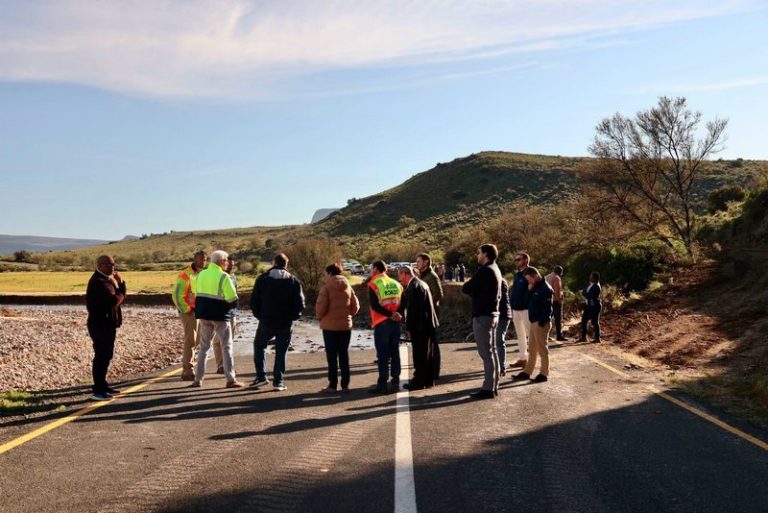
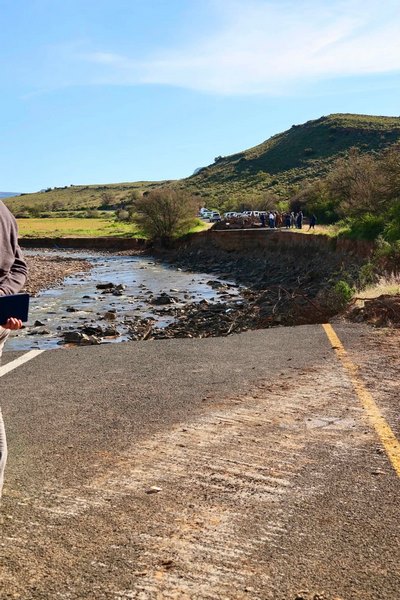
Near Worcester, the force of the Breede River previously undermined the roadbed, uprooting massive slabs of tar like broken tectonic plates. Western Cape Minister of Infrastructure, Tertuis Simmers, confirmed that the department is in “full recovery mode,” prioritizing these “economic arteries.” However, the damage elsewhere is widespread. In the Klein Karoo, the N12 through Meiringspoort is closed indefinitely, forcing excessive detours through the R341 and N9, adding hundreds of kilometres and massive fuel costs to every delivery.

The Breede Valley: A Region Divided

The Breede River Valley has borne the brunt of the structural devastation. As the river surged to record levels, it transformed from a life-giving resource into a destructive barrier. In a dramatic rescue between Worcester and Rawsonville, NSRI teams spent Tuesday night evacuating 23 farm workers—including babies and the elderly—from rooftops after they were stranded by rising waters along the “Old N1.” Tragically, three lives were lost in the area.

The town of Worcester was effectively cut off this week as the N1, R43 (to Wolseley), R46 (to Villiersdorp), and R60 (to Robertson) were all shut down. The critical Nekkies Bridge remains a focal point of concern, while in Wolseley, the Klein Berg River burst its banks, submerging vineyards and displacing nearly 600 people into community halls.

Devastation on the Riverbanks

The most heartbreaking losses are found in the orchards and vineyards on the riverbanks. In the Hex River Valley, growers describe “the most water ever seen,” as the surging river reclaimed its natural floodplain.

Infrastructure & Homesteads: In the Goudini and Louwshoek areas near Rawsonville, historic farm homesteads and worker villages have been decimated. Some houses were physically washed away, while others are filled with meters of river silt.

The Olifants River Surge: Following the opening of the Clanwilliam Dam sluices yesterday, 12 May, a wall of water hit Vredendal and Klawer. The R363 river-level road has been severed, and many riverbank vineyards are currently submerged.

Witzenberg and Ceres: Isolated by rockfalls in Michell’s Pass and near-total power outages, these pome fruit hubs are struggling to maintain cold-chain integrity while communication remains intermittent.

Crop Outlook: A Race Against Rot

The timing has created a phytosanitary nightmare for the citrus industry. In the Cederberg and West Coast, orchards are too sodden for heavy machinery, closing the narrow window to treat for brown rot. While the apple harvest in Grabouw was largely complete, high-value late cultivars like Pink Lady suffered significant “fruit drop” due to 120km/h winds.

As the flood peak moves toward the lower Breede and Olifants systems, the Western Cape Department of Agriculture has begun a formal assessment. For now, the focus remains on the humanitarian crisis, as thousands of displaced farmworkers seek shelter while the province begins the long, expensive road to recovery.

South Africa Secures 8 Million FMD Vaccines as Massive National Drive Gains Momentum

0

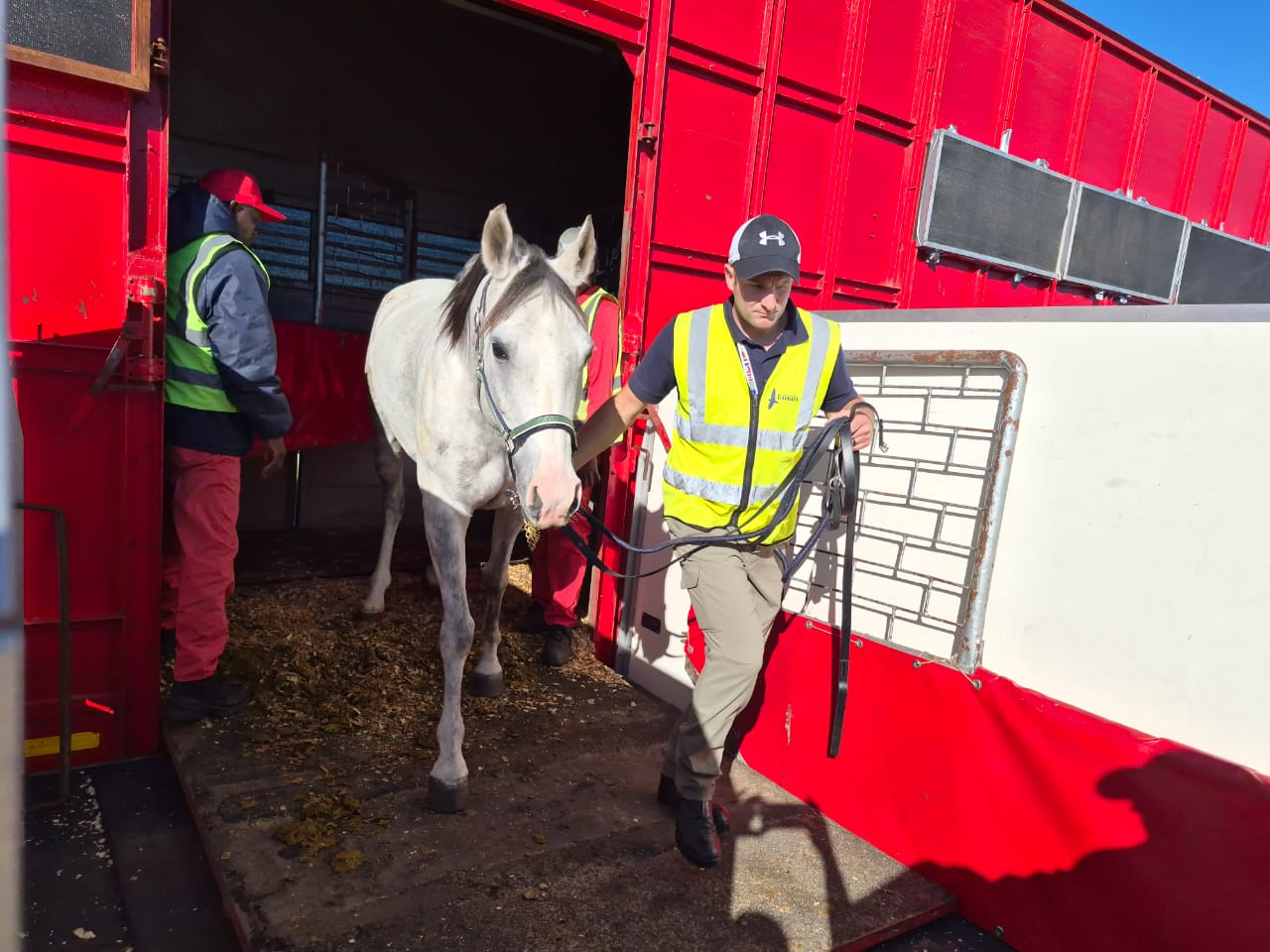
In a major escalation of the government’s “war” against Foot and Mouth Disease (FMD), Minister of Agriculture John Steenhuisen has announced the arrival of an additional two million doses of the Dollvet vaccine from Turkey. This latest shipment, which landed on Tuesday morning, brings the total number of doses successfully imported since late February 2026 to eight million.

The accelerated procurement drive marks a turning point in the Department of Agriculture’s commitment to biosecurity and the protection of rural livelihoods. With five million additional doses expected shortly, the country is projected to have landed a total of 15 million doses by the end of May 2026.

Objective: 80% Herd Immunity by December

The vaccination campaign is the centerpiece of a strategic roadmap to vaccinate 80% of the national herd—approximately 14 million cattle—by the end of December 2026. This large-scale effort is designed to help South Africa achieve and maintain the international status of “FMD free with vaccination.”

“By securing vaccine volumes at this scale, we are ensuring that the agricultural sector remains a resilient pillar of the economy,” Minister Steenhuisen stated. The move aims to protect export markets and safeguard domestic food security from the economic damage caused by recurring outbreaks.

“Cows Do Not Carry Passports”: A Regional Front

Recognizing that diseases do not respect borders, the Minister has launched a new era of South-South cooperation. On Monday, May 11, Steenhuisen was joined in Hazyview, Mpumalanga, by Eswatini’s Minister of Agriculture, Mandla Tshawuka, and representatives from Mozambique. Together, they oversaw the vaccination of 300 cattle, symbolizing a unified regional front.

Drawing on lessons from South America’s successful FMD eradication, Steenhuisen emphasized that no country can defeat the disease in isolation. “Cows do not carry passports,” he remarked. “If one country acts alone, the risk remains for everyone. We must move beyond simply reacting to outbreaks.”

Establishing a SADC Antigen Bank

The momentum for a regional response will continue later this month when Minister Steenhuisen chairs a meeting of SADC Agriculture Ministers in Zimbabwe. A key proposal on the agenda is the establishment of a SADC Antigen Bank. This would allow Southern African nations to access vaccines rapidly during emergencies without relying on lengthy international procurement processes.

Discussions will also focus on regional livestock traceability and coordinated animal movement control platforms to prevent the cross-border spread of transboundary diseases.

Standing with the Farmers

Acknowledging the “pain, uncertainty, and economic damage” the disease has caused, the Minister reaffirmed the government’s support for the farming community. He committed to ensuring that, through this large-scale plan, the current outbreak will be the last to devastate the industry.

Farmers and stakeholders are encouraged to stay informed and report any suspected cases immediately.

Contact & Support Resources


FNB Experts at NAMPO 2026 Call for Biosecurity Revolution

0

As NAMPO Harvest Day 2026 opened yesterday, May 12, the conversation in the halls and exhibition spaces turned toward a single, invisible threat: biosecurity. While the sector has long treated biological risks as isolated incidents, FNB Business leadership used the event to advocate for a total shift in strategy—from reactive crisis response to long-term resilience.

Dawie Maree, Head of Information and Marketing at FNB Agriculture, and Paul Makube, Senior Agricultural Economist at FNB, addressed producers and stakeholders against a backdrop of increasing biological pressures that now threaten the very core of the agricultural value chain.

System-Wide Economic Pressure

Maree noted that the era of viewing biosecurity as a contained production problem is over. “When biosecurity breaks down, the effects move quickly beyond the farm gate,” he explained. The financial consequences are staggering; while the 2021 Foot-and-Mouth Disease (FMD) outbreak cost the red meat industry R2.1 billion, the current, more widespread outbreaks are expected to exceed that margin significantly.

The impact is not limited to livestock. From avian influenza disrupting poultry supplies to crop pests undermining export confidence, these disruptions have become multi-year events that threaten food security and national trade stability.

The Brazilian Benchmark

A key highlight of the briefing was South Africa’s transition to ‘FMD-free-with-vaccination’ status. Makube pointed to Brazil’s 20-year journey to achieve this as proof that there is no “quick fix.”

“The current FMD crisis exposed both government and industry failures,” Makube noted, citing inadequate enforcement of decades-old surveillance protocols. He emphasized that the path back to stability will require sustained discipline and a willingness to move away from reactive thinking. By the time an outbreak is visible, he warned, the cost is often already mounting and the conversation has shifted from containment to business survival.

A New Pillar of Risk Management

For capital providers like FNB, biosecurity has moved from a technical detail to a central pillar of financial risk. “A producer’s management practices, including biosecurity protocols, are part of the broader picture of resilience and sustainability,” the experts stated.

This means that biosecurity is now an integral part of lending and risk conversations long before an outbreak occurs. In a crisis, the bank’s role becomes one of connection—bridging farm-level realities with industry and policy responses—and providing tailored interventions such as restructuring or temporary relief.

Rebuilding for the Next Decade

The FNB team concluded that rebuilding national biosecurity is a shared responsibility. While the government must prioritize institutional capacity for diagnostics and vaccine readiness, producers must integrate biosecurity into daily operations.

As discussions at NAMPO 2026 continue, the central question remains: how can the sector build a system that is better prepared for the next decade? The consensus is clear: biosecurity must be treated as a strategic priority across the entire agricultural economy to ensure that the “farm gate” remains a gateway to global markets.

Resilience and Innovation: Economic Realities Take Centre Stage at NAMPO 2026

0

The opening day of the 2026 NAMPO Harvest Day kicked off at NAMPO Park with a sobering yet constructive look at the economic landscape of South African agriculture. Under the theme “Resilience through Innovation,” industry leaders and producers gathered to confront a dual reality: while the sector remains a strategic pillar of the national economy, it is currently operating under immense financial strain.

The Profitability Crisis

The primary focus of the day’s discussions was the tightening “price-cost squeeze”. Grain SA emphasized that rising production costs coupled with volatile producer income have moved profitability from a “farming issue” to a national “food security issue”.

During a high-level panel discussion titled “To Farm or Not to Farm: The Economic Reality,” Grain SA Chairperson Richard Krige, alongside experts like Jaco Minnaar and Japie Grobler, addressed the mounting pressures of market volatility and shrinking margins. Krige warned that without profitability, investment in the sector slows and succession becomes uncertain, ultimately placing the country’s food stability at risk.

Global Competitiveness and Technology

A significant portion of the opening day was dedicated to South Africa’s position in the global market. Grain SA CEO Dr. Tobias Doyer argued that the industry can no longer rely on protection mechanisms alone. Instead, long-term sustainability must be driven by productivity growth and the adoption of cutting-edge science.

“There is only one way we remain globally competitive—and that is through better science, better technology, and improved productivity,” Doyer stated during a strategic overview session. The message was clear: South Africa must pivot toward becoming a globally competitive, export-driven grain economy.

Moving Beyond Bulk Exports

To build a more resilient value chain, discussions touched on the necessity of value addition. Rather than simply exporting bulk grain, leaders explored opportunities in animal protein, regional trade, and industrial demand to diversify income streams for producers.

Policy and Infrastructure Priorities

The presence of Minister John Steenhuisen highlighted the ongoing engagement between the sector and the government. Grain SA reiterated its commitment to tackling several critical regulatory and logistical hurdles, including:

  • Logistics and Port Efficiency: Improving the movement of surplus grain through export channels.
  • Regulatory Certainty: Addressing diesel rebate administration and agricultural remedy regulations under Act 36.
  • Market Transparency: Ensuring fair price formation and removing trade barriers.

A Solutions-Driven Future

Despite the heavy focus on economic challenges, the atmosphere at NAMPO Park remained resolutely optimistic. The event continues to serve as a vital platform for stakeholders—from researchers to international policymakers—to share practical interventions.

As Richard Krige concluded, NAMPO is the space where the industry confronts difficult realities to “build confidence in the future of South African agriculture”. The Harvest Day activities will continue through Friday, offering further opportunities for the agricultural value chain to unite.

Heavy Weather Lashes Western Cape: Rural Infrastructure and Logistics Under Strain

0

The Western Cape’s agricultural heartlands are facing a significant challenge as a series of severe weather systems continue to sweep across the province. In response to the escalating crisis, the Cabinet and the Premier’s Coordinating Forum (PCF) held an emergency session last night to streamline disaster relief and ensure that rural municipalities are receiving the necessary support to maintain critical services.

Logistics Crisis: N1 and Key Passes Closed

For the agricultural sector, the primary concern is the disruption of the supply chain. The N1 at Worcester—a vital artery for moving produce to markets and the port—remains closed. Additionally, several key passes along the escarpment are inaccessible, effectively cutting off many farming communities from the Cape Town metropole.

Authorities have urged all road users, particularly heavy vehicle operators, to adhere strictly to road closure notices and seek alternative routes. The Provincial Disaster Management Centre (PDMC) is working to assess when these routes will be safe enough to reopen for the transport of goods and livestock.

Tragic Loss and Rural Safety

The severity of these storms has moved beyond property damage. Acting Premier Dr. Ivan Meyer expressed deep condolences following the deaths of three individuals during the recent surge of inclement weather.

“Emergency and disaster teams work as hard as possible to avoid loss of life,” Dr. Meyer stated, imploring all residents to exercise extreme caution as warnings for heavy rainfall and strong winds remain in place.

In a move that impacts the agricultural workforce and seasonal labor families, all schools in the province are closed today, 12 May 2026. This non-negotiable safety measure ensures that learners and staff remain off the roads during the peak of the storm.

Power Outages and the Threat of Sabotage

Farmers in the Overberg, Cape Winelands, and West Coast are reporting widespread power outages. While Eskom and municipal teams are currently deployed to restore the grid, their efforts have been hampered by reports of cable theft in certain areas. This opportunistic crime, occurring amidst a provincial disaster, has been harshly condemned by the Cabinet as it delays the restoration of essential power to pumping stations and cold storage facilities.

A Coordinated Disaster Response

With the weather now officially classified as a disaster, the Western Cape Government is leveraging its intergovernmental partnerships to provide relief. The Minister of Local Government, Environmental Affairs, and Development Planning noted that the province’s long-term investment in a “brilliant disaster management network” is currently being put to the test.

Key Resources for Producers:

Road Updates: Check the Western Cape Government website before dispatching vehicles.

Safety First: Avoid low-lying crossings and flooded farm roads.

Emergency Hubs: Joint Operating Centres (JOCs) remain activated 24/7 across all districts to assist with localized emergencies.

As the systems continue to move through the province, the focus remains on protecting lives and securing the infrastructure that sustains the Western Cape’s rural economy.

Context is King: 2026 Summit to Address Economic and Climatic Pressures on SA Wine

0

The South African wine industry is preparing to gather at the Stellenbosch University Conservatory on 28 May 2026 for a pivotal exploration of the theme, “Context is King”. In an era defined by rapid global shifts, the South Africa Wine Summit aims to provide producers and stakeholders with the clarity needed to navigate a landscape where every decision—from the soil to the shelf—is influenced by broader external forces.

Economic Realities and Global Trade

The morning sessions will confront the financial complexities currently facing the sector. Daneel Rossouw and Nicky Weimar of Nedbank are set to unpack how global trade dynamics, inflation, and interest rates are specifically framing opportunities within the unique South African economic landscape. This financial deep dive is complemented by insights from Rico Basson, CEO of South Africa Wine, who will reflect on the industry’s heritage while highlighting the innovations essential for maintaining a global presence.

Harvest Insights and Environmental Adaptation

Agriculture remains at the heart of the discussion, with Dr. Etienne Terblanche of Vinpro providing a vital overview of the 2026 harvest. His analysis will place recent climate conditions and vineyard dynamics within the context of global market expectations, offering a practical look at how South African viticulture is adapting to climatic shifts. This session is designed to help growers connect the “bigger picture” of environmental change to everyday decision-making on the farm.

Understanding the Modern Consumer

As cultural narratives evolve, the summit will shift its focus toward the “next generation” of wine drinkers. Entrepreneur and author GG Alcock will decode the cultural and economic contexts required to create effective marketing strategies for tomorrow’s consumers. Adding a worldwide perspective, strategist Priscilla Hennekam will discuss shifting consumer behaviors and how South African wine can remain resonant and successful as these international trends fluctuate.

Policy, Politics, and Partnership

The day concludes with a strategic look at the political and regulatory forces influencing the industry. Dr. Mpumelelo Kansas Mkhabela will analyze how shifting policy frameworks, trade agreements, and governance dynamics impact distribution channels and global market access.  This comprehensive programme is made possible through a landmark partnership, as 2026 marks 20 years of Nedbank serving as the summit’s main sponsor. Supported by co-sponsors including Santam, Ardagh Glass Packaging, and the Western Cape Government, the event represents a collective commitment to ensuring South African wine remains relevant and resilient on the world stage.

For more information or to secure your place at this year’s summit, please contact the South Africa Wine team at [email protected] or call +27 (0) 21 276 0430. Tickets are available at R900 (incl. VAT), and the event will run from 08:00 to 15:15 at the Stellenbosch University Conservatory. You can also book directly at www.sawine.co.za

Record Harvest Meets Port Bottlenecks: 2025/26 Joint Grape Marketing Forum Season Wrap-Up

0

The 2025/26 South African table grape season was a study in contrasts, defined by a record-breaking crop and severe logistical hurdles. At the Joint Grape Marketing Forum wrap-up session held in Paarl on 24 April 2026, industry leaders reported that despite a marginal 0.4% decrease in national hectares (now totaling 19,404 ha), the harvest reached its highest volume yet. National inspection volumes climbed to 81.25 million cartons, a 3% year-on-year increase driven by high-yielding new cultivars.

While the production side flourished, the season was marked by intense commercial pressure. The harvest matured 10 to 14 days earlier than usual, creating an early-season surge that collided with operational failures at the Port of Cape Town. This resulted in a massive stock build-up that exceeded “optimal” inventory levels for six consecutive weeks between Week 01 and Week 07.

Logistics Challenges and Port Diversions

Logistics dominated the forum’s agenda, as the Port of Cape Town’s share of exports plummeted from 91% to 76%. Unprecedented wind disruptions—up 91% between November and January—and equipment downtime forced exporters to pivot. Consequently, volumes through Eastern Cape ports jumped from 6% to 21% of the total export share.

Jabu Mdaki, Chief Executive of Transnet Port Terminals (TPT), addressed these failures directly. He outlined a recovery strategy involving a full replacement of landside equipment and the introduction of cranes capable of operating in winds up to 90 km/h. To improve efficiency, TPT is reducing the container booking window from 72 to 36 hours effective May 2026. While the past season exposed deep structural weaknesses, Transnet insists the port system is now on a path to recovery through private sector partnerships and long-term maintenance agreements.

Prescriptive Modeling and Market Strategy

The session also highlighted the role of the South African Table Grape Industry and Transnova Africa Prescriptive Logistics Model. Mark Soden of Transnova Africa noted that while the model accurately predicted vessel targeting and port demand, limited industry engagement with its recommendations hindered its full effectiveness. Retrospective analysis suggested that if exporters had followed the model’s early diversion suggestions, both delay costs and inventory pressures would have been significantly reduced.

Mecia Petersen, CEO of the South African Table Grape Industry, emphasized that the industry is facing a “new normal” of unpredictability. Beyond local logistics, growers contended with increased competition from Peru—which exported 155 million cartons—and geopolitical tensions in the Middle East affecting shipping routes and costs.

Strategic Outlook and Collaboration

Looking ahead, the industry is focusing on areas within its control: cultivar selection, quality, and market diversification. High-performing varieties like Crimson Seedless and Sweet Globe™ continue to lead the export share. Strategic wins were noted in market access, including a two-year tariff-free window for China and successful promotional campaigns in North America and the Philippines.

Petersen concluded with a call for collective action, urging producers and exporters to utilize the Joint Grape Marketing Forum as a central hub for alignment. Strengthening the partnership between the South African Table Grape Industry and the Fresh Produce Exporters’ Forum remains essential to protecting the long-term sustainability of the sector in a volatile global market.