

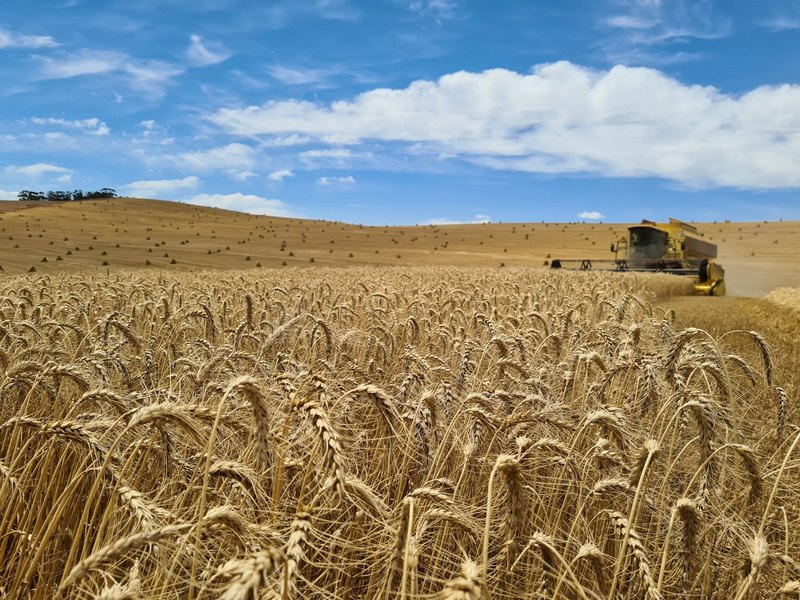

Statistics South Africa’s (Stats SA) first-quarter GDP data for 2026 reveals a headline expansion of 1.2% for agriculture. Driven by resilient field crops and early citrus, the sector’s quarterly economic contribution surged to R67 billion, securing a robust $3.7 billion trade surplus.
“We are price-takers. The market doesn’t pay us more for our maize just because our diesel bill doubled,” says an independent grain producer from the Free State.
While mainstream analysts celebrate the GDP numbers as a victory for a sluggish economy, this reality from the ground highlights a devastating truth: for the second consecutive year, massive harvest volumes are masking a deepening financial crisis on the ground.
The Repeating “Bailout” Illusion
A look back at the first quarter of 2025 reveals an unhealthy national dependency on the farming sector. In early 2025, the broader economy was flatlining with overall GDP growth at a near-dead 0.1%. It took a massive 15.8% explosion in agricultural volume to single-handedly save South Africa from a technical recession, even as national capital investment slipped by -1.7%.
The Q1 2026 script is almost identical. The broader national economy remains incredibly sluggish, growing at just 0.5%. Manufacturing has shrunk again by -0.8%, and the government is once more leaning heavily on primary agricultural production to keep national growth positive. Meanwhile, the agricultural sector’s internal capital investment has dropped by a further -1.1%.
The Volume Illusion vs. The Diesel Reality
For two years, the primary driver of this volume growth has been horticulture. This quarter, early citrus and deciduous fruit exports again pushed agricultural supply to maximum capacity.
However, growth in physical volume does not translate to farm profitability. While volume soared, net margins were cannibalized by an unprecedented fuel shock. Wholesale diesel prices have stubbornly smashed past the R31-per-litre threshold inland. Because fuel accounts for up to 18% of grain production and logistical expenses, this sustained high pricing has been devastating. Farmers were forced to purchase the costliest diesel in South African history precisely as heavy combine harvesters rolled into fields for the summer harvest.
Furthermore, ongoing operational inefficiencies at the Port of Cape Town forced fruit exporters to bypass local infrastructure entirely, absorbing extreme freight costs to truck refrigerated produce thousands of kilometers to alternative shipping hubs just to save international contracts.
The Deepening “Investment Drought”
The most alarming metric within the current Stats SA release is the ongoing collapse of Gross Fixed Capital Formation, which measures long-term capital investment.
The decline from last year has officially deepened, falling by another -1.1% sector-wide this quarter. This was driven by a sharp -3.4% crash in machinery and equipment purchasing and a -7.2% decline in structural buildings.
Facing high commercial interest rates and an underfunded state Blended Finance Scheme, producers are choosing to patch up aging tractor fleets rather than invest in new technology. Economists warn that this capital strike creates a dangerous lag effect, quietly baking a severe productivity crisis into future seasons.