15.9 C
Cape Town
Friday, June 26, 2026
Home Blog Page 24

Vergelegen Boosts Wine Production Capacity with New Purpose-Built Warehouse

0

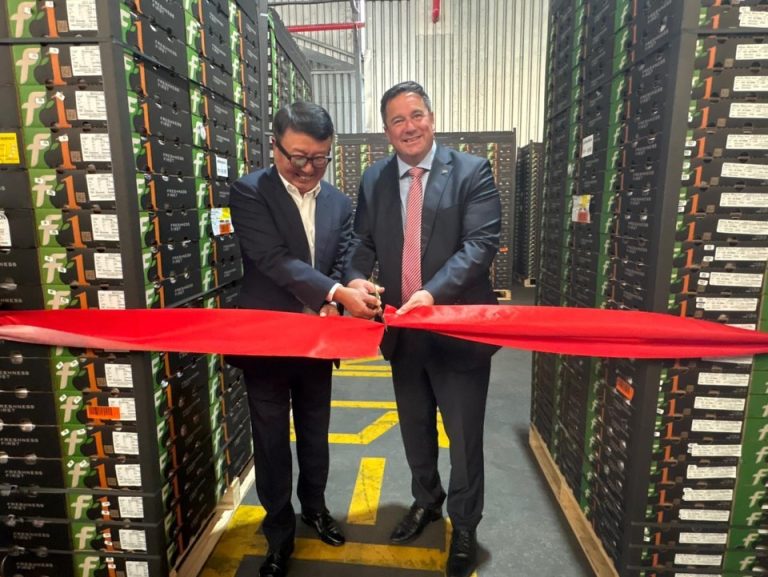
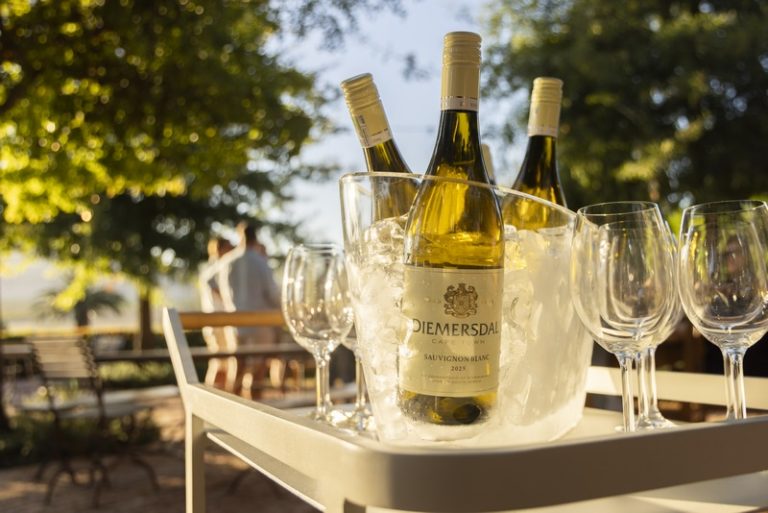
Vergelegen Wine Estate has completed its new, purpose-built wine warehouse, a major investment that strengthens the Somerset West estate’s long-term operational capacity and reinforces its position as one of South Africa’s premium wine producers.

The 4 226 m² facility can accommodate over two million bottles of wine, providing substantially expanded storage and creating a centralised hub for distribution, logistics and quality control.

Purpose-Designed for Efficiency

The layout includes an 890 m² dedicated tractor facility and a 150 m² maintenance workshop, built to support vineyard operations and improve overall efficiency. Designed and constructed by NK Construction, the project was completed in just seven months.

In line with Vergelegen’s sustainability principles, the building incorporated reused and upcycled materials sourced from the farm and surrounding area, including steel and paving. The location, near the hilltop winery, was selected to minimise visual and environmental impact. Sheltered from prevailing winds and positioned out of sight, the warehouse blends into its surroundings among the vineyards and trees.

Vergelegen

Strengthening a Legacy of Excellence

Managing director Wayne Coetzer says the investment reflects Vergelegen’s ongoing commitment to ensuring c quality in every bottle. The estate initiated a significant restoration and development programme after its purchase in 1987. Following soil and climatic tests, new vineyards were planted, and the multi-level, sunken winery was opened in 1992 by Baron Eric de Rothschild of Château Lafite. The first vintage under this stewardship was harvested in 1992, and the estate soon gained both local and international recognition.

Owning and controlling its own warehouse is the latest milestone in the strategic enhancement of operations, says Coetzer. “Having our own warehouse gives us the flexibility to tailor operations to our specific needs, from layout to picking strategies. We have designed the space to suit our workflows, product range and business model. Controlling our own inventory allows real-time stock tracking, reduces shrinkage and, most importantly, improves service delivery to our customers.”

He adds that while the initial investment was significant, long-term costs will decrease by avoiding third-party storage fees and enabling more streamlined operations.

Boosting Quality and Industry Confidence

Winemaker Luke O’Cuinneagain says the warehouse is “a huge step forward for the estate, giving us full control of our production chain and reinforcing our commitment to uncompromising quality.”

Minister of Agriculture, John Steenhuisen, noted that the facility signals confidence in the South African wine industry. “Hot on the heels of CapeWine 2025, the largest wine trade show in the Southern Hemisphere, the new Vergelegen facility sends a signal that South African wine is ready to take its seat at the international table of premium wine producers.”

He added that the development reflects Vergelegen’s tradition of excellent winemaking and its balance of nature and business. “Vergelegen is a unique destination where you experience award-winning gardens, wonderful heritage, amazing restaurants and game viewing, along with some of the best wines in the Cape.”

Find out more at https://vergelegen.co.za/

New Research Warns of Declining Genetic Diversity in Mopane Worms

0

Mopane worms—an essential seasonal food and income source for rural households across Southern Africa—may be more vulnerable than previously understood. New research reveals that their genetic diversity is uneven and in some regions extremely low, raising concerns about the long-term sustainability of this important natural resource.

Packed with three times more protein than beef or chicken, and rich in iron, calcium and zinc, mopane worms are harvested widely as food and traded across borders. But increasing demand, habitat loss, climate change and unregulated harvesting have put pressure on populations in Botswana, Namibia, South Africa and Zimbabwe.

DNA Study Reveals Population Differences

Researchers from Stellenbosch University (SU), the South African National Biodiversity Institute, the Botswana International University of Science & Technology and the Ongava Research Centre in Namibia analysed DNA from mopane worms collected in Namibia and the Limpopo River Basin (South Africa and Botswana).

Published in Conservation Genetics, their study provides the first detailed look at how mopane worm populations are related, how they are distributed and how they have changed over time.

The findings show clear genetic differences across long distances. Populations from Namibia and from the Limpopo River Basin do not share the same maternal lineages. South African samples showed the highest genetic diversity, while Botswana had the lowest.

Low Diversity Signals Vulnerability

Lead author Dr Barbara van Asch explains that in many sampling sites across the Limpopo River Basin, worms shared only one genetic “fingerprint.” This indicates very low diversity, which limits a population’s ability to adapt to environmental change or recover after heavy harvesting pressure.

In Namibia, populations showed less variation between different regions. In Botswana, overall genetic diversity was the lowest of the areas studied. In South Africa, the southernmost sampling sites—none of which are located within protected areas—showed the highest diversity, making them potential priorities for conservation.

Genetic evidence also suggests that mopane worms in Namibia have expanded over time, while populations in South Africa and Botswana have remained stable.

Implications for Harvesters and Rural Communities

Because mopane worms are harvested widely without consistent monitoring or formal record-keeping, it has been difficult to assess the true impact of harvesting on population health. The new genetic data fills in critical gaps and supports concerns over long-term sustainability.

Cross-border trade in mopane worms is substantial and worth millions of dollars. If genetic diversity continues to decline or local populations weaken, availability may drop—directly affecting food security and rural income.

Researchers say some populations may eventually need conservation support, such as moving individuals from genetically healthier populations into weaker ones. Protecting mopane woodlands is also essential as habitat loss remains a major threat.

Next Steps

The research team hopes to expand their genetic analyses to Zimbabwe and Zambia, where mopane worms are also commercially harvested. Their findings emphasise the need for improved monitoring, habitat protection and sustainable harvesting practices if this valuable species is to remain part of Southern Africa’s rural economy for generations to come.

’n Boerdery wat Hoop Bring: Die Wenfilosofie van Mooigezicht Landgoed

0

In ‘n jaar wat gekenmerk word deur ongekende uitdagings, van beurtkrag tot wêreldwye markdruk, het die tafeldruifboer Francois Rossouw Jnr. van Mooigezicht Landgoed in die skilderagtige Hexriviervallei ‘n inspirerende triomf behaal. Hy is as die trotse houer van die 2025 Toyota SA/Agri SA Nasionale Jongboer van die Jaar-toekenning aangewys—’n eer wat die beste jong leiers in Suid-Afrikaanse landbou vereer. Sy oorwinning is ‘n diepgaande erkenning van ‘n uitsonderlike bestuursfilosofie en ‘n innoverende, volhoubare benadering tot die land se kosbare landbougrond.

Die Keuring: Bestuur deur Waardes en Wetenskap

Die nasionale beoordelaarspaneel moes kies uit agt uitmuntende provinsiale finaliste, maar Rossouw se geïntegreerde leierskap het bo almal uitgestaan. Hy het bewys dat hy die onvervangbare menslike element en moderne tegnologie in perfekte harmonie kan kombineer.

Inus Oosthuizen, sameroeper van die beoordelingspaneel, het die kern van hul besluit met bewondering opgesom:

“Francois se geïntegreerde bestuurstyl, sy vindingrykheid en sy fokus op mense en kwaliteit het ons diep beïndruk. Hy is nie net ‘n uitnemende produsent nie, maar ook ‘n leier wat sy span bemagtig en sy gemeenskap dien. Van grondontledings en geoutomatiseerde besproeiing tot gemeenskapsdiens en geloofsgebaseerde waardes–sy leierskap is gefundeer in waardes én wetenskaplike beheer.”

Hierdie toewyding aan innovasie is tasbaar: slegs dae voor die nasionale toekenning is ‘n nuwe groot sonkragkragstasie by Mooigezicht Landgoed in gebruik geneem – ‘n daadwerklike bewys van sy diep verbintenis tot volhoubare energie en die bou van essensiële veerkragtigheid teen nasionale energie-uitdagings. Dit onderstreep die kritieke balans tussen Tegnologiese Beheer vir doeltreffendheid en Mense-Bemagtiging vir volhoubaarheid.

Sy Toekomsrol: ‘n Rolmodel vir die Jong Generasie

Vir Rossouw is hierdie nasionale titel slegs die begin. Hy sien sy rol as ‘n ambassadeur om leiding te gee te midde van die onsekere toekoms van boerdery:

“Die eerste tree is om in my eie omgewing, in my besigheid, en ook in my provinsie en verder in Suid-Afrika die geleentheid te kry om betrokke te bly by georganiseerde landbou en ‘n leierskapsrol te speel onder jong boere,” het Rossouw met oortuiging gesê. “Ek wil leiding neem vir die jong generasie met die uitdagings wat daar mag wees. Dit is absoluut belangrik om jong boere positief te hou, en ek glo ek moet ‘n voorbeeld stel vir hulle.”

Die Toekenning as Bevestiging van Spanwerk

Met groot nederigheid het hy benadruk dat die eer ‘n bewys is van spanwerk en sy diep geloof: “Ek sien hierdie erkenning nie net as my eie prestasie nie, maar as ‘n huldeblyk aan elkeen op die plaas wat daagliks hul hande vuil maak. Boerdery is spanwerk, en sonder my span, my familie en die Here, sou ek nie vandag hier gestaan het nie. Ek glo ons boerdery is ‘n roeping––en dit gee vir my ‘n rede om as vierde geslag steeds aan te hou.” Hierdie kollektiewe gees is ontroerend sigbaar gemaak toe Francois na sy plaas teruggekeer het, waar hy oorweldigend verwelkom is deur sy personeel en die gemeenskap—’n luide en emosionele bevestiging van die waardering en bemagtiging wat hy vir hulle toon.

Francois Rossouw Jnr. beliggaam die toekoms van boerdery: ‘n tegnologies-ingeligte, mensgesentreerde leier wat nou gereed is om die mantel op te neem as ‘n inspirerende rolmodel vir die land se volgende generasie voedselprodusente.

Grain SA Warns of Critical Conditions in the Wheat Industry

0

Grain SA warns that the sustainability of South Africa’s wheat industry is in serious jeopardy, with producers facing escalating input costs, suppressed international prices and insufficient market protection. The organisation calls on all stakeholders in the upstream and downstream value chain – including the public – to urgently confront this growing crisis.

Grain SA appeals strongly to government, the value chain and consumers: the South African wheat industry is in a state of crisis. Rising input costs, depressed global prices and a tariff system that does not keep pace with market realities are pushing producers to the brink of financial collapse. If intervention is delayed further, local production may scale down irreversibly.

Tariff Development: R616/ton Trigger Activated

On 27 November, an import tariff of R616/ton was triggered, and the Government Gazette process was activated through SAGIS. This follows a final presentation by Grain SA and SACOTA to ITAC’s chief commissioners in October. The application—seeking an adjusted reference price and an automatic trigger mechanism—was submitted in June 2024 and now awaits finalisation.

Wheat Industry in a Critical State

According to Richard Krige, Chairperson of Grain SA, current market conditions and cost structures are simply not sustainable for local producers. “Bread is a staple food for millions of South Africans, yet few realise that the farmers producing this essential crop are under immense pressure,” says Krige. “With production costs of around R16 000 per hectare and a break-even point of at least 3.4 tons per hectare, current price levels are not viable”.

Key Facts About the Industry’s Impact

  • Wheat accounts for only 18% of the cost of a loaf of bread.

  • On a loaf costing R17.92, the farmer receives just R3.23.

  • Thus, an increase in the wheat price would not significantly affect the price of bread.

  • The industry supports approximately 12 600 jobs, of which 73% are in the Western Cape.

  • This excludes additional employment created by other value chain partners such as input suppliers, silo operators and logistics providers.

  • A collapse in local wheat production could cost consumers up to R643 million more per year to maintain the same quality of bread.

Urgent Actions Required

Grain SA highlights five priority interventions requiring immediate attention:

  1. A more effective import tariff system

    • An adjusted reference price.

    • An automatic trigger mechanism.

    • The current application is being delayed by resistance from the milling industry to changes in the reference price.

  2. Restrictions on imports during local harvest

    • Large volumes of imports just before and during harvest artificially suppress local prices and undermine producers’ income.

  3. Modern genetic and production technologies

    • Regulations governing new breeding techniques must be updated.

    • Including white wheat in the national basket will strengthen diversification and yield stability.

  4. Production support and risk management

    • Subsidised crop insurance.

    • A fairer location differential system on SAFEX.

  5. Restoration of effective transport and logistics systems

    • The cost of poor logistics is borne directly by both producers and consumers.

“If producers fall, the entire value chain falls”

Krige warns that the window for action is rapidly closing: “Without decisive and coordinated intervention from government and the full value chain, the wheat industry faces a real threat to its survival. If producers fall, the whole chain falls – and ultimately consumers and rural economies pay the price”.

Key Takeaways from the African Agri Investment Indaba 2025

0

The African Agri Investment Indaba 2025, held in Cape Town from 24 – 16 November 2025 decisively shifted the continental agri-food narrative from simply identifying challenges to architecting actionable, integrated solutions. Attracting 59 active investors and high-level political and business leaders, the Indaba provided a clear blueprint for transforming Africa’s agri-food systems toward self-sufficiency and global competitiveness.

Capital Aligns with Innovation: The Investment Momentum

The event’s initial momentum was centred on the rapid alignment between strategic capital and high-potential projects. The “Seeds & Startups” track, powered by curated Investment Discovery Sessions (IDS), served as the epicentre for deal flow. The African Agri Council reported a robust pipeline of engagement, successfully bridging the gap between innovators and the necessary funding. Investment opportunities spanned critical, high-growth sectors, confirming investor appetites for ventures focused on:

  • Agri-tech & Fintech: Digital solutions essential for supply chain efficiency and farmer payment systems.

  • Agro-processing & Value Addition: Projects that transform raw produce into higher-value goods, creating jobs and reducing post-harvest losses.

  • Sustainable Agriculture: Climate-smart and regenerative models that ensure long-term productivity and resilience.

Logistics: The Missing Link for Regional Trade

A central, unifying theme of the Indaba was the critical role of robust logistics and functional trade corridors in unlocking Africa’s agricultural potential. High-level speakers, including H.E. Olusegun Obasanjo and The Honourable Thoko Didiza, underscored that policy must prioritise infrastructure. Data presented confirmed that intra-African agri-food trade remains low (16-18%) largely due to inefficient logistics, not a lack of agricultural capacity.

Experts argued that fixing the “logistics bottleneck” is a prerequisite for global competitiveness. Case studies, like the Lobito Corridor, demonstrated how targeted infrastructure investment could significantly reduce transport costs, cut losses, and make agribusiness viable, transforming local production into export-oriented value chains.

Scaling Protein and Building Resilience

The final day focused on “Walk-the-Talk” solutions, entering on climate-smart agriculture (CSA) and food security. A crucial session on Securing Africa’s Protein Future highlighted the need to develop efficient, inclusive poultry and broader agricultural value chains, citing this as fundamental to reducing reliance on imported protein.

Furthermore, sessions on Innovative Financing for Climate-Smart Agriculture moved beyond theoretical discussions, showcasing successful blended finance models that de-risk investment and incentivise the adoption of CSA technologies. Leaders mapped out actionable pathways to feed the continent, emphasising that scalable, localised solutions—supported by appropriate technology and inclusive of small and medium-sized enterprises (SMEs)—are key to a holistically resilient and self-sufficient future.

The Indaba concluded with the prestigious Agri Investment Indaba Awards, celebrating the individuals and companies who have made significant, measurable strides in sustainable and impactful African agriculture.

TotalEnergies Cultivates Food Security Through School Garden Initiative in Saldanha Bay

Three Saldanha Bay schools—Diazville Primary School, Masiphathisane Primary School, and Steenberg’s Cove Primary School—have taken a major step toward improving food security and agricultural education thanks to a sustainable food garden initiative delivered by TotalEnergies. The project aims not only to provide fresh produce, but to cultivate a deeper agricultural awareness among young learners, nurturing future stewards of the land.

A Milestone for Community-Based Agriculture

The handover took place on Tuesday, 25 November 2025 at Diazville Primary School. Representatives from the Department of Education, community leaders, project partners and school staff gathered to celebrate the establishment of the gardens. These gardens form part of TotalEnergies’ broader Corporate Social Investment (CSI) strategy, which prioritises long-term, practical agricultural solutions for communities.

Infrastructure Designed for Sustainable Production

Each school received a fully developed garden system that includes garden beds, tools, seedlings, and practical training for educators and learners. The approach supports both short-term production and long-term sustainability, ensuring that gardens can continue operating season after season.

Agriculture as Education

According to Baxolile Msomi, Communications & CSI Manager for TotalEnergies E&P South Africa, the project goes beyond food production.
“These gardens are much more than a source of fresh food. Through this project, learners will gain practical skills, while also helping communities to become more food secure. We are proud to partner with these schools in building long-term solutions that support education and nutrition,” Msomi said.

Teachers and principals echoed the importance of agricultural learning becoming part of the school experience. Diazville Primary School Principal, Lee-Ann Davids-Hartzenberg, highlighted that the gardens foster responsibility, environmental awareness and practical life skills that extend well beyond the classroom.

Strengthening Community Food Systems

The initiative supports a wider regional need: strengthening local food systems in semi-rural coastal communities where access to fresh produce can be inconsistent. By training learners in basic horticulture, crop care and sustainable growing methods, the programme lays foundations for long-term agricultural resilience.

The handover event concluded with a guided tour of the newly established gardens, a harvesting demonstration with learners and a symbolic tree-planting ceremony. These activities emphasised the community’s shared commitment to nurturing the gardens and ensuring their continued success for years to come.

Alhambra Estate Shines at 2025 Ceres Fruit Growers Awards

0

Alhambra Estate – one of the flagship apple and pear farms in the Witzenberg Properties group – emerged victorious at the 42nd annual Ceres Fruit Growers harvest awards, securing the Chairman’s Trophy for Best General Performance of 2025.

This win marks the eleventh time Witzenberg Properties has lifted the Chairman’s Trophy, but only the second time Alhambra has captured the honour under the group’s stewardship. The estate further cemented its excellence by also winning the Bronaar Trophy for Best Full Red Apples and the GKE Trophy for Best Kanzi Performance.

Witzenberg Properties proprietor, Pieter Graaff, praised the team’s collective effort, highlighting the long-term strategy and orchard redevelopment that positioned Alhambra for success. According to Graaff, the seventeen-year transformation of the estate was central to achieving its full potential.

Growing Conditions and Teamwork Drive Success

Estate manager Herman Botha credited the farm’s performance to Alhambra’s unique microclimate on the slopes of the Matroosberg mountains. The 2025 season offered ideal growing conditions, including ample water, excellent winter chill accumulation, and timely ripening that avoided harvest bottlenecks.

Botha emphasised that consistent, timely practices—from fertilising and irrigation to harvesting—played a major role in producing high-quality fruit. He highlighted the dedication of the management team and agri-workers, noting that the shared passion for the farm creates a culture of excellence.

Witzenberg Properties Sweeps Multiple Trophies

In addition to Alhambra’s achievements, several other Witzenberg Properties estates were honoured. Leeuwenfontein claimed the Umzumaai Trophy for Bon Chretien pears, Die Eike won the Laastedrift Trophy for Mahana Red apples, Dennekruin took the Tru-Cape Trophy for Fuji apples, and Esperanto secured the APL Trophy for Panorama Golden apples.

Production director Tommie Prins said the 2025 season was exceptional in yield, fruit quality, and market conditions, adding that the group continues to invest in new plantings, modern rootstocks, and orchard innovations. Their goal remains consistent: increasing the volume of Class 1 fruit through precision farming and strong orchard management.

Ceres

A Record-Breaking Season for Ceres

According to Frederick Odendaal, manager of producer services at Ceres Fruit Growers, the 2025 harvest was one of the best seasons yet for the region. Over 13 270 tonnes of Forelle pears were packed, and producers achieved exceptional colour development on key varieties such as Pink Lady and Mahana Red.

Roelf Pienaar, managing director of Tru-Cape Fruit Marketing, congratulated growers, saying the awards showcase not only individual excellence but also the strength of the broader grower community. He praised the dedication and world-class orchard management that drive the success of Ceres fruit globally.

Honouring Excellence Since 1982

Ceres Fruit Growers has presented the annual harvest trophies since 1982. What began with seven awards has grown to 21 trophies, recognising a range of performance categories across apple and pear production. Winners are determined using a formula that considers fruit size, Class 1 packouts, price per tonne, and other quality metrics.

This year, forty farms across 2 850 hectares in the greater Ceres region competed for top honours. Industry contributors Nic Dicey and Dricus Greeff also received special commendations for their long-standing service to the fruit sector.

Full List of 2025 Trophy Winners

• Umzumaai (Bon Chretien): Witzenberg Properties – Leeuwenfontein
• Izak Hanekom (Abate Fetel): Welgemeen Boerdery – Welgemeen
• Culdevco (Cheeky): PJ Möller Jnr BK – De Vlakte
• Goosen Boerdery (Forelle): Eselfontein Boerdery – Eselfontein
• Morceaux (Packham’s Triumph): Rietvlei Fruit Farming – Rietvlei
• Dennekruin (Rosemarie): Eselfontein Boerdery – Eselfontein
• Laastedrif (Mahana Red): Witzenberg Properties – Die Eike
• Tru-Cape (Fuji): Witzenberg Properties – Dennekruin
• Lakenvlei (Golden Delicious): Sun Sweet Fruit – Waterkloof
• Môrester Houdenbek (Granny Smith): Eselfontein Boerdery – Eselfontein
• GKE (Kanzi): Witzenberg Properties – Alhambra
• APL Cartons (Panorama Golden): Witzenberg Properties – Esperanto
• Die Eike (Royal Gala Red): Welgemeen Boerdery – Welgemeen
• RM Zulch (Royal Beaut): Laastedrif Agri – Kleinvlakte
• Buks Nel (BigBucks Gala): Laastedrif Agri – Uitkoms
• Esperanto (Rosy Glow): Laastedrif Agri – Laastedrif
• Bronaar (Full Red): Witzenberg Properties – Alhambra
• Best Harvest Forecast: Rhodene Agri – Rhodene
• Tru-Cape (Gross Income/ha – Pears): Eselfontein Boerdery
• Tru-Cape (Gross Income/ha – Apples): Cedro-boerdery – Erfdeel 2
• Chairman’s Trophy (Overall Performance): Witzenberg Properties – Alhambra

The 2025 Ceres Fruit Growers awards highlighted a year of excellence, innovation, and resilience across the region’s orchards. Alhambra Estate’s standout performance reflects not only exceptional growing conditions but also years of strategic investment and an unwavering team commitment to quality. With multiple estates securing top honours, Witzenberg Properties reinforced its reputation as a leader in apple and pear production. As the Ceres region celebrates one of its strongest seasons on record, the achievements of its growers continue to elevate South African fruit on the global stage.

Minister Steenhuisen Intensifies the Battle Against Foot and Mouth Disease in South Africa

0

The Minister of Agriculture, John Steenhuisen, has acknowledged the severe difficulties confronting South African farmers, particularly dairy farmers in KwaZulu-Natal, due to one of the most damaging and persistent waves of Foot and Mouth Disease (FMD) seen in decades. In a media statement on November 26, 2025, the Minister stressed his understanding and shared determination to end the crisis, but conceded that the current trajectory is “a battle we are currently not winning”. Consequently, the Department of Agriculture is significantly strengthening its approach to regain control of the situation.

KwaZulu-Natal: The Epicenter of the Outbreak

As of November 2025, KwaZulu-Natal remains the core of the FMD outbreak, accounting for 180 of the 274 unresolved outbreaks reported nationally. Farmers in districts such as Kokstad, Dundee, Underberg, and Dannhauser have suffered significant losses, movement restrictions, and severe disruptions to their livelihoods.

Despite the vaccination of 931,200 animals using government-procured vaccines over the last three months, uncontrolled animal movement continues to undermine containment efforts. The Minister emphasized that this remains the single biggest threat to national containment efforts, stressing that the success of the FMD response relies heavily on law enforcement.

Strengthened Vaccination Strategy and Supply

The government is shifting to a comprehensive strategy focused on vaccinating the entire national herd. This initiative aims to position South Africa to apply to the World Organisation of Animal Health (WOAH) for recognition of “freedom with vaccination” status.

The systematic vaccination strategy will initially target the hardest-hit provinces, including:

  • KwaZulu-Natal
  • Gauteng
  • Free State
  • Mpumalanga
  • North West

This plan is contingent on a consistent, high-quality vaccine supply. The Department of Agriculture anticipates taking delivery of two million doses of FMD vaccines in two separate consignments by February 2026. Furthermore, an additional 1.5 million doses are expected to be made available through a joint effort between government and industry. To reduce dependence on imported vaccines, a new mid-scale vaccine production facility is also being established as part of the national biosecurity strengthening programme.

Key Industry Partnerships and Relief Measures

Minister Steenhuisen acknowledged the vital role of industry partnerships in the response. He specifically thanked the Milk Producers Organisation (MPO) for purchasing 50,000 vaccine doses for distribution to KwaZulu-Natal dairy farmers. Other industry players like the Red Meat Industry Services (RIMS) have also offered tangible contributions.

Specific dairy farms in KwaZulu-Natal have already received doses from these efforts:

  • Bergville: 3,000 doses
  • Estcourt: 2,500 doses
  • Winterton: An initial 1,500 doses, with an additional 3,000 doses to follow
  • Dundee: 4,000 doses (from government stock)
  • Spioenkop Dam area: 5,000 doses (from government stock)

In addition to vaccine rollouts, the Department has introduced limited relief measures for compliant farmers within the disease management areas, including permitting milk for local consumption after a single pasteurisation.

 International Support and Future Commitments

The government is actively working with the Onderstepoort Biological Products (OBP) and the Agricultural Research Council (ARC) to formalise public-private partnerships. International partners, including China and Argentina, have already offered technical cooperation and support regarding vaccine provision.

The Department is also committed to improving laboratory capacity to ensure quick sample analysis and timely communication of results. This strengthened response is part of a broader agricultural recovery programme aimed at safeguarding animal health, protecting rural economies, and building long-term biosecurity preparedness. The Minister reaffirmed the department’s commitment to stand with farmers through this difficult period.

Woodlands Dairy Group Acquires Ladismith Cheese Company

0

Woodlands Dairy Group (Pty) Limited has announced the acquisition of 100% of Ladismith Cheese Company (Pty) Limited and its subsidiaries—Ladismith Powder Company (Pty) Limited and Mooivallei Suiwel (Pty) Limited—from Sea Harvest Group Limited. The transaction marks a major milestone in Woodlands Dairy Group’s expansion strategy, strengthening its position within the South African dairy industry.

Strengthening Market Position

Woodlands Dairy Group, which includes Woodlands Dairy and Fairfield Dairy (Pty) Limited, specialises in a wide range of dairy products such as UHT milk, custard, cheese, yoghurt, and flavoured milk. The acquisition will broaden the Group’s product offering, enhance supply chain efficiencies, and deepen its commitment to local dairy production.

CEO Helen McDougall states that the transaction aligns with the company’s vision to provide high-quality, sustainable dairy products to a growing customer base. By combining Woodlands’ national network with Ladismith’s strong regional expertise, the Group aims to deliver a more specialised and diverse portfolio of dairy products.

Expanding National Footprint

Chairman Lex Gutsche highlights that the acquisition significantly expands Woodlands Dairy Group’s geographical presence, giving the company production facilities across South Africa. This increased footprint will bring the Group closer to farmers and customers nationwide.

Gutsche also notes that the transaction positions Woodlands as the largest wholly South African-owned dairy business with 25% Black empowerment—an achievement that reflects its commitment to South Africa’s economic growth and transformation.

About Ladismith Cheese Company

Founded in 1999, Ladismith Cheese Company is recognised for its high-quality cheese, butter, and milk powder products. Its integration into Woodlands Dairy Group will enable the combined entity to extend its product range, grow its customer base, and realise operational synergies that support long-term efficiency and profitability.

Pending regulatory approvals, Ladismith Cheese Company will continue operating under its existing brand while benefiting from the leadership and support of Woodlands Dairy Group.

Sea Harvest’s Strategic Realignment

Sea Harvest Group CEO Felix Ratheb confirms that the sale aligns with the company’s 2025 strategic plan to reduce debt and refocus on its core seafood businesses. Proceeds from the disposal will be used to repay a portion of long-term debt within its South African operations.

About Woodlands Dairy Group

Woodlands Dairy Group has grown over 30 years into one of South Africa’s leading UHT milk manufacturers, best known for its First Choice brand. The Group produces, processes, and packages premium dairy products for both its own brand and private-label products supplied to major retailers.

Shareholding includes Gutsche Family Investments (Pty) Ltd and a 25% equity stake held through Dream World Investments 481 (RF) (Pty) Ltd. Headquartered in Humansdorp along the Garden Route, the company benefits from its location at the heart of the Eastern Cape dairy region. The Group further expanded in 2022 through the acquisition of Fairfield Dairy in KwaZulu-Natal.

Commitment to Sustainability and Growth

Woodlands Dairy Group prioritises sustainability through responsible sourcing, efficient production processes, and recyclable packaging. Its focus on innovation, quality, and customer needs continues to drive growth and set industry standards within the South African dairy sector.

Biologiese gewasbestuur plaas SA-produsente in ’n wêreldklas-liga

0

Suid-Afrika speel ’n sleutelrol om die wêreld van gehaltevrugte te voorsien – veral wanneer Europa se seisoen eindig. Plaaslike produsente werk onder van die strengste uitvoervereistes en staan voortdurend onder die vergrootglas. Tog wys hulle die wêreld hoe dit gedoen moet word: met dissipline, kundigheid en ’n groeiende vertroue in biologiese gewasbeskerming.

“Suid-Afrikaanse produsente is vóór wat nakoming betref en ‘n voorbeeld vir die wêreld oor hoe uitvoerprodukte vir veeleisende markte hanteer moet word.” Só sê Wian Smith, ’n voorloper in biologiese oplossings en reeds dekades lank ’n voorstander van biologiese benaderings vir Suid-Afrika se noodsaaklike vrugte-uitvoerbedryf.

As InteliGro se Senior Gewas Adviseur in die EGVV-streek (Elgin, Grabouw, Villiersdorp en Vyeboom), werk Smith reeds 13 jaar nou saam met produsente van appels, pere en steenvrugte. Hy ondersteun ook produsente in die Bossieveld in Worcester en in die Hemel-en-Aarde-vallei.

80% VAN EGVV-PRODUSENTE GEBRUIK BIOLOGIESE GEWASBESTUUR

Volgens Smith gebruik sowat 80 persent van die produsente in die EGVV-streek reeds biologiese gewasbestuurprogramme.

“Marktoegang bly een van die grootste dryfvere agter biologiese oplossings, veral weens die streng vereistes vir minimum-residue (MRL)-vlakke op vrugte in markte soos Europa,” sê Smith. “Ons produsente voldoen reeds hieraan danksy effektiewe gebruik van biologiese oplossings in ‘n geïntegreerde gewasbeskermingprogram.”

Nog ‘n groot uitdaging vir voldoening is die bestuur van fitosanitêre peste en plae soos kotlingmot en vrugtevlieë wat appels en pere aantas. “’n Enkele larf kan veroorsaak dat ’n hele besending in die buiteland afgekeur word en die mark vir daardie produk sluit. Dit het Suid-Afrikaanse uitvoerders reeds in die belangrike Oosterse markte ervaar,” sê Smith. “Daarom is dit krities dat ons hierdie plae slim bestuur.”

PRODUSENTE SPAN VIRUSSE, SWAMME EN PREDATORIESE MYTE IN VIR NATUURLIKE BEHEER
Plaaslike produsente span reeds virusse in om kotlingmot in kombinasie met chemie in geïntegreerde gewasbestuurprogramme te beheer. Vrugtevlieë word area-wyd deur lugspuit-toedienings van biologiese middels onderdruk.

Nog ’n suksesstorie is die gebruik van grondswamme in die bestuur van appelbloedluis. ’n Appelprodusent in Grabouw wat al twee jaar saam met Smith ’n grondswam-program volg, toon merkbare sukses.

“Vanjaar se druk was hoog, maar danksy vroeë ingryping was ons skade slegs ’n fraksie in vergelyking met die res van die bedryf s’n,” sê Smith. “Die bonus is dat hierdie swam ook witluis en kalander onderdruk.”

In die Bossieveld in Worcester het Smith saam met ‘n produsent op die plaas Jonkersrivier ‘n deurbraak gemaak met biologiese beheer van rooispinnekop in appels. Dié spinnekop het reeds weerstand teen chemiese produkte ontwikkel. Smith het predatoriese myte vrygestel en binne twee jaar byna volledige beheer verkry. Ná aanpassings aan tydsberekening en verpakking kon die myte ín die appelbome uitbroei. Hierdie sukses het ook die deur oopgemaak vir verdere toepassings, soos kalanderbeheer.

LANGTERMYN BIOLOGIESE BENADERINGS VRA KUNDIGE LEIDING EN VERTROUE
Smith waarsku dat biologiese programme nie ’n kitsoplossing is nie, maar eerder ‘n langtermynbenadering waar kundige leiding krities is.

“Swamme neem byvoorbeeld twee tot drie jaar om in die grond op te bou, sodat dit op die regte tyd en vir die regte lewensiklus aangewend kan word. Dit is dus van uiterste belang om die pes en sy lewenssiklus te ken. Sodoende kan die biologiese strategie op die regte tyd toegepas word,” sê hy.

Smith benadruk dat ‘n produsent bereid moet wees om volle vertroue in die Gewas Adviseur se biologiese benadering te plaas.

“Biologiese gewasbeskerming vra volgehoue vertroue, aanpassing en fyn monitering. Dit is nie ’n modegier nie, maar die toekoms – en dit verg adviseurs wat weet wanneer dit gaan werk, en wanneer nie. Die produsent moet hom laat lei deur kenners wat die tydsberekening verstaan. In die eerste jaar kan daar steeds skade wees terwyl die program fyn ingestel word vir optimale resultate.

“Produsente is soms aanvanklik skepties oor biologiese benaderings, maar ons het reeds bewys dat dit werk. Ons rol as Gewas Adviseurs is om produsente te help belyn met die regte oplossings en hulle te lei deur die leerproses. Suid-Afrikaanse produsente het ook reeds bewys dat hulle die dissipline en kundigheid het om biologiese programme suksesvol toe te pas.”

KENNIS DIE HOEKSTEEN VAN GEÏNTEGREERDE GEBRUIK VAN CHEMIE EN BIOLOGIE
Smith beklemtoon dat biologiese en chemiese oplossings mekaar in ‘n geïntegreerde gewasbeskermingprogramaanvul, maar dat dit jare se ervaring en goeie tegniese ondersteuning verg om effektiwiteit te behou.

Hy voorsien dat die biologiese sektor net vinniger gaan groei, veral omdat chemiese produkte teen ’n merkwaardige tempo verminder as gevolg van strenger regulasies.

Sy raad aan produsente is as volg: “Maak die skuif, bring biologiese oplossings in jou program in, maar belyn jouself met die regte wêreldklasmaatskappye en goeie gehalte biologiese oplossings. Effektiewe oplossings is soms duurder. Die bedryf gaan egter ’n siftingsproses ondergaan waarin slegs betroubare maatskappye sal oorleef – dié wat deeglike ontwikkelingswerk met geregistreerde, getoetste produkte gedoen het. Produsente moet dus seker wees van hul keuses.”