14.8 C
Cape Town
Friday, June 26, 2026
Home Blog Page 23

Grain SA: Year-Long Tariff Delay Sparks ‘Growing Doubts’ on SA Wheat Commitment

0

South Africa’s wheat industry is spiralling into a deepening crisis, but the real threat, according to Grain SA, is not just the price of grain—it’s the profound uncertainty caused by over a year of governmental inaction on crucial tariff reform.

Serious questions are now emerging from the sector as producers face escalating financial pressure, caught between rising input costs and sharply declining international wheat prices. Grain SA leaders warn that this prolonged delay in reaching a decision on the necessary tariff adjustments—coupled with market behaviour that benefits importers—suggests a lack of commitment to safeguarding the nation’s wheat supply.

A Crisis of Policy Paralysis

The call for structural change is not new. In June 2024, Grain SA and the South African Cereals and Oilseeds Trade Association (SACOTA) formally applied for a review of the import tariff to stabilize the industry. Yet, over 18 months later, the sector is still waiting for a final ruling.

“The issue is not today’s price alone,” industry representatives warn. “It is whether South Africa intends to maintain a viable wheat industry. Without urgent support, the long-term risks to food security and consumer stability are serious”.

Foreign Imports Undercutting Local Harvest

The regulatory vacuum is allowing market dynamics to actively undermine local growers. Grain SA points out that while South Africa remains structurally a net importer, the timing of imports is devastating. Most local wheat is harvested between October and December. However, imports consistently peak from August to late October, “flooding the market just ahead of harvest and undermining producer prices”.

This trend of elevated import volumes during the pre-harvest window is a major factor in suppressing domestic prices.

The Western Cape Paradox

The largest dryland wheat-producing region, the Western Cape, perfectly illustrates this market distortion. Even as provincial wheat production has increased, imports through the Cape Town Harbour have also risen. Figures show that in most seasons, Western Cape producer deliveries far exceed local processing requirements, yet imports continue to flow in, often during harvest months.

Separating Wheat Prices from Bread Prices

A critical part of Grain SA’s campaign is to dispel the notion that supporting local farmers directly leads to higher consumer bread prices.

Sector analysts note that retail bread prices have shown little correlation with wheat price movements in recent years. The price of raw wheat has fallen sharply since 2022, yet bread prices have continued their steady upward climb. This evidence strongly suggests that adjusting the wheat tariff to provide necessary protection for local farmers would have minimal, if any, negative impact on consumers.

If structural reform is delayed further, Grain SA warns that South Africa’s increasing reliance on imported wheat—often from markets subsidised by foreign governments—will leave consumers “fully dependent on the global market” and dangerously exposed to external price and supply shocks. The commitment to local food security, they argue, must be proven with decisive action now.

Farmers Are More Optimistic: Confidence in Agriculture Jumps High

0

The mood in South African agriculture brightened in the final quarter of 2025, with the Agbiz/IDC Agribusiness Confidence Index (ACI) making a firm rebound. After two consecutive quarterly declines, the ACI lifted by 5 points to 67, placing it firmly above the 50-point neutral mark, which suggests that agribusinesses are generally optimistic about business conditions in the country.

The report, which reflects a survey conducted in the last week of November, pinpoints several factors driving the renewed optimism, a sentiment shared by leading experts in the sector.

Why Confidence Went Up: Weather, Exports, and FMD Hope

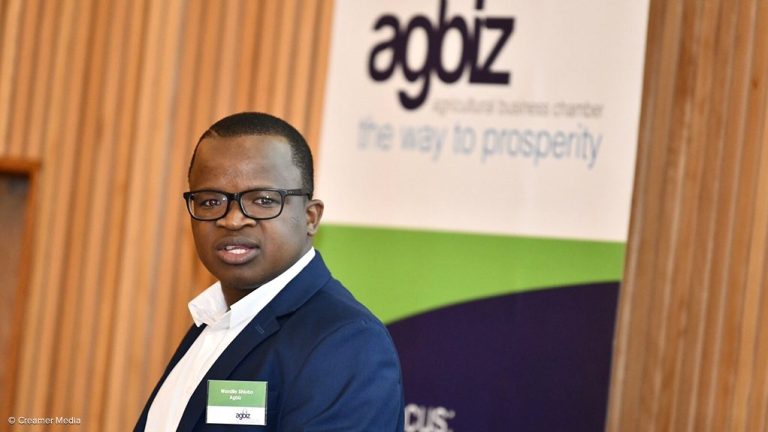
According to Wandile Sihlobo, Chief Economist of Agbiz, the increase was fundamentally driven by positive production conditions and better logistics. Farmers are feeling better because of:

  • Favourable weather conditions, with optimism surrounding the onset of La Niña-induced rains for the 2025/26 season.
  • Strong exports thanks to bumper harvests of grains, oilseeds, and horticulture.
  • Smoother operations at ports, helping to move products quickly.
  • A major factor influencing sentiment was the announcement of a nationwide vaccination campaign against foot-and-mouth disease (FMD), which has long threatened the livestock industry.

Farmers Are Spending and Trading More Than Ever

The underlying data confirms that this optimism is being backed by significant activity, particularly in investment and trade.

The sub-index measuring export volumes surged by 32 points to 75, a robust figure reflecting South Africa’s strong agricultural export performance throughout the year. The total value of agricultural exports for the first three quarters of 2025 hit a strong US$11.7 billion, a 10% increase year-on-year.

Furthermore, the subindex for capital investments increased by 7 points to 74. This confidence is visible on farms: cumulative tractor sales for the first 10 months of 2025 were up by 11%, while combine harvester sales rose by 8%. This indicates farmers are continuing to invest heavily in new machinery.

Not All Sectors Are Equal: The Problem with Livestock

Despite the overall lift, the recovery remains uneven, and two sub-indices declined slightly. The indicators for turnover (sales) and net operating income (profit) dipped slightly. This was primarily attributed to lower commodity prices for winter crops, even though the harvests were relatively large.

The biggest challenge remains the livestock sector. Dawie Maree, Head of Agriculture Information and Marketing at FNB, agreed that FMD had a definite “dampening effect” on the overall confidence index, echoing Mr. Sihlobo’s caution that while horticulture and field crops show better conditions, “the livestock industry is under pressure.”

What Needs to Happen Next

Both experts view the future with a mix of opportunity and necessary action. Mr. Maree highlighted that while the FMD vaccination announcement is positive, the future will “all now depend on implementation”—getting the vaccine rolled out quickly and effectively.

For long-term expansion and stability, Mr. Sihlobo also stressed that key collaborative efforts between business and government are vital. These include pushing for:

  • Better management of local municipalities.

  • Addressing serious issues like rural crime.

  • The appropriate release of government-owned land to beneficiaries.

In conclusion, Q4 2025 marks a strong, positive close to the year for the agricultural sector, though the industry remains focused on turning the promise of FMD control and political cooperation into sustainable, sector-wide prosperity.

Durbanville Wine Valley Strengthens Agricultural Legacy With Unprecedented Achievements

0

The Durbanville Wine Valley enters the summer season fresh off one of its most decorated years to date. With prestigious awards, milestone anniversaries and standout collaborative projects, the region has firmly reinforced its reputation as one of South Africa’s most dynamic cool-climate wine destinations.

A Year Marked by Major Milestones

This year saw Durbanville celebrate several significant markers of its rich heritage. Among the most notable was the release of The Durbanville Pinotage 2024, a special collaborative wine created jointly by the region’s winemakers. Bottled exclusively in magnums, the wine pays tribute to multiple anniversaries: Durbanville’s 200-year history, the 100th anniversary of Pinotage, and the centenary of Afrikaans as an official language. A small allocation remains available for purchase, making it one of the valley’s most sought-after collector releases.

The valley also stood proudly on the international stage as one of the select regions showcased at Cape Wine, South Africa’s premier global wine exhibition. Durbanville producers hosted two immersive events for visiting trade representatives: a Sauvignon Blanc and ocean-foraging experience exploring the influence of Atlantic breezes on the region’s signature white wine, and a Flames & Reds heritage evening, which opened with a ceremonial cannon firing and highlighted Durbanville’s cool-climate red varietals.

Durbanville Wine Valley

Winemakers and Industry Leaders Shine

Alongside winemaking achievements, two of the valley’s leaders earned top honours at the Durbanville Sakekamer year-end awards.

Thys Louw of Diemersdal was named Businessman of the Year 2025.

Karin de Villiers of Klein Roosboom was named Businesswoman of the Year 2025.

Their awards acknowledge not only individual excellence but also the role Durbanville’s wine estates play in strengthening the broader tourism and hospitality landscape.

Top Performers in National and International Wine Competitions

Durbanville’s producers delivered exceptional results across major competitions this year.

Diemersdal led the charge, being named Platter’s Top Performing Winery of the Year with six five-star ratings. Additional achievements included the Burgoyne Trophy for SA Championship Shiraz and placements in the Top 12 Shiraz at the Shiraz SA Challenge.

Durbanville Hills celebrated multiple accolades, among them two five-star ratings in the Platter’s 2026 guide—a first for the estate. Its Tangram White Blend 2023 also achieved an impressive 96 points at the Decanter World Wine Awards, placing it among the world’s top Sauvignon Blanc-based wines.

Smaller producers also made their mark. Mellish Family Vineyards received a Platter’s five-star rating for its Bakenkop Blanc Fumé 2022, affirming the valley’s depth of quality.

De Grendel enjoyed a standout year with three places in the Top 12 Shiraz, multiple Platinum awards at the Michelangelo International Wine and Spirit Awards, and a Top 10 White Wine ranking for its Op die Berg Chardonnay 2024.

Groot Phesantekraal, Meerendal, Nitida, D’Aria, and Maastricht rounded out the valley’s honours with trophy wins, Double Gold medals, and Top 10 placements across several respected competitions.

A Year That Strengthens Durbanville’s Legacy

Collectively, these achievements highlight Durbanville’s unwavering commitment to producing world-class cool-climate wines. As the region steps into the festive season, its heritage, innovation and spirit of collaboration continue to shape its celebrated identity—inviting wine lovers to explore, taste and experience all that the valley has to offer.

Unlocking Water’s Hidden Potential for Healthier Crops and Livestock

0

A quiet revolution in South African agriculture is reshaping how farmers think about water. Dr. Chabad de la Fontaine, a naturopathic doctor and quantum bio-physicist researcher, has spent over two decades exploring how water’s internal structure influences the vitality of crops, animals, and ecosystems. Her findings reveal that water is far more than a simple chemical compound — it carries an energetic memory that affects every living system it touches.

The Science Behind ELFET® Technology

This understanding forms the basis of ELFET® (Electric Field Entrainment Technology), a pioneering South African innovation that resets and restructures water at the molecular level. The technology removes the “chaotic” imprint left by chemical treatment and high-pressure systems, restoring water to a biologically harmonious form similar to the hexagonal water found in natural springs and living cells.

“Structured water enhances hydration at the cellular level,” explains Dr. de la Fontaine. “In plants, it improves nutrient absorption, root development, and resilience against drought and disease. In livestock, it promotes vitality, better hydration, and improved production.”

From Energy to Efficiency

ELFET® works through electromagnetic resonance, not additives. It reorganises water’s internal geometry, returning it to its natural, life-supporting state. Farmers using structured water report healthier soil, more vigorous crops, and reduced reliance on chemical inputs — key components of sustainable, regenerative farming.

Global Roots, Local Innovation

While frequency-based water technologies are not new — with China, Japan, and India long applying similar principles through frequency devices and copper spirals — South Africa’s ELFET® system stands apart. With over two decades of research and testing, it offers a scientifically proven, cost-effective solution tailored to African farming conditions.

Reviving the Intelligence of Water

Dr. de la Fontaine believes that recognising water as a living, information-carrying medium can transform agriculture. “When we restore water’s natural intelligence,” she says, “we restore the vitality of life itself.”

Rovic Is Redefining Tillage to Break the Yield Barrier Beneath Your Soil

Across the Western Cape, farmers are gearing up for another season marked by unpredictable weather patterns, stressed soils, and pressure to keep yields profitable. But there’s a silent barrier beneath our feet that’s costing farmers more than any drought ever could: soil compaction.

Renowned statesman Daniel Webster once wrote, “Let us not forget that the cultivation of the earth is the most important labour of man.”

And he was right—because every crop, every root, and every yield begins with tillage and the condition of the soil.

Rovic Rovic

The Hidden Cost of Compaction

Soil compaction isn’t just inconvenient—it’s a yield killer. Penetrometer readings taken across South African fields show that while the upper ±100 mm of topsoil may seem loose, compaction skyrockets to above 3,200 kPa between 100–350 mm.

Rovic

Root systems simply cannot penetrate soil above 1,800 kPa, meaning crops are forced to grow sideways like fibrous grasses rather than develop the deep taproot structures needed for resilience and water uptake.

This shallow rooting is especially devastating in South Africa’s low-rainfall conditions (±464 mm annually). With roots trapped near the surface, crops lose access to water reservoirs, nutrient-rich layers, and the stability needed for healthy growth.

The result? Stunted crops, uneven stands, nutrient deficiencies, and lower yields—long before drought or fertilizer shortages even come into play.

Rovic’s Engineers Step In

Understanding the severity of compaction, Rovic’s engineering team posed a crucial question:

Rovic

How do we help farmers break these layers more effectively—without increasing costs or requiring bigger tractors? Their goal was clear:

– Loosen the entire soil profile
– Penetrate deeper compaction layers
– Avoid disturbing topsoil
– Keep operating costs low
– Improve implement life
– Deliver a smooth, consistent seedbed

This led to the development of the Super 19 Hammerhead Share, a breakthrough in tillage engineering.

Rovic

A Groundbreaking Share Design

Field comparisons between standard reversible shares and the new Hammerhead design produced remarkable results:

– Fuel efficiency increased from 146m3/l
– Soil loosened increased by 46%

In practical terms, the Hammerhead share doesn’t just run more efficiently—it delivers more soil movement at a far lower operating cost.

Rovic

Even when priced at a premium, the numbers speak for themselves:

– Break-even yield increase needed: ±125 kg/ha
– Expected yield increase: ±500 kg/ha
– Additional income per hectare: ±R1,500

For farmers under financial pressure, these gains aren’t just helpful—they’re game-changing.

Strengthened Tines for Longer Life and Lower Costs

Rovic also redesigned the tine and share structure itself. By increasing the share thickness from 20 mm to 30 mm, adding more tungsten welding, and hardening the cast, the new system delivers up to 4× the lifespan at a lower overall cost than repeated standard replacements. The result is a stronger, more durable tine with less downtime and fewer bolt replacements.

Hydraulic Breakaway: The Smart Tine Advantage

Traditional leaf-spring tines suffer from metal fatigue due to constant vibration—leading to bending, cracking, and eventual failure. Rovic’s hydraulic breakaway system eliminates this weakness while delivering:

– Maintenance-free operation
– Higher, adjustable breakaway force
– Consistent working angle
– Up to 30% fuel savings
– Up to 20% less share wear
– Superior depth control
– Higher implement resale value

In other words: more efficiency, more consistency, and fewer surprises in the field.

Rovic

A Better Way to Break the Barrier

Compacted soils limit yields and drive up costs. Rovic’s tillage solutions break these layers efficiently, helping farmers save fuel and grow stronger crops without changing equipment. When roots move freely, higher yields follow. Breaking the soil barrier is the first step to breaking yield barriers.

For more information visit https://www.rovic.com/ 

Cape Town: 021 907 1700 | Johannesburg 011 369 6240

Rooibos and Honeybush Drive SA’s Latest Agricultural Innovation

0

Rooibos Earth’s Essence is shaking up the liquor market in South Africa by creating the world’s first naturally preserved range of wine, beer, and cider – crafted with rooibos and honeybush extracts and now available exclusively at 25 Checkers LiquorShop stores across the Western Cape.

A Rooibos Tea Spark That Started It All

In 2010, after a long day in a Stellenbosch wine cellar, a simple cup of rooibos tea sparked a bold idea – to use antioxidants from indigenous fynbos plants to replace sulphur as a synthetic preservative in wine.

The breakthrough changed everything for founder and winemaker Trevor Strydom, owner of Audacia Wines in Stellenbosch. The real work, he says, began in 2011 when he patented his innovation to safeguard its unique process.

 Rooibos

More Than a Decade of Scientific Refinement

Over the past fourteen years, close collaboration with local industries, universities, and brewers has refined the science, ensuring every product meets the highest standards of quality and consistency.

“From day one, the mission has been clear – to create a more natural way to preserve and enjoy wine, beer and cider while celebrating South Africa’s indigenous plants,” — Trevor Strydom, Founder of Earth’s Essence.

A Partnership With Shoprite Group

In 2022, Trevor met with a team from the Shoprite Group to explore ways to bring his range to a wider audience. Recognising its potential, the retailer invited the brand to join its SMME supplier network, providing mentorship, technical support, and valuable shelf space in one of South Africa’s most competitive retail categories.

“We received crucial guidance on product listings, from brand packaging to consumer testing and pricing, from the Checkers team. With their assistance, everything suddenly became possible,” — Trevor Strydom, Founder of Earth’s Essence.

Bringing Rooibos Earth’s Essence to Shelves

By mid-2024, the Rooibos Earth’s Essence range — including a naturally preserved wine, a 3.8% ABV apple cider, and a 3.8% ABV beer — was ready for the shelves, marking the brand’s first significant step into national retail.

“For a small start-up, finding a reliable route to market, gaining shelf space and visibility is without a doubt the hardest step – and this partnership with Checkers has been a game changer. It’s given us the credibility, visibility, and reach that a small brand could never achieve alone – and it’s clear Checkers genuinely cares about our success, ” — Trevor Strydom, Founder of Earth’s Essence.

Growing Awareness Through Community and Collaboration

The next step, he says, is to grow awareness through tastings, social media, and collaborations – helping health- and sustainability-minded consumers connect with the brand’s story and discover something local, innovative, and better for them.

Rooibos Earth’s Essence wines are produced at Trevor’s 23-hectare wine farm in Stellenbosch, which produces around 135 tons of grapes annually. Its 3.8% ABV beer and cider are brewed at Darling Brewery.

Sustainability at the Core

“Sustainability is the very foundation of everything we stand for,” enthuses Trevor. “By using fynbos antioxidants, both naturally abundant and indigenous to South Africa, we support local farmers and avoid synthetic additives or chemical preservatives.”

Even the winemaking, cider fermenting, and brewing processes follow a minimal-intervention approach, he adds. The goal is simple: to create products that are better for people, gentler on the planet, and celebrate the incredible natural resources of the Cape.

A Vision for Global Recognition

“We believe what you drink should taste exceptional and make you feel good – naturally. No nasties. No preservatives. Just bold flavour naturally preserved. Our dream is to see Earth’s Essence become a globally recognised South African success story,” says Trevor.

Over 220 Graduates Strengthen Western Cape’s Agricultural Future at 2025 EATI Ceremony

0

The Western Cape Minister of Agriculture, Economic Development and Tourism, Dr Ivan Meyer, has hailed the 2025 Elsenburg Agricultural Training Institute (EATI) Graduation Ceremony as a milestone in advancing skills development and economic growth in the province.

This year, EATI conferred:

  • 101 Bachelor of Agriculture degrees
  • 62 Diplomas in Agriculture
  • 59 National Certificates in Plant Production through the Recognition of Prior Learning (RPL) programme.

Additional certificates were also awarded in Horsemastership and Livestock Farming, alongside recognition for Burgundy Exchange Programme participants.

Speaking at the event on 6 December 2025, Minister Meyer emphasised the values of worth, caring, and fairness, which underpin the Western Cape Government’s approach to governance and service delivery. “When we invest in people, we invest in growth. When we uphold worth, caring, and fairness, we build a society where opportunity is shared, and prosperity is possible for all,” said Meyer.

Driving economic growth and employability

Agriculture remains the backbone of the Western Cape economy, supporting over 200,000 jobs and driving rural development. Minister Meyer highlighted that graduates are key to achieving the province’s Growth for Jobs Strategy, which aims to build a R1 trillion economy by 2035.

A recent employability study revealed that 68.1% of EATI graduates aged 18–35 are more likely to be employed compared to the national average of 41.7%. Six months post-graduation, 42% of graduates found employment, 18% entered internships or learnerships, and 2% became self-employed.

Celebrating excellence

Special awards were presented to top-performing students, including:

  • DUX Award (Bachelor of Agriculture): Kara Du Toit and Claudia Monin
  • DUX Award (Diploma in Agriculture): Emily Klue

Quotes from DUX winners:

  • Claudia Monin: “As I reflect on my time at Elsenburg, I am profoundly grateful for the opportunity I have been given to study and live at the hostel at Elsenburg, and to grow personally and academically. Armed with the skills I have acquired at Elsenburg, we are now equipped to play a vital role in strengthening the SA agricultural sector while also safeguarding employment, food security, and our national food basket.”
  • Kara Du Toit: “Agricultural innovation is the seed that grows into a bountiful harvest. Our education has equipped us with knowledge of sustainable farming practices, natural resource management, and data-driven techniques. I encourage graduates to embrace curiosity, cultivate habits such as continuous learning, ethical sourcing, and resilience against pests and weather. Excellence builds trust with consumers.”

Global partnerships and innovation

Minister Meyer underscored the importance of international collaborations, such as:

  • Burgundy Exchange Programme (France): Providing cellar workers and students with hands-on winemaking experience.
  • Bavaria Partnership (Germany): Focused on vocational training, climate-smart farming, and innovation, including plans for an Innovation Centre at Elsenburg.

“These partnerships ensure that our graduates are equipped with future-ready skills, positioning the Western Cape as a leader in sustainable agriculture,” Meyer said.

A call to action

Minister Meyer urged graduates to become ambassadors for innovation and inclusivity:

“Champion sustainability, embrace technology, and advocate for fairness in every space you occupy. The future of agriculture—and the future of our province—rests in your capable hands.”

Acknowledgment of support

“We extend our heartfelt gratitude to the parents, guardians, families, and friends who have stood by our graduates throughout their academic journey at Elsenburg Agricultural Training Institute. Your unwavering support, encouragement, and sacrifices have played an invaluable role in shaping their success. Today’s achievements are a shared celebration of your commitment and belief in their potential,” concluded the Minister.

South Africa’s Agricultural Machinery Market on a Roll

0

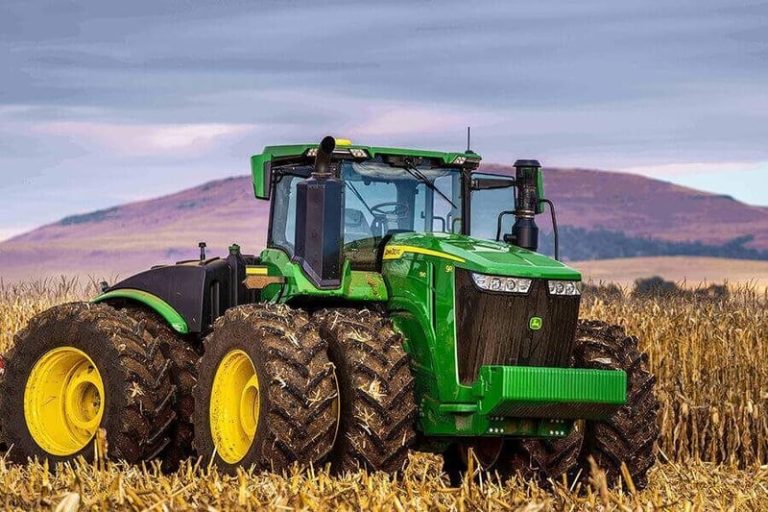
The sector has seen an impressive upward trajectory, primarily driven by tractor sales. With data now compiled for the first eleven months of 2025, cumulative tractor sales have hit 7,176 units, marking a powerful 19% increase compared to the same period in 2024. This sustained demand underscores the financial strength of South African farmers. The primary driver of this boom is the capital accrued from the successful 2024-25 agricultural season, which delivered bumper harvests across key sectors like field crops, horticulture, and wine grapes.

Wandile Sihlobo, Chief Economist at the Agricultural Business Chamber of South Africa (Agbiz), highlights the deeper meaning behind these numbers. “The strong tractor sales signal farmers’ optimism about the 2025-26 agricultural season, which has recently started,” Sihlobo stated.

Harvesters Show Healthy Investment

While tractor sales have dominated the headlines, combine harvester sales also show a healthy level of investment. For the eleven months ending in November, sales stand at 200 units, a solid 3% increase year-on-year. Sihlobo acknowledged the slight monthly volatility in this segment, where combine sales have cooled recently. However, he emphasised that this softening is not a cause for alarm, noting, “The sales have generally been robust throughout the year, with combine harvesters only cooling in recent months. But the broad picture for the year will be a period of recovery.”

Favourable Conditions Fuel Future Growth

The factors supporting this machinery boom are expected to sustain the sector’s performance into 2026. The financial environment is becoming more supportive, with interest rates easing from last year’s levels. Sihlobo further elaborated on the supportive environment: “In addition to the improved agricultural production conditions for the 2024-25 season and the promising prospects for the new 2025-26 season, interest rates have eased somewhat from last year’s levels, and the affordable cost of capital supports sales.”

The outlook for the upcoming season is also bright, with the expected La Niña weather pattern promising ample rainfall to support production. Farmers intend to plant 4.1 million hectares of summer grains and oilseeds in the 2025-26 season—a 1% increase from the previous year.

Looking ahead, Sihlobo concluded with an optimistic projection for sustained growth: “We are optimistic that we can continue on this path through 2026, as the cost of capital remains affordable and the sector is likely to deliver another year of ample harvests.” This confidence suggests that the impressive sales gains of 2025 are the start of a multi-year period of prosperity for the agricultural machinery industry.

Space-Age Tech: New LEO Partnership Drives Precision Farming in South Africa

0

On 8 December 2025, a landmark strategic alliance was announced that promises to inject powerful digital momentum into South Africa’s economy, with the nation’s sprawling agricultural sector set to be a key beneficiary.

Local satellite communications leader, Q-KON, joined forces with China’s Guodian Gaoke (provider of the Tianqi LEO Constellation) and StarWin (terminal technology specialist) to roll out next-generation Low Earth Orbit (LEO) Internet of Things (IoT) services across the country. This isn’t just a commercial agreement; it is a transnational synergy set to revolutionise how South African farms operate, moving them firmly into the era of ‘Smart Farming.’

Bridging the Connectivity Divide

For years, South African agriculture, which stretches across vast and often remote terrain, has been hampered by poor connectivity. Cellular coverage is patchy outside metropolitan areas, and traditional broadband infrastructure is costly to deploy across farmlands. This digital divide has made it difficult for farmers to adopt the technologies necessary to stay competitive globally.

The newly formed alliance directly addresses this challenge. Guodian Gaoke’s Tianqi LEO Constellation comprises a network of low-orbit satellites that blanket the entire country, offering reliable, always-on data links. Unlike traditional high-orbit satellites, LEO satellites orbit much closer to Earth, dramatically reducing communication delays (latency) and making real-time data transfer feasible—a necessity for industrial applications like IoT. Q-KON, leveraging its deep market expertise and distribution network, will be the authorised service provider, ensuring the technology is accessible and localised for end-users.

Precision: The New Path to Productivity

The core of this revolution lies in precision management and automation. IoT sensors, connected via the StarWin-supplied ground terminals, are placed throughout farms to monitor critical variables in real time. These variables include soil moisture, temperature, pH levels, and even the health metrics of individual crops.

Farmers will no longer rely on guesswork or generalised seasonal data. Instead, they will receive minute-by-minute insights that allow them to implement Variable Rate Technology (VRT). This means water and fertiliser are applied only where sensors indicate they are needed, reducing waste and cutting costs. It is estimated that optimised irrigation and fertilisation can lead to significant reductions in water usage and input expenses, directly boosting the farm’s bottom line while promoting sustainability.

From Veld to Global Competitiveness

Beyond basic monitoring, the LEO IoT service offers a powerful tool for asset and livestock management. GPS trackers on expensive farm equipment and collars on cattle can report their precise location and operational status directly via the satellite network. This not only enhances security against theft but also allows for efficient grazing management through virtual geofences, a major logistical benefit for large livestock operations.

As StarWin’s COO and Co-Founder, Amelia, noted, this initiative aligns perfectly with South Africa’s national digital strategy, which views IoT as pivotal for transforming traditional industries like agriculture. By enabling advanced, data-driven farming, this tripartite alliance will drive direct gains in productivity and product quality. This structural upgrade ensures that South African agricultural products—from exported citrus to domestically grown grains—remain globally competitive, securing the industry’s future and generating new employment opportunities within a highly sophisticated, digitised value chain.

The Q-KON, Guodian Gaoke, and StarWin alliance is not just selling connectivity; it is providing the essential digital nervous system for South Africa’s agricultural success story.

South Africa’s Inspection Services Launch Critical Operation Against Fake Honey

0

The promise made in November has become the crucial enforcement action of December. South Africa’s Department of Agriculture has moved swiftly from strategy to street-level action, launching an extensive operation to clear store shelves of counterfeit honey products. This decisive effort stems directly from the commitments made on Monday, 10 November 2025, when Minister of Agriculture John Steenhuisen unveiled a comprehensive plan to protect the R10 billion bee industry.

The Urgency: Why the Crackdown Matters

This concerted action is not simply about quality control; it is fundamental to national food security and economic integrity. The honeybee, deemed the “farmer of the sky,” is indispensable, pollinating nearly 75% of South Africa’s commercial crops. The industry’s viability is constantly threatened by counterfeit products that flood the market, undermine the prices paid to honest producers, and defraud the public.

Honey

Protecting Producers: Fake honey—often cheap syrup—pushes genuine beekeepers out of business, jeopardising rural jobs and the future of the industry.

Protecting Consumers & Health: Shoppers pay a premium for high-quality, pure honey but receive nutritionally void “honey-based syrups,” which can pose a health risk, particularly to vulnerable consumers.

Upholding the Law: The operation enforces the Agricultural Product Standards Act, 1990, ensuring fair trade and accurate labelling as required by South African food law.

Operation #stopfakehoney: The Action on the Ground

In line with the Minister’s pledge, the Department of Agriculture’s Inspection Services are currently deploying teams for the #stopfakehoney joint operation. Their mandate is clear: to identify and confiscate products illegally labelled and sold as honey.

The specific target of this enforcement is the influx of imported and locally blended products disguised as the genuine article. Inspectors are actively sweeping stores to remove anything labelled with deceptive terms like “honey-based syrup,” which often mask cheap substitutes like corn syrup. This ensures that the commitment made in November to tackle product adulteration is now a visible reality for retailers and consumers alike.

Honey

Empowering the Public: How to Identify Fake Honey

While regulators are cracking down on suppliers, the Department is simultaneously empowering consumers to be vigilant. By adopting the #KnowYourHoney guidelines, shoppers can protect themselves and become the first line of defence against fake products:

Check the Label: If it says “honey blend,” “honey-based syrup,” or anything other than pure honey, put it back.

Observe the Texture: Real honey is thick and slow-moving and will cling to a spoon. Fake honey often runs quickly and cleanly like water.

Check the Price: If the price is very cheap, it is a strong indicator that the product is likely not real honey.

Source Wisely: Protect your purchase by buying from trusted, reputable brands or local beekeepers you know personally.

Securing the Future: Sustainability and Export Ambitions

The inspection sweep is part of a larger government commitment to build a resilient and sustainable bee industry. The Minister made a direct appeal to farmers to prioritise pollinator health, warning against pesticide misuse during bloom and stressing: “When bees die, farming loses its heartbeat.”

To ensure the sector’s long-term strength, the government is focusing on:

Export Growth: Finalising the Residue Monitoring Plan to open access to the lucrative European Union (EU) market, placing South Africa alongside exporting nations like Tanzania and Zambia.

Strategic Planning: Developing key initiatives, including a National Beekeeping Strategy, a Bee Forage Strategy (to combat shrinking food sources), and an AFB (American Foulbrood) Management Strategy.

By moving decisively in December and establishing these long-term pillars, the government confirms its commitment to an industry that is vital for economic empowerment, food security, and the quiet stewardship of a healthy environment.