14.8 C
Cape Town
Friday, June 26, 2026
Home Blog Page 22

Waging War on FMD: Steenhuisen Unveils ‘Zero Tolerance’ Roadmap for 2026

0

As of late December 2025, South Africa’s livestock sector stands at a historic crossroads. After a year of devastating spread that saw Foot-and-Mouth Disease (FMD) infiltrate seven provinces, the government has abandoned the old “containment only” strategy in favour of a massive, structural overhaul of animal health policy. This shift marks a transition from reactive crisis management to a proactive, science-driven “FMD-Free with Vaccination” roadmap.

The Current State of the Outbreak

The scale of the current crisis remains severe, with KwaZulu-Natal (KZN) acting as the epicentre with 207 confirmed outbreaks. While the Western Cape has contained its single outbreak, the virus remains active in seven provinces.

In the 3rd week of December, Minister Steenhuisen highlighted a worrying development: Limpopo, which had previously managed to control the disease, recorded four new cases in the Waterberg, Vhembe, and Alldays areas. Additionally, a new SAT1 strain identified in a Gauteng feedlot confirms that the virus continues to be introduced via illegal livestock movements across provincial borders.

The “70/90/100” Strategy

The centerpiece of the plan is a set of hard metrics known as the “70/90/100” target for the next 24 months:

  • Reduce FMD incidents by 70% in high-risk areas.

  • Achieve 90% vaccination coverage in communal and commercial herds.

  • Enforce 100% vaccination in the dairy sector.

South Africa now has a realistic and technically sound roadmap to realise its goal of FMD-free status with vaccination, a crucial step for restoring confidence in export markets and stabilising this R80 billion livestock industry.” — Minister John Steenhuisen

Critical Deadlines: January & February 2026

The Minister outlined a strict timeline for the start of the new year, marking these dates as pivotal for the “war” against FMD:

  • Mid-January: The Botswana Vaccine Institute (BVI) begins delivering 1 million doses per month.

  • Second Week of January: The official launch of the Livestock Identification and Traceability System (LITS). This digital platform will use geo-location to track the movement of every vaccinated animal.

  • Third Week of January: A national briefing for SAPS and law enforcement to begin a “zero tolerance” crackdown on illegal animal transport.

  • End of January: The announcement of a Section 10 scheme, which will set the legal parameters and mandatory requirements for dairy and feedlot vaccination programs.

  • February 2026: Commencement of mass vaccination in KZN and Gauteng.

Enforcement and Financial Support

To ensure these deadlines are met, the Department is hiring additional veterinary technologists and training unemployed Animal Health graduates to join the February rollout. Financially, the Minister has committed 5% of all CASP (Comprehensive Agricultural Support Programme) funding permanently to biosecurity, while redirecting all current unspent funds to immediate FMD control.

The Road Ahead

The recovery of the R80 billion industry will be a “monumental task” according to Steenhuisen. However, with the transition to digital tracking in January and mass vaccination in February, the government believes it can finally turn the tide. As the Minister concluded, the goal is to secure food safety and restore international export confidence through a unified, law-enforced response.

High Price of Celebration: Why This Year’s Christmas Lunch is Costing a Fortune

0

Whether it’s a formal roast in the oven, a traditional “Seven Colours” feast, or a relaxed family gathering, South Africans sit down for Christmas lunch with a shared love for good food. However, this year, the “meat at the centre of the table” is coming with a side of sticker shock.

While the national economy has shown signs of stabilising, meat prices have bucked the trend, surging to their highest levels in nearly eight years. According to Paul Makube, Senior Agricultural Economist at FNB Commercial, meat inflation hit a staggering 12.2% in November 2025—the sharpest annual climb since 2018.

The “Geographic Inequality” of Your Festive Roast

A startling finding in the latest data is the price gap between inland producers and coastal consumers. Foot-and-Mouth Disease (FMD) outbreaks have made moving livestock to the coast a logistical nightmare. This has resulted in what experts call “geographic inequality,” where the same cut of meat costs significantly more depending on your province.

If you are buying beef chuck for a holiday stew or roast beef for the oven, here is the price jump you’re facing compared to last year:

  • Western Cape: +28% increase

  • KwaZulu-Natal: +27% increase

  • Eastern Cape: +19% increase

  • Gauteng: ~12–15% increase

A Deep Dive: What Your Plate Costs Now

The FNB report highlights that the traditional “centrepiece” meats have reached luxury status. Below are the current average retail prices:

  • Sirloin Roast: R224/kg (up 37%)

  • Rump: R209/kg (up 32%)

  • Beef Chuck (National Avg): R136/kg (up 29%)

  • T-Bone: R164/kg (up 29%)

  • Lamb & Mutton Chops/Leg: R214 – R220/kg (up 13%)

The Poultry Pivot: Chicken Takes Centre Stage

With red meat prices soaring, a massive segment of the population is turning to chicken to save their Christmas lunch. Poultry is now the primary protein for roughly 60% of South African households.

While beef and lamb saw double-digit spikes, Individually Quick Frozen (IQF) chicken portions rose by a relatively modest 6%, averaging around R101 for a staple pack. For many families, switching from a beef roast to a roasted whole chicken or a spicy chicken stew is the only way to avoid a “January Slap” on their bank accounts. The convenience of IQF also means less waste, as families can defrost exactly what they need for the big meal.

Why Farmers Aren’t Celebrating

Despite high prices at the till, farmers are struggling. The FMD outbreak halted exports, “trapping” premium meat locally. While consumers pay more due to supply-chain friction, farmers are battling high biosecurity costs and movement bans, making it difficult to turn a profit.

Looking Toward the New Year

There is a light at the end of the tunnel. Paul Makube notes that relief may be coming: “After the festive season, demand for meat usually drops, which could help bring prices down.”

The Harvest of Hospitality Wellness and Agri-Tourism at Brahman Hills

0

South Africa, renowned globally for its natural beauty and diverse agricultural output, is currently experiencing a boom in Experiential Tourism—a trend blending agriculture, hospitality, and sustainable land stewardship. This sector invites visitors to engage directly with the land, finding both wellness and a connection to farming culture.

A prime example of this investment is Brahman Hills in the KwaZulu-Natal Midlands, which is mastering the art of merging Agri-tourism and Wellness Tourism. While the property is breaking ground on the massive 22-hectare Serenity Garden and World’s Largest Labyrinth, it is already a complete destination centred on holistic well-being and sustainable practice.

Wellness Rooted in the Earth

The foundation of the experience is the property’s commitment to nature and horticulture. Brahman Hills is already home to an internationally acclaimed, Royal Horticultural Society (RHS) Partner Garden. The new Serenity Garden will amplify this, offering a purposeful, meditative journey through curated indigenous plant life. This focus on Horti-tourism—the therapeutic engagement with gardens and natural landscapes—is key to the wellness offering.

Farm-to-Fork Nourishment

Tying directly into Agri-tourism, the property champions a robust farm-to-fork philosophy. Extensive kitchen and herb gardens supply the on-site restaurants with ethically-sourced, pesticide-free produce, allowing guests to taste the direct, seasonal output of the land. This focus on nutritious, fresh ingredients complements the wellness agenda, providing physical nourishment alongside mental serenity.

In short, Brahman Hills is creating a unique travel product: a space for deep reflection and healing that is intrinsically linked to the land and its bounty.

The burgeoning significance of this sector is highlighted by major upcoming events, including the 31st Commonwealth Agriculture Conference set to be hosted by Cape Town from 1–5 November 2026.

SA Agriculture Turns 2025 Lessons into 2026 Action

0

The South African agricultural sector will be entering 2026 with unprecedented momentum, having successfully converted the significant headwinds of the past year into a clear roadmap for future resilience.

While 2025 tested the industry with systemic challenges—from crippling logistics to trade uncertainty—the overriding story is one of a sector that learned hard lessons, immediately investing in smarter, faster, and more sustainable solutions. Crisis has catalysed change, unlocking a powerful new era of efficiency and global competitiveness.

The industry actively moved forward, hosting landmark events that shaped policy and future investment, including the record-breaking Nampo events in Bothaville and Bredasdorp with record attendance, the crucial Summit on Climate Change, a vital Food Safety Conference, multiple G20 on Bioeconomy meetings, the high-level ANCA Bioeconomy Summit, the innovative Agri Tech Conference, the Western Cape Investment Summit, and key industry gatherings like the Wine Tourism and SA Wine Summits. These events equip farmers with the knowledge and technology needed to thrive.

The Logistics Leap: Investing in Competitive Infrastructure

The most profound and costly lesson of 2025 was the unreliability of national infrastructure. Energy instability and deteriorating rail/port systems jeopardised exports and cost the economy billions, confirming that stability requires aggressive, unified investment.

The Action: The industry is pivoting to Public-Private Partnerships (PPPs), a breakthrough already funding hard infrastructure. This ensures a total of nine new, wind-resilient gantry cranes—part of a phased delivery—will be fully operational at the Cape Town Container Terminal in January 2026, a vital protection measure for the deciduous and citrus seasons. Strategic alliances are advancing national rail capacity, set to receive over R100 billion in investment, directly addressing the logistics bottleneck.

Economic and c: The Pivot to Efficiency

The persistent pressure from economic headwinds—high input costs, high interest rates, and climate variability—forced the sector to adopt radical efficiency measures for long-term profitability and food security.

The Action: Producers are fighting back with technology. To combat the cost squeeze and utility unreliability, leaders like Young Farmer of the Year, Francois Rossouw Jnr, are pioneering self-sufficiency through massive solar energy investments. Investment in better storage, such as c, is being prioritised to mitigate supply chain losses. This focus on efficiency and sustainable growth minimises risk against climate change and maintains farm profitability for the future.

Securing Market Access: Fighting Tariffs and Disease

The year exposed the dual vulnerabilities of trade: failure of the import tariff system to protect local industries, and the persistent threat of animal disease to export stability.
The Breakthrough: Industry and government are uniting to secure both the home front and the international market.

Grain SA is actively pushing for an effective import tariff system and mechanisms to restrict cheap imports during the local harvest, safeguarding producers’ livelihoods. This defense is matched by the swift finalisation of the Vietnam trade MoU for diversification. Crucially, Minister Steenhuisen has intensified the national FMD response, pivoting toward the long-term goal of achieving “freedom with vaccination” status, supported by two million vaccine doses anticipated by February 2026.

Celebrating Leaders, Quality, and Global and Local Triumph

The industry’s strength is rooted in its proven quality, its people, and its inspirational leadership. This season is where excellence is formally recognised, providing the inspiration needed to drive improved performance in the new year. We celebrated numerous industry-based awards—covering vital sectors like grain, meat, and wine—honouring Farmer of the Year, Young Farmer of the Year, Industry Leaders, Developing Businesses, and Agri Workers of the Year (Western Cape Prestige Agri Awards).

This focus on human capital is mirrored by our global quality: the SA Wine Industry’s Global Triumph saw two estates place in the World’s Top 10 Vineyards, cheesemakers won a prestigious Super Gold at the World Cheese Awards, and OZblu achieved Platinum sustainability certification. Celebrating these local and global triumphs is vital for securing a confident, excellent future.

The Path Ahead

The agricultural sector leaves 2025 having successfully transformed a year of profound challenge—from infrastructure bottlenecks and cost volatility to the persistent threat of disease and climate variability—into a strategic launchpad for 2026. The roadmap is defined by proactive investment in PPPs for logistics, a radical commitment to efficiency through smart technology, and an unwavering focus on market diversification.

Backed by our celebrated leaders and skilled workforce, the industry is positioned not merely for survival, but to solidify its status as a resilient, innovative, and globally recognised powerhouse. The hard work of 2025 ensures the future of South African agriculture is one of undisputed excellence and sustainable growth as we step confidently into the new year.

Mtimkulu’s vision Inspired New Farmer Generation

Nkosana Mtimkulu, a visionary and pioneering farmer from Amantle Farm in North West, had his life tragically cut short at the age of 42, just before he could accept the recognition he had earned. As a finalist in the 2025 Grain SA Potential Commercial Farmer of the Year category, and the posthumous recipient of the Agricultural Writers SA New Entrant to Commercial Agriculture Award, Mtimkulu’s story embodies the essence of courage, resilience, and profound transformation in the South African agricultural sector.

Mtimkulu was a first-generation farmer—the “city boy” who left a successful corporate career to realise the vision of his father, Stephen: to build a lasting Mtimkulu legacy in the rural countryside of Groot Marico. This journey began in 2010 when he co-founded a dairy farming and milk processing venture.

Although challenging, this initial experience provided invaluable commercial lessons and reinforced his commitment to the sector. He strategically pivoted to crop farming after this, realising that grain production required a long-term strategy focused on soil health and market intelligence.

Today, his 533-hectare Amantle farm focuses on cultivating a variety of crops in a rotation cycle, demonstrating his commitment to sustainable and market-driven production.

A Legacy of Empowerment and Vision

For Mtimkulu, agriculture was more than business; it was a medium for community upliftment. He deeply believed the sector had the potential to “heal, empower, and unify South Africa.” This conviction fueled his passion for mentorship. He regularly hosted free Farmers’ Days and study groups at his own expense to share technological and business expertise with developing farmers and interested youth.

His involvement in Grain SA’s PGP (Potential Commercial Programme) and the Lichtenburg study group confirmed his belief that “Information is key.” His commercial viability was underscored by successful partnerships with large off-takers like Tiger Brands and PepsiCo, focusing on high-value crops such as non-GMO popcorn maize and small white beans.

His dream was to scale Amantle Farm into a fully integrated commercial enterprise incorporating agri-processing, and to develop it as a flagship technology farm in North West—a research and training centre for agricultural students. Though Nkosana Mtimkulu could not personally accept his awards, his legacy lives on in the hundreds of farmers he inspired and empowered. His story remains a beacon of hope and success for a new generation of South African agricultural leaders.

The R3.4bn Traxtion Investment: A New Engine for SA Logistics

0

For decades, the South African agricultural sector has been held hostage by a logistics paradox: we produce some of the world’s best commodities, but move them using the world’s most expensive method—road. The 2 December 2025, announcement of Traxtion’s R3.4 billion rolling stock investment marks the moment this “road-tax” begins to lift.

The Deal: 46 Locomotives and 920 Wagons

In a move that signals a significant shift in South African freight, private rail operator Traxtion has finalised a landmark R3.4 billion rolling stock investment. The deal is split into two primary components: R1.8 billion for the acquisition of 46 diesel-electric locomotives from KiwiRail and R1.6 billion for the manufacture of approximately 920 freight wagons. This isn’t just a purchase; it is the largest private-sector commitment to rail capacity in the country’s history, specifically designed to address 5% of the national freight shortfall.

The Rosslyn Hub: Local Value and Skills

The technical heart of this deal is the Rosslyn Rail Services Hub in Pretoria North. Rather than simply importing technology, Traxtion is using this 50,000 m2 facility to perform a massive modernisation of the fleet. In partnership with Wabtec, 42 of the locomotives will be upgraded to C30MEI specifications, featuring fuel-efficient engines and advanced digital control systems.

Crucially, the programme carries a 60% local content requirement, ensuring nearly R2 billion flows directly into South African engineering and steel companies. Beyond hardware, the project creates 662 direct permanent jobs in manufacturing, assembly, and operations. These roles are supported by the TETA-accredited training centre at Rosslyn, which will train a new generation of drivers and technicians for the private mainline network.

National Scope: Key Corridors

While the technical work happens in Gauteng, the impact is national, targeting the high-demand “veins” of the country’s economy:

  • The Agricultural “Grain Belt”: Serving silos across the Free State, North West, and Mpumalanga, moving bulk grain to domestic mills and export terminals.

  • The Citrus Corridor: Connecting massive orchards in Limpopo and Mpumalanga to the ports of Durban and Maputo—a move the Citrus Growers Association (CGA) calls a “game-changer” for their Vision 260 export goals.

  • The Container Corridor: Linking the industrial interior to the Port of Durban, ensuring manufactured goods and processed agri-products bypass highway congestion.

Expert Insight: Reliable Relief

Industry leaders see this as a turning point for reliability. Theo Boshoff, CEO of Agbiz, notes that the deal proves the National Rail Policy is now a bankable reality. Furthermore, logistics expert Professor Jan Havenga of Stellenbosch University provides the data behind the move: logistics impacts 51% of all agricultural input costs. By shifting 4.5 million tonnes to rail, Traxtion protects provincial roads, which Havenga’s research proves are destroyed 125,000 times faster by heavy trucks than by passenger cars.

A New Era of Competitiveness

The Traxtion investment is a practical solution to a capacity crisis. By targeting these high-demand bulk corridors, the new fleet—expected to begin service in Q3 2026—will lower overall logistics costs and increase the competitiveness of South African exports. For the South African farmer and industrialist, this deal represents the first real opportunity in decades to trade on a modernised, efficient, and private-sector-backed logistics backbone.

Cut Costs, Cover More, Spray Smarter with VICAR Radial Turbine Sprayers

0

Over the past three seasons, Ikapa Trading in Grabouw—co-owned by Neels Thiart and supported by seasoned industry expert Mike Heath—has successfully conducted more than 50 well-organised demonstrations and sales of VICAR Radial Turbine Air Blast Sprayers.

VICAR Radial Turbine Sprayers

These versatile sprayers have proven their value on a wide variety of crops in the Western Cape, including grapes, apples, pears, oranges, lemons, berries, olives, avocados, fynbos, and vegetables—all with a single machine.

As the sole importer and direct distributor of the VICAR concept, we have worked closely with the German manufacturer to select three optimal models from more than ten available options. The result is a line-up that delivers outstanding performance, exceptional coverage, and reliable crop protection.

Our latest sprayers are engineered to reduce input costs, improve spray efficiency, and increase coverage precision—even in the toughest conditions. With a VICAR sprayer, you can:

What are the Benefits of VICAR Sprayers

  • Minimise spray drift
  • Cut down your spray fleet
  • Spray multiple rows simultaneously
  • Spray effectively, even in the wind
  • Work faster and more efficiently
  • Navigate and spray terraces with ease
  • Meet all Global G.A.P. compliance standards
  • Lower ongoing maintenance costs
  • Spray multiple crops with one sprayer

    LTS—a family-owned company spanning two generations—brings over 40 years of experience as wine and fruit farmers. They have continuously refined their machines to meet evolving farming demands, from higher crop densities and narrower rows to precise application rates, all while meeting strict European standards.

VICAR Radial Turbine Sprayers

This advanced technology offers maximum control with minimal chemical use, achieving up to 90% less overspray and delivering major environmental benefits.

We welcome you to visit our showroom, see the machines in action, and book your personal demonstration.

Contact Us: Neels Thiart on 082 378 2411 | [email protected] | www.ikapatrading.co.za

Durbanville Wine Valley Builds on Award Success With Summer Events

0

As summer unfolds in the Durbanville Wine Valley, the region is set to welcome visitors with a festive programme that celebrates outdoor living, seasonal flavours and relaxed hospitality. From live music events to creative pairings and scenic picnic settings, Durbanville’s wineries invite guests to explore the valley’s distinctive sense of place throughout December and into the new year.

Live Music and Festive Highlights

A standout event on the summer calendar takes place at De Grendel, which will host Boney M live on 21 December. Set against the estate’s expansive vineyard backdrop, the outdoor concert forms part of De Grendel’s anniversary celebrations and promises a lively festive-season gathering. Beyond the headline event, De Grendel’s restaurant and tasting room will remain open over the festive period, offering visitors further opportunities to enjoy the estate’s hospitality.

SUNDAZE Summer Sundays Return

A firm favourite with locals and visitors alike, Durbanville Hills SUNDAZE Summer Sundays return for another season of laid-back afternoons on the lawns. These events combine live DJ music with a relaxed outdoor atmosphere, making them ideal for groups and families looking to enjoy summer in the valley.

Durbanville Wine Valley

The remaining dates for SUNDAZE Summer Sundays are 14 and 28 December, followed by 25 January, 8 February and 8 March, allowing guests to enjoy the experience well into the early months of the year. Alongside the music, the Durbanville Hills tasting room offers a Festive Sparkling Wine & Meringue pairing as well as its usual tastings, including child-friendly options.

Seasonal Pairings and New Spaces

Several estates are introducing seasonal offerings and refreshed spaces for the festive period. Nitida is expanding its tasting room and food offering, creating a new space with sweeping views and an updated selection of platters. Visitors are encouraged to follow the estate’s social media channels for updates on the expansion and to book ahead during peak holiday times.

Klein Roosboom continues to offer a relaxed festive-season experience, with Jean Restaurant presenting a seasonal menu for summer. The estate’s tasting room has also introduced two festive picnic options, giving visitors the opportunity to enjoy Durbanville’s landscapes in a casual outdoor setting. The tasting room will remain open throughout the festive season, making Klein Roosboom an easy addition to any holiday itinerary in the valley.

At Meerendal, guests can enjoy a festive bubbly tasting paired with three Cocoafair treats. The estate continues to offer its popular non-alcoholic pairing and a kiddies tasting, ensuring a welcoming experience for families.

D’Aria adds a seasonal touch with a festive Lindt-and-wine pairing, available alongside its regular tastings, including a juice pairing for younger visitors. With shaded lawns and ample open space, the estate remains a popular choice for relaxed family outings.

Casual Dining and Picnics

Canto continues to attract summer crowds with its range of wine, bubbly and gin pairings, complemented by wood-fired pizzas and picnic selections from the deli. Its informal setting and open lawns make it an easy-going destination for lingering afternoons during the festive season.

Explore the Valley by Wine Safari

Visitors looking to experience more of the Durbanville Wine Valley in one outing can opt for a Wine Safari tour in custom-built vehicles. These guided tours offer a scenic and informative way to visit multiple estates, with curated group bookings available for those seeking a tailored experience.

A Summer Invitation

With its mix of live music, festive tastings and family-friendly experiences, the Durbanville Wine Valley’s summer programme offers visitors a chance to slow down and enjoy the season. From December through to early autumn, the valley’s events and offerings provide a welcoming invitation to explore, relax and reconnect in one of the Cape’s most accessible wine regions.

The Climate-Logistics Crisis: Why Global Fresh Fruit Imports are Failing

0

The global fresh fruit trade is fighting a losing battle against its own supply chain. This high-value industry, particularly for goods like grapes and berries, faces a severe crisis where the contest for market share is no longer won on the farm, but increasingly lost on the water. The specific logistical nightmares crippling South African fruit exporters are not isolated events; they are a stark symptom of a worldwide system vulnerable to climate volatility and structural fragility.

The Bottleneck: Reliability, Not Distance

For importers, the biggest bottleneck is not the distance but the unpredictability of the supply chain. A shipping line’s inability to maintain a schedule destroys the narrow market window for perishable goods.

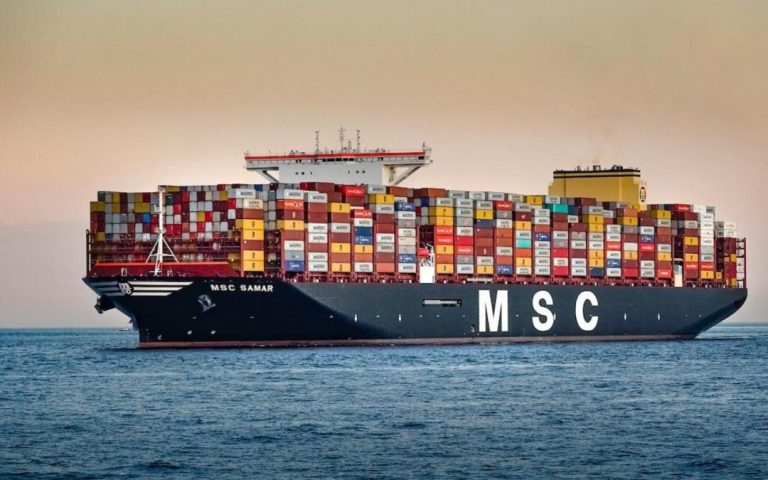
Example: The Wind vs. The World: In Cape Town, multimillion-dollar investments in new cranes, designed to operate in winds up to 90 km/h, were rendered useless when a storm brought wind speeds of 120 km/h. This forced a total halt, leaving hundreds of refrigerated containers—high-value stock destined for the crucial pre-Christmas market—stuck in cold storage.

The consequence for the importer is severe: the scheduled 24-day journey can stretch into eight weeks, pushing the fruit past its viable shelf life, resulting in massive write-downs and increased claims. For the farmer, this means absorbing high diversion and storage costs, threatening the sustainability of the entire upstream sector.

The Global Impact of Supply Chain Fragility

This vulnerability is global. While South Africa grapples with wind, other markets face equally crippling disruptions. Key receiving ports like Rotterdam and other European hubs experience persistent delays and labour issues, meaning the fruit that successfully navigated the ocean is now spoiling on the quay. Furthermore, geopolitical and climate stress—from the Panama Canal drought to high insurance premiums in conflict zones—reinforce a permanent condition of high logistical expense and low operational reliability.

The importer is forced to use expensive, advanced technologies like Maxtend or Controlled Atmosphere (CA) containers to preserve quality. As one importer noted, this is the “best way of shipping for organic grapes, but it is also a lot more expensive,” further squeezing already thin margins.

Competitor’s Edge: Engineering Reliability

The difference between failing and succeeding in this environment is engineered reliability. While South Africa holds a theoretical geographical advantage to some markets, its competitors neutralise this with superior logistics. For example, while a South African vessel might take up to eight weeks due to domestic delays, Chile guarantees a 23-day transit time to China through its “Cherry Express”—a dedicated, non-stop shipping service.

Chile and Peru achieve this by prioritising speed and using advanced post-harvest technology. They engineer the fruit to survive up to 40 days of transit using CA technology, providing a necessary survival buffer against any unforeseen delays. Importers will always prioritise the supplier that can guarantee delivery for a major retail window, even if the competitor’s initial freight costs are higher.

The Path to Resilience

To tackle this ongoing crisis, a shift from passive reaction to active resilience is required across the supply chain:

  • For Ports: Investment must focus on climate-resilient infrastructure designed to exceed current extreme weather events and establishing a fast, publicised Recovery Plan for clearing backlogs immediately after disruption.

  • For Importers/Exporters: Adopt a multi-port and multi-origin sourcing strategy to diversify risk. Critically, there must be greater investment in digital visibility and advanced post-harvest cooling and packaging technologies (CA/MA liners) to extend the fruit’s shelf life, providing a survival buffer against inevitable delays.

  • For Governments: Prioritise national logistics infrastructure and pursue trade agreements that offset high logistical costs with lower tariffs, making the final product competitive even with the necessary expense of reliable cold chain management.

The logistical nightmare for fresh fruit importers is a structural feature of modern global trade, not a seasonal anomaly. The current system punishes quality with unreliability, forcing premium produce to be treated as a high-risk commodity. Future success will depend entirely on the industry’s ability to invest aggressively in both climate-resilient port infrastructure and cold-chain technology, ensuring that the excellence achieved on the farm is not spoiled on the dock.

Grain SA: Year-Long Tariff Delay Sparks ‘Growing Doubts’ on SA Wheat Commitment

0

South Africa’s wheat industry is spiralling into a deepening crisis, but the real threat, according to Grain SA, is not just the price of grain—it’s the profound uncertainty caused by over a year of governmental inaction on crucial tariff reform.

Serious questions are now emerging from the sector as producers face escalating financial pressure, caught between rising input costs and sharply declining international wheat prices. Grain SA leaders warn that this prolonged delay in reaching a decision on the necessary tariff adjustments—coupled with market behaviour that benefits importers—suggests a lack of commitment to safeguarding the nation’s wheat supply.

A Crisis of Policy Paralysis

The call for structural change is not new. In June 2024, Grain SA and the South African Cereals and Oilseeds Trade Association (SACOTA) formally applied for a review of the import tariff to stabilize the industry. Yet, over 18 months later, the sector is still waiting for a final ruling.

“The issue is not today’s price alone,” industry representatives warn. “It is whether South Africa intends to maintain a viable wheat industry. Without urgent support, the long-term risks to food security and consumer stability are serious”.

Foreign Imports Undercutting Local Harvest

The regulatory vacuum is allowing market dynamics to actively undermine local growers. Grain SA points out that while South Africa remains structurally a net importer, the timing of imports is devastating. Most local wheat is harvested between October and December. However, imports consistently peak from August to late October, “flooding the market just ahead of harvest and undermining producer prices”.

This trend of elevated import volumes during the pre-harvest window is a major factor in suppressing domestic prices.

The Western Cape Paradox

The largest dryland wheat-producing region, the Western Cape, perfectly illustrates this market distortion. Even as provincial wheat production has increased, imports through the Cape Town Harbour have also risen. Figures show that in most seasons, Western Cape producer deliveries far exceed local processing requirements, yet imports continue to flow in, often during harvest months.

Separating Wheat Prices from Bread Prices

A critical part of Grain SA’s campaign is to dispel the notion that supporting local farmers directly leads to higher consumer bread prices.

Sector analysts note that retail bread prices have shown little correlation with wheat price movements in recent years. The price of raw wheat has fallen sharply since 2022, yet bread prices have continued their steady upward climb. This evidence strongly suggests that adjusting the wheat tariff to provide necessary protection for local farmers would have minimal, if any, negative impact on consumers.

If structural reform is delayed further, Grain SA warns that South Africa’s increasing reliance on imported wheat—often from markets subsidised by foreign governments—will leave consumers “fully dependent on the global market” and dangerously exposed to external price and supply shocks. The commitment to local food security, they argue, must be proven with decisive action now.