14.3 C
Cape Town
Friday, June 26, 2026
Home Blog Page 73

Professor Emile van Zyl: Pioneering Biofuels for a Sustainable Future

0

At the turn of the millennium, Professor Emile van Zyl, a pioneering microbiologist, embarked on a mission to propel research and training in biofuels at Stellenbosch University (SU). Recognizing the urgent need for sustainable alternatives to fossil fuels, Van Zyl sought to gather expertise, drive research outputs, and build human capital to support the burgeoning biofuels industry in South Africa and beyond. His vision was clear: it could no longer be business as usual in the face of escalating climate change and pollution.

Van Zyl’s focus shifted toward second-generation biofuels, driven by concerns over food security that had curtailed the global use of first-generation technologies. He concentrated on developing processes to produce biofuels from non-edible sources, such as sugar bagasse, invasive plants, fruit pulp, and paper mulch. These sources, abundant and low-cost, offered the added benefit of reducing agricultural and forestry waste in South Africa.
In 2007, Van Zyl was appointed to the SANERI Chair of Energy Research, a position funded by the South African National Energy Research Institute (SANERI), now known as SANEDI. He assembled a team of experts, including fellow SU microbiologist Prof Marinda Viljoen-Bloom, chemical engineers Prof Hansie Knoetze and Prof Johann Görgens from SU, and Prof Harro von Blottnitz from the University of Cape Town. This interdisciplinary team was tasked with bridging the gap between lab-based research and industrial application.

Significant Research Achievements

Over the next 15 years, the team made significant strides in biofuel research. They developed second-generation technologies through microbial hydrolysis and fermentation of lignocellulosic feedstocks, tested various methods of pretreatment, and advanced pyrolysis and gasification technologies. Their efforts resulted in 16 patents and 286 accredited papers, contributing significantly to the field.

Despite these achievements, the commercial rollout of second-generation biofuel plants has been slow, both in South Africa and globally. High capital costs, energy demands, and the need for expensive enzymes have deterred investors, leaving only a few experimental prototype plants operational worldwide.

Shaping the Next Generation of Scientists

Nevertheless, the team persisted, shifting their focus to new research areas, such as bioplastics recycling and the conversion of agricultural waste into high-value organic fatty acids. In 2023, Görgens led the establishment of a demonstration plant at a paper mill in KwaZulu-Natal, showcasing the practical application of their research.

Continuing the Quest for Sustainable Energy

Beyond research, the Chair’s greatest legacy lies in the training and development of young scientists. Over 15 years, the program supported 33 honours, 92 masters, 39 doctoral, and 27 postdoctoral graduates. Many of these graduates have gone on to successful careers in academia, research, and industry, both locally and internationally, underscoring the lasting impact of Van Zyl’s vision and leadership.

As the world continues to grapple with the challenges of climate change, the work initiated by Van Zyl and his team remains a vital part of the ongoing quest for sustainable energy solutions.

Windaba 2024: Powering South Africa’s Energy Future Through Wind Innovation

Get ready to harness the power of wind at Windaba 2024, South Africa’s leading wind energy conference, from 1-3 October 2024 at the Cape Town International Convention Centre (CTICC). Celebrating its 13th year, this event is a pivotal arena for advancing the continent’s renewable energy agenda, proudly hosted by the South African Wind Energy Association (SAWEA) and supported by the Global Wind Energy Council (GWEC).

Windaba 2024 stands out as the definitive meeting place for wind energy stakeholders, offering a dynamic platform for industry leaders, policymakers, and innovators. It’s not just a conference; it’s a launchpad for impactful policies and cutting-edge technologies in the wind sector. The previous year showcased over 110 speakers and 27 engaging sessions, with more than 900 delegates participating, highlighting the conference’s vital role in shaping the future of energy.

The event kicks off with Windaba Connect on October 1st – a special networking opportunity that sets the stage for three days of insightful discussions and strategic partnerships. This year’s theme, “Building Resilience Through Wind Energy,” focuses on innovative strategies to bolster the energy sector’s growth and sustainability.
Keynote addresses and panel discussions will explore the latest advancements and challenges in the wind industry, culminating in an award ceremony to honour trailblazers who significantly contribute to South Africa’s energy landscape. According to the IEA, wind energy’s potential is immense, with global capacity expected to surge, highlighting its essential role in achieving a sustainable future.

Secure your spot at Windaba 2024 to be at the forefront of the energy transition. This is an unmissable opportunity for professionals committed to making a difference in the renewable energy sphere.

For more information visit www.windaba.co.za

Ons gaan nou Braai: ‘n Viering van SA se Landbou- en Kulturele Erfenis

0

Elke jaar op 24 September het Suid-Afrikaners die geleentheid om hul diverse kulturele erfenis te vier – ’n dag wat bekend staan as Erfenisdag, of meer informeel, Braaidag. Hierdie spesiale vakansiedag is nie net ‘n viering van die verskeidenheid van tradisies, tale, en gebruike wat ons nasie so uniek maak nie, maar ook ‘n erkenning van die diepgewortelde landbou-erfenis wat ons voedsel voorsien en ons land se identiteit vorm.

Dit is ‘n dag om te onthou waar ons voedsel vandaan kom, om die onmisbare werk van boere en landbouwerkers te waardeer, en om ons land se ryk natuurlike hulpbronne te eer. Van die vrugbare grond van ons plase tot die gesellige vure van die braai, bring Erfenisdag ons almal bymekaar om die ware gees van Suid-Afrika te vier – ons mense, ons grond, en ons gedeelde toekoms.
Vir die landbougemeenskap het Erfenisdag ‘n spesiale betekenis. Landbou is die ruggraat van Suid-Afrika se ekonomie en speel ‘n sentrale rol in die behoud van ons kulturele erfenis. Die lande, plase, en boerderye regoor die land is nie net bronne van voedsel nie, maar ook bewaarders van tradisies en kulturele praktyke wat van geslag tot geslag oorgedra is.

‘n Belangrike en geliefde deel van hierdie viering is die tradisionele Suid-Afrikaanse braai, wat deesdae sinoniem geword het met Erfenisdag. Die braai is nie net ‘n manier om kos voor te berei nie; dit is ‘n kulturele praktyk wat die landelike gemeenskappe met die stedelike gebiede verbind. Op plase regoor die land, van die vrugbare wynlande in die Wes-Kaap tot die mielielande van die Vrystaat, bring ‘n braai mense bymekaar – boere, werkers, en families – om die vrugte van hul arbeid te geniet.

By ‘n tipiese braai, wat dikwels na ‘n dag van harde werk op die plaas plaasvind, word ‘n verskeidenheid geregte voorberei, wat dikwels ‘n kombinasie van tradisionele en moderne elemente insluit. Boerewors, ‘skaaptjops’, ‘steak’, hoender, of dalk selfs ‘n spitbraai – vleis wat plaaslik geproduseer word – is gereelde items op die rooster. Maar geen braai is volledig sonder die braaibroodjie nie, veral in die Wes-Kaap, waar dit ‘n geliefde bykos is wat deel is van die Suid-Afrikaanse braaitradisie. Saam met die vleis word bykosse soos slaai en pap bedien, afhangend van die streek waarin jy woon, wat die maaltyd voltooi en die smaak van die land na die tafel bring.

So, op hierdie 24ste September, laat ons saamstaan om ons erfenis en ons landbou-tradisie te vier. Dit is ‘n dag om ons herkoms te vier, ons tradisies voort te sit, en om met trots Suid-Afrikaans te wees – ‘n nasie wat sy diversiteit, sy kultuur, en sy landbou-erfenis koester.

SA Citrus Growers Navigate Tough Season with Optimism for Future Expansion

0

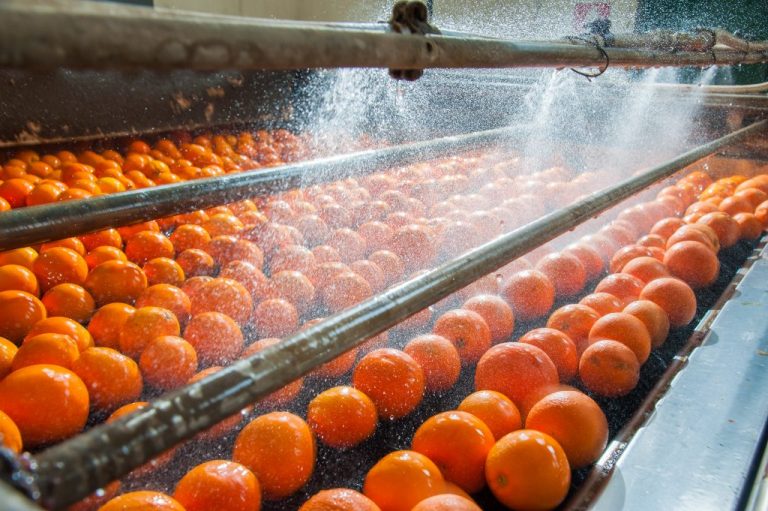
The citrus industry is a cornerstone of South Africa’s agricultural exports, accounting for 54% of the country’s total fruit shipments. Citrus fruits are key contributors to the economy, with 81% of the total production value derived from exports, and oranges making up 70% of the volume.

In his latest report, Justin Chadwick, CEO of the South African Citrus Growers Association (CGA), shared insights into the current season, which has been shaped by unexpected weather events and fluctuating market conditions. Although the 2024 season has seen some recovery in late-season exports, total production is predicted to fall short of initial estimates.

2024 Season Overview

The 2024 citrus season has been a challenging one for South African growers. After several downward revisions to export volumes early in the season, Chadwick’s September 13 report indicated that upward revisions were made later due to favourable market conditions. However, final figures remain below initial projections. The CGA’s latest data shows that by the end of week 36, South Africa had packed 155.6 million 15kg cartons and shipped 133.3 million. The current forecast for the total season’s production stands at 165.5 million cartons, a reduction from the original estimate of 181.7 million.

Chadwick highlighted the influence of unpredictable weather, including drought, floods, and wind damage, which resulted in smaller fruit sizes and a decline in export volumes. Local demand for juicing, driven by a favourable price, further impacted export figures.

Key Challenges

Despite an absence of significant port delays, Chadwick identified port and rail logistics as critical areas requiring improvement to handle future growth. With projections indicating an increase in citrus production over the next decade, efficient logistics will be vital for converting increased output into foreign revenue and job creation.

Additionally, international trade disputes continue to pose a challenge. Spain has called for a ban on South African citrus due to concerns about black spot disease (CBS), which South African authorities have contested at the World Trade Organization (WTO). Chadwick emphasized that South Africa’s CBS management systems are stringent, with treatments, monitoring, and inspections in place to prevent shipments of infected fruit. He also questioned the EU’s scientific justification for trade restrictions, asserting that fruit is not a pathway for CBS.

Opportunities in Asian Markets

Looking to the future, Chadwick highlighted growth opportunities in the Asian market, particularly China, which receives 8-10% of South Africa’s citrus exports. While South Africa faces competitive disadvantages due to import duties, ongoing negotiations and revisions to export protocols have improved market access. Chadwick noted the importance of continued engagement with China to further ease trade restrictions.

Industry Projections

Chadwick remains optimistic about the future, forecasting substantial growth for the citrus industry over the next decade. With new plantings set to bear fruit, South African citrus production is expected to rise significantly. He predicted that if logistical challenges are addressed and trade restrictions with the EU are resolved, the industry could see exports grow by an additional 100 million cartons by 2032. Within the next five years, Chadwick expects export volumes to exceed 200 million cartons, creating thousands of new jobs in the process.

In conclusion, while the 2024 citrus season has been fraught with challenges, Chadwick remains positive about the sector’s potential for long-term growth, provided that key issues are addressed collaboratively by all industry stakeholders.

From the Fork to the Table: Celebrating Heritage Day with Local Farm Produce

0

As South Africans come together to celebrate Heritage Day on 24 September, the tradition of gathering around the fire takes on a deeper significance when we consider the journey our food takes from the fork to the table. In the Western Cape, a region known for its fertile land and diverse agricultural offerings this day presents a perfect opportunity to highlight the importance of using local farm produce. By choosing locally grown ingredients, we not only enhance the flavours of our meals, but also honour the rich agricultural heritage of the region.

Connecting to Our Heritage

The Western Cape has long been a hub of agricultural activity, with generations of farmers cultivating the land to produce some of the finest fruits, vegetables, and meats in the country. When we choose to buy local, we are not just purchasing food; we are supporting the farmers who have dedicated their lives to preserving these traditions. This connection to the land and its people adds a layer of authenticity to our Heritage Day celebrations, making each meal a tribute to the region’s rich farming heritage.

Economic and Environmental Impact

Supporting local farmers by purchasing their produce has a direct positive impact on the local economy. Every purchase helps sustain small-scale farmers, ensuring that farming remains a viable industry in the Western Cape. Buying local reduces the carbon footprint associated with long-distance transportation of food, making it an environmentally conscious choice. As consumers, we have the power to make decisions that benefit not just ourselves, but our community and the planet.

The Unique Flavours of the Western Cape

The Western Cape is renowned for its unique and diverse produce, from fresh fruits and vegetables to high-quality meats. Incorporating these local ingredients into your Braai Day menu can elevate the flavours of your dishes, bringing out the best that the region has to offer. Whether it’s succulent Karoo lamb chops, freshly harvested vegetables, or a bottle of locally produced wine, choosing local means embracing the taste of the Western Cape.

Raise a Glass to Tradition: A Heritage Day Toast with Western Cape Wines

0

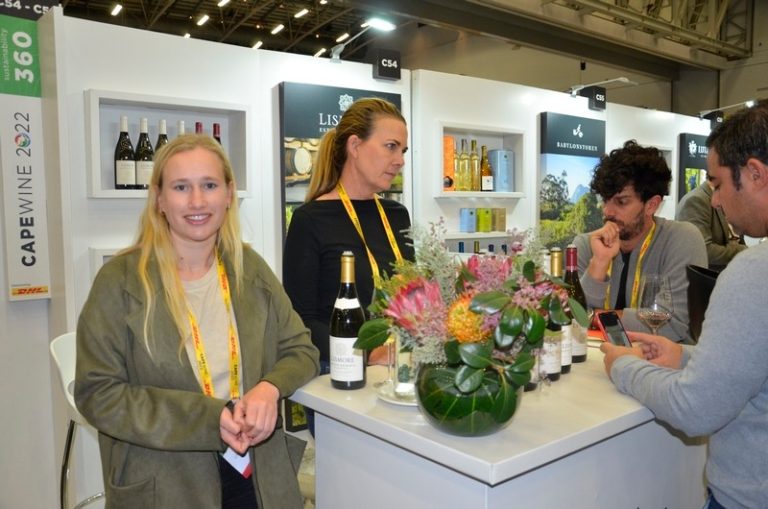
As Heritage Day approaches, South Africans are preparing to celebrate the rich tapestry of cultures and traditions that make up our nation. In the Western Cape, where the art of winemaking is deeply rooted in the region’s heritage, no celebration is complete without a glass of local wine. Whether enjoyed on its own, paired with a traditional braai, or sipped during a scenic wine tasting, local wines are an integral part of the Western Cape’s identity.

Wine and Heritage: A Perfect Pairing

The Western Cape is not only the heart of South Africa’s wine industry, but also a region where food and wine are closely linked. The tradition of pairing wine with food has been passed down through generations, making it a cornerstone of the Western Cape’s cultural heritage. As we celebrate Heritage Day, it’s important to recognize that a meal is not truly complete without a bottle of local wine on the table.

Supporting Local Wineries

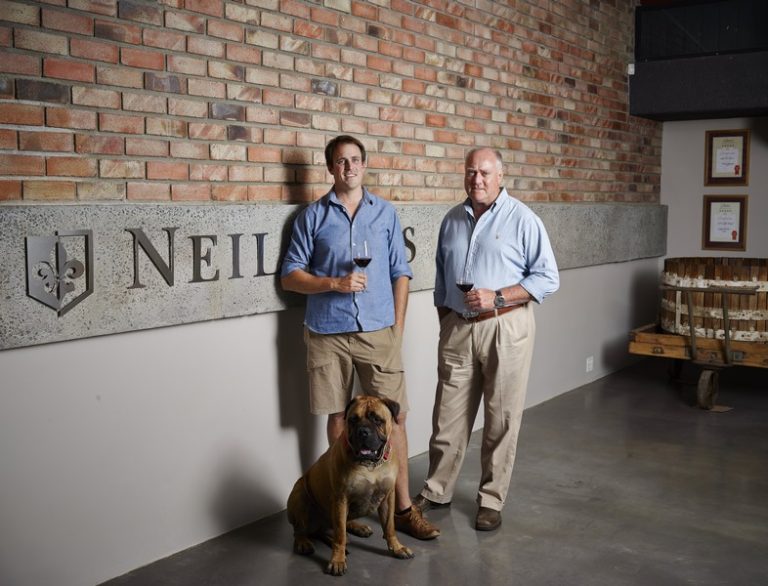
Supporting local wineries not only means enjoying a fine glass of wine, but also preserving the Western Cape’s rich viticultural heritage. Many of these wineries are family-owned, passing down traditions through generations. By choosing local, you help keep these practices alive.

Heritage Day is the perfect time to explore the region’s wine offerings, or visit one of the Western Cape’s picturesque wine farms. Many wineries host special events, including tastings and food pairings, that celebrate the unique flavours of the Western Cape.

Consider pairing your favourite local wines with traditional South African dishes for a truly authentic experience. These estates often combine the best of food, wine, and culture, offering a festive atmosphere with traditional braais, live music, and cultural performances.

This Heritage Day, let’s raise a glass to the wineries that are a vital part of our cultural heritage in the Western Cape.

Agbiz/IDC Agribusiness Confidence Index Recovers Slightly in Q3 2024

0

The Agbiz/IDC Agribusiness Confidence Index Recovers Slightly in Q3 2024since the 2009 financial crisis. While this recovery is positive, the index remains below the neutral 50-point mark, suggesting that agribusinesses are still wary of the overall business climate. The earlier drop was largely due to uncertainty around the national elections, but the establishment of a Government of National Unity (GNU) has eased some concerns. This political shift has allowed agribusinesses to refocus on core issues affecting the industry.

However, the sector continues to face substantial challenges. South Africa’s agricultural industry is still reeling from the 2023-24 summer crop drought, deteriorating road infrastructure, and weak municipal services. Persistent animal diseases and heightened geopolitical tensions further add to the burden. Although there are ongoing efforts to build a stronger relationship with Transnet, improving port efficiency remains a critical issue. The ACI survey, conducted in early September, gathered responses from businesses operating across all agricultural subsectors.

Mixed Results Across Subindices

The ACI is composed of ten subindices, with six showing improvement in Q3. Among the key gains, the turnover subindex rose by 19 points to 50, buoyed by optimism in the winter crops and financial services sectors. However, red meat and summer grains businesses remain cautious due to the lingering effects of the drought and animal disease outbreaks. The net operating income subindex also rose, increasing by 12 points to 46, suggesting a more positive outlook for profitability in the industry.

In addition, the employment subindex saw an 8-point recovery to 64, reflecting optimism about job creation despite a 5% decline in agricultural employment in Q2. The renewed hope for job growth may be linked to expectations of better production conditions in the upcoming season. Investment sentiment also improved, with the capital investments subindex increasing by 11 points to 57. Businesses are likely anticipating a reduction in interest rates, which would ease access to capital and enable more investment.

On a broader economic scale, the general economic conditions subindex inched up by 4 points to 43. This slight improvement aligns with expectations for reduced load-shedding and more optimistic GDP forecasts. The general agricultural conditions subindex also increased by 4 points to 50, reflecting hopes for a favourable La Niña weather pattern in the 2024/25 summer season. This weather event is expected to bring much-needed rain, boosting production for summer crops and other agricultural activities.

Challenges Remain

Despite the overall improvement, several areas of concern persist. The volume of export sentiment dropped by 7 points to 14, signaling worries about lower export volumes resulting from the difficult summer season. Agricultural exports had already seen a slight decline in Q2, and further reductions are anticipated for Q3.

Financial pressure is mounting for some farmers, as evidenced by the debtor provision for bad debt, which increased by 19 points to 50. This reflects the growing financial strain on businesses affected by the drought and animal diseases. Financing costs also rose, with the subindex increasing by 23 points to 46, despite expectations of lower interest rates.

Outlook

The ACI for Q3 2024 presents a mixed picture, with some signs of improvement but significant challenges remaining. According to Wandile Sihlobo, chief economist at the Agricultural Business Chamber of South Africa (Agbiz), the long-term success of the agricultural sector depends on the government’s ability to resolve persistent infrastructure issues, improve municipal service delivery, and open new export markets. “Although we are moving towards a promising summer season, the long-term prospects for the sector depend on resolving these fundamental issues,” Sihlobo concluded.

John Hudson, Head of Agriculture at Nedbank Commercial Banking, echoed these sentiments, stating: “Following the positive outcome of the elections there has been a shift in momentum and this is reflected in the Agbiz/IDC Agribusiness Confidence Index improving by 10 points to 48. While this positive shift is welcomed, if we are to maintain an upward trend and move above the 50-point mark, there is a need for the improved sentiment to translate into tangible results. This means tackling and making progress on perennial challenges such as the weak local economy, poorly maintained infrastructure, port inefficiency, improved market access, poor municipal service delivery and animal disease challenges.”

New PET Recycling Plant to Boost Western Cape Agriculture and Exports

0

South Africa’s agriculture industry is set to benefit from the country’s growing focus on building a circular economy, particularly in post-consumer packaging. This was highlighted during the International Solid Waste Association (ISWA) Conference 2024: Waste to Wealth, held from 15 – 18 September at the Cape Town International Convention Centre. A major milestone in PET recycling was unveiled. PET recycling refers to the process of recycling Polyethylene Terephthalate (PET), a plastic commonly used in packaging, providing solutions that can enhance the country’s agricultural exports.

New PET Recycling Plant to Support Agricultural Exports

The collaboration between Petco, South Africa’s leading producer responsibility organisation (PRO), and recycling partner Extrupet introduces a groundbreaking PET bottle-to-bottle recycling facility in the Western Cape. Set to come online in 2025, the R300-million facility will add 15,000 tonnes of food-grade recycled PET (rPET) output per annum. This boost in capacity is vital for maintaining South Africa’s agricultural export competitiveness, especially in light of stringent European Union packaging regulations.

For Western Cape fruit exporters, who send large volumes of produce to global markets, PET packaging is essential. Chandru Wadhwani, joint managing director at Extrupet, noted that European Union legislation requires exported products to include certified recycled content in packaging. The new PET recycling facility will ensure South Africa’s agricultural products, particularly fruit, meet these international requirements, allowing them to maintain access to key markets.

Aligning with Global Standards and Agricultural Needs

The facility will use advanced technology, including the world-leading Erema VACUNITE® equipment, to produce certified, traceable recycled material. This will help ensure compliance with the strict packaging standards demanded by export markets, safeguarding the future of South Africa’s agricultural exports. Wadhwani emphasised that this advancement also opens up opportunities for local industries to participate in the global green economy.

Cheri Scholtz, CEO of Petco, pointed out that building a circular economy in South Africa requires a strong value chain connecting agriculture, recycling, and government regulations. The introduction of Extended Producer Responsibility (EPR) regulations in the country places the onus on packaging producers to manage waste responsibly. This legislation directly impacts agricultural producers who use PET packaging to transport their products both locally and internationally.

Cape Town’s Commitment to Waste Management

As a proud partner of the ISWA 2024 conference, the City of Cape Town is taking significant steps to address the growing waste crisis through its Urban Waste Management Directorate. Alderman Twigg, speaking at the conference, highlighted the importance of the three golden rules—reduce, reuse, and recycle—which align with the new PET recycling plant’s efforts to support agriculture and circular economy models in South Africa. Twigg also stressed that tackling the future of waste requires a collaborative effort between governments, industries, and communities, a sentiment echoed by the plant’s focus on leveraging technology and innovation to meet global standards for recycled packaging.

Advancing Climate Goals and the Green Economy

Scholtz explained that increased recycling capacity would strengthen the agricultural value chain by stimulating the demand for locally collected PET materials. This helps create stable markets for packaging materials, ensuring that waste pickers, small businesses, and the agricultural sector can all benefit from increased recycling efforts.

With the Western Cape being a key agricultural region, the impact of this facility extends beyond the recycling industry. It supports the province’s ambitions to lead in both sustainability and export readiness. Moreover, these recycling advancements align with South Africa’s climate change goals, as set out in the newly signed Climate Change Bill, which promotes job creation in the green economy.

By aligning recycling capabilities with global packaging standards, South Africa’s agricultural sector can continue to thrive, ensuring its produce reaches markets worldwide, while contributing to a more sustainable future.

WCDoA and CASE IH Forge 5-Year Partnership to Boost Agricultural Research and Innovation

0

The Western Cape Department of Agriculture (WCDoA) has signed a five-year Memorandum of Agreement with CASE IH, an agricultural machinery manufacturer, at the recently held Nampo Cape in Bredasdorp.

Under the agreement, CASE IH, renowned for its expertise in agricultural technology and state-of-the-art agricultural equipment, will provide the department’s seven research farms with unparalleled knowledge and resources.

The research agreement provides for:

  • Joint projects in plant sciences and technology advancement;
  • Guest lectures at Elsenburg College;
  • Information on the latest technological trends regarding equipment for Elsenburg students;
  • Practical demonstrations to Elsenburg students; and
  • Demonstration of equipment by Case IH at the department’s seven research farms or other facilities and use of the equipment in research trials.

Western Cape Minister of Agriculture, Economic Development and Tourism, Dr Ivan Meyer, described the agreement as groundbreaking. He highlighted that the partnership agreement is a testament to the unwavering commitment of the Western Cape Government to advancing research and technology development. He added that it will boost research and precision farming at these research farms in the Western Cape and pave the way for substantial economic growth and job creation, reinforcing the stability of the agricultural sector.

Dr Ilse Trautmann, Deputy Director General of Agricultural Research and Regulatory Services at the WCDoA, and Stephan Nel, Managing Director of CASE IH Southern Africa, drove the agreement.

Dr Trautmann said, “This initiative is just another example of how partners in the agricultural sector can support research to benefit the sector and advance technology development with sound scientific, climate-smart and outcome-based processes and state-of-the-art equipment.”

“Staying at the forefront of agricultural technology development is the mantra of CASE IH, and using this technology in its research and precision farming trials will advance the objectives of both the WCDoA and CASE IH. Doing so allows us to remain at the forefront of innovation within the agricultural sector while at the same time giving the WCDoA access to cutting-edge equipment. This is even more important for the department’s research team to stay abreast of the latest developments,” added Stephan Nel.

Head of Department for the WCDoA, Dr Mogale Sebopetsa, said, “This is another way in which we are contributing to the Western Cape’s Growth for Jobs Plan, which seeks to grow the region’s economy by 5% over the next five years to create 600 000 jobs. Together, we will strengthen precision agriculture whilst building on the sector’s global competitiveness through innovation.”

“While Africa’s population will double by 2050, available agricultural land will not. To respond to the food security needs of growing populations, we will have to focus more on innovation, technology and precision agriculture,” concluded Minister Meyer.

AgriTrends Spring Report Signals Recovery for SA Agriculture

0

Unveiled at Nampo Cape 2024 in Bredasdorp from 11 – 14 September 2024, the Spring edition of Absa’s AgriTrends report presents a cautiously optimistic outlook for South Africa’s agricultural sector. Marlene Louw, senior agricultural economist at Absa, led the presentation during the event, highlighting the challenges and emerging opportunities that could shape the future of the sector. Despite enduring significant hurdles such as climate change, animal diseases, and infrastructural decay, the report outlines the potential for recovery and growth across various subsectors.

Over the past three to four years, the agribusiness sector has faced prolonged droughts and market disruptions, but the AgriTrends report signals that the worst may be behind us, with “green shoots of recovery” now visible in key areas. This shift in sentiment suggests that the agricultural sector may be on the road to gradual recovery.

Emerging Consumer Demand: A Key Driver of Recovery

One of the most promising signs of recovery highlighted in the AgriTrends report is the resurgence in local consumer demand. According to Louw, the 15.5% reduction in petrol prices since May has had a direct impact on consumer spending, allowing South Africans to purchase more agricultural products such as steak and blueberries. While interest rates have not yet decreased, the potential for a cutting cycle in the near future is generating cautious optimism within the sector. This boost in local demand is expected to aid the recovery of both the livestock sector and the broader agricultural economy, serving as a significant “green shoot” for the sector’s future.

Grain Market: Mixed Prospects

The grain market is currently presenting both opportunities and challenges. Optimism about a wet cycle in the upcoming summer season suggests the potential for improved summer grain harvests. However, this positive outlook is tempered by the challenges posed by the El Niño weather phenomenon, which has already caused maize production to drop by 19% compared to the previous season. Despite this reduction, South Africa remains a net exporter of maize, though exports are expected to decrease by more than half during the 2024/25 marketing season. While the grain market holds potential, farmers are urged to prepare for both the rewards and risks associated with the coming season.

Livestock Sector: Challenges and Pathways to Recovery

The livestock sector continues to grapple with the lingering effects of animal diseases, particularly foot-and-mouth disease (FMD), which has stunted market recovery. Despite these difficulties, there is room for optimism, as local poultry diseases are beginning to subside. The AgriTrends report emphasizes the sector’s resilience and highlights the potential for recovery, especially as market conditions stabilize. However, global developments, such as disease outbreaks in Brazil, could have ripple effects on South Africa’s livestock industry, impacting both producers and consumers. The report underscores the need for careful monitoring of global trends to mitigate risks and capitalize on recovery opportunities.

Vegetables and High-Value Exports: New Markets on the Horizon

The vegetable market has faced high production costs, exacerbated by load shedding and other economic pressures. While these challenges persist, there are opportunities in the high-value export market, especially for products such as citrus, table grapes, and macadamias. The AgriTrends report notes that South Africa’s dependence on traditional export markets poses a challenge, but new opportunities are emerging, particularly in India. India’s rapid economic and population growth presents a promising market for South African produce. However, navigating trade agreements and understanding consumer preferences in these new markets will be crucial for success.

Macroeconomic Factors and ESG Initiatives

On the macroeconomic front, the report discusses the possibility of a stronger South African Rand over the next 18 months. While a stronger Rand could reduce returns for Rand-based exports, it may also help ease the cost pressures associated with importing agricultural inputs such as fertilizers and machinery. This could provide some financial relief to farmers, helping them manage the high costs that have plagued the sector.

The AgriTrends report also places significant emphasis on Environmental, Social, and Governance (ESG) issues. It highlights new blended finance initiatives launched by Absa, which aim to promote inclusive finance and drive sustainable growth. These initiatives stress the importance of collaboration between financial institutions and farmers, with a particular focus on social impact and long-term sustainability.

Looking Ahead

While the agricultural sector in South Africa continues to face significant challenges, the Spring edition of Absa’s AgriTrends report offers an optimistic outlook for the future. With signs of recovery emerging across key subsectors, the resilience of the sector is becoming increasingly evident. As the sector continues to adapt to changing market dynamics, farmers and agribusinesses are encouraged to stay agile, capitalize on new opportunities, and adopt strategies that promote sustainability and growth. By remaining responsive to both local and global trends, the future holds promise for sustained growth and recovery in South African agriculture.

Read the report: https://online.flippingbook.com/view/1043630997/