15.4 C
Cape Town
Friday, August 28, 2026
Home Blog Page 72

Power of Recognition: Celebrating Champions in Agriculture

0

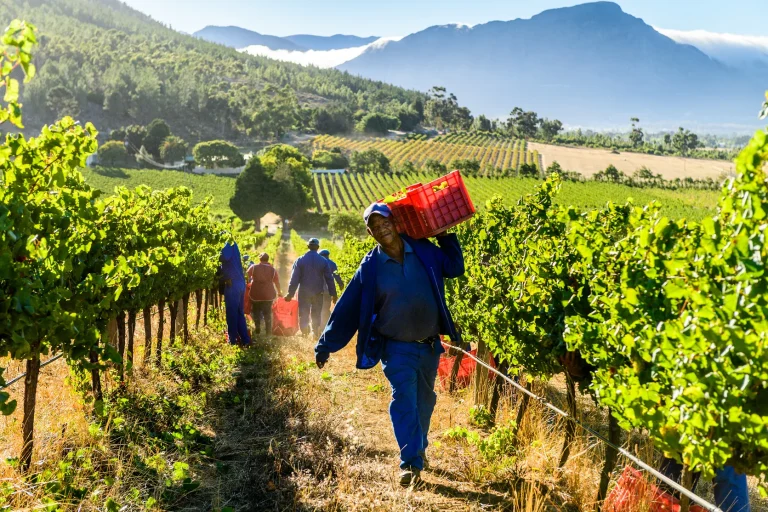
The agricultural sector serves as the backbone of global economies, feeding billions while sustaining rural communities. Yet, the tireless dedication of those working in the fields often goes unrecognized. Agricultural awards, such as the Western Cape Prestige Agri-Worker Awards, the National Dairy Master Farmer Awards, the Agricultural Writers SA Farmer of the Year recognition, and many others, aim to change this narrative. These accolades highlight the exceptional contributions of agri-workers, farmers, and agricultural leaders, inspiring progress and fostering excellence within the industry.

Shining a Light on Dedication

Agriculture is more than an industry; for many, it’s a way of life. Yet, the sacrifices and unwavering efforts of agri-workers and farmers often remain unnoticed. Agricultural awards serve as a platform to acknowledge and celebrate their hard work, bringing much-needed validation to their contributions. By recognizing these individuals, the awards uplift not just the recipients, but also entire communities, fostering a sense of pride and belonging in this often challenging sector. Beyond acknowledgment, these awards also play a crucial role in showcasing the role of agriculture in ensuring food security and strengthening economies. Every achievement honoured represents countless hours of dedication and resilience, demonstrating the pivotal role agriculture plays in society.

Inspiring Innovation and Sustainability

The challenges facing modern agriculture – climate change, resource scarcity, and biodiversity loss – demand innovation and sustainable practices.

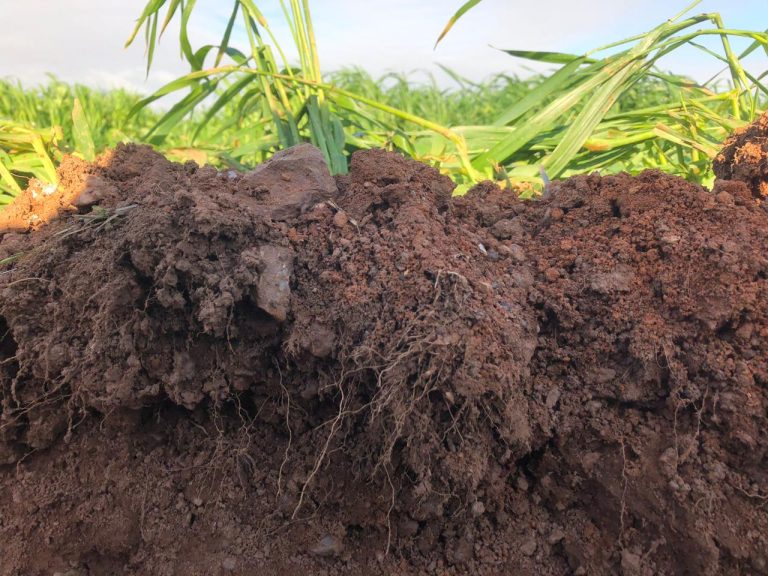
By celebrating achievements in these areas, agricultural awards encourage others to follow suit. The individuals and organizations recognized often lead the way with forward-thinking approaches, from water-efficient irrigation systems to regenerative soil practices.

These success stories inspire the agricultural community to embrace change and adopt strategies that enhance productivity, while protecting the environment.

Building a Future for Generations to Come

Recognizing excellence in agriculture doesn’t just celebrate the present; it invests in the future. By providing platforms for mentorship and youth-focused initiatives, these awards inspire the next generation to enter the sector. With many farming communities facing an aging workforce, attracting young, tech-savvy individuals is vital to ensuring the longevity and vibrancy of agriculture.
The achievements celebrated at these awards highlight the transformative power of recognition in agriculture. By honouring excellence across the sector, these stories inspire progress, foster innovation, and strengthen communities.

From agri-workers shaping food security to farmers driving sustainable practices, their contributions lay the foundation for a resilient agricultural future. Read more about the inspiring stories of this year’s honourees and their remarkable achievements on the following pages.

South African Farmers Eye Bright Future with Full Red Apricots

0

Starting in January and continuing through March, South Africa stands as the sole global supplier of apricots in certain markets. This unique position is fuelling interest among farmers, particularly with a growing demand for full red apricots.

Rising Demand for Red Apricots

Michael Oosthuizen, a representative of International Plant Selection (IPS) in South Africa, highlights a significant global shortage of apricots post-Christmas. This shortage, combined with exceptional demand worldwide, makes cultivating apricots a lucrative opportunity for farmers. “Demand from all over the world has been phenomenal,” Oosthuizen explains, emphasizing how the market’s openness presents an exceptional opportunity for South African farmers to establish a stronghold in the industry.

Consumer preferences are shifting toward full red apricots, driving the popularity of the Rubyngo and Carmingo cultivars. “Consumers tend to buy with their eyes,” says Oosthuizen. “The visual appeal of red apricots, combined with their flavor and quality, is what sets them apart in the market.”

Introducing the Rubikoo Variety

Despite fewer winter chilling hours in the Western Cape, the low chill Rubikoo apricot (Rubyngo variety M20.390) has shown excellent results. At a recent field day in Northern Paarl, a low chill area with only 320 Richardson chilling hours this past winter, the Rubikoo variety impressed visitors with its performance.

“Rubikoo is opening opportunities for all South African apricot-growing regions,” says Oosthuizen. He points out that the adaptability of the Rubikoo variety, even in low chill conditions, offers South African farmers a chance to grow a highly marketable crop where traditional apricots might not thrive. This breakthrough could revolutionize apricot farming in the country.

A Rubikoo tree, planted in 2021 in Paarl, is already producing over 15 tonnes per hectare in its fourth year, bearing a minimum of 350 fruits per tree. This yield represents not only a reliable return on investment, but also a consistent supply chain for international markets, something that buyers are increasingly seeking.

Market Potential and Appeal

The appeal of red apricots lies in their striking appearance. European markets, in particular, are familiar with red-blushed fruits, which often sell faster than their yellow counterparts. At the recent Rubikoo field day, Woolworths buyers observed the impressive market response to red apricots during a recent test. “In stores, red apricots outperformed traditional varieties significantly, showing their immense consumer appeal,” one buyer noted.

Experts predict that red apricots could capture up to 70% of the apricot market in the future. With harvesting windows spanning seven to eight weeks, and individual cultivars offering a three to four-week picking period, IPS cultivars promise consistent supply and profitability. Additionally, the longer harvest window means that farmers can better plan labor and logistics, reducing pressure during peak harvest times and ensuring fruit quality is maintained.

A Bright Future for South African Apricots

With strong global demand, ease of cultivation, and high market appeal, the Rubikoo variety presents a transformative opportunity for South African farmers. “This is not just a shift in apricot farming—it’s a new era,” Oosthuizen concludes, highlighting how full red apricots are reshaping both local agriculture and international trade. As consumer preferences continue to evolve, the full red apricot is poised to dominate the apricot market, setting a new standard for stonefruit cultivation. Farmers who embrace this change stand to benefit from the rising tide of red apricot popularity, securing their place in a competitive global market.


Harnessing Tiny Microbes for Agricultural Solutions to Climate Change

0

The impacts of climate change are vast and far-reaching, affecting ecosystems, economies, and human lives more profoundly than the COVID-19 pandemic ever did. One critical yet underexplored avenue in the fight against climate change lies in the power of microbes. Microorganisms and their communities, collectively known as the microbiome, present untapped potential for addressing environmental challenges, particularly in agriculture.

Prof. Thulani Makhalanyane from Stellenbosch University, along with 17 leading microbiologists, has highlighted the urgency of leveraging microbial solutions for climate resilience. In their collaborative paper, published across 14 leading journals, the group outlines six “microbial vaccines” aimed at mitigating climate change’s devastating impacts. Their approach could revolutionize agriculture and food security in the face of changing weather patterns and environmental degradation.

The Agricultural Lens: Microbial Solutions

  1. Carbon Sequestration Boosters
    Microbes play a pivotal role in carbon sequestration, locking atmospheric carbon dioxide into soil and ocean ecosystems. By enhancing microbial activity in agricultural soils, farmers can enrich soil fertility while contributing to climate mitigation. This dual benefit of increasing crop yields and reducing greenhouse gas emissions makes microbes indispensable for sustainable farming.
  2. The Fertilizer Revolution
    Traditional fertilizers rely heavily on synthetic nitrogen, which contributes to air and water pollution. By harnessing nitrogen-fixing bacteria, the agricultural industry can develop biofertilizers that reduce environmental damage and improve soil health. This innovation could particularly benefit African farmlands, where microbial diversity is immense yet underutilized. Expanding research into African microbiomes is critical to achieving long-term agricultural sustainability.Harnessing Tiny Microbes for Agricultural Solutions to Climate Change
  3. Methane Busters and Livestock Microbiome Therapy
    Livestock farming is a significant contributor to methane emissions, a potent greenhouse gas. Microbial solutions like modifying cow diets or incorporating methane-reducing bacteria into livestock management practices could drastically lower emissions. Additionally, applying these microbes to wetlands and landfills further amplifies their potential.
  4. Pollution Fighters
    Agricultural runoff and industrial pollution often contaminate ecosystems, threatening biodiversity and food security. Microbes capable of breaking down pollutants can remediate contaminated water and soil, ensuring cleaner environments for farming and reducing the health risks associated with toxic chemicals.
  5. Microbial Bioenergy
    Biofuels derived from algae, yeast, and other microbes offer a sustainable alternative to fossil fuels. By promoting the use of microbial bioenergy in agricultural machinery and transportation, the sector can reduce its carbon footprint while supporting cleaner energy solutions.

Challenges and Opportunities in Africa

Africa’s diverse ecosystems harbour unique microbial communities that remain largely unexplored. To implement microbial solutions effectively, researchers need to understand the microbial diversity in different regions and their potential applications. This knowledge can drive innovations like microbial-based fertilizers tailored to specific soil types or climate conditions.

The development of such technologies requires collaboration between governments, researchers, and farmers. As Makhalanyane points out, integrating microbial data into global climate models and agricultural policies is crucial for unlocking the full potential of these solutions. Policymakers must support research efforts and invest in microbial technologies to make sustainable farming practices accessible to small-scale farmers.

Call to Action

The microbiologists’ urgent appeal highlights the need for immediate action. By fast-tracking microbial solutions, the agricultural sector can become a cornerstone of global climate resilience. Governments, stakeholders, and scientific communities must work together to deploy these solutions on a global scale.

Prof. Raquel Peixoto emphasizes that the scientific community is ready to provide expertise and support to implement these strategies. Initiatives like microbial carbon sequestration, biofertilizers, and pollution remediation could revolutionize agriculture, ensuring food security while combating climate change.

In conclusion, microbes hold the key to a more sustainable agricultural future. By embracing these natural allies, humanity can cultivate a resilient food system and mitigate the impacts of climate change—one microbe at a time.

Vergelegen Debuts The Potting Shed: Celebrating Heritage and Agriculture

0

Vergelegen Wine Estate in Somerset West has just unveiled an exquisite retail collection, inspired by the property’s beauty, abundance and heritage.

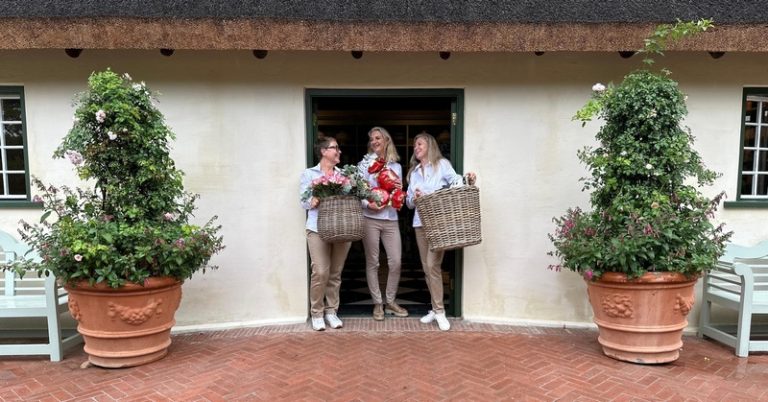
The stylish lifestyle outlet, named The Potting Shed Gift Shop, is located in a recently renovated Cape Dutch-style building. Featuring a traditional thatched roof, bespoke fittings and furniture in Vergelegen’s trademark sage green, and black-and-white floor tiles, it overlooks the estate’s glorious rose garden, with the scent of rose petals wafting in.

Dr John Rourke, former President of the. Botanical Society of South Africa, and a member of Vergelegen’s Garden Committee, performed the ribbon cutting ceremony on Tuesday 10 December. He was assisted by Tania Coetzer, who curated the homeware collection in collaboration with consultant Paul Duncan.

Vergelegen Debuts The Potting Shed: Celebrating Heritage and AgricultureFood consultant Petro Blommaert also worked closely with the team to source and brand food items.
The collection is designed to appeal to all tastes.

Garden lovers: Stylish garden tools, garden equipment bags, comfortable kneeling cushions, exfoliating tallow soap to remove garden grime, and soothing whipped tallow butter to nourish dry hands.

Homeware aficionados: Tea towels, aprons, picnic blankets, sunhats and shopping bags, plus ceramic wine bottle stoppers created in partnership with Ardmore.

Plant enthusiasts: Affordable plants such as estate hydrangeas, clivias, roses and agapanthus are available in a dedicated area alongside the shop.

Children: Delightful knitted toys inspired by farm wildlife such as Cape foxes, honey badgers, eland, and Rau quagga, plus charming toy farm vehicles.

Sweet tooths: Delectable Belgian chocolate slabs, nougat, handmade biscuits, bonbons, and candied clementines.

Fashionistas: Elegant 100% silk scarves, silver and nine-carat gold jewelry featuring hydrangea and gingko motifs, and ethically farmed Cape Cobra leather handbags.

Self-care enthusiasts: Candles, soaps, room sprays, hand washes, lotions and more.

The shop stocks four signature ranges – Dark Honey, Rose Garden, White Wisteria, and a pure, natural range incorporating camphor essential oil and powdered camphor leaf.

These reference much-loved estate features such as white wisteria, which grows abundantly in the centuries-old Octagonal Garden, and giant camphor trees in front of the manor house, which were declared national monuments in 1942.

Producers Hopeful of a Good-Quality 2025 Harvest

0

South African wine producers are entering the 2025 season with cautious optimism following the challenges of 2024, which saw extreme weather events such as floods, frost, and strong winds. According to industry bodies Vinpro and SAWIS, the outlook for 2025 is promising, supported by favourable winter rainfall, improved chill unit accumulation, and reduced frost damage.

The winter of 2024 brought record-breaking rainfall, replenishing dam levels across key wine regions. Vines have benefited from these conditions, building healthy carbohydrate reserves and experiencing low disease pressure. A shift toward later pruning also helped mitigate frost risks, promoting a uniform bud break. While some vineyards are still recovering from last year’s flood damage, the stage is set for a potentially strong harvest, with many regions expecting improved quality.

Weather conditions during the critical bunch initiation period in 2024 varied across regions, with cooler and wetter conditions in the interior and warmer, windier conditions along the coast. These irregularities may influence the crop’s size and quality in 2025, but producers remain optimistic about an overall recovery.

Dr. Etienne Terblanche, head of Vinpro Consultation Services, highlights the importance of adapting to weather patterns and sustainable practices, stating, “The 2025 crop has potential for recovery thanks to favourable winter conditions. However, producers must remain proactive to ensure consistent quality.”

South Africa Wine CEO Rico Basson also expressed confidence: “A successful harvest is critical for the sustainability and competitiveness of our wine industry. The 2025 harvest provides an opportunity to position South African wines as leaders on the global stage.”

Wine Harvest Celebration

The wine industry will celebrate its 366th year at the annual Wine Harvest Commemorative Event on February 6, 2025, at Groot Constantia. This prestigious event honours the industry’s heritage and contributions, with highlights including new awards recognizing farm workers and the celebration of inclusivity and innovation in South African wine. Cheers to a thriving season and legacy!

TE Toere se Keuse in Mei: Turkye of China

0

As die voete jeuk in Mei, roep twee uiteenlopende bestemmings diegene wat ’n verrykende reis deur tyd, kultuur en asemrowende landskappe soek: Turkye en China. Elk ’n fassinerende kombinasie van baie ou geskiedenis, kulturele rykdom en verstommende kontraste wat die ontdekkingsreisiger in iedere reisgierige sal uitbring.

Turkye is die betowerende kruispad van beskawings, waar kontinente en kulture saamvloei. Vanaf woelige Istanboel, die feëtjie-landskap van Kappadokia tot aan die Middelandse See, getuig elke oomblik van die land se ryk historiese erfenis. Die reis ontbloot die diepgang van menslike ervaring: Bisantynse kerke uit rots gekap, Aspendos se trotse antieke Romeinse teaters, en die spirituele wysheid van Rumi wat deur die Anatoliese hooglande eggo.

Terselfdertyd ontvou China as ’n beskawing van asemrowende teenstrydighede. Sjanghai bewys hierdie dualiteit perfek, waar futuristiese wolkekrabbers skadu’s gooi oor imposante, koloniale argitektuur. Die landskappe wissel dramaties van die rustige Wes-meer in Hangzhou tot dramatiese kalksteenspitse van die Li-rivier by Guilin, en die argeologiese wonder van die Terracotta-leër tot die imperiale oordadigheid van Beijing se Verbode Stad.

Beide bestemmings is meer as net besienswaardighede; hulle bied oorweldige kulturele ervarings. In Turkye is daar die hipnotiese bewegings van die warrelende derwisje, die helende warmbronne van Pamukkale, en die emosionele historiese paaie van Effese en Gallipoli. In China is daar die rustige vaart op die Li-rivier tussen hoë pieke, mistiek geklee in flarde mis, die bekoring van antieke waterdorpies ver in tyd verwyder van moderne China, of die absolute opwinding van stap op die Groot Muur – getuienis van menslike volharding en vernuf.

Die keuse tussen Turkye en China is minder ’n geval van vergelyking en meer oor waarby mens aanklank vind. Turkye lok met sy eiesoortige mengsel van sekulêr en heilig, antiek en modern. Laasgenoemde netso in China, met met sy imperiale geskiedenis en vinnig-veranderende landskap. Albei beloof ondervindings wat persepsies uitdaag, horisonne verbreed, en bowenal blywende herinneringe skep.

Of jy nou aangetrokke is tot die mistieke kruispaaie van Turkye of die ou-ou verhale van China… Die wêreld wag, ryk aan dit wat jy nog kan ontdek.

Kontak TE Tours by Club Travel Tyger Valley, tel. 021 914 2265, of e-pos
[email protected] | www.smallgrouptours.co.za

How India’s 10-Minute Grocery Trend Could Boost South African Citrus Exports

0

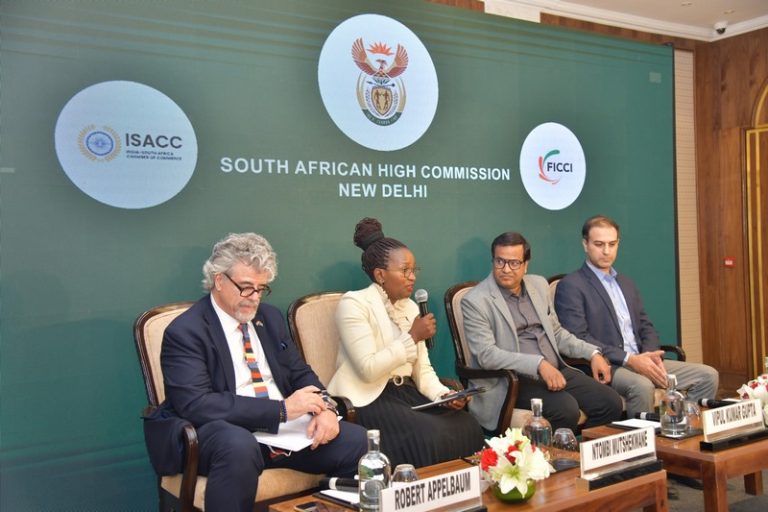
India’s rapid adoption of Quick Commerce platforms like Blinkit, Swiggy, and Zepto is not only transforming how groceries are purchased but also opening up new opportunities for South African citrus exporters. As this mode of instant delivery reshapes consumer behaviour, it provides a unique platform for introducing imported products to a vast and growing market. Justin Chadwick, CEO of South Africa’s Citrus Growers’ Association (CGA), highlights both the opportunities and challenges this dynamic presents for South African citrus producers.

Quick Commerce

Quick commerce platforms promise delivery of groceries and other products in under 10 minutes, a concept made possible by densely populated urban centres like New Delhi, with its population of 40 million. These platforms rely on strategically located “dark stores” stocked with a wide range of goods, enabling them to meet consumer demand almost instantly.

For South African citrus exporters, this trend is a golden opportunity. By leveraging these platforms, exporters can introduce their products directly to Indian consumers, accompanied by targeted advertising and education about the health benefits and culinary versatility of citrus fruits. This direct-to-consumer approach not only boosts demand but also builds brand loyalty.

Growing Trade Between South Africa and India

Trade relations between South Africa and India have strengthened significantly in recent years, with citrus exports growing from 10,000 tons in 2020 to almost 30,000 tons in 2024. While oranges have traditionally dominated the market, mandarins now account for nearly a third of South African citrus exports to India. There is also untapped potential for growth in lemons and grapefruits, making India an increasingly important market for South African citrus growers.

The recent India-South Africa Business Conclaves in New Delhi and Mumbai underscored the importance of this trade relationship. Promotional campaigns like “Beautiful Fruit, Beautiful Country” have successfully linked South African fruit exports to the country’s tourism appeal, enhancing consumer interest.

Challenges Hindering Expansion

Despite this growth, significant challenges remain. Indian import duties on citrus products are set at a prohibitive 30%, making South African fruits less competitive compared to local and other international suppliers. Additionally, India’s stringent shipping requirements currently prohibit in-transit cold treatment of fruit, requiring either fumigation or land-based treatment. These processes add to costs and extend delivery times.

However, recent pilot shipments using in-transit cold treatment were successful, paving the way for potential revisions to shipping requirements by 2025. These developments are crucial for reducing costs and ensuring the freshness of citrus products upon arrival in India.

Opportunities for Collaboration and Growth

To capitalize on this growing market, South African exporters must work closely with Indian authorities to address trade barriers. Reducing import duties and revising shipping protocols will be critical to enhancing the competitiveness of South African citrus in India.

Further, innovations in quick commerce platforms can be used to build consumer awareness and preference for South African products. Targeted marketing campaigns highlighting the health benefits, flavour profiles, and sustainability of South African citrus can resonate with India’s health-conscious and urbanized population.

The rise of quick commerce in India represents a transformative opportunity for South African citrus exporters. While challenges such as high import duties and shipping restrictions persist, the strong trade relationship between the two countries and innovations in logistics offer a promising path forward. By addressing these hurdles and leveraging quick commerce platforms, South Africa can further cement its place as a trusted supplier in one of the world’s fastest-growing citrus markets.

FoodForward SA: Driving Innovation to Fight Hunger

0

In the fight against food insecurity, malnutrition and hunger FoodForward SA (FFSA) has partnered with two leading South African and international Universities to ensure that our innovative foodbanking model remains relevant, accurate and cost-effective.

Optimising Supply Chain and Facility Operations

The University of Stellenbosch’s Department of Industrial Engineering (USDIE) is currently conducting four research projects with our organisation. The first project relates to the optimisation of our supply chain network, using the data collected from our extensive logistics operation.

The study has created a simulation model, currently in the testing phase, that should allow us to accurately predict the cost of expanding our footprint into rural and underserved communities, allowing for more cost-effective logistics and lower costs per meal.

At 46c per meal, our foodbanking model is among the most cost-effective in the world.

Similarly, the second research project is also an optimisation model, but this time focused on facility operations and locations, using a mathematical model to minimise the cost of operations, maximise the net carbon savings from food recovery and, most importantly, maximise the net social benefits due to our existence.

Performance Metrics and Environmental Impact

The third study being undertaken by USDIE is focused on creating a robust performance evaluation and reporting framework, aligned to our governance framework. Creating a set of standardised performance and reporting parameters and ensuring that all beneficiary data meet the necessary legal clearances for use.

The final research project will explore the feasibility of carbon credits, based on FFSA’s innovative food recovery and redistribution model, which is seen as a novel climate adaptation and mitigation strategy for the management of food loss and waste.

Skye Nolan Named 2024’s Best New Wine Writer

0

The country’s best new wine writer for 2024 is Skye Nolan from Brackenfell near Cape Town, assistant-winemaker and compliance manager at Bellevue Wine Estate, Stellenbosch, who also had work stints at four other Cape wineries, as well as doing wine educational and business courses at a youthful age.

The runner-up is Alisa Knoblauch from Somerset West, marketing manager at L’Avenir and Le Bonheur Estates, who also took second place in this competition of the SA National Wine Show Association (SANWSA) in collaboration with WineLand magazine in 2019.

The winner of the blogs division of this 12 year-old competition, is another winemaker Mika Engelbrecht, who handles the Iwayini Wines at Neethlingshof, also in Stellenbosch, and who featured in WineLand’s annual “30 under 30” that highlights young movers in the wine industry.

The results were announced at a function at the SANWSA’s offices at the Simonsvlei Wines Business Hub outside Paarl, where Skye Nolan received R15 000 for her winning article, Alisa Knoblauch R7 500 as runner-up and Mika Engelbrecht R3,000 for the best blog.

The New SA Wine Writer of the Year competition is open to writers 35 years old or younger and presented by SANWSA, a fully representative industry organisation – which runs the SA Young Wine Show, Veritas Awards and SA Terroir Competition – aiming to identify smart new talent in the wine industry.

The competition was judged in two categories, one for wine-related magazine print articles and one for web blogs, dealing with one of four prescribed subjects.

Diverse Perspectives: Insights from the Winning Entries

Skye Nolan’s overall winning entry was a print article titled The Rise, Pause and Reversal of Premiumisation: Where Does South Africa Stand? She concluded that

“The future of South African wine lies in its ability to adapt to the realities of reverse premiumisation and recognise it as a significant development within the industry. As global and local markets continue to evolve, South Africa has the opportunity to lead by example, showcasing how innovation and authenticity can shape the future of wine.”

Runner-up Alisa Knoblauch, also in a magazine print article, dealt with the subject of Reverse Premiumisation, stating, “With rising economic pressures and a global cost-of-living crisis, reliable data suggests that premium wine consumption is slowing as consumers tighten their budgets – signalling that the wine industry must rethink ‘premium’ by moving beyond luxury pricing to embrace values like authenticity, sustainability, and craftsmanship.”

Mika Engelbrecht, whose blog looked at Five ways for wine to appeal to the GenZ consumer. “By understanding GenZ’s unique preferences and priorities, we can create engaging experiences, promote sustainable practices and foster a more inclusive wine culture,” she wrote.

Judging Excellence: Insights from the Panel

The 2024 judging panel comprised seasoned wine journalists Wanda Augustyn, Cassie du Plessis, Danie Keet, Neil Pendock and Maryke Roberts, who agreed that the 2024 entries were showing the enthusiasm of knowledgeable younger people in the wine business to enter the fields of writing articles and blogs. The judges said it is good to see that after 12 years of the competition, several new writers enter the competition every year – for whom it should be gratifying to see the winning entries published in WineLand, that has been the media partner from the onset.

Wanda Augustyn, editor of WineLand Media, congratulated the winners, saying, “Your achievement reflects the talent and the growing significance of new voices in shaping the narrative of our dynamic industry. I believe that the perspectives of emerging writers are essential in inspiring a new generation of wine enthusiasts and pushing the boundaries of how we think, talk, and write about wine. Your passion and creativity are the heart of the industry’s future, and we look forward to seeing how your journey will continue to enrich the world of wine.”

SANWSA chairperson Christo Pienaar added, “We are excited to see the interest in this competition from numerous new writers to tell the many interesting stories and join the debate about our industry. They are the new voices to speak to the next generation of consumers and wine lovers.”

Elsenburg Celebrates the Future of Agriculture: 189 Students Graduate with Top Honours

0

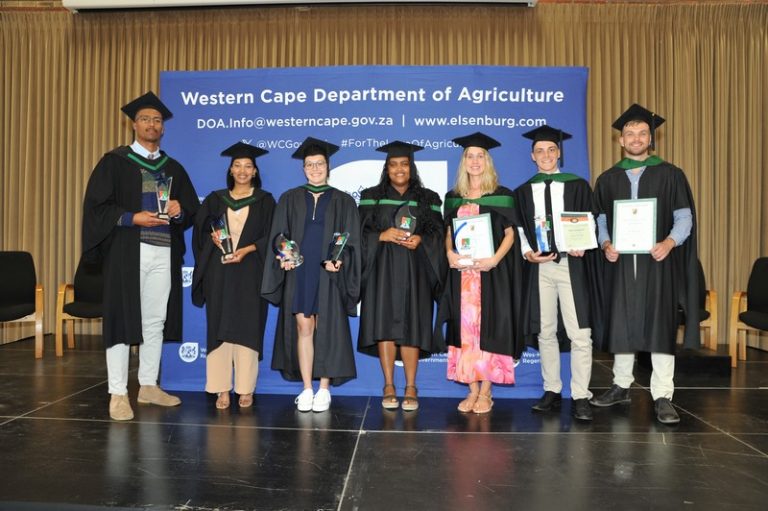
On Saturday, 7 December 2024, 189 students graduated from the Elsenburg Agricultural Training Institute in Stellenbosch with qualifications ranging from Certificates and Diplomas in Agriculture to Baccalaureus (bachelor’s degree).

Fifty-two students successfully completed the learnership programme, 57 the diploma programme, 73 the B Agri  programme and 7 received certificates in equine studies.

Special Awards in the Learnership Programme went to:

  • Best student in Animal Production: NQF level 4:  Danelle Groenewald
  • Best student in Plant Production: Viticulture NQF level 4: Valentino Januarie
  • Best student in Plant Production: Pomology: NQF level 4: Petrovene van Wyk

DUX Awards were awarded to:

  • Danelle Groenewald from Philadelphia (learnership prgramme)
  • Engela Uithaler from Ladismith ( Diploma in Agriculture) and
  • Johanna Slabber from Mooreesburg ( B Agric).

The National Wool Growers Association Award in Wool Production was awarded to Keanu Cilliers; Best Student in Animal Health: Small Stock went to Gert Viljoen and Johanna Slabber earned the Best Student in Animal Health: Large Stock award.

Congratulating the students, Western Cape Minister of Agriculture, Economic Development and Tourism, Dr Ivan Meyer, said, “Your graduation inspires hope. I commend you on behalf of Premier, Alan Winde, the Western Cape Government, the Council of the Elsenburg Agricultural Training Institute, led by Professor Danie Brink, and the people of our province. You are the future of agriculture.”

Praising their parents and guardians Minister Meyer added, “We must express our gratitude to you for your sacrifice, encouragement, inspiration, motivation and most of all for never losing confidence in your children’s ability to succeed. Today’s graduation confirms that it was all worth it.”

“A skilled labour force is one of the key pillars of the Western ‘s Growth for Jobs Strategy (G4J).  Elsenburg has been creating opportunities in agriculture for the youth for more than 125 years. It will continue to do so for many more years to come and enable the sector to contribute to the bold target set for 2035 where our regional economy will be growing by 5%” a year,” concluded Minister Meyer.