14.2 C
Cape Town
Saturday, June 27, 2026
Home Blog Page 71

The Western Cape Backbone of South Africa’s Agriculture

0

Agriculture plays a pivotal role in the Western Cape’s economy, driving growth, creating jobs, and contributing significantly to the country’s exports. With its rich, diverse landscapes – from the golden canola fields to vast vineyards and wheat lands – this region is the cornerstone of South Africa’s food production and agribusiness. As one of the most productive agricultural regions in the country, the Western Cape’s farming sector sustains thousands of livelihoods, providing employment in both urban and rural areas.

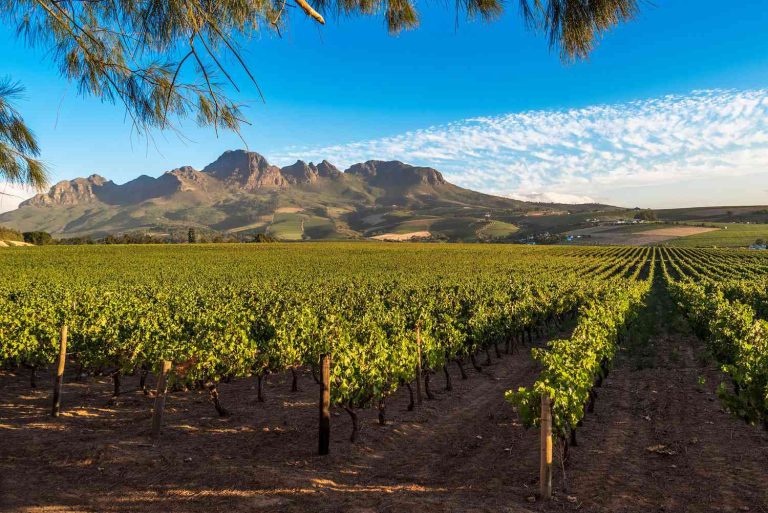
The region is renowned for its exports of wine, fruit, and grains, which not only serve local markets, but also reach international buyers, boosting the economy and keeping it resilient even during challenging times. For example, the Western Cape produces over 90% of South Africa’s wine, a key export commodity, and its fruit farms supply markets across Europe and beyond.

The stunning photograph by Penny Foyn, submitted to AFGRI’s Mooiste Kaap Photography Competition, beautifully captures this natural and agricultural richness. Vibrant yellow canola fields and hard-working machinery symbolize the dedication of the farmers and agricultural workers who play a crucial role in driving the region’s economic success.

Beyond agriculture, the Western Cape’s natural beauty and fertile landscapes also draw thousands of tourists each year, intertwining tourism with farming. Visitors come to experience the region’s famous wine routes, stay on working farms, and take in the spectacular flower season, where fields of bright canola and wildflowers transform the countryside.
This fusion of agriculture and tourism contributes not only to farm income, but also to the broader economy, as tourists explore local markets, restaurants, and attractions that highlight the best of the region’s produce.

In the face of challenges such as climate change, droughts, and fluctuating market conditions, the Western Cape’s agricultural sector has proven itself resilient and innovative. Farmers are adopting new technologies and practices that help them not only survive but thrive. Techniques like precision farming, renewable energy use on farms, and water-efficient irrigation systems, such as drip irrigation, are becoming widespread.

As we look to the future, it’s clear that agriculture will remain a cornerstone of the Western Cape’s economy, providing stability, growth, and an enduring legacy for generations to come. Whether through the production of world-class crops or the integration of sustainable practices, the region’s farmers continue to adapt, ensuring that agriculture remains at the heart of the Western Cape’s success.

Vier Landbou met die Mooiste Kaap Fotokompetisie

Die Mooiste Kaap Fotokompetisie, aangebied deur AFGRI, het op 1 September afgeskop en duur voort tot 31 Oktober 2024. Hierdie kompetisie bied ‘n opwindende geleentheid vir boere en fotografie-entoesiaste om die skoonheid van die Wes-Kaap se landskappe en landboupraktyke vas te vang en met die wêreld te deel. Van uitgestrekte koringlande tot helder geel kanolavelde – die Wes-Kaap bied talle asemrowende tonele wat dit die moeite werd maak om vasgevang te word.

Inskrywings stroom reeds in, en die gehalte van foto’s wat ontvang is, is uitsonderlik. Elke beeld dra by tot ’n visuele fees wat die hart van die streek se landbou en natuurlike skoonheid uitbeeld. Of dit nou indrukwekkende meganisasie in aksie, dramatiese landskappe, of die daaglikse lewe op die plaas is – hierdie kompetisie vier die unieke karakter van landbou in die Wes-Kaap.
Om deel te neem, kan deelnemers hul beste foto’s voor 31 Oktober 2024 e-pos na [email protected]. Daar is groot pryse op die spel, en die wenners sal op AFGRI se Facebook-blad aangekondig word. Deur jou foto in te dien, gee jy AFGRI die reg om dit in hul bemarkingsmateriaal te gebruik – ‘n gulde geleentheid om jou fotografie op verskeie platforms ten toon te stel en met ‘n breër gehoor te deel.

Moenie hierdie kans misloop om jou unieke blik op die Mooiste Wes-Kaap te deel nie. Gryp jou kamera en stuur jou beste inskrywing in!

SA Blueberries Conquer Asia: A Growing Industry with Global Ambitions

0

The South African blueberry industry is experiencing remarkable growth, driven by a surge in exports and new opportunities in non-traditional markets, particularly in Asia. According to Berries ZA, the industry has exported nearly 5,000 tonnes of blueberries this season – an impressive 34.1% increase from last year’s 3,727 tonnes. South Africa’s traditional markets, the UK and Europe, have received the bulk of these exports, with the UK showing a significant 78.9% increase to 2,040.6 tonnes. However, exports to Europe fell slightly by 4.3%.

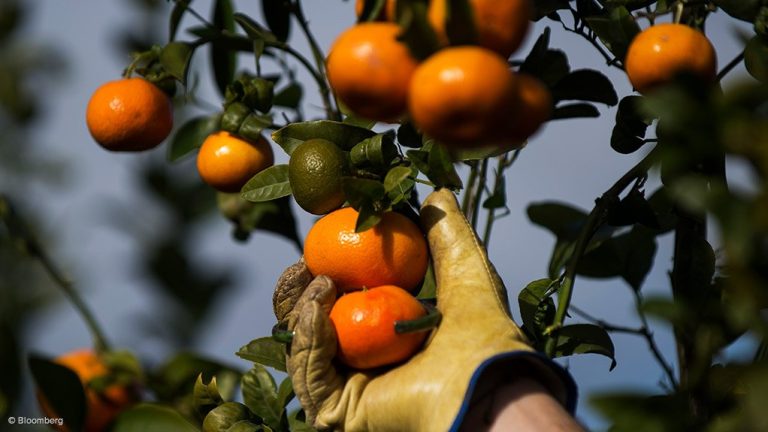
While traditional markets remain important, exports to newer regions like the Middle and Far East have seen substantial growth. Exports to the Middle East increased by 31.1%, totalling 996.48 tonnes, while exports to the Far East grew by 39%, reaching 671.92 tonnes. This diversification aligns with the broader goals of the local horticultural export industry, which is focusing on reducing reliance on traditional markets.

A Potential Game Changer: Access to Asian Markets

The recent Fall Creek South Africa Connect Day, held in Paarl, emphasized the immense potential of gaining access to markets in China, India, and other parts of Asia, which could significantly transform the South African blueberry industry. During a panel discussion featuring industry leaders, Nick Bowen, Grower Support Representative at Fall Creek, moderated a conversation around the future of market access and genetic innovation.

One key point was made by Craig Schaefer from Core Fruit, who emphasized the need for consistent quality and the development of blueberry varieties that can survive long sea journeys, as shipping by air is becoming less viable. Jean Kotze from Fall Creek echoed this, noting that advances in genetic innovation have made blueberries a year-round product. The creation of low-chill varieties is particularly important as it allows South African producers to compete globally.

Blueberries as a New Avenue for Avocado Farmers

In regions where avocados thrive, blueberries are becoming an attractive alternative crop. Zac Bard, Executive at Westfalia Fruit, pointed out that many avocado growers are diversifying into blueberries, especially in areas where climate risks are becoming a concern. Bard also shared insights from the avocado industry’s success in Asian markets, a trend he believes blueberries will soon follow.

Challenges and Opportunities in Expanding Markets

Despite these opportunities, the panel cautioned that gaining access to new markets like China and India will not be a quick process. Elzette Schutte of Berries ZA highlighted that while China is a priority, with South African blueberries next in line for market access, it could still take years due to governmental negotiations. India also shows potential, but tariffs remain a hurdle, with import duties for blueberries currently at 10%.

Nevertheless, as global production has faced declines due to factors like El Niño, which affected key blueberry-producing countries such as Peru, Chile, and Mexico, South Africa’s producers have a unique window of opportunity. The shift in Peru’s harvest season also presents a potential advantage for South African producers, especially those in the north.

Looking Ahead

While the South African blueberry industry is poised for continued growth, the road ahead involves overcoming challenges such as market access, import duties, and the creation of demand in new regions. The opening of Asian markets could be a game changer, but it will require patience, innovation, and coordinated efforts from all stakeholders to truly unlock the industry’s full potential.

Finalists Unveiled for 2024 Diners Club Winemaker and Young Winemaker Awards

0

The finalists for the Diners Club Winemaker and Young Winemaker of the Year awards have been announced. Six winemakers have been shortlisted to compete for the prestigious Winemaker of the Year award, and six will vie for the Young Winemaker of the Year title.

Diners Club introduced the Winemaker of the Year Award to encourage local winemakers to raise the standard of wines produced in South Africa, and the Young Winemaker of the Year Award was established to encourage winemakers under the age of 30 to develop their skills, express their individuality and add to the future prestige of South African wines internationally.

The Winemaker and Young Winemaker awards focus on quality and the recognition of excellence and are among the country’s most prestigious and most-respected wine industry competitions. While most wine industry awards focus on the winning wines, the Diners Club Winemaker and Young Winemaker of the Year awards celebrate the creators of the winning wines, honouring the skills and talents of the vintners.

Diners Club Winemaker Awards Finalists Announced
Young Winemaker Finalists L-R Elzanne Bosman, Michelle Waldeck, Pieter Coetzee, Mika Engelbrecht, Dominique Modena

The awards are presented to winemakers who produce a wine that the judging panel considers to be the best in the two specified categories for the annual competition. This year, the category for the 44th Winemaker of the Year award is Chenin Blanc, with Red Wine the category for the 24th Young Winemaker of the Year award and, as in previous years, winemakers can be shortlisted for more than one submission. These awards are open to all in the South African wine industry at no cost, thus affording all winemakers an equal opportunity.

There were 160 entries this year and the field was narrowed down to 12 finalists through rigorous judging over two days by a team of wine experts. All the judges agree that it will be a close race for the top prize, a clear indication that the finalist wines are outstanding.

THE 2024 DINERS CLUB WINEMAKER AND YOUNG WINEMAKER OF THE YEAR FINALISTS

WINEMAKER OF THE YEAR CATEGORY: CHENIN BLANC

Ben Snyman – Survivor Reserve Chenin Blanc 2021

Henri Swiegers – Badsberg Barrel Fermented Chenin Blanc 2023

Kiara Scott Farmer – Brookdale Old Vine Chenin Blanc 2022

Louis van der Riet – Le Sueur Kluisenaar Chenin Blanc 2022

Pierre Wahl – Survivor Chenin Blanc 2023

Tertius Boshoff – Stellenrust Secrets & Lies Chenin Blanc 2023

YOUNG WINEMAKER OF THE YEAR CATEGORY: RED WINE

Dominique Modena – Boschendal Stellenbosch Cabernet Sauvignon 2021

Elzanne Bosman – Groot Constantia Merlot 2022

Michelle Waldeck – Benguela Cove Lighthouse Collection Moody Lagoon Red 2021 (Syrah Blend)

Mika Engelbrecht – Neethlingshof Estate Range Cabernet Sauvignon 2022

Pieter Coetzee – Quoin Rock Red Blend 2021 (Bordeaux Blend)

Pieter Coetzee – Knorhoek Cabernet Sauvignon 2021

THE 2024 DINERS CLUB WINEMAKER OF THE YEAR JUDGES

Carrie Adams; Winnie Bowman; Yegas Naidoo; Shane Mumba; Denzel Swarts and Johann Fourie

The finalists for both awards are invited to a black-tie gala dinner at the Five Star Arabella Hotel & Spa on Saturday, 23 November 2024, where the winners will be revealed and presented with their trophies. The winning winemaker receives R50 000 and the young winemaker R25 000. In addition, both winners receive a round-trip air ticket to a wine-producing region – terms and conditions of the presenting sponsor apply.


Navigating the Cost-Price Squeeze: Strategies for Sustainable and Efficient Farming

In an insightful article by John Hudson, Head of Agriculture at Nedbank Commercial Banking, he explores the challenges faced by farmers due to the cost-price squeeze in the agriculture sector and offers strategies for driving efficiency and sustainability in farming practices.

“Agriculture is a game of fine margins and unfortunately, in the primary agriculture sector, input prices tend to increase more rapidly than the price the commodity sells for. This creates a cost-price squeeze effect as a farm’s profit margins are squeezed between fast-growing input costs and producer prices that fluctuate or escalate at a slower rate. This occurs across the globe but the lack of subsidies for the South African farmer increases the need for them to become more efficient.

I was honoured to participate in a panel discussion on this topic at Nampo Cape recently and together with my fellow panel members we concluded that, while there are certain cost elements that are beyond the producer’s control, such as seed, fuel, fertiliser, mechanisation and pesticides, there are various ways they can optimise their operations to drive improved business efficiency and sustained profitability.

It’s important to mention that the primary purpose of optimisation should be sustained profitability rather than simply increase yield. There is no point in optimising inputs to produce a high yield while profits remain low. In dealing with the continual margin squeeze many producers increase the size of their operation to achieve economies of scale. But scale on its own is not the silver bullet, if your core business is not efficient then growing for the sake of it merely turns a minor problem into a bigger one.

The key is to produce more with less

In our experience, the most effective way of optimising operations is to drive efficiency to produce more with less. This can be done in several ways, but two of the most effective are the use of technology, particularly precision farming – which uses crop data to enable precise application of inputs such as water, fertiliser and pesticides to maximise efficient use of resources – and farming sustainably. For example, evidence suggests that switching to conservation agriculture results in reduced input costs and lower production risk through more stable yields. This practice also focuses on improving soil health and fertility, which allows soils to retain water and nutrients more effectively. Aligned to doing more with less this helps boost water efficiency and may lead to lower fertiliser application. Likewise, regenerative agriculture provides similar benefits to conservation agriculture, while also decreasing the need for pesticides and mechanisation – again reducing input costs and making the farm more climate resilient and drought resistant.

The good news is that, in terms of precision agriculture, farmers are becoming more tech-savvy and are starting to see the benefits of innovation, thanks to research and networking with producers who are more open to embracing this technology. Sadly, however, many farmers don’t view sustainable farming as an efficiency mechanism that also reduces business and climate risk. Many still see it as a compliance cost as opposed to a benefit, which is particularly unfortunate as carbon taxes and emissions increasingly become a factor both locally and internationally. The reality is that we have seen sustainable practices be a game changer for clients. An example is a mushroom farmer in KZN who was faced with energy insecurity and the escalating cost of energy. The installation of renewable energy not only resulted in a reliable supply of energy, but it pegged the cost which addressed the risk while also significantly reducing one of their key input costs.

The cost-price squeeze impacts lending as well as profitability

From the bank’s point of view, we consider an application for finance from a ‘total risk’ perspective which includes both financial and business risk. Business risk is essentially the risk faced by a business independent of the way it is financed. This means that we don’t only consider the agribusiness’s assets and liabilities, we also need to be confident that business risks facing a business, such as production and price fluctuations and the impact of, for example, extreme weather, climate change, exchange rate volatility, access to markets and global market disruptions are being considered and managed. These factors, amongst others, impact the applicant’s ability to repay their debt and to navigate the good with the bad. It is important to differentiate between “good” and “bad” debt: good debt essentially supports business growth and contributes to addressing risk and driving business efficiency, while bad debt can have the opposite effect. Too much debt or a debt trap can suppress innovation and restrict a business in striving for long term sustainability, both financial and environmental.

As responsible lenders, we at Nedbank use our expertise and understanding of the sector to drive positive change through our lending and to support clients on their growth journey. We also play a significant role in raising awareness about climate risk, climate smart farming and sustainability, the intention being to meaningfully contribute to a robust, sustainable, and climate-resilient future. After all, without farmers, there is no agricultural sector, so their sustainability and profitability should be everyone’s concern.”

Farmers Optimistic Despite Frost Delays in Peach and Nectarine Season

0
“Despite a sluggish start, we’re optimistic about the season,” says Lohan Marais from Icon Fruit, a company that works closely with farms in the Klein-Karoo, known for their high-quality peaches and nectarines. This year, however, nature has thrown a few challenges their way. The bitter cold snap around late August severely impacted the flowering of ultra-early varieties, leaving farmers anxious.

“To put it into perspective, we’d normally be shipping significant quantities of peaches and nectarines by this time. Today, we’ve only managed to ship out a single pallet,” Marais explains.

The weather’s unpredictability is something that farmers know all too well, but it still stings. The cold didn’t just hit the Klein-Karoo; growers in Limpopo also suffered losses due to a black frost that wiped out much of their early crop. This has left a significant gap in the market, with buyers in the United Kingdom growing impatient. There’s currently no other source to fill their demand for early-season peaches and nectarines.

Nevertheless, there’s hope on the horizon. “The availability of fruit should improve within the next two to three weeks,” Marais says. “Later varieties are maturing well, and conditions are looking favorable for the midseason crop.”

Farmers are closely monitoring the fields, watching for signs of recovery. “So far, things are looking promising for both the mid-season peaches and nectarines. We’re also keeping an eye on apricots and plums. By mid-October, we should have a clearer picture, but at this point, the apricot and plum crops are on track,” Marais adds.

For the farming community, this season is a testament to resilience. Despite setbacks, they continue to nurture their orchards, adapting to weather challenges while maintaining high standards of fruit quality. With plum exports expected to begin in five to six weeks, farmers are hopeful that the later fruit harvest will bring them back on course, making up for the early losses.

In agriculture, patience is a virtue, and for these farmers, it’s the land that ultimately dictates the pace of the season.

Key Reports Highlight Recovery, Risks, and Growth in SA’s Farming Sector

The agricultural industry in South Africa greatly benefits from reports like the Agbiz/IDC Agribusiness Confidence Index, Absas AgriTrends report, PwC’s trust and economic impact assessment, the Citrus Growers Association’s seasonal report, and the latest sustainability report from WinField United South Africa (WUSA).

These documents provide essential data and insights that guide decision-making, allowing agribusinesses, policymakers, and farmers to navigate complex challenges and capitalize on opportunities. By evaluating market trends, economic conditions, and environmental factors, such reports equip stakeholders with the tools they need to improve productivity, sustainability, and overall industry growth. One of the key advantages of these reports is their ability to forecast trends and highlight risks, such as climate change, consumer demand fluctuations, and infrastructure issues.

For instance, the Citrus Growers Association’s report sheds light on the challenges faced by South Africa’s citrus industry, which contributes 54% of the country’s fruit exports.
Adverse weather conditions, logistical challenges, and international trade disputes have impacted citrus production and exports this season. Understanding these factors is crucial for strategic planning, enabling agricultural businesses to remain resilient amidst uncertainties like droughts, global market shifts, and geopolitical tensions. Furthermore, these reports help align the sector with broader socio-economic goals by emphasizing the importance of trust, sustainability, and innovation.

In particular, the focus on economic assessments, logistical improvements, and climate change strategies encourages the sector to adopt more sustainable and efficient practices, vital for long-term success. These reports also foster collaboration between financiers, farmers, and other stakeholders, supporting inclusive growth and adaptation to market demands. Ultimately, these reports are not just about numbers; they are about guiding the industry towards a future where agriculture remains a key driver of South Africa’s economy, contributing to food security, job creation, and environmental stewardship.

Latest Reports:

Agbiz/IDC Agribusiness Confidence Index Recovers Slightly in Q3 2024

Absa’s AgriTrends report

PwC’s trust and economic impact assessment

Citrus Growers Association’s seasonal report

Sustainability report from WinField United South Africa


Western Cape Vet’s Week 2024 Champions Biosecurity and Animal Health

0

Saturday, 5 October 2024, marked the successful conclusion of another impactful Western Cape Provincial Vet’s Week, a testament to the dedication and collaboration of all involved.

This year’s week-long programme included rabies campaigns in Stellenbosch and Oudtshoorn, a pig farmers’ day in Mamre, a poultry stakeholder workshop at Elsenburg, and a visit to Elgin Free Range Chickens in Elgin.

The above events allowed participants to share information on the sector’s critical biosecurity challenges.

Provincial Vets Week, initiated in 2023 by the Western Cape Minister of Agriculture, Economic Development and Tourism, Dr Ivan Meyer, brings together the Western Cape Department of Agriculture’s Veterinary Services, the Agricultural Producers’ Support and Development Programme, and several partners to provide information and create awareness of biosecurity and animal health.

Minister Meyer: “Vets Week promotes veterinary services and seeks to improve biosecurity in the agricultural sector”.

Dr Ilse Trautmann highlights that the Western Cape has a strategic and integrated approach to analysing and managing relevant risks to public health, animal and plant life, and associated environmental risks. This approach aligns with One Health’s integrated and unifying approach to improving the health of animals, people, and ecosystems.

Dr Ilse Trautman said, “The importance of strong biosecurity systems has increased significantly over recent decades with globalisation, intensification of animal production systems, and concomitant increasing trade in food, plant, and animal products and international travel driving the spread of emerging or re-emerging diseases.”

Minister Meyer emphasised that veterinarians play a crucial role in public health in the livestock industry, ensuring that animals’ health and well-being are always maintained.

Minister Meyer said, “The Western Cape is responsible for 55% of South Africa’s primary agricultural exports. Almost 50% of these exports are livestock or livestock products.”

“A successful export-focused livestock industry depends on an efficient state veterinary service and animal health systems that can manage diseases, prevent frequent and widespread outbreaks, and support productivity and export opportunities.”

Minister Meyer reiterates the crucial role of veterinarians in the livestock industry, underscoring the need for more professionals to ensure the health and well-being of animals are always maintained.

Minister Meyer said, “It’s a stark reality that South Africa is facing a shortage of veterinarians, a situation that demands our immediate attention and action,” adding, “A fully staffed veterinary service is a critical enabler to a thriving agriculture sector in the province. The agriculture sector creates jobs and drives economic growth”.

During a visit to Elgin Free Range Chickens in Grabouw, Systems and Resources Manager Michelle Cameron said biosecurity was essential to their business.

Michelle Cameron: “ Biosecurity begins with our breeder and laying operations.  This is then pulled through to our hatchery and grower farms, where dedicated trucks deliver feed to our chickens.”

“Biosecurity protocols are strictly followed while transporting chicken and within the abattoir.

“We believe that biosecurity is everyone’s business. So, throughout the value chain from farm to fork, we should take the necessary steps to protect the integrity of agricultural produce. Doing so will support economic growth and help us create more jobs,” concluded the Minister.


Tackling South Africa’s Nutrition Crisis: An Agricultural Perspective

0

As we mark National Nutrition Week (9–15 October), the South African National Health and Nutrition Examination Survey (SANHANES) reveals alarming statistics: one in three South Africans suffers from hunger, one in five is overweight or obese, and only a small fraction consumes the recommended daily intake of fruits and vegetables. These figures highlight the critical role of the agricultural sector in addressing both food security and nutrition.

Mayoral Committee Member for Community Services and Health, Councillor Patricia Van der Ross, City of Cape Town, emphasized that while financial barriers to nutritious food are a challenge, there are affordable ways to eat healthier. By rethinking how we produce and distribute food, we can tackle these challenges, improve access to nutritious food, and ultimately promote better health for all.

Making Nutritious Food Affordable

Although healthy eating is often perceived as expensive, agriculture can change this by promoting community and urban gardening initiatives that increase access to affordable, fresh produce, reducing reliance on processed, less nutritious foods. Encouraging small-scale farming and home gardens can provide cost-effective food sources and foster healthier eating habits.

The government and private sector should invest in local farming projects, empowering communities to grow their own fruits and vegetables. This approach not only improves food security but also promotes healthier diets at a lower cost.

Shifting Agriculture Towards Healthier Diets

The agricultural sector’s focus on staple crops like maize and wheat, which are energy-dense but nutrient-poor, contributes to the country’s nutritional imbalance. Promoting the cultivation of nutrient-rich crops—such as legumes, leafy greens, and indigenous vegetables—can provide more balanced and nutritious diets.

Sustainable farming practices, such as crop rotation and agroecology, can also help farmers grow more nutrient-dense foods. These methods improve soil health and yields while enhancing the nutritional value of crops. Agricultural policies must shift toward supporting diverse, nutrition-focused farming to address both malnutrition and obesity.

The Health-Agriculture Connection

City Health’s initiatives, like the “Live Well Challenge,” promote balanced diets and physical activity, but access to affordable, nutritious foods is essential for their success. Farmers, agribusinesses, and health professionals can collaborate to educate communities on the importance of a diverse diet that includes fruits, vegetables, and whole grains.

Policy Support for Nutrition-Focused Agriculture

Government policies should incentivise the production of nutrient-dense crops and improve food distribution systems to make healthy food more affordable. Reducing post-harvest losses, building cold storage facilities, and improving transportation will ensure better access to fresh produce, particularly in low-income areas.

Additionally, policies that subsidize healthy foods or encourage farmers to grow diverse crops can make nutritious food more accessible. Strengthening the connection between agriculture and public health is vital to improving dietary outcomes for all South Africans.

Conclusion: Agriculture as a Solution

The SANHANES findings, underscored during National Nutrition Week, highlight the urgent need for a collaborative approach to nutrition, with agriculture at its core. By promoting diverse, sustainable farming practices and improving food distribution, South Africa can address hunger and obesity while fostering a healthier population. Agriculture, health initiatives, and policy reforms must work together to ensure that every South African has access to affordable, nutritious food.


De Zwartland Werf A Boost for Agriculture in Malmesbury

0

Malmesbury’s economy, rooted in agriculture, is experiencing significant growth thanks to the introduction of De Zwartland Werf, an 11-hectare mixed-use development by Devmark Property Group. Conveniently located along the N7 and Voortrekker Road, this development is quickly becoming a hub of commercial, medical, and residential activity, driving economic expansion and supporting the Swartland region’s agricultural sector.

At the heart of De Zwartland Werf is the 37,000m² De Zwartland Markt, a shopping precinct featuring 50 stores. For farmers and agricultural businesses, this new centre offers a local platform to sell produce and goods, reducing the need for long-distance transportation. The bustling marketplace has improved access to both retail and essential services for the entire community. In addition to retail, the opening of Crestcare Private Hospital in August 2024 addresses a growing need for healthcare services in the region. The agricultural sector, which often faces challenges in accessing timely medical care due to the rural nature of farming, now benefits from local healthcare infrastructure, ensuring the well-being of farm workers and their families.

Looking ahead, De Zwartland Werf is set to introduce De Zwartland Manor, a retirement estate that will offer elderly members of the community easy access to healthcare and essential services. In addition to the retail and medical components, the development includes 26 residential apartments and office spaces ranging from 95m² to 256m², providing a well-rounded mix of residential and commercial opportunities that enhance the attractiveness of the area.

N7 Highway Upgrade

Complementing this growth is the ongoing upgrade to the N7 highway. SANRAL’s investment of over R3.5 billion has improved connectivity in the region, with 40km of dual carriageway and multiple interchanges completed. The current R600 million upgrades between Malmesbury and Moorreesburg is set to finish by early 2025, further enhancing the area’s accessibility and economic potential. For the agricultural sector, these infrastructure improvements streamline the transport of produce to regional and national markets, reducing travel times and improving logistics. With better road networks, local farmers can access markets more efficiently, allowing for smoother trade and bolstering the Swartland’s position as a key agricultural hub.

SA Emerges as Top Southern Hemisphere Supplier of Pink Lady Apples

0

South Africa is rapidly establishing itself as the leading and preferred source of Pink Lady apples from the Southern Hemisphere.

According to Kantar data, Pink Lady sales in the United Kingdom (UK) have risen by 13% over the past year, making it the UK’s fastest-growing apple variety. Additionally, it ranks as the largest apple variety in the UK, second only to Royal Gala.

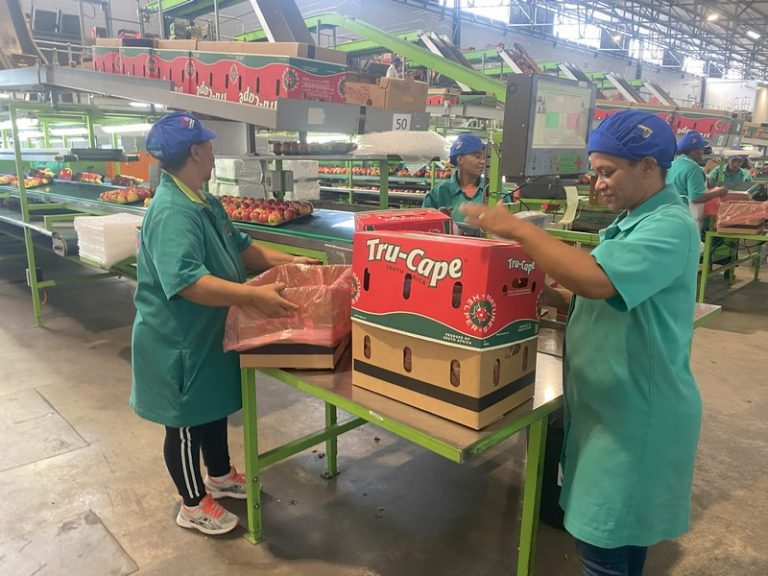
“South Africa is the largest producer of Pink Lady apples in the Southern Hemisphere, and, from a supply perspective, the country is becoming synonymous with Pink Lady. I am quite positive about the future of Pink Lady and believe the best is yet to come for South African Pink Lady apples,” says Calla du Toit, procurement manager at Tru-Cape Fruit Marketing and chairman of Pink Lady SA.

South Africa currently produces about 5 million cartons of Pink Lady apples, with Tru-Cape handling about 20% of the market for these apples. The UK receives the majority (approximately 2.1 million cartons), followed by Europe and Africa (1 million cartons each). Other markets where South African Pink Lady apples are doing well include Europe, India, and Vietnam.

“We made good progress in developing new markets over the past five years. We are also optimistic that market access to Thailand, where our competitors sell high volumes of Pink Lady, is imminent,” says Calla, who commented on the unbelievable year-round promotional activity for Pink Lady in core markets.

Conrad Fick, marketing director at Tru-Cape Fruit Marketing, still remembers when Pink Lady apples appeared on the scene in South Africa at the turn of the century.

“It was a drastic move away from the ordinary red, green, and yellow varieties. One of the reasons for the success of Pink Lady is the effort and money that went into building the brand, which helps drive customers to retail outlets.

“These days, the brand is well positioned as a key retail variety, and Pink Lady is certainly claiming more shelf space and pushing out varieties like Braeburn and Golden Delicious in England, among other places.”

South Africa at the forefront

The exceptional quality of Southern Hemisphere Pink Lady apples is particularly sought after, and South Africa is in a great position to take advantage of market opportunities.

Calla notes competitors in the Southern Hemisphere are struggling to keep up with rising cost pressure. It is anticipated that Chile’s success with cherries will come at the expense of Pink Lady.

“South Africa’s proximity to major markets such as the UK and Europe is to our benefit, as shipping has become more expensive. They prefer the smaller fruit sizes that come out of South Africa in the UK and Europe, and they also find it convenient to do business with us,” explains Calla.

It takes about three weeks for South African fruit to reach the UK, making it possible for local exporters to pack at source, which limits the handling of the fruit and improves quality. Both of Tru-Cape’s packhouses, Ceres Fruit Growers and Two-A-Day, boast flow wrap facilities, enabling them to pack Pink Lady apples with a sell-by and best-before date.

“We are in a fortunate position, as not many countries can offer this service,” says Calla.

Quality and varieties

South African Pink Lady apples are renowned for their soft rosy colour and greenish undertones.

“It performs particularly well in areas where colour development is not a problem, and over the years, we could figure out where the best sites are to farm with Pink Lady varieties,” says Calla.

Most of the local Pink Lady production takes place in cooler areas such as Bo-Swaarmoed, Witzenberg, the Langkloof, and certain areas of the EGVV area (Elgin, Grabouw, Villiersdorp, and Vyeboom). The Free State typically marks the beginning of the South African Pink Lady season.

“Understanding your farm and production areas is crucial for planting in locations that experience favourable temperature changes between day and night as autumn begins. Additionally, it’s essential to ensure a reliable water supply, especially since we cultivate late-season varieties that require extended irrigation.”

Tru-Cape’s growers have consistently focused on new cultivars to ensure that their Pink Lady apples remain a top choice among the finest pink apple varieties. Cripps Pink was once the standout variety, succeeded by Rosy Glow and Lady in Red, but now the buzz is all about Ruby Mathilda. This new variety is an enhanced mutation of Cripps Pink, featuring a lovely blushed pink hue (instead of red). Its flavour profile delivers a delightful balance of sweetness and tartness, appealing to the taste preferences of European and UK consumers. The first commercial orchards of Ruby Mathilda were planted on Ouplaas and Wakkerstroom in the Witzenberg Valley, both Tru-Cape farms.

“I anticipate that Ruby Mathilda or Lady in Red will replace many Cripps Pink orchards. There is a noticeable rise in tree orders, and producers are increasingly interested in varieties that can be sold under the Pink Lady brand,” says Calla.

Pink Lady apples can be very lucrative, especially based on how much of the harvest can be sold under the Pink Lady label. More and more growers are using nets to protect their crops, ensuring they yield high-quality, flawless fruit for export.

“About 80% of varieties like Ruby Mathilda usually fulfil the requirements. Last season, some cartons sold for more than R500 each in Europe and the UK.”

With this in mind, the outlook for the South African apple industry surely seems pink and promising.