16.3 C
Cape Town
Friday, June 26, 2026
Home Blog Page 29

Shoprite Launches R1-Million Food Garden Competition to Boost Food Security

0

South Africa’s agricultural landscape is set to receive a boost with the launch of Shoprite’s inaugural Act For Change Food Garden Competition, a R1-million initiative aimed at strengthening community food gardens across the country.

The competition will provide tailored support to winning gardens, addressing their specific production needs with resources such as irrigation systems, fencing, shade netting, and training. Six prizes will be awarded: first place valued at R225 000, second at R200 000, third at R170 000, followed by R150 000, R130 000, and R120 000 respectively.

Addressing Food Security Challenges

The 2025 South African Food Security Index shows a modest improvement, rising from 44.9 in 2023 to 56.5 this year. However, millions of households continue to face food insecurity, making localised food production more important than ever.

Community gardens are playing an increasingly vital role in addressing these challenges. They not only increase access to fresh produce but also equip communities with agricultural skills, strengthen local food systems, and create opportunities for income generation through surplus sales.

“By investing in community food gardens, Shoprite is not only increasing access to fresh, nutritious produce but also equipping local communities with skills and opportunities,” says Sanjeev Raghubir, Chief Sustainability Officer at the Shoprite Group.

Shoprite’s Track Record in Food Gardens

Over the past decade, Shoprite has supported nearly 300 community gardens, producing more than 106 000 kilograms of fresh produce last year alone. These gardens range from urban rooftops to rural plots, each contributing to local nutrition and sustainable livelihoods.

The company’s continued investment is part of its broader commitment to food security, recognising that grassroots agricultural projects can deliver meaningful results.

Stories from the Field

In Khayelitsha, Cape Town, the Neighbourhood Old Age Homes (NOAH) garden is a clear example of how targeted agricultural support can transform a community initiative. With assistance from Shoprite since 2019, including fencing, shade netting, and permaculture training, the garden now produces spinach, carrots, and herbs for daily meals, while also serving as a training ground for sustainable practices.

“Gardening brings so many benefits – it’s not only about food, it’s about friendship and belonging,” says Anne Dobson, Head of Sustainability at NOAH. Her remarks highlight both the social and agricultural value of these initiatives.

Entry Criteria

The Act For Change Food Garden Competition is open to all community-based gardens in South Africa, whether independent or supported by local organisations. To qualify, entrants must be over 18, represent a recognised community food garden, provide a short description of the garden’s history and impact, and include photos of the project.

Private home gardens, companies, and close corporations are not eligible. Entries close on 30 November 2025, with winners announced by 30 April 2026.

Building Stronger Local Food Systems

This competition underscores the role of small-scale agricultural initiatives in addressing South Africa’s dual challenges of food security and sustainable livelihoods. By equipping local gardens with the resources they need to succeed, Shoprite is not only investing in immediate food access but also in the long-term resilience of community-level agriculture.

Agriculture Meets Innovation at Sauvignon Blanc SA Seminar and AGM

0

Winemakers, viticulturists, marketers, and wine professionals are invited to join Sauvignon Blanc South Africa for its annual Seminar and AGM – an opportunity to gain fresh insights into the science and trends shaping South African Sauvignon Blanc, the cultivar with styles.

Taking place on Wednesday, 12 November 2025, at Hazendal Wine Estate, attendees will enjoy an engaging programme featuring leading experts who will unpack the latest developments from vineyard to glass, as well as valuable discussions on trade and marketing.

Programme highlights include:

  • Viticulture: Taking it to the Next Level – Jaco Engelbrecht from Visual Viticulture shares viticulture sites that inspire.
  • Oenology: “Minerality” in Sauvignon Blanc: Science, Sensory, or Construct – Dr Carien Coetzee from Sauvignon Blanc SA unpacks one of the most debated aroma descriptors.
  • The Long Game: Ageing Sauvignon with Purpose – a panel discussion and tasting with moderator Wilhelm Pienaar (Hermanuspietersfontein Wines) and panellists RJ Botha (Kleine Zalze Wines), Charles Hopkins (De Grendel Wines), Erika Obermeyer (Erika Obermeyer Wines) and Morné Kemp (Laffort South Africa).
  • Trade: Export Trends – Where is South African Sauvignon Blanc Gaining Traction? – market insights from the UK, EU, USA and Asia, shared by Maryna Calow of Wines of South Africa (WoSA).
  • Trade: Wines without Borders – Understanding Global Wine Trade – Yvette van der Merwe of the International Organisation of Vine and Wine (OIV) and SAWIS explores global supply, demand, and trade barriers.
  • Partnerships: We Wine Together – showcasing international collaboration between Sauvignon Blanc SA, EVER s.l.r. (Italy) and EVER Solutions (South Africa) with a short video about a recent five-day winemaker exchange programme to Italy, with Bennie Avenant (EVER Solutions), Morgan Steyn (Sauvignon Blanc SA and De Grendel Wines) and Juandre Bruwer (Diemersdal Wine Estate).
  • Marketing: Sommeliers on Sauvignon – Le Roi van de Vyver of CABO Wine Merchants discusses personal insights, challenges, and strategies when selecting, serving, and pairing Sauvignon Blanc.

Presented in collaboration with Top 10 title partner FNB, platinum partner EVER Solutions, and other valued partners, the Seminar will also feature the 2025 Sauvignon Blanc SA AGM, led by Elunda Basson, Chairperson of Sauvignon Blanc SA.

The programme runs from 08:15 to 14:00 and includes a light lunch and an informal tasting of the 2025 Sauvignon Blanc SA Top 20 finalists.

The cost is R1 100 per person for members and R1 300 per person for non-members. Seats are limited – book online at https://sauvignonblanc.com/seminar/.

Tru-Cape’s 2025 Cherry Season: A Record-Breaking Harvest

0

The 2025 cherry season in Ceres has begun with trees heavy with glossy red fruit, thanks to exceptional spring weather. Tru-Cape’s procurement director, Calla du Toit, says a combination of good rainfall and warm sunshine before and during flowering resulted in excellent pollination and fruit set. Early sugar readings above 25° Brix point to cherries that are especially sweet and juicy. “Everything points to a season of exceptional quality,” Du Toit confirms.

A Promising Harvest for Ceres

This year’s crop is expected to be 5–7% larger than last season. Producer Deon Malherbe from Eselfontein farm notes that established orchards are performing strongly, while young blocks are bearing fruit for the first time. The harvest has also started a week earlier than in 2024, giving Tru-Cape more time to supply cherries during the peak Christmas demand.

“Cherries are much higher on consumers’ shopping lists in the run-up to Christmas,” Du Toit explains. The earlier harvest extends the marketing window and is expected to boost sales. Nico Verhoef of Witzenberg Properties describes the season as exciting but also nerve-racking, with producers closely monitoring fruit size.

Investment in Cooling and Quality

Witzenberg Properties has invested heavily in cooling infrastructure to preserve fruit quality. Faster hydro-cooling, smaller transport loads, and more frequent deliveries to packhouses ensure fruit temperatures drop quickly after picking. With loadshedding less of a concern than in previous years, producers can now maintain a more reliable cold chain, extending shelf life and freshness.

Expanding Markets

While most cherries will still be consumed locally — including under Tru-Cape’s new “My Cherry” brand — the company is also focusing on exports. Europe and the UK remain strong destinations, but Tru-Cape is testing shared freight shipments alongside airfreight to improve efficiency.

A highlight of the season will be the visit of a Chinese trade delegation, a crucial step toward gaining access to China. “South Africa has a two- to three-week advantage before Chile enters the market,” Du Toit explains. “That short window could be extremely valuable.”

Meeting Market Demands

Globally, buyers increasingly demand cherries of 24 mm or larger, prompting Tru-Cape producers to adapt orchard practices and test new cultivars and rootstocks. Domestically, Tru-Cape also aims to make cherries more affordable and accessible, moving them beyond a luxury fruit.

Sustainability and Community Spirit

Sustainability remains central to Tru-Cape’s strategy. Growers are adopting eco-friendly packaging made partly from recycled paper to reduce plastic use, while planting fynbos around orchards to support biodiversity and pollination.

Ceres continues to lead South Africa’s cherry industry, with the largest area under cherry cultivation. Local pride is strong as the town gears up for the annual Ceres Cherry Festival in early December. “There’s a real buzz in town,” says Verhoef. “Everyone is coming together to celebrate and promote cherries this season.”

A Season of Optimism

With near-perfect weather, upgraded cooling systems, new export opportunities, and growing consumer enthusiasm, Tru-Cape’s 2025 cherry season is set to be one of abundance and innovation — a celebration of cherries as nature’s perfect little gifts.

NAMPO ALFA 2025: Die Groot Finale van ’n Jaar van Landbou-uitnemendheid

0

Meer as 8 000 besoekers het NAMPO ALFA 2025, wat van 16 tot 18 Oktober by NAMPO Park naby Bothaville plaasgevind het, bygewoon. Hierdie driedaagse geleentheid het Suid-Afrika se voorste vee-, jag- en buiteleefstylsektore ten toon gestel. Dit het weereens die waarde bewys daarvan om hierdie bedrywe onder een dak te kombineer, en sodoende ‘n ruimte geskep waar produsente, agribesighede, gesinne en buitelewe-entoesiaste kon skakel, meeding en leer.

NAMPO ALFA 2025 het suksesvol drie groot nasionale kampioenskappe aangebied: die Old Mutual Nasionale Interras Vleisbees-kampioenskappe, die Nasionale Lamkampioenskappe, beter bekend as die “Lamb Champs”, en die Laeveld Agrochem Nasionale Plaasvaardigheidskompetisie. Terselfdertyd het dit ’n dinamiese platform vir tegnologiedemonstrasies, jeugdeelname en buitelewe-ervarings daargestel.

“Ons sien jaarliks groter samewerking, innovasie en betrokkenheid oor die bedrywe heen,” sê Dr. Tobias Doyer, HUB van Graan SA. “NAMPO ALFA beklemtoon steeds die gees van groei en geleentheid wat Suid-Afrikaanse landbou dryf – van die jeugdeelnemers en veekampioene tot die uitstallers wat baanbrekerswerk doen met slimboerdery-oplossings.”

Grootste Prestasies en Kampioene

Vanjaar se veehoogtepunte sluit in Hennie Jonker van Kromdraai, naby Kroonstad, wat by die Nasionale Lamkampioenskap-finaal as Suid-Afrika se Smaaklikste Lamkampioen gekroon is met sy Hampshire Down-inskrywing. Sy lam het die beoordelaars deur al vier evaluasiefases beïndruk, wat hom ’n pryspakket insluitend R50 000 in kontant en die Nic van Rensburg-bronstrofee besorg het.

By die Interras Vleisbees-kampioenskappe het La Cat Simmentaler Stoet van Poerie van Rooyen die gesogte titel van Koning van die Ekspo gewen. Die titel van Koningin van die Ekspo is toegeken aan De Blanc/La Blanc Brahmane, wat aan Hans en Lize-Mari Terblanche behoort. Die Mega-Os-kompetisie was ’n groot trekpleister, waar Phillip Snyman se indrukwekkende os 1 625 kg geweeg het om die eerste plek in te palm.

Nampo Alfa

Jeug en Vaardighede: Die Toekoms van Landbou

Die Laeveld Agrochem Nasionale Plaasvaardigheidskompetisie het meer as 300 deelnemers van 16 skole gelok, wat hul praktiese plaasvaardighede en dierehanteertegnieke getoets het. Die Vrystaat het algeheel die beste gevaar, met Noordwes en Limpopo in die tweede en derde plekke. Jeugdeelname was ’n sterk fokus, met Danique du Plooy van Salomon Senekal Hoërskool wat as die Junior Vleisbees Jeugskoukampioen aangewys is.

Die Landbouweekblad Vee-Akademie het ook ’n waardevolle platform gebied wat gefokus het op oplossings vir die veebedryf, met besprekings oor onderwerpe soos dieregesondheid, naspeurbaarheid en markgroei.

Tegnologie en Innovasie

Tegnologiese innovasie was ’n sleutelarea. Die AgTech@NWK-uitstalling het die snelle groei van hommeltuigbespuitingstegnologie in Suid-Afrika beklemtoon – byna 950 000 hektaar is die afgelope tien maande gespuit. Dit is ’n aansienlike toename vanaf 2024. Navorsing en ontwikkeling, soos Graan SA se projekte oor grondgesondheid en wisselbou, het ook prominent gefigureer om graanboere se winsgewendheid en volhoubaarheid te bevorder.

Die naweek se atmosfeer is afgerond met lewende musiek, gesinsvermaak en die gewilde Oktoberfees.

Dr. Dirk Strydom, Besturende Direkteur van NAMPO (Edms.) Bpk., het gesê: “Ten spyte van die uitdagings, het vanjaar se NAMPO ALFA weereens die veerkragtigheid en innovasie van ons produsente bewys. Die bywoning was die hoogste nog sedert NAMPO ALFA se ontstaan.”

“NAMPO ALFA gaan oor die viering van uitnemendheid, die deel van kennis en die verbinding van gemeenskappe,” het Dr. Doyer bygevoeg.

Beplanning vir NAMPO ALFA 2026 is reeds aan die gang, met ’n fokus op die uitbreiding van jeug- en skoolprogramme, sowel as groter deelname van opkomende veeprodusente.

South Africa’s R400 Million Stone Fruit Deal with China Opens New Chapter in Global Agricultural Trade

0

The South African agricultural sector is celebrating a major victory following the signing of a historic Stone Fruit Trade Protocol between the Minister of Agriculture, John Steenhuisen, and China’s General Administration of Customs (GACC). The agreement, finalised in Shanghai, grants five types of South African stone fruit—apricots, peaches, nectarines, plums, and prunes—access to the massive Chinese market for the first time. Uniquely, this marks the first instance where China has negotiated access for multiple stone fruit varieties from a single country under one protocol.

A Strategic Pivot for Market Diversification

The trade protocol is not just a commercial win but a vital part of a broader, strategic policy shift. It aims to reduce South African agriculture’s dependence on traditional, often volatile, buyers and strengthen ties with high-growth emerging markets in Asia. This move has become particularly critical following the introduction of US tariffs, which immediately impacted stone fruit varieties like plums.

The Minister of Agriculture underscored this strategic importance, describing the deal as “a major breakthrough for South African fruit producers and exporters at a time when diversification is essential for our agricultural resilience.” Furthermore, the protocol is expected to unlock significant economic value: an estimated R400 million in export earnings over the next five years, a figure projected to double over the next decade.

Industry Hails ‘Major Breakthrough’

The industry response has been overwhelmingly positive, with key agricultural bodies expressing confidence in the market’s potential.

Hortgro, the governing body of the deciduous fruit industry, was elated. Jacques du Preez, General Manager for Trade and Markets, stated, “We are absolutely ecstatic that we have finally concluded this process… We see the Chinese market as vital to the sustainability and further growth of our deciduous fruit industry.”

Similarly, Agri Western Cape welcomed the development. Chief Executive Jannie Strydom noted that market diversification “should alleviate the pressure from existing markets.”

Meanwhile, the Agricultural Business Chamber (Agbiz) highlighted the long-term importance. Chief Economist Wandile Sihlobo said the deal marks a “significant step in deepening South Africa’s access to the Chinese market,” which is an increasingly vital destination for local produce.

Economic and Job Creation Prospects

The new market access provides an essential lifeline for farmers and a significant boost to job creation in rural communities. The demand from China’s rapidly growing middle class, which has a rising appetite for high-quality imported agricultural products, far outstrips South Africa’s current total stone fruit production.

Conservative estimates project that the protocol could directly support approximately 350 new jobs on farms and in packhouses over the next decade. When associated sectors like transport, logistics, and packaging are included, the total number of jobs supported is expected to rise to nearly 600.

This new partnership is already creating momentum for future growth. The Minister has also invited Chinese technical teams to visit South Africa to inspect cherry and blueberry orchards and packhouses, with the aim of securing market access for those fruit types within the next harvest cycle. This forward-looking diplomacy promises to consolidate South Africa’s standing as a reliable, high-quality agricultural supplier to the world.

South African Agri-Logistics Achieves Global Recognition with Platinum Award

0

The South African Table Grape Industry (SATI) and its partner, Transnova Africa, have been jointly honoured with the prestigious Platinum Award at the 2025 GIBS Logistics Achiever Awards. This recognition underscores a landmark achievement in supply chain innovation, highlighting a pioneering logistics model that has successfully transformed one of South Africa’s most challenging export environments into a globally competitive, resilient operation. The Platinum Award, the programme’s highest distinction, celebrates not merely a logistics improvement, but a fundamental reshaping of how the nation’s fresh produce moves from farm to international market.

The Challenge: From Crisis to Innovation

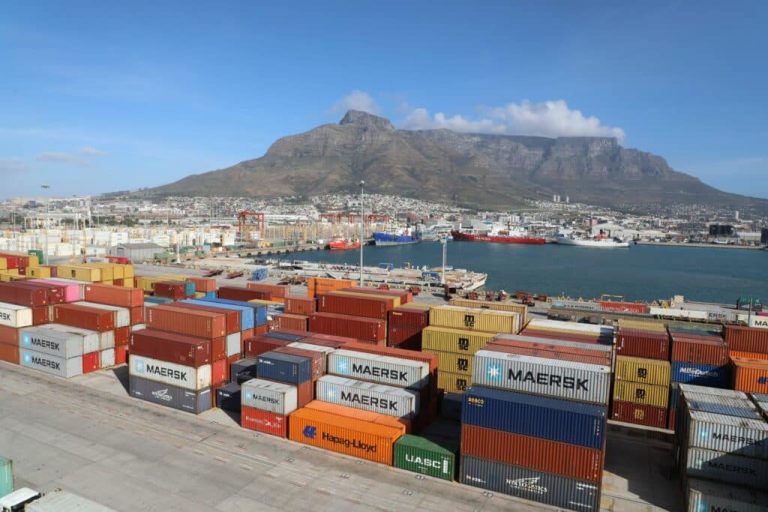
The collaboration between SATI and Transnova Africa was a direct, proactive response to severe and damaging logistics problems, particularly at the Cape Town Container Terminal. These challenges had previously resulted in significantly extended transit times for table grape exports, threatening the industry’s reputation as a reliable global supplier. Recognizing the need for a strategic, future-proof solution, SATI commissioned the development of the Prescriptive Logistics Model in April 2024. This initiative turned a critical vulnerability into an opportunity for world-class innovation.

The Prescriptive Logistics Model: A Digital Twin for Exports

The core of the award-winning solution is the Prescriptive Logistics Model, the first of its kind in South Africa’s agri-export sector. Powered by sophisticated digital twin technology, the model creates a virtual replica of the country’s entire export network. This digital environment allows stakeholders to simulate real-world scenarios, optimize the allocation of containers, and precisely identify the most efficient routes to market before a single grape is shipped.

The model’s rollout was executed in two phases. Phase 1 used the digital twin to provide deep, data-driven insights into the constraints of the prior 2023/24 export season, enabling the industry to pinpoint and mitigate systemic challenges. Phase 2 saw the model transition into a dynamic tactical planning tool for the 2024/25 season, delivering fortnightly recommendations and risk scenarios. This shift empowered growers and exporters to make informed, data-driven decisions, delivering actionable strategies that enhanced the industry’s global competitiveness by aligning route-to-market plans with market shifts and mitigating emerging risks.

Reaffirming Global Reliability

SATI CEO Mecia Petersen emphasized that the Platinum Award is a crucial milestone aligned with the industry’s mission to maintain and promote South Africa’s reputation for reliable supply and consistent quality. By combining SATI’s deep industry knowledge with Transnova Africa’s advanced supply chain expertise, the partnership created a model that not only mitigates logistical risk but significantly enhances global competitiveness and builds trust among international buyers. As Carsten Schubert, Chief Revenue Officer of Transnova Africa, noted, the model represents a new paradigm in supply chain management, transforming processes from reactive to predictive and making the agricultural sector more resilient and sustainable.

A Blueprint for the Future of Agri-Exports

The significance of the award extends far beyond the table grape industry. Building on the success of the model, SATI and Transnova Africa are actively working to expand its application to other key fruit commodities, including citrus and stone fruit. Furthermore, the collaboration is reaching government level, with efforts under way with Transnet and the Western Cape Government to institutionalise real-time data sharing and logistics coordination across the entire perishable export network. This scalable innovation positions the Prescriptive Logistics Model as a blueprint for the future of South Africa’s agricultural exports, fulfilling the promise of ensuring that produce reaches the world—fresh, on time, every time.

Why the Imported FMD Vaccine is a Temporary Fix for a R4 Billion Problem

0

South Africa’s agricultural sector breathes a collective, albeit cautious, sigh of relief as another significant consignment of Foot-and-Mouth Disease (FMD) vaccine doses, approximately 700,000 strong, makes its way from Botswana. This latest shipment, following the 900,000 doses secured earlier this financial year, is a testament to vital regional cooperation and an immediate lifeline for the nation’s beleaguered red meat industry. Yet, behind the scenes of this crucial import lies a stark reality: these vaccines, while indispensable, are merely a temporary bandage on a festering wound that costs the country an estimated R4 billion annually and severely jeopardises its national food security and export markets.

The Immediate Lifeline: Botswana’s Indispensable Role

The urgency of these vaccine shipments cannot be overstated. With 274 unresolved FMD outbreaks across five provinces, South Africa’s FMD-free status, and consequently its access to lucrative international markets like China, remains suspended. The Botswana Vaccine Institute (BVI) stands as the only reliable manufacturer of the specific Southern African Territories (SAT) FMD strains needed. The swift delivery of these doses, coordinated by the Department of Agriculture and industry partners like the Red Meat Industry Service (RMIS), highlights Botswana’s critical role as an African ally. The R72 million spent on the previous 900,000 doses alone underscores the financial strain, but it’s a cost deemed necessary to protect the livelihoods of thousands of farmers and the integrity of the livestock sector.

The Deeper Rot: A R4 Billion Economic Bleed

Despite the heroics of vaccine procurement, the FMD crisis is a stark symptom of deeper, systemic issues. Minister of Agriculture John Steenhuisen has repeatedly emphasised that the true cost extends far beyond vaccine invoices. The R4 billion annual loss stems from eradicated animals, restricted movement of livestock, decreased trade, disrupted value chains, and the immense logistical burden of managing outbreaks. This economic haemorrhage disproportionately affects emerging farmers who often lack the resources to withstand prolonged disruptions. It’s a crisis that hits the national fiscus, rural employment, and South Africa’s global agricultural standing.

 Addressing Biosecurity Failures

While vaccines are crucial, they are not a silver bullet. Experts and the Minister alike point to the persistent challenge of illegal animal movements and porous biosecurity protocols as the primary drivers of FMD spread. A culture of non-compliance, particularly in communal grazing areas and unregulated auctions, continually undermines vaccination efforts. The arrival of millions of doses means little if animals are moved across disease control lines without proper permits, reintroducing the virus to previously contained areas. This necessitates a renewed focus on farmer education, stricter enforcement of livestock identification and traceability systems, and greater accountability at all levels of the value chain.

The Long-Term Prescription

The solution, as articulated by Minister Steenhuisen, lies in national self-sufficiency. Recognising the FMD threat as an issue of “national security importance,” the government, in partnership with industry, is fast-tracking the establishment of a mid-scale domestic FMD vaccine production facility, with a target commissioning date of March 2026. This ambitious project aims to drastically reduce reliance on imports, ensure a consistent supply of tailored vaccines, and safeguard the country’s livestock industry from future shocks.

The current reliance on Botswana, while exemplary of regional solidarity, serves as a powerful reminder of South Africa’s vulnerability. The incoming 700,000 doses offer much-needed relief and a chance to further suppress outbreaks. However, until South Africa can reliably produce its own vaccines and enforce stringent biosecurity measures across all provinces, these vital imports will remain a temporary fix for a problem that continues to cripple its economy and challenge its agricultural future. The true solution is a holistic strategy that moves beyond simply injecting cattle, but rather inoculates the entire system against disease.

Rooibos Unlocks New Prospects for Aquaculture

0

A breakthrough study from Walter Sisulu University in Mthatha, Eastern Cape, has revealed that Rooibos — one of South Africa’s most iconic crops — could hold the key to more sustainable and profitable fish farming. Researchers found that adding green Rooibos extract to tilapia feed improved growth rates and feed efficiency, a discovery with major implications for aquaculture across South Africa and beyond.

From Tea to Tilapia

Led by Prof Grace Okuthe, senior researcher at Walter Sisulu University’s Faculty of Natural Science, the trial compared conventional feed with feed enhanced by either fermented Rooibos (red) or unfermented green Rooibos. The results showed that tilapia fed green Rooibos grew nearly 3% faster and converted feed into body mass more efficiently. For fish farmers, even small percentage gains mean lower costs, quicker production cycles, and stronger competitiveness.

The team attributes the improvement to Rooibos’ bioactive compounds, which support gut health and nutrient absorption. Early signs of DNA protection were also detected, pointing to broader health benefits.

Economic and Environmental Potential

For aquaculture producers, better feed conversion means less waste entering water systems, reducing nutrient runoff and environmental risk. This aligns with growing global demand for sustainable production practices.

Equally important are the opportunities for Rooibos growers. Cultivated exclusively in the Western Cape, green Rooibos could see a surge in demand as a natural feed additive, creating new markets and supporting job creation in harvesting, processing, and logistics. By replacing some imported synthetic feed additives with a local product, South African farmers stand to cut input costs and strengthen supply chains.

“This research shows how an indigenous crop can open new economic pathways,” Prof Okuthe explained. “It combines heritage, science, and sustainability in a way that can benefit both aquaculture and rural communities.”

A National Opportunity

While the Rooibos plant grows only in the Western Cape, the benefits of this research extend far wider. Aquaculture is a fast-growing sector across South Africa — from tilapia farms in Limpopo and Mpumalanga to trout and catfish operations in the Free State, KwaZulu-Natal, and the Eastern Cape. A homegrown additive that improves efficiency and lowers costs offers direct opportunities to producers nationwide.

The next phase of research will test green Rooibos extract on other species such as shrimp and freshwater fish, potentially creating a universal natural additive with global appeal.
As aquaculture continues to supply more than half the world’s fish, South Africa has an opening to lead with innovation. By turning a traditional herbal tea into a modern farming solution, Rooibos could help chart a sustainable future for food security and agricultural growth.

SAPPA Inligtingsdag 2025: Die Pekanneutprodusent van die Toekoms in Fokus

0

Die Suid-Afrikaanse Pekanneutprodusente Assosiasie (SAPPA) hou op Vrydag, 7 November 2025, hul jaarlikse Inligtingsdag en Algemene Jaarvergadering (AGM) in Hartswater. Hierdie byeenkoms is die hoogtepunt van die pekanneutbedryf se kalender en bied aan produsente die geleentheid om kennis op te doen, strategies te dink en bande met medeprodusente en kundiges te versterk.

Onder die tema “The Pecan Farmer of the Future” fokus die program op uitdagings en geleenthede wat die bedryf in die gesig staar. Sprekers soos Prof Guy Midgley van Stellenbosch Universiteit en Dr Nicky Taylor van die Universiteit van Pretoria sal insig bied oor klimaatsverandering en waterbestuur. Ander hoogtepunte sluit in Rupert Anelich se toespraak oor voedselveiligheid, Dr Kandas Cloete se strategiese bedryfsanalise, en ’n inspirerende sessie oor geestelike taaiheid deur Dr Steve Harris, voormalige mind coach van die Springbok-rugbyspan.

Die dag sluit af met die SAPPA AGM, waar belangrike besluite oor die toekoms van die assosiasie geneem word, gevolg deur ’n netwerkgeleentheid, “Happy Hour,” en ’n gesellige braai. Hierdie Inligtingsdag is ’n belangrike platform vir die toekomsgerigte pekanneutprodusent.

Kanu Wines Blends Heritage, Tourism and Agricultural Growth

0

Nestled in the heart of the Stellenbosch Winelands, Kanu Wines has introduced a fresh way for visitors to engage with South Africa’s winemaking heritage. Six intimate booths have been created in the estate’s underground barrel cellar, each themed around a key cultivar: Chenin Blanc, Merlot, Shiraz, Cabernet Sauvignon, Pinotage, and Méthode Cap Classique (MCC). Designed with bespoke décor and warm lighting, the booths invite guests to slow down, savour each pour, and explore the history of South African grapes in a setting that blends intimacy with storytelling.

Tourism as Agricultural Opportunity

Wine tourism is an increasingly important part of South Africa’s agricultural economy, generating billions annually and creating jobs beyond the farm gate. By diversifying into hospitality and cultural experiences, producers are tapping into new income streams that strengthen resilience in competitive markets. Direct-to-consumer sales, brand loyalty, and international recognition are boosted when visitors feel immersed in the story of the wine and the land from which it comes.

This approach reflects a broader agricultural trend: finding value-added opportunities that ensure sustainability and growth. As one guest remarked, “You don’t just taste the wine — you taste the history.”

Guided by Passion

Leading the experience is tasting room manager Cobus Germishuys, often called Stellenbosch’s “Wine Angel.” His storytelling connects agriculture with culture, reminding visitors that farming is not only about production, but also about people and heritage.” With his passion for wine and storytelling, Germishuys ensures every tasting is more than just a sip — it is an encounter with culture, tradition, and the artistry of winemaking.

Beyond the cellar, Kanu offers further attractions, including its Du Vin restaurant with South Africa’s first sushi-and-wine pairing, as well as family-friendly activities like bass fishing and putt-putt.

By investing in design, hospitality, and cultural connection, Kanu Wines is demonstrating how South African agriculture can create fresh opportunities through tourism, innovation, and memorable shared experiences.