19.7 C
Cape Town
Thursday, August 27, 2026
Home Blog Page 30

Fairview Shows How Agritourism Can Strengthen Modern Farming

0

As South African agriculture faces rising input costs, climate uncertainty, and changing consumer expectations, agritourism is increasingly being explored as a way for farms to diversify income while remaining productive. One of the country’s most established examples is Fairview Wine and Cheese Estate, where agriculture, value addition, and visitor engagement have been successfully integrated over several decades.

Situated on the slopes of Paarl Mountain, Fairview illustrates how a working farm can open itself to the public without compromising its agricultural purpose. Rather than treating tourism as an add-on, the estate has embedded visitor experiences into the fabric of daily farm operations, allowing guests to connect directly with the land and its produce.

A Working Farm First, a Destination Second

Founded in 1937 and still family owned, Fairview remains firmly rooted in production agriculture. Vineyards, cheesemaking facilities, and livestock operations continue to shape activity on the farm. What distinguishes the estate is the way these processes are shared with visitors, creating transparency around how food and wine are produced.

Through guided tastings and informal engagement, guests gain insight into the relationship between farming practices, animal welfare, and product quality. This approach reinforces the value of locally produced food at a time when consumers are increasingly interested in provenance and sustainability.

Adding Value Through On-Farm Processing

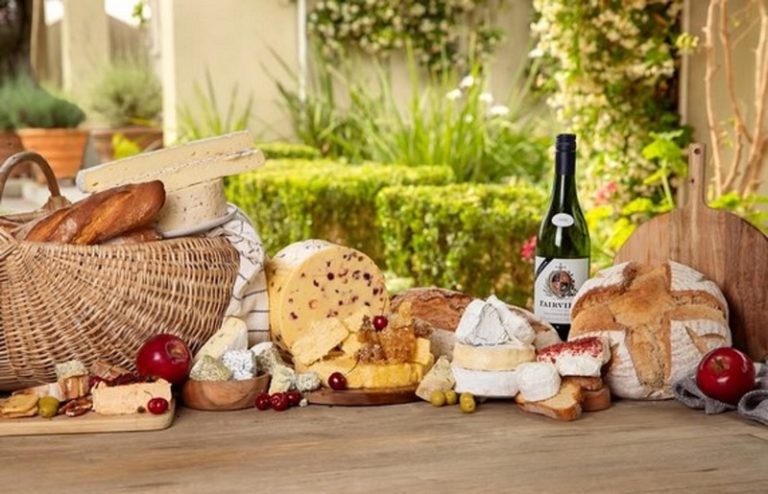
A key element of Fairview’s agritourism model is on-farm value addition. Milk produced on the estate is turned into award-winning cow’s and goat’s milk cheeses, while grapes sourced from Western Cape vineyards are vinified under the Fairview label. These products are sold directly to consumers through tastings, the Farm Deli, and on-site dining experiences.

By processing and marketing products at source, Fairview demonstrates how farms can reduce reliance on commodity markets and create closer relationships with end consumers, while still maintaining agricultural focus.

Diversification Aligned With Agriculture

Beyond wine and cheese, Fairview has developed a collection of complementary micro-businesses that support its farming identity. Farm-to-fork dining at the Goatshed, baked goods, free-range meats, and plant-based products extend the value chain without shifting attention away from agriculture.

The estate’s iconic Goat Tower, home to its resident goats since 1981, adds a family-friendly element that attracts a broad visitor base. Landscaped gardens and open spaces encourage longer visits, increasing on-farm spend while reinforcing Fairview’s role as a destination rooted in farming.

Lessons for South African Farmers

Fairview’s long-term success offers practical insights for producers considering agritourism. The model shows the importance of authenticity, careful scaling, and a clear connection between farming activities and visitor experiences. Agritourism works most effectively when it strengthens existing operations rather than replacing them.

As rural economies search for sustainable ways to adapt, Fairview provides a clear example of how farms can diversify responsibly, educate consumers, and build resilience while remaining true to their agricultural foundations.

The Digital Frontier: Matlhane Maphoto’s National Agri-Tech Blueprint

0

In the heart of Ga-Maphoto, a rural village nestled in the Limpopo province, 22-year-old Matlhane Thabiso Maphoto is proving that the future of South African farming isn’t just about the size of your land—it’s about the strength of your data.

Recently honoured in the 2025 Mail & Guardian Top 200 Young South Africans (Agriculture), Maphoto has become a symbol of a new generation of “agripreneurs.” By combining a Bachelor of Commerce in Accounting from the University of Johannesburg (UJ) with a grassroots passion for livestock, he is dismantling the barriers that have historically kept smallholder farmers in the shadows of the formal economy.

The “Agric-Accounting” Advantage

Maphoto’s journey didn’t start in a boardroom; it started on a two-hectare farm where he managed a 30-cattle herd alongside his father. However, it was his financial training at UJ that allowed him to see the farm through a different lens. He realized that while many rural farmers are skilled producers, they are often “digitally excluded” from the markets that determine their profitability.

“Farming is the future,” his father always told him. But for Maphoto, that future required a digital bridge. This led to the creation of AgricShare Africa, a social enterprise designed to turn subsistence farming into a sustainable business.

Lean Tech: Meeting Farmers Where They Are

One of the most innovative aspects of AgricShare Africa is its “lean tech” approach. Recognising that 85% of Limpopo’s farmers—and many nationwide—lack high-end smartphones or expensive data, Maphoto moved away from complex apps. Instead, he built a digital hub using the tools farmers already have: WhatsApp and Instagram.

This hybrid model provides three critical pillars of support:

  1. Market Intelligence: Real-time livestock auction data and crop prices, allowing farmers to negotiate fairly with commercial buyers.

  2. Climate-Smart Training: Practical workshops on drought-resistant techniques and solar-powered irrigation.

  3. National Connectivity: Linking farmers to bursaries, funding opportunities, and a network of mentors across South Africa.

A National Blueprint for Youth Empowerment

Though born in the Capricorn District, AgricShare Africa is far from a regional project. It has evolved into a national blueprint for youth inclusion in agriculture. Maphoto has already facilitated over 100 bursary applications for aspiring agricultural students and has successfully lobbied for rural broadband expansion in Tzaneen, arguing that internet access is as vital as water for modern farming.

His work directly addresses the stark reality that 70% of South African youth currently view farming as unprofitable. By showcasing the business side of agriculture—from balance sheets to market trends—Maphoto is changing that perception.

The Road Ahead: The Agri-Youth Hub

Looking forward, Maphoto is currently securing support for a dedicated Agri-Youth Hub. This center will serve as a physical extension of his digital platform, providing hands-on training in financial literacy and climate-resilient farming.

As South Africa grapples with the dual challenges of food security and youth unemployment, leaders like Matlhane Maphoto offer a compelling answer. Through AgricShare Africa, he is proving that when you empower a farmer with a smartphone and a ledger, you don’t just grow a crop—you build an economy.

Early Table Grape Season Tests Export Logistics

0

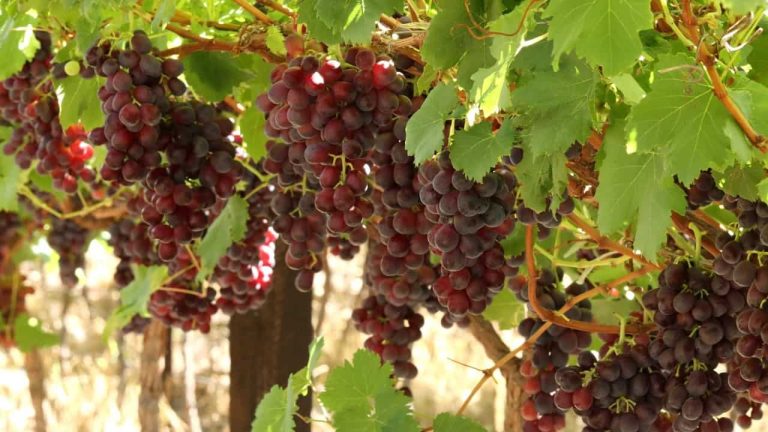
South Africa’s 2025/26 table grape season has entered a decisive early phase, with production volumes building steadily while export logistics continue to lag behind inspections. Industry data to Week 50 confirms a season that is broadly on track in the vineyards, but increasingly under strain at the ports.

Inspections Up, Exports Behind

By the end of Week 50, 13.34 million cartons of table grapes had been inspected for export — a 21% increase on the same time last season. In contrast, only 4.79 million cartons had departed South African ports by that point, representing a 39% decline year on year.

This widening gap between inspected and exported volumes is not a demand-side issue. Instead, it reflects shipping delays and congestion, particularly at the Port of Cape Town. Encouragingly, an additional 3.28 million cartons shipped in Week 51, lifting total volumes shipped to approximately 8.1 million cartons, but inventory pressure remains a concern.

Crop Outlook Remains Stable

Despite logistics challenges, the national crop estimate remains unchanged at 79.4 million cartons, with all regions maintaining their initial forecasts. Packing activity is currently underway in the Northern Provinces, Orange River and Olifants River regions, while the Berg River and Hex River regions are set to start meaningful volumes from Week 52.

Early-season performance suggests good fruit quality across regions, supported by generally favourable growing conditions. Weather remains the key watch point as more mid- and late-season cultivars enter the supply chain.

Regional Momentum Builds

The Orange River region continues to dominate volumes, with 9.96 million cartons packed to Week 50 — up 24% year on year. Prime, Midnight Beauty® and Evans Delight remain leading varieties, and several mid- to late-season cultivars are entering earlier than expected in some areas.

In the Northern Provinces, packing volumes reached 3.3 million cartons, a 13% increase on last season. Crop conditions are good, with producers reporting solid performance from mid-season varieties, though rainfall forecasts require close monitoring.

The Olifants River has seen a sharp percentage increase off a small base, while vineyards in the Berg and Hex River regions are reported to be healthy and on track as harvesting begins.

Port Performance Improving — but Risk Persists

Weather-related disruptions at the Port of Cape Town eased in Week 50, with wind delays reduced to 19 hours, down sharply from November’s extreme levels. Vessel backlogs and container congestion have also improved, easing short-term pressure.

However, cumulative wind delays for December have already exceeded last year’s total, underlining the fragility of port performance during peak export periods. Productivity improvements have been noted, but still remain below optimal targets.

Strategic Logistics Decisions Loom

With inspections already outpacing exports early in the season, industry modelling warns of inventory build-ups over the next two to three weeks if disruptions persist. Diversion of volumes to Durban and Eastern Cape ports is emerging as a critical mitigation strategy, particularly for northern production regions.

The early message of the season is clear: vineyards are delivering, but logistics will determine outcomes. How effectively exporters adapt routing decisions and port utilisation over the coming weeks will shape market performance well beyond the festive period.

Waging War on FMD: Steenhuisen Unveils ‘Zero Tolerance’ Roadmap for 2026

0

As of late December 2025, South Africa’s livestock sector stands at a historic crossroads. After a year of devastating spread that saw Foot-and-Mouth Disease (FMD) infiltrate seven provinces, the government has abandoned the old “containment only” strategy in favour of a massive, structural overhaul of animal health policy. This shift marks a transition from reactive crisis management to a proactive, science-driven “FMD-Free with Vaccination” roadmap.

The Current State of the Outbreak

The scale of the current crisis remains severe, with KwaZulu-Natal (KZN) acting as the epicentre with 207 confirmed outbreaks. While the Western Cape has contained its single outbreak, the virus remains active in seven provinces.

In the 3rd week of December, Minister Steenhuisen highlighted a worrying development: Limpopo, which had previously managed to control the disease, recorded four new cases in the Waterberg, Vhembe, and Alldays areas. Additionally, a new SAT1 strain identified in a Gauteng feedlot confirms that the virus continues to be introduced via illegal livestock movements across provincial borders.

The “70/90/100” Strategy

The centerpiece of the plan is a set of hard metrics known as the “70/90/100” target for the next 24 months:

  • Reduce FMD incidents by 70% in high-risk areas.

  • Achieve 90% vaccination coverage in communal and commercial herds.

  • Enforce 100% vaccination in the dairy sector.

South Africa now has a realistic and technically sound roadmap to realise its goal of FMD-free status with vaccination, a crucial step for restoring confidence in export markets and stabilising this R80 billion livestock industry.” — Minister John Steenhuisen

Critical Deadlines: January & February 2026

The Minister outlined a strict timeline for the start of the new year, marking these dates as pivotal for the “war” against FMD:

  • Mid-January: The Botswana Vaccine Institute (BVI) begins delivering 1 million doses per month.

  • Second Week of January: The official launch of the Livestock Identification and Traceability System (LITS). This digital platform will use geo-location to track the movement of every vaccinated animal.

  • Third Week of January: A national briefing for SAPS and law enforcement to begin a “zero tolerance” crackdown on illegal animal transport.

  • End of January: The announcement of a Section 10 scheme, which will set the legal parameters and mandatory requirements for dairy and feedlot vaccination programs.

  • February 2026: Commencement of mass vaccination in KZN and Gauteng.

Enforcement and Financial Support

To ensure these deadlines are met, the Department is hiring additional veterinary technologists and training unemployed Animal Health graduates to join the February rollout. Financially, the Minister has committed 5% of all CASP (Comprehensive Agricultural Support Programme) funding permanently to biosecurity, while redirecting all current unspent funds to immediate FMD control.

The Road Ahead

The recovery of the R80 billion industry will be a “monumental task” according to Steenhuisen. However, with the transition to digital tracking in January and mass vaccination in February, the government believes it can finally turn the tide. As the Minister concluded, the goal is to secure food safety and restore international export confidence through a unified, law-enforced response.

High Price of Celebration: Why This Year’s Christmas Lunch is Costing a Fortune

0

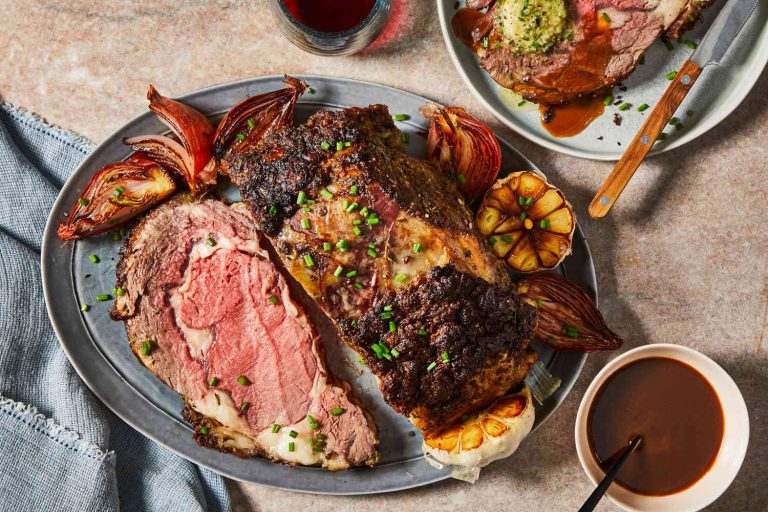
Whether it’s a formal roast in the oven, a traditional “Seven Colours” feast, or a relaxed family gathering, South Africans sit down for Christmas lunch with a shared love for good food. However, this year, the “meat at the centre of the table” is coming with a side of sticker shock.

While the national economy has shown signs of stabilising, meat prices have bucked the trend, surging to their highest levels in nearly eight years. According to Paul Makube, Senior Agricultural Economist at FNB Commercial, meat inflation hit a staggering 12.2% in November 2025—the sharpest annual climb since 2018.

The “Geographic Inequality” of Your Festive Roast

A startling finding in the latest data is the price gap between inland producers and coastal consumers. Foot-and-Mouth Disease (FMD) outbreaks have made moving livestock to the coast a logistical nightmare. This has resulted in what experts call “geographic inequality,” where the same cut of meat costs significantly more depending on your province.

If you are buying beef chuck for a holiday stew or roast beef for the oven, here is the price jump you’re facing compared to last year:

  • Western Cape: +28% increase

  • KwaZulu-Natal: +27% increase

  • Eastern Cape: +19% increase

  • Gauteng: ~12–15% increase

A Deep Dive: What Your Plate Costs Now

The FNB report highlights that the traditional “centrepiece” meats have reached luxury status. Below are the current average retail prices:

  • Sirloin Roast: R224/kg (up 37%)

  • Rump: R209/kg (up 32%)

  • Beef Chuck (National Avg): R136/kg (up 29%)

  • T-Bone: R164/kg (up 29%)

  • Lamb & Mutton Chops/Leg: R214 – R220/kg (up 13%)

The Poultry Pivot: Chicken Takes Centre Stage

With red meat prices soaring, a massive segment of the population is turning to chicken to save their Christmas lunch. Poultry is now the primary protein for roughly 60% of South African households.

While beef and lamb saw double-digit spikes, Individually Quick Frozen (IQF) chicken portions rose by a relatively modest 6%, averaging around R101 for a staple pack. For many families, switching from a beef roast to a roasted whole chicken or a spicy chicken stew is the only way to avoid a “January Slap” on their bank accounts. The convenience of IQF also means less waste, as families can defrost exactly what they need for the big meal.

Why Farmers Aren’t Celebrating

Despite high prices at the till, farmers are struggling. The FMD outbreak halted exports, “trapping” premium meat locally. While consumers pay more due to supply-chain friction, farmers are battling high biosecurity costs and movement bans, making it difficult to turn a profit.

Looking Toward the New Year

There is a light at the end of the tunnel. Paul Makube notes that relief may be coming: “After the festive season, demand for meat usually drops, which could help bring prices down.”

The Harvest of Hospitality Wellness and Agri-Tourism at Brahman Hills

0

South Africa, renowned globally for its natural beauty and diverse agricultural output, is currently experiencing a boom in Experiential Tourism—a trend blending agriculture, hospitality, and sustainable land stewardship. This sector invites visitors to engage directly with the land, finding both wellness and a connection to farming culture.

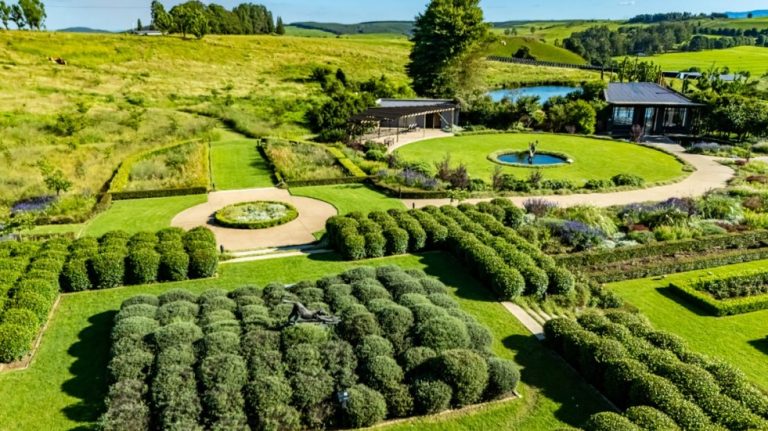
A prime example of this investment is Brahman Hills in the KwaZulu-Natal Midlands, which is mastering the art of merging Agri-tourism and Wellness Tourism. While the property is breaking ground on the massive 22-hectare Serenity Garden and World’s Largest Labyrinth, it is already a complete destination centred on holistic well-being and sustainable practice.

Wellness Rooted in the Earth

The foundation of the experience is the property’s commitment to nature and horticulture. Brahman Hills is already home to an internationally acclaimed, Royal Horticultural Society (RHS) Partner Garden. The new Serenity Garden will amplify this, offering a purposeful, meditative journey through curated indigenous plant life. This focus on Horti-tourism—the therapeutic engagement with gardens and natural landscapes—is key to the wellness offering.

Farm-to-Fork Nourishment

Tying directly into Agri-tourism, the property champions a robust farm-to-fork philosophy. Extensive kitchen and herb gardens supply the on-site restaurants with ethically-sourced, pesticide-free produce, allowing guests to taste the direct, seasonal output of the land. This focus on nutritious, fresh ingredients complements the wellness agenda, providing physical nourishment alongside mental serenity.

In short, Brahman Hills is creating a unique travel product: a space for deep reflection and healing that is intrinsically linked to the land and its bounty.

The burgeoning significance of this sector is highlighted by major upcoming events, including the 31st Commonwealth Agriculture Conference set to be hosted by Cape Town from 1–5 November 2026.

SA Agriculture Turns 2025 Lessons into 2026 Action

0

The South African agricultural sector will be entering 2026 with unprecedented momentum, having successfully converted the significant headwinds of the past year into a clear roadmap for future resilience.

While 2025 tested the industry with systemic challenges—from crippling logistics to trade uncertainty—the overriding story is one of a sector that learned hard lessons, immediately investing in smarter, faster, and more sustainable solutions. Crisis has catalysed change, unlocking a powerful new era of efficiency and global competitiveness.

The industry actively moved forward, hosting landmark events that shaped policy and future investment, including the record-breaking Nampo events in Bothaville and Bredasdorp with record attendance, the crucial Summit on Climate Change, a vital Food Safety Conference, multiple G20 on Bioeconomy meetings, the high-level ANCA Bioeconomy Summit, the innovative Agri Tech Conference, the Western Cape Investment Summit, and key industry gatherings like the Wine Tourism and SA Wine Summits. These events equip farmers with the knowledge and technology needed to thrive.

The Logistics Leap: Investing in Competitive Infrastructure

The most profound and costly lesson of 2025 was the unreliability of national infrastructure. Energy instability and deteriorating rail/port systems jeopardised exports and cost the economy billions, confirming that stability requires aggressive, unified investment.

The Action: The industry is pivoting to Public-Private Partnerships (PPPs), a breakthrough already funding hard infrastructure. This ensures a total of nine new, wind-resilient gantry cranes—part of a phased delivery—will be fully operational at the Cape Town Container Terminal in January 2026, a vital protection measure for the deciduous and citrus seasons. Strategic alliances are advancing national rail capacity, set to receive over R100 billion in investment, directly addressing the logistics bottleneck.

Economic and c: The Pivot to Efficiency

The persistent pressure from economic headwinds—high input costs, high interest rates, and climate variability—forced the sector to adopt radical efficiency measures for long-term profitability and food security.

The Action: Producers are fighting back with technology. To combat the cost squeeze and utility unreliability, leaders like Young Farmer of the Year, Francois Rossouw Jnr, are pioneering self-sufficiency through massive solar energy investments. Investment in better storage, such as c, is being prioritised to mitigate supply chain losses. This focus on efficiency and sustainable growth minimises risk against climate change and maintains farm profitability for the future.

Securing Market Access: Fighting Tariffs and Disease

The year exposed the dual vulnerabilities of trade: failure of the import tariff system to protect local industries, and the persistent threat of animal disease to export stability.
The Breakthrough: Industry and government are uniting to secure both the home front and the international market.

Grain SA is actively pushing for an effective import tariff system and mechanisms to restrict cheap imports during the local harvest, safeguarding producers’ livelihoods. This defense is matched by the swift finalisation of the Vietnam trade MoU for diversification. Crucially, Minister Steenhuisen has intensified the national FMD response, pivoting toward the long-term goal of achieving “freedom with vaccination” status, supported by two million vaccine doses anticipated by February 2026.

Celebrating Leaders, Quality, and Global and Local Triumph

The industry’s strength is rooted in its proven quality, its people, and its inspirational leadership. This season is where excellence is formally recognised, providing the inspiration needed to drive improved performance in the new year. We celebrated numerous industry-based awards—covering vital sectors like grain, meat, and wine—honouring Farmer of the Year, Young Farmer of the Year, Industry Leaders, Developing Businesses, and Agri Workers of the Year (Western Cape Prestige Agri Awards).

This focus on human capital is mirrored by our global quality: the SA Wine Industry’s Global Triumph saw two estates place in the World’s Top 10 Vineyards, cheesemakers won a prestigious Super Gold at the World Cheese Awards, and OZblu achieved Platinum sustainability certification. Celebrating these local and global triumphs is vital for securing a confident, excellent future.

The Path Ahead

The agricultural sector leaves 2025 having successfully transformed a year of profound challenge—from infrastructure bottlenecks and cost volatility to the persistent threat of disease and climate variability—into a strategic launchpad for 2026. The roadmap is defined by proactive investment in PPPs for logistics, a radical commitment to efficiency through smart technology, and an unwavering focus on market diversification.

Backed by our celebrated leaders and skilled workforce, the industry is positioned not merely for survival, but to solidify its status as a resilient, innovative, and globally recognised powerhouse. The hard work of 2025 ensures the future of South African agriculture is one of undisputed excellence and sustainable growth as we step confidently into the new year.

Mtimkulu’s vision Inspired New Farmer Generation

Nkosana Mtimkulu, a visionary and pioneering farmer from Amantle Farm in North West, had his life tragically cut short at the age of 42, just before he could accept the recognition he had earned. As a finalist in the 2025 Grain SA Potential Commercial Farmer of the Year category, and the posthumous recipient of the Agricultural Writers SA New Entrant to Commercial Agriculture Award, Mtimkulu’s story embodies the essence of courage, resilience, and profound transformation in the South African agricultural sector.

Mtimkulu was a first-generation farmer—the “city boy” who left a successful corporate career to realise the vision of his father, Stephen: to build a lasting Mtimkulu legacy in the rural countryside of Groot Marico. This journey began in 2010 when he co-founded a dairy farming and milk processing venture.

Although challenging, this initial experience provided invaluable commercial lessons and reinforced his commitment to the sector. He strategically pivoted to crop farming after this, realising that grain production required a long-term strategy focused on soil health and market intelligence.

Today, his 533-hectare Amantle farm focuses on cultivating a variety of crops in a rotation cycle, demonstrating his commitment to sustainable and market-driven production.

A Legacy of Empowerment and Vision

For Mtimkulu, agriculture was more than business; it was a medium for community upliftment. He deeply believed the sector had the potential to “heal, empower, and unify South Africa.” This conviction fueled his passion for mentorship. He regularly hosted free Farmers’ Days and study groups at his own expense to share technological and business expertise with developing farmers and interested youth.

His involvement in Grain SA’s PGP (Potential Commercial Programme) and the Lichtenburg study group confirmed his belief that “Information is key.” His commercial viability was underscored by successful partnerships with large off-takers like Tiger Brands and PepsiCo, focusing on high-value crops such as non-GMO popcorn maize and small white beans.

His dream was to scale Amantle Farm into a fully integrated commercial enterprise incorporating agri-processing, and to develop it as a flagship technology farm in North West—a research and training centre for agricultural students. Though Nkosana Mtimkulu could not personally accept his awards, his legacy lives on in the hundreds of farmers he inspired and empowered. His story remains a beacon of hope and success for a new generation of South African agricultural leaders.

The R3.4bn Traxtion Investment: A New Engine for SA Logistics

0

For decades, the South African agricultural sector has been held hostage by a logistics paradox: we produce some of the world’s best commodities, but move them using the world’s most expensive method—road. The 2 December 2025, announcement of Traxtion’s R3.4 billion rolling stock investment marks the moment this “road-tax” begins to lift.

The Deal: 46 Locomotives and 920 Wagons

In a move that signals a significant shift in South African freight, private rail operator Traxtion has finalised a landmark R3.4 billion rolling stock investment. The deal is split into two primary components: R1.8 billion for the acquisition of 46 diesel-electric locomotives from KiwiRail and R1.6 billion for the manufacture of approximately 920 freight wagons. This isn’t just a purchase; it is the largest private-sector commitment to rail capacity in the country’s history, specifically designed to address 5% of the national freight shortfall.

The Rosslyn Hub: Local Value and Skills

The technical heart of this deal is the Rosslyn Rail Services Hub in Pretoria North. Rather than simply importing technology, Traxtion is using this 50,000 m2 facility to perform a massive modernisation of the fleet. In partnership with Wabtec, 42 of the locomotives will be upgraded to C30MEI specifications, featuring fuel-efficient engines and advanced digital control systems.

Crucially, the programme carries a 60% local content requirement, ensuring nearly R2 billion flows directly into South African engineering and steel companies. Beyond hardware, the project creates 662 direct permanent jobs in manufacturing, assembly, and operations. These roles are supported by the TETA-accredited training centre at Rosslyn, which will train a new generation of drivers and technicians for the private mainline network.

National Scope: Key Corridors

While the technical work happens in Gauteng, the impact is national, targeting the high-demand “veins” of the country’s economy:

  • The Agricultural “Grain Belt”: Serving silos across the Free State, North West, and Mpumalanga, moving bulk grain to domestic mills and export terminals.

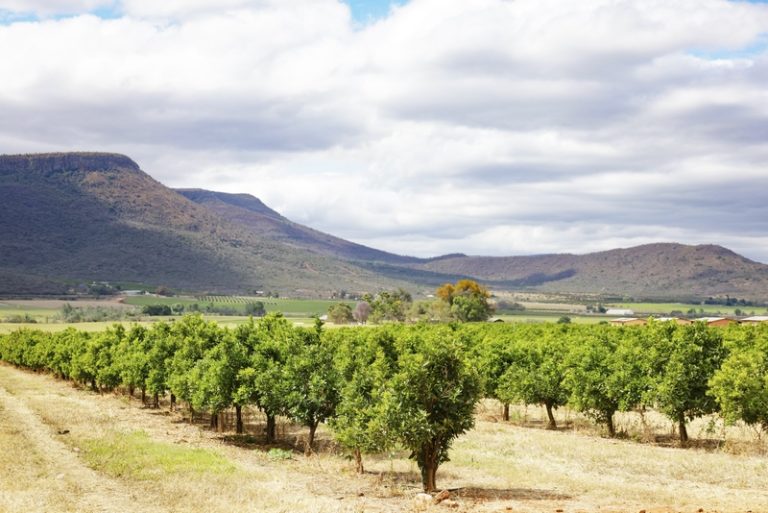
  • The Citrus Corridor: Connecting massive orchards in Limpopo and Mpumalanga to the ports of Durban and Maputo—a move the Citrus Growers Association (CGA) calls a “game-changer” for their Vision 260 export goals.

  • The Container Corridor: Linking the industrial interior to the Port of Durban, ensuring manufactured goods and processed agri-products bypass highway congestion.

Expert Insight: Reliable Relief

Industry leaders see this as a turning point for reliability. Theo Boshoff, CEO of Agbiz, notes that the deal proves the National Rail Policy is now a bankable reality. Furthermore, logistics expert Professor Jan Havenga of Stellenbosch University provides the data behind the move: logistics impacts 51% of all agricultural input costs. By shifting 4.5 million tonnes to rail, Traxtion protects provincial roads, which Havenga’s research proves are destroyed 125,000 times faster by heavy trucks than by passenger cars.

A New Era of Competitiveness

The Traxtion investment is a practical solution to a capacity crisis. By targeting these high-demand bulk corridors, the new fleet—expected to begin service in Q3 2026—will lower overall logistics costs and increase the competitiveness of South African exports. For the South African farmer and industrialist, this deal represents the first real opportunity in decades to trade on a modernised, efficient, and private-sector-backed logistics backbone.

Cut Costs, Cover More, Spray Smarter with VICAR Radial Turbine Sprayers

0

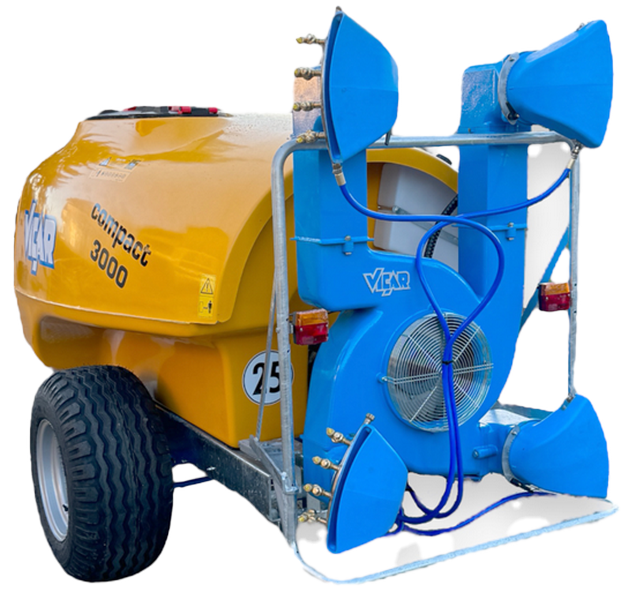
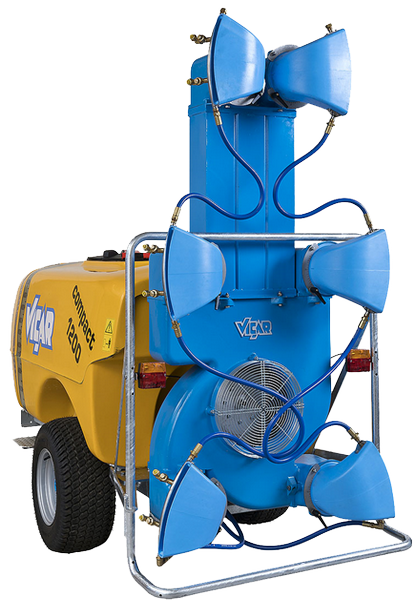
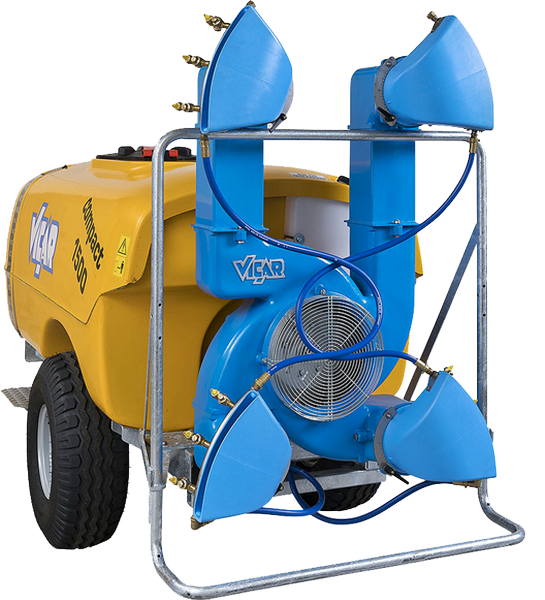
Over the past three seasons, Ikapa Trading in Grabouw—co-owned by Neels Thiart and supported by seasoned industry expert Mike Heath—has successfully conducted more than 50 well-organised demonstrations and sales of VICAR Radial Turbine Air Blast Sprayers.

VICAR Radial Turbine Sprayers

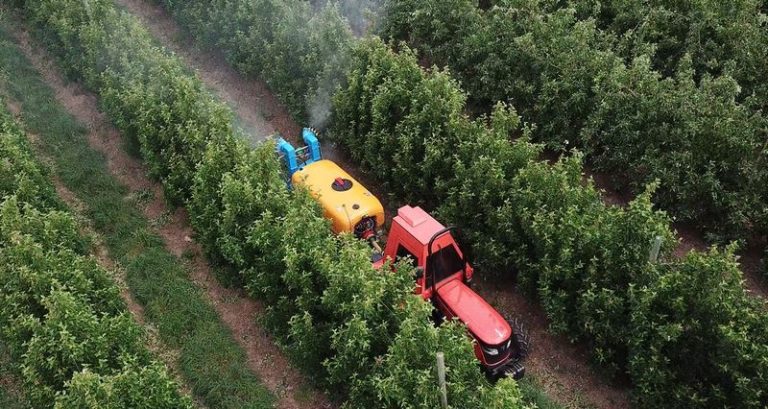
These versatile sprayers have proven their value on a wide variety of crops in the Western Cape, including grapes, apples, pears, oranges, lemons, berries, olives, avocados, fynbos, and vegetables—all with a single machine.

As the sole importer and direct distributor of the VICAR concept, we have worked closely with the German manufacturer to select three optimal models from more than ten available options. The result is a line-up that delivers outstanding performance, exceptional coverage, and reliable crop protection.

Our latest sprayers are engineered to reduce input costs, improve spray efficiency, and increase coverage precision—even in the toughest conditions. With a VICAR sprayer, you can:

What are the Benefits of VICAR Sprayers

  • Minimise spray drift
  • Cut down your spray fleet
  • Spray multiple rows simultaneously
  • Spray effectively, even in the wind
  • Work faster and more efficiently
  • Navigate and spray terraces with ease
  • Meet all Global G.A.P. compliance standards
  • Lower ongoing maintenance costs
  • Spray multiple crops with one sprayer

    LTS—a family-owned company spanning two generations—brings over 40 years of experience as wine and fruit farmers. They have continuously refined their machines to meet evolving farming demands, from higher crop densities and narrower rows to precise application rates, all while meeting strict European standards.

VICAR Radial Turbine Sprayers

This advanced technology offers maximum control with minimal chemical use, achieving up to 90% less overspray and delivering major environmental benefits.

We welcome you to visit our showroom, see the machines in action, and book your personal demonstration.

Contact Us: Neels Thiart on 082 378 2411 | [email protected] | www.ikapatrading.co.za