15.7 C
Cape Town
Wednesday, August 26, 2026
Home Blog Page 111

!Xhariep Agricultural Writers SA Regional Awards Celebrate Agricultural Excellence

0

The agricultural community of the Western, Eastern, and Northern Cape gathered on Friday, October 6, 2023, at Durbanville Hills for a night of recognition and celebration at the !Xhariep Agricultural Writers SA Regional Awards ceremony. This prestigious event shone a spotlight on the outstanding achievements within the agricultural sector, honoring individuals and businesses that have driven innovation and growth in agriculture.

Dr. Dirk Troskie – Western Cape Agriculturalist of the Year

One of the standout moments of the evening was the announcement of Dr. Dirk Troskie as the Agriculturalist of the Year in the Western Cape. Dr. Troskie, previously a farmer and lecturer, has transitioned into a key figure in the South African civil service, where he has played an instrumental role in the strategic planning and development of the Western Cape Department of Agriculture. His dedication and commitment to the agricultural sector have earned him this well-deserved recognition.

Klein Goederust –  Pioneers in Western Cape Commercial Farming

Klein Goederust, the first 100% black-owned wine farm in Franschhoek, made history by earning the title of New Entrant to Commercial Farming in the Western Cape. Owners Paul Siguqa and Makhosazana have transformed this farm since acquiring it in 2019, establishing it as a must-visit destination after planting their inaugural vines in 2021. Their journey serves as a testament to their entrepreneurial spirit and unwavering dedication to the agricultural industry.

Bee Loved Honey –  Northern Cape’s Rising Stars

Lesego Holzapfel, leading Bee Loved Honey in the Northern Cape, emerged as the New Entrant to Commercial Farming in the region. Bee Loved Honey represents a collaborative effort by previously disadvantaged small farmers, including 40 beekeepers in rural Northern Cape. Their story embodies the African narrative of restoration, economic empowerment, and environmental stewardship, showcasing the transformative potential of agriculture.

La Fontaine Farm/Deli-Co: Western Cape Farmer of the Year

Deli-Co and the Truter family of De La Fontaine, fifth-generation farmers from Riebeek Kasteel, were honoured as the Farmer of the Year in the Western Cape. Under the visionary leadership of Hendri Truter as CEO, Deli-Co has evolved into a leading agribusiness in the Western Cape, employing over 650 individuals and making significant contributions to the growth of the red meat industry.

Agriculture’s Role in Economic Development Emphasized

Alderman James Vos, Mayoral Committee Member for Economic Growth for the City of Cape Town, delivered a powerful keynote address, underscoring the pivotal role of agriculture in economic development and sustainability. Vos highlighted the importance of supporting and recognizing the hardworking individuals and businesses that drive this critical sector forward.

Resilience and Hope: A Message from Peter Pentz

Peter Pentz, Chairperson of !Xhariep Agricultural Writers SA, delivered an inspiring speech in which he praised the resilience and hope exhibited by those in the agricultural sector. He remarked, “Despite facing numerous challenges, the agricultural community continues to thrive, serving as a beacon of resilience and inspiration. Their contributions are indispensable.”

The awards ceremony in Durbanville Hills set the stage for the forthcoming national Agricultural Writers Awards, scheduled to take place on Friday, November 17, 2023 in Stellenbosch.
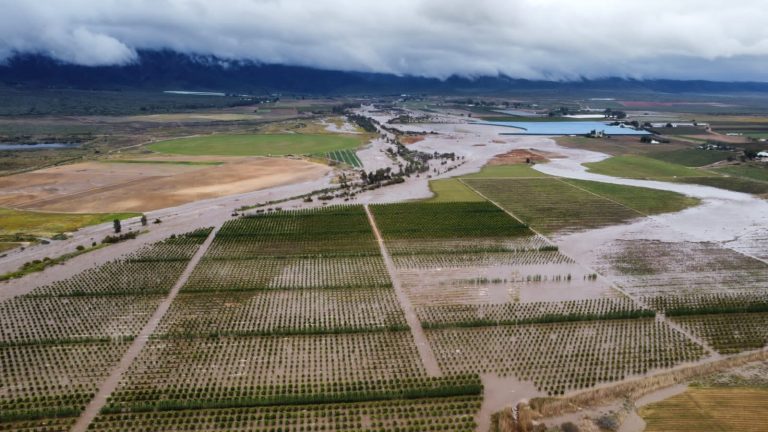
Western Cape Farming Resilience Shines Amid Floods

0

The Western Cape, a vital hub for South Africa’s agricultural production, recently faced heavy flooding, raising concerns about crop and infrastructure damage.

Preliminary views on the impact of the recent floods on the Western Cape’s Agriculture, as shared by Agbiz chief economist Wandile Sihlobo, reveal a resilient farming community despite the challenges. However, Wandile Sihlobo’s initial assessment suggests that while there is damage, optimism prevails in the face of adversity.

Floods

The Western Cape is a crucial area for South Africa’s agriculture, producing lots of winter crops like wheat, barley, and canola, as well as grapes and other horticulture products. Unfortunately, the heavy rains caused damage to farm buildings, roads, and electricity supply in some areas, especially in the southern parts of the province. The impact of the floods on wine and table grapes is still being assessed, with reports of damages to storage facilities and crop fields in the southern regions.

Technology

On a brighter note, these tough conditions have pushed farmers in the Western Cape to embrace technology in new ways. Some of them are using drones to spray their fields because the wet soil made it challenging for tractors to do the job. It’s seen as a positive step forward in improving farming practices.

When it comes to the winter crops, like wheat, barley, and canola, experts believe that although the heavy rains might have some impact on the quality of the harvest, it won’t significantly affect the quantity of crops produced. In fact, South Africa’s 2023/24 winter wheat harvest is expected to be quite good, with the Crop Estimates Committee (CEC) estimating a harvest of 2.1 million tonnes, surpassing the 10-year average. This is viewed as excellent news for the country’s agriculture.

Assuming the crop forecast remains stable in the coming months, South Africa will likely need to import less wheat this season to meet domestic consumption needs, which is seen as a positive development.

Barley and canola production also look promising, with good yields expected. The next CEC report will provide more details, especially regarding the impact of the recent floods.

Dams

Despite the floods, the dams in the Western Cape are full, which is good news for irrigation in the horticulture fields. Having full dams will help ensure that crops and vineyards get the water they need to thrive.

However, the immediate focus should be on fixing the damage caused by the floods. Roads, storage facilities, and electricity supply have taken a hit, and it’s essential to get them back in working order so that farming activities can resume smoothly. Both the provincial and national governments, as well as businesses, are working to restore the farming infrastructure.

In summary, while the recent floods were challenging, the farming community in the Western Cape remains optimistic about the province’s harvest. The main issue is repairing the infrastructure, which is crucial for getting products to market. The Southern Cape has been hit the hardest, but with everyone’s efforts, the region can bounce back stronger than ever. Farmers are encouraged to stay positive and continue working together to ensure a successful farming season!

Western Cape Urges Vigilance to Safeguard Poultry Industry from Avian Influenza Threat

0

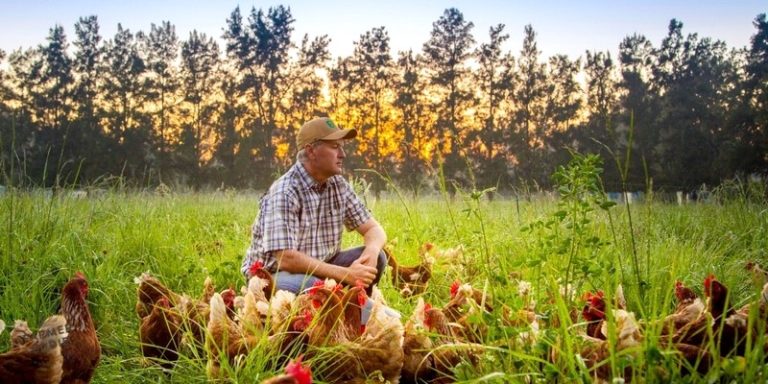
Following the recent detection of the H7 high pathogenicity avian influenza (HPAI) in the Gauteng, Mpumalanga, Free State and Limpopo provinces, Western Cape poultry owners are encouraged to be proactive in the prevention of the spread of HPAI to the Western Cape.

At the same time, Western Cape Minister of Agriculture, Dr Ivan Meyer, warns that the H5N1 HPAI virus that caused seven outbreaks in the Western Cape from April to June 2023, is still a threat from wild birds.

Minister Meyer: “While no cases have been reported from poultry farms in the Western Cape since June 2023, we must remain alert. Biosecurity is the cornerstone of disease prevention and farmers, and poultry producers should continue to be vigilant in their biosecurity measures to prevent potential virus introduction from wild birds or their faeces.”

Dr Laura Roberts, State Veterinarian: Epidemiology with the Western Cape Department of Agriculture, said that in the seven outbreaks, 1 569 702 birds had been exposed to the virus adding that 1 398 757 were culled.

Dr Roberts said, “In the past three months the Western Cape hasn’t experienced any further outbreaks in the commercial poultry industry. Five of the outbreaks reported in the period between April and June were resolved. Whilst under quarantine, the farms had been depopulated, cleaned and disinfected twice with the State Veterinarian’s inspection. The quarantine was lifted, and the outbreaks were reported as resolved and disclosed to the Department of Agriculture, Land Reform and Rural Development (DALRRD) and the World Organisation of Animal Health (WOHA) respectively.”

“Quarantine of the sixth farm has been lifted and the final report submitted to DALRRD. On the final farm, all houses have been cleaned and disinfected and after the second round of cleaning and inspection, the State Veterinarian will recommend the lifting of quarantine and submission of the final and closing report to WOHA”, continued Dr Roberts.

According to Western Cape agricultural economists, poultry is the largest industry in the agricultural sector of South Africa and contributes significantly to the agricultural economy of the country.

The South African Poultry Association estimates the broiler industry’s gross value (GVA) increased to R59 billion in 2022 (from R47 billion in 2019), while the gross value of the layer industry grew from R10.6 billion in 2019, to R12.6 billion by the end of 2022.

Minister Meyer remarked on the importance of the poultry industry in creating and providing direct and indirect jobs to the South African economy. Minister Meyer commented, “In 2022, the poultry industry created an estimated number of over 52,030 direct jobs. The national employment estimates the job distribution in the broiler industry in 2020 were: hatchery and rearing industry employed 16 289 people; the processing sector employed 31 005 people; and the broiler distribution industry employed 6 831 people.”

Minister Meyer added, “Passive surveillance entails the farmer, private veterinarian or animal health officials reporting any abnormalities experienced in a poultry farming enterprise, which include but are not limited to clinical signs indicative of avian influenza, abnormal increase in mortalities (deaths), and abnormal decrease in egg production.”

“Active surveillance includes a random sampling of all poultry establishments including backyard poultry and commercial poultry biannually. Within commercial poultry farming, there are high biosecurity establishments which are regarded as avian influenza free, and these are sampled for avian influenza monthly”, commented Minister Meyer.

Dr Roberts said that there were general recommendations to prevent transmission of the disease between farms, these include:

  • Discouraging interprovincial movement of birds and advising farmers to avoid these movements until avian influenza outbreaks are under control;
  • Ensuring that you only bring healthy poultry onto your property;
  • Keeping new birds completely separate for two weeks and only mixing with your other birds if they remain healthy;
  • Not allowing anyone onto your property who has had contact with poultry in the previous 2 days;
  • Not visiting poultry owned by others, cleaning and disinfecting vehicles upon entering and exiting properties of mud;
  • Using footbaths to disinfect footwear when entering and leaving a poultry house; and
  • Keeping poultry away from wild birds and their body fluids.”

Although the risk of avian influenza to humans remains low, the Western Cape Department of Agriculture advised that the public avoid touching dead birds.

Minister Meyer said, “Poultry products from grocery stores are safe for human consumption. We do, however, advise caution when handling or slaughtering potentially infected poultry – gloves, a mask and eye protection should be worn. “It is also very important to report sick or dead birds – both wild birds and poultry – to local authorities (veterinary services, public health officials, community leaders etc.).”

Details of local state veterinarians can be found at: https://rb.gy/37ir5

To learn more about Avian Influenza, visit the Western Cape Department of Agriculture’s website: https://rb.gy/76ine

South African Grape Exports Set for a Record-Breaking 2023/2024 Season

0

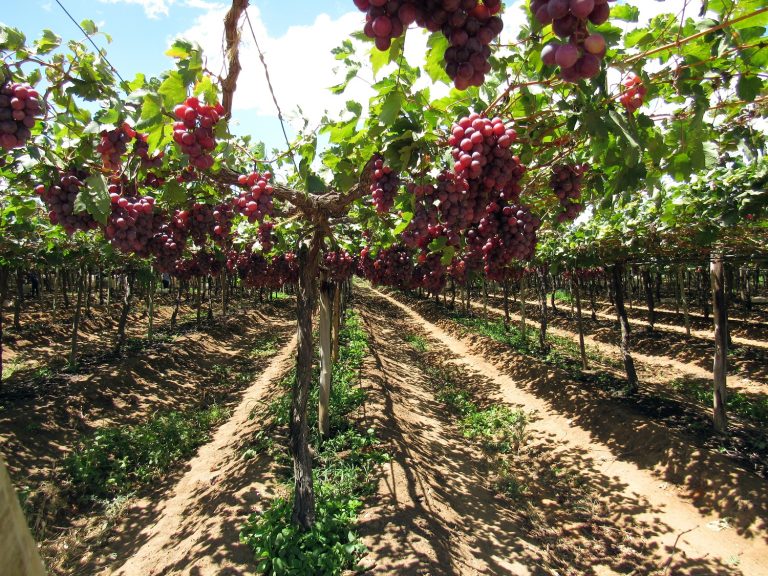
On September 29, 2023 the South African table grape industry anticipated that the volume of grapes they plan to export in the 2023/2024 season will increase by roughly 12% compared to the actual inspected volumes of the 2022/2023 season. They projected a national crop estimate of 328.5 million kilograms (kg), with the upper expected limit at approximately 339.4 million kg and the lower expected limit at about 318.6 million kg.

These are the different regions and their respective expected grape crop estimates for the upcoming season, along with comparisons to the previous season’s yields.

Orange River Region

In the Orange River Region, they expected to harvest approximately 94.95 million kg of grapes, a notable increase from the 74.7 million kg exported in the previous season.

Northern Region

In the Northern Region, the estimate was about 26.55 million kg, compared to last season’s 25.2 million kg exported.

Berg and Hex River Regions

The Berg and Hex River Regions weren’t significantly affected by adverse weather conditions in the previous season, so they anticipated their grape volumes to remain similar to historical levels. The Berg River Region’s crop was estimated at 85.95 million kg, slightly higher than the 85.5 million kg exported in the last season. The Hex River Region expected to yield approximately 105.75 million kg of grapes, up from 95.4 million kg in the previous season.

Olifants River region

The Olifants River region projected a crop estimate of 15.3 million kg, compared to 13.5 million kg exported in the previous season.

The recent winter featured low temperatures, which benefited grape dormancy cycles. Despite unusual rain during the previous harvest season due to changing weather patterns, early indications suggested that sufficient grape volumes would be produced in each region in the 2023/2024 season, supported by the introduction of newer grape varieties.

In the South African table grape industry, producers are concentrating on cultivating grape varieties that align with global market trends, enabling them to meet market demands. They remain dedicated to maintaining high quality throughout the farming and shipping process, striving to uphold South Africa’s status as the preferred country of origin for retailers worldwide. The first crop estimate represents a reasonable deduction based on various factors and may be subject to revision.

Innovative ECOS Launch Marks Highlight Veterinary Week 2023

0

The Western Cape Department of Agriculture’s Veterinary Services has introduced its groundbreaking Export Certificate Office System (ECOS) during a recent event, coinciding with the Western Cape’s inaugural Veterinary Week from 25 – 29 September 2023, which focused the role of state veterinary services in agriculture, particularly export facilitation.

Dr. Vincent Henwood, Head of the Veterinary Export Certification Office, explained that ECOS is an online system aimed at ensuring compliance in South Africa’s food and animal products industry. He emphasized: “The platform provides permit templates aligned with importing countries’ import permits, streamlining the export process, and ensuring compliance with international standards. ECOS enables tracking of products, including animal-derived ones, back to their source farms, thus ensuring transparency throughout the supply chain.”

Speaking at the launch, the Western Cape Minister of Agriculture, Dr. Ivan Meyer, welcomed ECOS as an innovative platform enhancing government services, stating, “ECOS provides the customer with a 24-hour export facilitation service which reduces the export certificate application process from days to minutes. The Western Cape currently exports 55% of South Africa’s primary agricultural products. ECOS will also assist in increasing these exports to at least 60%. Exports contribute to foreign exchange earnings and a 5% increase in exports will lead to approximately 22 000 new jobs in the sector.”

“Due to the location and history of South Africa, we have an extremely diverse set of products, factories, and processes.  We also have a complex food and export legislative system with different authorities (6 religious, state, and authorised signatories). This creates the possibility for synergies between authorities as they are often working on similar products and in the same locations,” continued Minister Meyer.

“In light of our endemic diseases, our rich diversity of wildlife, and our animal health system we need to have a systems approach to disease (human and animal) risk mitigation and international trade in animal products. Due to the many role-players communication and coordination is key. This is challenging in a resource-constrained environment. ECOS can help to coordinate communication and increase cooperation at food processing establishments between authorities,” added Minister Meyer.

Heidi Fourie, from La Montanara (Pty) Ltd, a cheese factory in Ashton, shared her positive experience with ECOS: “As a small dairy business we do not have time to struggle to complete the significant paperwork that accompanies an export certificate application. The wait often negatively impacts product shelf life and quality. ECOS has changed this. While uploading my company’s profile onto the ECOS platform was initially time-consuming, it now takes approximately five minutes to get an export certificate approved.”

Minister Meyer expressed gratitude for clients’ feedback, stating that their input was invaluable in refining ECOS. He also outlined plans for a national rollout with the support of the National Department of Agriculture, Land Reform, and Rural Development, envisioning a comprehensive system for traceability and compliance at a national scale, benefiting rural producers.

The Veterinary Week concluded with visits to the Veterinary Export Certification Office in Milnerton and the Spar, one of the Veterinary Export Certification Office’s major clients, the Western Cape Distribution Centre in Philippi, highlighting the significance of ECOS in improving export control and compliance within South Africa’s food and animal products industry.


Gear Up for Adventure: The kykNet Outdoor Expo 2023 is here

0

Since the launch in 2011, the kykNet Outdoor Expo has been an annual event, delighting outdoor enthusiasts in the Western Cape and Limpopo. Over the years, it has grown in popularity and prestige, drawing in adventurers, nature lovers, and families looking for a fantastic day out.

What’s in Store?

The expo’s primary focus is on outdoor products, and it’s the perfect place to explore the latest and greatest gear for 4×4 enthusiasts, campers, and outdoor enthusiasts. Whether you’re an experienced adventurer or just dipping your toes into the world of outdoor activities, there’s something for everyone.

One of the unique features of the kykNet Outdoor Expo is its format. Exhibitors don’t just showcase their products; they create real-life situations where you can see how these items perform in action. It’s an opportunity to touch, feel, and test the gear that could enhance your outdoor experiences.

Fun for the Whole Family

This event is designed with families in mind. It’s not just about shopping for gear; it’s about having a great time together. From young kids to grandparents, there’s entertainment for everyone. Kids can enjoy a variety of activities, joy rides, play park, and even 4×4 experiences under the guidance of seasoned drivers from top vehicle brands.

For the adventure-seekers, there are adrenaline-pumping adventures that will get your heart racing. And if you’re a braai enthusiast, don’t miss out on the braai/potjiekos competitions.

More Than Just Gear

The kykNet Outdoor Expo isn’t just about outdoor equipment. It’s a full-fledged experience. You can unwind at the wine garden, sip on craft beers at the beer garden, and enjoy delicious bites from food stalls.

Live entertainment will keep the energy high throughout the event, making sure you have an unforgettable time.

Event Details

Dates:

  • Friday, September 30th: 12:00 PM – 6:00 PM
  • Saturday, October 1st: 9:00 AM – 6:00 PM
  • Sunday, October 2nd: 9:00 AM – 3:00 PM

Venue: ATKV Hartenbos Amfiteater, Mossel Bay

If you’re passionate about the outdoors, or if you’re simply looking for a fun and memorable day out with the family, mark your calendar for the kykNet Outdoor Expo. It’s an event that brings together the best in outdoor products and experiences, all in one safe and enjoyable farm environment. Don’t miss out on the adventure.

Challenges Impacting SA’s Poultry Industry: Insights for All Stakeholders

0

In the heart of South Africa’s poultry industry, a dynamic landscape is witnessing a confluence of challenges with far-reaching implications. Astral Foods Limited, a prominent player in this vital sector, has shed light on these multifaceted issues through a recent update.

These challenges encompass load shedding costs, pricing pressures, the bird flu outbreak, and a challenging financial outlook, echoing across the industry and impacting Astral Foods, farmers, and consumers alike.

Load Shedding Challenges: Load shedding has significantly raised production costs for poultry farmers. This includes expenses for additional diesel to power generators, cutbacks in production due to program delays, and higher feed costs. These added costs may affect poultry prices for consumers.

Price Pressures: Poultry prices are under severe pressure due to deep-cut promotional activities. Chicken consumption patterns also naturally slow during the winter season. As a result, poultry selling prices have not kept pace with input costs, potentially leading to price increases for consumers.

Bird Flu Outbreak: A Highly Pathogenic Avian Influenza (bird flu) outbreak is affecting both table egg and poultry meat supply. This has led to additional expenses for farmers, including culling broiler breeding stock and implementing disease control measures. Supply disruptions are possible, which may impact prices and availability.

Financial Outlook: Astral Foods Limited anticipates a significant decline in earnings per share (EPS) and headline earnings per share (HEPS) for the year ending 30 September 2023. This could result in a loss compared to the previous year. Farmers’ financial challenges may impact their ability to meet consumer demand.

Industry Resilience: Despite these challenges, the industry remains resilient, with farmers and producers working to maintain supply. Staying informed and supporting local poultry producers during these challenging times is crucial for both farmers and consumers.

In summary, load shedding, pricing pressures, the bird flu outbreak, and financial challenges are key issues affecting South Africa’s poultry industry. Farmers are striving to maintain supply, but consumers should be prepared for potential price fluctuations and supply disruptions in the near term. Supporting local poultry producers can help ensure the industry’s resilience in these challenging times.

Volkswagen Amarok Dominates Inaugural South African Bakkie of the Year Competition

0

In a thrilling showdown at the Nampo Cape Agricultural exhibition that took place in Bredasdorp on 16 September, the Volkswagen Amarok emerged triumphant as the first-ever South African Bakkie of the Year (SABOTY).

The Volkswagen Amarok Panamericana 3.0 V6 TDI 4Motion, a formidable contender that was introduced to the South African market earlier this year, seized the coveted title after undergoing an extensive evaluation process. The assessment encompassed three distinct disciplines: 4×4 driving and capability tests, off-road performance tests, and towing performance on- and off-road.

The SABOTY competition, tailored to scrutinize specific requirements and critical performance measurements, established a new standard in assessing bakkies. These prerequisites were meticulously evaluated in a quantifiable and verifiable manner, ensuring a fair judgement.

The VW Amarok Panamericana 3.0 V6 TDI impressed a panel of expert motoring journalists and industry specialists with its exceptional dynamics, impressive towing capacity, comfortable on and off-road handling, and top-notch interior quality.

The event also recognized category winners:

100 – 120kW category: GWM P-Series LTD (120kW)

121 – 150kW category: Nissan Navara Pro4X 4×4 AT (140kW)

151 – 190kW category: Volkswagen Amarok Panamericana 3.0 V6 TDI (184kW)

Notably, the Mahindra Pik Up 2.2 S11 Karoo Storm clinched the title for the lowest cost of ownership, reinforcing its reputation as the “Best Value for Money Bakkie.”

The intense towing tests, featuring various camping trailer models, placed the Amarok Panamericana 3.0 V6 TDI 4Motion at the forefront, demonstrating its superiority. The off-road trials, conducted on challenging terrains encompassing sand, rock, shale, and wheel articulation, further solidified the Amarok’s standing.

The performance tests, done under the auspices of Sarel van der Merwe, were conducted on suitable tar and dirt roads close to Franschhoek. Performance evaluations encompassed acceleration, braking, and handling, with the smaller Volkswagen Amarok PanAmericana 2.0 BiTDI 4Motion AT emerged victorious.

Dirk Gallowitz, the convener of the SA Bakkie of the Year competition, lauded Volkswagen South Africa for their achievement, praising the Amarok as a “worthy winner” across multiple categories.

The competition’s innovative inclusion of “Cost of Ownership” as a criterion, with data sourced from Lightstone, shed light on maintenance, insurance, fuel consumption, and trade-in price over a 4-year/80,000km period. The Mahindra Karoo’s cost-efficiency secured its “Best Value for Money Bakkie” accolade.

The eagerly anticipated South African Bakkie of the Year competition is scheduled to return in 2025, providing ample time for new models to make their mark in the local market. As the automotive industry continues to evolve, the bakkie segment promises to be highly competitive, and the next chapter of SABOTY awaits with great anticipation.

Boschendal wins big at 2023 Cape Prestige Agri-Awards

0

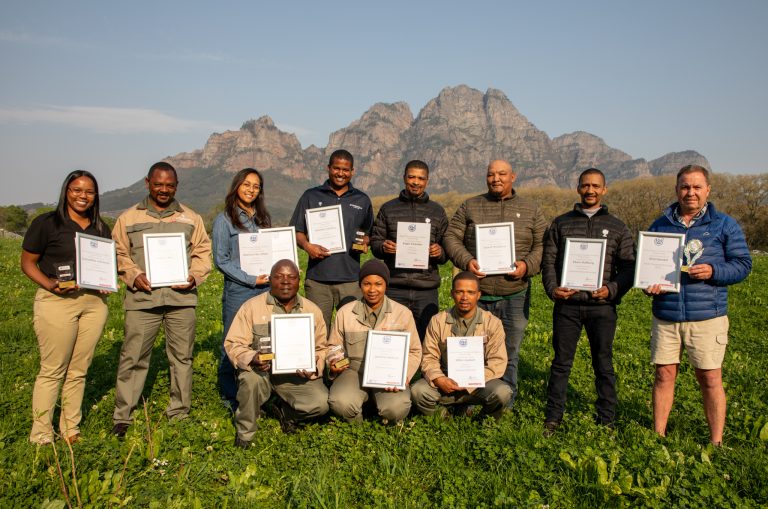
Boschendal has been recognised as the Best Performing Farm in the Franschhoek region at the recent Cape Prestige Agri-Awards, claiming top honours in a fiercely competitive category that included entries from some of the most renowned farms in the region.

Charles Edmonds, Managing Director of Farming at Boschendal, says: “We are incredibly proud of all our farm team members who were recognised for their outstanding work, and thank them for their invaluable contribution to our farm and to our efforts of being a regenerative farming leader.”

The Western Cape Prestige Agri-Awards were established in 2005 to give recognition to the valuable and important contribution of Agri workers to the sustainability and growth of agriculture in the province. The awards showcase and recognize the critically important role farm workers play and inspire pride amongst agri workers throughout the Western Cape.  This is the 6th time Boschendal has won this category since 2016.

According to the Western Cape government, 17% of all workers in the province are employed in the agricultural sector.

The 2023 Western Cape Prestige Agri-Awards is held across 16 regions in the Western Cape, with participants competing across 11 categories: general worker, driver, irrigation specialist, technical operator, animal production, administrative staff, social development, agri-processing, foreman, junior management and middle management.

In addition to the Best Performing Farm in the Franschhoek region award, several key Boschendal team members were also recognised across multiple categories, including:

  • Keenan Carstens – Irrigation Specialist (Winner)
  • Samantha Johannes – Social Development (Winner)
  • Jeanine Hartnick – General Workers (Winner)
  • Godwin Chirambadare – Animal Production (Winner)
  • Shannon Roberston – Middle Management (Runner-up)
  • Willem Wes – Truck Driver (Runner-up)
  • Edwin Stoffberg – Administrative Staff (Runner-up)
  • Dawid Timotheus – Junior Management (Third Place)

“We wish all our team members well ahead of the provincial finals which will be announced in November,” says Tamara Patel, Chief Marketing Officer at Boschendal. “We also look forward to working with our amazing team to continue Boschendal’s regenerative farming revolution and our pioneering work with ensuring the farm’s stunning natural beauty is preserved for generations to come.”

Boschendal has also announced its blueberry harvest taking place from September. The farm currently grows three blueberry varietals: Olympus Blue, which harvests between September and December; Bianca Blue, which harvests from October to December; and Blue Ribbon, which harvests in November and December.

Career day empowers Witzenberg Learners

0

Hundreds of learners from across schools in the Witzenberg communities are now better equipped to make well-informed career and subject choices, thanks to a guidance programme for youth grappling with choices that will inevitably shape their futures.

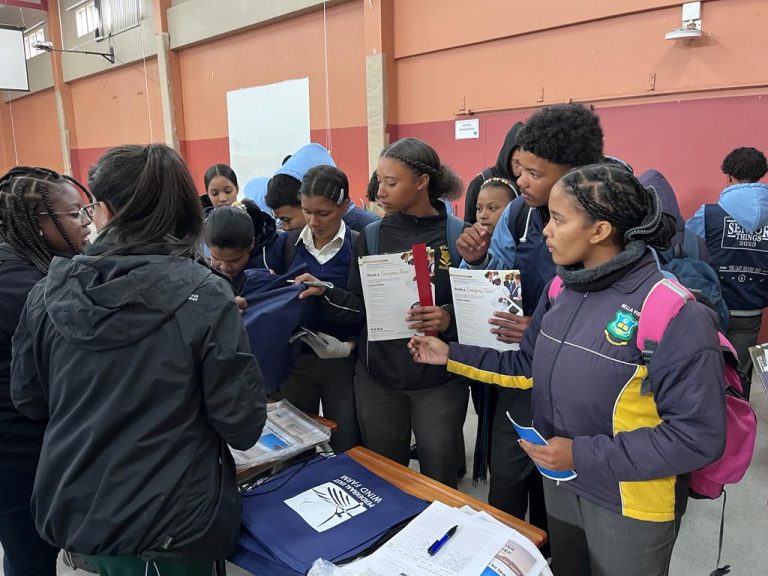
The Career Day for grades 9, 11 and 12 was recently hosted in six schools, and aimed to assist learners to make better-informed career choices. This programme helped learners to broaden their horizons by introducing them to an array of available career opportunities, while also offering advice on subject choices aligned with their desired career paths.

“This Career Day is a source of guidance for learners, offering insight into their futures. It also plays a pivotal role in making learners and youth aware of the various career pathways available to them and challenges them to look beyond their immediate surroundings and envision a life that is filled with new possibilities,” said Gwynne-Lee Borcherds, Economic Development Manager for Perdekraal East Wind Farm, which funded this event in collaboration with Cape Career Exhibition Association and the Department of Education.

Exhibitors from different tertiary institutions guided students through a number of subject choices required for their preferred career paths. Moreover, these institutions also provided information about the bursary opportunities available, ensuring that financial constraints do not deter learners from pursuing their dreams.

The Career Day showcased a range of career opportunities, ranging from Human Resources, agriculture, LLB, Boiler Making, psychology, social work, nursing, and aquamarine studies, drama, beauty therapy, policing, traffic and law enforcement, engineering, project management, veterinary and science.

The exhibitors visited: Bella Vista High School, IIngcinga Zethu High School, Ceres Secondary School, Skuurweberg Secondary School, Wolseley Secondary School and Tulbagh High School.