14 C
Cape Town
Wednesday, June 24, 2026
Home Blog Page 95

Stellenbosch Goes Big with a Festive Bash for the 365th Wine Harvest Celebrations

0

The Stellenbosch Harvest Parade, a cornerstone of the South African wine calendar, unfolded with vibrant festivity on Saturday, 27 January 2024, weaving through the historic streets of Stellenbosch. This annual event, deeply entrenched in tradition and community spirit, marked the prelude to the official celebration of South Africa’s wine harvest on February 2nd. The parade brought together an eclectic mix of participants including marching bands, minstrels, farmers, winemakers, and farm workers. They paraded on floats, trucks, and tractors, all exquisitely decorated to celebrate the commencement of the harvesting season.

Embarking on its journey from the town’s Toy and Miniature Museum located on Market Street, the procession created a moving tapestry of colour and sound that captivated onlookers. It meandered through Alexander, Bird, Church, and Plein Streets, culminating at the town hall. Here, in a ceremony brimming with communal goodwill, the new harvest was blessed, symbolizing hopes for abundance and protection.

Spectators, both local residents and visitors, lined the oak-shaded avenues, their enthusiasm palpable as they cheered and waved at the passing spectacle. This tradition, resonating with similar harvest celebrations worldwide, represents a collective expression of gratitude for the bounties of past harvests and a hopeful petition for the success of the forthcoming one.

Elmarie Rabe, the Stellenbosch Wine Routes manager, reflected on the significance of the parade, stating, “Harvest is a time of elevated activity and infectious excitement on our farms. The parade is not only symbolic but brings our wine story to life, for many of the people and restaurants where these wines are eventually enjoyed.” This sentiment underscores the parade’s role in connecting the community’s agricultural heritage with the broader narrative of South African wine.

With South Africa’s wine industry marking its 365th harvest this year, the parade served as a vibrant reminder of the country’s unique position in the wine world. South Africa’s ability to pinpoint the industry’s inception to a precise diary entry in 1659, celebrated officially on February 2nd, not only signifies the start of winemaking in the region but also cements its legacy in the global wine community.

The 2024 Stellenbosch Harvest Parade will be remembered as a day when the community came together to honor their heritage, celebrate their collective efforts, and look forward to the promise of the new season with hope and jubilation, setting the stage for the official celebrations that follow.

Boost for South African Rooibos Tea Export

0

In a significant development, the Chinese government has reached an agreement to substantially reduce tariffs on South Africa’s renowned rooibos tea, a move that carries far-reaching implications for local producers eyeing expansion in the world’s largest tea-consuming market. Confirming this breakthrough, the Department of Trade, Industry and Competition (DTIC) hailed the decision as a game-changer.

Previously, China had imposed tariffs on rooibos tea ranging from 15% to 30%, but as of January 1, 2024, these tariffs will be slashed to a mere 6%, according to an official statement released by the DTIC. The catalyst for this tariff reduction can be traced back to a meeting between South Africa’s Trade, Industry and Competition Minister, Ebrahim Patel, and his Chinese counterpart, Weng Wentao, in August. During the meeting, Minister Patel underscored the need for reclassifying rooibos and lowering the import duties.

Minister Patel expressed his enthusiasm for this development, stating, “Our rooibos tea is refreshing, delicious, and healthy. This decision will enable more South African rooibos tea to be available to Chinese tea drinkers, creating more jobs in South Africa.”

As per the Rooibos Council of South Africa, the rooibos tea industry employed approximately 8,000 farm labourers in 2021 and produced a staggering 20,000 tonnes, equivalent to roughly 6 billion cups of tea. While around 44% of this production was exported, Germany, Japan, and the Netherlands remained the largest importers, closely followed by the United Kingdom and the United States. Notably, China did not feature in the top 10 destinations in 2021, though it ranked as the seventh-largest importer back in 2019, as reported by the council.

Rooibos tea is derived from a plant native to a specific region within the Cederberg mountain range in South Africa’s Western Cape, necessitating precise climatic and geographical conditions for cultivation. In 2021, rooibos earned the distinction of becoming the first African food item to secure a protected designation of origin (PDO) from the European Union. This designation links products to their specific geographical origins, similar to France’s Champagne and Italy’s Prosciutto di Parma.

In essence, this recent tariff reduction marks a significant milestone for South African rooibos tea producers, poised to seize new opportunities in the burgeoning Chinese market, while further solidifying China’s importance as a strategic trade partner for South Africa’s economic growth and diversification.

Grand Constance and the story of South African Wine

0

Groot Constantia’s Grand Constance wine is a true embodiment of South Africa’s wine history and its delectable amber contents make for a remarkable story. As South Africa’s oldest wine-producing farm, Groot Constantia has produced wine since 1685.

Groot Constantia

Groot ConstantiaStory Of Wine Pioneer

Simon van der Stel founded Groot Constantia, and over the centuries, it has had various owners, including Oloff Bergh, Anna de Koningh and Anna Catharina Scheller. However, Hendrik Cloete, who purchased the Estate in 1778, is the true mastermind behind Groot Constantia. Cloete extended and enhanced the Manor House, built the Cloete Cellar, extended the vineyards, and did much to improve the production and marketing of the celebrated Constantia wines.


In 1993, the government transferred ownership of the Estate to an independent company called Groot Constantia Trust NPC RF. The company’s main aim is to preserve and maintain the cultural heritage of the Estate for posterity.

Groot Constantia

The Birthplace Of Groot Constantia’s Legendary Wines

The famed Cloete Cellar is the original wine production cellar from 1791 from where royalty such as Frederick the Great of Prussia, Louis Philippe (King of the French) and Napoleon were supplied. One of the most exceptional bottles is the 1821 vintage, known as Grand Constance. This vintage is nearly two centuries old and is a rare find indeed of the original sweet wine of Constantia. Napoleon drank this wine during his exile on the island of St. Helena from 1815 until his death in May 1821. The Cloete Cellar is truly a magical place where the history and legacy of Grand Constance continue to live on.


Groot ConstantiaConstantia means “steadfast/consistency” in Latin, and the legacy of the Cloete Cellar and the consistent quality of Groot Constantia’s wines continues to this day.

For more information visit www.grootconstantia.co.za

or connect with Groot Constantia via social media on Twitter, Facebook and Instagram @GrootConstantia

Cape Town’s Fruit Export Industry Thrives with Busiest Reefer Deciduous Season in Two Decade

0

In what is being hailed as one of the most robust specialized reefer deciduous fruit seasons in almost 20 years, the bustling activity in the region’s fruit export industry has taken the market by storm. November and December marked the onset of this remarkable season, with two vessels dedicated to transporting pre-Christmas fruit. What was initially planned as a biweekly specialized reefer vessel (SRV) service to Europe and the UK from week 2 through around week 12 from Cape Town has now evolved into a weekly service. Furthermore, the industry has announced the introduction of a second vessel per week from week 3 through week 6 to accommodate the surging demand for fruit shipments.

Charles Gantz, the Managing Director of Anlin Shipping, the South African agent for Seatrade and Cool Carriers, expressed his enthusiasm for the current state of affairs. “In November and December, we had two vessels for the pre-Christmas fruit, and thereafter we had planned to offer a biweekly specialized reefer vessel (SRV) service to Europe and the UK, from week 2 to around week 12 from Cape Town. That biweekly service became a weekly service, and already as from week 3, we are introducing a second vessel per week up until week 6 to assist the industry to ship the maximum available cargo,” commented Gantz.

Apart from the regular European and UK routes, there are also biweekly sailings to St. Petersburg, Russia, operating independently until the citrus season arrives. During the citrus season, vessels are occasionally loaded with cargo bound for both Rotterdam and St. Petersburg, depending on available volumes.

One noteworthy development is the constant loading of vessels from Cape Town to Dover and Rotterdam, where market conditions have created a unique opportunity. Due to constraints in the Red Sea and Panama Canal, South Africa’s competitors have been held back, leaving the market empty for Cape Town exporters.

Anlin Shipping’s significant contribution to these accomplishments can be attributed, in part, to their dedicated quay at FPT, a privately-run terminal in the port of Cape Town, exclusively designated for European and Russian trade. Gantz expressed his gratitude for this invaluable resource, saying, “For that, we as an industry must be extremely grateful. During the citrus season we’re equally busy from Cape Town, but the last time we were this busy with grapes and stone fruit was 17 years ago, in 2007.”

Five years ago, conventional shipments of deciduous fruit from Cape Town had dwindled to almost zero. Today, the industry effortlessly handles 9,500 pallets of fruit each week, accounting for an impressive 35% to 45% of fruit shipped from Cape Town.

Furthermore, Gantz pointed out that there is now minimal price difference between SRV (breakbulk) and container shipping. He emphasized that this price parity becomes evident when taking into account hidden costs arising from inefficiencies within the cost chain and logistics. In light of these developments, the Cape Town fruit export industry appears poised for a prosperous future, and stakeholders are optimistic about the continued growth of this essential sector.

Agri-Expo’s Journey Pioneering and Shaping the Future of Farming

0

Agri-Expo, originally founded as the Cape of Good Hope Agricultural Society in 1831 and rebranded in 1996, stands as a key organization in South Africa’s agricultural sector. In 2024, Agri-Expo celebrates a significant milestone of 193 years of excellence in the agricultural sector, underscoring its enduring impact and commitment.

The organization specializes in professional promotion, marketing, and hosting various public relations initiatives, always prioritizing the interests of its members, agricultural stakeholders, the government, and the public.

In the realm of the South African dairy industry, Agri-Expo has been a prominent figure since 1834, notably through the South African Dairy Championships.  This event is central to enhancing the quality of dairy products in the region. Notable recognitions like the SA Champion Award, the Qualité Award, and the SA Dairy Product of the Year, along with the introduction of the Qualité emblem in 2001, highlight Agri-Expo’s commitment to dairy excellence.

South African Dairy Championships

Moreover, Agri-Expo plays a crucial role in nurturing and supporting the culture of agricultural shows, especially in the Western Cape. These shows, significant for both showcasing agricultural advancements and boosting local economies, particularly in rural areas, offer a unique combination of rural hospitality, community engagement, and entertainment, reflecting the vitality and spirit of the agricultural community.

The organization’s impact on the farming community and the broader public is substantial. Through exhibitions, championships, and agricultural shows, Agri-Expo fosters excellence, innovation, and sustainability within the agricultural sector.

In 2023, under the leadership of General Manager Breyton Milford, Agri-Expo achieved several highlights. The successful SA Dairy Championship received 1000 entries from across South Africa.
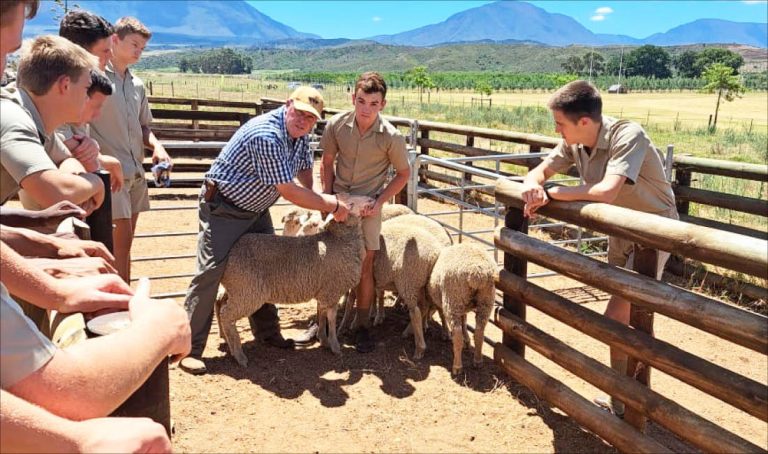
The Youth Shows witnessed record entries, growing to 175 participants at last year’s Western Cape Youth Championships, indicating significant growth and the importance of agricultural learning for the youth. Additionally, Agri-Expo shows enjoyed good attendance, further emphasizing their relevance and impact.

Agri Expo Agri Expo

Looking forward to 2024, Agri-Expo is set to embark on new initiatives and expansions, focusing on supporting emerging new farmers. Plans are in place to host the Young Wine Show in 2024. Furthermore, Agri-Expo aspires to bring the Royal Agricultural Society of the Commonwealth’s 2026 Commonwealth Agricultural Congress to Cape Town, engaging in a competitive bid process with other countries.

Breyton Milford has highlighted the active role of the Department of Agriculture in the Western Cape in serving the farmers and their agribusinesses. The department’s collaboration with Agri-Expo exemplifies a partnership dedicated to supporting and advancing the agricultural sector in the region.

Upcoming Agricultural Shows:

Heidelberg Skou: 7 – 10 February

Victoria-Wes Skou:  9 – 10 February

Riversdal Skou:  14 – 18 February

Williston Skou: 22 – 24 February

Swellendam Skou: 29 – 3 March

Navigating Challenges in South African Farming

0

In the vast and diverse landscapes of South Africa, where the beauty of nature meets the resilience of farmers, a daily battle against adversity unfolds. The nation’s agricultural sector has been tested by a relentless series of challenges, including load shedding, climate change, rising diesel prices, export issues, and many more. In these trying times, it’s crucial for farmers to find motivation and inspiration to face each day’s challenges head-on.

Change is Inevitable

Change is a constant companion in today’s world, evolving at a pace never seen before. As advancements in technology and globalization reshape the fabric of our lives, South African farmers are not immune to these transformations. To thrive in this rapidly changing environment, one must be open to new ideas and willing to embrace change. In the face of adversity, farmers have already displayed remarkable resilience, demonstrating their ability to adapt to new circumstances.

Anticipate Change

Rather than being passive recipients of change, it’s advisable to anticipate it. By proactively seeking out information and preparing for what may come, farmers can avoid being blindsided by unforeseen challenges. Whether it’s adjusting planting schedules to accommodate shifting weather patterns or exploring innovative farming techniques, anticipation can empower farmers to navigate change more effectively.

Let Go of the Past

Holding onto the past can weigh us down when we should be moving forward. Outdated habits, beliefs, and expectations that no longer serve a purpose can hinder progress. Instead of resisting change, we should embrace it as an opportunity for growth and new possibilities. Shedding the old allows us to make room for the new and embark on a path of continuous improvement.

Take Action

Recognizing the need for change is merely the first step. Action is the key to transformation. Farmers are no strangers to hard work, and that same tenacity can be applied to adapting to changing circumstances. Whether it’s implementing more sustainable farming practices or diversifying crops to mitigate risks, taking action is the linchpin of success.

Be Accountable

In times of uncertainty, it’s important to remember that we are the captains of our own ships. Taking responsibility for our lives and being accountable for our actions, choices, and responses to change is essential.

The Need for Resilience

Perhaps above all else, resilience is the lifeblood of farming. In the face of load shedding, climate change, rising diesel prices, and export challenges, our farmers have shown remarkable resilience. They have weathered countless storms and emerged stronger and wiser each time.

By incorporating these life lessons into their daily routines, South African farmers can bolster their resilience, adaptability, and ability to navigate the inevitable changes that come their way. The road ahead may be challenging, but with determination, a spirit of innovation, and a commitment to learning from the past, our farmers will continue to thrive in this ever-evolving landscape. In the face of adversity, they remain the heart and soul of our agricultural community, an inspiration to us all.


A Culinary Journey at Hazendal

0

Set amidst the scenic Bottelary Hills of Stellenbosch, Hazendal transcends the ordinary, emerging as a culinary oasis ripe for discovery. More than three centuries have shaped this once-humble homestead into a dynamic destination, offering a gastronomic adventure that tantalizes the senses.

If you’re a food enthusiast, Hazendal promises an experience that’s both authentic and unforgettable. Whether you’re a local or a tourist, the estate’s culinary offerings are designed to provide an unparalleled taste of the Cape.

Hazendal

Your journey begins at the Wine Lounge, where the estate’s selection of terroir-focused wines introduces you to the unique flavours of the region. These wines are a perfect prelude to the culinary delights that await.

The Deli at Hazendal is a treasure trove of flavours, offering hearty all-day breakfasts and a variety of small plates. Create your own dining experience, or enjoy a picnic basket on the estate’s shaded lawns. For those seeking a more casual bite, the Food Truck offers lighter options on the go, perfect for a quick yet delicious treat.

The crown jewel of Hazendal’s culinary offerings is The Restaurant. Here, Executive Chef Michélle Theron weaves her magic, bringing a modern twist to traditional Cape Winelands cuisine. Dishes like smoked snoek ravioli and biltong-spiced free-range beef showcase the rich flavours and culinary creativity South Africa is known for.

The Restaurant also offers a dedicated vegan and vegetarian menu, ensuring that every guest finds something to their taste. This commitment to inclusivity in dining is a testament to the estate’s understanding of modern gastronomy.

Hazendal

After a fulfilling meal, the colourful cigar bar invites you to unwind. Here, indulge in a selection of malt whiskies and hand-rolled Cohibas, providing the perfect end to a day of gastronomic exploration.

So, if you’re planning a visit to the Stellenbosch Winelands, make sure to include Hazendal in your itinerary. Come and discover why this estate is not just a journey for the palate, but a feast for the soul.

For more information visit www.hazendal.co.za

Egypt & Jordan… the makings of modern civilisation

0

“Our Egypt and Jordan small group tour goes beyond Cairo’s bustle and the famed pyramids as we cruise along the majestic Nile River from Luxor to Aswan.
Setting sail in the shadows of the Luxor and Karnak Temples, where colossal statues and grand pillars embody the brilliance of ancient Egyptian architecture.
On the west bank in a deep and barren basin lies the renowned Valley of the Kings, an ancient burial ground revealing multiple tombs adorned with hieroglyphics and colourful frescoes, offering a glimpse into Egypt’s royal past.

Heading further south on this majestic river, the Temple of Kom Ombo and Edfu, dedicated to falcon-headed Horus, unravel insights into ancient religious practices. The Nile cruise, amidst historical wonders, provides a relaxed atmosphere for passengers to unwind in luxury, surrounded by ever-changing scenery and rich culture and history.

Our tour concludes in Jordan at Petra, the “Rose City,” nestled in rugged desert terrain, and showcasing ancient ingenuity and use of nature for man’s survival. Navigating the Siq, a narrow gorge with towering cliffs on either side, unveils a dramatic entrance to Petra, heightening the anticipation of the wonders that lie within.

The iconic Al-Khazneh, or “The Treasury,” carved into rose-red cliffs, enchants visitors as sunlight illuminates its intricate architecture in hues of pink.
Petra stands as a captivating blend of natural beauty and human craftsmanship, a testament to ancient civilizations’ brilliance. Urban planning and advanced water management at its best.
Join our small group of kindred spirits as we explore the very beginnings of modern civilisation, secure and in comfort.”

Contact TE Tours at Cub Travel Tyger Valley,
at 021 914 2265, www.smallgrouptours.co.za
or [email protected]

Cape Town Port Crisis May Lead to Court Battles as Fruit Export Industry’s Frustration Mounts

0

According to an article by Fruitnet, the ongoing crisis at the container terminal in Cape Town’s port is causing significant concern in South Africa’s fresh produce industry. Industry leaders are considering legal action against the port authority to recover losses incurred due to delays.

Anton Rabe, Hortgro’s executive director, expressed frustration over the persistent issues, stating that the situation has become unacceptable. The delays are causing a loss in quality and condition of fruits, leading to significant internal movement within the country to expedite exports.

Despite meetings and promises, the situation has not improved substantially since last year. However, Rabe noted some recent improvements, with better movement through the port in the past week. He emphasized the urgency of exporting large quantities of fruit, including table grapes, stonefruit, and pears, and mentioned that shifting containers to Eastern Cape ports might alleviate some pressure on Cape Town.

Grape exporters in the Western Cape reported packing for three weeks without being able to ship containers through Cape Town, with unconfirmed reports of millions of cartons of grapes being delayed. The issues are partly attributed to strong winds affecting the container terminal and inefficiencies in loading ships due to insufficient equipment.

Exporters who secured space on specialized reefer vessels have managed to ship some volumes, leading to a focus on these types of shipments in the future. These vessels offer greater efficiency and are less affected by wind.

The delays have also severely impacted stonefruit shippers to the U.S. Lohan Marais of Icon Fruit reported significant delays, but noted improvements with the loading of the third vessel. There are considerations for introducing a charter vessel to directly deliver fruit to Philadelphia, closer to U.S. customer depots.

Marais highlighted the potential opportunities for South African stonefruit and table grapes in the U.S. market, expressing concern that delays in Cape Town could harm their reputation and market development efforts in the U.S.

From Farm to Fork Pioneering a Sustainable Food Future

0

In South Africa, a new approach to sustainable food consumption is making waves. The Constantia Food Club in Cape Town, a group buying club, is redefining how communities interact with local, organic food production. This model, recently lauded with the global ‘Innovating for sustainability’ award in the Xero Beautiful Business Fund, showcases a promising path for a decentralized, healthier food system.

The Constantia Food Club is at the forefront of a growing movement. Its innovative concept connects small-scale local growers and producers directly with consumers. This model not only nurtures a closer relationship between consumers and the source of their food, but also supports local regenerative farmers. It’s a stark contrast to the predominant food system that often sidelines smaller organic farmers, and disconnects consumers from the origin of their meals.

The significance of the Constantia Food Club extends beyond its recent global recognition and R795,000 prize. It represents a broader shift in how communities can engage with food production. The club operates on a simple yet effective principle: bringing together orders from members, consolidating them, and then distributing the produce on a designated ‘market day’. This system reduces delivery miles, packaging, and retail costs, benefitting both the environment and the consumers.

Crucially, the model empowers farmers and producers to set their own prices, ensuring a fairer and more transparent system. This aspect is particularly vital in a global food landscape where large-scale industrial farming often overshadows smaller, sustainable practices.

The impact of the Constantia Food Club is further amplified by the Food Hub web platform, founded by Jessica Merton. This non-profit initiative now supports over 33 community food clubs across South Africa, demonstrating the scalability and adaptability of this model. Transparency is a key element, with members receiving invoices detailing the percentage of their spending that goes directly to the producers – a first in South Africa.

The success of the Constantia Food Club and its recognition by Xero highlights the viability and effectiveness of this approach. As co-founder Courtney Atkinson clearly puts it, this model proves that everyone can ‘win’: farmers and producers have control over their prices, members gain access to high-quality produce at fair prices, and the environment benefits from a more sustainable system.

The vision of a Food Club in every corner, as expressed by Courtney, is more than a dream. It’s a tangible goal that could bring significant changes in health, environmental sustainability, and local economies. The Constantia Food Club’s journey, from a local initiative to a globally recognized model, is a symbol of hope and proof of the power of community-driven change in the food system.