14 C
Cape Town
Saturday, June 27, 2026
Home Blog Page 68

Wes-Kaapse Jeugskou Vereer Jong Presteerders na Uitdagende Jaar

0

Die Wes-Kaapse Jeugskou het vanjaar sy jong deelnemers op ‘n spesiale manier vereer, aangesien hulle nie die Nasionale Landbou-Jeugskoukampioenskap, wat van 22 – 25 September in Middelburg, Mpumalanga plaasgevind het, kon bywoon nie. Weens bek-en-klouseermaatreëls is die spanne van die Wes- en Oos-Kaap verhoed om aan die kompetisie deel te neem, waaraan 306 leerlinge van agt provinsies deelgeneem het.

In plaas daarvan om hierdie talentvolle leerders se harde werk en toewyding ongesiens te laat verbygaan, het die bestuur van die Wes-Kaapse Jeugskou besluit om ‘n plaaslike prysuitdeling te hou. Tydens ‘n spesiale geleentheid in Prince Alfred Hamlet is die wenners van goud-, silwer- en bronsmedaljes by die Wes-Kaap Kampioenskappe weer vereer. Hierdie plegtigheid het aan die deelnemers erkenning gegee vir hul uitsonderlike prestasies.

Verskeie toekennings is toegeken aan die deelnemers met die beste punte in verskillende kategorieë. In die afdeling vir kleinvee het Amy Turner van Augsburg Landbougimnasium die hoogste punt vir junior juniors behaal met 92%, terwyl Anré de Klerk dieselfde afdeling by die seniors met 91% gewen het. In die grootvee-afdeling het Juan Witsche van LS Slot van die Paarl uitgestaan met ‘n indrukwekkende 94%. In die kategorie vir kulinêre kunste en suiwelbereiding het Lizé-Marie Witsche, ook van LS Slot van die Paarl, 97% behaal – die hoogste punt vir junior deelnemers.

Die Augsburg Landbougimnasium is as die Beste Jeugskou-skool van die jaar aangewys, en Laerskool De Villiers Graaff het hul toetrede tot die Jeugskou gemaak. Die bestuur het ook erkenning gegee aan die ouers van Laerskool FD Conradie vir hul harde werk om die prysuitdeling te reël.

Hierdie toekennings en die viering van die jong presteerders toon die Wes-Kaapse Jeugskou se verbintenis om talent en harde werk te beloon, selfs te midde van uitdagende omstandighede.

Transnet Boosts Cape Town Terminals for Fruit Export Season

0

Transnet’s Cape Town Terminals, including both the Cape Town Container Terminal (CTCT) and the Cape Town Multi-Purpose Terminal (CTMPT), are preparing for a successful deciduous fruit export season with a fleet boost of over 70 pieces of additional equipment and the appointment of more operators. This strategic investment is intended to improve efficiency and streamline the export of table grapes, peaches, apricots, nectarines, plums, and cherries to international markets. Apple and pear harvests, starting in January, will continue exports throughout the year. Last season about 80% of all deciduous fruit exports from South Africa were shipped from the Port of Cape Town.

 Fruit Industry Collaboration and Transparent Engagement

Fruit industry leaders have welcomed the transparent and productive engagement facilitated by Transnet’s local and national management, which marks a collaborative turning point. The progress made to date to enhance infrastructure and machinery availability at the Port of Cape Town and Transnet’s commitment to continuing this progress are encouraging. However, industry representatives caution that the impact of these improvements will only fully materialise over the medium to long term.

The fruit industry has also engaged with the Western Cape Minister of Agriculture, Economic Development and Tourism, Dr Ivan Meyer. The industry appreciates the government’s support in taking a solutions-driven approach to solving lingering challenges at the Port of Cape Town. The fruit industry said the reality was that growers, exporters, and logistical service providers should still be ready to respond to challenges that may arise during the export season. This could include implementing the use of alternative modes of shipping or shipping routes to alleviate the pressure on the Cape Town Container Terminal, to facilitate fruit reaching markets in the shortest possible time in the interest of servicing clients, meeting programme deadlines, and ensuring quality fruit upon arrival.

Shipping lines have announced the addition of sailing routes this season. This could play an important part in alleviating the pressure on Cape Town Container Terminal during peak export weeks. In addition, alternative shipping methods, such as Specialised Reefer Vessels, may again need to be utilised from December 2024 to April 2025. These options come with added costs but, are some of the most effective methods available to industry to mitigate risk.

Over the past few seasons, growers have suffered financially largely due to conditions beyond their direct control, including rising input costs, load shedding and challenges at the port. While it is encouraging to see the progress made at the Port of Cape Town due to collaboration between industry and the Transnet since last season, it will take time for the plans and actions already undertaken to filter down to the ground and orchard level.

The fruit industry said they have realistic expectations about the coming season. Whilst challenges such as equipment breakdowns, staffing issues and adverse weather conditions may arise, the industry appreciates the efforts, planning, equipment and replacement resource allocation plans made by Transnet.  Collaboration between Transnet and the fruit industry is ongoing with clear and achievable objectives.

Empowering Africa’s Agricultural Future at the Agri Investment Indaba 2024

The African Agri Investment Indaba (AAII), hosted by the African Agri Council NPC (AAC), is set to take place from 18 to 20 November 2024 at the Cape Town International Convention Centre (CTICC) in South Africa. As the continent’s largest agrifood investment conference, AAII brings together key players from across the agricultural sector, including government officials, financiers, investors, and project developers. Now in its seventh edition, the Indaba continues to be a vital platform for promoting sustainable agricultural practices and unlocking investment opportunities in Africa’s food sector. The AAC is dedicated to fostering private sector investment and facilitating market access to drive the sustainable growth of agriculture in Africa.

Global Participation and Reach

The 2024 event is expected to attract over 800 participants from 21 countries, including key representatives from Nigeria, South Africa, Kenya, Ghana, and Zimbabwe. The Indaba aims to connect diverse stakeholders, such as agribusiness leaders, commercial farmers, policymakers, and development finance institutions (DFIs), with a focus on building strategic partnerships that drive growth in the agrifood sector. The event provides a unique platform for attendees to engage in discussions that address pressing challenges, explore investment opportunities, and foster collaborations to scale innovative solutions across the continent.

Key Highlights and Focus Areas

AAII 2024 is designed to address significant challenges in African agriculture while exploring strategies to unlock the sector’s vast potential. With insights from over 80 industry experts, the conference will cover key trends and investment strategies to enhance agribusiness on the continent. Among the notable speakers are Dr. Mogale Sebopetsa, Rajesh Behal, Theo De Jager, and Ade Adefeko, who will share their knowledge on how to leverage investments, adopt sustainable practices, and implement technological advancements to transform agriculture across Africa.

Seeds & Startups and Networking Opportunities

The event will commence on 18 November with a dedicated focus on Seeds & Startups, aimed at nurturing innovation among agribusiness entrepreneurs and startups. This segment will highlight emerging solutions that address agricultural challenges, providing startups with opportunities to connect with investors and industry leaders. Networking and structured matchmaking sessions throughout the event will allow participants to pre-schedule meetings, ensuring valuable connections that can lead to strategic collaborations and funding.

Plenary Sessions and Investment Discovery

The agenda for 19 November is filled with engaging plenary discussions and expert panels that tackle diverse topics relevant to the agribusiness sector. Discussions will explore strategies to enhance South Africa’s livestock and fresh produce export potential, focusing on overcoming logistics barriers to boost global trade. Investment opportunities in Ghana’s burgeoning horticulture sector will be highlighted, alongside insights on scaling agricultural projects in Zambia to maximize returns. A significant focus will also be on embracing AgriTech to enhance data-driven decision-making, which is essential for improving farm productivity. Additionally, experts will delve into strategies for scaling regenerative agriculture, promoting sustainability, and ensuring long-term resilience in farming practices.

The Investment Discovery Sessions (IDS) will provide a platform for agrifood project owners to present their bankable projects to a panel of accredited investors. These sessions are designed to attract capital for projects that demonstrate potential for scalability and profitability, thereby driving significant growth in the sector.

Development Finance Institutions (DFI) Forum and Roundtables

The final day, 20 November, will feature the Development Finance Institutions (DFI) Forum, where participants will explore how DFIs can support sustainable agriculture projects through strategic investments. Roundtable discussions will cover critical topics, such as climate financing, risk management in agricultural investments, and optimizing returns in East Africa’s agribusiness sector. Other discussions will focus on tapping into Nigeria’s cocoa and wheat markets, which hold significant potential for growth, and exploring effective partnerships to meet environmental, social, and governance (ESG) targets.

Agri Investment Indaba Awards: Celebrating Excellence

The Indaba will culminate with the Agri Investment Indaba Awards ceremony on the evening of 20 November, recognizing excellence in the African agriculture sector. The awards will celebrate contributions across various categories, including the Rising Star Award, Woman of the Year Award, Sustainability Champion Award, Innovation in Food and Agriculture Award, Development Finance Investment Deal Award, Deal of the Year Award, and Lifetime Achievement Award.

Hosted by the African Agri Council

The event is organized by the African Agri Council NPC (AAC), which plays a pivotal role in promoting sustainable agricultural development across the continent. By connecting the private sector with opportunities in agribusiness, the AAC fosters investments that contribute to food security and economic growth in Africa.

Conclusion

The African Agri Investment Indaba 2024 promises to be a transformative event, offering valuable insights into the future of agribusiness on the continent. It serves as a premier platform for stakeholders to collaborate, explore new markets, and drive investments that can reshape Africa’s food and agriculture landscape. For agribusiness professionals, investors, and policymakers, AAII 2024 is the ideal venue to forge partnerships and unlock opportunities for sustainable growth in agriculture.

To secure your place at this impactful event, visit www.agri-indaba.com and register today.

In2Food: Supplying Fresh, Seasonal Produce to Premium Retailers with Quality and Innovation

0

In2Food, a South African-based company, specializes in supplying fresh, ready-to-eat fruits and vegetables to two high-end retailers – Marks & Spencer in the United Kingdom and Woolworths in South Africa. Employing nearly 10,000 people, primarily women, In2Food operates multiple facilities in South Africa, where staff hand-prepare significant quantities of seasonal fruit daily. The company’s facilities prepare over 3,700 tons of pineapple, 7,580 tons of watermelon, and 4,412 tons of mango per year, using both locally-sourced produce and imported items.

Focus on Quality and Seasonal Produce

At In2Food, quality and seasonality are key priorities. Nerina Hopkins, Manager of Produce and Juice, highlights the company’s commitment to selecting top varieties to ensure the best product reaches consumers. During peak seasons, In2Food airfreights over 25 tons of fresh-cut fruit per day to the UK, ensuring rapid turnover from preparation to store shelves. Dedicated growers supply seasonal produce, including seedless watermelons, green melons, and orange melons, while the company has recently introduced yellow watermelon for a diversified offering. Emma Schoeman, category head for produce, emphasizes their focus on seasonal shifts: they source pineapples year-round from KwaZulu-Natal, while winter months bring citrus fruits and papayas. This strategic sourcing enables In2Food to maintain a year-round supply of fresh produce to retailers.

Extensive Network of Growers and Facilities

To maintain a consistent supply of quality fruits and vegetables, In2Food works closely with a network of growers across different regions, with facilities in Gauteng and the Western Cape Province. Their two main vegetable processing sites—Strand in Cape Town and Bonaero Park in Johannesburg – handle over 1,700 tons of butternut annually, a favourite vegetable in South Africa. Beyond fresh-cut produce, In2Food offers a diverse portfolio, including prepared salads, fresh juices, soups, and even grocery and baking items. This wide range of products, tailored to consumer needs, is supported by strong collaborations with dedicated growers, ensuring supply chain reliability.

Challenges and Innovation Amidst Global Supply Chains

While In2Food benefits from its extensive local network, the company also faces challenges, particularly with import delays at South African ports. For example, delays in mango shipments have prompted In2Food to switch to airfreight to minimize loss and maintain product quality. Innovation is a cornerstone of In2Food’s approach, as the company constantly seeks new varieties of fruits and vegetables. Hopkins notes that it can take years to approve new varieties, as the company rigorously tests for flavour, texture, and growth conditions.

 Consumer Trends and Expanding Internationally

In2Food is also attuned to evolving consumer preferences, such as the increasing focus on health, reduced sugar content, and gut health. To keep pace, they introduce over 50 new products annually, with innovations like the Florida Pearl white strawberry, developed on their farm in Brits. Expanding their reach, In2Food recently showcased their products at Fruit Attraction 2024 in Madrid, underscoring their commitment to growth and consumer-oriented solutions worldwide.

Through meticulous operations, close grower partnerships, and a dedication to quality, In2Food has become a trusted supplier for top-tier retailers, setting a high standard in the fresh-cut produce market.

Agbiz and SA Wine Host Media Day to Boost Innovation and Sustainability

0

On 1 November 2024, Agbiz, in collaboration with South Africa Wine, hosted a successful Media Day at the picturesque Picardi Farm in Paarl. This event brought together industry leaders, stakeholders, and media representatives to discuss pressing issues, explore innovative solutions, and strengthen partnerships between the agricultural and wine sectors in South Africa. With a lineup of insightful presentations, an engaging panel discussion, and a unique wine-tasting experience, the event provided a valuable platform for collaboration and knowledge-sharing in the wine industry.

Opening Remarks and Keynote Address

The day began with a warm welcome and introduction by Temba Msiza, Digital Communications Manager at Agbiz, who outlined the event’s objectives. Msiza emphasised the importance of industry collaboration and knowledge-sharing to address shared challenges and drive progress in the agricultural and wine sectors.

Kachné Ross, People Development Manager at South Africa Wine, delivered a keynote on the significance of talent development within the wine industry. Ross highlighted a structured approach to skills development, including creating sustainable career pathways and supporting young talent as essential components of industry growth. She introduced the South Africa Wine Learner Management System (SA Wine LMS), a cloud-based platform addressing skills gaps and supporting structured training and continuous professional development. Additionally, she outlined the Graduate Placement Program, which connects young professionals with meaningful opportunities in the industry.

Industry Insights on Research, Development, and Sustainability

Gerard Martin, Research Development and Innovation Executive at South Africa Wine, presented key insights into the industry’s research, development, and innovation strategies with a focus on sustainability. His presentation covered areas such as climate resilience, water efficiency, and plant breeding, emphasising the importance of partnerships and data-driven research to drive sustainable practices across the wine value chain. Martin highlighted flagship RDI programs targeting climate change adaptation and disease tolerance, both critical to strengthening South Africa’s competitive edge in the global market.

Panel Discussion: ESG in the Wine Industry

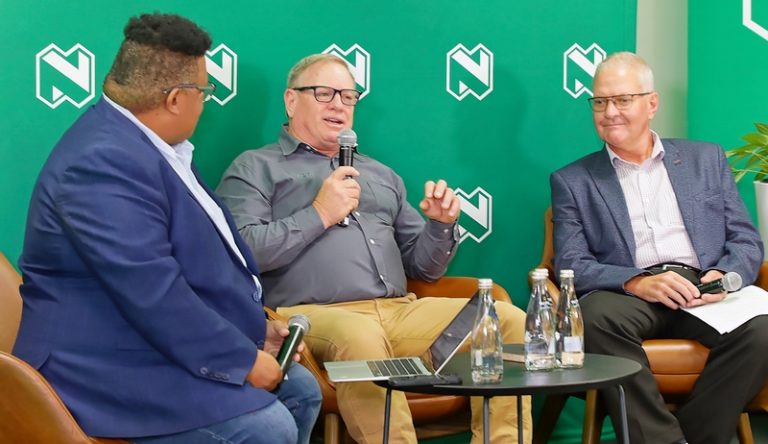
A central feature of the day was a panel discussion on Environmental, Social, and Governance (ESG) practices within the wine industry. Facilitated by Ivor Price, Co-founder and Editor-in-Chief of Food For Mzansi, the panel included Frans van Wyk (Agrifusion), Gerard Martin (South Africa Wine), Dr. Etienne Terblanche (Vinpro), Elriza Theron (Crop Life), and Annelize Crosby (Head of Legal Intelligence, Agbiz).

Van Wyk introduced the topic, underscoring that sustainability requires consistent, long-term commitment from all stakeholders. Panellists discussed a range of pressing ESG issues, including responsible pesticide use, carbon management, and social governance. They also explored how industry-wide collaboration and individual accountability can drive impactful, sustainable changes.

Tourism and Wine Production Insights

Maryna Calow, Communications Manager at Wines of South Africa (WoSA), highlighted the growing role of tourism in the wine industry’s development. She discussed recent achievements in wine tourism and the significant impact international interest has had on South Africa’s wine exports. Calow emphasised that wine tourism not only supports economic growth but also showcases South African wines to a global audience, helping elevate the country’s profile on the world stage.

The event concluded with a live wine tasting and production demonstration led by Francois Viljoen, viticulturist at Vinpro. This interactive session gave attendees a firsthand look at the wine-making process, from vine to glass, providing a fitting end to a day of informative presentations and discussions.

Agbiz Media Day 2024 succeeded in fostering a spirit of collaboration and innovation among participants. Through engaging presentations, in-depth discussions, and experiential learning, the event underscored Agbiz and South Africa Wine’s shared commitment to a sustainable and resilient wine sector. With valuable insights into talent development, RDI strategies, and ESG practices, attendees left with a renewed sense of purpose and direction for the future of South African wine.

Innoverende voeding vir jou gewasse – Haifa Groep

0

Onder die bekwame leiding van Mnr. Motti Levin, wat sedert April 2018 as uitvoerende hoof van die Haifa Groep dien, het die maatskappy sy posisie as ‘n wêreldleier in spesialiteitsplantvoeding bevestig.

Levin bring meer as twee dekades se ervaring in senior bestuursposisies by internasionale maatskappye, waar hy as CEO en CFO gedien het in uiteenlopende bedrywe soos logistiek, internasionale handel, chemikalieë en landbou na Haifa Groep. Sy diepgaande sake- en bestuurskundigheid stel hom in staat om Haifa Groep na nuwe hoogtes te lei, met beduidende voordele vir die landbousektor.

Pionierskap – Haifa Groep

Die Haifa Groep is ‘n multinasionale korporasie en een van die wêreld se voorste verskaffers van spesiali-teitsplantvoeding. Met dekades se ervaring is Haifa bekend vir sy pioniersgees en innoverende oplossings wat gevorderde landboupraktyke ondersteun. Sedert die 1960’s staan Haifa aan die voorpunt van die globale landbou-revolusie, met die bekendstelling van “Nutrigation™” en die gebruik van kaliumnitraat as ‘n kunsmis, wat ‘n nuwe era in plantvoeding ingelei het.

Innoverende voeding vir jou gewasse

Innovasie en Volhoubaarheid

Aangedryf deur ‘n gees van pionierskap en innovasie, lewer Haifa baanbrekende oplossings wat gewasvoeding en kunsmiseffektiwiteit verbeter, terwyl omgewingsvolhoubaarheid hoog op die agenda bly. Haifa bedryf produksie-aanlegte in Israel, Frankryk, en Kanada, met 17 takke wat plantvoedingoplossings aan boere in meer as 100 lande regoor die wêreld verskaf.

Haifa se doelwit is om hoogs doeltreffende plantvoeding-oplossings vir boere wêreldwyd te ontwikkel, gebaseer op ‘n begrip van hul behoeftes en uitdagings. Haifa se oplossings integreer hoëgehalte produkte, kundigheid en gevorderde tegnologieë, met ‘n plantgesentreerde benadering wat boere in staat stel om presiese voeding toe te pas, aangepas by spesifieke gewasbehoeftes en omgewingstoestande. Dit optimaliseer opbrengste en bevorder volhoubare boerderypraktyke.
Produkte

Afgesien van Haifa se bekende kaliumnitraat (Multi-K GGTM) en ander wateroplosbare produkte het Haifa ’n baie innoverende beheerde vrystellings kunsmis reeks, genaamd Multicote AgriTM.
Die Haifa Groep beskik oor een van die wêreld se mees gesogste bedekkingstegnologieë wat gebruik word om Multicote™ en Multicote™ Agri-komponente te vervaardig.

Multicote™ Agri – ‘n gevorderde plantvoedingsoplossing

Haifa se Multicote™, ‘n 100% polimeerbedekte kunsmis, het gelei tot die ontwikkeling en bekendstelling van Multicote™ Agri.
Multicote™ Agri behels die meng van verskeie ten volle bedekte kunsmiskomponente met beskikbare onbeskermde kunsmis, om ‘n mengsel te skep wat ‘n ekonomies haalbare oplossing is vir die verbouing van ooplandgewasse.

Multicote™ Agri Beheerde Vrystellings Kunsmis is ontwikkel om gewasse regdeur die groeiseisoen van volhoubare voeding te voorsien – vir die beste resultate. Multicote™ Agri stel voedingstowwe geleidelik in die grond vry volgens die plant se vereistes. Hierdie tegnologie voorkom die uitloging van voedingstowwe, wat dus verbeterde gebruikseffektiwiteit van voedingstowwe tot gevolg het en toedieningsvlakke verminder.

Multicote™ Agri-produkte is uiters voordelig in die meeste omgewingstoestande, maar presteer veral goed onder die volgende omstandighede:

– Op ligte grond, waar gewone kunsmis maklik uitgeloog word.
– In gebiede met hoë reënval, waar reën voedingstowwe vinniger uitloog.
– Waar stikstoftoediening beperk is as gevolg van omgewingsregulasies.
– Waar bemestingstoerusting nie doeltreffend genoeg is nie.
– Vir gewasse met vlak wortelstelsels
– Vir gewasse met hoë voedingsbehoeftes
– In gevalle waar addisionele toedienings nie moontlik is nie (soos wanneer die gewas die grondoppervlak bedek, by gewasse met deklae, of in modderige velde).

Multicote™ Agri is die ideale kunsmis vir kontantgewasse in die oopland, beskutte gewasse, en vrugtebome.
Multicote® Agri – Familie
Verskeie Multicote Agri-samestellings is ontwikkel om boorde te ondersteun vanaf die kwekerystadium, deur die vestigingsfase van jong bome, tot volwaardige, produksie boorde.

Hierdie produkte sluit in, maar is nie beperk tot, die volgende samestellings:

– MCA (4) Juvenile + Zn & B
– MCA (4) Papa
– MCA (6) Juvenile + K
– MCA (8) Juvenile + Zn & B
– MCA (8) Oscar + TE
– MCA (8) Papa

Bogenoemde samestellings word met ‘n enkele toediening aangewend, wat wissel van 250 g tot 1350 g per boom, afhangende van die boom se grootte en voedingsbehoefte. Die aanbeveling vir jou boord se spesifieke behoeftes sal deur ‘n gekwalifiseerde Haifa-landboukundige gemaak word, gebaseer op die boordgeskiedenis, voedingsstatus en grondfaktore.
‘n Enkele toediening per jaar verseker deurlopende, volgehoue plantvoeding, sonder skadelike oorskotte of tekortkominge wat plantontwikkeling kan versteur.

Sluit aan by die Pioniers van vooruitgang

As jy wil deel wees van moderne, volhoubare bemestingspraktyke wat meer effektief is as dié van vroeër jare, kontak jou naaste Haifa-verspreider om seker te maak dat jy die regte produk verkry om jou gewas op ’n effektiewe en volhoubare manier te verbou.

Vir meer inligting besoek skakel 021-982 0309 | Viben Str. 15, Brackenfell | www.haifa-group.com

Power Demand Solutions: Cutting Costs for Businesses and Agriculture with Solar Power

In today’s competitive market, businesses and agricultural operations are under increasing pressure to control rising energy costs. Power Demand Solutions provides tailored solar power solutions designed to help companies save money, reduce reliance on the grid, and secure long-term energy stability.

“By switching to solar, businesses can lower operational expenses, protect themselves from fluctuating utility prices, and enjoy a fast return on investment. Our custom-designed solar systems are optimized for each client’s needs, ensuring seamless integration with existing infrastructure and minimal disruption during installation.”

For the agricultural sector, energy efficiency is critical to maintaining profitability. Power Demand Solutions helps farms reduce costs by harnessing solar energy for irrigation, cooling, and processing equipment. Solar energy provides a consistent, affordable source of power, allowing farmers to focus on maximizing output without worrying about volatile electricity bills.

“Through our Power Purchase Agreements (PPA), businesses can transition to solar with no upfront costs. Instead of large capital outlays, clients pay only for the energy they use – at a rate lower than traditional utilities – resulting in immediate savings.”

Power Demand Solutions is committed to helping businesses and agricultural operations reduce costs and improve sustainability with reliable solar solutions.
For a personalized quotation or more information, contact our Operations Manager, Lee-Michael Smith, at [email protected], or visit our website at www.powerds.co.za to explore how we can help power your business into the future.

Lindie-Alet van Staden Named 2024 Western Cape Agri-Worker of the Year

0

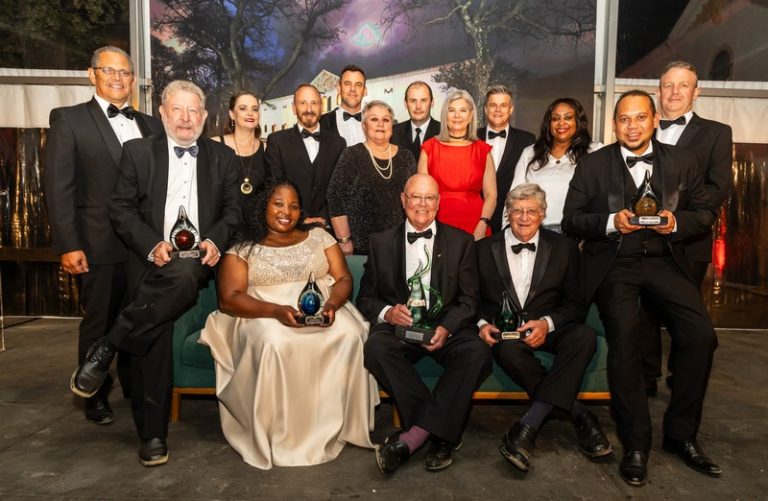
On Saturday, 2 November 2024, Lindie-Alet van Staden from L’Ormarins Wine Estate, Franschhoek, in the Cape Winelands, was named the Western Cape Prestige Agri-Worker of the Year 2024.

Western Cape Minister of Agriculture, Economic Development and Tourism, Dr Ivan Meyer, described Lindie-Alet as a worthy winner.

Minister Meyer congratulated Ms van Staden, “I look forward to her inauguration as a Western Cape Prestige Agri-Workers Forum member. Given her leadership abilities and skill set, she will make a valuable contribution to raising the concerns of agri-workers in the province. She will serve as a valued member of the forum, a body that advises the Western Cape Ministry of Agriculture on matters that impact the lives of agri-workers.”

The competition, which recognises the crucial role agri-workers play in growing our economy and ensuring our food security, has seen a significant increase in participation, from 36 entries in 2002  to an impressive 1233 in 2024.

Lindie-Alet van Staden Named 2024 Western Cape Agri-Worker of the Year


Participants from diverse backgrounds and 15 regions across the Western Cape competed in 11 categories, showcasing the competition’s inclusivity.

This year’s category winners are:

  • General worker:                                            Racheline Wilschut Langeberg
  • Driver:                                                             Ernest Vilander
  • Irrigation Specialist:                                     Johannes Engelbrecht
  • Animal Production:                                      Edward Saaiman
  • Technical Operator:                                     Magdelena Smit
  • Social Development:                                   Sophia de Bruin
  • Agri-Processing:                                           Christopher Dreyer
  • Administrative Personnel:                          Gertruida Lourens
  • Foreman / -woman:                                     Lungelo Ntamone
  • Junior Management:                                   Rozé Tailor
  • Middle Management:                                 Annita Maqashalala
  • Best Potential:                                               Wilfred Fortuin

On accepting her award as the overall winner, Ms van Staden, who works as a Garden and Olive Orchard Manager at L’Ormarins Estate in Franschhoek, expressed her gratitude and commitment to her job. “Every day, I am motivated by my incredible team and the opportunity to make a difference in my colleagues’ lives. Winning this award reaffirms my commitment to pursuing excellence and helping to drive agriculture’s future in our community. Together, we are achieving our goals and building a sustainable future.”

Dr Mogale Sebopetsa, Head of the Western CapeDoA, stated, “The Western Cape Prestige Agri-Worker Awards is not only about individual recognition, it is also aimed at enhancing the image and socio-economic conditions of agri-workers and their families. This competition offers agri-workers new skills, knowledge, and opportunities for career growth, broadening their understanding of the agricultural sector and inspiring them to reach new heights.”

“In the Western Cape, our agri-workers are not invisible,” said Minister Meyer, adding, “The Western Cape is the only Province that bestows this recognition on its agricultural workforce.”

Premier Alan Winde attended the ceremony. He praised Ms van Staden and all the Western Cape’s agri-workers, “Your contribution and dedication to our economy are invaluable, and we are deeply grateful for all you do in assuring and enhancing our province’s food security while also working very hard to boost our economic growth.”

Minister Meyer continued, “Agri-workers must be recognised and honoured, and their voices must be heard.”

“Agri-workers play a crucial role in our Growth For Jobs Strategy (G4J), which aims to build a R1 trillion economy in the Western Cape by 2035. Their expertise and unwavering commitment to producing enough food to meet our food security needs are instrumental in achieving this goal,” concluded Minister Meyer.

How Agriculture Drives Economic and Social Sustainability in South Africa

In the last quarter of 2023, primary agriculture in South Africa employed around 920 000 people directly, i.e., on farms and in agro-processing facilities.  If one works on the assumption that every salary supports at least five dependents, then farms and farmers underpin the wellbeing of a minimum of five million children, women and men in this country. Countless more benefit from the large up-and downstream value chains associated with agriculture.

But of course, agriculture’s impact goes much further than household income. Food security starts with the production of crops and livestock, and as no living being can do without food, the agricultural sector is a non-negotiable necessity for every person on earth. As the global population keeps increasing, the pressure on farming rises. Not only must outputs increase, but agriculture faces growing competition for resources from residential, commercial and industrial development. Houses and roads need building, as do factories and other places of production and employment. As household incomes rise, people’s aspirations, wants and needs grow too.

Adding to the pressure on agriculture are the impacts of climate change. Even without extreme weather conditions coming into play, seasons are becoming hotter or colder, wetter or drier, wreaking havoc with yields from crops and cultivars that had been cultivated in specific areas using specific practices for many generations. Against this backdrop, it is clear that farmers need our respect and support. However, the importance of the agriculture sector extends beyond food production and into the socio-economic realm as well.

The most obvious impact relates to rural economic sustainability. Far from large urban areas as they mostly are located, farms and the people who own and work them exist in symbiosis with rural communities. Farms need the towns and villages in the platteland, and are a source of growth, income and prosperity for them. Farms are significant employers and significant customers of local businesses. Children from farms need schools to attend. Farm vehicles need fuel, parts and mechanics to maintain them. Without a vibrant and healthy farming community, the rate of urbanisation would increase, and the depopulation of the platteland will accelerate. Pannar Seed firmly believes in the empowerment of rural communities through ongoing and highly personal support for farmers of all sizes. Our business model is built on combining cutting-edge developments in crop genetics with a thorough understanding of local conditions and a deep respect for farmers, be they in charge of mega commercial enterprises or smallholders making the best of five hectares. We value the trust of our farmers above all else.

We are committed to building lasting relationships with our customers, focusing on long-term success rather than short-term gains. Our ethos is to maintain personal yet professional connections. In good times, we share the benefits together; in challenging times, we are dedicated to providing the best support possible. Our committed sales team and expert agronomists partner with each grower, listening to their specific needs and challenges to understand how we can best serve them.

Most importantly in the context of rural socio-economic sustainability, is the fact that we purposefully developed the capacity to support smaller farming enterprises. In South Africa, around 250 mega farmers extract superior commercial value from about 60% of the country’s farming hectares. Without these enterprises, large-scale food production, which is the cornerstone of South Africa’s food-secure status, would not be possible. But we also need the smaller landholdings to thrive. They play an incredibly important role in localised food security, the social fabric of communities and the economic sustainability of smaller centres of commerce, industrial activity and education and healthcare provision. Put bluntly: smaller farms keep people in rural areas and act as drivers of growth, service delivery and prosperity.

Over the past almost 10 years, we have seen this play out in the Mbizana area of the Eastern Cape – one of the focal points of Project Hope, a smallholder farmer development project in which Pannar Seed supports (among others) the Mbizana Rural Enterprise Development (RED) Hub of the Eastern Cape Rural Development Agency (ECRDA). We work here with more than 200 smallholder farmers, all planting maize on at least 5 hectares of land. The impetus for the project was a government-sponsored mill erected in the area that was severely underused due to insufficient crop yields. When our agronomists and support experts first got involved in 2016, the farmers were harvesting between 1 and 4 tons/hectare; the 2023 harvest yielded 6.5 tons/hectare on average. Earlier this year we introduced the concept of soil health and fertility improvement, and the farmers are currently being taught how to take, interpret and act on the results of soil samples. We believe that by improving soil health, yields can increase to around 8 tons/hectare. These days the mill produces enough mealie meal and animal feed to be sold to customers across the Eastern Cape.

The farmers, 50% of whom are women and 11% young people, have grown from eking out a living to becoming an important link in their area’s economic activity. In the process, household-level food security has improved significantly, and the income generated by the mill is unlocking opportunities that used to be unattainable, if not unimaginable. Most importantly, these farmers have an enhanced sense of their own worth and agency – a personal asset that cannot be expressed in rands and cents. The Mbizana project is a small yet powerful example of what can be achieved through focused and well-informed support for our country’s farmers. It is possible to help secure the wellbeing and sustainability of a country beyond food security.

Article by: John Odendaal, Pannaar Seed

Tru-Cape Poised for Growth as Global Fruit Demand Soars

0

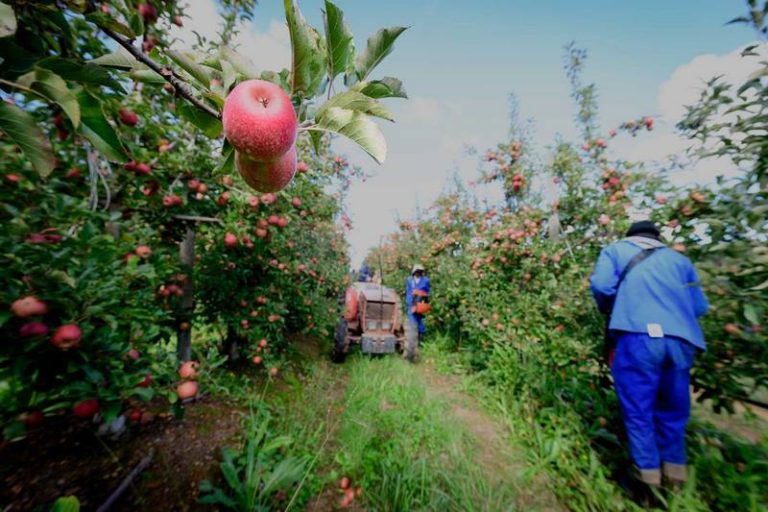
The fruit industry is on the brink of an exciting phase packed with opportunities, believes Anton Rabe, the executive director at Hortgro.

“I am incredibly bullish about the next five to ten years,” he shared with Tru-Cape’s management during a recent strategy meeting in Paarl, adding that the local industry might not have enough fruit to meet the global demand if more markets open up.

“Agriculture makes up around 15-18% of the gross domestic product when you factor in the value chain, and people increasingly appreciate the industry’s value. Agriculture has the potential to create jobs, earn foreign currency, and develop stable and safe rural communities,” he told the Tru-Cape team at their new offices in Paarl’s Main Road.

“If you undermine agriculture, you play with the future of South Africa. Numerous opportunities exist for a company like Tru-Cape, which is embedded within the value chain.”

The unlocking (or re-unlocking) of new pome and stone fruit markets is a real possibility in the short term and will be a game changer for the industry. Hortgro is concentrating on reducing tariffs and creating user-friendly protocols in markets like Thailand, China, Taiwan, and Indonesia.

“I believe that India still has a long way to go in terms of market development. There are still significant opportunities in Africa, particularly for apples and pears, which tend to withstand logistical challenges better than stone fruit. The more options we have, the better for us,” Anton said.

While the fruit industry has not yet benefitted from Brics, Anton said there might be opportunities to explore.

Roelf Pienaar, managing director of Tru-Cape Fruit Marketing, is particularly enthusiastic regarding prospects in the Far East.

“There are great opportunities in emerging markets where our competitors struggle with logistical difficulties. Although we need to tackle the infrastructure issues in South African ports and on our roads, our position at the southern tip of Africa allows us to reach most markets within a relatively short timeframe.”

Tru-Cape’s variety basket is also crafted to cater to a diverse range of markets, spanning from Europe and the United Kingdom all the way to the Middle East and Far East.

“We are also fortunate to have the rest of Africa right at our doorstep, allowing us to leverage the full spectrum of available fruits. Many of our competitors do not have access to a developing market and significant opportunities that are right within their reach.”

Small light in the logistics tunnel

South African producers operate in a failed-state environment where electricity, logistics, water, and security are often lacking; however, Anton is optimistic about the Government of National Unity and the private sector’s involvement in overcoming some of these challenges.

“Our message to the government is to implement the plans already on the table, such as the National Development Plan and the Agriculture and Agro-Processing Master Plan.”

He predicted that the logistics crisis would last another year to eighteen months.

“Transnet’s management has improved and is more transparent and accountable, particularly in the port of Cape Town. New equipment has arrived, maintenance has improved, parts are available, and OEMs are on board. I trust the productivity problems between Christmas and New Year have been resolved. Even with the wind and equipment failures, I feel optimistic that there’s a silver lining ahead. The upcoming year ahead should be less challenging.”

He lauded the pome and stonefruit industry’s innovative way of dealing with the current logistical challenges.

“The alternatives are costly, but at least the fruit reaches the market on time and within specification.”

Attie van Zyl, manager of the Two-a-Day Group, stated that the inefficiencies at the port of Cape Town are costing the Western Cape apple and pear industry around R999 million annually. He noted: For apple and pear growers, the estimated cost of the dysfunctional port is R26 300 per hectare.”

Macro-economic factors

Interest rates are finally coming down, making the cost of capital more affordable. However, the strengthening of the rand is not ideal for exporters. Besides labour, approximately 70% of producers’ inputs rely on the exchange rate.

“It will hopefully be cheaper to import inputs like chemicals and paper, but we have seen over the years that when prices rise, it doesn’t necessarily come down again.”

He also pointed out that the loss of key chemicals is a risk to the industry.

“Our toolbox is becoming smaller, and our challenges are bigger. Due to climate change, pests are changing their patterns and hosts, and we have fewer chemicals to fight them. Alternatives are also not registered quickly enough and are more expensive.”

Roelf pointed out that high import duties – as much as 50% in India! – pose a real challenge. They are hoping for government support to secure more favourable trade agreements.

Anton added that a more protectionist stance in European nations and the United States might result in the misuse of phytosanitary regulations and tariffs.

In its recent baseline, the Buro for Food and Agriculture Policy (BFAP) projects that global fruit prices will move sideways. Knowing what is happening with input costs, the trick will be to maximise products on both the tree and in marketing channels like processing, juicing, and the fresh market. Companies like Tru-Cape will play an important role in unlocking the potential,” he reiterated.