13.1 C
Cape Town
Saturday, June 27, 2026
Home Blog Page 66

The Urgent Need for Traceability in South Africa’s Agriculture Industry

0

In a recent article by Greg Talbot, CEO of Tal-Tec, the pressing need for a robust agricultural traceability system in South Africa was emphasized. As one of the few African nations without such a system, South Africa risks losing its competitive edge in international markets. Talbot noted that traceability is essential for ensuring food safety, quality control, and compliance with stringent global regulations.

A traceability system tracks agricultural products from farm to consumer, addressing rising demands for sustainability and ethical practices. Beyond compliance, Talbot highlighted that it reduces costs, prevents fraud, and streamlines operations, boosting profitability and sustainability.

Currently, the lack of traceability leaves the industry vulnerable. Disease outbreaks – including foot-and-mouth disease and avian flu – have disrupted exports and led to significant economic losses. For example, in 2022, China banned imports of South African cloven-hoofed animals and egg products due to biosecurity concerns.

Progress and Future Prospects

Encouragingly, the Red Meat Industry Services (RMIS) launched the first phase of a red meat traceability system in November 2024. This initiative marks a significant step forward, using global location numbers to map key supply chain locations like farms and abattoirs.

Future phases will introduce animal tagging with unique identifiers and integrate recordkeeping systems to ensure comprehensive traceability.
Countries like Uruguay showcase the potential benefits. Following a foot-and-mouth disease outbreak in 2001, Uruguay implemented a traceability system, securing access to premium global markets. Talbot suggested South Africa can achieve similar success with strong collaboration between government, private sectors, and farmers.

Government Commitment to Driving Change

Agricultural Minister John Steenhuisen supports the initiative, recognizing its role in mitigating disease outbreaks and enabling global trade. He noted that international markets increasingly require livestock products to be traceable to their origin. Locally, a system could help combat stock theft by linking animals to their original owners.

While implementing traceability will be complex, Talbot concluded that its benefits – from unlocking premium markets to ensuring sustainability – make it essential. With collective effort, South Africa’s agricultural industry can thrive on the global stage.

Experience Japan in April 2025 Full Bloom with TE Tours

0

“Picture yourself in clouds of whites and pinks, in spring the Land of the Rising Sun awakens in a stunning display of cherry blossoms – Sakura, symbolising renewal and beauty. It’s a time when Japan’s rich heritage, natural beauty, and futuristic marvels captivate travellers from around the world. Our 14-day Japan Sakura Tour, 1 – 14 April 2025, offers a deep dive into the heart of Japan, blending its ancient traditions with modern wonders.

The journey begins in Tokyo, the bustling capital, with iconic landmarks like the Tsukiji Market and Sensoji Temple. The dynamic energy of the city, from the Imperial Palace to the vibrant streets of Harajuku and Shibuya, leave a lasting impression. We head to Mount Fuji, where its majestic presence and the calming landscapes of Hakone provide a stark contrast to the urban sprawl. Here we overnight in a traditional ryokan with its own thermal baths – a world of kimonos and tatami mats and traditional Japanese cuisine.

The lightning speed of the famous Shinkansen bullet train brings us to Takayama, a mountain town straight out of a samurai-era storybook. Explore its well-preserved Edo-period streets, taste exquisite sake, and visit Shirakawago with its charming thatched-roof houses, a UNESCO World Heritage Site.

In Kyoto we stroll through the enchanting Arashiyama Bamboo Grove and visit Zen temples and tea houses where time seems to stand still. Perhaps get a glimpse of the elegance of geishas in the Gion district, and explore the ancient shrines that make Kyoto an unforgettable spiritual and cultural haven.

Bullet train NOZOMI takes us to Hiroshima. A poignant visit to Hiroshima’s Peace Memorial Park offers a moment of reflection before we set sail to Miyajima Island, where the iconic floating Torii Gate rises from the sea – a scene straight from a dream.

The tour concludes in Osaka, with a visit to the famous Osaka Castle and your last chance for some serious shopping. This journey blends Japan’s history, nature, and modernity, the endless delights of Japanese cuisine and the heartwarming joy of sake; making it the perfect way to experience the land of the rising sun in full bloom.”

Contact TE Tours at Club Travel Tyger Valley, tel. 021 914 2265,
or email [email protected], www.smallgrouptours.co.za

Heleen Viljoen Wins Top Honors for Award-Winning Article on Wheat Import Tariffs

0

Heleen Viljoen, a junior economist at Grain SA, recently earned accolades for her technical article on wheat import tariffs, winning the Hollard Farming Portal Junior Agriwriters Award in the technical category. This prestigious competition, hosted by Hollard Agri in collaboration with CRA Media, celebrates young agricultural writers who bring fresh perspectives and impactful storytelling to the industry.

Celebrating Excellence in Agricultural Journalism

The awards ceremony, held at the historic Villa Arcadia on the Hollard Campus in Parktown, recognized the outstanding achievements of young agricultural writers across South Africa. Viljoen’s technical article earned her the top honor, while Carla Myburg won the General category, showcasing a high level of talent among the next generation of agricultural storytellers.

Heleen Viljoen grew up in Durbanville, in a household where the world of finance had a strong influence. She later pursued a degree in Agricultural Economics at the University of the Free State, where her love for agriculture flourished. Now a Junior Economist at Grain SA, Viljoen gets to combine her passion for agriculture and economics daily. She is also working toward her Master’s degree, with a focus on South Africa’s commodity markets – giving her unique insight into the challenges and opportunities facing the grain sector.

Commenting on the competition, Hollard’s Andries Wiese praised the exceptional quality of the submissions: “The standard of writing we saw was exceptional—on par with, and even exceeding, some of the professional work in the industry today. This speaks to a promising future for agricultural journalism, which aligns closely with Hollard’s commitment to creating a better future for all.”

Unpacking Heleen’s Winning Article

Viljoen’s article delves into the complexities of wheat import tariffs, explaining their critical role in protecting South Africa’s wheat farmers from subsidized international competition. She highlights how these tariffs help local producers remain viable, ensure food security, and support investment in research and development. Her clear explanation of the technical and administrative processes surrounding tariffs makes the article both accessible and impactful. Viljoen also addressed misconceptions about bread prices, showing that wheat contributes only 20% of the cost of a loaf of bread, with factors like energy, transport, and labour playing much larger roles. Her work demonstrates how well-designed tariffs can benefit the local economy without significantly impacting consumers.

Why Wheat Tariffs Matter

In her article, Viljoen emphasized the importance of self-sufficiency, particularly in the face of global supply chain disruptions and geopolitical tensions. Without tariffs, local farmers could face immense pressure, leading to job losses and a decline in rural economies. Her work also highlighted how South Africa’s high-quality wheat production is at risk if cheaper, lower-quality imports dominate the market.

Grain SA lauded Viljoen’s article for its contribution to critical agricultural discussions: “As we face ongoing challenges within the global grain markets, Heleen’s work sheds light on strategies to strengthen our local industry’s competitiveness. Her achievement highlights Grain SA’s commitment to informed, impactful policy insights that support sustainable growth for South Africa’s grain producers.”

Fostering New Voices in Agriculture

The Hollard Farming Portal Junior Agriwriters Awards not only celebrate individual achievements but also serve to inspire the next generation of agricultural journalists. By providing a platform for fresh perspectives and thought leadership, initiatives like this play a crucial role in advancing agricultural reporting and its positive impact on society. Viljoen expressed her gratitude for the recognition: “This award is a milestone for me as a young writer and economist. It’s exciting to see initiatives like this that encourage fresh voices in agricultural journalism and help bring attention to the critical role agriculture plays in South Africa.”

Read the Full Article

For a detailed dive into Heleen Viljoen’s insights, read her award-winning article on wheat import tariffs here: Full Article.

Cape Town to Lead Urban Food Systems Transformation

0

From 25 November 2024 to 29 November 2024, ICLEI Africa, in collaboration with the City of Cape Town, will host government leaders, researchers, and youth ambassadors from 20 African and European cities. These leaders, along with representatives from the AfriFOODlinks project’s 28 partner organisations, will gather in Cape Town in a concerted effort to draw attention to the urban dimensions of hunger, malnutrition and obesity in Africa. This is one of a few gatherings of its kind in which city officials from across the African continent are coming together to share their solutions to these challenges at city level.

A Global Effort to Address Urban Food Insecurity

Research from the United Nations High Level Panel of Experts on Food Security and Nutrition revealed earlier this year that 1.7 billion of the world’s 2.2 billion people facing moderate or severe food insecurity live in urban and peri‐urban areas, with over half a billion residing in African cities. These numbers underscore the urgent need for action at the city level, where the impacts of food insecurity are deeply felt.

‘What makes AfriFOODlinks unique is that it is addressing this challenge, not by focussing on where food comes from, but by explicitly improving the design and governance of the urban food environments that shape the food choices, and therefore the nutritional outcomes, of city residents,’ says Dr. Luke Metelerkamp, ICLEI Africa, Coordinator of AfriFOODlinks.

Innovative Approaches to Urban Food Challenges

‘This gathering represents an unprecedented commitment from cities across Africa and Europe to tackle urban food challenges head-on, driving locally-led solutions that address the realities of food insecurity in urban communities,’ said Kobie Brand, ICLEI’s Deputy Secretary General and Regional Director of ICLEI Africa, the organisation responsible for coordinating the project.

‘Cities are hubs of innovation and solutions, they are drivers of change, they are where implementation happens at ground level.’

The Role of Cities in Shaping Food Systems

Cape Town Mayor, Geordin Hill-Lewis highlighted the pivotal role which the informal economy plays in Cape Town’s food system, noting that ‘through the AfrifoodLinks pilots and collaboration, the City of Cape Town is committed to improving trading conditions in food markets by providing the necessary infrastructure to empower the informal food sector to do business in a healthy, safe, and dignified manner and growing the local economy. This is critical to ensure that we build a food-resilient city that can withstand any adversities in regards to the provision of nutritious and affordable food to sustain livelihoods.’

Alderman Grant Twigg, the City’s Mayoral Committee Member for Urban Waste Management said, ‘The AfriFOODLinks project is a testament to the power of collaboration and the ingenuity of cities in addressing critical food system challenges. Cities are where the challenges of food security, nutrition, waste, and climate change converge, but they are also where innovative solutions can emerge. Within the context of rapid urbanisation, African cities must take the lead in rethinking how food systems work, starting from the local level.’

‘Our participation in AfriFOODLinks reflects our belief in local solutions, innovative partnerships, and knowledge-sharing across cities,’ said Alderman Twigg.

Empowering the Informal Economy in Food Markets

The meeting will also feature voices from other African city leaders who share Cape Town’s vision.

‘In Lusaka, we know that sustainable food systems are the backbone of healthy and resilient communities. Through AfriFOODlinks, we hope to better integrate food into our city governance structures,’ said Mayor Chilando Chitangala.

Youth Ambassadors Driving Change in Food Systems

For the first time, AfriFOODlinks’ 20 youth ambassadors will join the consortium meeting, bringing their perspectives to discussions, and strengthening a global youth-driven network around food. A highlight of the week will be an intergenerational panel, where youth representatives and city officials co-develop a statement reflecting a shared vision for their cities’ food systems, reinforcing the project’s commitment to inclusive governance and sustainable, long-term solutions.

Mayor Maxmillian Iranqhe, Mayor of Arusha notes, ‘With Africa’s population being so young, the perspectives and ideas of our youth are crucial in shaping the future. AfriFOODlinks provides a platform to elevate these voices.’

Building Collaborative Networks for Sustainable Solutions

Throughout the week, participants will engage in workshops, presentations and site visits around Cape Town, exploring the city’s diverse food landscape. This exchange highlights the collaborative spirit of AfriFOODlinks, which seeks to build strong, trust-based relationships across African cities.

As County Governor of Kisumu, the Professor Anyang’ Nyong’o, who hosted the first consortium meeting, shared, ‘The future of Africa is urban, and we need to think critically about how to feed our growing populations. We must look at the whole food value chain and the links between urban and rural.’

AfriFOODlinks: Piloting Change for Urban Food Resilience

Over the next two years, AfriFOODlinks, funded by the European Union, will bring these commitments to life by implementing more than 20 urban food system interventions across African cities, piloting innovative, research-driven approaches tailored to local contexts. The project will also support the growth of a network of youth leaders, and incubate 250 food entrepreneurs, fostering a new generation dedicated to sustainable food solutions.

Kiara Scott Farmer and Mika Engelbrecht Shine at 2024 Diners Club Winemaker Awards

0

The winners of the 2024 Diners Club Winemaker and Young Winemaker of the Year awards were announced at a black-tie gala dinner at the Five Star Arabella Hotel & Spa on Saturday, 23 November, with Kiara Scott Farmer and Mika Engelbrecht claiming top trophy honours respectively.

Diners Club introduced the Winemaker of the Year award to encourage local winemakers to raise the standard of wines produced in South Africa, and the Young Winemaker of the Year award was established to encourage winemakers under the age of 30 to develop their skills, express their individuality, and add to the future prestige of South African wines internationally.

The Winemaker and Young Winemaker awards focus on quality and the recognition of excellence and are among the country’s most prestigious and most-respected wine industry competitions. While most wine industry awards focus on the winning wines, the Diners Club Winemaker and Young Winemaker of the Year awards celebrate the creators of the winning wines, honouring the skills and talents of the vintners.

The awards are presented to winemakers who produce a wine that the judging panel considers to be the best in the two specified categories for the annual competition.  This year, the category for the 44th Winemaker of the Year award was Chenin Blanc, with Red Wine the category for the 24th Young Winemaker of the Year award. As in previous years, winemakers could be shortlisted for more than one submission. These awards are open to all in the South African wine industry at no cost, thus affording all winemakers an equal opportunity.

There were over 160 entries this year and the field was narrowed down to 12 finalists through rigorous judging over two days by a team of wine experts. Six winemakers were shortlisted for the prestigious Winemaker of the Year award, and six were shortlisted for Young Winemaker of the Year. All the judges agree that it was a close race for the top prizes, a clear indication that the finalist wines were outstanding.

This year’s Diners Club Winemaker of the Year (Category Chenin Blanc), Kiara Scott Farmer delighted the judges with her Brookdale Old Vine Chenin Blanc 2022. The 2024 Diners Club Young Winemaker of the Year, Mika Engelbrecht received her award (Red Wines Category) for her Neethlingshof Estate Range Cabernet Sauvignon 2022.

The winning winemaker received R50 000 and the winning young winemaker received R25 000. In addition, both winners received a round-trip air ticket to a wine-producing region.

Key Insights and Innovations from the African Agri Investment Indaba

0

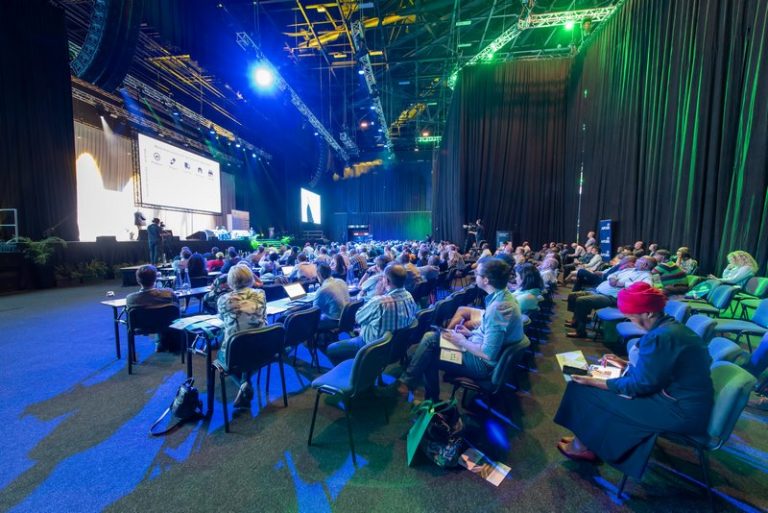
The African Agri Investment Indaba (AAII), held in Cape Town from 18 – 20 November 2024, brought together over 800 key stakeholders, including governments, banks, financiers, investors, commercial farmers and agro-industry leaders, to discuss innovative solutions to Africa’s pressing agricultural challenges. Hosted by the African Agri Council (AAC), the three-day event explored opportunities and obstacles in agribusiness while emphasizing climate adaptation, investment in agri-tech, and sustainable practices.

Transforming Africa’s Food Security

Amid Sub-Saharan Africa’s most severe food crisis in decades, the Indaba highlighted the urgent need for collaboration to address food insecurity affecting millions. With over 16 million people in Malawi, Zambia, and Zimbabwe facing hunger due to inflation, drought, and economic instability, stakeholders at the Indaba emphasized the role of the private sector in tackling these challenges. In South Africa, nearly 250 000 households in Cape Town alone are experiencing hunger, the highest levels among the country’s major cities.

Ben Leyka, CEO of AAC, underscored the event as a vital platform for developing actionable solutions to ensure food security.

Reframing agriculture as a viable investment opportunity emerged as a key theme. By addressing social issues and unlocking economic potential, agriculture was positioned not only as a solution to the food crisis but also as a lucrative sector for investors. Dynamic panel discussions and networking sessions showcased innovative practices, with an emphasis on the underutilized potential of agri-tech solutions.

Bridging the Climate Mitigation-Adaptation Divide

A stark divide between climate mitigation and adaptation efforts was a central focus of the Indaba. Mitigation refers to efforts aimed at reducing greenhouse gas emissions to slow climate change, such as renewable energy adoption or carbon capture. Adaptation, in contrast, focuses on adjusting to the impacts of a changing climate, such as implementing drought-resistant crops or improving water-use efficiency.

Currently, 95% of global climate finance is allocated to mitigation, leaving only 5% for adaptation—a critical shortfall for African farmers who bear the brunt of climate impacts. Hayden Aldredge, a senior manager at ISF Advisors, emphasized the urgency of increasing private sector involvement in adaptation finance. The cost of addressing climate risks is estimated at $15 billion annually, compared to a staggering $200 billion if these risks remain unaddressed.

Panelists advocated for increased funding and support for smallholder farmers through tools like index insurance, digital training, and improved data accessibility. These measures aim to lower perceived risks for investors while empowering farmers to adopt climate-smart practices. Stephen Walker of Ground to Tap Water Solutions emphasized the need for technological advancements in water management, such as efficient irrigation systems and aquifer monitoring, to derisk agriculture and improve resilience.

Sustainability and Agritech Investments

The underinvestment in agri-tech—currently receiving less than 2% of agricultural investments—was another pressing issue. Changwe Kumalinga, CFO of Good Nature Agro Zambia, highlighted the potential of technology to revolutionize Africa’s food systems. The Indaba showcased innovative solutions, from digital platforms enhancing market access for farmers to renewable energy initiatives reducing the carbon footprint of agriculture.

Nestlé, for instance, shared its progress on sustainability interventions, including renewable energy, methane reduction, and improved water management. These practices not only reduce emissions but also enhance soil health and productivity, demonstrating the economic and environmental benefits of sustainable agriculture.

Building the Foundations for Success

Successful agribusiness requires more than just innovation; it demands sound financial and operational planning. Speakers stressed the importance of adequate working capital, efficient cash flow management, and a clear understanding of the agribusiness environment. Norman Celliers, CEO of AFGRI, highlighted the significance of aligning with long-term partners and addressing challenges such as export licensing and market access.

The event culminated with an awards ceremony recognizing exceptional contributions to Africa’s agribusiness sector, including categories like Woman of the Year and Innovation in Food and Agri. The Indaba’s discussions and collaborations reaffirmed the critical role of investment and innovation in shaping a sustainable and food-secure future for Africa.

Eastern Cape’s Dwayne Kaschula Shines as Toyota SA/AgriSA Young Farmer of the Year

0

The South African agricultural community gathered in celebration as Toyota South Africa and Agri South Africa recognised the country’s top farmers at their prestigious awards ceremony. The event showcased not only the resilience and ingenuity of South African farmers but also their invaluable contribution to the nation’s economy and food security. Among the shining stars of the evening was Eastern Cape farmer Dwayne Kaschula, who claimed the coveted Toyota SA/AgriSA Young Farmer of the Year award.

A Visionary Farmer from the Eastern Cape

Dwayne Kaschula’s innovative approach to agriculture and his diverse operations set him apart in a fiercely competitive category. From the lush landscapes of the Eastern Cape, Kaschula manages a multifaceted enterprise that includes maize, potatoes, livestock, and egg production. His forward-thinking mindset and commitment to excellence have made him a beacon of inspiration for young farmers across the country.

Accepting his award, Kaschula expressed gratitude and pride, stating, “This award recognises the shared commitment to excellence and innovation in farming. It inspires me to continue pushing boundaries and striving for even greater achievements. I hope it inspires other young farmers too.”

Celebrating Mentorship and Support

Kaschula’s journey has been bolstered by the guidance of mentors and agricultural professionals, whose insights he credited as invaluable. “Your wisdom has shaped my farming journey,” he remarked. He also thanked Toyota South Africa for its unwavering support of the farming community and AgriSA for championing sustainability in agriculture.

Acknowledging his family and team, Kaschula said, “Special thanks to my mentors, my team, and my other half, Cath, for always being my number one supporter. Above all, all the glory goes to the Lord for His hand over everything that happens on the farm.”

Meshack Ndongeni Wins Toyota SA New Harvest of the Year Award

In another standout moment of the evening, KwaZulu-Natal farmer Meshack Ndongeni was crowned Toyota SA New Harvest of the Year 2024. Ndongeni’s inspiring story of perseverance and faith captivated attendees as he shared his journey of managing a diversified enterprise that includes maize, soybeans, potatoes, beef cattle, and sheep.

Reflecting on his success, Ndongeni said, “God made it possible for me. This is actually my second award this year. I won the Potato New Era Farmer award earlier, and now this one.” He also expressed heartfelt gratitude to his family and the judges, jokingly adding, “Thank you to Toyota for winning a… no, not a bike, a Hilux!”

Honouring Communal Farming Excellence

The awards also celebrated the dedication of communal farming associations. Modulaqhowa Primary Coop Ltd from the Free State was named Communal Farming Association of the Year. Their efforts in cultivating indigenous trees, fruit trees, roses, vegetable seedlings, and shrubs highlight the incredible diversity and ingenuity of South Africa’s agricultural landscape.

A Night of Celebration and Inspiration

The Toyota SA/AgriSA Awards underscored the vital role that farmers play in sustaining South Africa’s food security and economic stability. From young visionaries like Dwayne Kaschula to seasoned innovators like Meshack Ndongeni, the evening was a testament to the power of hard work, family, and faith in overcoming challenges and driving progress in agriculture.


Groundbreaking research transforms fruit fly management for a sustainable future

0

The South African fruit industry spends over R300 million annually combating fruit flies, a pervasive pest threatening crop yields and export viability. University of Pretoria (UP) researcher Tania Pogue has unveiled critical insights into fruit fly behaviour, promising to transform pest monitoring and control strategies.

Pogue’s work focuses on the eco-physiology of fruit flies, exploring how factors like age, sex, and diet interact with environmental conditions to influence their attraction to commercial lures. Her research aims to refine trap capture accuracy and improve pest management, enabling cost-effective and sustainable practices for farmers.

Understanding Fruit Fly Behaviour: A Game-Changer

The study revealed a key discovery: fruit flies rarely respond to baited traps when temperatures fall below 12°C. “Traps placed in cooler conditions underestimate population size, leading to mistimed management and increased crop losses,” Pogue explains. This knowledge allows farmers to optimize monitoring, ensuring timely and effective control measures. This discovery is particularly valuable for farmers in regions where temperatures fluctuate significantly, as it provides a scientific basis to adjust monitoring schedules for maximum effectiveness.

Pogue’s academic journey in entomology began at UP, where her passion for studying insects took root. During her MSc in Entomology, completed with distinction in 2023, she investigated how biological and environmental factors impact pest responses to lures. Her findings were supported by controlled rearing experiments and field trials at UP’s Future Africa Institute, which measured how specific conditions affect fruit fly behaviour. Her approach not only advances scientific knowledge but also offers practical, data-driven solutions that farmers can implement immediately, bridging the gap between academic research and real-world application.

Economic and Environmental Impact

The implications of Pogue’s research are significant. By tailoring trapping strategies to temperature and biological factors, pest management can be made more precise, reducing unnecessary interventions and lowering costs. “This research enables a proactive approach to pest control, often allowing for more affordable and sustainable solutions,” Pogue notes. More importantly, these findings can help farmers reduce chemical use, promoting environmentally friendly practices while maintaining high-quality yields. As consumers increasingly value sustainable farming, such practices can also enhance the marketability of South African fruit in global markets.

Economic benefits are substantial. The Citrus Growers Association estimates that controlling fruit flies costs R386 million annually for citrus alone. Pogue’s work could reduce these expenses across various fruit sectors, ensuring better protection for farmers and improving export competitiveness. Beyond the cost savings, improving pest management also safeguards the livelihoods of farmers and workers who depend on consistent, high-quality fruit production. This has a ripple effect on local economies, particularly in rural areas where agriculture plays a central role.

As South Africa strengthens its position as a global fruit exporter, Pogue’s contributions advance both scientific understanding and practical solutions for pest control. Her work reinforces the industry’s ability to tackle challenges sustainably, safeguarding the future of fruit production. With continued investment in research and collaboration between academia and industry, South Africa can lead the way in innovative pest management strategies, setting a global standard for balancing productivity and sustainability.

Platter’s 2025 Celebrates South Africa’s Vineyard Heritage and Excellence

0

The 45th edition of South Africa’s original and still favourite wine adviser, Platter’s Guide, is here, with an elegant blue-green cover-colour that speaks of South Africa’s vineyards’ unique location between two oceans.

The guide’s founders, journalists and winelovers John and Erica Platter, in the late 1970s were inspired by Hugh Johnson’s pioneering Pocket Wine Book to compile a local version, with wine tasting notes, ratings, potted winery profiles and general information useful to consumers. Ignoring the advice of a compositor at their printing company not to ‘waste money on a boring book’, they launched the first edition in 1980 and went on to grow the title into a perennial top seller.

An Expansive Offering

The landmark 45th edition features well over 900 producers, merchants and brands, including 30 new ones, and over 8,000 locally produced wines, as well as brandies, husk spirits and sherry-style wines.

The guide’s descriptions and ratings, compiled in association with a team of leading experts, make it easy to find the right wine for any occasion, while the good-value indicators highlight those bottlings which are especially budget friendly across all quality levels.

Exploring Wine Country

Platter’s 2025 also packs extensive information on where to go and what to do in wine country. Winetasting options are covered in detail, along with many winery amenities, attractions and activities, plus dining and accommodation in Cape Town and the winelands. Easy-to-use maps and quick look-up tables provide invaluable help for visitors planning their own wineland rambles, while listings of specialised wine tour operators offer a variety of alternatives for those who prefer a guided experience.

Comprehensive Wine Education

Fully updated notes on the major winegrowing regions, grape varieties, winemaking styles, winetasting terms, and the major wine competitions and awards, as well as listings of wine educators country-wide form part of a wide-ranging offering.

As always, the guide is prefaced by an insightful and thought-provoking overview of important developments and trends in South Africa and the wider wine world.

A much-anticipated feature of the guide is the reveal of the cover colour. This year it is a stylish cyan and silver combination, which the Platter’s team named “Cape of Storms”.

Five-Star Wines and Awards

A highlight of any new edition is the five star wines line-up – the exceptional bottlings which emerge from a second round of tasting of the wines with the highest rating on the Platter’s scale of 0 – 5 stars (“Somewhat less than ordinary” to “Superlative. A South African classic”). In this edition 259 wines, brandies and husk spirits receive five stars, equating to 95 or more on the 100-point international scale.

Of the 5-star-awarded wines, the highest scorers within each category receive the sought-after accolade, Wines of the Year. This time there are 27 category winning wines. Also noteworthy are 344 Highly Recommended wines, brandies and husk spirits which narrowly miss five stars but are nonetheless extremely fine and collectable in their own right, earning a rating of 94 on the 100-point scale; just over 170 reds and whites showing particular potential for cellaring (they appear under the banner “Buy Now, Drink Later”); 167 Hidden Gems, wines which tasters feel are particularly worthy of note, being interesting, attractive, unique or representative of an important trend; and 48 Superquaffers, wines that are exceptionally drinkable and well-priced.

Eben Sadie of Sadie Family Wines, Platter’s 2025 Top Performing Winery of the Year, with Philip van Zyl (Platter’s Editor and Managing Director)

Prestigious Winery of the Year Awards

The three prestigious Winery of the Year awards are the highest accolades bestowed by Platter’s. The Top Performing Winery of the Year goes to the winery that achieves the most five stars after the annual final tasting round. This year the recipient is Sadie Family Wines, Platter’s highest-achieving winery on four previous occasions, this time with six maximum ratings.

The Editor’s Award Winery of the Year award recognises a winegrowing individual or team who, based on performance in the current edition as well as track record, are ambassadors par excellence for South African wine. This year the award goes to Hamilton Russell Vineyards, in its 50th anniversary year, for pushing beyond the established winegrowing areas into cooler climates, while maintaining focus, the highest standards of quality and ongoing refinement.

The Newcomer Winery of the Year is awarded to a producer who debuted in Platter’s this year and achieved the highest scores. The well-deserved recipient of this distinction is Terra Loci, with a stunning 95-point Elgin Chardonnay.

Platter’s 2025 hardcover is available from selected bookstores and retailers nationwide from early December 2024. The recommended retail price is R427.00 incl VAT.

A subscription to the digital editions, namely the web-based version as well as the apps for Apple and Android devices, is available from www.wineonaplatter.com/products or the app stores (a single subscription unlocks all digital versions).

Celebrating Today’s Champions to Inspire Tomorrow’s Innovators

Agriculture is not just about cultivating crops or raising livestock—it’s about cultivating the future. The story of André Brink, named Farmer of the Year for 2024 by Agricultural Writers SA (AWSA), and his farm Groot Phesantekraal exemplifies how recognizing champions in agriculture inspires excellence and drives meaningful change within South Africa. As the recipient of this prestigious award, André’s accomplishments serve as a beacon for sustainable farming and innovation, reinforcing the transformative power of acknowledgement within the nation’s borders.

A Blueprint for Sustainable Farming

The achievements of Groot Phesantekraal underscore the importance of integrating sustainability into the fabric of agricultural operations. With its innovative crop rotation strategies, precision irrigation systems, and solar-powered energy solutions, the farm has become a model for balancing profitability with ecological stewardship. André Brink’s leadership highlights how thoughtful, sustainable practices can increase yields, while safeguarding resources for future generations.

Such recognition at events like the AWSA Awards amplifies these efforts, showcasing how sustainability can be more than a goal—it can be a legacy. By celebrating leaders like André, these awards encourage others in South Africa’s agricultural sector to adopt eco-conscious practices, creating a ripple effect that benefits farming communities across the country.

Empowering Communities Through Leadership

While innovation and sustainability are crucial, André’s story is equally one of people—his family, his workers, and the broader community. His commitment to economic empowerment and skills development demonstrates that true agricultural excellence lies in collaboration and shared success. Workers and community members who feel valued and included are not just contributors to success; they become its foundation.

André’s approach resonates with the broader mission of agricultural awards: to highlight how farming can empower individuals and strengthen communities. Such recognition inspires other leaders to adopt similar people-first strategies, contributing to a more inclusive and resilient agricultural sector within South Africa.

Inspiring a New Generation of Farmers

As agricultural leaders like André Brink receive recognition for their work, the spotlight naturally extends to the next generation. Nevertheless, André remains grounded in his belief that success is about more than just awards. He measures his achievement in terms of his children’s commitment to continuing the family legacy. Their passion for the farm and the desire to keep growing operations ensure Groot Phesantekraal’s longevity.

His sons, Rennie and Jeandré, are taking on key roles in the farm’s grain, wine, and livestock operations, bringing fresh ideas and energy to the business. This passing of the torch is a reminder that celebrating today’s champions also inspires tomorrow’s innovators. By nurturing his children’s involvement and passion, André exemplifies how recognition can drive generational continuity, ensuring that South African agriculture remains vibrant and forward-thinking.

The recognition of André Brink highlights how celebrating individual achievements sparks collective progress. Awards like those from AWSA inspire innovation, strengthen communities, and pave the way for a more sustainable and thriving future in South African agriculture.