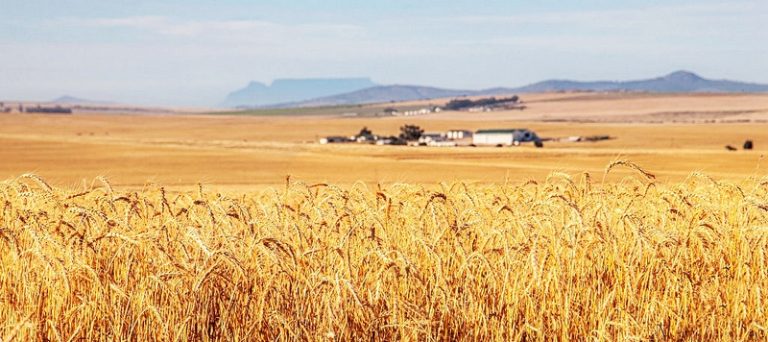
Agriculture rebounded to a 17.2% growth rate, lifting South Africa’s GDP growth to 0.6% in Quarter 4 of 2024 and for the 2024 year, according to Statistics SA’s national quarterly GDP figures released on 4 March 2025.
Commenting on the agriculture sector’s performance, Western Cape Minister of Agriculture Dr Ivan Meyer said, “Growth in this sector was driven by increased activity in field crops and animal production, as extreme weather occurrences subsided.” He added that this suggests a positive performance for the Western Cape’s fruit, grain, and livestock farming.
Investment Confidence and Export Growth in the Western Cape
Regarding economic growth in 2025, as of 5 March, S&P Global expects South Africa and the Western Cape’s economies to grow by 1.8% and 2.1%, respectively, with Agriculture (5%) and Trade (3.2%) key drivers in the province.
“Economic conditions are expected to improve as we continue to implement the priority focus areas of the Western Cape Growth For Jobs Strategy, which is building an environment conducive to improved economic growth and job creation,” said the Minister.
In Quarter 1 2025, the Bureau for Economic Research’s Business Confidence Index (BCI) for the Western Cape stood at 52, outperforming the rest of the country’s 45 index points.
Minister Meyer stated, “The Western Cape is the only province in positive investment territory. Effective governance and clear economic growth plans inspire hope and confidence. We have seen record exports of agri products from the Western Cape due to increased agri production. Our farmers, agri workers, and producers remain resilient and are key drivers of our Growth For Jobs strategstrategy.”
Premier Alan Winde added, “Our agricultural sector is a critically important component of our economy. This one sector alone employs more than 200 000 people in the Western Cape, so ensuring its resilience and boosting its growth potential is a priority, especially in the fiscal climate we currently find ourselves in. We will keep supporting our rural and farming communities in any way we can, helping them to become part of our economic recovery and success.”
“Amid current geopolitical developments, we forecast more significant demand for our agri exports, and we will keep engaging with our global trading partners to facilitate more exports. A 5% increase in our agri exports alone over 5 years will result in 22 900 new jobs in the Western Cape. Through economic diplomacy, we will continue to target new markets in the Middle East, ASEAN group, India, China and Africa to unlock further employment in our region. Growing the economy and creating more jobs are the Western Cape Government’s apex priorities, and the agri sector is ready to deliver,” concluded the Minister.
Op 19 Maart 2025 bied Landbouweekblad in samewerking met die landbouverenigings van Moorreesburg en Piketberg ’n baanbrekende eendagkonferensie aan. Hierdie konferensie, wat in Moorreesburg plaasvind (met die venue nog te bevestig), fokus op volhoubare en veerkragtige boerderypraktyke om boere se winsgewendheid en omgewingsvriendelikheid te verbeter.
Met die tema ‘n Holistiese benadering tot volhoubare landbou, bring die konferensie boere, wetenskaplikes en landboukundiges bymekaar om oplossings vir uitdagings in graan- en veeboerdery te bespreek. Die Swartland is bekend vir sy landboubedryf, en hierdie geleentheid bied boere die kans om nuwe kennis oor presisieboerdery en metodes om natuurlike hulpbronne doeltreffend te benut.
Waarom moet jy hierdie konferensie nie misloop nie? Leer by kenners en medeboere – Kry insig in suksesvolle, omgewingsvriendelike boerderypraktyke. Verhoog jou winsgewendheid – Ontdek tegnieke om koste te verminder terwyl jy jou plaas se volhoubaarheid verbeter. Netwerk met ander boere – Bou waardevolle verhoudings met produsente wat soortgelyke doelwitte nastreef.
Hierdie konferensie is ’n uitstekende geleentheid vir boere om volhoubare strategieë te verken en aan te pas by die veranderende landboulandskap. Maak seker jy bespreek jou plek en wees deel van ’n vooruitdenkende beweging in die Swartland!
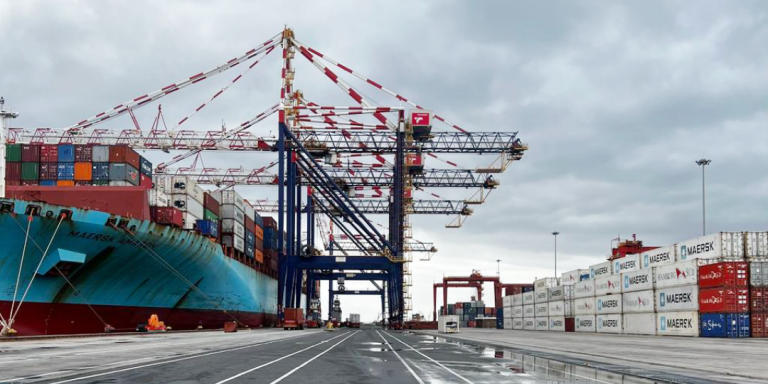
Cape Town Mayor Geordin Hill-Lewis has welcomed Transport Minister Barbara Creecy’s reported confirmation that a Request For Information (RFI) will be issued in March to test private sector appetite for partnerships on ports and freight rail lines.
Cape Town’s Port Struggles Among the Worst in the World, Says Mayor
‘We are encouraged that national government will this month test private sector appetite for partnerships on ports and freight rail. This is long overdue, especially for the Port of Cape Town, which is ranked among the worst in the world. We call on the Minister to ensure that Cape Town’s port is included in the Request For Information process. The RFI needs to be designed to encourage private sector proposals to co-run Cape Town’s port and enable major infrastructure investment.
‘Government doesn’t have the money to properly invest in our port’s infrastructure, and can also not raise these funds via unaffordable taxing of South Africans, as with the failed 2% VAT hike proposal. While some new and replacement cranes are apparently on the way for Cape Town’s port, this is a drop in the ocean compared to the robust private sector investment and operational control needed to lift our port’s performance to compete with the best in the world.
‘An efficient port will raise exports of locally produced products and drive job creation in these industries, especially in our vital agricultural sector. We need a clear and urgent deadline for greater private sector involvement in Cape Town’s port operations, and we will be watching this RFI process closely,’ said Mayor Hill-Lewis.
There has been little clarity to date on government’s plans for the Port of Cape Town, despite recent announcements by Transnet that it will be seeking private sector investment for the ports in Durban, Richard’s Bay and Gqeberha.
Mayoral Committee Member for Economic Growth, Alderman James Vos, said he had recently engaged business leaders in the fresh produce supply chain who noted the impact of port inefficiencies on their products and services.
‘A major company involved in the movement of fresh produce for export said there was a 20% drop in exports of fruits such as grapes in the current period due to the port’s problems. Further to the point, the global average for gross crane moves per hour (GCH) is between 25 and 30. According to the South African Association of Freight Forwarders, the Cape Town Container Terminal averages at about 13 GCH. This creates significant ripple effects for all businesses and employees in the supply chain. With this port handling 80% of deciduous fruit exports each season (from December to April), it is absolutely vital – and urgent – for our economy that this port improves operational conditions,’ said Alderman Vos.
In addition, Alderman Vos urged the port’s management to prioritise the acquisition of new equipment that would better manage adverse weather conditions.
‘Whenever Cape Town experiences strong windy conditions, port operations grind to a near halt. Yet we have always been a city of great gusts and port authorities must do more to stay ahead of such conditions. When the port is unable to operate sufficiently, exporters are forced to divert their goods to other ports in Durban, Gqeberha and elsewhere at huge costs. While we note the recent addition of new equipment and a new booking system, Transnet must ensure that it acquires the requisite technical and management skills. The private sector has the services and the expertise and have shown they are willing to assist as much as possible. Now it is up to Transnet to work with them for the good of the millions of unemployed South Africans and our economy,’ said Alderman Vos.
Port Inefficiencies Costing Jobs and Billions in Lost Exports
Research from the Western Cape Department of Economic Development and Tourism shows that private sector participation at the Port of Cape Town could result in an additional R6 billion in exports, the creation of approximately 20 000 jobs, and over R1,6 billion in additional tax revenues within five years.
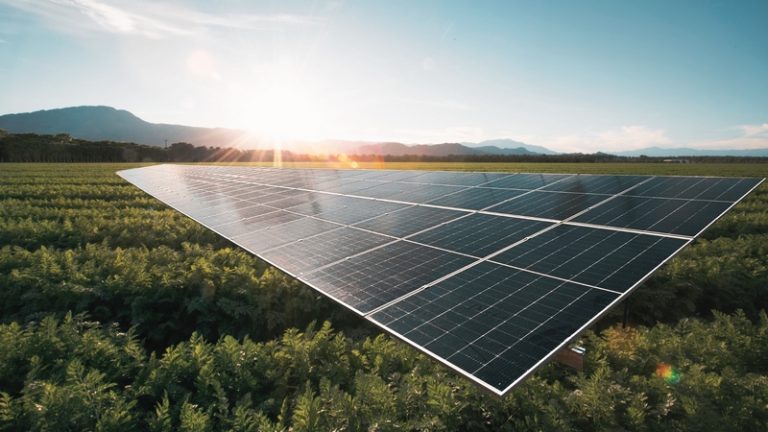
As South African farmers grapple with escalating electricity costs and the need for dependable energy, GreenSun Renewable Energy is delivering practical, cost-effective solar and battery solutions. With over a decade of expertise and a proven track record of successful installations, GreenSun is helping farmers and commercial clients achieve immediate savings, long-term value, and energy independence. By offering flexible financing and cutting-edge technology tailored to the agri-market, GreenSun is making solar not just accessible, but essential for farms of all sizes.
Flexible Financing: Savings From Day One
In an industry where cash flow is critical, GreenSun offers two financing options that ensure farmers see returns without upfront strain: the Power Purchase Agreement (PPA) and the 10-year rent-to-own bank finance.
PPA: Farmers pay only for the electricity generated by their solar and battery system, often at rates equal to or below current electricity rates. There’s no initial investment—just immediate savings that lighten the load on tight budgets.
Rent-to-Own: Spread the system cost over 10 years, with monthly payments covered by energy savings. After a decade, the system belongs to the farmer, fully paid for by the sun’s power.
Consider a recent GreenSun project: a commercial client installed a 2,022.9 kW- DC solar system with a 4,112 kWh battery. In its first year, we are projection an annual electricity bill dropped from R30.4 million to R20.7 million, saving R9.6 million. Under the PPA, they paid nothing upfront; with rent-to-own, their R9.1 million annual financing cost was outpaced by savings, keeping them cash-positive from the start. “Our goal is to make solar work for farmers’ bottom lines,” says Andeon Louw, GreenSun’s Chief Commercial Officer. “These results show it’s not just possible—it’s happening now.”
Smart Batteries: More Than Just Backup
For many farmers, batteries seem like a luxury—until they realize the savings they unlock. GreenSun’s systems go beyond outage protection, using AI-driven technology to optimize energy use based on Time of Use tariffs, weather patterns, each farm’s unique energy profile, and kVA demand charges. This means storing free solar power during the day and deploying it when electricity rates peak, a strategy known as energy arbitrage.
In the same project, the battery is delevering R627,785 in demand savings in one year by shifting 1,051,446 kWh to high-rate periods. And reliability? GreenSun’s millisecond switchover ensures seamless power transitions—vital for irrigation, refrigeration, or livestock systems. “During the 2023 loadshedding crisis, this client lost R17 million in scraped goods,” Andeon notes. “Even without loadshedding today, that kind of security—and savings—is invaluable.”
Quality That Pays Off
Solar can be a game-changer, but only if it’s done right. Substandard installations can lead to frequent breakdowns, costly repairs, and lost productivity—risks farmers can’t afford. GreenSun eliminates that worry with over 14 years of experience, 3,120+ installations, and 50 MW of solar deployed across projects like Mulderbosch Wine Farm and Kruger National Park. Their systems use top-tier components with bankable warranties
“Farmers need energy they can rely on, not systems that fail mid-season,” Andeon explains. “We’ve seen poorly installed setups cost thousands in downtime. Our approach guarantees performance, so farmers can focus on what they do best—farming.” With GreenSun, it’s not just about going solar; it’s about going solar with confidence.
Technology That Works for You
GreenSun understands that farmers aren’t energy experts—and they shouldn’t have to be. Their systems are designed for simplicity, with AI functionality that self-adjusts battery levels to match farm demands, weather shifts, and tariff schedules. No manual tinkering, no guesswork—just steady, efficient power. This contrasts sharply with budget setups that leave farmers scrambling to fix glitches or replace failed parts.
“Our technology takes the complexity out of solar,” says Louw. “It’s like having a silent partner managing your energy, so you can keep your eyes on the fields.” From small holdings to large operations, GreenSun tailors solutions that deliver without the hassle.
A Financial and Environmental Win
With Eskom rates rising 12.7% this year, GreenSun’s solar delivers electricity at from R1.30/kWh on a PPA option for panels only or R2.85/kWh when batteries are included. This is always subject to site specific energy challenges.
Adding battery-driven arbitrage, and the savings stack up fast. Plus, the 12B tax incentive—offering a 125% deduction on renewable investments—slashes costs further. In the featured project, a R56.5 million system dropped to a net R39.1 million after deductions, but this perk expires in March 2025.
Beyond the numbers, solar cuts carbon emissions, aligning profitability with sustainability. “It’s about securing your farm’s future—economically and environmentally,” Louw adds.
Act Now: Your Farm, Your Power
GreenSun’s proven approach—flexible financing, smart technology, and unmatched reliability—offers farmers a clear path to lower costs and greater control. With tax incentives on the clock and electricity prices climbing, there’s no better time to make the switch.
Visit www.GreenSun.co.za, call Andeon Louw at +27 84 470 4444, or email[email protected] for a free consultation. “We’re here to power your farm with solutions that last,” Louw says.
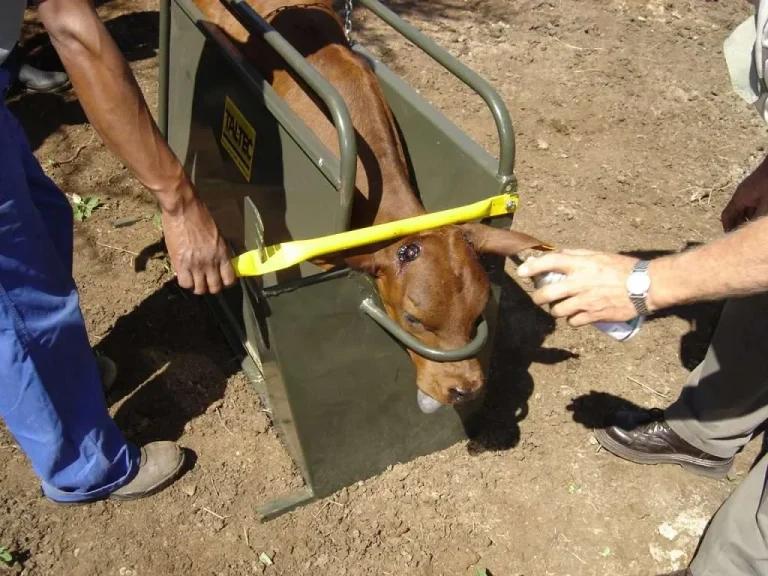
Branding livestock has been an essential practice in South Africa and the world for over 6,000 years. Serving as a means of identifying and tracking livestock. In South Africa, where livestock theft is a persistent challenge, branding remains a key tool in protecting farmers from significant financial losses. With the rise in stock theft, the debate around animal identification methods continues, balancing security, traceability, and animal welfare concerns.
The importance of branding in livestock security
Livestock theft in South Africa is a growing concern, costing farmers an estimated R1.4 billion each year. This criminal activity threatens the livelihoods of farmers, particularly in provinces like the Eastern Cape, KwaZulu-Natal, and the North West. In response, the South African government implemented the Animal Identification Act in 2002, requiring livestock owners to register identification marks for their animals. This process includes branding, freeze branding, tattooing, and tagging.
The National Stock Theft Prevention Forum acknowledges that investigating stock theft cases is difficult due to a lack of evidence and limited SAPS capacity. Chairman Louis Wessels stresses that farmers who do not brand or tattoo their animals exacerbate the problem. Provinces like KwaZulu-Natal and Free State are implementing additional measures such as district-specific branding marks and private security partnerships to combat the rising cases of livestock theft.
Understanding branding: hot iron vs. freeze branding
Branding has evolved significantly over the years. Traditionally, farmers would heat their branding irons in open fires before marking their cattle, which can lead to uneven brands. Today, controlled ovens provide a consistent temperature, ensuring a clear, even marks that minimise damage to the hide.
Hot iron branding, the most commonly used method in South Africa, is a quick process taking only four to five seconds. It is highly effective, providing a permanent mark that makes stolen livestock easy to identify. Despite concerns over animal welfare, studies indicate that cattle do not exhibit prolonged distress from branding. The most traumatic aspect for the animal is being restrained rather than the branding itself. Cattle have thick hides, unlike humans or pigs, and once branded, they typically move on without discomfort.
Freeze branding, on the other hand, uses extreme cold to kill the pigment-producing cells in the hair follicles, resulting in a white mark once the hair regrows. This method is particularly popular among stud and dairy farmers, as it is aesthetically pleasing against darker hides. While considered more humane, freeze branding requires shaving the animal’s skin before application and is generally more expensive and more time-consuming than hot branding, especially when using liquid nitrogen instead of dry ice.
Alternative animal identification methods
Alternative identification methods such as radio-frequency ear tags (RFID) are gaining traction globally. These tags store critical data about the animal, including lineage, health records, and farm of origin. In the US, the Department of Agriculture is working towards making RFID the standard identification method. Similarly, South Africa’s LITS-SA (Livestock Identification and Traceability System) was introduced in 2017 to enhance traceability and compliance with international trade standards. However, adoption by commercial farmers has been slow due to cost concerns and limited trust in government implementation.
A practical and ethical approach to livestock identification
While branding remains a topic of debate, its role in livestock security cannot be ignored. In South Africa, where cattle rustlers can drive herds 10-20 km overnight, a lack of identification makes stolen livestock almost impossible to recover. Farmers rely on branding, databases, and community watch initiatives to mitigate these risks. Additionally, law enforcement, though under-resourced, has a forensic unit dedicated to identifying and returning stolen livestock.
Tagging, particularly RFID, offers significant benefits in traceability. These tags not only help manage livestock but also ensure food safety and quality control, especially for premium markets requiring organic certification. Ear tags provide detailed animal histories, from birth to slaughter, reinforcing the integrity of the supply chain.
Given the magnitude of livestock theft in South Africa, animal identification is essential. While technological advancements provide new solutions, branding – both hot and freeze – remains a practical, effective, and widely used method. As debates continue, it is crucial to find a balance between security, traceability, and animal welfare. Branding, when done correctly and responsibly, plays an indispensable role in ensuring the protection of farmers and their livelihoods.
Western Cape Minister of Agriculture, Economic Development and Tourism, Dr Ivan Meyer, welcomes the lifting of the ban on vegetable exports to Botswana.
Minister Meyer said, “This move will encourage increased trade among Southern African Customs Union (SACU) members, who view the African Continental Free Trade Area (AfCFTA) as a critical tool for developing regional value chains and enhancing exports.”
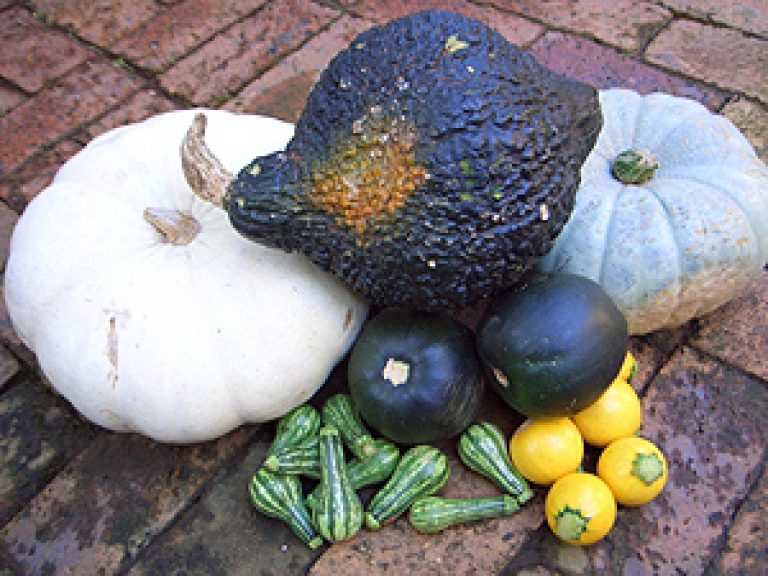
Botswana’s gradual lifting of vegetable imports will occur in two phases. Phase 1, which began in December 2024, includes vegetables such as turmeric, patty pan, pumpkin, sweet potatoes, green peas, sweet corn, broccoli, cauliflower, gem squash, baby marrow, green bean, sweet melon, mushroom, calabash, cantaloup, and eggplant.
Next Phase of Import Easing Set for April 2025
Phase 2 is expected to start on 1 April 2025. This will see an easing of restrictions on beetroot, butternut, cabbage, carrot, garlic, ginger, green melons, herbs, lettuce, onions, potatoes, sweet pepper, tomato, and watermelons.
Minister Meyer continued, “The Western Cape accounted for 37% (R 3.3 million) of South Africa’s vegetable exports to Botswana in Quarter 4 of 2024. Regarding the contribution to Phase 1 nationally, the provincial share has steadily increased during the period under review, reaching 63% in Quarter 3 of 2024 and dropping to 55% in Quarter 4 of 2024. It is expected that with the lifting of import restriction for vegetables listed in Phase 2, there will be an improvement in South African exports to Botswana, including those from the Western Cape.”
“Our commitment is to encourage fair trade between our SADC partners, and lifting these restrictions is a move in the right direction. Our trade relations with our regional partners are mutually beneficial,” he stated. Minister Meyer concluded that an improvement in exports to Botswana takes the province closer to the Western Cape’s Government’s Growth For Jobs plan, which aims to triple the value of Western Cape exports of goods and services (including tourism) to R450bn by 2035.
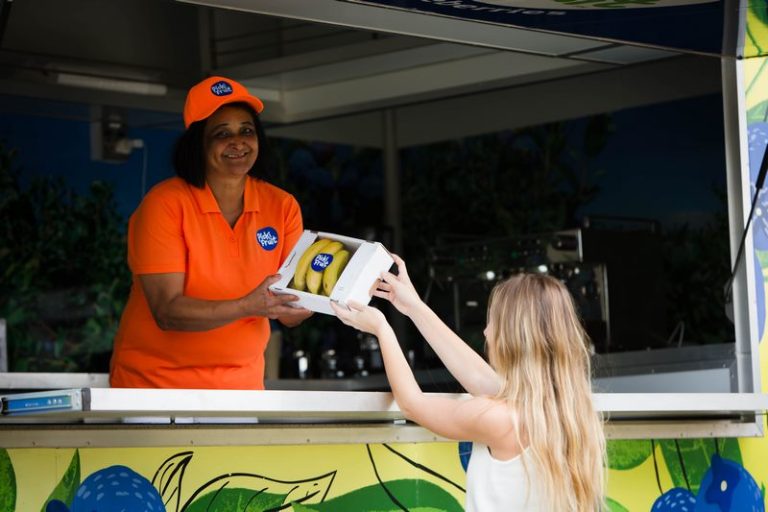
Picki Fruit is a fresh and innovative addition to the local scene in Wellington, Cape Winelands. After two years of careful planning and development, it has introduced a unique concept—a fruit truck offering premium, seasonal produce at affordable prices. The idea behind Picki Fruit was to create a customer-focused brand that supports local farmers while delivering high-quality fruit directly to consumers.
Initially, Picki Fruit focused on providing farm-fresh blueberries at competitive prices during the local blueberry season. However, rather than fading away once the season ended, the brand expanded to include a variety of fruits such as bananas, watermelons, and figs. This expansion led to the launch of the Picki Fruit truck, which operates six days a week, offering a fresh and healthy alternative to traditional food trucks.
Commitment to Quality and Local Farmers
Picki Fruit prides itself on offering only the best seasonal produce sourced from trusted local farmers. The fruit truck’s selection changes with the seasons, ensuring that customers always have access to fresh, high-quality options. Among the fruit varieties available are blueberries, sweet melons, figs, and bananas. Every product meets the rigorous health and safety standards set by the British Retail Consortium (BRC), ensuring premium quality and safety for consumers.
A key principle of Picki Fruit is maintaining strong relationships with farmers. Knowing exactly where the fruit comes from and who is behind its production allows the company to ensure the highest quality. The hashtags #PickiFruit and #PickiPerfect symbolise the brand’s commitment to excellence, reflecting the dedication and care put into selecting the best produce.
Being “picki” is at the heart of the brand’s philosophy. Every piece of fruit is carefully chosen to meet high standards, making healthy eating both easy and affordable. The “field to fork” approach ensures that customers receive the freshest, most flavourful fruit directly from trusted producers. As farmers first and marketers second, Picki Fruit remains committed to sustainability, working to preserve the land for future generations despite challenges such as unpredictable climates and rising costs.
Future Plans and Expansion
Picki Fruit is continuously evolving, with several exciting plans on the horizon. One upcoming development is an online ordering platform that will allow customers to place orders for click-and-collect services, making it even easier to access fresh produce. Customers will be able to pay online and pick up their orders directly from the fruit truck.
Additionally, efforts are being made to improve packaging and introduce fruit sold by weight to accommodate both families and individuals. Plans are also in place to open a farm shop, allowing the trailer to expand its reach and serve more areas. Another exciting initiative involves the creation of value-added products, such as fruit roll swirls, sour gummies, smoothies, and juices made from Picki Fruit’s blueberries and bananas.
Picki Fruit invites customers to join them on their journey as they continue to grow and expand. By visiting the fruit truck, customers can enjoy fresh, seasonal delights while supporting local farmers. Followers can stay updated on the latest offerings and developments by engaging with Picki Fruit on social media using the hashtags #PickiFruit and #PickiPerfect. The goal remains the same: to bring the best of the Cape Winelands to customers—one delicious fruit at a time.
In February, South Africa Wine launched a vital excise tax campaign to address the proposed tax hikes that threatened the sustainability of the industry. The National Treasury’s proposed shift to alcohol-content-based taxation would have led to an unsustainable 72% weighted average increase in excise rates, placing undue pressure on producers, job security, and the broader economy.
The industry contributes R56 billion to the country’s GDP, supports 270,364 jobs, and plays a vital role in tourism and rural development. The proposed excise tax changes would have had severe consequences: increased costs for wine producers, making it harder to compete globally, disproportionate tax burdens on South African wines, threats to business sustainability, and negative economic ripple effects, particularly for small-scale farmers, cellars, and rural communities.
Industry Response and Next Steps
South Africa Wine submitted a comprehensive response to the National Treasury, outlining the severe repercussions of these tax proposals.
However, the organization recognized that industry-wide participation would strengthen its case. Members were called upon to submit responses before the 14 February 2025 deadline, urging them to highlight the impact of these changes on their businesses, employees, and communities. Many took action, ensuring that government officials heard firsthand the challenges these policies would create.
South Africa Wine stated, “We sincerely thank every member who submitted their concerns to the National Treasury.” The organization emphasized that these voices played a crucial role in amplifying the message that excessive tax increases are unsustainable and unfairly disadvantage the industry.
There was disappointment that the Budget Speech, originally scheduled for 19 February, did not take place, as the country urgently needs policy certainty to attract investors. With the budget announcement now rescheduled for 12 March, there is hope that sustainable solutions will be discussed within the Government of National Unity (GNU).
This campaign, however, is just the beginning. In the coming months, South Africa Wine will continue engaging with relevant government structures, ensuring that the wine industry’s voice is heard. The organization remains committed to advocating for a fair and balanced excise policy that supports industry growth while allowing the government to meet its revenue objectives.
South Africa Wine will provide updates on ongoing discussions, future engagements, and further steps needed to protect the industry’s future. Continued support and collective action remain vital in securing a sustainable and competitive environment for South African wine.
Welgemeen Boerdery, situated in the Witzenberg Valley, has earned top honors for overall excellence at the Ceres Fruit Growers (CFG) annual awards. The farm’s superior fruit quality and favorable climatic conditions contributed to this prestigious recognition. The awards, held at the end of last year, further solidified Welgemeen Boerdery’s reputation as a leader in the South African fruit industry.
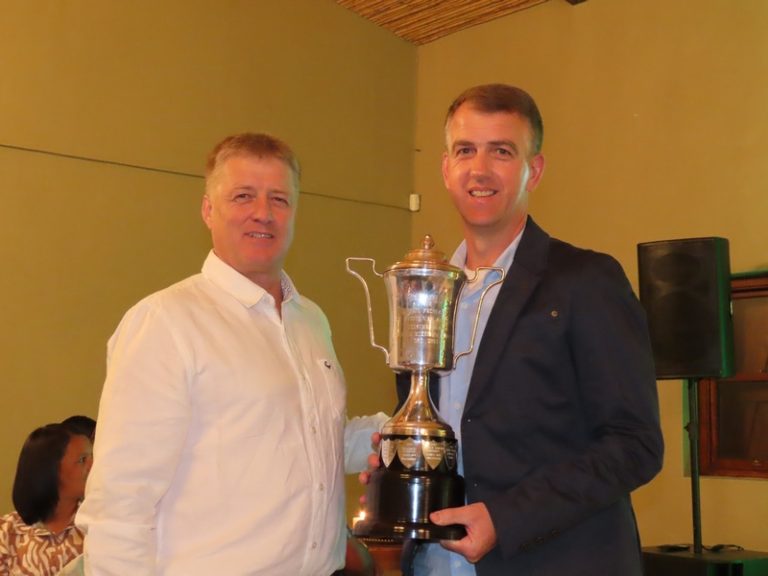
In addition to the top accolade, Welgemeen Boerdery received multiple floating trophies, including the Buks Nel trophy for outstanding performance in BigBucks Gala. This was the first time the award was presented, making it a milestone achievement. The farm was also recognized for its exceptional performance in Golden Delicious apples, Abate Fetel pears, and Mahana Red apples.
Exceptional Climate and Meticulous Practices Lead to Success
Hannes Hanekom, who runs Welgemeen Boerdery alongside his brother Sakkie Hanekom and their father Izak, credited the farm’s success to an optimal growing season. A cold winter provided sufficient chill units, and the absence of extreme weather conditions ensured flawless fruit. The family farms approximately 200 hectares, focusing primarily on apple production, while also cultivating onions and onion bulbs to ensure financial stability.
The Witzenberg Valley’s altitude and cooler climate contribute significantly to the farm’s success, particularly in apple production. While the region is known for apples, certain pear varieties like Abate Fetel also thrive due to their specific chill requirements.
BigBucks Gala: A Testament to Innovation
Winning the inaugural Buks Nel floating trophy was a highlight for the farm, as it underscored their expertise in cultivating BigBucks Gala apples, an improved Gala mutation. The Hanekoms, early adopters of this variety, attribute their success to a meticulous harvesting approach. By selectively picking fruit at peak ripeness over multiple passes through the orchard, they ensure optimal quality. The application of growth regulators to delay maturation further enhanced their results, leading to excellent pack-out rates and minimal rejections.
A Longstanding Commitment to Abate Fetel Pears
Welgemeen Boerdery’s expertise in growing Abate Fetel pears dates back to the mid-1990s when Izak Hanekom introduced the variety to South Africa. Despite early challenges, the family refined their methods, ultimately achieving remarkable success. Today, pruning, precise flower thinning, and the strategic use of growth regulators have become key practices in maintaining high yields and superior quality.
Embracing Technology and Future Planning
Welgemeen Boerdery benefits from its affiliation with CFG and Tru-Cape, leveraging industry expertise in packing, marketing, and logistics. Hannes and Sakkie continuously experiment with new varieties and rootstocks, utilizing a trial block on their farm to assess potential innovations. One promising variety, Inored-Story, has already demonstrated high yields and resilience.
Technology plays an increasingly vital role in their operations, from computerised irrigation and real-time logging to precision farming techniques. These advancements enable more accurate decision-making and efficient resource management.
Navigating Challenges and Planning for the Future
As a third-generation family farm, the Hanekoms prioritize proactive planning to ensure a smooth transition for future generations. Rising production costs remain a significant challenge, requiring careful financial planning and strategic decision-making.
Reflecting on their journey, Hannes recalls the wisdom of his grandmother: “Kom tyd, kom raad” (With time comes wisdom). This philosophy guides them through the unpredictable nature of the fruit industry, reminding them that patience and careful consideration are essential for long-term success.
With a commitment to innovation, meticulous farming practices, and a deep respect for nature, Welgemeen Boerdery continues to set the standard for excellence in the fruit-growing industry.
Legacy met innovation as Agri-Expo, South Africa’s oldest agricultural society, unveiled exciting new ventures at a launch event at Soetmelksvlei, Simondium, on Thursday 25 February. The event was attended by agricultural stakeholders from South Africa and the UK.
Renowned for championing diverse initiatives that bolster South Africa’s agricultural economy, Agri-Expo’s latest projects continue this legacy. Announced at the event were the launch of the South African Preserve Championships in May, offering a national platform for agri-processing excellence and a new role as the official entry agent for South African cheesemakers at the prestigious World Cheese Awards. Additionally, in October 2026, Agri-Expo will host the 31st Commonwealth Agriculture Conference in Cape Town.
“We are excited about the future of Agri-Expo and South African agriculture,” said Breyton Milford, General Manager of Agri-Expo. “Since restructuring two years ago, our revised strategy, focused on economic and rural development, agri-processing, youth and entrepreneurship, as well as recognising excellence, has yielded positive results, reinforcing our sustainability and impact.”
“As an umbrella non-profit organisation, Agri-Expo supports 20 agricultural shows in the Western and Northern Cape, increasing financial backing by 80%,” Milford added. “We have achieved significant financial growth over the past two years, enabling us to introduce new projects.”
Agri-Expo’s core focus areas – wine, dairy, youth development, and agricultural shows – underscore its commitment to agri-processing. The organisation played a key role in establishing South Africa’s first wine show, the South African Young Wine Show, and the country’s largest wine competition, the Veritas Awards. And what pairs best with wine? Cheese and preserves!
The South African Preserve Championships – Preserve the Moment, Taste the Tradition
Agri-Expo’s latest initiative, the South African Preserve Championships, highlights excellence in agri-processing, shining a spotlight on fruit and vegetable preserve products.
Photo credit: Natalie Gabriels Photography
“The goal of the SA Preserve Championships is to recognise and reward quality while showcasing outstanding preserve products,” said Chief Judge Susina Jooste. “A panel of expert judges will assess the entries through a blind-tasting process, following strict protocols and an independent audit.”
“The concept mirrors the world-renowned South African Dairy Championships, Africa’s oldest and largest dairy competition, hosted by Agri-Expo since 1834,” Milford explained. “This year, over three days, a record 1 110 dairy products from 77 manufacturers were evaluated by 103 judges from 45 companies, competing for the titles of SA Champion, Product of the Year, and the esteemed Qualité Mark of Excellence.”
Entries for the SA Preserve Championships open on 5 May 2025 and close on 25 June 2025. Judging will take place on 23 July, with winners announced in August. Any product available in the market is eligible for entry. For more information, visit https://preservechamps.co.za.
Supporting South African Cheese on the World Stage
Photo credit: Natalie Gabriels Photography
Starting this year, Agri-Expo will serve as an official entry agent for South African cheesemakers at the World Cheese Awards, the world’s largest cheese competition. Established in 1988, the competition brings together cheesemakers, retailers, buyers, and food commentators from around the globe under the auspices of the Guild of Fine Food.
At the 2024 World Cheese Awards in Portugal, 4 786 cheeses were judged by a panel of 240 experts, resulting in 104 Super Gold winners. According to Milford, such recognition can significantly enhance a cheese brand’s market value, benefiting both large and small South African producers.
Cape Town to Host the 31st Commonwealth Agriculture Conference
In 2026, Cape Town will host the Commonwealth’s 31st Agriculture Conference from 28 October to 5 November. The Royal Agricultural Society of the Commonwealth (RASC) has awarded the bid to Agri-Expo, marking the second time South Africa has hosted the event, the first being in 2001 in KwaZulu-Natal.
Photo credit: Natalie Gabriels Photography
The RASC, a network of over 50 agricultural societies, research institutions, and associations across the Commonwealth, is presided over by HRH The Princess Royal.
“As the sole voice of agriculture in the Commonwealth, the RASC plays a crucial role in the promotion of agriculture,” says Milford, who serves as a Trustee on the RASC Board. Milford led the 2017 RASC Next Generation Assistance and Understanding Mission to the Western Cape, hailed as one of the best in its history.
Dr Ivan Meyer, Western Cape Minister of Agriculture, Economic Development, and Tourism, praised Agri-Expo’s achievement in securing the bid. “Agri-Expo is synonymous with agricultural excellence,” Meyer said, referencing the society’s historic role in the establishment of the Western Cape Department of Agriculture and its successful public-private partnerships.
“We are excited to host this conference, particularly given the current global landscape,” Meyer continued. “The Western Cape is committed to economic growth, and attracting international conferences aligns with our vision.”
Julian Taylor, RASC Trustee from the UK, was impressed by the Western Cape’s agricultural diversity. “Hosting this global event in Cape Town presents an incredible opportunity to showcase South African agriculture to the world,” he said. “We look forward to welcoming between 200 and 300 delegates from more than 20 Commonwealth countries.”