15.2 C
Cape Town
Saturday, June 27, 2026
Home Blog Page 61

Vinpro Nedbank Producer Day 2025: Shaping Sustainable Vineyards Amid Climate Challenges

0

The Vinpro Nedbank Producer Day 2025, held on 23 January at Goudini Spa in Rawsonville, brought together South African wine producers, industry experts, and thought leaders to address one of the most pressing challenges of our time: climate change. Under the theme “Navigating Climate Chaos: Shaping the Vineyards of the Future”, this event served as a crucial platform for exchanging ideas and practical strategies to ensure the sustainability of vineyards in a rapidly changing climate.

Opening the day, Anton Smuts, chairperson of Vinpro, emphasized the importance of rethinking traditional practices to adapt to the dynamic challenges faced by wine producers. “We need to shift from a survival mindset to one of sustainable growth and innovative thinking,” he said. Smuts highlighted the resilience and adaptability of the South African wine industry, calling on attendees to embrace change as an opportunity rather than a threat.

A Global Perspective from António Graça

One of the standout speakers of the day, António Graça, Head of Research and Development at Sogrape Vinhos SA, brought a global perspective to the discussion. Representing one of the world’s leading family-owned wine producers based in Portugal, Graça highlighted the critical intersection of climate change and biodiversity loss, which he termed a “synergy crisis.” He explained how climate change fuels biodiversity loss, while the loss of biodiversity, in turn, reduces the capacity to adapt to climate change. Graça emphasized the urgent need for the wine industry to lead agricultural sectors in addressing these challenges, given its unique role as an “essential element of social cohesion.” His insights reinforced the importance of combining innovative research, sustainability practices, and a long-term vision to ensure the industry’s resilience and adaptability.

Panel of Experts: Practical Solutions for Producers

The event also featured a panel of esteemed speakers who shared valuable expertise on navigating the challenges of climate and market resilience. These included Conrad Schutte, CEO of Vinpro; Heinie Nel, Viticulturist at DGB; André Brink, owner of Groot Phesantekraal Wines and Restaurant; and Johan Jordaan, Chief Winemaker at Spier Wine Farm. Together, they provided a wealth of practical insights tailored to empower farmers and producers in adapting to a changing industry landscape.

André Brink emphasized the importance of focusing on fewer, scalable products, leveraging technology to boost efficiency, and actively involving the next generation in farm operations to build long-term resilience. Heinie Nel encouraged producers to understand their farms’ unique characteristics, conduct thorough preplanting analyses, and divide vineyards into smaller irrigation blocks to optimize water use. Meanwhile, Johan Jordaan highlighted the importance of collaboration, transparency, and tracking environmental metrics such as water, electricity, and carbon emissions, which not only guide sustainability efforts but also connect consumers with the ethical story of their wine.

The Vinpro-Nedbank Partnership

Vinpro, representing nearly 2,600 South African wine producers and stakeholders, plays a pivotal role in advocating for the profitability and sustainability of its members. Collaborating with Nedbank, the event underscored the bank’s commitment to supporting agriculture and family businesses, many of which face significant risks from climate change. Daneel Rossouw, Nedbank’s Head of Sales for Agriculture, highlighted the stark reality that 80% of South Africa’s family businesses do not reach the fourth generation, with climate change and biodiversity loss being major contributing factors.

Resilience and Innovation in the Wine Industry

The Vinpro Nedbank Producer Day underscored the industry’s resilience and commitment to tackling climate challenges head-on. From practical farming strategies to forward-thinking approaches, the event empowered producers with tools to ensure the longevity of their vineyards and the wine industry as a whole.

As the event concluded, it became clear that collaboration, innovation, and adaptability will be key to shaping the vineyards of the future. The South African wine industry is not just navigating climate chaos—it is setting a course for sustainable growth, ensuring its legacy for generations to come.

Minister Meyer Welcomes First-Year Students to Elsenburg Agricultural Training Institute

0

On Friday, 24 January 2025, the Western Cape Minister of Agriculture, Economic Development and Tourism welcomed first-year students to the Elsenburg Agricultural Training Institute (EATI) in Stellenbosch.

Addressing the students, Minister Meyer urged them to seize every opportunity EATI offers, as it is their first step in their journey towards helping to grow the province’s critical agricultural sector.

Developing Skills 

Minister Meyer said, “Human capital development is at the core of the Western Cape Government’s economic growth ambitions. Being a student at EATI allows you to acquire the knowledge and skills you need to become a professional in one of the most exciting sectors of our economy”.

“A skilled labour force is one of the key pillars of our Growth for Jobs Strategy.  Elsenburg has been creating opportunities in agriculture for the youth for more than 125 years. It will continue to do so for many more years to come and enable the sector to contribute to the bold target set for 2035, where our regional economy is growing at 5% annually,” added the Minister.

New Principal Encourages Students to Thrive and Build Legacy

Recently appointed principal, Granville Stander, urged students to strengthen the legacy and profile of EATI. In his inaugural address, Mr Stander emphasised that 2025 is their year to thrive and encouraged them to take advantage of every opportunity to grow academically, personally, and socially. EATI received 6249 applications and was able to offer conditional placement to 568 students for the 2025 academic year.

EATI Introduces New Qualifications for 2025

Besides offering the Bachelor of Agriculture degree and a Diploma in Agriculture, EATI will also, for the first time, offer occupational qualifications: Livestock Supervisor and Orchard and Vineyard Foremen, as well as the Certificate in Horsemanship, in line with the requirements of the Quality Council for Trades and Occupations (QCTO).

“The Western Cape Government’s economic growth strategy aims to enable people to access opportunities through developing skills and productivity, nurturing local expertise and entrepreneurship, enabling micro-and small-sized enterprises to participate in industry value chains, and supporting self-employment.  This is the path we are all on, and your journey starts here at EATI,” concluded the Minister.

Discover Spier’s Soil Room: Farming with a Regenerative Twist

At Spier, everything starts with the soil. Regeneration is the golden thread that runs through all farm life, from vineyard practices to indigenous propagation and re-planting programmes. Everywhere on the farm, the passion for life from the ground up is almost tangible. Now the new Soil Room adjoining Spier’s Cowshed Shop is a dedicated space where visitors can experience the farm’s regenerative mastery, firsthand.

The Soil Room shows Spier’s mission to not only sustain the land, but actively keep improving it. Curated with artistry and attention to detail, it’s a living showcase of Spier’s unending work in propagating indigenous species, restoring biodiversity, and keeping healthy ecosystems in balance.

Meet the Visionaries Behind Spier’s Regenerative Practices   

The Soil Room makes tangible the life’s work of Spier’s dedicated team: people who have made it their mission to transform the farm, one living thing at a time. All who live and work at Spier have inculcated this philosophy into their daily lives and tasks. Many exceptional individuals have driven this ethos with passion and decades of commitment, meet three of them:

Wilton Sikhosana, Nursery Manager, has overseen the propagation of indigenous species, for over two decades. “What we are doing is restorative work,” he explains. “Planting back all the indigenous and endemic plants that were removed from the farm. We’re trying to bring it back to how it was originally.”

Orlando Filander, Spier’s veteran Farm Manager, brings a custodial perspective. “This land doesn’t belong to us; we’re just the custodians of this farm, and everyone working on this farm aims to leave it in a better state.”

Angus McIntosh, Regenerative Farmer a.k.a. Farmer Angus, highlights the role of soil health: “The more carbon we have in our soils, the more water and nutrients it can hold. We are trying to produce foods that are nutrient-dense and at the same time are building an ecosystem on the farm.”

These individuals represent the pinnacle of Spier’s commitment to restoring balance, not only to the land, but to the people on the farm who interact with it.

The Soil Room: A Reflection of Regeneration

The Soil Room is more than a gift shop. It’s a space where visitors can see, feel and engage with the legacy of Spier’s regenerative work:

Plant Life & Living Décor: Indigenous plants, locally grown yellowwood trees and handmade wreaths bring soul-nourishing botanicals into your home.

Sustainable Craft: Botanical inks extracted from South African plants show how creativity and sustainability work in synergy, in a visually arresting collection of vivid natural hues.

Eco-Art: Chris van Niekerk’s Ecoskeletons, intricate sculptures made from foraged botanical materials, highlight the vital role insects play in sustaining life.

“Our work in The Soil Room is what I call restorative creativity,” says Annebelle Schreuders, Managing Director of Spier Hospitality. “Every plant, every piece of art, and every conversation here ties back to the idea of injecting life back into the land.”

Living Facts

Over 17 697 trees, shrubs, and groundcover plants were planted last year to restore fynbos, wetlands, and landscapes across the farm.

Since 2012, Spier’s nursery has cultivated and replanted over 102,957 trees, shrubs, and fynbos, as well as propagating more than 1 million bulbs.

Spier is one of 50 WWF-SA Conservation Champions.

Growing for Good

The Soil Room also makes tangible Spier’s broader Growing for Good initiatives, which help to restore ecosystems, improve soil health, and support local communities through projects that educate and inspire understanding and love of the land.

Visit The Soil Room in the Cowshed shop to experience the pulse of Spier’s regenerative journey.


Key Economic Themes for Agriculture in South Africa in 2025

0

As South Africa steps into 2025, the nation faces a mix of opportunities and challenges across its economic landscape. The latest “South Africa Economic Outlook” report by PwC sheds light on the critical macroeconomic themes that will shape the year ahead. With a focus on inflation, interest rates, economic growth, and employment, the report serves as a guide for policymakers and businesses. For the agricultural sector, the report identifies key issues that demand attention to foster resilience and growth.

Inflation and Agriculture

Food inflation, projected at 4.1% for 2025, poses a significant challenge for agriculture. Rising input costs, including a 50% surge in domestic white maize prices, are driven by a weakened rand, reduced crop yields, and diminishing La Niña effects. While farmgate prices for crops have risen sharply, retail prices lag, reflecting delayed adjustments. Farmers must balance increasing costs with maintaining competitive market pricing, requiring strategic interventions to ensure profitability.

Climate Change Risks

Climate change continues to threaten South Africa’s agricultural sector. The El Niño phenomenon severely impacted 2023-2024 crop production, contributing to a contraction in agricultural output. Droughts, floods, and soil erosion compound these issues, while water scarcity and rising water costs further strain farmers. Sustainable farming practices and climate resilience investments are critical to mitigate these risks and ensure long-term stability in agricultural production.

Economic Growth and Employment

Agriculture remains vital to South Africa’s economy, particularly in rural areas. However, the sector’s GDP contracted by 5%-6% in 2024, reflecting its vulnerability to environmental and logistical challenges. With unemployment projected to rise to 33.2% in 2025, agriculture holds potential for job creation, provided systemic inefficiencies, such as poor port and rail infrastructure, are addressed. Export growth offers a pathway to revitalizing the sector and boosting rural employment.

Rising Costs and Risk Management

The escalating cost of farming, particularly insurance premiums, adds to the sector’s challenges. Extreme weather events, including droughts and wildfires, have increased the frequency of claims, driving up insurance costs. Farmers must adopt innovative risk management strategies and explore tailored insurance solutions to safeguard their livelihoods.

Collaboration for Growth

The report highlights the need for stronger public-private partnerships to overcome systemic issues in the agricultural sector. Reforms in energy, logistics, and water management, coupled with the adoption of advanced farming technologies, can enhance productivity and sustainability. Collaborative efforts are essential to unlocking the sector’s potential and driving economic growth.

The “South Africa Economic Outlook” for 2025 underscores agriculture’s critical role in the nation’s economy while highlighting its exposure to significant risks. By addressing inflationary pressures, climate change, and infrastructure inefficiencies, and fostering collaboration, South Africa can empower its agricultural sector to thrive. Resilience and innovation will be the keys to unlocking a prosperous future for farmers and the broader economy.


Improved Productivity at Cape Town Container Terminal Boosts Table Grape Exports

0

The 2024/2025 export season has seen a significant improvement in productivity at the Cape Town Container Terminal (CTCT), with key players in the agriculture and logistics sectors reporting smoother operations. This positive development has been confirmed by grape growers, exporters, and logistics service providers, particularly in the wake of a decrease in wind-related disruptions and increased operational hours. The early signs of improvement are being met with cautious optimism, as the industry prepares for a peak in export volumes.

Role of Reduced Windbound Hours in Improved Efficiency

Wind-related disruptions have long been a challenge for South African ports, particularly the Cape Town Container Terminal, where strong winds often cause delays, resulting in “windbound” hours. However, reports for the early part of the 2024/2025 season show a marked reduction in these delays.

According to Antoinette van Heerden, the logistical affairs manager at the Fresh Produce Exporters’ Forum, the reduction in windbound hours has been a crucial factor in the terminal’s improved performance. “During the first two weeks of January, the port experienced only 46 windbound hours, compared to 130 hours during the same period in 2024,” she noted. This reduction has allowed for smoother operations and more efficient handling of cargo, ultimately boosting export volumes.

Increased Operational Hours Contribute to Higher Productivity

In addition to fewer windbound hours, the CTCT benefited from an additional 72 operational hours over the Christmas and New Year period. This extra time helped accelerate the processing of exports, contributing to a notable rise in productivity. The gross crane moves per hour (GCH), a key indicator of terminal performance, showed substantial improvement. Week 2 of the 2024/2025 season saw an average of 15 GCH, up from 12 in the same week of 2023.

Van Heerden pointed out that the terminal is now operating at near-full capacity, with eight out of nine ship-to-shore cranes and 23 out of 24 rubber-tyre gantry cranes in operation. A non-operational STS crane is awaiting parts, which are expected to arrive soon. Furthermore, the terminal is preparing for the arrival of new equipment, including nine additional RTGs scheduled to arrive in February and be operational by mid-2025.

Record Export Volumes and Industry Outlook

As a result of the improved port performance, South Africa’s table grape export industry is seeing strong growth in early 2025. By the end of week 2, 24.5 million 4.5 kg cartons of table grapes had been exported, representing a 39% increase compared to the same period in 2024. A large proportion of these exports, approximately 81%, have gone to the European Union and the UK, while 10% have been sent to North America.

Despite the positive trends, industry representatives remain cautious as the export season enters its peak. Some regions have reported that certain varieties of grapes are ripening more quickly than expected, which could lead to bottlenecks in the coming weeks. The Northern Provinces, in particular, anticipate a shortfall in packing volumes, with some regions concluding packing earlier than anticipated. However, SATI, (South African Table Grape Industry) the industry body, reassures that the national crop estimate remains unchanged at 76.4 million cartons for export.

Impact of Predictive Logistics Models

One of the key factors contributing to the improved performance this season is the adoption of predictive logistics models. This is the first year the grape industry has implemented such models, which are designed to optimize logistics planning and minimize delays. Mark Soden, project lead at Transnova, a contractor for the logistics system, noted that the season’s progress has closely followed the model’s ideal scenario, with limited delays at the Cape Town terminal.

By tracking actual port utilization against predicted volumes, the model has allowed for better planning and faster turnaround times for exports. The result has been a significant reduction in the stock buildup, a clear indicator of improved port efficiency.

The 2024/2025 export season is shaping up to be a successful one for South African table grape growers and exporters, aided in no small part by the improved efficiency at the Cape Town Container Terminal. The combination of reduced windbound hours, increased operational hours, and the implementation of predictive logistics models has contributed to faster export turnaround times and higher productivity. While challenges may remain as the season progresses, the industry is optimistic that the improvements at the terminal will continue to support strong export growth and a successful harvest season.

Vital Role of Dairy Farming in Agriculture

Dairy farming is an integral part of agriculture, contributing significantly to food security, economic growth, and sustainable farming practices. It involves the production of milk and other dairy products, which are indispensable in daily diets worldwide. This sector holds great importance for its ability to support livelihoods, nourish populations, and promote environmentally conscious farming.

Nutritional Importance

Dairy farming plays a crucial role in providing nutrient-rich food products. Milk and its derivatives, such as cheese, yoghurt, and butter, are packed with essential nutrients including calcium, protein, and vitamins that are vital for human health. These products contribute to a balanced diet and are particularly important in combating malnutrition in children and vulnerable communities. The versatility of dairy products also makes them a staple in global cuisines and dietary practices.

Economic Contribution

The dairy sector is a major contributor to agricultural economies, supporting millions of farmers and rural households around the world. It generates substantial income for small-scale and commercial farmers alike, creating a steady flow of revenue even in regions where crop farming may be seasonal. The economic impact extends beyond farming to include industries such as feed production, processing, packaging, and distribution, making it a cornerstone of rural and national development.

Dairy farming is a consistent source of employment, offering year-round jobs across the value chain. From milking and herd management to transportation and sales, the industry sustains livelihoods in rural areas where other employment opportunities might be limited. Dairy cooperatives and associations further support small farmers by providing shared resources, technical assistance, and access to markets.

Environmental Sustainability

When managed well, dairy farming can contribute positively to environmental sustainability. Manure from dairy farms acts as a natural fertilizer, enriching soil fertility and reducing dependence on chemical inputs. Additionally, crop residues can be used as feed, creating a sustainable integration between livestock and crop farming. In pasture-based systems, grasslands maintained for grazing can act as carbon sinks, playing a role in climate change mitigation.

Cultural and Social Impact

Dairy farming is deeply embedded in cultural traditions and practices around the world. From communal dairy cooperatives to family-run farms, it fosters social cohesion and community development. The products it yields are not only economic assets, but also cultural symbols, celebrated in festivals, cuisines, and rituals.

Dairy farming is a vital pillar of agriculture, balancing economic growth, nutritional needs, and environmental stewardship, while fostering community well-being. Its significance extends far beyond the farm, touching lives globally.

Agri-Expo Leads the Way as the 2025 Agricultural Shows Kick Off in February

0

Agricultural shows in South Africa are more than just events; they are vital platforms for promoting sustainable farming, fostering rural community engagement, and driving local economic growth. As 2025 begins, a series of these shows are set to highlight the importance of agriculture while bringing together farmers, agribusinesses, and the public. The events scheduled from February to March mark the start of a packed calendar, with much more to follow throughout the year.

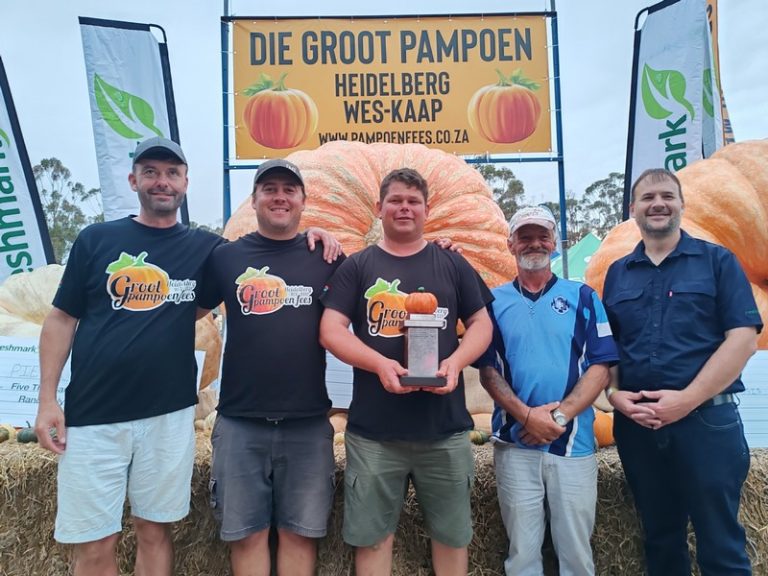
The year kicks off with the Victoria-Wes Skou on the 7th and 8th of February, followed by the Heidelberg Skou from the 12th to the 15th. Shortly after, the Riversdal Skou will run from the 19th to the 23rd, overlapping with the Williston Skou, which takes place from the 20th to the 22nd of February. Concluding the early season is the Swellendam Skou, scheduled from the 27th of February to the 1st of March. These shows promise an array of exhibitions, competitions, and community-centred activities that showcase agricultural innovation and rural hospitality.

Agri-Expo: The Backbone of Agricultural Advancement

Central to the success of these and other agricultural shows is Agri-Expo, an organization that has been a cornerstone of South Africa’s agricultural sector since its founding in 1831. Rebranded in 1996, Agri-Expo has consistently adapted to meet the needs of modern agriculture, while remaining deeply committed to its roots. Its role in supporting agricultural events, particularly in the Western Cape, has helped to ensure their continued relevance and impact.

Agri-Expo’s influence is perhaps most prominently seen in the South African Dairy Championships, which it has organized since 1834. This annual event is a hallmark of dairy excellence in the country, with its awards such as the SA Champion and the Qualité symbolizing the highest standards of quality. Beyond dairy, Agri-Expo’s contributions extend to youth development through initiatives like the Western Cape Youth Championships, which saw record participation in 2023.

Looking beyond March, the agricultural show calendar extends throughout the year, encompassing a variety of events that will highlight different aspects of the farming industry. As 2025 unfolds, these shows will continue to celebrate the ingenuity and resilience of South Africa’s agricultural community, ensuring a year rich in learning, collaboration, and innovation. With Agri-Expo at the forefront, the agricultural sector is poised for another year of success and growth.

TE Toere: Laaste kans vir die grootste avonture

0

Die “Laaste Kans” vir twee ikoniese toere in Maart 2025: Egipte & Jordanië en Indië & Tiere – waar antieke geskiedenis, wonder kleure en geure, en groot avontuur wag. Hierdie is een-keer-in- ’n-leeftyd-reise na twee van die wêreld se mees uitsonderlike bestemmings, wat kultuur, geskiedenis en natuur op onvergeetlike maniere verweef.

Egipte & Jordanië: Ontdek die verlore stad…

Een van die hoogtepunte is Petra, bekend as die “Verlore Stad.” Eeue lank verborge en herontdek in 1812, is hierdie rooskleurige stad ’n UNESCO Wêrelderfenisgebied wat besoekers betower. Bewonder die majestueuse uit-rots-gekapte Tesourie en dwaal deur die nou kleurvolle ravyn wat eggo met die fluisteringe van die eens magtige Nabateër-beskawing. Voeg daarby die wonders van die Piramides van Giza en ’n pragtige vaart op die magtige Nyl omring deur die skatte van die Farao-heersers van eens.

Indië & Tiere: Argitektoniese perfeksie…

TE Toere: Laaste kans vir die grootste avonture

In Indië ontdek jy die sublieme Taj Mahal, die toppunt van argitektoniese perfeksie. Gebou as ’n monument vir die liefde, met sprankelende wit marmer fasades en absolute skoonheid van alle kante. Hiermee saam opwindende safari-avonture op soek na die skaam Bengaalse tiere in Ranthambore; en die bruisende energie van Varanasi op die Ganges – die moeder-rivier en die ware spirituele tuiste van Hindoeïsme. Beleef die rustige prag van sy tempels, die lewendige kleure, aromas en smake van opwindende Indië.

Met beperkte plekke beskikbaar, is hierdie toere jou kans vir herinneringe vir ’n leeftyd, ontrafel antieke raaisels, die grootsheid van mensgemaakte- en natuurwonders.

Kontak TE Tours by Club Travel Tyger Valley,
www.smallgrouptours.co.za,
Tel: 021 914 2265, of e-pos [email protected]

Implications of a Trump Administration for Agriculture in the Western Cape

0

Dr. Ivan Meyer, Western Cape Minister of Agriculture, Economic Development, and Tourism, offered his insights on the potential global and local impacts of the Trump Administration shortly after its inauguration on 20 January 2025. His analysis underscores both the challenges and opportunities the Western Cape must navigate, particularly within the agricultural sector. He framed his remarks through a lens of resilience, principled leadership, and economic foresight, drawing from the foundational principles outlined in Stephen R. Covey’s book Principle-Centred Leadership.

Context of the Western Cape’s Economic Strategy

The Western Cape Government has adopted a proactive #growthforjobs strategy, which centres job creation as the cornerstone of economic growth and development. According to Dr. Meyer, this approach involves key interventions such as attracting foreign direct investment, boosting tourism, improving economic infrastructure, and enhancing exports. The government is equally focused on achieving water and energy security, integrating technology and innovation, and developing appropriate skills for the Fourth Industrial Revolution.

Global partnerships, he emphasized, are critical for unlocking economic potential. By fostering collaboration between the private and public sectors, the Western Cape aims to create an environment where entrepreneurship can thrive. Dr. Meyer conveyed an optimistic, yet urgent call to action to ensure the region remains competitive in a rapidly changing geopolitical climate.

Implications of Trump’s Presidency

Dr. Meyer identified several challenges posed by the Trump Administration’s policies that could affect Western Cape agriculture and related industries. These include:

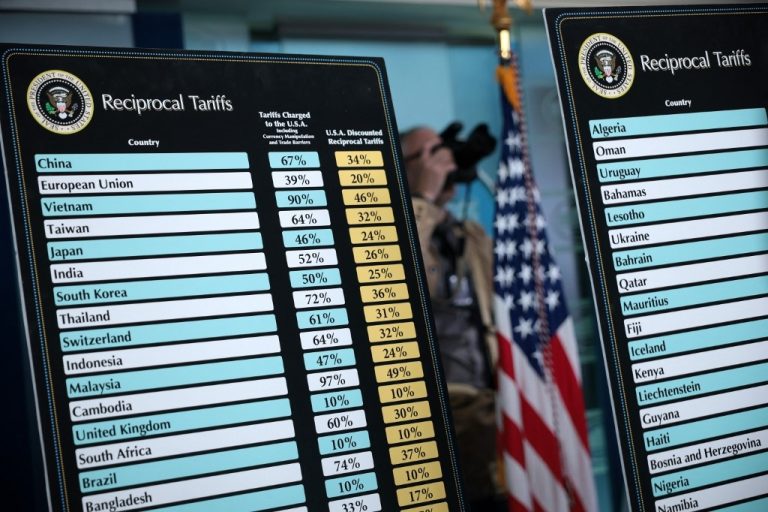
Protectionism: President Trump’s emphasis on “America First” could result in heightened trade restrictions and tariffs, fostering a protectionist global climate. For the Western Cape, this raises concerns about reduced market access for agricultural products and increased difficulty in competing on international markets.

Trade Barriers and Tariffs: Increased trade barriers and tariffs could have a direct impact on the Western Cape’s ability to export agricultural goods such as fruit, wine, and other commodities. These obstacles would strain the region’s efforts to boost exports and attract foreign investment.

Market Access and Exports: Uncertainty regarding trade policies may reduce opportunities for Western Cape products to access key U.S. markets.

AGOA (African Growth and Opportunity Act): AGOA, which grants preferential trade access for South African products to the U.S., could face renegotiations or reduced scope under the Trump Administration’s transactional economic policies. This uncertainty threatens vital agricultural exports that benefit from the agreement.

Climate Change Funding: The Trump Administration’s withdrawal from global climate agreements and skepticism toward climate change could limit funding opportunities for climate mitigation strategies.

Disaster and Risk Mitigation: With the Western Cape’s vulnerability to climate-related disasters, reduced international cooperation on disaster mitigation could exacerbate risks.

Global Supply Chain Management: Changes in U.S. economic policies could disrupt global supply chains, affecting the availability of agricultural inputs and the export of Western Cape products.

Transactional Economic Politics: The unpredictability of governance under the Trump Administration’s transactional approach introduces significant risks to global trade relations. Dr. Meyer noted that stability and predictability are hallmarks of good governance, and the lack thereof could disrupt agricultural exports and foreign investment.

Leadership in Times of Complexity

To navigate these uncertainties, Dr. Meyer stressed the importance of effective leadership grounded in resilience and principle-centred governance. He specifically cited Stephen R. Covey’s book Principle-Centred Leadership, emphasizing its message that long-term success stems from empowering individuals with the tools to succeed independently.

A Path Forward for the Western Cape

Despite global challenges, Dr. Meyer expressed confidence in the Western Cape’s ability to adapt. He reiterated the need to diversify the province’s economic landscape to reduce vulnerability to external shocks. Agricultural innovation, investment in local skills, and expanded export markets will form the backbone of this strategy.

By staying true to the principles of good governance and economic foresight, the Western Cape is well-positioned to weather geopolitical changes. As Dr. Meyer concluded, the focus remains on sustaining growth, creating jobs, and ensuring that the region’s agricultural sector thrives even in a turbulent global environment.

In these uncertain times, Stephen R. Covey’s Principle-Centred Leadership provides a guiding framework for leadership, reminding us that resilience, optimism, and principled action are the keys to success. Dr. Meyer’s commitment to these principles offers hope for a resilient and prosperous Western Cape.

Revolutionizing Logistics in South Africa’s Table Grape Industry

0

The South African table grape industry is setting a benchmark in agricultural logistics by leveraging a state-of-the-art prescriptive shipping model. Developed in collaboration with Transnova Africa, the model optimizes logistics and decision-making, enabling stakeholders to project and plan up to eight weeks in advance. This innovative approach not only enhances operational efficiency but also reinforces South Africa’s reputation as a global leader in table grape exports.

A Strong Start to the 2024/25 Season

Despite a slightly delayed start to the 2024/25 season, the South African Table Grape Industry (SATI) anticipates a robust performance. The industry projects a total of 76.4 million 4.5kg cartons for export inspection by season’s end. By the second week of the campaign, nearly 25 million cartons, approximately one-third of the season’s total volume, had already been shipped without major disruptions.

However, as the season progresses, SATI is urging producers to remain proactive. A later start and the accelerated ripening of some mid- and late-season varieties could lead to logistical bottlenecks. This is where the prescriptive shipping model proves invaluable.

Understanding the Prescriptive Shipping Model

The prescriptive shipping model, developed by Transnova Africa, is a logistics optimization tool designed to address industry challenges. Updated biweekly, the model generates scenario-based insights that inform on-farm and commercial decisions. Its primary objectives include identifying optimal routes to market, improving resource allocation, and minimizing costs.

Dubbed a “digital twin,” this model allows SATI to simulate various scenarios and adapt to potential disruptions such as weather-related port closures. Jacques Ferreira, SATI’s manager of commercial industry affairs, highlights its capacity to propose alternative market routes, ensuring smooth operations even under unforeseen circumstances.

Collaborative Development and Stakeholder Engagement

The model’s success is rooted in a consultative development process. SATI collaborated with freight forwarders, government representatives, producers, and other industry bodies to create a solution tailored to the sector’s unique needs. According to SATI CEO Mecia Petersen, the industry is now better positioned than ever to navigate challenges and seize opportunities.

This initiative aligns with broader efforts to strengthen South Africa’s transport infrastructure. Petersen commended the work of Transnet CEO Michelle Phillips and Transport Minister Barbara Creecy for their collaborative approach, which has significantly benefitted the industry.

Expanding Global Reach

Maintaining the premium reputation of South African table grapes in international markets remains a priority. Currently, the UK and EU account for nearly 80% of export volumes, but SATI is keen to expand into other markets. Negotiations for access to the Philippines are in advanced stages, while promotional campaigns in China and Vietnam have yielded promising results.

The United States and Canada are also on SATI’s radar. South Africa has carved a niche in the US market by supplying during off-peak windows between Peru and Chile. Gradual growth is expected as consumer awareness of South African grapes increases.

Commitment to Sustainability

Sustainability is integral to SATI’s long-term vision. The organization is aligning with global trends, including the EU Green Deal, to ensure compliance with evolving market standards. Petersen emphasized the importance of industry-wide collaboration, stating, “It’s important that we see ourselves as an industry rather than as individual entities.”

The prescriptive shipping model represents a transformative step forward for South Africa’s table grape industry. By integrating advanced logistics planning and fostering collaboration across stakeholders, SATI is not only addressing current challenges, but also positioning itself for sustainable growth. With a strong export strategy and a commitment to quality, the industry is poised to thrive in an increasingly competitive global market.