12.9 C
Cape Town
Saturday, June 27, 2026
Home Blog Page 42

Western Cape farmers Free green help desks to boost resilience

0

Farmers and agri-businesses across the Western Cape are encouraged to attend a series of free green economy help desks this July, aimed at improving on-farm energy and water resilience. Organised by the Western Cape Department of Environmental Affairs and Development Planning in partnership with GreenCape, these sessions are designed to support the agricultural sector in navigating rising input costs, reducing climate-related risks, and investing in sustainable technologies.

The help desks will offer one-on-one consultations with green economy specialists who will provide tailored advice based on each farm’s unique needs. Participants will receive practical guidance on implementing renewable energy and water-efficient systems, reducing operational disruptions, and accessing relevant finance and incentive opportunities. The initiative is especially relevant for smallholder and commercial farmers seeking to future-proof their operations and strengthen long-term sustainability.

Roadshows: Dates and Venues

The July 2025 roadshow will take place on 15 July at Skilpad Community Hall, 15 Main Street, Vredenburg (Saldanha Bay); 29 July at the Savoy Hotel, 1 Church Street, Beaufort West (Central Karoo); and 31 July at the Side Hall, Mossel Bay Municipal Offices, 101 Marsh Street, Mossel Bay (Garden Route). Farmers in these regions are strongly encouraged to attend the event closest to them.

Attendance is free of charge, but space is limited and pre-registration is essential. For more information or to confirm attendance, email [email protected] or complete the online form at https://forms.gle/Ktakq2MdxqgqtSd1A.

These help desks are a valuable opportunity to build resilience and secure the future of farming in the Western Cape.

C4 Fire and Security Protecting Farms with Precision and Purpose

0

In Paarl’s agricultural heartland, where cold storage, packhouses, and production lines keep South Africa’s food economy running, C4 Fire and Security National has grown into a trusted safety partner. Founded by Carlo Le Brun, the company is focused on delivering specialised fire detection and security solutions that meet the critical needs of the farming and agri-processing sectors.

With over a decade of industry experience, Le Brun recognised a gap in the market for fast, compliant, and farm-specific fire safety systems. “We work with farmers daily. They face real risks — remote locations, power outages, seasonal pressures — and they need systems that hold up under these conditions,” he explains. In agricultural settings, seconds matter and system failures can cost millions. The need for durable, responsive safety infrastructure is more than a regulatory requirement — it’s a daily necessity.

Fire Protection Where It Counts

C4’s expertise lies in precision fire detection, particularly in cold environments like sub-zero storage and bottling facilities. Using advanced technologies such as capillary aspiration systems, addressable control panels, and heat-rated equipment, C4 designs systems that remain effective even in the harshest operating conditions.

Their installations span fruit exporters, wineries, meat processors, and bulk grain storage sites across the Western Cape, including Paarl, Wellington, Franschhoek, and Stellenbosch. Every project is executed with full compliance to SAQCC, BSI, and SANS standards, ensuring systems are audit-ready, insurer-approved, and built for longevity.
But C4 is more than a service provider. “We’re not just installers — we’re risk partners,” says Le Brun. “Whether it’s a family-run farm or a major export facility, we deliver the same level of urgency, care, and technical excellence.”

End-to-End Safety, Rooted in Community

Beyond fire detection, C4 offers a full suite of security services: gas suppression, CCTV, access control, and tailored risk assessments. This makes them one of the few companies providing end-to-end safety solutions built specifically for the agricultural and rural industrial landscape.

As C4 expands into national contracts and larger industrial projects, their roots remain firmly planted in the agricultural community.

Working side by side with the farmers who feed the nation, C4 Fire and Security National is committed to keeping South Africa’s people, produce, and property protected — 24/7.
As the agricultural sector evolves, C4 Fire and Security National remains committed to protecting the people, produce, and infrastructure that keep South Africa’s food chain moving. By combining technical expertise with genuine community partnership, they continue to raise the standard for safety in farming and agri-processing — offering peace of mind where it matters most.

For more information visit www.c4fire.co.za

A New Dawn for South African Agriculture: Minister Steenhuisen Charts a Bold Path Forward

0

The 2025/26 Budget Vote Speech delivered by Minister of Agriculture, Honourable John Steenhuisen, was more than just a financial report—it was a bold vision for transforming South African agriculture. Presented in Parliament on 8 July 2025, the Minister’s address laid out a clear roadmap to reposition agriculture as a resilient, competitive, and inclusive driver of the economy.

With agriculture now operating as a standalone department following its separation from Land Reform and Rural Development, the speech signalled a fresh focus on intentional and results-driven policy. Steenhuisen’s seven strategic priorities—including biosecurity, food security, market access, and youth inclusion—present a coherent plan to future-proof the sector.

Biosecurity: A National Priority

The Minister placed strong emphasis on biosecurity, framing it not just as a technical issue but as a national infrastructure concern—on par with electricity and water. Past outbreaks like the 2023 bird flu and the current foot-and-mouth disease crisis have exposed deep vulnerabilities in the system.

To address this, the Department is launching a National Biosecurity Compact, establishing a Biosecurity Council, and deploying 50 new animal health technicians to support vaccination and containment. Partnerships with institutions like the University of Pretoria are being strengthened to enhance surveillance and response capacity. The message is clear: preparedness must replace panic.

Tackling Hunger with Home-Grown Solutions

One of the most urgent themes in the speech was food security. Only 36.5% of households in South Africa are currently food secure, and nearly one in five face severe hunger. Steenhuisen’s response includes the rollout of the 2024–2029 National Food and Nutrition Security Plan, developed in collaboration with other government departments.

Localised efforts such as school gardens, home food production, and community food hubs are being expanded. The Department is also promoting indigenous and underutilised crops like amaranth, African leafy vegetables, and bambara groundnuts—plants well suited to local climates and cultural diets. This approach blends nutrition with resilience.

Growing Farmers, Growing the Economy

The budget speech also highlighted the role of education and youth development. Over 66,000 farmers have been trained, and more than 3,000 agricultural graduates have been placed in internships. Agricultural colleges are being integrated into the higher education system to serve as centres of excellence.

With youth at the centre of the strategy, the Department is opening new pathways into veterinary science, agri-tech, and on-farm learning. Steenhuisen made it clear: the next generation of farmers must be data-savvy, climate-conscious, and innovation-driven.

Trade and Technology on the Move

Agriculture’s export record—R258 billion in 2024—speaks volumes. But Steenhuisen warned that global markets won’t wait. A new Market Access Strategy is in development, targeting Asia and the Middle East, while defending existing trade agreements like AGOA and the EPA.

New technologies, including a livestock track-and-trace system, will bolster export credibility and curb stock theft. The expansion of the Blended Finance Scheme, with dedicated windows for youth and women, is another nod to inclusive growth.

Shifting Gears from Control to Collaboration

Steenhuisen’s message was refreshingly pragmatic: government doesn’t need to do everything. Instead, creating a strong policy environment and working in partnership with organised industry bodies is the more effective route. From commodity groups like GrainSA to the Citrus Growers’ Association, public-private partnerships are seen as the engine of growth.

Looking Ahead: Agriculture That Works for All

The speech concluded with a rallying call to build a sector that is youth-led, science-based, and community-rooted. Institutions like the Agricultural Research Council and Onderstepoort must be accountable and results-driven.

As the Minister invoked the words of Nelson Mandela, reminding us that after climbing one great hill, we find many more ahead, it was clear: the climb continues. But with the right tools, teamwork, and tenacity, South African agriculture is well-positioned to reach the summit.

Let me know if you’d like to adjust the tone for a specific publication or add quotes or reactions from stakeholders.

Breaking New Ground: South African agriculture’s Post-Tariff Landscape

0

South African agriculture faces a defining moment. As the US 30% tariff on South African goods looms, effective August 1st, leading industry bodies – Agri SA, Agbiz, and the Citrus Growers’ Association of Southern Africa (CGA) – are united in their call for urgent, strategic action to navigate this formidable challenge.

The Immediate Impact

The most pressing concern for South African agriculture is the prospect of significant job losses. Agri SA highlights the thousands of rural livelihoods at risk across various agricultural sub-sectors. The CGA, in particular, warns of up to 35,000 potential job losses directly connected to the citrus industry alone, underscoring the severe socio-economic threat to rural communities heavily reliant on these exports. This substantial tariff, directly imposed by President Donald Trump, effectively nullifies the preferential access South Africa has enjoyed for years under the African Growth and Opportunity Act (AGOA). This shift will render key South African agricultural exports immediately uncompetitive in the crucial US market.

South African citrus

For South African citrus, a major export, the 30% tariff translates to an estimated $4.25 per carton increase in cost. This substantial additional burden will likely price it out of the US market, especially when competitors like Chile and Peru benefit from a much lower 10% baseline tariff, granting them a significant competitive advantage. The timing intensifies the crisis: these tariffs are set to hit during South Africa’s peak citrus season, which typically extends until October 2025, ensuring immediate and widespread disruption. Beyond citrus, other highly vulnerable commodities include South African wine (an industry that exports over R650 million worth of product to the US annually), macadamia nuts, table grapes, subtropical fruits, and ostrich leather. All these sectors face drastically reduced profitability and market share.

A Unified Path Forward: Imperatives for Resilience

Despite the undeniable severity of the challenge, these influential agricultural leaders offer a clear and unified roadmap for navigating this new, post-tariff landscape:

  1. Aggressive Diplomatic Engagement and Negotiation

All three organisations stress the immediate and critical need for robust negotiations with the US. President Cyril Ramaphosa’s office has already responded, clarifying that the US’s interpretation of the trade balance is “contested,” pointing out that a significant 77% of US goods already enter South Africa duty-free. The South African government is urged to leverage these ongoing discussions and diplomatic channels with urgency to secure a more favourable tariff or, ideally, an exemption for key agricultural products, thereby mitigating the devastating economic consequences.

  1. Accelerated Strategic Market Diversification

The tariffs serve as a pivotal “wake-up call” to reduce South Africa’s historical over-reliance on a few dominant markets. Agri SA, Agbiz, and the CGA are strongly advocating for accelerated efforts to explore and expand into new export destinations. The spotlight is firmly on emerging markets within the BRICS nations and ASEAN countries, which offer substantial growth potential. While this is inherently a medium- to long-term strategy, essential initial steps include proactively addressing existing tariff and non-tariff barriers that currently hinder access to these promising new global markets.

  1. Fortifying Domestic Foundations for Global Competitiveness

Beyond international diplomacy, internal reforms are deemed crucial to bolster the sector’s intrinsic resilience. The CGA consistently emphasises the urgent need for improved logistics and infrastructure, particularly at congested ports and on the struggling national rail network, both of which are vital arteries for efficient export operations. Agri SA also calls for targeted support packages and comprehensive market reorientation strategies for industries most affected by the tariffs. This includes direct financial aid and assistance for emerging farmers to adapt to new trade realities and find alternative avenues for their produce. These robust domestic efficiencies are paramount to making South African products more globally competitive, irrespective of external tariff challenges.

The new US tariffs present a formidable and undeniable challenge to South African agriculture, but they also create an opportunity to “break new ground.” The collective, unified voice of Agri SA, Agbiz, and the CGA provides a cohesive and pragmatic blueprint for adapting to this transformed landscape.

By prioritizing urgent diplomatic engagement, aggressively diversifying export markets, and diligently addressing critical domestic inefficiencies, South Africa can strive to reshape its agricultural future, fostering a more resilient, diversified, and ultimately robust sector capable of thriving even in a volatile global economy.

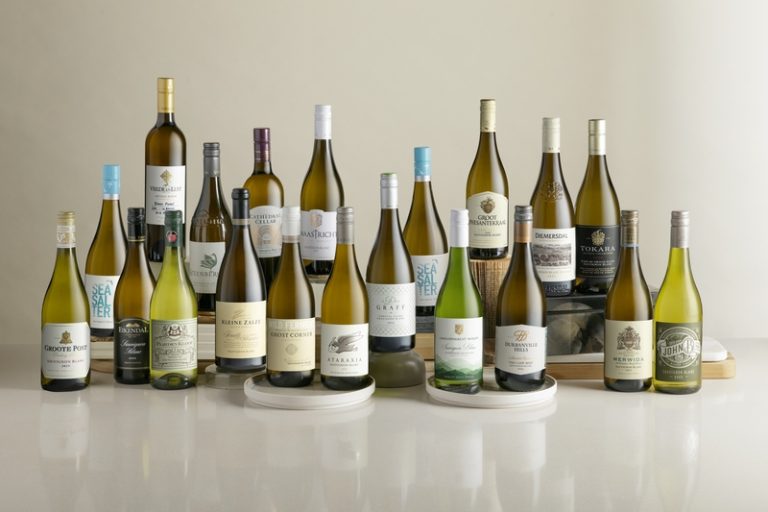
Wine Industry Confronts Harsh Tariff Blow from United States

0

The South African wine industry is grappling with a significant challenge following the recent announcement by the President of the United States that, effective 1 August 2025, a 30% import tariff will be applied to all South African products entering the American market.

This development has sent shockwaves through the agricultural export sector, with wine producers particularly exposed. The United States is currently one of South Africa’s most valuable wine markets, representing more than R650 million in annual trade. The sudden tariff not only endangers this export revenue but also threatens jobs, upstream and downstream suppliers, and long-term sustainability across the value chain.

Heavy Blow to Trade, Jobs, and Value Chain

As a discretionary and price-sensitive product, wine is especially vulnerable to cost hikes and economic shocks. Already under strain from inflation, rising logistics costs, and increasing excise duties, the South African wine industry now faces a compounded burden.

Industry insiders describe the move as a major blow to a sector that plays a crucial role in rural employment, foreign exchange earnings, and agricultural investment.

Tariff Magnifies Existing Pressures

Producers and exporters are already contending with persistent uncertainty and financial pressures. The imposition of this tariff introduces a new and disruptive variable into an already challenging equation. It risks diminishing South Africa’s competitive edge—especially if key trade rivals face lower or no such penalties when exporting to the US.

Diversification, Adaptation, and Hard Choices Ahead

Despite the setback, the industry is determined to press forward with its export diversification strategy. This includes reinforcing trade ties in other priority markets, boosting domestic marketing efforts, and improving supply chain efficiency.

Exporters and brand owners are currently assessing how to mitigate the impact—whether by absorbing some of the increased costs, adjusting price points, or redirecting shipments to alternative destinations. However, none of these options are simple, and all involve difficult trade-offs.

Call for Urgent Government Engagement

Industry leaders are urging the Department of Trade, Industry and Competition (DTIC), along with the Department of International Relations and Cooperation (DIRCO), to act swiftly and decisively. There is a strong call for diplomatic engagement with Washington to better understand the motivations—be they political, economic, or strategic—behind the tariff decision.

Efforts to seek exemptions or relief under existing frameworks are already being explored, but time is of the essence.

A Threat to Decades of Progress

Over the past three decades, South African wine has carved out a respected and growing presence in the American market. The industry has built its reputation on quality, unique terroir, sustainability practices, and transformation.

This sudden policy shift now places that progress at risk, along with the thousands of livelihoods directly and indirectly tied to wine exports.

A Call for Collaboration and Common Ground

Despite the challenges, the wine sector remains committed to constructive engagement with all stakeholders—locally and abroad. Industry representatives have stressed the need for calm, strategic response, and collaboration between governments to avoid long-term damage to a vital trade relationship.

They reaffirm their commitment to keeping wine at the centre of South Africa’s agricultural growth story and to ensuring that the country remains a trusted, competitive supplier in the global marketplace.

As further developments unfold, the industry promises to keep stakeholders informed.

Atlantic Fertilisers: A Decade of Growth and Community Engagement

0

In 2015, the Herholdt family of Philadelphia and the Runkel family of Durbanville joined forces to launch Atlantic Fertilisers—a company built on a vision of sustainable agriculture, trust, and long-term growth. Starting without a registered brand or product, but with a manufacturing plant, distribution network, and a loyal client base, they brought to life a name inspired by the vitality of the nearby Atlantic Ocean. Their first organic products—Bio Ganic, Bio Rock, and Bio Ocean—offered natural soil enrichment rooted in quality and innovation. Bio Ganic is a composted, pelletised chicken manure, Bio Rock includes added rock phosphate for root development, and Bio Ocean is enriched with kelp and fishmeal for soil vitality.

Over the years, the range expanded to include Bio Enrich and water-soluble fertiliser blends, meeting diverse crop needs with science-backed solutions. Three core assets helped drive this success: a loyal and skilled team with valuable expertise; strong, established relationships with trusted suppliers; and a reliable customer base built through their previous brand associations. Now, in 2025, Atlantic Fertilisers celebrates a decade of steady progress, marked not only by product development, but also by strong relationships and continued support for the agricultural community.

Sharing Knowledge with Local Farmers

As part of their 10-year celebration, Atlantic Fertilisers hosted an insightful farmer engagement evening on 18 June 2025 in Rawsonville, focused on soil health, fertilisation strategies, and sustainable practices. Dr. Pieter Raath from Labserve offered expert guidance on soil analysis and the identification of nutritional deficiencies, while Atlantic’s own Pieter Byers unpacked the benefits of their pelletised organic fertilisers in practical terms. The event was designed to align with Atlantic’s core values of education, sustainability, and hands-on support for producers. The evening also served as the official introduction of Riaan Sutherland, newly appointed area manager for the region—a warm, knowledgeable figure ready to assist local farmers with tailored advice and support.

Strengthening Community Through Connection

The Rawsonville gathering concluded with meaningful conversations and shared insights, underscoring Atlantic Fertilisers’ deep commitment to community-building and agricultural empowerment. The company extends its heartfelt gratitude to every supplier, team member, and loyal client who has contributed to this remarkable journey. Their unwavering support through the years has been instrumental in turning a shared dream into a trusted agricultural brand. With ten years behind them and many more ahead, Atlantic Fertilisers remains focused on its core mission: healthy soil, thriving crops, and sustainable returns for farmers across South Africa.

Groblershoop se Neutfees plant hoop vir blink toekoms

Op 21 Junie 2025 het , ’n landbougemeenskap langs die Oranjerivier naby Upington in die Noord-Kaap, geskiedenis gemaak met die eerste Neutfees wat op die plaas Sewenster gehou is – ’n viering van harde werk, hoop en trots.

Die boere van die streek het hierdie fees begin om hul harde werk in die pekanneutbedryf te vier, plaaslike trots te bou, hul streek as landbougebied te bemark en groter bewusmaking oor hul produkte te skep – plaaslik én internasionaal. Dit was ’n kans om die hele gemeenskap te betrek, jong boere te inspireer, en nuwe moontlikhede vir groei en samewerking te skep.

’n Fees wat begin het met spanwerk en erkenning

Die Neutfees het op 20 Junie afgeskop met ’n sportdag vir plaaswerkers – ’n dag vol sport, pret en erkenning vir die boere en werkers wat elke dag hard werk op die omliggende plase. Die dag het nie net gesorg vir gesonde kompetisie nie, maar ook vir saamkuier en versterking van spanwerk. Saam het hulle gespeel, wat ’n sterk gevoel van eenheid geskep het om die Neutfees vol energie af te skop.

Foto: Matia van der Merwe

Brunch met Dawie Roodt: Ekonomie en insig

Die feesprogram het op Saterdagoggend afgeskop met ’n spesiale brunch saam met ekonoom Dawie Roodt, waar hy ’n insiggewende gesprek met die boeregemeenskap gevoer het. Hy het gepraat oor die wêreldekonomie en die bydrae wat ’n streek soos Groblershoop tot dié groter prentjie kan bydra – veral as produsente van uitvoerprodukte soos pekanneute.

Roodt het daarop gewys dat verbruikerspatrone wêreldwyd verander: mense raak ouer, leefstyle verander, en daarmee saam verander ook wat en hoe hulle koop. “Wanneer jy na uitvoer kyk, moet jy nie net kyk na lande nie – jy moet kyk na die mense dáár,” het hy gesê. “Demografie maak saak. Wie koop? Wat soek hulle? Jy kan nie produseer sonder om te weet wie jou kliënt is nie.”

Hy het lande soos Indië uitgesonder as ’n opkomende mark met ’n jong, groeiende bevolking en toenemende koopkrag. China bly belangrik, maar die dinamika daar is besig om te verskuif. Europa verouder vinnig, maar het geld en gesofistikeerde smaak. Daar is groot geleenthede vir boere wat hul markte verstaan en aanpas.

Wat jy moet doen om deel te wees van ’n moderne ekonomie

Roodt het sy gesprek afgesluit met ’n sterk boodskap aan boere, jong mense en entrepreneurs: “As jy wil deel wees van ’n moderne ekonomie, moet jy die regte vaardighede hê. Jy moet tegnologie jou eie maak, jy moet toegang tot die internet hê, en jy moet die regte strukture in plek kry. Dan kan jy van enige plek af met die wêreld sake doen.”

Hy het verder verduidelik dat moderne landbou nie net oor grond en arbeid gaan nie, maar oor bestuur, inligting, toegang en aanpasbaarheid. “Dit help nie jy het ’n goeie produk, maar weet nie wie dit koop, hoe om dit te bemark, of hoe om dit professioneel aan te bied nie. Dis nie meer genoeg om net te boer nie – jy moet ’n besigheid wees.”

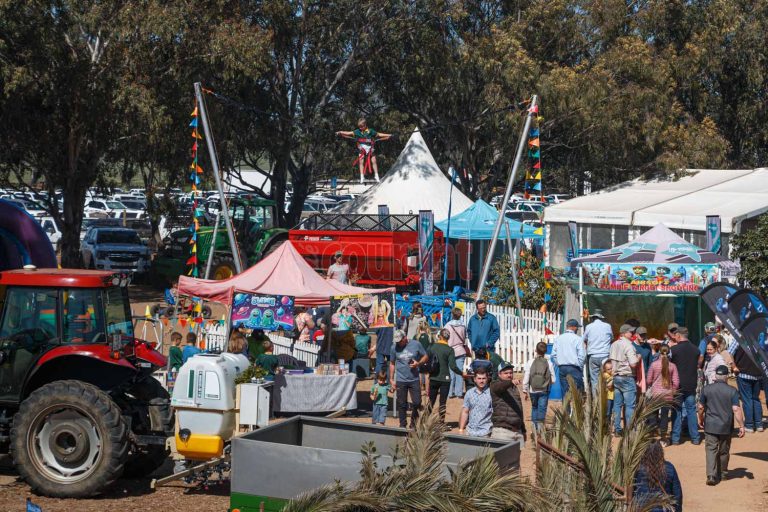
Na die brunch met Dawie Roodt het boere en ander feesgangers die stalletjies besoek, plaaslike produkte geproe en belangstelling getoon in die demonstrasies waar gewys is hoe pekanneute gekraak, gegradeer en verpak word. Hulle kon self sien hoe die proses werk.

Demonstrasies

Foto: Johan Dreyer

Daarna het die fokus na die boorde verskuif, waar Rovic en ander vervaardigers hul spuitmasjiene gedemonstreer het. Hier kon boere self sien hoe die toerus ting werk, watter oplossings dit vir hul eie boerderypraktyke bied, en dat hul produkte plaaslik beskikbaar is.

Terugvoer en vooruitsigte

Die boere van Groblershoop is oortuig dat hulle in die middel van een van die mees geskikte plekke in die wêreld is om pekanneute te verbou. Na die sukses van die eerste Neutfees en die baie positiewe terugvoer is die Groblershoop Boerevereniging opgewonde oor die volgende stap – die beplanning van die 2026 Pekan Plaasfees.

Andre Smith, eienaar van Plaas Sewenster, sê: “Dit is nie net ’n viering van die pekanneutbedryf nie, maar ’n plek waar boere hunker na egte gesprekke, betroubare inligting en ’n rustige plaasatmosfeer waar hulle gemaklik kan leer, kuier en geniet. Ons is trots op ons klein, hegte gemeenskap. Hier maak ons tyd vir mekaar, hier groet ons nog met opregtheid, en hier nooi ons met oop arms.”

’n Saad wat reeds ontkiem het

Organiseerders het reeds bevestig dat die Neutfees in 2026 gaan terugkeer – en dit gaan nóg groter wees. Daar is planne vir ’n reeks werkswinkels, gesprekke oor uitvoermarkte, en selfs internasionale besoekers. Die droom is dat die 2026 Pekan Plaasfees nie net ’n plaaslike fees sal bly nie, maar ’n nasionale baken van landbou-innovasie.

As landbouskrywer sien ek elke dag die uitdagings van boerdery – maar by Groblershoop het ek ook die krag van ’n gemeenskap gesien wat besluit het om saam te staan. Hierdie Neutfees was nie net ’n dag van feesviering nie. Dit was die begin van iets groter.

Want uit ’n neut het daar ’n fees ontstaan – en uit daardie fees, ’n toekoms.

Durbanville Set to Reveal Landmark Pinotage at Sold-Out Taste of Terroir Red Wine Showcase

0

The countdown to Durbanville Wine Valley’s much-anticipated Taste of Terroir annual red wine showcase has begun! This year, however, the special tasting is guaranteed to sell out faster than ever thanks to a region-first to be unveiled at the August 8 event.

The Taste of Terroir soirée traditionally features a range of wines across several vintages and styles. Award-winning farms to be represented at the event held at Loch Lynne wine estate, are Nitida, Meerendal, Maastricht, Mellish Family Vineyards, Klein Roosboom, Groot Phesantekraal, Durbanville Hills, D’Aria, De Grendel and Diemersdal.

While the region’s cool climate is most often cast as the foundation for its champion Sauvignon blanc wines, the truth is that this same climate also proves ideal for the optimal development of all wine grapes. This is underscored by a string of recent awards for Durbanville reds, including Groot Phesantekraal Syrah 2023 winning the International Judges’ Trophy and Diemersdal, 95 points for its Private Collection 2018 Bordeaux blend at this year’s Trophy Wine Show; and, De Grendel Op die Berg Syrah and Groot Phesantekraal Syrah receiving 95 and 94 points respectively, in Winemag’s 2025 Shiraz Report.

Most recently, Durbanville excelled at the Decanter wine show too. Gold medals were awarded to the De Grendel Wines Rubaiyat and Op Die Berg Chardonnay as well as Durbanville Hills Collectors Reserve The Promenade Pinotage and The Tangram (White).

Furthermore, red wine being a favourite in winter, Taste of Terroir is the perfect way to spend an evening savouring wines from one of South Africa’s most awarded wine regions.

It will also present guests with the first opportunity to taste Durbanville Wine Valley’s first-ever limited-release Pinotage, created as a collaboration of the Valley’s producer members. It was conceived to shine a light on three significant milestones: Durbanville’s bicentennial anniversary; 100 years since the establishment of Pinotage, a South African creation; and, the centenary of Afrikaans as an official language.

“More than a meeting of diverse know-how, we’re excited to present this Pinotage as a collaboration between knowledge amassed over generations; ancient geophysics and cultural diversity,” says Durbanville Wine Valley manager Natasha de Villiers. “This year’s Taste of Terroir is guaranteed to be one for the record books!”

 Event Details

  • Date: Friday, 8 August 2025
  • Time: 17:00 – 20:00
  • Venue: Loch Lynne Wine Estate
  • Tickets: R300 per person
  • Bookings: Available exclusively via Quicket

Each ticket includes the opportunity to taste red wines from nine Durbanville producers, poured by winemakers; live music by Emile Swiegers and three seasonal canapés by Kos Kouture, caterers for one-of-a-kind events. No alcohol will be served to persons under 18. Guests are also encouraged to drink responsibly.

Take the evening to the next level

Taste of Terroir follows a walk-around tasting format with secure on-site parking and wheelchair access. Its hours are purposely curated to give ticketholders the option of following the event with dinner at local restaurants. Among them are The Farm Eatery at Diemersdal, Wilde Vy Bistro at Hooggelegen Farm and Meerendal’s Bossa or La Romantica.

New Dawn for South African Poultry: Vaccination Takes Flight Against Bird Flu

0

South Africa’s poultry sector, a cornerstone of our nation’s food security, is embarking on a historic journey. After years of grappling with devastating avian influenza (AI) outbreaks, leading to mass culling and crippling economic losses, a proactive strategy has finally taken flight: widespread poultry vaccination. This decision, spearheaded by the Department of Agriculture, marks a pivotal shift in our approach to managing this persistent threat, offering a beacon of hope for producers and consumers alike.

Why Vaccination, and Why Now?

The rationale behind this ambitious vaccination program is clear. The highly pathogenic avian influenza (HPAI) virus, particularly the H5 strain, has proven to be a relentless adversary. The 2023 outbreaks saw millions of birds culled, leaving an estimated R9.5 billion trail of economic devastation. Beyond the immediate financial impact, disruptions to chicken and egg supply chains highlighted the vulnerability of our food systems.

The core reasons for implementing a vaccination program include:

  • Minimizing Outbreaks and Spread: Vaccination aims to prevent and control the spread of HPAI, reducing the frequency and severity of outbreaks.
  • Preventing Economic Catastrophe: By safeguarding flocks, the program seeks to avert the massive financial losses incurred from culling and lost production.
  • Ensuring Food Security: A stable and healthy poultry industry is crucial for maintaining a consistent supply of affordable chicken and eggs.
  • Strengthening Flock Immunity: Vaccinating birds builds resilience within flocks, making them less susceptible to the virus.
  • Proactive Disease Management: Moving beyond purely reactive culling, vaccination signifies a proactive and strategic shift in South Africa’s animal health policy.

The Week Since July 1st: A Cautious Take-Off

Since the momentous announcement on July 1st by Minister of Agriculture John Steenhuisen, issuing the first vaccination permit to Astral Foods Limited, the poultry industry has been abuzz. This initial phase targets 200,000 broiler breeders (approximately 5% of Astral’s breeding stock), a crucial pilot project aimed at building foundational immunity within breeding stock.

Navigating the Hurdles

However, the rollout hasn’t been without its complexities. While the H5 vaccine is approved and being deployed, the H7 vaccine, crucial for combating the strain (H7N6) that caused significant losses in 2023, is still undergoing registration. This raises a critical concern: are we fully prepared to address all major threats if a key vaccine is not yet available?

Furthermore, the strict biosecurity protocols required for farms to participate have been described as “onerous” and “prohibitively expensive” by the South African Poultry Association (SAPA). This highlights potential accessibility issues for smaller and medium-sized producers, despite the Department’s assurance of prioritizing high-risk areas and deploying animal health technicians.

New Outbreaks 

The past few days have underscored the ever-present threat. As of July 2nd, the World Organisation for Animal Health (WOAH) confirmed new H5N1 bird flu outbreaks on two poultry farms in Tswaing (North West province) and Mkhondo (Mpumalanga province). These are the first confirmed H5N1 cases since September 2023, resulting in the culling of over 1,000 birds. While unfortunate, swift detection points to enhanced surveillance efforts, crucial for rapid response.

 Challenges to Address

This vaccination drive is a monumental step forward for South Africa’s poultry industry. It’s a testament to learning from past crises and embracing a more proactive, science-driven approach. While challenges remain—particularly around H7 vaccine availability, logistical demands, and support for biosecurity compliance—the commitment to protect this vital sector is clear.

The coming weeks and months will be crucial for observing the efficacy of this initial rollout and adapting the strategy for a comprehensive, sustainable solution that ensures the health of our flocks and the stability of our poultry supply for years to come. It’s a journey that will require continuous collaboration, adaptability, and unwavering vigilance from all stakeholders.

Wine Town Stellenbosch Returns with South Africa’s Premier Wine Festival

0

South Africa’s biggest lifestyle celebration of wine returns to Stellenbosch from July 26 to August 3, with limited tickets and a discount on online bookings. Wine Town Stellenbosch comprises a nine-day programme of activities on estates across the region that culminates in the Stellenbosch Wine Festival, an all-inclusive walk-around tasting at the City of Oaks’ historic town hall.

Tickets to the Stellenbosch Wine Festival on 1-2 August are now on sale, providing wine-lovers and the wine-curious the perfect opportunity to taste more than 200 expressions from over 50 of the country’s leading producers. Exciting new participants at this year’s event include Raats Family Wines, Hidden Valley Wines and De Meye Vineyards, who join many other internationally renowned estates. Also back this year is the sumptuous graze-table of endless, seasonal and local bites and delights.

If you’ve ever wanted a quick and all-encompassing way to learn about its wine and experience the Stellenbosch lifestyle, this is the occasion.

The Stellenbosch Wine Festival is the crowning event of Wine Town Stellenbosch – an entire week of experiences and activities hosted by wine farms, restaurants, tour operators and guesthouses. Among them are specialised wine tours, workshops and curated vertical tastings as well as winemaker lunches and dinners, specials at restaurants around town. This includes Happy Hour from 17:00 to 19:00 at selected wine bars and restaurants. The full programme of Wine Town Stellenbosch activities will be announced shortly.

Wine Town Stellenbosch

More about the Stellenbosch Wine Festival

Some of the country’s biggest names in wine will be represented at this year’s Stellenbosch Wine Festival. Among them, Simonsig, Alto, Spier, Rust en Vrede, Blaauwklippen and Kleine Zalze to name a few.

The food feast on offer comes from the kitchens of chef Bertus Basson and prepared by Bertus Basson Restaurants Group Chef Adel Grewar. It features small plates of traditional favourites and a buffet of desserts. Live entertainment adds to the spectacle.

Festival details

  • Dates and times: Fri, 1 Aug, 17:00 – 21:00 and Sat, 2 Aug: 14:00 – 18:00
  • Tickets: R550pp (online) | R600 at the door
  • Ticket includes: Wine tasting tokens, live entertainment and access to the graze table
  • Tickets: Book via Plankton.

Make it more than just a day out

Turn your Stellenbosch Wine Festival experience into a proper break-away. Stellenbosch’s Stay & Play initiative, encourages visitors to take time to explore all the region has to offer – from stays and restaurants to unforgettable wine experiences. Plan your visit at stayandplay.visitstellenbosch.org

Enquiries may be directed to [email protected] or 021 886 4310. Stay up to date with events by following @stellwineroute on Facebook, Twitter and Instagram.