12.9 C
Cape Town
Saturday, June 27, 2026
Home Blog Page 43

Diesel: The Indispensable Engine of Agriculture Faces a Price Surge

0

South African farmers are once again grappling with increased operational costs as diesel prices surged on Wednesday, 2 July 2025. This ends the relief experienced during the recent harvest season for key crops like grains, oilseeds, and citrus.

The Latest Price Adjustments

The Department of Mineral and Petroleum Resources announced that 0.05% Sulphur diesel increased by 82 cents per litre and 0.005% Sulphur diesel by 84 cents per litre. These hikes affect both Gauteng and Coastal regions. The increases stem from higher global oil prices, driven by the Middle East geopolitical tensions, and currency fluctuations. Although the Rand strengthened slightly against the US Dollar, it did not fully counter global price pressures.

Diesel: The Indispensable Engine of Agriculture

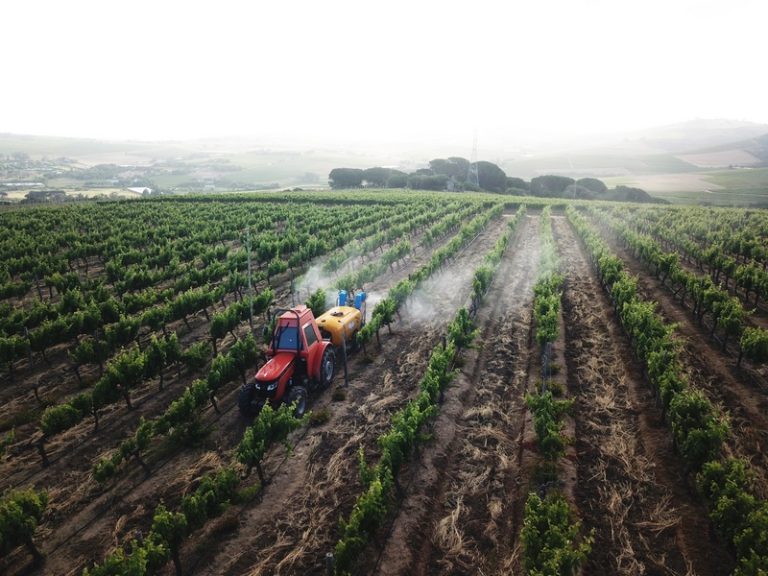
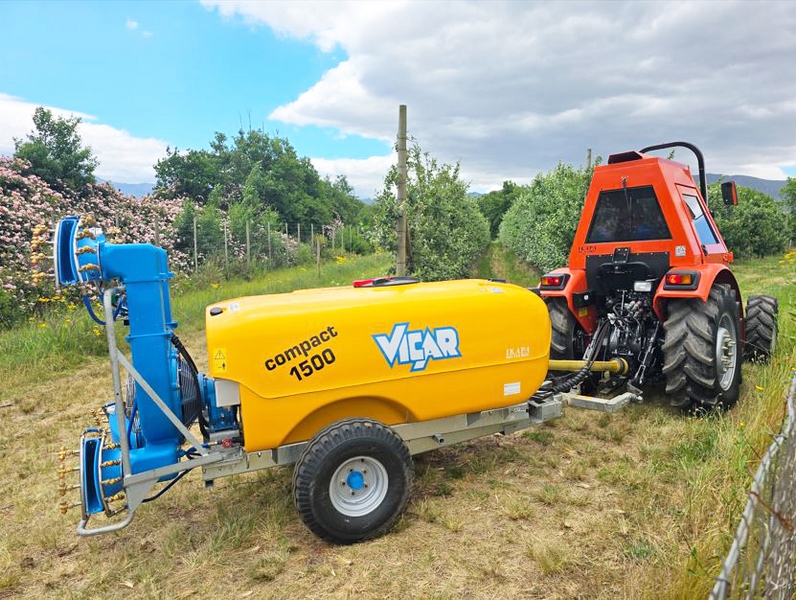
Diesel powers crucial agricultural machinery—tractors, harvesters, planters, sprayers—and many irrigation systems. In the face of load-shedding, diesel-fueled generators are vital for ensuring crop survival and operational continuity.

Diesel is also central to transport, moving farm inputs and produce due to weak rail infrastructure. Road freight dominates, making diesel costs a key factor in agricultural logistics. For grain farmers, fuel accounts for 11–13% of total production costs.

Direct Impact on Farm Profitability

The July diesel price increase significantly raises operational expenses, reducing already tight profit margins. Mechanised and transport-intensive farms, such as grain and livestock operations, are especially affected. The hike undermines the benefits of recent interest rate cuts aimed at supporting farm profitability and investment.

The Ripple Effect: From Farm to Consumer

The impact extends beyond farms. Higher diesel costs mean higher freight expenses for moving produce, feed, and supplies. With most goods moved by road, the entire food supply chain is vulnerable to fuel price spikes.

Agricultural economists warn that while falling fuel prices help curb food inflation, rising diesel costs may push consumer prices up. This particularly impacts lower-income households, who spend a larger share of their income on food.

Mitigating the Impact: Strategies for Farmers

Farmers can partially cushion the blow through the South African Revenue Service’s diesel rebate system, which refunds part of the fuel levy for diesel used in production. Eligibility requires VAT registration and detailed fuel usage records.

Efficiency is key. Farmers can reduce diesel use through better machinery management, reduced tillage, and optimised logistics. Investing in monitoring systems for precise fuel tracking supports cost-saving and rebate claims. While longer-term solutions include alternative energy, the immediate focus is on maximising fuel efficiency and utilizing available support.

The July 2025 diesel hike presents a serious cost challenge for South African agriculture. With diesel integral to farming and food distribution, higher fuel prices threaten farm viability and consumer affordability. Strategic fuel management and full use of rebates will be vital to sustaining profitability and food security amid rising costs.

SA Citrus: Holding Its Breath as US Tariff Deadline Looms

0

The clock is ticking for South Africa’s citrus growers. With the 90-day pause on new US tariffs set to expire on 9 July 2025, the industry is in a “crucial week,” as described by Dr. Boitshoko Ntshabele, CEO of the Citrus Growers’ Association of Southern Africa (CGA). If a 30% tariff is reinstated, it will be a “crucial blow,” particularly for Western Cape growers in the middle of their season.

The Elephant in the Room: AGOA and Tariffs

For years, the African Growth and Opportunity Act (AGOA) provided duty-free access for South African citrus, fostering a lucrative export program that ships around 100,000 tonnes annually to the US. This trade sustains large rural communities. However, analysts now widely believe the AGOA deal is “probably dead and buried.” This, coupled with the impending 30% tariff, presents an existential threat.

The CGA has consistently warned that this tariff will make South African citrus uncompetitive, given that competitors from South America face only a 10% baseline tariff. Gerrit van der Merwe, CGA Chairman, highlights the severe human cost, warning of potential job losses (estimated at 35,000 in South Africa) and economic instability in heavily dependent towns like Citrusdal.

Awaiting Engagement, Seeking Solutions

A South African delegation presented a trade package to the US in May, and the industry is now “await[ing] further engagement from the US towards trade talks.” The hope is for a new deal or an extension of current arrangements before the deadline. Dr. Ntshabele confirmed “considerable doubt about the renewal of AGOA,” noting the US’s preference for bilateral frameworks.

Diversifying Amidst Uncertainty

Despite the US focus, the CGA is also exploring other markets. Dr. Ntshabele pointed to China’s recent offer of duty-free access for African countries and ongoing citrus promotions in India. While India presents opportunities, “high tariffs… continue to be a serious hurdle.” The CGA emphasises the need for urgent government action on all fronts, as the substantial US volumes “cannot be easily absorbed elsewhere at such short notice.”

With the bulk of the South African mandarin and orange season still ahead, any upward tariff adjustment will be “extremely damaging.” The industry, and the communities it supports, are collectively holding their breath as 9 July  rapidly approaches.

NAMPO Cape 2025 Set to Dazzle: A New Era of Agri-Innovation, Sport & Spectacle

0

NAMPO Cape 2025 is set to return to Bredasdorp Park from 10 to 13 September with a host of new and exciting features that promise to make this year’s expo the most dynamic yet. From sporting spectacles to new livestock showcases, aerial views to culinary delights, visitors can look forward to a jam-packed programme that celebrates innovation, agriculture, and community.

“NAMPO Cape continues to grow in significance as a platform where innovation, tradition and agricultural excellence come together,” says Dirk Strydom, Managing Director of NAMPO (Pty) Ltd. “Together with Bredasdorp Park NPC, we are proud to offer a refreshed experience that connects farmers, agri-professionals, and families with the cutting-edge developments shaping our sector’s future.”

Expanded Access and Parking

To accommodate increasing attendance, Bredasdorp Park has expanded its parking capacity to 13 hectares with the addition of 7 hectares on the northwestern side. A new entrance located near the Neptun Hall will enhance visitor access and traffic flow.

Sporting Thrills: International Tent Pegging Debut

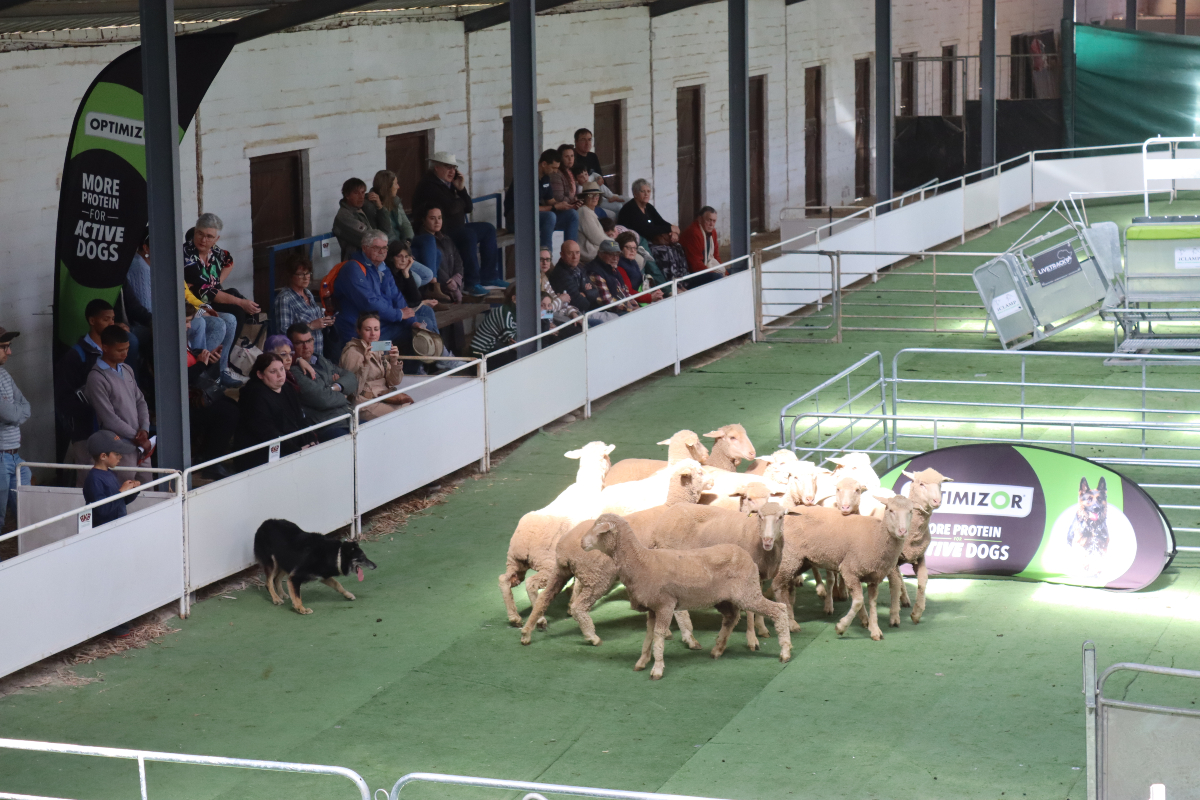
For the first time, the Western Cape Lubricants Arena will host tent pegging – a fast-paced equestrian sport involving sword and lance skills. A highlight of this addition is an international competition between teams from South Africa and Australia, sure to captivate audiences.

Bigger and Better Livestock Tent

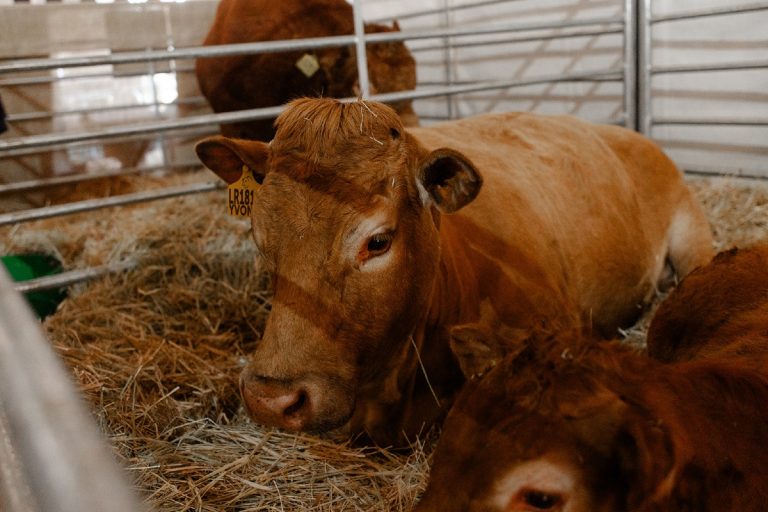
The relocated and expanded Landbank Livestock Tent, adjacent to the BKB Livestock Centre, will feature 35 exhibitors. Newcomers include representatives showcasing Île-de-France, Suffolk, and Persian sheep breeds, as well as Limousin and Chianina cattle.

Nampo Kaap

Soar Above It All: Helicopter Rides

Overberg Aviation will offer helicopter rides ranging from 3 to 30 minutes in Bell 206 Jet Rangers or Robinson R44s. These scenic flights provide breathtaking aerial views of the NAMPO Cape grounds and the picturesque Overberg region.

Merino Classic Returns & Fleece Show Debuts

Merino SA reintroduces the esteemed BKB Merino Classic after a three-year break, taking place on 11 and 12 September with over 300 anticipated entries from both stud and commercial farmers. Also debuting is the BKB National Merino Fleece Show, offering visitors a chance to appreciate the exceptional quality of Merino wool.

On-Site Tented Accommodation

For the first time, luxury and standard tented accommodation will be available on-site for up to 150 guests. The offering includes exclusive parking, 24/7 security, a chill tent, and dedicated ablutions. A minimum four-night booking is required through Antionette Events ([email protected]).

Spotlight on the South African Boerboel

On Saturday, 13 September, the South African Boerboel Breeders’ Society will host its Western Cape Championship with 100 registered Boerboels competing in the Western Cape Lubricants Arena. Visitors can also interact with experts and breeders in the Landbank Livestock Tent to learn more about this iconic South African breed.

Introducing the Neptun Deli

The former Neptun Hall has been transformed into the Neptun Deli – a food-lover’s haven offering wine, dried fruit, olives, and artisanal treats. The beloved Napier Garden Café remains open in the same location for refreshments and rest.

Agriculture Meets Insight

Organised agriculture remains a cornerstone of farmer support in South Africa. Grain SA, Vinpro, the Red Meat Producers’ Organisation, and the Milk Producers Organisation can attend strategy sessions in the Santam Auditorium to tackle sector challenges. SA Studbook will lead discussions focused on dairy, beef, and small stock breeding excellence.

“NAMPO Cape is a proudly collaborative effort between Bredasdorp Park NPC and Grain SA,” says Henk Aggenbach, Chairperson of Bredasdorp Park NPC. “This year’s upgrades and additions are a direct response to the needs and ideas of our farming community, and we look forward to welcoming visitors to what promises to be our best expo yet.”

Protected Vegetable Production Seminar

This year’s event includes a specialised seminar on Protected Vegetable Production, covering critical topics such as:

  • Sustainable water management
  • Soilless farming innovations
  • Integrated pest and disease management
  • Precision farming and greenhouse technology
  • Empowering New Era farmers
  • Tickets and Opening Hours

Tickets are available online from 1 July 2025 at www.ticketpros.co.za, with discounted entry fees for online purchases, at R100 for adults. Tickets at the gates will be on sale at R110 for adults and R50 for children. Entry for pre-schooled children is free of charge.

Expo hours:

📅 10 – 12 September: 08:00 – 17:00

📅 13 September: 08:00 – 14:00

For more information: visit www.nampocape.co.za, contact Chrystal van Wyk at 028 050 1385, or email [email protected].

Farewell to a Wine Pioneer: Dawid Saayman’s Legacy Rooted Deep in South African Soil

0

It is with sadness that the South African wine industry mourns the passing of Dawid Saayman, a true legend whose pioneering work in soil science and viticulture profoundly shaped the country’s winemaking landscape. His contributions over a distinguished 50-year career have left an indelible mark, earning him widespread respect and recognition.

A Pioneer in Terroir

Dawid Saayman was renowned as a soil scientist specialising in viti-viniculture. His most influential contribution was arguably his instrumental role in defining and understanding the concept of terroir in South Africa. He dedicated his career to identifying and interpreting the intricate interplay of geology, soil types, and climate within the South African ‘Wine of Origin’ scheme. This groundbreaking work empowered winemakers to craft unique wines that truly reflect the natural characteristics of their specific regions, elevating the quality and distinctiveness of South African wines on a global scale.

A Legacy of Research, Teaching, and Mentoring

Saayman’s impact extended far beyond theoretical understanding. He was a prolific researcher, with an extensive list of 28 scientific and 39 semi-popular publications to his name, solidifying his internationally recognised expertise. Beyond his research, he was a dedicated teacher and mentor, sharing his vast knowledge and inspiring generations of viticulturists and winemakers. His collaborative spirit is evident in his co-authorship of the “Vine Roots” book with Eben Archer, a valuable resource for the industry.

Awards and Recognition

His lifetime commitment and significant contributions did not go unnoticed. In 2024, Dawid Saayman was a highly deserved recipient of the Viti- and Viniculture category award at the prestigious Wine Harvest Commemorative Event. This award specifically acknowledges individuals who have introduced innovative ideas, technologies, and practices to the wine-making industry. This accolade stands as a testament to his enduring legacy and the profound impact he had on the industry’s growth and success.

Impact on South African Wine

Saayman’s work has had an immeasurable impact on the South African wine industry’s continued success. By demystifying terroir and providing the scientific foundation for understanding vineyard sites, he helped unlock the full potential of the Cape Winelands. His dedication to advancing viticulture and viniculture has cemented South Africa’s reputation as a producer of high-quality, distinctive wines.

Dawid Saayman will be remembered not only for his scientific brilliance, but also for his unwavering passion and commitment to the South African wine industry. His legacy lives on in every bottle of South African wine that expresses its unique sense of place.

African Agri Investment Indaba: Accelerating Africa’s Agricultural Transformation

0

Africa is at a turning point. In the face of global disruptions, climate challenges, and food insecurity, the continent is moving swiftly toward agricultural self-reliance. The African Agri Investment Indaba 2025 will gather key players from across the agrifood landscape to explore how regional collaboration, private sector investment, and sustainable innovation can unlock Africa’s potential as a food-secure continent.

Aligned with the G20’s call for sustainable agriculture and regional trade, this year’s Indaba presents a powerful platform to drive practical outcomes and long-term impact.

What Awaits You at the Indaba

Strategic Industry Insights

Over two days of high-level discussions, industry leaders will address practical steps for achieving food security through investment in value chains, climate-smart practices, and local production. Expect sharp analysis, proven strategies, and clear policy direction.

Exhibition and Sponsorship Opportunities

Showcase your agri-solutions, products, and services to an audience of decision-makers, buyers, and investors. This is your chance to increase visibility, break into new markets, and position your brand as part of Africa’s agricultural future.

B2B Matchmaking for High-Impact Connections

All delegates, exhibitors, and sponsors will gain access to a powerful matchmaking platform, allowing you to pre-schedule meetings with key stakeholders over the course of the event.

Investment Discovery Sessions

For those with investment-ready projects, dedicated sessions will link you with capital providers and development financiers ahead of the Indaba. Selected businesses will be invited to present during the main conference.

Seeds & Startups: Call for Applications

On 24 November, the Indaba will host Seeds & Startups, a curated platform designed to spotlight Africa’s most promising early-stage agribusiness ventures. Entrepreneurs and startups will have the opportunity to pitch their innovations to a panel of investors and an audience of industry partners.

If you are operating in any of the following sectors, we invite you to apply:

  • Agri-tech
  • Agro-processing and Value Addition
  • Sustainable Agriculture and Climate-Smart Solutions
  • Infrastructure (e.g., Cold Chain, Irrigation Systems)
  • Biotechnology
  • Staple Crops
  • Horticulture and Aquaculture
  • Livestock and Dairy

If your business is investment-ready and poised for growth, this is your opportunity to connect with investors who are actively seeking innovative, scalable solutions in agriculture.

To apply for Seeds & Startups, contact:

Martine Tshiani

Email: [email protected]

Website: www.agri-indaba.com

Applications are open, but spaces are limited. Early submission is highly recommended.

Join the Movement

The African Agri Investment Indaba is more than a conference—it’s a call to action for a continent ready to feed itself. Be part of the conversations, partnerships, and decisions shaping the future of African agriculture. Whether you’re a startup, investor, government agency, or agribusiness leader, this is where Africa’s food future takes root.

South Africa’s Agricultural Sector Leads Growth Despite Economic Headwinds

0

While the broader South African economy experienced a modest slowdown in the first quarter of 2025, the agricultural sector emerged as a significant driver of growth, according to the South African Reserve Bank (SARB) Quarterly Bulletin – June 2025. This vital sector demonstrated remarkable resilience and expansion, offering a mixed yet largely positive outlook for farmers and agri-businesses nationwide.

Robust Production & Trade Performance

The SARB bulletin highlights that the real gross value added (GVA) by agriculture expanded significantly for a second successive quarter. This robust performance was primarily boosted by a surge in the production of horticultural and animal products, greatly aided by favourable rainfall. A decline in agricultural imports, as noted by Des Lesele, Senior Manager for Agribusiness Client Value Propositions at Nedbank Commercial Banking, further points to a healthy reliance on locally produced goods, which is highly encouraging for domestic producers and the broader agricultural value chain. Agricultural exports, particularly fruit like grapes, also grew for a third consecutive quarter, showcasing the sector’s competitiveness in international markets.

Financial Relief Met by Rising Pressures

From a financing perspective, the SARB’s recent 25 basis point interest rate cut offers welcome relief. “Lower borrowing costs are expected to stimulate investment in farm operations, equipment, and technology, enhancing productivity and long-term sustainability for producers,” states Lesele. This move should encourage vital capital injection into the sector.

However, this monetary easing arrives alongside rising cost pressures. The Producer Price Index (PPI), reflecting input cost trends, rose from 102.70 in April to 103.20 in May 2025. This 0.5 index point monthly increase indicates growing input and operational expenses, particularly in transportation and equipment. Compounding this, fuel levy increases of 16 and 15 cents per litre for petrol and diesel respectively, effective June 4, 2025, will further add to farmers’ financial strain.

“As lenders in the agricultural sector, we urge farmers to take a balanced approach leveraging the benefits of improved market conditions and lower interest rates, while proactively managing the challenges posed by rising costs and market uncertainties,” advises Des Lesele. Financial resilience and smart planning will undoubtedly be key to sustaining momentum in the months ahead, ensuring that agriculture remains a cornerstone of the South African economy.

IBO Summit 2025: Cultivating the Future of Blueberries in the Heart of Africa

0

From 25 – 27 September 2025, the world’s blueberry leaders will gather under one roof at the Cape Town International Convention Centre (CTICC) for the IBO Summit 2025. Hosted by BerriesZA, this global event marks a defining moment not only for the Southern African industry, but for the worldwide blueberry value chain.

Set against the vibrant and diverse backdrop of South Africa, the Summit promises an immersive experience that blends hard science, global strategy, and grassroots innovation. It offers a powerful platform for growers, exporters, retailers, researchers, and policymakers to engage in meaningful dialogue at a time when sustainability and climate resilience are no longer optional—but essential.

Driving Innovation, Sustainability, and Strategy

The Summit opens with a global perspective: keynote addresses and the launch of the IBO Global Production Report by Cort Brazelton and Colin Fain. The first two days are packed with deep discussions on pivotal issues—from environmental and social governance (ESG) to packaging innovation, carbon-conscious logistics, and the role of genetics in yield and quality optimisation.

Speakers such as Prof. Guy Midgley of Stellenbosch University (on the climate crisis), Ambassador Darci Vetter (on global trade dynamics), and Cindy van Rijswyk from Rabobank (on investment flows) underscore the event’s global calibre. Panel discussions range from global production insights to the consumer demand frontier, and how the African continent can position itself for long-term competitiveness.

Beyond presentations, the Summit proudly embraces green conferencing principles—promoting energy efficiency, waste reduction, water conservation, and responsible sourcing. These align with industry-wide commitments to sustainable development and climate-smart agriculture.

Farming Excellence in the Western Cape: Four Blueberry Leaders

The third day offers an invaluable look into on-the-ground excellence with farm and packhouse visits in the Western Cape, South Africa’s top blueberry-producing region.

Chiltern Farms

A third-generation, family-owned enterprise, Chiltern Farms operates across 230 hectares of apples and pears, and 50 hectares of blueberries. Led by Justin Mudge, the farm has evolved into a vertically integrated operation, packing and independently exporting 2 million cartons annually under the Fruit Flow Concept brand. Chiltern represents a blend of tradition, innovation, and strategic market orientation.

Indigo Berries – United Exports

Home to the world-renowned OZblu® variety, Indigo Berries is part of United Exports, a vertically integrated powerhouse established in 2002. With control over everything from plant genetics to global distribution, United Exports champions premium quality, cold chain integrity, and leading-edge agronomic research—all while setting benchmarks in environmental responsibility.

Six33 Packhouse – Paarl

In the heart of Paarl lies a technologically advanced packhouse operated by Six33. With the capacity to process 28 tons per shift using BBC optical sorting lines, the facility operates year-round, scaling up with up to 100 seasonal workers during peak periods. Certified under BRC, Global G.A.P., SIZA, and Farming for the Future, it embodies excellence in food safety, sustainability, and community employment.

The Packhouse at Eaglevlei

Also run by Six33, this packhouse is strategically located just outside Klapmuts, near key logistics routes to Cape Town’s port and airport. Featuring BBC and Weco systems alongside Curo punnet fillers, it runs double shifts in high season and employs up to 80 people per shift, supporting local livelihoods and export readiness.

A Call to Act

IBO Summit 2025 is not just an event—it’s a blueprint for building a sustainable, technologically advanced, and inclusive future for the blueberry industry. It underscores the power of collaboration across continents, between science and business, and from farm to consumer.

As the pressures of climate change, shifting market demands, and ESG expectations mount, this gathering challenges stakeholders to lead with vision and integrity. The South African setting—with its world-class operations, rich biodiversity, and agricultural resilience—provides the ideal stage for such a critical conversation.

In the spirit of Africa and with eyes on the globe, the Summit invites us not just to grow blueberries—but to grow better.

Calling All Winemakers: Entries Open for FNB Sauvignon Blanc SA Top 10

0

Entries are now open for the 19th edition of the FNB Sauvignon Blanc SA Top 10 – South Africa’s only competition dedicated exclusively to Sauvignon Blanc.

Presented by Sauvignon Blanc South Africa in partnership with title partner FNB and platinum partner Ever Solutions, this annual benchmark offers producers a focused platform to highlight the quality, as well as the stylistic and regional diversity, of local Sauvignon Blanc.

NEW CONVENOR HIGHLIGHTS STRATEGIC BENEFIT FOR PRODUCERS

Dr Carien Coetzee, oenologist and experienced Sauvignon Blanc judge, takes the lead as the new panel convenor. She believes the value for producers is clear: “This competition showcases the full depth and diversity of South African Sauvignon Blanc, from regional character to stylistic diversity and ageability. Each year, we see both younger and older vintages excel across wooded, unwooded and innovative expressions.”

Coetzee says the benefits of a Top 10 spot extend far beyond recognition: “Feedback from past achievers highlights the credibility and commercial value of the FNB Top 10 status. It enhances a producer’s reputation, boosts both sales and price positioning, and gives winemakers a clear benchmark to work towards.”

Joining Coetzee on the panel to assess entries from 26 to 28 August at Bontevlei, Stellenbosch, are distinguished judges and winemakers: Dr Winifred Bowman CWM, Morgan Steyn of De Grendel Wines, Praisy Dlamini of Adama Wines, and Juandre Bruwer of Diemersdal Wine Estate, as well as two protégé judges, Liezl Richards of Gabriëlskloof Wines and Lauren Segers-Jewell of Wine Cellar.

The 20 finalists will be announced in September, with the Top 10 revealed on Wednesday 15 October at the prestigious FNB Sauvignon Blanc SA Top 10 awards event.

How to enter:

  • Enter online: sauvignonblanc.com/top10-entry
  • Entry fee: R1600 (members) / R2100 (non-members)
  • Deadline: Tuesday 12 August 2025
  • Late entries (higher fee): accepted until 19 August 2025

For enquiries, visit www.sauvignonblanc.com, email [email protected] or call 082 808 1114.

Brink and du Toit Join Tru-Cape Board to Lead Growth in Africa and Local Markets

0

Tru-Cape Fruit Marketing, South Africa’s largest apple and pear exporter, proudly announces the appointment of Johan Brink and Calla du Toit to its board of directors. With over two decades of experience each at Tru-Cape, both bring deep institutional knowledge, strategic insight, and a strong connection to the company’s grower base.

Their appointments come at a pivotal moment as Tru-Cape embarks on two key strategic focus areas: strengthening its presence in Africa and the local market, and unlocking growth through partnerships with non-shareholder producers.

A new chapter for African and local markets

“We see massive scope for growth in Africa and want to build our African and local desk into a strong, independently driven business unit,” says Roelf Pienaar, managing director of Tru-Cape. “We’ve recently opened a new office in Paarl to support this vision. Johan Brink will lead this initiative, bringing a wealth of experience and strategic clarity.”

Johan says the Tru-Cape brand is well-established in local and cross-border markets.

“We’ve built strong loyalty and now we have the opportunity to grow beyond apples and pears to include other commodities such as citrus under the Tru-Cape brand.”

Brink believes local markets are essential to Tru-Cape’s success. “When we perform well locally, we not only serve customers better but also enhance our company’s reputation internationally. A deep understanding of what local consumers value—whether it’s health, sustainability, or origin—lets us deliver products that are more relevant and even worthy of a premium.”

Unlocking growth through non-shareholder partnerships

Tru-Cape also sees increasing opportunity to grow its business through non-shareholder producers—those who supply fruit but don’t own shares in the company.

“As procurement manager, Calla du Toit is ideally positioned to lead this effort,” says Roelf. “His understanding of grower relationships, market dynamics, and the industry’s long-term direction makes him a perfect fit.”

“There’s strong potential to unlock more value, particularly over the next five to fifteen years,” says Calla. “Every season brings new dynamics, such as changing tariffs, which can create new opportunities for certain varieties. It’s my priority to provide direction and generate long-term value by noting these opportunities.”

Calla explains that non-shareholder supply is especially strong from the Langkloof and Free State. “At the beginning of this year, we were able to seize excellent market opportunities using Free State fruit, as our own fruit had sold out by December. Supply from non-shareholder growers dovetails with that of our shareholders, allowing us to meet retail demand and fulfil programmes, in a time where retailers are increasingly interested in getting involved with us.”

Two leaders, one shared commitment

Both Johan and Calla bring more than just experience—they bring passion and balance to their roles. Johan is known for his vision, practical leadership, and ability to align daily activities with long-term goals. He sees value in team development and staying connected to market needs. In his downtime, he enjoys family life, running, and cycling.

Du Toit is known for his hands-on approach, often walking orchards in search of new mutations. He is also an outdoor enthusiast with a passion for golf, horse riding, cycling, running, and angling along the Namibian coast.

“Both Johan and Calla know Tru-Cape inside and out,” says Roelf. “They understand our culture, our growers, and our customers—and are ideally positioned to help us reach the next level. I’m excited about the future we’re building together.”

Milk SA Launches TV Ad Campaign to Promote Dairy Among Gen Z

Amid ongoing cost-of-living challenges, Milk SA has launched a new advertising campaign aimed at reinforcing the value of dairy products among South African consumers—particularly the Gen Z demographic. Titled Dairy Gives You Go, the campaign positions dairy as a convenient, affordable, and nutrient-rich option suited to the busy lives of young adults.

With milk, amasi, and cheese offering high-quality, broad-spectrum nutrition, the campaign underscores dairy’s relevance in today’s food landscape. For producers and stakeholders across the dairy value chain, the initiative reflects a timely effort to maintain demand and consumer confidence in local dairy.

Speaking to the Next Generation

The campaign centres on three short TV ads, each following a Gen Z protagonist navigating their day—whether in the gym, on the sports field, or studying. The message is simple: dairy helps fuel energy, focus, and performance.

Christine Leighton from the Consumer Education Project of Milk SA explains, “Today’s young adults are pressed for time and often reach for quick options that lack essential nutrients. These ads aim to remind them that dairy is not only convenient and tasty, but also supports their performance and daily energy needs.”

Media Choice for Broad Reach

While digital platforms continue to grow, the campaign strategically includes television to ensure national reach. The ads will air on selected DStv channels and be supported by a digital rollout, including YouTube.

This dual-platform approach is designed to connect with Gen Z where they already consume content, while also reaching wider household audiences familiar with traditional media.

Support for the Dairy Sector

For the agricultural sector, Dairy Gives You Go represents more than just consumer messaging—it’s a supportive effort for local dairy producers. Promoting better understanding of the health benefits and affordability of dairy reinforces its place in the national diet and helps ensure steady demand in uncertain times.

The campaign also responds to growing consumer confusion around food choices and value. By highlighting dairy’s well-rounded benefits in a simple, relatable format, it contributes to better food literacy and informed decision-making.

Creative Direction with Purpose

The campaign was developed by Dentsu Creative, with an emphasis on authenticity and pace. “Gen Z is ambitious and constantly on the move,” said Executive Creative Director TJ Njozela. “Our goal was to reflect that energy and show how dairy fits naturally into their lives.”

Campaign Launch

The Dairy Gives You Go campaign launched on 5 June 2025. It will continue to air on television and digital platforms throughout the coming months, serving as both a consumer education tool and a boost for the visibility of South African dairy.