13.1 C
Cape Town
Saturday, June 27, 2026
Home Blog Page 39

Lakeview Farm’s Orchard Renewal Sets Industry Benchmark

0

This Women’s Month, Lakeview Farm in Villiersdorp is celebrating more than apples and pears. Under the leadership of Amoré Viljoen (34), the 100% black-owned commercial farming operation has transformed from ageing orchards into a competitive, high-performance unit — earning top rankings in production and quality.

Leading a Farm with Purpose

Owned by the Lakeview Trust, with 71 beneficiaries, Lakeview Farm forms part of the EGVV (Elgin, Grabouw, Villiersdorp, Vyeboom) region. Through a management agreement with Two-a-Day, Amoré oversees all day-to-day operations — from orchard management to strategic planning — with a focus on sustainable income for the community.

“Lakeview is not a token BEE farm – it’s a fully functional commercial farming unit,” she says. “Our goal is to maximise productivity, improve orchard quality, and build long-term sustainability.”

Investing in Orchard Renewal and Precision Management

When Amoré took over in December 2020, more than half of the orchards were over 30 years old, with outdated trellising and declining yields. “You are fighting to get production from these old trees and dated systems,” she recalls.

Her turnaround plan included removing unviable blocks, applying innovative pruning methods, and replanting with high-value cultivars such as RDS (Joya), Rosemarie Select, and Forelle on modern high-density systems. Funding through the Comprehensive Agricultural Support Programme (CASP) helped accelerate this shift.

“Since 2020, we’ve planted new orchards using stronger rootstocks and tighter row spacing to increase yield per hectare,” she says. Precision irrigation scheduling and targeted fertiliser application have further improved productivity.

Currently, 64% of the 63-hectare farm is planted to apples and 36% to pears. Once the replanting programme is complete, 33 hectares will be in full production, with all fruit marketed globally through Tru-Cape.

Climate Challenges as Competitive Advantages

The farm’s north-facing slope brings heat stress and lower rainfall, but Amoré sees opportunity: “When our pest control and orchard practices are in place, the southeast weather in summer actually enhances the colour development of bi-colour varieties.”

Lower rainfall compared to neighbouring areas reduces disease pressure, making Lakeview ideal for cultivars like Golden Delicious and Packham’s Triumph. For Amoré, soil health remains the foundation: “Healthy soil equals healthy trees – and ultimately, healthy, market-ready fruit.”

From Technical Expertise to Leadership

Raised in Middelburg in the Eastern Cape, Amoré studied mixed agriculture at Grootfontein, specialising in Boer goats, before gaining technical experience in the citrus industry and later in pome fruit.

“When Two-a-Day approached me after five years in the pome industry, I saw it as a chance to grow — not just as a production manager but as someone making the full range of decisions – financial, strategic, and operational.”

Results that Speak for Themselves

In 2024, Lakeview’s BigBucks Gala orchard ranked number one across the Two-a-Day group for production performance, income per hectare, and pack-out percentage of class 1 fruit. “It shows what’s possible when you combine technical excellence with passion and determination,” Amoré says.

Looking ahead, she is excited about the role of new varieties and selections in strengthening South Africa’s competitive edge. “We don’t stay behind, and I think producers abroad can learn a lot from us.”

SA Needs New Strategy to Boost Agri-Food Exports to EU

0

Although South Africa remains the European Union’s (EU) largest trading partner in Africa, the country’s agri-food exports to the EU are facing growing challenges. A recent study by researchers from Stellenbosch University and Mendel University in the Czech Republic warns that trade with the EU is slowing down, mainly due to increasing non-tariff trade barriers and shifting demand patterns.

The study was conducted by Dr Melissa van der Merwe, Dr Francois Lategan, and Dr Ivo Zdráhal. It was published in the journal Agrekon and is based on two decades of data from 1999 to 2019. The researchers used the Constant Market Share (CMS) model to assess how South Africa’s competitiveness in the EU has changed over time, especially in the context of trade liberalisation and a global slowdown in agri-food value chains.

Trade Agreements No Longer Sufficient

The researchers found that while South Africa’s agri-food exports to the EU have increased over time, growth has noticeably slowed since the 2008 global financial crisis. This slowdown is linked to the long-term effects of the recession and a sharp rise in non-tariff measures (NTMs) — such as stringent food safety and quality standards — that make it more difficult for local exporters to access EU markets.

They argue that existing trade agreements, once seen as key to export growth, are no longer enough to secure long-term competitiveness for South African producers in the EU.

Horticulture is the Star Performer

The study groups South Africa’s agri-food exports into four categories: bulk commodities, processed intermediate goods (used in production), horticultural products, and consumer-ready goods. Among these, horticulture stands out as the leading category. Citrus, grapes, wine, apples and pears, and avocados are the top five agri-food exports to the EU.

Horticultural exports rose from 58% of all agri-food exports in 1999 to more than 65% by 2019, according to Eurostat data. Wine is the most significant export in the consumer-ready category. In terms of what the EU imports overall, processed intermediate goods and horticultural products each account for about 15%.

EU Market is Shifting

The EU’s agri-food imports are not evenly spread. Central European countries receive nearly half of total imports, while Northern and Southern EU countries each take in about 20%. Eastern Europe, though still the smallest market, is growing.

However, the study notes that growth in agri-food imports has slowed in many regions. In the decade following the 2008 crisis, growth in Eastern Europe fell from 6.5% to 3.5% per year. In Southern Europe, it dropped from 6.3% to 2.6%. Central and Northern Europe show more stability, but even there, growth has plateaued.

What Should SA Do Next?

The researchers recommend a strategic shift. South Africa should prioritise exporting agri-food products with rising demand, especially horticultural goods. It should also target fast-growing EU markets such as parts of Eastern Europe.

Crucially, the country needs to invest in domestic infrastructure — including container ports and reliable electricity — to reduce transaction costs and improve competitiveness. These improvements would help local producers compete more effectively with heavily subsidised EU farmers.

In addition, South Africa should actively engage in discussions with EU partners to revisit non-tariff trade barriers and resolve disputes that limit market access. Helping local exporters adapt to strict EU regulations is also essential.

Looking Beyond the EU

While the EU remains South Africa’s most valuable trade partner, the researchers stress the importance of expanding into fast-growing markets outside of Europe. These include BRICS countries, South Korea, Japan, Vietnam, and others. By identifying and targeting these markets, South Africa can reduce its over-reliance on the EU and find new opportunities for its agri-food exports.

A Wake-Up Call for Policymakers

The researchers emphasise that strong agri-food exports bring major development benefits — including job creation, technology adoption, and improved market access. They hope their findings will help the agricultural sector and government policymakers understand South Africa’s competitive position and take strategic action to improve it.

Weskus Meganisasie open nuwe tak in Clanwilliam – Gebou op diens, vennootskap en vertroue

0

Op 1 Julie 2025 het Weskus Meganisasie hul nuutste tak in Clanwilliam amptelik geopen – ’n mylpaal wat nie net groei simboliseer nie, maar ook ’n dieper verbintenis tot plaaslike landbou, ekonomiese ontwikkeling en volhoubare dienslewering.

Met ‘n grondslag wat in 2007 gelê is, het hierdie dinamiese onderneming gegroei van ’n klein familievennootskap tot ’n gesoute speler in die landboumeganisasiebedryf in die Wes-Kaap. Vandag bedien hulle boere regoor die streek met betroubare handelsmerke, onderdele, tegniese kundigheid en ’n benadering wat klanteverhoudinge in die hart van hul besigheidsmodel plaas.

Nicky Russouw se pad tot ondernemingsleier

Nicky Russouw, stigter en besturende direkteur van Weskus Meganisasie, se passie vir landbou het diep wortels. Gebore en getoë op ’n plaas buite Porterville en die jongste van vier broers, het hy van kleins af in ’n wêreld van landboumasjinerie grootgeword – sy pa het vir 32 jaar by John Deere gewerk.

In 2002 het Russouw ’n diploma in bemarking aan die Kaapse Technikon verwerf. Daarna het hy sy loopbaan begin by die destydse Argi Varia, waar hy vir die eerste keer met die Landini-handelsmerk gewerk het. Daarna het hy vir 10 maande by Boland Agri gewerk. Met die samesmelting van Boland Agri en WPK is hy oorgeplaas na Rovic, toe Boland Agri die Rovic Leers-agentskap prysgegee het. Hierdie opeenvolgende poste het sy tegniese kennis verdiep en sy begrip van klantebehoeftes en bemarking in die landboubedryf versterk.
Die groot keerpunt het gekom in 2007 toe vyf vennote besluit het om hul eie onderneming, Weskus Meganisasie, te stig. Die besigheid het op 1 Maart 2007 sy deure in Vredendal geopen, met aanvanklik net die Landini en Rovic agentskappe onder hulle vlerk.

Die regte tyd, die regte plek – en die regte vennootskappe

Die aanvanklike groei van Weskus Meganisasie was strategies en het goed saamgeval met ’n beskikbare geleentheid. Pierre Matthee van Eendekuil was die Rovic-handelaar in die Swartland, maar het sowat ’n jaar ná Weskus Meganisasie se ontstaan die agentskap prysgegee. Hierdie leemte het Weskus Meganisasie die kans gebied om hul diensaanbod in die streek te vestig en verder uit te bou.

Een van die mees betekenisvolle besigheidsontwikkelings het in 2020 plaasgevind toe Weskus Meganisasie en Rovic ’n 50/50-vennootskap gevorm het. Hierdie samesmelting het die onderneming in staat gestel om hul voetspoor dramaties uit te brei na Malmesbury en Ceres – ‘n uitbreiding wat nie net kapasiteit verhoog het nie, maar ook toegang tot nuwe markte en sterker ondersteuning vir bestaande klante beteken het.

Volgens Russouw was die vennootskap met Rovic ’n keerpunt: “Daardie besluit het ons in staat gestel om geleenthede aan te gryp wat voorheen buite ons bereik was. Rovic is ’n sterk, gevestigde naam met dieselfde waardes as ons – fokus op diens, eerlikheid, en langtermynverhoudings.”


Clanwilliam – die volgende hoofstuk

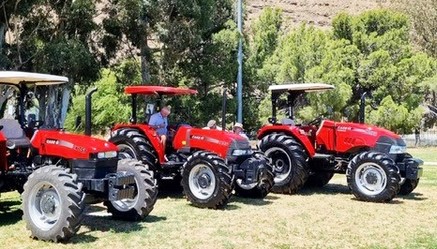
Die opening van die Clanwilliam-tak is nie bloot ’n uitbreiding nie, maar ‘n bevestiging van Weskus Meganisasie se geloof in die potensiaal van die streek se mense en landbousektor. Die nuwe tak is ten volle toegerus met ‘n werkswinkel en onderdele-afdeling, en voeg waarde toe tot die reeds bestaande takke in Vredendal, Piketberg, Malmesbury en Ceres. Die onderneming beskik nou oor 44 personeel – ‘n span wat Russouw beskryf as “die hart van ons besigheid.”

Weskus Meganisasie

Tydens die amptelike opening was verskeie gaste teenwoordig, insluitend die plaaslike sakeman en akademikus Reuben Richards, wat hartlik verwelkom is as spreker. Hy het die waarde van plaaslike betrokkenheid en ondernemingsgees in sy toespraak beklemtoon.
Verder het Azrial Scheepers, Burgemeester van die Cederberg Munisipaliteit die onderneming verwelkom met die volgende woorde:

“’n Lewende besigheid beteken meer as net produkte of dienste. Dit beteken werksgeleenthede vir ons mense, verligting van armoede in ons dorpe en streke, en investering in ons plaaslike en streeksekonomie. Dit bring vars energie en nuwe idees wat ons hele gemeenskap bevoordeel. Julle besluit om julle deure hier oop te maak wys dat julle glo in die potensiaal van ons mense en dorpe – en daarvoor is ons as raad baie dankbaar.”

’n Kultuur van diens en betrokkenheid

Rovic is ’n toonaangewende landbou-implementeverskaffer in Suid-Afrika, met ’n sterk fokus op moderne, meganiese oplossings vir boere. Hulle versprei onder meer strooiers, spuite, grondbewerkingstoerusting en ander belangrike implemente wat die doeltreffendheid van produksie verhoog.

Weskus Meganisasie

As verteenwoordiger van dié onderneming het Lindsay Green, besturende direkteur as een van die gassprekers opgetree. In sy toespraak het hy gesê: “As jy ’n goeie diens kan lewer, het jy bestaansreg. Ons verhouding met Nicky en sy span is gebou op jare se vertroue en gedeelde waardes – daarom werk dit.”

Weskus Meganisasie ondersteun plaaslike kontrakteurs en skole, en pas voortdurend aan by wêreldwye en plaaslike tendense. Die onderneming bemark ’n reeks toonaangewende handelsmerke, insluitend Landini, JCB, LuiGong en vele ander produkte.

“Ons wil ‘n jarelange verhouding met elke kliënt bou – dis nie net ‘n transaksie nie, dis ‘n vennootskap,” sê Russouw.

Die toekoms lyk blink

Weskus Meganisasie se pad van groei is ‘n getuienis van visie, volharding en vertroue in mense – of dit nou personeel, verskaffers, klante of gemeenskappe is. Die Clanwilliam-tak is nie die laaste hoofstuk nie, maar ’n opwindende nuwe begin.

Weskus Meganisasie

“Ons beweeg vorentoe – doelgerig, diensgerig en dankbaar vir die ondersteuning wat ons tot hier gebring het,” sê Russouw met trots.

Vir meer linligting besoek weskusmeg.argo-dealer.com of besoek Voortrekker straat 34, Clanwilliam.

Western Cape’s Rail Revival: Overberg Pilot Puts Freight Back on Track

0

In a strategic move to bolster the region’s agricultural competitiveness, the Western Cape government in July 2025 launched the Overberg Freight Rail Business Case and Implementation Plan. This ambitious pilot project aims to revitalise the rail network in a key agricultural corridor, addressing the long-standing challenges of relying almost exclusively on road transport. The initiative is a cornerstone of the province’s goal to triple its export value by 2035 and provides a much-needed logistical alternative for local farmers.

A Game-Changer for Farmers and Freight

The project’s primary objective is to shift a minimum of 10% of the corridor’s annual freight—equating to roughly 900,000 tonnes—from road to rail, thereby removing an estimated 40,000 truck trips from the N2 highway each year. This logistical shift is projected to cut long-haul transport costs for exporters by up to 30%, making Western Cape produce more competitive in global markets. According to Isaac Sileku, Western Cape Minister of Mobility, “The Overberg Freight Rail Business Case is about creating a commercially viable, data-driven freight system that cuts logistics costs, reduces congestion on the N2, and positions the Western Cape to triple its export value by 2035.

Community and Collaboration Drive Success

The initiative’s success hinges on public-private partnerships, a model designed to secure investment and ensure the long-term viability of the rail service. The project has received strong support from local leadership. “This project represents a turning point for our district,” stated Overberg District Mayor Sakkie Franken. “By unlocking rail, we are not just moving freight, we are attracting investment, creating jobs, and strengthening our region’s economy for the long term.” A Transnet representative also underscored the importance of collaboration, emphasizing the need for “targeted investment, public-private partnerships, and coordinated planning to bring the infrastructure up to standard and support a significant shift from road to rail.” The pilot’s initial phase, which focuses on feasibility and securing commercial buy-in, is set to run until mid-2026, with full operations targeted for 2028.

The Overberg Freight Rail Pilot is more than just a logistical solution; it represents a fundamental re-evaluation of how the Western Cape’s agricultural sector moves goods to market. By re-engaging with its rail infrastructure, the province is directly tackling the twin challenges of rising transport costs and road congestion. This project sets a precedent for sustainable development, leveraging public-private partnerships to build a more efficient, resilient, and environmentally conscious supply chain.

The insights and successes from this pilot will undoubtedly serve as a blueprint for other agricultural corridors, reinforcing the Western Cape’s position as a leader in innovative and export-driven logistics for South Africa.

Overberg Farmland Protection Effort Supports Biodiversity and Black Harrier Breeding

0

A 270-hectare portion of critically endangered renosterveld in the Overberg, between Bredasdorp and Swellendam, has been secured for long-term conservation. The land, part of a property called Goereesoe, was purchased by the Overberg Renosterveld Trust (ORT) in partnership with the UK-based World Land Trust (WLT) and the philanthropic Mapula Trust.

The site protects one of the last remaining fragments of Eastern Rûens Shale Renosterveld—one of South Africa’s most threatened vegetation types. Only around 5% of this ecosystem still exists, with most of it lost to agriculture over past decades.

Critical breeding site for Black Harrier

Goereesoe is a key stronghold for the endangered Black Harrier, which has fewer than 500 breeding pairs remaining in the wild. The property supports up to 20 breeding pairs and has the highest known density of nests recorded in a single year.

Overberg

“This is a significant win for renosterveld and the Black Harrier,” said Dr Odette Curtis-Scott, CEO of the ORT. “Goereesoe is one of the most important breeding sites for Black Harriers. By securing this land, we are protecting critical habitat and species whose futures are teetering on a knife edge.”

Together with neighbouring sites Haarwegskloof and Plaatjieskraal, which are also managed by the ORT, this renosterveld cluster supports around 30 breeding pairs—representing at least 6% of the global population of this endemic raptor.

Farming and conservation side by side

The ORT’s conservation model includes working directly with neighbouring farmers. Goereesoe borders Muurkraal, a property protected through a Conservation Easement agreement with the landowner. These easements are voluntary but legally binding, allowing farmers to continue operations while protecting biodiversity.

“It means that wildlife, especially our precious pollinators and invertebrates, can move freely and safely across these natural remnant patches in this highly transformed landscape,” said Curtis-Scott. “Our ultimate goal is to protect as much of the remaining biodiversity as possible, building ecological resilience to future land-use and climate change.”

The ORT has grown its footprint from 500 hectares in 2013 to over 1,300 hectares today. Goereesoe and Plaatjieskraal will both be declared Nature Reserves in due course. Together, they now form part of the largest connected stretch of renosterveld left on Earth.

Global support for local action

The Goereesoe purchase was supported by WLT’s Buy an Acre programme, which allows people around the world to contribute directly to land conservation projects.

“This acquisition will play an important role in renosterveld conservation,” said Dr Catherine Barnard, CEO of WLT. “It’s a culmination of a lot of hard work from Odette and the ORT team.”

Goereesoe also plays a role in ongoing research into the movements of Black Harriers, particularly their migration routes and their exposure to wind farms, which are having a significant negative impact on the species.

Bird Flu Resurfaces: Western Cape on Alert as Avian Influenza Cases Rise

0

The Western Cape Department of Agriculture (WCDoA) has issued an urgent alert following the re-emergence of high pathogenicity avian influenza (HPAI) across parts of South Africa. Commonly known as bird flu, the virus has now been confirmed in North West, Mpumalanga, and most recently, the Western Cape – prompting fresh concerns among poultry producers and conservationists alike.

Confirmed Outbreaks 

The province’s first outbreak in the current wave was detected in early July on a duck farm near Paarl. Both ducks and associated chickens were humanely culled to contain the spread. Meanwhile, wild bird deaths – the first recorded since April – have included Great White Pelicans near Malmesbury and Hartlaub’s Gulls in the Cape Town region. These are the first mass mortalities of wild birds due to bird flu in the Western Cape since 2022.

Understanding Avian Influenza

Avian influenza is a viral disease that affects domestic and wild birds, often with fatal outcomes. The virus spreads via direct contact with infected birds or contaminated materials, including faeces and feathers. Wild birds may show neurological symptoms such as seizures or disorientation, and unusually tame behaviour.

While cases of HPAI in humans and mammals have occurred overseas following close contact with infected birds, the current risk to the South African public remains low. Crucially, there is no evidence of human-to-human transmission at this stage. Poultry products available in stores are safe for consumption.

Reporting and Vigilance Needed

Under the Animal Diseases Act (No. 35 of 1984), avian influenza is a controlled disease, and any suspected cases in poultry must be reported to a local State Veterinarian without delay. The WCDoA also appeals to the public to report unusual wild bird deaths — especially clusters of seabirds (three or more) or even single raptors — through official reporting channels or the “SA seabird bird flu form” accessible via the Oceans and Coastal Information Management System (OCIMS).

Live sick seabirds should only be handled by professionals or taken to seabird rehabilitation centres.

Biosecurity: The Front Line of Defence

With the poultry sector still recovering from past outbreaks, farmers are urged to implement and reinforce strict biosecurity measures. These include:

  • Limiting farm access to essential personnel only
  • Banning entry to anyone who has had poultry contact in the last 48 hours
  • Preventing interaction between poultry and wild birds through fencing or netting
  • Disinfecting all vehicles, footwear, and equipment entering or leaving poultry premises
  • The virus often spreads via contaminated materials, so hygiene remains critical in preventing farm-to-farm transmission.

Cooperation Key to Containment

As the Western Cape faces the threat of another wave of avian influenza, the responsibility is shared between government, farmers, and the public. Continued vigilance, rapid reporting, and rigorous on-farm practices are essential to curbing the spread and protecting not only poultry flocks but also the province’s broader agricultural economy and biodiversity.

For updates and veterinary contact information, visit the official WCDoA website at www.elsenburg.com

A Bitter Harvest: US Tariffs Slam South Africa’s Agricultural Sector

0

The feared has become a reality. As of today, 5 August 2025, South Africa’s agricultural sector is scrambling to respond to the US’s unilateral decision to impose a 30% tariff on a significant portion of its exports. After months of intense but ultimately unsuccessful negotiations, the looming deadline is now a stark reality for farmers and exporters across the country.

This report compiles what we know up to this point, drawing on official government statements, industry reactions, and expert analysis.

Government’s Response

The South African government, led by the departments of International Relations and Cooperation (Dirco) and Trade, Industry and Competition (dtic), has confirmed the failure of its efforts to secure a more favourable tariff rate. In a joint media statement, the ministers acknowledged their submission of a “comprehensive and ambitious Framework Deal” in May, but the US decided to move forward with the reciprocal tariff, which is being applied to numerous countries globally.

The government’s focus has now shifted from negotiation to mitigation. An “Economic Response Package” is being rolled out with the following key components:

Relaxing Competition Laws: A “Block Exemption” to the Competition Act is being developed. This measure is designed to allow exporters to coordinate activities, share market information, and achieve economies of scale to better compete in new markets.

Export Support Desk: A dedicated point of contact has been established to offer tailored advisory services to affected companies. The desk will provide guidance on alternative markets, entry processes, and compliance requirements, linking exporters with South African embassies and high commissions abroad.

Financial Assistance: The government is finalising details on a support program that will include a working capital facility and a plant and equipment facility. This is meant to assist companies in absorbing the tariff’s impact and building long-term resilience.

Market Diversification: The government is actively working to strengthen trade partnerships with other African nations, as well as countries in Asia, Europe, and the Middle East. They specifically highlighted successes in opening new markets in China and Thailand for products like citrus.

A Short Grace Period for In-Transit Goods

In a small glimmer of relief, the US Executive Order provides a specific timeframe for goods already on their way. Exports that are:

  • Loaded onto a vessel and in transit before 12:01 a.m. Eastern Daylight Time on August 8, and
  • Entered for consumption or withdrawn from a warehouse for consumption before 12:01 a.m.
  • Eastern Daylight Time on 5 October will still be subject to the old 10% tariff, not the new 30% rate. This gives exporters a narrow window to get their existing shipments into the US market before the full weight of the new tariff hits.

AgriSA’s Grave Concerns and Strategic Recommendations

AgriSA, the farmers’ federation, has been vocal in its assessment of the situation, labelling the tariff as an “immediate and severe blow.”

Economic Threat: AgriSA CEO Johann Kotzé has warned that the tariffs pose a significant threat to South Africa’s R250 billion export-driven agricultural sector. The organisation has amplified the South African Reserve Bank’s warning of potential job losses reaching up to 100,000, primarily in agriculture and the automotive sector.

Diversification Challenge: Kotzé has stressed that while market diversification is a valid long-term strategy, “supply chains cannot be redirected overnight.” The immediate impact on producers heavily reliant on the US market is therefore expected to be particularly painful.

Call for a Coordinated Plan: In response to the crisis, AgriSA has called for a strategic, five-point plan for the government. This includes strengthening diplomatic talks with the US, tackling trade barriers in other markets, and boosting South Africa’s trade negotiation capacity with a team of expert negotiators.

Industry Players Weigh In: Citrus, Wine, and Beyond

The agricultural sub-sectors most exposed to the US market have been quick to share their concerns and strategies.

Citrus Growers Association (CGA): The CGA has raised alarms about the timing of the tariff, which coincides with the peak citrus season. They argue that the 30% tax will put South African exporters at a severe disadvantage against competitors like Chile and Peru, which enjoy a lower tariff. The CGA has highlighted the risk to thousands of jobs in rural communities that depend on citrus farming.

Agricultural Business Chamber of South Africa (Agbiz): Agbiz chief economist Wandile Sihlobo has acknowledged that the road ahead will be “challenging” and that the “profound uncertainty” is costly to businesses. He noted that while negotiations may continue, South Africa’s new tariff rate is significantly higher than what many other countries have received, which puts the country at a disadvantage.

Other Players: From the wine industry, there is concern that the tariff will be passed on to US consumers, making South African wines uncompetitive. While some in the industry are looking for ways to absorb costs and double down on brand value, the consensus is that the market will become significantly tougher. Similarly, other high-value horticultural products like table grapes, avocados, and macadamia nuts face similar pressures, prompting a push for long-term strategies to build resilience through new market penetration.

The introduction of the 30% US tariffs marks a significant and painful turning point for South Africa’s agricultural export sector. While the government has swiftly moved to announce mitigation strategies and a plan for market diversification, the immediate impact on profitability and job security for key industries like citrus, wine, and other fresh produce remains a grave concern. The coming weeks and months will test the resilience of South African producers and the effectiveness of the government’s support measures as the sector grapples with the task of rebuilding trade partnerships and finding new opportunities in a challenging global market.

For Assistance and Further Information

Exporters affected by the new tariffs can contact the Department of Trade, Industry and Competition’s (dtic) Export Support Desk for guidance and assistance.

For the Americas (including the US): Ms. Nthatisi Moraloge, [email protected]

General dtic inquiries: Mr. Karabo Modimokwane, [email protected] or call (012) 394-1164

dtic’s General Customer Contact Centre: 0861 843 384 (National) or +27 12 394 9500 (International)

Benguela Cove Sets Gold Standard in Sustainable Winegrowing and Agri-Tourism

Benguela Cove Lagoon Wine Estate is a place where vines meet the ocean, and luxury experiences are born, with sustainability you can trust.

Imagine a getaway where every indulgence feels even better, knowing it’s contributing to a brighter future. At Benguela Cove, their Luxury Villas are not only a dream, but it is also a testament to their commitment to sustainable practices. Recently awarded Travelife Gold Certification, a globally recognized benchmark for excellence in sustainable tourism, Benguela Cove shows their dedication to providing an extraordinary experience, while honouring the planet and supporting the community.

From the moment guests arrive, they’ll feel the difference as Benguela Cove’s commitment to sustainability is woven into every aspect of their stay.

Benguela Cove

From water-wise gardens and low-impact design, they are passionate about having as minimal impact on the environment as possible to preserve the breathtaking natural beauty that surrounds their estate. The practices are designed to protect this pristine coastal environment for generations to come. Through supporting the local community, they believe in fostering strong relationships and contributing to the well-being of neighbours. Every guest that stays contributes towards meaningful local partnerships and upliftment projects. Benguela Cove is a destination that provides a multitude of luxury experiences from fine dining, food and wine pairings, eco boat cruises and nature walks with a glass of wine in hand. Guests can indulge in every luxury experience with peace of mind, knowing it’s delivered by conscious, eco-friendly hospitality with a team that has profound respect for the planet.

When you choose Benguela Cove, you become part of a larger, meaningful story. It’s a story of coastal conservation, responsible winegrowing practices, and a family’s passion to create sustainable experiences across two continents.

Benguela Cove’s commitment to sustainability also extends deeply into their vineyards and winemaking practices, ensuring that every bottle of their acclaimed wine not only delights the palate but also contributes to a healthier planet. As a WWF Conservation Campion, their dedication to eco-friendly viticulture is at the core of their operations. The farm is managed as naturally as possible, with meticulous care taken to preserve the delicate ecosystem. They adhere to the strict guidelines of the Integrated Production of Wine (IPW), a South African industry standard that promotes environmentally sound farming methods and minimizes the use of harmful pesticides or chemicals.

In the cellar, their commitment continues. Benguela Cove aims to minimize waste and energy consumption. The philosophy is to create a harmonious system where every element works together, from vine to bottle.

Ready to discover award winning wines and the ultimate luxury escape that truly aligns with your values? Book your unforgettable stay at Benguela Cove Luxury Villas today and experience sustainable indulgence at its best.

For more information visit www.benguelacove.co.za or email [email protected].

Beefmaster Group: A National Footprint, Rooted in History, Embracing New Horizons

0

For decades, the Beefmaster Group has been a cornerstone of South Africa’s red meat industry. Founded in 1965 by Lourie van Reenen, it evolved into a fully integrated operation by 1986. Their influence spans key regions: the primary feedlot, where cattle are raised to world-class standards, is located near Christiana in the North West province. From there, their state-of-the-art abattoir and processing facility, along with the corporate office, are situated in Kimberley, Northern Cape. This integrated approach enables them to serve major economic centres like Gauteng through retail outlets in Boksburg and Olifantsfontein (Johannesburg), connecting directly with consumers.

Driving Industry Growth and Community Impact

Looking ahead, 2025 sees Beefmaster Group cautiously optimistic about the South African beef industry. Despite recent headwinds, CEO Gert Blignaut notes robust production volumes and record export performance, vital for sustained growth. This underpins their ongoing investment. The group is committed to uplifting communities, investing nearly R900,000 this year in initiatives focused on youth skills development, early childhood education, and fostering financial literacy and community health. As one of Kimberley’s largest private employers, their efforts extend across provinces, including the North West, contributing to the broader agricultural and industrial landscape.

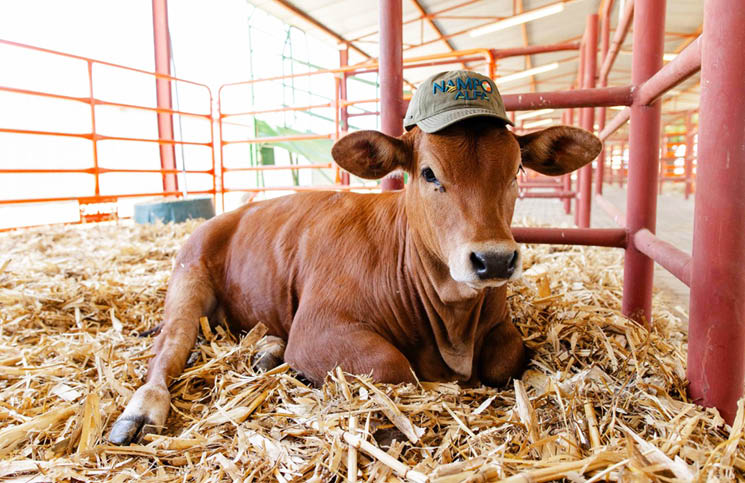
A particularly noteworthy venture is their proactive integration of Nguni cattle into their feedlots. This initiative, recently featured in agricultural publications, signals a strategic shift. Traditionally, Nguni cattle—prized for hardiness and adaptability—have been central to emerging farmers, particularly in provinces with extensive grazing lands like Mpumalanga.

By purchasing Nguni weaners directly from breeders, Beefmaster is diversifying its supply chain, empowering these farmers, and opening new commercial pathways for a valuable indigenous breed. This move strengthens the beef value chain, ensuring quality South African beef, from various breeds and farming backgrounds, reaches tables in Gauteng and beyond.

With deep roots and forward momentum, Beefmaster Group remains committed to advancing the beef sector while supporting communities nationwide.

AGRI 5 Expo 2025: Driving Inclusive Growth in Agriculture

0

As AGRI 5 Expo enters its 12th year in 2025, it continues to serve as a critical platform to empower black farmers, grow agribusinesses, and promote meaningful transformation within South Africa’s agricultural sector. Hosted and facilitated by Atone Works, the AGRI 5 Expo is both the event platform and primary organiser, dedicated to supporting black commercial and emerging farmers across the country.

Spanning three provinces—Eastern Cape, KwaZulu-Natal, and Limpopo—the 2025 Expo will focus on creating sustainable opportunities through agro-processing, market access, and youth empowerment.

AGRI 5 Expo 2025: Driving Inclusive Growth in Agriculture

The AGRI 5 Expo is a transformative space where black farmers from across the country engage with industry leaders, private companies, and government agencies. With an emphasis on poultry, livestock, dairy, crop, and piggery production, the Expo provides tools and insights for farmers to move from raw production into value-added agro-processing.

Through in-depth workshops and live exhibitions, the platform promotes business thinking in farming, introduces strategies for turning primary produce into marketable commodities, and fosters direct dialogue between the farming community and key stakeholders.

2025 Expo Dates and Venues

Each AGRI 5 Expo event will host 10,000 active African farmers, offering regional access to essential industry resources:

Eastern Cape

Dates: 25 – 26 September 2025

Venue: The Buffalo Club, East London

Focus: Youth empowerment through agro-processing and linking rural produce to retail markets

KwaZulu-Natal

Dates: 30 – 31 October 2025

Venue: The Breeze Inn, Pietermaritzburg

Focus: Building sustainable farming businesses and forging partnerships with the private sector

Limpopo

Dates: 20 – 21 November 2025

Venue: Tzaneen Country Lodge, Tzaneen

Focus: Export readiness, product development, and employment creation through processing

Why Companies Should Partner with AGRI 5

As both the event platform and host, AGRI 5 offers unmatched opportunities for organisations to engage directly with a national agricultural audience. By partnering with the Expo, companies can:

  • Connect with over 35,000 farmers via the AGRI 5 App
  • Feature their agro-processing success stories in the official newsletter
  • Showcase their commitment to affirmative procurement and supplier development
  • Mentor youth and drive job creation through rural agro-processing initiatives
  • Build impactful relationships with key stakeholders in South Africa’s agricultural ecosystem

AGRI 5 Expo 2025 is more than an event—it is a movement, hosted by Atone Works, to transform agriculture through knowledge, empowerment, and opportunity. With a strong focus on black farmer development, agro-processing, and strategic partnerships, AGRI 5 remains the country’s premier platform for inclusive agricultural growth.