13.1 C
Cape Town
Friday, June 26, 2026
Home Blog Page 20

Record-Breaking 2025 Valencia Season Strains Logistics Amid Surge

0

The Southern African citrus industry has concluded a landmark 2025 Valencia season, characterised by volumes that significantly outperformed initial forecasts but placed unprecedented pressure on the region’s logistical backbone. According to the latest “From the Desk of the CEO” newsletter from the Citrus Growers’ Association of Southern Africa (CGA), final Valencia exports reached approximately 61.8 million cartons (15kg equivalent), a stark contrast to the initial April estimate of 52 million.

Drivers of the Surge

CGA CEO Dr. Boitshoko Ntshabele attributed this “surprising abundance” to a combination of favourable agronomic conditions and strategic packing shifts. “The 2025 season ultimately confirmed a substantial increase in the Valencia crop, driven by excellent growing conditions and strong pack-outs,” Dr. Ntshabele noted.

Key production regions played a pivotal role:

Letsitele: The largest producing region saw early colour development, allowing for a faster start to the packing season.

Limpopo River: Reported exceptional fruit size and colour quality.

Eastern and Western Cape: Both regions delivered record volumes, with favourable conditions supporting high yields.

Botswana: Marked a historic milestone by packing its first-ever commercial Valencia crop.

A notable trend this season was the increased volume of Processing Grade (PP) fruit. Driven by favourable international prices compared to local juice markets, PP fruit accounted for 12% of the total Valencia export volume.

Market Performance and Logistical Strain

Global markets absorbed the record volumes, with Europe maintaining its position as the top destination at 20 million cartons. However, the most dramatic growth occurred in other regions:

  • Middle East: Exports surged from 6.9 million to 10.4 million cartons.
  • Asia: Volumes reached 6.1 million cartons, up from 3.8 million the previous year.
  • Russia: Shipments grew to 5.7 million cartons.

While the volume growth is a boon for foreign currency earnings, it has not been without cost. Dr. Ntshabele emphasised that the sheer scale of the 2025 crop “placed considerable pressure on both the market and logistical infrastructure throughout the export period.”

Looking Ahead: 2026 Roadshows

As the industry reflects on a record-breaking year—totalling 203.4 million cartons across all citrus varieties—focus now shifts to the 2026 season. Dr. Ntshabele has announced a series of regional roadshows scheduled for February and March 2026 to discuss these results and prepare for upcoming challenges, including rising input costs and shifting market access regulations.

The roadshows will kick off on 16 February in Burgersfort and Groblersdal, travelling through Hoedspruit, Letsitele, and the Limpopo River regions before concluding in the Cape and KZN in March. Stakeholders are encouraged to RSVP to the CGA to participate in these critical planning sessions.

Data and Disasters: Strengthening the “Invisible Infrastructure” of the Western Cape

0

In a globalised economy, the strength of a province’s agricultural logistics is often measured by its ports and rail lines. However, as extreme weather becomes more frequent, a new form of infrastructure has emerged as equally vital: Ecological and Data Infrastructure. Through the Mediterranean Climate Action Partnership (MCAP), the Western Cape is now leading a global alliance to “climate-proof” the foundations of our agricultural sector.

A Global Alliance for Local Resilience

The MCAP is an international alliance of 16 regions across five continents that share a Mediterranean climate—and its specific hazards. “While informal collaborations existed, there was no formal platform to consolidate expertise,” says Dr. Ilse Trautmann of the Western Cape Department of Agriculture. Launched at COP28 in 2023, MCAP acts as a knowledge-logistics hub, moving vital data across borders to help regions like ours manage extreme heat, drought, and wildfires.

Protecting the Water and Energy “Highways”

For the Western Cape farmer, infrastructure isn’t just a road; it is the mountainous water-storage system and the mountain catchments that feed it. The partnership prioritises Water Management Infrastructure, recognising that fruit orchards are highly vulnerable to drought that halts production at the source.

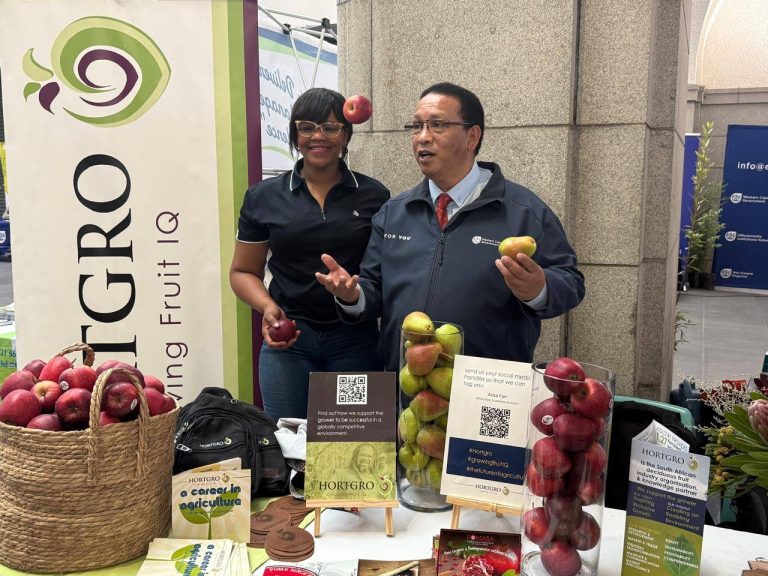
“Local partners such as Hortgro and CapeNature support MCAP because it helps the region identify shared risks,” explains Trautmann. By linking fruit orchards to sophisticated water-monitoring systems, the Western Cape is building a “defensive infrastructure” that ensures crop yields—and the logistics that follow—remain stable even in unpredictable weather.

Digital Infrastructure: Predictive Tools for 2026

The 2025 MCAP Convening in the Western Cape approved three major cross-regional projects that act as Digital Infrastructure for the sector:

  1. Wildfire Risk Information Service: A spatial planning tool to prevent fire from destroying physical farm assets and blocking transport corridors.

  2. Regional Heat Island Tool: A monitoring system to predict extreme heat, which directly impacts the “Cold Chain” logistics by requiring more energy for refrigerated storage.

  3. Coastal Wetlands Resilience: Protecting the biodiversity and water management systems that safeguard our coastal export hubs.

Managing the “Disaster Logistical” Chain

Disasters like wildfires don’t just destroy crops; they disrupt the disaster logistical chain, cutting off-road access for exports and threatening worker safety. As Dr. Stephanie Midgley highlights, localised threats like wildfires endanger not only the orchards, but also the communities that provide the labour for our packhouses.

Through MCAP, the Western Cape is learning to use “crises as catalysts for policy change.” This means building resilient community infrastructure that goes beyond simple awareness, delivering tangible benefits such as well-planned water management and heat-mitigation projects that protect the workforce and the economy.

The Verdict: Infrastructure for the Long Haul

As the Western Cape aims for a R1 trillion economy by 2035, the MCAP partnership proves that logistics starts long before the fruit reaches a truck. It begins with the data that predicts a fire and the ecological infrastructure that secures a dam. By participating in this global network, the Western Cape is not just adapting to climate change; it is building a modernised, scientific backbone for a resilient agricultural future.

Logistics: The Undeniable Backbone of South African Farming Excellence

0

The South African agricultural sector is a global powerhouse, yet the true determinant of its success is often invisible: logistics. No longer a background operational cost, logistics has become the decisive competitive advantage separating profitable, resilient farms from those exposed to mounting risk. In an era of tightening global markets and deteriorating domestic infrastructure, mastering logistics is no longer optional—it is essential.

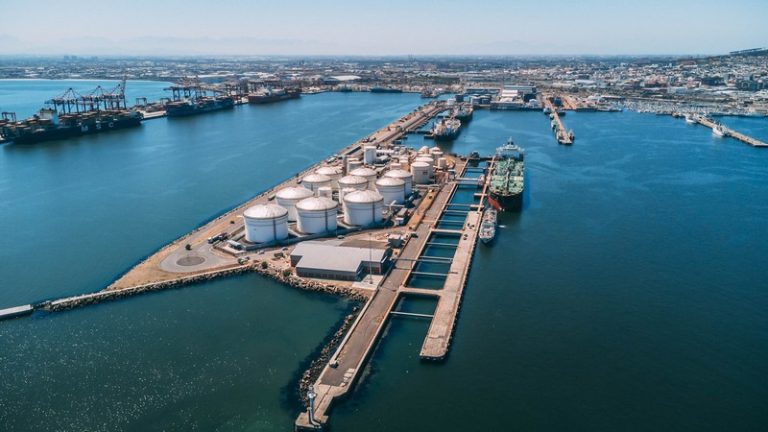
South African farmers face a convergence of pressures. Aging ports, unreliable rail systems, and congested road networks collide with rising international standards for speed, traceability, and quality. High-value export sectors such as citrus, table grapes, wine, and fresh produce are particularly vulnerable. Delays at key ports can quickly erode margins, compromise product quality, and jeopardise entire seasons. In this environment, logistics determines whether agricultural excellence translates into commercial success.

The First Mile: Where Control Still Exists

The most effective response begins at farm level. Farmers must assume direct responsibility for what they can control—particularly the “First Mile,” the critical period between harvest and the farm gate. Efficient harvesting schedules, on-farm handling, packaging, and cold storage form a protective buffer against downstream failures. When national systems falter, operational discipline at the source becomes the difference between resilience and loss.

Mastering the First Mile now extends beyond the vehicle; it requires energy logistics—integrating renewable power and on-site storage to ensure uninterrupted cold chains and packhouse operations regardless of grid stability.

Logistics as the Backbone of Farm Economics

Logistics governs the entire flow of agricultural value. It ensures that perishable goods reach markets in optimal condition, that inputs arrive on time, and that production cycles remain uninterrupted. Cold chain integrity, storage management, and transport coordination directly reduce post-harvest losses while preserving quality, flavour, and nutritional value. Reliable logistics also enable access to premium markets, strengthen bargaining power, and support compliance with strict delivery timelines demanded by global buyers.

Furthermore, logistics must now carry the dual burden of physical movement and digital transparency. In 2026, biosecurity data, phytosanitary “passports,” and carbon-footprint tracking are the new mandatory visas for premium global market access.

Machinery and Input Logistics: Hidden Risk Factors

Logistics does not end with outbound transport. The inward movement of seeds, fertilisers, fuel, and spare parts is equally critical. Delays in components for harvesters, planters, or irrigation systems can halt operations during narrow planting or harvesting windows, leading to irreversible losses.

Modern machinery management has shifted from reactive repair to predictive logistics, using telematics and IoT sensors to anticipate part failures before they halt a harvest. Treating machinery as a logistical asset—supported by preventative maintenance and reliable suppliers who can guarantee fast delivery—is a defining trait of modern farming excellence.

Sector-Specific Dependence on Logistics

While logistical demands vary, no farming sector is exempt. Horticulture and dairy rely on uninterrupted cold chains. Grain and oilseed producers manage massive volumes, making storage and timing strategies essential. Livestock and poultry operations face additional complexity, where transport efficiency intersects with animal welfare, biosecurity, and regulatory compliance.

Technology, Collaboration, and the National Imperative

Digital traceability systems, IoT sensors, and real-time monitoring increasingly provide proof of quality and transparency to international buyers. At the same time, cooperative logistics allows smaller producers to consolidate loads, lower costs, and access better markets.

Ultimately, however, farm-level excellence must be matched by national investment in ports, rail, and rural roads. Until then, the farmer who masters logistics—both physical and digital—masters the market and secures long-term competitiveness.

A Festival of Wine and Community as Stellenbosch Harvest Parade Returns

0

Excitement is building as the iconic Stellenbosch Harvest Parade returns to the streets of South Africa’s wine capital on Saturday, 31 January 2026. The much-loved event marks the start of the grape harvest season and, this year, carries added significance as it celebrates the 55th anniversary of Stellenbosch Wine Routes.

As the first major wine celebration of the year, the parade brings together residents, visitors and farm workers in a colourful expression of wine culture, agriculture and community pride. With floats, lively brass music and festive dress-up, it remains one of Stellenbosch’s most recognisable and anticipated traditions.

A Tradition Rooted in Gratitude and Heritage

The Harvest Parade reflects an ancient global custom in which farming communities give thanks in anticipation of a fruitful season. In Stellenbosch, the celebration has a particularly rich meaning, rooted in South Africa’s unique wine history.

The country is the only wine-producing nation able to pinpoint the exact date of its industry’s birth: 2 February 1659, when the first wine was produced at the Cape. This enduring legacy continues to shape Stellenbosch’s identity as one of the world’s leading wine destinations.

Celebrating the People Behind the Vineyards

At its heart, the parade is a tribute to farmers and agri-workers, many of whom take part in the procession themselves. Their skill and dedication sustain thousands of jobs and drive growth across the region.

Organised by Stellenbosch Wine Routes, the event celebrates the people who work behind the scenes in vineyards and cellars, acknowledging wine as a vital part of the town’s heritage, economy and daily life.

Community Support and Civic Pride

The parade is free to attend and made possible through the continued support of the Stellenbosch Municipality, a long-standing patron of the event. The municipality’s backing highlights the vital role agriculture and wine tourism play in the region’s prosperity and character.

With its music, colour and strong sense of togetherness, the Harvest Parade has become a highlight on the town’s annual calendar and a moment for the broader community to come together in celebration.

Parade Route and Timing

The procession begins at 09:00 at the Toy and Miniature Museum in Market Street. It travels along Alexander, Bird, Church and Plein Streets, arriving at the Stellenbosch Town Hall at approximately 09:30 for the official blessing of the harvest. Thereafter, the parade returns along the same route to its starting point.

For locals and visitors alike, the 2026 Stellenbosch Harvest Parade promises a joyful and meaningful start to the harvest season — and a fitting celebration of 55 years of wine tourism excellence.

2026 Combined Congress: A Blueprint for Future Farming

0

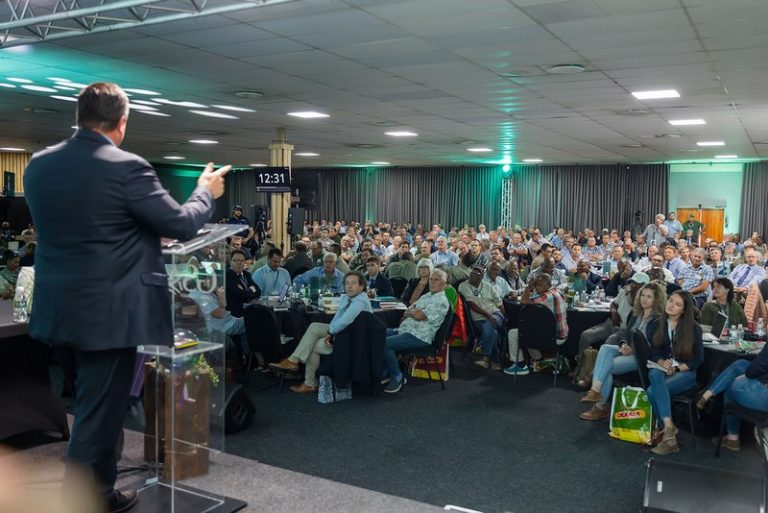
From 19 to 22 January 2026, the North-West University’s (NWU) Potchefstroom campus will transform into the national hub for agricultural innovation as it hosts the annual Combined Congress. This prestigious event is a collaborative powerhouse, merging the expertise of three leading scientific bodies: the soil, crop, and horticultural science societies of Southern Africa.

A Multidisciplinary Approach to Productivity

For the progressive producer, this congress represents the frontline of future farming. By breaking down the traditional “silos” between different scientific disciplines, the event addresses the farm as a holistic ecosystem. Under the 2026 theme, “Agricultural Science taking South Africa into the future,” the focus is squarely on how high-level research translates into bin-filling yields and sustainable practices.

Climate-Smart Agriculture and Big Data

The 2026 agenda is heavily weighted toward Climate-Smart Agriculture (CSA) and the practical integration of big data. As South African producers navigate increasingly volatile weather patterns, the discussions move beyond pure academia.

This year’s program features dedicated sessions on:

  • Carbon Sequestration: Practical methods for soil carbon credits and improving organic matter.

  • Precision Agriculture: Using “Big Data” to optimize resource management and reduce input waste.

  • Soil Health & Biostimulants: Exploring the latest biological breakthroughs that stabilize crop performance under heat and moisture stress.

Bridging the Gap: Science Meets the Soil

With hundreds of delegates—including top researchers, industry specialists, and policymakers—the event provides an unparalleled networking platform. It offers farmers and agricultural consultants a direct line to the scientists developing the latest cultivars and sustainable farming protocols.

This interaction ensures that laboratory breakthroughs are stress-tested against the realities of the South African environment. Attendees gain early insights into new technologies and chemical formulations before they hit the commercial market.

Mapping the Next Decade

To understand the technological and environmental trajectory of South African agriculture over the next ten years, the Combined Congress is an essential fixture on the January calendar. It is not merely a meeting of minds, but a roadmap for resilience in an evolving global market.

Steenhuisen’s 10-Year Vision for an Foot and Mouth Disease-Free Future

0

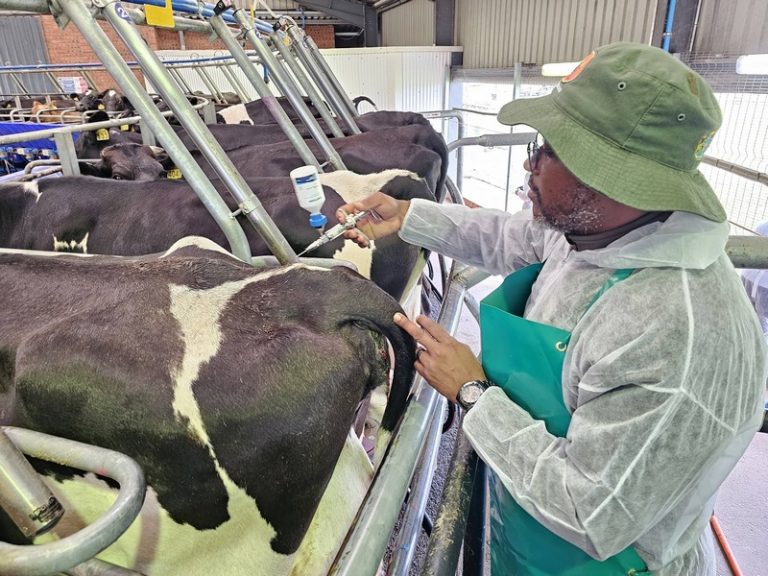
In a landmark update on 14 January, Minister of Agriculture John Steenhuisen signalled a turning point in South Africa’s fight against Foot and Mouth Disease (FMD). Moving beyond simple containment, the Minister unveiled a sophisticated, multi-billion rand roadmap designed to restore South Africa to its rightful place as a global leader in livestock trade. The strategy is not just about control—it is about a permanent return to a disease-free status that protects our R80 billion industry.

The Roadmap to Freedom: A Phased Success Plan

Minister Steenhuisen’s 10-year strategy provides the first-ever clear “exit ramp” from the FMD crisis. By breaking the recovery into manageable phases, the plan offers a realistic path to success:

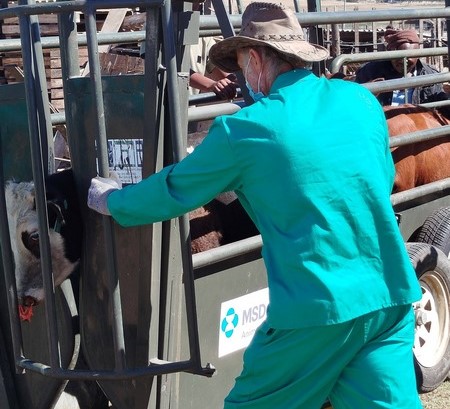
  • Stabilisation (Years 1–2): A high-impact mass vaccination campaign aims to slash outbreak incidents by over 70% within the first 12 months.

  • Consolidation (Years 3–4): The creation of “protection zones” and “buffer areas” to safeguard the export potential of provinces like the Western and Northern Cape.

  • National Freedom (Years 7–10): The systematic withdrawal of vaccination, culminating in final recognition from the World Organisation for Animal Health (WOAH).

To ensure transparency and scientific excellence, a 25-member Ministerial Advisory Task Team, featuring the nation’s top veterinary and industry specialists, is now at the helm to guide every decision.

“No More Fighting in the Dark”: The Digital Revolution

The most exciting shift is the move toward a digital-first agricultural sector. The Minister announced that South Africa is no longer guessing where the virus is. Through the RMIS Movement App and the Livestock Identification and Traceability System (LITS), the Department has launched a real-time digital heatmap.

This platform allows for precision tracking of every vaccinated animal and monitors outbreaks within a 10km radius. To support this, the Minister is fast-tracking legislative updates to the Animal Identification Act, paving the way for mandatory electronic identification. This modern approach will replace old paper trails with high-tech geolocation, ensuring that compliant farmers are protected from the risks of illegal livestock trade.

Securing the Global Vaccine Pipeline

The “ammunition” for this war is arriving in record numbers. Minister Steenhuisen has successfully diversified South Africa’s vaccine sources to ensure a reliable, high-potency supply:

  • Argentina Partnership: One million doses of top-tier trivalent vaccine from Biogénesis Bagó are ready for shipment, with five million more secured by March.

  • Regional Strength: The Botswana Vaccine Institute (BVI) is delivering one million doses monthly, specifically targeting SAT 2 hotspots.

  • Local Resilience: The ARC and OBP are ramping up domestic production to 20,000 doses weekly, proving that South Africa is reclaiming its vaccine manufacturing sovereignty.

A Unified Front for Farmers

The request for a National State of Disaster is a strategic move to unlock resources—bringing in the SAPS and SANDF not to punish farmers, but to protect them. By securing transit corridors and enforcing movement laws, the government is ensuring that the efforts of responsible producers are not undermined by a few bad actors.

“By protecting our national herd, we are protecting our future,” Steenhuisen concluded. With R1.8 billion prioritised and a 25-expert task team leading the way, the message to South African farmers is clear: help is here, the plan is sound, and the road to an FMD-free South Africa has officially begun.

Balfour Hooidag 2026: Tegnologie en Presisie “Van Veld tot Fees”

Die jaarlikse Balfour Hooidag vind op 21 Januarie 2026 plaas en beloof om weer eens een van die mees praktiese en relevante velddae vir Suid-Afrikaanse vee- en voerprodusente te wees. Hierdie gewilde geleentheid word deur die Balfour Boerevereniging aangebied in trotse samewerking met AFGRI Equipment. Dit is ‘n dag wat gefokus is op die nuutste tegnologie, waar teorie en praktyk op die landerye ontmoet.

Nuwe Terrein op die R23

Vir 2026 verskuif die aksie na ’n nuwe en groter terrein op die R23, slegs 5 km buite Balfour op die pad na Heidelberg. Hierdie skuif is strategies beplan om meer ruimte te bied vir die grootskaalse demonstrasies waarvoor die dag bekend is. In ’n bedryf waar die koste van wintervoer en die doeltreffendheid van voerproduksie dikwels die verskil tussen wins en verlies beteken, is hierdie dag ’n onmisbare geleentheid vir enige progressiewe boer.

Kundige Sprekers en Markinsigte

Die program word gekenmerk deur hoëgehalte-inhoud wat boere help om ingeligte besluite vir die komende seisoen te neem. Besoekers kan uitsien na waardevolle insigte van kundige sprekers, waaronder:

  • Albert Myburg (AFGRI, Graan Bemarking): Wat die jongste markneigings en die impak van graanpryse op voerkoste sal bespreek.

  • Lourens van Rensburg (ELIM): Bekend vir sy kundigheid in die optimisering van voergehalte.

  • Jacob de Villiers (AFGRI Equipment): Wat fokus op die rol van presisie-tegnologie in moderne voerproduksie.

Meganisasie in Aksie: “Van Veld tot Fees”

Die groot trekpleister bly egter die praktiese demonstrasies onder die tema “Van Veld tot Fees”. Hier kry produsente die seldsame kans om die nuutste hooimaak-tegnologie — van hoë-kapasiteit snyers en harke tot die gevorderde balers van AFGRI Equipment — werklik in aksie te sien.

Dit bied die ideale platform om verskillende handelsmerke en modelle se werkverrigting onder regte toestande te vergelyk. Die fokus val veral op hoe moderne innovasies kan help om voer vinniger en meer doeltreffend te verwerk, terwyl maksimum voedingswaarde behou word.

Netwerk en Navrae

Benewens die demonstrasies, bied die dag uitstekende netwerkgeleenthede met verskaffers en medeboere. Of jy nou ’n kleinveeboer of ’n grootskaalse voerprodusent is, die dag is ontwerp om waarde tot jou besigheid toe te voeg.

Vir die nuutste nuus, programbesonderhede en aanwysings na die nuwe terrein, besoek die amptelike Facebook-blad: 👉 facebook.com/BalfourHooidag

Dual Pulse of January: A Study in South African Agricultural Contrast

0

As we cross the threshold of the second week of January 2026, the South African agricultural landscape presents a striking study in contrasts. While much of the country is still settling into the rhythm of the new year, the farming sector is vibrating with a unique intensity. It is a month where the air is heavy with both the scent of ripening fruit and the electric tension of the mid-summer thundershowers.

Western Cape: Heat, Wind, and Early Vines

In the Western Cape, the “harvest heat” is officially on. This year, the “theatre of the vines” has opened its curtains earlier than usual. Due to a particularly dry and warm start to the summer, many estates in Franschhoek and Stellenbosch began harvesting their first Sauvignon Blanc grapes nearly two weeks ahead of schedule.

For these producers, the second week of January is the high-stakes culmination of a year’s labour. It is a delicate dance where Brix levels (sugar content) and complex cooling logistics dictate the rhythm of the day. Every degree of temperature and every hour of sunlight is calculated to ensure that the stone fruits and grapes arriving in global markets are as fresh as the moment they were picked. Despite some challenging wind conditions at the ports, the mood remains upbeat as the first “cascade” of fruit enters the cellars.

High-Stakes Vigilance and the Limpopo Crisis

Meanwhile, across the summer rainfall regions, the frantic planting pace of late 2025 has shifted into a period of “make-or-break” vigilance. However, for the north-eastern provinces, the situation has turned from a summer blessing into a National Disaster.

In Limpopo and Mpumalanga, the second week of January brought relentless “Red Level 10” rainfall. The subtropical heartland is currently battling catastrophic flooding that has submerged villages and severed critical supply chains. In areas like Tzaneen, Hoedspruit, and Phalaborwa, citrus growers are facing a dual crisis: waterlogged orchards have made it impossible for machinery to enter to spray against citrus black spot, and several irrigation dam walls are under immense pressure from saturated soils. For small-scale vegetable farmers in the Vhembe and Mopani districts, the floods have been devastating, washing away entire crops of cabbage, spinach, and butternut.

Further south in the “maize triangle” of the Free State and North West, the 2025/26 season is at a different kind of junction. Under the influence of a weak La Niña, some farmers are praying for sunshine to clear waterlogged fields, while others—particularly in parts of the North West—are watching their rows anxiously, hoping for a downpour to support the critical pollination of maize and the flowering of soybeans.

Beyond the Commodity: The Farm to Fork Legacy

Within this window of intense activity, the “Farm to Fork” movement finds its deepest meaning. It has evolved beyond a culinary buzzword into a vital lifestyle philosophy. In an era where consumers are increasingly hungry for transparency, the farmer has emerged as the hero of the narrative—whether they are navigating a rescue operation in a flooded Limpopo orchard or a high-speed harvest in the Hex River Valley.

There is a renewed pride in the South African agricultural community, even in the face of disaster. By embracing this movement, we are refining the “farm narrative”—reminding our society that the most important journey starts in our own soil, moves through our own hands, and ends with the nourishment and health of our nation. January is not just a month on the calendar; it is the heartbeat of our food security.

Graan SA waarsku kosteknyptang bedreig volhoubare graanproduksie

0

Hoewel somergraangewasse in groot dele van Suid-Afrika tans redelik tot goed vertoon, waarsku Graan SA dat die grootste uitdaging van die huidige seisoen nie noodwendig in die lande sigbaar is nie, maar in die toenemende ekonomiese druk waaronder produsente moet produseer. ’n Kombinasie van lae graanpryse, skerp stygende insetkoste en hoë meganisasie-uitgawes plaas winsgewendheid onder ernstige druk, ondanks aanvaarbare groeitoestande.

Volgens Richard Krige, hoof van marktoegang en ekonomie by Graan SA, is daar wel gebiede waar gewasse belowend lyk, maar produsente is deeglik bewus daarvan dat goeie stand nie noodwendig finansiële volhoubaarheid verseker nie. “’n Goeie oes help nie as die somme nie klop nie,” sê hy. Terugvoer uit die veld dui daarop dat finansiële druk tans die grootste bedreiging vir volhoubare graanproduksie is.

Nat toestande bemoeilik produksie in somergraanstreke

In die noordwestelike produksiegebiede, insluitend dele van Noordwes en die westelike Hoëveld, het aanhoudende reën tot nat lande en vol watertafels gelei. Plantwerk is grootliks afgehandel, maar daar is lande wat versuip het en kolle wat oorgeplant moes word. In sommige gevalle kon lande weens aanhoudende nat toestande glad nie betyds geplant word nie.

In die noordoostelike produksiegebiede, veral Mpumalanga en Limpopo, het ’n nat en koel aanvang tot die seisoen die groeitempo vertraag. Hoewel gewasse oor die algemeen aanvaarbaar tot goed vertoon, het nat lande toegang vir opvolgbespuitings en onkruidbeheer bemoeilik. In sekere gebiede het die optimale planttyd reeds verstryk, wat produksiebesluite verder gekompliseer het.

Finansiële druk verskil per streek, maar raak almal

In die Oos-Vrystaat is plantwerk in baie dele goed gevorder en staan gewasse mooi, maar swaar grond en nat toestande het toegang tot lande beperk en insetkoste verhoog. In die Wes-Vrystaat het bo-normale reën tot verdigting, ongelyke opkoms en ekstra bewerkings gelei, wat uitgawes aansienlik opstoot.

Vir besproeiingsgebiede is die grootste knelpunt die bekostigbaarheid van energie, met elektrisiteit en diesel wat besproeiing al hoe minder ekonomies haalbaar maak. In die Suid-Kaap staan wintergraanprodusente weer voor ernstige droogte en waterbeperkings, wat produksie beperk ondanks hoë insetkoste.

Graan SA beklemtoon dat plaaslike graanproduksie ’n nasionale belang is. Sonder ’n meer realistiese verhouding tussen insetkoste en graanpryse, word selfs goeie produksietoestande onvoldoende om boerderye volhoubaar te hou.

How Infrastructure and Logistics Define the Modern Banana Industry

0

The Novasun Group is a specialized agri-processing and distribution powerhouse that bridges the gap between large-scale subtropical farming and premium South African retail. Operating as a vertically integrated entity, the group manages the entire journey of the fruit—from its 450-hectare plantations in Southern Mozambique to its high-tech ripening and packaging facilities in Gauteng. While many focus on the biology of the plant, Novasun has proven that in the 21st century, the real competitive advantage is found in the “Cold Chain.”

The “Just-in-Time” Cross-Border Corridor

The core of Novasun’s success lies in its ability to treat the 400km distance between the Maputo Province and Gauteng as a synchronized conveyor belt. Following the shift of Mpumalanga’s Komatipoort land to sugarcane nearly two decades ago, Novasun established Novasun Limitada in Namaacha, Mozambique.

Today, this operation serves as a critical supply engine for the South African market. However, the true “magic” happens in transit. Every carton destined for a South African shelf must bypass a “logistical surcharge” of approximately R17.82—a cost covering cross-border taxes, regulatory compliance, and specialized refrigerated transport. Novasun’s infrastructure is so efficient that it absorbs these costs while maintaining a net “landing” price just R4.87 higher than local fruit, ensuring they remain competitive while meeting the ultra-strict standards of top-tier retailers.

The c “Powerhouse”: Precision in the Ripening Room

Once the green bananas cross the border, they enter what is arguably the most sophisticated ripening infrastructure in Africa. Located in Louwlardia, Centurion, the Novasun ripening facility represents a massive investment in precision engineering. Recent industry reports indicate that the facility has expanded to house 42 independent ripening chambers, making it a dominant force in the Gauteng market.

Unlike traditional ripening, which can be inconsistent, this facility utilizes Pressurized Ripening Technology. The rooms are designed with high-capacity 1.1kW fans to force conditioned air through the stacked pallets rather than just around them. Combined with automated ethylene gassing and CO2 monitoring, this infrastructure ensures uniform maturity and an extended shelf life—a critical requirement for the high-end retail sector.

A Strategic Economic Partnership

Novasun’s operational footprint creates a significant “ripple effect” back into the South African economy. Beyond just fruit supply, the group’s Mozambican production remains deeply integrated with South African industry. The vast majority of their high-value farming inputs—including specialised fertilisers, sophisticated irrigation technology, herbicides, packaging materials, and heavy machinery—are sourced directly from South African companies. By prioritising South African industry partners for their cross-border operations, the group supports a vast network of local businesses and generates substantial clearing fees and tax revenue for the South African fiscus, effectively anchoring their Mozambican production within the South African agricultural value chain.

The Verdict: Infrastructure as the New Frontier

As we enter 2026, the message for the agricultural sector is clear: Quality is grown in the field, but value is protected in the cold chain. While local farmers struggle with municipal market volatility and regional power instability, Novasun has built a private, resilient “bridge” that bypasses these bottlenecks.

By investing in high-specification ripening technology and a robust strategic sourcing model, they have turned a 2007 land-loss crisis into a 2026 infrastructure triumph. For the South African banana industry, the goal is no longer just to grow a better fruit, but to build a more sophisticated path to the plate.