



A groundbreaking discovery in a Western Cape nature reserve has revealed a hidden ally for South African agriculture. Microbiologists from Stellenbosch University (SU) have discovered a completely new genus of soil bacteria that could change how we understand soil health, nutrient cycling, and natural crop resilience.
The newly discovered species, named Dedyshia acidiphilia, belongs to a group of bacteria called Acidobacteriota. While these microbes are highly abundant in wild soils, they are notoriously difficult to study. This marks the first time a genus from this group has ever been successfully isolated and described in Southern Africa—a massive win for local agricultural science.
Why this matters on the farm
While microscopic discoveries can sound academic, this breakthrough matters directly to the agricultural sector because these bacteria are the silent engines driving natural soil fertility.
“This represents a significant advance in our knowledge of the rare species in soils that contribute to important soil nutrient cycles,” emphasizes Prof. Karin Jacobs, a specialist in microbial ecology and lead author on the study.
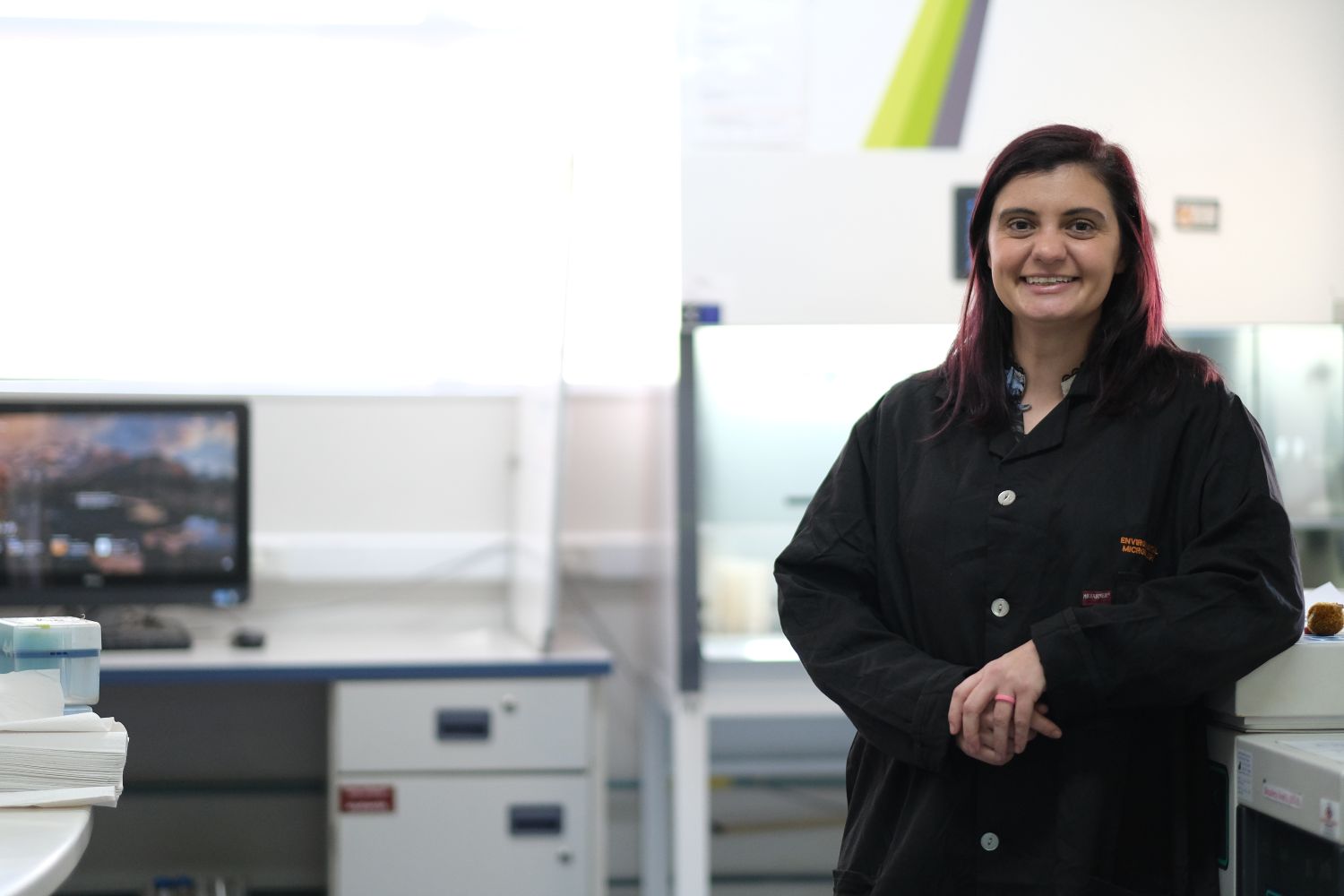
By mapping the genome of this newly found organism, scientists can identify genes that produce novel enzymes or distinct metabolic pathways. For farmers, this opens up exciting frontiers. Understanding how these native bacteria function could unlock entirely new, highly resilient bio-fertilizers, natural crop-care enzymes, and sustainable soil management practices tailored specifically for South Africa’s unique, often acidic soils.
Unlocking the Cape’s subterranean wealth
The species was isolated from soil samples collected in the Kogelberg Nature Reserve. The Cape Floristic Region (CFR) is famous for its plant diversity, boasting over 9,500 species on just 0.5% of Africa’s landmass. But this research proves that the true, untapped wealth of our biodiversity hot spots is actually hidden underground.
“The exciting part is that every soil sample contains thousands of bacterial species, many of which have never been cultured or described,” says Dr Janca Pieters, a postdoctoral fellow in SU’s Department of Microbiology and first author on the paper.
A masterclass in laboratory patience
Capturing this bacterium was no easy feat. Acidobacteriota are extremely slow-growing organisms that naturally thrive in nutrient-poor conditions. Replicating those exact tough conditions in a lab requires immense time and optimization.
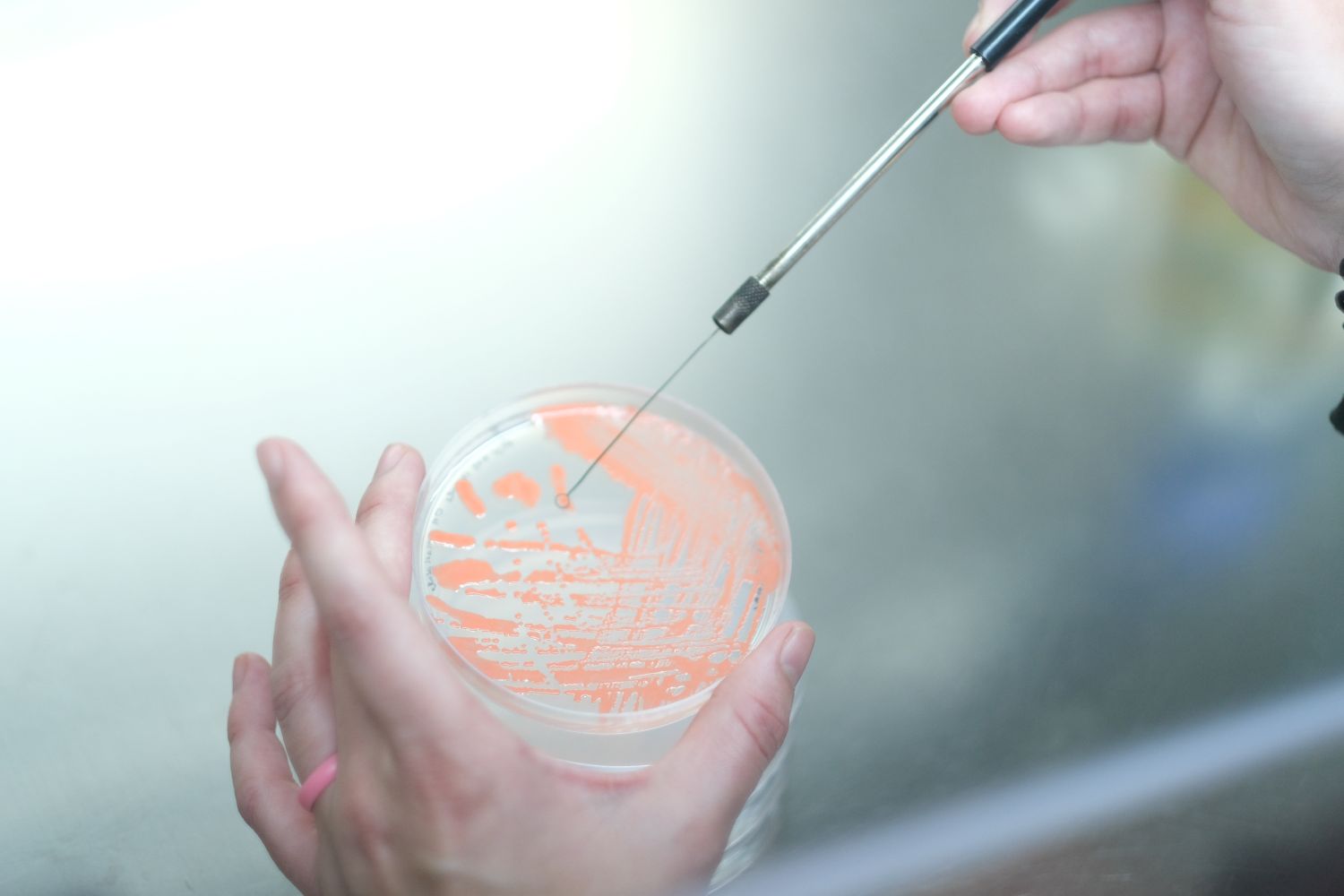
“Some Acidobacteriota take months or weeks, rather than days, to produce visible colonies,” Pieters explains. In the case of D. acidiphilia, it took almost a full month of cultivation before the circular, pink, smooth colonies finally appeared.
Named acidiphilia because it is “acid-loving,” the bacterium thrives at pH levels ranging from 4 to 9 and tolerates temperatures from 4°C to 42°C—showcasing the exact kind of hardiness needed to survive and function in changing agricultural climates. The SU research team is now moving forward to uncover exactly how it interacts with other micro-organisms, ensuring South African science stays at the absolute forefront of soil biology.