14.3 C
Cape Town
Saturday, June 27, 2026
Home Blog Page 54

How Rooibos Farmers Are Leading South Africa’s Biodiversity Comeback

0

High in the rugged mountains of the Cederberg, where Cape leopards roam and ancient cedar trees once stood tall, a quiet but powerful movement is taking shape. Rooibos farmers, long known for cultivating South Africa’s iconic herbal tea, are now leading efforts to restore the land’s unique biodiversity. In partnership with conservation groups and community organisations, these farmers are proving that agriculture and nature conservation can go hand in hand — with benefits for both the environment and their livelihoods.

Protecting the Cape Leopard and Other Wildlife

The Cape leopard, one of the region’s most elusive and endangered predators, has suffered from habitat loss as farming and human development have expanded. Yet, many Rooibos farmers are working closely with conservation organisations like the Cape Leopard Trust to create safe spaces for these majestic cats. By setting aside portions of their farms as conservation areas and maintaining natural prey populations, farmers are helping to ensure that leopards continue to roam the Cederberg mountains. These efforts not only protect an iconic species but also help to maintain the balance of the broader ecosystem.

 Rooibos

Bringing Back the Clanwilliam Cedar

Another symbol of the region’s unique biodiversity, the Clanwilliam Cedar (Widdringtonia cederbergensis), is making a comeback thanks to Rooibos farmers’ commitment to restoration. Once abundant, these ancient trees have been pushed to the brink of extinction by overexploitation and climate change, with their population declining by nearly 90%. In response, farmers are working with initiatives like Sustainable Cedar and CapeNature to replant thousands of young cedars in the wild. Through these reforestation efforts, farmers are helping to restore the delicate fynbos ecosystem that supports countless other plant and animal species.

Farming with Nature in Mind

Beyond wildlife protection and tree planting, many Rooibos farmers are adopting sustainable farming methods that benefit both their crops and the environment. Techniques such as crop rotation, organic practices, and maintaining biodiversity corridors reduce the need for chemical inputs and promote soil health. By avoiding monoculture farming and preserving indigenous plants alongside their tea crops, these farmers are building resilience against pests, drought, and other challenges. According to Marthane Swart of the Rooibos Council, farmers are seeing long-term benefits from these practices, including improved yields and healthier ecosystems.

A Model for Sustainable Agriculture

The Rooibos industry’s efforts align with global initiatives like the Kunming-Montreal Global Biodiversity Framework, which calls on all nations and industries to halt and reverse biodiversity loss by 2030. Through certifications like Rainforest Alliance and participation in the Union for Ethical Biotrade, Rooibos farmers are demonstrating how agriculture can actively contribute to conservation goals.

As the world faces growing environmental challenges, the Rooibos farmers of the Cederberg are offering a hopeful example: when farmers work with nature, they can help heal the land — and secure a sustainable future for generations to come.

South Africa Wine Summit 2025: Innovate, Sustain, Thrive

0

The highly anticipated South Africa Wine Summit returns on 22 May 2025, at the Stellenbosch University Conservatory, bringing together industry leaders, innovators, and decision-makers to drive the future of South African wine.

This year’s summit will centre around authentic storytelling, sustainability, and innovation, key elements for maintaining a competitive edge in the global market. Attendees can expect discussions on climate resilience, AI and precision technology, market shifts, tourism insights, and sustainable viticulture, all designed to help businesses adapt and thrive.

The event will feature thought-provoking sessions led by industry experts, including Rico Basson, Doris Viljoen, and Dr. Etienne Terblanche, among others. Topics range from heritage and innovation to the future of wine tourism and the impact of AI in winemaking.

With a focus on building authentic brands and embracing change, the South Africa Wine Summit 2025 is set to be a defining moment for the industry.

Justin Chadwick: Honouring a Citrus Giant as He Steps Down from CGA

0

As the Citrus Growers’ Association of Southern Africa (CGA) gathered in Gqeberha for its 2025 Citrus Summit, one of the most emotional and defining moments was the farewell to Justin Chadwick, who is stepping down as CEO after 25 years of dedicated leadership.

A Visionary Leader Who Built a Global Citrus Powerhouse

When Justin Chadwick took the reins of CGA in the early 2000s, citrus was not yet South Africa’s top agricultural export. Today, thanks to his leadership, citrus is the country’s leading export crop, opening opportunities for growers across South Africa and Southern Africa. Chadwick is widely recognised for transforming the citrus sector into a globally competitive industry, helping growers navigate international markets, build trade relationships, and ensure compliance with demanding global standards.

Under his tenure, South Africa’s citrus exports have grown dramatically, and the industry now supports over 100,000 jobs in rural communities, playing a vital role in economic development and social upliftment. His deep understanding of both the domestic and global landscape allowed him to strategically position the industry in key markets like the EU, USA, China, and the Middle East.

Champion of Market Access and Industry Advocacy

One of Chadwick’s lasting contributions has been his tireless advocacy for market access. Whether addressing European trade barriers, such as the “false codling moth” issue, or pushing for fairer trade terms in global forums, Chadwick was relentless in defending the interests of South African growers.

He was known for working closely with government, international trade bodies, and industry partners to ensure South Africa’s citrus could compete on the world stage. His ability to engage in difficult conversations and stand firm in negotiations earned him respect not just in South Africa but globally.

Driving Inclusive Growth and Regional Cooperation

Chadwick also prioritised transformation and inclusivity within the citrus industry. He supported initiatives to empower black farmers and increase their participation in exports, including CGA’s Vision 260 strategy, which aims to significantly grow export volumes while fostering inclusivity.

His leadership extended beyond South Africa’s borders, helping strengthen ties with growers in neighbouring countries like Zimbabwe, promoting regional collaboration that has benefited the Southern African citrus community as a whole.

Looking to the Future: Dr. Boitshoko Ntshabele Takes the Lead

As Chadwick prepares to retire at the end of March 2025, the CGA announced that Dr. Boitshoko Ntshabele will succeed him as CEO. Dr. Ntshabele, who has been involved in strategic leadership and transformation initiatives, is set to continue driving the industry’s growth and inclusivity goals, building on Chadwick’s legacy.

In his final remarks at the CGA Summit, Chadwick urged the industry to remain united, embrace innovation, and continue expanding global market access. He emphasised that while the path ahead will be challenging, the industry has the resilience and talent to thrive.

A Lasting Legacy

Justin Chadwick leaves behind an industry that is stronger and more competitive. His vision, persistence, and passion have forever shaped South Africa’s citrus sector. As the industry moves into a new chapter under Dr. Ntshabele, it does so on the foundation that Chadwick helped to build—one of excellence, integrity, and global leadership.

Africa Agri Tech Conference 2025: Embracing Innovation for a Resilient Future

0

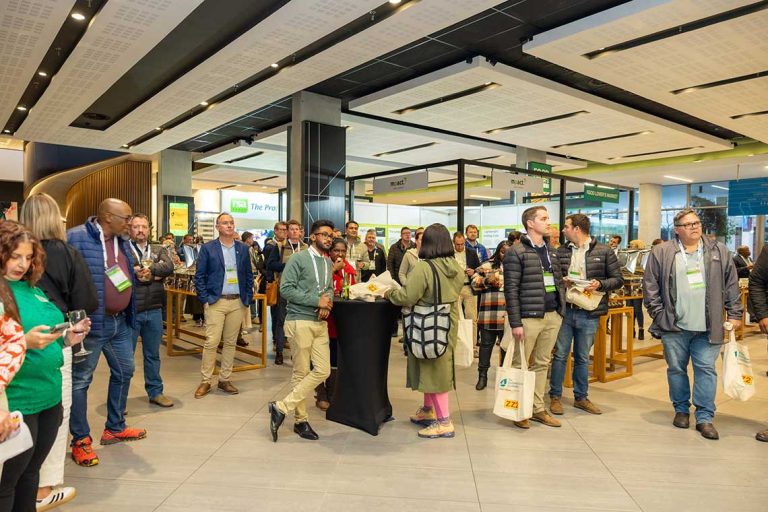
The Africa Agri Tech Conference, held at the CSIR Convention Centre in Pretoria from 18-20 March 2025, gathered industry experts, policymakers, and stakeholders to examine how technology is shaping the future of agriculture. The conference highlighted that embracing innovation is critical for improving resilience, efficiency, and sustainability in the sector.

Harnessing Technology for Agricultural Growth

Tshwane Mayor Dr. Nasiphi Moya opened the conference by emphasising technology-driven agriculture as a solution for food security and economic growth. She outlined the city’s strategy to develop into an agro-processing hub, creating jobs and fostering economic expansion.

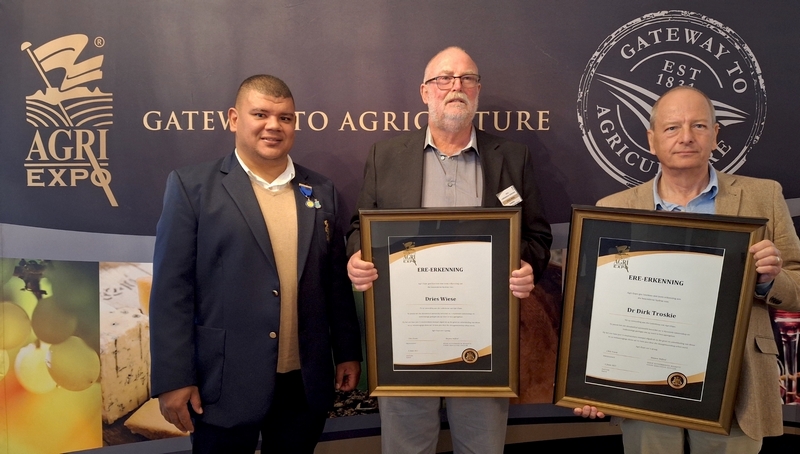
Master of Ceremonies, Andries Wiese of Hollard Insurance, stressed the urgent need to mitigate agricultural risks such as climate change. “Technology must be used to mitigate these risks and improve resilience,” he stated.

Prof. Nick Binedell, founder of GIBS Business School, presented on ‘SA in Focus: Predicting the Unpredictable,’ offering strategic insights into South Africa’s agricultural landscape and the role of innovation in fostering growth.

AI and Data-Driven Decision-Making

Experts emphasised the role of artificial intelligence (AI) and data analytics in transforming agriculture. Brett StClair, known as ‘The Rebel Technologist,’ discussed advancements in precision livestock farming, genetics, and animal health, stressing that AI can enhance human intelligence and improve decision-making.

Basson Engelbrecht, CEO of Reisiger Ventures, outlined how predictive analytics can optimise decision-making in farming, while Riedwaan Bassadien of Microsoft South Africa demonstrated how generative AI can help farmers anticipate market trends, detect early disease signs in livestock, and optimize vaccination schedules, enhancing productivity and profitability.

Pieter Geldenhuys, Director at the Institute for Technology Strategy and Innovation, reinforced the idea that AI is a tool to improve decision-making, not replace human intelligence. He introduced emerging innovations like laser-driven weed removal machines and the Scio Cup, a device that enables real-time feed quality analysis in the field.

Biosecurity and Traceability: Unlocking Market Potential

A panel discussion featuring Phillip Oosthuizen (Red Meat Industry Services), farmer Arné Grobbelaar, and Dr. Gerhard Neethling (Red Meat Abattoir Association) underscored the need for robust biosecurity measures and traceability systems to enhance South Africa’s meat exports. Oosthuizen announced plans for a functional traceability system by year-end, crucial for international market access.

Brazil’s agricultural attaché, Carlos Vitor Müller, shared insights from Brazil’s successful disease control measures, highlighting how stringent biosecurity protocols have secured premium markets for Brazilian beef. He emphasized that countries with superior biosecurity are the first to access high-value global markets, urging South Africa to follow suit.

The Role of Innovation in Sustainable Farming

Mpho Mence from GreenCape showcased precision drones and hydroponic farming as game-changers in boosting yields. Research findings demonstrated how tunnel farming with hydroponics increased tomato production from 60 to 392 tons per hectare, proving that technology is a key driver of efficiency and profitability.

Martin Jansen, CIO of ZZ2 and Managing Director of ThinkNinjas, shared experiences on technology investments in agriculture, advocating for standardisation and simplification. “Technology should be an exoskeleton of ‘awesome’ around a human being. Automation should enhance human capability rather than replace it.”

Dr. Imtiaz Sooliman, founder of Gift of the Givers, spoke on ‘Food Security for Social Justice,’ emphasising the importance of equitable food distribution and access in South Africa.

Human-Centric Technology Adoption

Tech leader Mushambi Mutuma encouraged farmers and agribusinesses to proactively embrace change. “Your ability to succeed depends on your willingness to adapt,” he said. He urged companies to empower employees to innovate, emphasizing that technology should enhance human skills rather than replace them.

GG Alcock, a marketing entrepreneur, challenged perceptions of the informal market, highlighting its R750 billion value. He stressed that this market is not just low-income but includes consumers willing to pay premium prices for culturally relevant products, urging agribusinesses to engage with this sector strategically.

Key Takeaways: The Road Ahead for African Agriculture

  • AI and Data Analytics: These tools are vital for informed decision-making, risk management, and operational efficiency.
  • Biosecurity and Traceability: Enhancing disease control and product traceability will unlock global market opportunities.
  • Technology Simplification: Solutions must be accessible and practical to support farmers effectively.
  • Investment in Innovation: Advanced farming techniques like hydroponics and precision agriculture are essential for resilience and profitability.
  • Public Engagement: Combating disinformation and fostering trust in agricultural advancements is crucial for industry growth.

The Africa Agri Tech Conference reinforced that the future of agriculture lies in embracing technology and innovation. With AI-driven decision-making, enhanced biosecurity measures, and data-powered strategies, the sector is poised to thrive in an evolving global landscape.

Western Cape Minister Slams Cannabis Ban: A Threat to Jobs, Economy, and Growth

0

“The banning of cannabis will stifle the contribution the cannabis and hemp value chain can make to the economic, social and environmental objectives of the Western Cape”, says Western Cape Government Minister of Agriculture, Economic Development and Tourism”, Dr Ivan Meyer.  This follows the recent publication by the Minister of Health, Dr Aaron Motsoaledi, of regulations relating to the prohibition of the sale, importation and manufacture of foodstuffs containing any part of the plant or component derived from the genus cannabis sativa l, hemp, hemp seed oil or hemp seed flour. Minister Motsoaledi issued these regulations  under section 15(1 )(b)(e),{g) and (7){b) of the Foodstuffs, Cosmetics and Disinfectants Act, 1972 (Act No.54 of 1972).

“The criminalisation of the sale of cannabis- and hemp-infused food products is not just a threat to jobs, it’s a direct assault on economic growth and job creation. The national government must act swiftly to reverse the ban and instead support the hemp industry, which has the potential to significantly boost jobs, improve public health, and drive sustainable economic development”, urged Minister Meyer.

“The Cannabis industry in South Africa has a staggering potential size of R28 billion, with the capacity to create 10,000 to 25,000 jobs across the value chain, according to the national government’s own estimates”, highlighted the Minister.

Minister Meyer continues, “The ill-considered move by the National  Department of Health will harm economic growth and jobs at a time when the government should be fostering growth and providing regulatory clarity for the cannabis and hemp industries.”

“The Western Cape Cannabis Framework and Implementation Plan (also known as the CanPlan) provides a roadmap/plan on opportunities and challenges of cannabis and hemp production and processing in the Western Cape, particularly for the agricultural sector. Like the Western Cape Government’s Growth for Jobs strategy, the Can Plan focuses on economic development and job creation.

Groot Pampoenfees

0

Die jaarlikse Groot Pampoenfees, wat van 27 – 29 Maart 2025 in Heidelberg plaasvind, is ’n gewilde gebeurtenis wat besoekers van regoor die land lok. Die fees vier die gemeenskap se liefde vir pampoene en plaaslewe met ’n naweek vol opwinding en gesinspret.

Die fees begin met ’n golfdag by die Heidelberg Gholfklub, waar spanne van vier teen mekaar meeding. Daarna volg ’n propvol program met vermaak, kompetisies en feeshappies. Onder die hoogtepunte tel die musiekoptredes deur bekende kunstenaars soos Die Heuwels Fantasties en Sunset Sweatshop.

Besoekers kan verder uitsien na ’n 4×4-kompetisie naby Witsand, ’n rolbalkompetisie, asook verskeie kos- en handwerkstalletjies wat iets vir almal bied.

Die mees afwagtende oomblik van die fees bly egter die inweeg van die reuse-pampoene, waar boere meeding vir die titel van die swaarste pampoen. In 2024 het Pieter Conradie die kompetisie gewen met ’n indrukwekkende 967,5 kg-pampoen. Die vraag bly of hierdie rekord in 2025 verbeter sal word.

Die Groot Pampoenfees bly een van die mees unieke landbouverwante feeste in die Hessequa-streek en bied iets vir oud en jonk.

www.pumpkinfestival.co.za 

Agribusiness Confidence Grows as Weather, Exports, and Investment Improve

0

The Agbiz/IDC Agribusiness Confidence Index (ACI) increased 11 points from Q4 2024 to 70 in Q1 2025. This is the third consecutive improvement, placing the ACI at its highest level since Q4 2021, a year of La Niña rainfall that boosted agricultural output. The current level of the ACI implies that South African agribusinesses remain optimistic about business conditions in the country. This optimism is a result of a combination of factors, including La Niña rains that support the 2024-25 agricultural season, improvements in port efficiency that supported exports in 2024, and the progress in controlling animal diseases. This survey was conducted in the third week of February, covering various agribusinesses operating in all agricultural subsectors across South Africa.

Discussion of the Performance Indicators

The ACI comprises ten performance indicators; nine improved notably in Q1 2025, while one declined mildly. Here is the detailed view of the performance indicators.

  • Turnover Confidence: Increased 14 points from Q4 2024 to 60 in Q1 2025. The most optimism was observed in agribusinesses operating in fruits and winter crops, while others remained generally unchanged from the previous quarter. Similarly, the net operating income indicator lifted by 28 points to 70 points in Q1 2025, its highest level since the end of 2022.
  • Market Share: Increased by 3 points to 70 in Q1 2025. Most respondents maintained an unchanged view, with stakeholders in the winter grains regions signalling an uptick in confidence.
  • Employment Confidence: Rebounded 13 points from Q4 2024 to 55 in Q1 2025. As the sector recovers from drought and animal diseases, optimism around employment possibilities is growing. Additionally, this year’s minimum wage increase was mild and aligned with industry expectations.
  • Capital Investments: Up 13 points in Q1 to 75. High-frequency data, such as tractor and combine harvester sales, show strong improvement in the first two months of this year.
  • Export Sentiment: Increased significantly by 17 points to 100 in Q1 2025. This reflects the activity as South Africa’s agricultural exports reached a record US$13.7 billion in 2024.
  • General Economic Conditions: Lifted 3 points to 65 in Q1 2025. The recovery in sentiment could be due to the expected effects of the overall implementation of Operation Vulindlela.
  • General Agricultural Conditions: Improved by 13 points to 80 in Q1 2025, reflecting the positive effects of La Niña rains in the 2024/25 summer season.

Changes in Interpretation

Two performance indicators, debtor provision for bad debt and financing costs, are interpreted differently. A decline is seen as a positive sign, while an increase indicates growing financial strain.

  • Financing Costs: Declined by 4 points in Q1 2025 to 75, aligning with the easing of interest rates.
  • Bad Debt Provision: Increased by 8 points to 50, signalling that some farmers may still be facing financial pressure from the previous season.

Overall, the ACI results for Q1 2025 show that the mood in the sector is upbeat, reflecting the recovery in the agricultural industry following a challenging season of drought and animal diseases. “It is heartening to see that geopolitical tensions haven’t weighed on the sector heavily. We should build on this optimism for the sector’s long-term growth. An effort to keep the sector on a positive path requires collaborative efforts between business and government on pushing for the effectiveness of the network industries, better management of the municipalities, further efforts to open new export markets, and the implementation of the Agriculture and Agro-processing Master Plan,” concludes Wandile Sihlobo, Chief Economist of the Agricultural Business Chamber of SA (Agbiz).

With continued investment, supportive policies, and favourable weather, South African agriculture is on track for a strong year in 2025.

Empowering Farmers with Digital Solutions

0

Digital technology is rapidly transforming South Africa’s agricultural landscape, empowering farmers with real-time data, market access, and precision farming tools. Various mobile applications and online platforms are now available to assist farmers in improving productivity, reducing costs, and making informed decisions. These apps cater to different agricultural sectors, from crop farming and livestock management to agribusiness and financial planning.

ARC Hub Mobile Application: Expert Agricultural Support

The ARC Hub Mobile Application, developed by the Agricultural Research Council, is a valuable resource for both smallholder and commercial farmers. It provides access to expert agricultural guidance, best farming practices, and real-time updates on agricultural trends. By offering research-based insights on crop production, soil health, and livestock management, the ARC Hub helps bridge the knowledge gap, ensuring farmers make informed decisions for sustainable growth.

Agribook Digital: The Knowledge Hub for Farmers

A well-informed farmer is an empowered farmer. Agribook Digital is one of the most extensive online agricultural knowledge platforms in South Africa. Covering a wide range of topics, from livestock and crop farming to agribusiness strategies, it serves as a one-stop reference for those seeking guidance on best practices and market trends. For both new and experienced farmers, this platform provides critical information that can improve efficiency and sustainability.

Maximizing Crop Insights with Climate FieldView

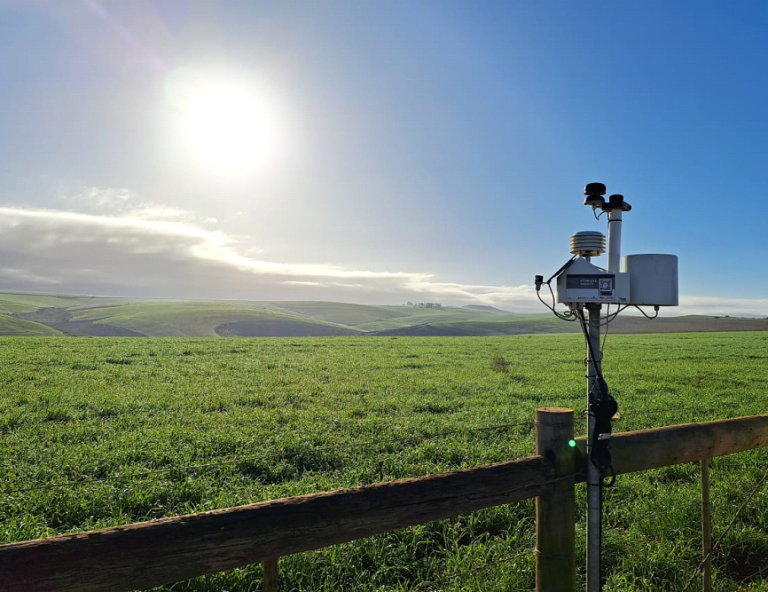
Data-driven decision-making is critical in modern agriculture, and Climate FieldView provides farmers with powerful field data analysis tools. The platform enables farmers to monitor crop performance, soil conditions, and weather patterns in real time. With its satellite imagery, yield mapping, and variable rate application insights, Climate FieldView helps farmers optimize inputs, improve yields, and enhance sustainability. This app is particularly beneficial for large-scale crop farmers looking to implement precision agriculture strategies.

Precision Irrigation with Agrico Web Control

Efficient water management is crucial for sustainable farming, and Agrico Web Control provides a smart irrigation solution that allows farmers to remotely manage and monitor their irrigation systems. The software enables users to control pumps, pivots, and water distribution via their smartphones, ensuring optimal water use while reducing energy costs. By automating irrigation schedules and adjusting to field conditions, this system enhances efficiency and conserves valuable resources.

Khula! App: Connecting Farmers to Markets

Market access remains a major challenge for many farmers, especially smallholders. The Khula! Inputs App provides a digital marketplace where farmers can connect directly with reliable suppliers of inputs such as seeds and fertilizers. This eliminates middlemen, ensuring better pricing and product quality. Furthermore, the Khula! Trade Platform helps farmers sell their produce to verified buyers, expanding their reach and increasing profitability.

GreenFingers Mobile: Supporting Smallholder Farmers

For smallholder farmers, managing finances, productivity, and business growth can be overwhelming. GreenFingers Mobile is designed to help manage and finance groups of smallholder farmers by digitizing records and providing real-time insights. By tracking performance, improving resource distribution, and facilitating access to funding, GreenFingers Mobile enables small-scale farmers to scale their businesses and connect to larger agricultural markets.

Voermol Feeds App: Optimizing Livestock Nutrition

Proper nutrition is the foundation of healthy livestock and high productivity. The Voermol Feeds App provides farmers with essential feed-related insights, including nutritional guidelines, feeding programs, and a feedlot calculator. This app helps farmers formulate balanced diets, ensuring optimal weight gain, reproduction success, and overall herd performance. By using this tool, farmers can improve feed efficiency, minimize waste, and maximize profitability.

Weather and Commodity Price Tracking with ADAMA Growth App

Weather conditions and market prices have a significant impact on farm productivity and profitability. The ADAMA Growth App provides farmers with hourly weather updates, live commodity prices, and crop protection advice. This allows them to make better planting, harvesting, and selling decisions. By staying informed, farmers can minimize risks associated with unpredictable weather patterns and fluctuating market demands.

The Future of Smart Farming

With market volatility, climate change, and increasing production costs, South African farmers must embrace digital solutions to remain competitive. By leveraging apps that provide market access, business insights, and expert knowledge, farmers can optimize their operations, improve profitability, and secure a sustainable future.

Digital agriculture is no longer a futuristic concept—it is an essential tool for success in modern farming.


Agriculture: The Heart of Durbanville’s 200-Year Legacy

0

For two centuries, agriculture has been the cornerstone of Durbanville’s development, shaping its landscape, economy, and identity. As the town celebrates its 200th anniversary, the vital role of farming—especially viticulture—takes centre stage in a series of events showcasing the region’s deep-rooted agricultural heritage.

Durbanville’s fertile soils and favourable climate have made it one of South Africa’s most notable farming regions. Initially established as an agricultural hub, the area has thrived through generations of dedicated farmers who have cultivated everything from grain crops to livestock and, most prominently, vineyards. The region’s winemaking excellence has helped place Durbanville on the map as a premier agricultural and wine-producing destination.

A Legacy Rooted in Agriculture

Durbanville’s agricultural origins date back to the early 1700s when farmers began settling in the region, drawn by its nutrient-rich soils and ideal weather conditions. By the 19th century, the area had become a key contributor to Cape Town’s food supply, with farms producing wheat, dairy, and wine. The town’s official recognition in 1825 coincided with its growing reputation as a vital agricultural centre.

The 200th-anniversary celebrations pay tribute to this legacy, emphasising the ongoing importance of farming in sustaining local livelihoods and economic growth. A highlight of the festivities is a specially curated event on April 10 and 11, where the region’s wine industry will be in the spotlight, offering visitors a chance to experience firsthand the fruits of generations of agricultural innovation.

Durbanville’s Wine Heritage

The Durbanville Wine Valley is home to some of South Africa’s most distinguished wineries, including De Grendel, Durbanville Hills, Klein Roosboom, Nitida, Maastricht, Bloemendal, D’Aria, Canto, Meerendal, Diemersdal, and Groot Phesantekraal. These farms, many of which have been in operation for centuries, continue to produce award-winning wines that reflect the region’s unique terroir.

The area is particularly renowned for its Sauvignon Blanc and Pinotage, with Bordeaux-style blends also gaining recognition. The combination of cool maritime influences and diverse soil types allows winemakers to craft wines of exceptional depth and character, cementing Durbanville’s reputation in both local and international markets.

A Future Built on Agricultural Excellence

Beyond wine, Durbanville remains a thriving agricultural hub with a focus on sustainability and innovation. Farmers in the region are continuously adopting modern techniques to enhance productivity while preserving the natural environment. This balance between tradition and progress ensures that Durbanville’s farming community remains resilient in an ever-changing agricultural landscape.

The celebrations also extend beyond vineyards, with local schools contributing to an art exhibition that highlights the significance of agriculture in the region. Through this initiative, younger generations are encouraged to appreciate the value of farming and its impact on the community.

In addition to the curated tasting events, special wine-pairing dinners and live music performances will take place across participating farms. Visitors can enjoy guided tastings by expert winemakers and explore the unique characteristics that define Durbanville’s wines. Some experiences require advance booking, and event pricing varies to accommodate different preferences.

As Durbanville marks 200 years of agricultural excellence, the occasion serves as a reminder of the region’s deep connection to the land. From its early wheat fields to its renowned vineyards, agriculture remains the foundation of its success. With a commitment to innovation and sustainability, Durbanville is poised to continue thriving as one of South Africa’s foremost farming and winemaking regions.

For more information on Durbanville Wine Valley’s events and agricultural initiatives, visit durbanvillewine.co.za/events

Saving South Africa’s Bees: Why Collaborative Action Is Urgently Needed

0

When a Worcester-based beekeeper, who provides large-scale pollination services to farms, arrived to inspect his hives at a blueberry farm, he was met with a devastating sight — 600 honeybee colonies lost in a single incident. “I’m in a big financial crisis,” the beekeeper shared, underscoring the heavy toll on both his livelihood and the farmers who rely on his bees for pollination. His experience reflects a broader trend: a sharp rise in honey bee poisonings across the Western Cape, according to the Western Cape Bee Industry Association (WCBA). But rather than assigning blame, leaders in the industry are calling for urgent collaboration to protect both bees and agriculture.

Bees: Essential Partners in Food Production

Honey bees play a crucial but often overlooked role in agriculture, pollinating more than 50 vital crops in South Africa — from fruits like apples and berries to nuts and vegetables. Without bees, many of these foods would become scarce and costly. “Without healthy and thriving honey bee populations, the agricultural output of the Western Cape will face severe challenges, potentially leading to reduced crop yields and economic losses for the province,” explains Chris Nicklin, Chairman of the WCBA. Nicklin emphasises that bees are essential not just for beekeepers but for the entire agricultural economy and consumers who rely on a stable food supply.

Pesticides: The Need for Responsible Use and Better Communication

Central to the bee losses are agricultural pesticides and fungicides, which, if misused, can have devastating effects on bees. While these chemicals are crucial for managing pests and diseases, ignoring bee-specific warnings — such as avoiding application during full bloom — leads to unintended bee poisonings. Dr. Gerhard Verdoorn, Stewardship and Operations Manager at CropLife South Africa, confirms the growing concern: “The rate of bee poisoning incidents has increased alarmingly over the past two years. Bee-specific warnings on pesticide labels are often ignored, resulting in mass bee mortality when pesticides are applied during periods of active pollination in crop fields or orchards.” He also warns of off-label use, including unlawful aerial spraying of substances like imidacloprid, a systemic insecticide highly toxic to bees, which poses a direct risk to pollinators when applied contrary to instructions.

Working Together: How Beekeepers and Farmers Can Find Solutions

In response, the WCBA is leading efforts to bring beekeepers and farmers into closer dialogue. With scientific support from Professor Robin Crewe, one of South Africa’s leading entomologists, the WCBA is establishing a central database to track bee poisoning incidents. This data will help identify trends and guide solutions. To support beekeepers in responding to these incidents, the WCBA is also developing a Standard Operating Procedure (SOP) to help manage and mitigate the impact of bee poisonings. The SOP aims to provide beekeepers with clear steps to follow when poisonings occur — from gathering evidence and accessing laboratory testing to working with farmers and authorities. “We want to ensure that beekeepers are equipped to handle these crises properly, and that there is a consistent way to address and report them,” says Nicklin. “But ultimately, prevention is the goal — and that requires cooperation from everyone involved in agriculture.” Nicklin highlights the importance of collaboration over confrontation: “The welfare of our indigenous honey bees is not merely a beekeeping issue — it should concern everyone. By working together, farmers and beekeepers can protect pollination services essential to agriculture.”

A Path Forward: Education, Better Practices, and Smart Regulation

Rather than focusing solely on stricter laws, industry leaders are advocating for a balanced approach — combining better enforcement of existing regulations with farmer education and practical guidelines to minimise risks to bees. “This is a crisis that requires immediate attention and decisive action,” says Nicklin. “But it’s also an opportunity to create partnerships between farmers, beekeepers, and regulators — so that both bees and agriculture can thrive.” With open communication, responsible pesticide use, and shared commitment, there’s hope that South Africa’s bees — and the agriculture they support — can be protected for generations to come.