14.2 C
Cape Town
Friday, June 26, 2026
Home Blog Page 35

Die Thian Heyns Handelsmerk Kwaliteit, Nalatenskap en Volharding

0

Thian Heyns, ‘n TLU SA Jongboer-finalis van Clocolan, bewys dat ‘n sterk handelsmerk nie afhang van groot advertensieveldtogte nie. Sy suksesverhaal bied ‘n kragtige les in handelsmerkstrategie, gebaseer op persoonlike waardes en ‘n outentieke storie wat ewe doeltreffend is as dié van ‘n korporatiewe reus.

‘n Handelsmerk Gebou op Kwaliteit Bo Kwantiteit

Thian se hele benadering tot boerdery word saamgevat in sy filosofie: “As jy net 10 beeste het, moet dit die beste 10 wees.” Hierdie stelling is die kern van sy handelsmerk. In ‘n bedryf wat dikwels op skaal en volume fokus, onderskei Thian homself deur ‘n onwrikbare toewyding aan uitnemendheid en genetiese verbetering. Sy streng seleksie vir sy Sussex-stoetery posisioneer sy boerdery as ‘n verskaffer van hoëgehalte produkte, wat onmiddellik vertroue by potensiële klante inboesem. Hierdie fokus op kwaliteit is sy unieke verkooppunt wat hom van ander onderskei.

Die Krag van ‘n Persoonlike Storie

Wat Thian se handelsmerk werklik laat uitstaan, is die narratief van volharding en nalatenskap. As ‘n vyfde-generasie boer wat sy familieplaas van die grond af herbou het met minimale toerusting, verkoop hy nie bloot vleis en graan nie. Hy verkoop ‘n verhaal van harde werk, vasberadenheid en ‘n visie vir die toekoms. Hierdie persoonlike storie skep ‘n diep emosionele band met verbruikers wat ‘n gesig en ‘n beginsel agter hul kos wil hê.

Dit bewys dat ‘n handelsmerk se grootste bate die outentieke verhaal is wat die produk vergesel. Sy reis is ‘n inspirasie vir ander jong boere en ‘n bewys dat ‘n volhoubare toekoms in landbou gebou kan word, een beplan- en -uitgevoerde stap op ‘n slag.

From Fertilizer to Community Champion: The Foskor Brand Story

0

Foskor, a proud South African company and a global leader in phosphate-based fertilizers, provides a powerful case study in modern agricultural branding. Instead of focusing solely on the quality of its products, the company is actively cultivating a brand identity rooted in community development and social responsibility. This approach goes beyond traditional marketing, adding significant value and creating a deep, authentic connection with its stakeholders—a core principle of successful branding.

Branding Through Social Impact

The company’s “Creating Champions in the Phalaborwa Community” program is a masterclass in brand-building through action. By investing in agricultural education for historically disadvantaged communities, particularly in the Limpopo Province where its mining operations are based, Foskor is addressing a critical social need: food security. This initiative doesn’t just benefit the community; it reinforces the Foskor brand as a vital, caring partner in South Africa’s agricultural future. The program’s name itself is a branding tool, associating Foskor with empowerment and positive change.

Telling a Compelling Narrative

Foskor effectively tells a compelling story that resonates far beyond its product line. The brand narrative is built on the powerful adage, “if you teach them how to fish, they can eat for life.” This message translates complex corporate goals into a simple, relatable promise. By aligning its efforts with the United Nations Sustainable Development Goals (SDGs), Foskor adds another layer of credibility and purpose, positioning itself as a responsible global citizen. This strategic storytelling creates an emotional connection, fostering customer loyalty and public goodwill.

Elevating a Commodity into a Purpose

In a market where fertilizer is often viewed as a commodity, Foskor has managed to elevate its brand by focusing on purpose. The company’s brand story isn’t about its product’s chemical composition; it’s about the tangible, positive outcomes it facilitates: equipping people with skills, fostering new businesses, and combating hunger. By demonstrating its commitment to solving real-world challenges in its own backyard, Foskor has successfully transformed its brand from a mere supplier of phosphate-based fertilizers into a recognized leader in agricultural development and social progress. This commitment is a shining example of how a brand can move beyond its product to build a lasting legacy.

Rovic se LORA Besproeiingstelsels: Beheer jou water, waar jy ook al is

0

Rovic, ‘n vooraanstaande vervaardiger van landboumasjinerie in Suid-Afrika, het ‘n reputasie opgebou vir die verskaffing van topgehalte landboutoerusting en implemente aan boere regoor die land.

In hul strewe om die landbou-industrie met innoverende oplossings te bedien, staan Rovic ook uit as die invoerders en verspreiders van SOLEM Besproeiingsbeheerprodukte in Afrika. Die SOLEM reeks maak gebruik van gevorderde LORA-tegnologie om 9 Volt bepsroeiingkrane oor ‘n lang afstand sonder die beslommernis van lang afstand koperdrade te beheer.

Die kern van SOLEM se produkreeks is die 9-volt beheerstelsels, wat ontwerp is om tussen een en ses krane te kan programmeer. Hierdie stelsels is toegerus met verskeie sensormeters wat outomaties aanpas by ‘n reeks omgewings omstandighede, soos temperatuur, reënval, windspoed, humiditeit, grondvog, en selfs die watervlakke in reservoirs. Hierdie aanpasbaarheid verseker dat jou besproeiingstelsel outomaties en doeltreffend op die natuurlike omgewing reageer.

SOLEM se produkte sluit ook vloeimeterlesings in, wat outomatisering en doeltreffendheid toevoeg deur presies te monitor hoeveel water gebruik word. Daarby waarsku die drukmeters jou onmiddellik as die druk van jou besproeiingstelsel buite voorafbepaalde grense val, wat jou in staat stel om proaktief op sulke kwessies te reageer.

Vir daaglikse gebruiksgemak, kan SOLEM se 9-volt kontroleerders deur Bluetooth-tegnologie op kort afstande gemonitor en beheer word. Die ware uitblinker is egter SOLEM se toepassing van LORA-tegnologie, wat draadlose kommunikasie oor afstande tot 800 meter met ‘n basisstasie moontlik maak, sonder enige fisiese verbindings. Hierdie basisstasie kan dan via Wi-Fi of 3G/4G aan die internet gekoppel word, wat gebruikers die buitengewone gerief bied om hul besproeiingstelsels vanaf enige plek in die wêreld, solank hulle internettoegang het, te monitor en te bestuur.

Die beheer van SOLEM se LORA-produkte geskied moeiteloos deur die MySOLEM-toep op jou slimfoon, wat jou onmiddellike toegang en beheer bied, waar jy ook al is. Vir diegene wat op soek is na ‘n meer diepgaande beheer en inligting, bied die MySOLEM-platform op jou rekenaar ‘n uitgebreide uitsig en beheer oor jou besproeiingstelsel, weereens toeganklik vanaf enige plek in die wêreld met ‘n internetverbinding.

SOLEM se benadering tot besproeiingsbeheer her-definieer die manier waarop ons dink oor landbou- en tuinbouwaterbestuur, met ‘n klem op gemak, doeltreffendheid en tegnologiese vooruitgang.

Vir meer inligting besoek www.rovic.com

Navigating Tomorrow: How Local Agriculture is Meeting Global Challenges

0

South Africa’s agricultural sector is at a pivotal moment. Facing a complex web of challenges from volatile global markets to the relentless march of climate change, the industry is not just surviving—it’s adapting. The key to our resilience lies in a mix of strategic thinking, technological innovation, and a renewed focus on collaboration.

The Global Trade Tightrope: Diversifying to Survive

New tariffs and shifting international trade policies have created significant uncertainty. With major markets like the U.S. implementing new trade barriers, the conversation among farmers, exporters, and government bodies is dominated by one word: diversification. South Africa is actively pursuing new export agreements with countries in Asia and the Middle East. The successful opening of markets for our avocados in China and citrus in Vietnam are testament to this proactive approach. The industry is also advocating for improved trade logistics and a stronger collective front to navigate complex global politics.

The Thirsty Land: Water and Climate Resilience

Climate change is no longer a distant threat; it is a present reality. The agricultural community is constantly talking about how to manage increasing drought and water scarcity.

A recent study highlighted the critical link between water quality and food safety, putting pressure on the entire supply chain. Farmers are embracing cutting-edge water management technologies. From satellite-guided irrigation systems to soil moisture sensors, technology is being used to drastically improve efficiency. There’s also a growing adoption of regenerative agriculture practices, which focus on improving soil health to increase its water-holding capacity and build long-term resilience.

Fixing the Foundation: Tackling Infrastructure

For South African agriculture, getting a high-quality product from the farm gate to the dinner plate is a massive logistical challenge. The state of our rural roads and the severe congestion at major ports like Cape Town and Durban are a constant source of frustration and a major cost to the industry. While large-scale government-led infrastructure projects are slow, the private sector is stepping up. We’re seeing more farmer associations and agribusinesses pooling resources to repair critical roads. The focus is also on adopting digital logistics platforms to optimize transport routes, reducing post-harvest losses and speeding up delivery times.

The Smart Farm: Embracing Tech from the Ground Up

From the largest commercial farms to small-scale growers, the conversation around technology is louder than ever. Precision farming, data analytics, and automation are no longer future concepts—they are essential tools for a competitive advantage. The industry is moving beyond simply buying new machinery. There is a strong push to make technology more accessible and affordable, especially for small and emerging farmers. Agri-tech start-ups are creating solutions for shared logistics, on-demand machinery, and real-time market access, empowering a new generation of growers.

Biosecurity and Resilience: A Unified Front

The ongoing battle with Foot-and-Mouth Disease (FMD) is a stark reminder of the importance of biosecurity. New outbreaks, even if quickly contained, cause significant disruption and damage our international reputation. The focus is on a comprehensive, unified biosecurity strategy.

This includes a more robust and efficient vaccine rollout, stricter movement controls, and greater collaboration between government and industry bodies. We are also seeing new technologies, such as blockchain, being used to improve traceability and build consumer confidence both locally and abroad.

Ultimately, the challenges we face are significant, but so is our capacity to innovate. By embracing new technologies, diversifying our markets, and working together to solve our shared infrastructure and biosecurity issues, South African agriculture is well-positioned to not only survive the present, but to thrive in the future.

Biosekuriteit: Die Voorste Linie teen Bek-en-klouseer

0

Die jongste uitbrekings van bek-en-klouseer (BKS) is ’n harde herinnering aan hoe kritiek biosekuriteit is. Volgens veearts dr. Shaun Morris (BSc Vet. Sci., Hons Prod. Animal Med., MSc Agric.) is die siekte in sommige streke tans “buite beheer”, met onwettige dierebewegings wat ’n groot rol speel. Só ernstig is die situasie dat ’n enkele besmette dier ’n hele streek in gevaar kan stel.

Beeste, bokke en elande is die bekendste draers, maar die FMD-virus kom ook voor in seekoeie, olifante, renosters en selfs knaagdiere – dikwels sonder sigbare simptome.

Hierdie onopgemerkte verspreiding maak die siekte besonder moeilik om op te spoor en te beheer. In 2022 het ’n groot uitbraak daartoe gelei dat meer as 200 000 beeste onder kwarantyn geplaas is – ’n duur les oor die erns van die probleem.

Plaasvlak Maatreëls

Die boodskap aan boere is duidelik: wag nie op die staat nie, doen self jou deel. ’n Kernstap is die 28-dae isolasieperiode vir alle nuwe diere, soos aanbeveel deur die Wêreldgesondheidsorganisasie. Hierdie tydperk laat veeartse toe om te toets en seker te maak die diere is vry van infeksie voordat hulle by die kudde aansluit.

Boere word ook aangemoedig om onwettige dierebewegings te keer en streng toegang tot plase te beheer, aangesien die virus maklik deur skoene, voertuie en toerusting versprei kan word. Volgens dr. Morris bly streng interne maatreëls die doeltreffendste manier om ’n uitbraak te voorkom.

’n Nasionale Benadering

Tog kan die stryd teen BKS nie net op plaasvlak gewen word nie. Dr. Morris wys daarop dat Suid-Afrika meer doeltreffende entstowwe benodig, aangepas vir plaaslike virusstamme. Hy pleit ook vir samewerking tussen boere, veeartsenydienste en wetstoepassing om die onwettige vervoer van besmette diere hok te slaan.

Die bedreiging vir voedselsekerheid en uitvoermarkte is eenvoudig te groot om halfhartig aan te pak.

’n Stem uit die Bedryf

Landbou-organisasie TLU SA het ’n beroep op minister John Steenhuisen gedoen oor die Bek-en-klouseer-uitbraak. Volgens hoofbestuurder Bennie van Zyl het die siekte sedert Februarie 2025 vinnig toegeneem, terwyl die planne ná die Julie-Indaba nog nie sigbare vordering getoon het nie. TLU SA wys daarop dat die staat se beperkte kapasiteit dit moeilik maak om uitbrekings konsekwent te beheer, en stel voor dat die privaatsektor ’n groter rol kan speel in die produksie en verspreiding van entstowwe. Só ’n vennootskap kan help om die siekte vinniger te beheer en die landbou-ekonomie te versterk.
Bek-en-klouseer is nie net ’n veeartseny-kwessie nie, maar ’n nasionale bedreiging. Net deur plaaslike dissipline én gesamentlike optrede kan Suid-Afrika sy kuddes beskerm, sy uitvoermarkte behou en sy voedselsekerheid verseker.

Rajant Kinetic Mesh Powering Smart Precision Farming in the Western Cape

0

Revolutionizing Agriculture with Resilient Connectivity

Agriculture is entering a new era where connectivity, data, and automation are transforming how farmers manage land, crops, and resources. At the forefront of this revolution is Rajant’s Kinetic Mesh® technology, a world-leading wireless networking solution that delivers reliable, high-speed, and secure connectivity across vast and challenging agricultural environments.

Unlike traditional wireless systems that depend on fixed infrastructure, Rajant’s Kinetic Mesh is fully mobile and self-healing. Each node communicates with multiple peers, creating a resilient, always-on network that adapts to the movement of farming vehicles, drones, sensors, and machinery. This ensures seamless communication across fields, regardless of terrain or distance, enabling farmers to maintain uninterrupted operations.

Rajant

Unlocking Efficiency with Data-Driven Decisions

For smart precision farming, this connectivity is game-changing. Real-time data from soil sensors, weather stations, GPS-guided equipment, and surveillance systems can be shared instantly, empowering farmers to make faster, data-driven decisions. From optimizing irrigation to reducing input costs and improving crop yields, Rajant technology brings measurable efficiency and sustainability benefits.

SPOC Managed Services, a trusted supplier of Rajant solutions in South Africa, is committed to equipping farmers with the tools to embrace Agriculture 4.0. By combining world-class connectivity with local expertise, SPOC ensures that farms across the Western Cape are ready to harness the full potential of smart farming technology.

A New Era for Western Cape Agriculture

In the modern agricultural landscape, a robust and reliable network is no longer a luxury—it’s a necessity. Rajant’s Kinetic Mesh technology provides the foundation for farms to operate with unprecedented efficiency and intelligence. Coupled with the specialized support and services from SPOC Managed Services, farmers in the Western Cape are well-equipped to navigate the challenges of today and build a more productive and sustainable future. This partnership offers a complete solution for farmers looking to fully embrace the power of technology.

Rajant

Partnering with SPOC Managed Services

  • As a supplier of Rajant solutions, SPOC Managed Services offers a wide range of services to help farmers implement and maintain a modern digital infrastructure. Their offerings include:
  • Connectivity Solutions: Including Fibre, Wireless, Fixed-LTE, and Satellite services to ensure reliable network access across your farm.
  • Networking Infrastructure: Such as Structured Cabling, Wireless, Cabinets, and Switches, along with full installation and maintenance support.
  • Security & Surveillance: Offering CCTV Surveillance Systems and Content Blocking & Web Filtering for a secure digital environment.
  • Voice and Communication: Providing Cloud PBX Systems, Voice Services, and Conference solutions to streamline communication.

Managed IT & Support: With services like Cloud PC & Mobile App integration and Service Level Agreements to ensure your systems run smoothly.

For more information contact Arion Kirkwood on 0825725603, email: [email protected] or visit: www.spocsa.co.za

Designing Rural Futures: Sound Space Design Lessons from Portugal to the Western Cape

0

Last month we introduced readers to Don Albert, architect and founder of Sound Space Design, has made Piketberg his home after a career spanning in Durban, Sydney, Bali, and Los Angeles. With three decades of international experience, his work focuses on how rural communities can grow sustainably, while preserving their unique character.

International Recognition

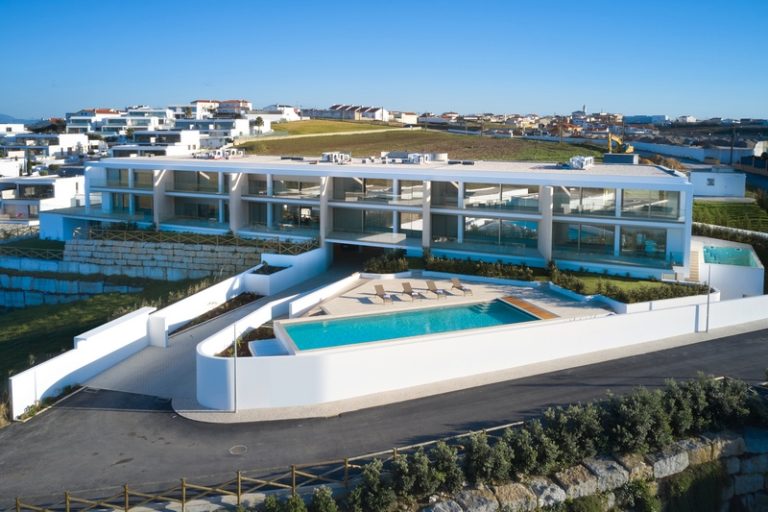
Now, his global projects are in the spotlight. Albert’s Peralta Beach Masterplan for Obrana in Portugal has just won three Gold awards from Design Skills Magazine and was named Best Waterfront Development by the Luxury Lifestyles Awards. The large-scale beachfront project has been celebrated for balancing luxury with sensitivity to the natural landscape.
But what does a resort in Portugal have to do with the Western Cape? Albert believes the lessons are highly relevant. “In South Africa we know luxury beachfront living,” he explains, “but crime has often pushed these into gated enclaves, cut off from their surroundings. That’s a missed opportunity.”

Lessons for the Western Cape

Instead, his approach emphasizes weaving developments into their semi-rural settings through public open-space networks, mixed-use buildings, and respect for existing street patterns. “We need permeability, not isolation,” he says. “By embracing nature and using both traditional and modern surveillance techniques, we can create safe environments that still feel part of the community.”

For small towns in the Western Cape, this means growth without losing identity. Rural character is preserved when design honours desire lines, heritage streetscapes, and the rhythm of daily life, while also maximising appeal for new residents and visitors.
As awards confirm the global value of his vision, Albert’s message for local readers is clear: thoughtful design can help rural South Africa thrive — not by walling itself off, but by opening up.

For more information visit: https://www.soundspacedesign.com/

Read Previous Article on Sound Space Design

Nampo Cape 2025: A Showcase of Livestock, Breeding, and Agricultural Excellence

0

NAMPO Cape 2025 returns to Bredasdorp Park from 10 to 13 September, promising a vibrant, expanded showcase for South Africa’s agricultural sector. This year’s edition places a renewed focus on farming, livestock, and innovation, while also introducing new lifestyle elements that enhance the overall visitor experience.

At the centre of the agricultural programme is the expanded Landbank Livestock Tent, now relocated next to the BKB Livestock Centre. It will feature 35 exhibitors, including new breed displays such as Île-de-France, Suffolk, and Persian sheep, as well as Limousin and Chianina cattle. The layout creates a dynamic space for producers, breeders, and industry representatives to network and engage around genetics, health, and sustainability.

Nampo Cape 2025

Merino Excellence on Show

A major highlight for livestock enthusiasts is the return of the BKB Merino Classic, taking place on 11 and 12 September. More than 300 entries are expected from both stud and commercial breeders. Alongside it, the BKB National Merino Fleece Show makes its debut, showcasing the quality of South African Merino wool through both objective and traditional evaluation.

Agricultural Insight and Collaboration

In addition to livestock displays, the Santam Auditorium will host discussions led by organisations such as Grain SA, Vinpro, the Red Meat Producers’ Organisation, and the Milk Producers Organisation, with SA Studbook facilitating focused sessions on small stock, dairy, and beef breeding excellence.

Growing Smarter: Protected Vegetable Production Seminar

This year also features a seminar on Protected Vegetable Production, which will explore sustainable water management, integrated pest control, precision farming, and greenhouse technology, with an emphasis on solutions for emerging and New Era farmers.

Boerboels and Tent Pegging

Saturday, 13 September will feature the Western Cape Championship hosted by the South African Boerboel Breeders’ Society, where 100 registered Boerboels will be judged in the Western Cape Lubricants Arena. That same arena will debut international tent pegging, a high-speed equestrian sport, with teams from South Africa and Australia competing.

Lifestyle and Leisure

Lifestyle additions further enrich the experience. For the first time, luxury and standard on-site tented accommodation will be available for up to 150 guests, with private parking, dedicated ablutions, security, and a shared hospitality tent. Overberg Aviation will offer helicopter rides over the Overberg countryside, while the newly launched Neptun Deli will offer a range of regional products including olives, wine, dried fruit, and artisanal treats. The well-known Napier Garden Café will continue to serve visitors throughout the event.

Tickets and Info

Tickets for NAMPO Cape 2025 will be available at www.ticketpros.co.za. Online adult tickets are R100, with gate tickets priced at R110. Children enter for R50, and preschoolers attend free.

For more information, visit www.nampocape.co.za, call 028 050 1385, or email [email protected]

Make Every Drop Count with VICAR Sprayers

0

Over the past three seasons, Ikapa Trading in Grabouw—co-owned by Neels Thiart and supported by seasoned industry expert Mike Heath—has successfully conducted more than 50 well-organised demonstrations and sales of VICAR Radial Turbine Air Blast Sprayers.

These versatile sprayers have proven their value on a wide variety of crops in the Western Cape, including grapes, apples, pears, oranges, lemons, berries, olives, avocados, fynbos, and vegetables—all with a single machine.

VICAR Sprayers
Orchards & Vineyards
VICAR Sprayers
Windrows and big fruit trees


As the sole importer and direct distributor of the VICAR concept, we have worked closely with the German manufacturer to select three optimal models from more than ten available options. The result is a line-up that delivers outstanding performance, exceptional coverage, and reliable crop protection.

Our latest sprayers are engineered to reduce input costs, improve spray efficiency, and increase coverage precision—even in the toughest conditions. With a VICAR sprayer, you can:

What are the Benefits of VICAR Sprayers

  • Minimise spray drift
  • Cut down your spray fleet
  • Spray multiple rows simultaneously
  • Spray effectively, even in the wind
  • Work faster and more efficiently
  • Navigate and spray terraces with ease
  • Meet all Global G.A.P. compliance standards
  • Lower ongoing maintenance costs
  • Spray multiple crops with one sprayer

    LTS—a family-owned company spanning two generations—brings over 40 years of experience as wine and fruit farmers. They have continuously refined their machines to meet evolving farming demands, from higher crop densities and narrower rows to precise application rates, all while meeting strict European standards.

This advanced technology offers maximum control with minimal chemical use, achieving up to 90% less overspray and delivering major environmental benefits.

We welcome you to visit our showroom, see the machines in action, and book your personal demonstration.

Contact Us: Neels Thiart on 082 378 2411 | [email protected] | www.ikapatrading.co.za

Investment Summit 2025 puts agriculture at the core of growth

0

Agriculture is the Western Cape’s economic anchor, sustaining exports, jobs, and rural communities. With the launch of the Western Cape Investment Summit (WCIS) 2025, announced by Dr Ivan Meyer, Minister of Agriculture, Economic Development and Tourism, the province is preparing to secure new investment that could transform the sector.

The summit, set for 5–7 November 2025 at the Cape Town International Convention Centre, will bring together over 300 global delegates, from investors to project developers. For farmers and agri-businesses, this is not just another conference—it is a platform to access capital, partnerships, and new markets.

Driving the R1-Trillion Vision

The WCIS forms part of the province’s Growth for Jobs Strategy, which aims to build a R1-trillion economy by 2035, with 4–6% annual growth. A key goal is to lift private-sector investment to 20% of GDP, or R200 billion.

For agriculture, this target translates into more than numbers. It could mean expanded irrigation schemes to withstand droughts, renewable energy projects to lower production costs, and modern packhouses to increase export competitiveness. Investments in agri-processing will also create opportunities for farmers to move further up the value chain.

Between 2014 and 2023, the Western Cape attracted 296 foreign direct investment projects, generating over US$9.1 billion in capital expenditure and creating more than 17,800 jobs. With agriculture consistently ranking among the province’s top performing sectors, there is strong potential to attract a significant share of future investment.

Opportunities for Farmers

Agriculture and agri-processing feature prominently on the summit’s agenda, alongside renewable energy, technology, and tourism. The province’s strengths—wine and fruit exports, aquaculture, grain production, and livestock—will be showcased to potential investors.

Delegates will have access to a curated deal book and digital investor tracking app, while farmers and processors will benefit from match-making sessions and site visits. For smaller farmers, this provides a rare opportunity to present projects directly to financiers and international buyers.

Preparing for the Future

The challenges facing the sector are clear: climate change, rising input costs, global price volatility, and the urgent need to decarbonise. Minister Meyer has emphasised that WCIS 2025 is “more than an event—it is a catalyst for job creation and inclusive growth.” For agriculture, this means attracting the type of investment that strengthens resilience while boosting competitiveness.

Premier Alan Winde added that the Western Cape is the “gateway to South Africa’s immense economic potential.” For farmers, this gateway must lead to sustainable production, better infrastructure, and stronger global market access.

Call to Action

The Western Cape Government has invited farmers, cooperatives, and agri-businesses to submit investment-ready projects for inclusion in the summit. From climate-smart farming systems and renewable energy solutions to innovative value-added processing, agriculture is in a prime position to seize this opportunity.

The WCIS 2025 is not only about achieving a trillion-rand economy. It is about ensuring agriculture remains at the centre of growth, securing the Western Cape’s future as a leader in food production, exports, and rural development.