14.3 C
Cape Town
Friday, June 26, 2026
Home Blog Page 32

IBO Summit 2025: South Africa Steps Into the Blueberry Spotlight

0

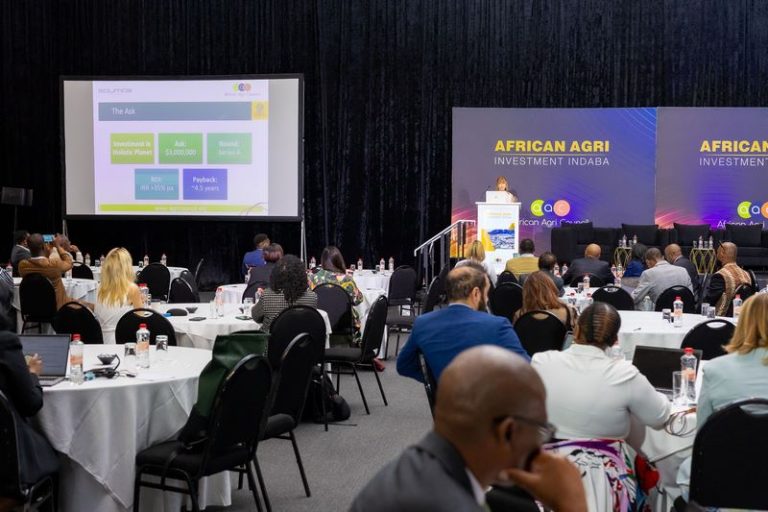
The International Blueberry Organisation (IBO) Summit 2025, hosted by BerriesZA, took place from 25–27 September at the Cape Town International Convention Centre (CTICC) — the first time the event has been held in Africa. Delegates from 32 countries gathered to assess the state of a global industry now worth more than US$12 billion.

South Africa’s Rising Profile

Opening the conference, Minister of Agriculture John Steenhuisen highlighted the crop’s dual role in exports and employment. Blueberries have been confirmed by the Bureau for Food and Agricultural Policy as the highest labour-absorbing crop in South African agriculture, creating more than four jobs per hectare.

Production growth has been striking: South Africa produced about 11,300 tons in 2018 and has since more than doubled volumes. Exports for the 2024/25 season topped 22,500 tons, up around 7% year-on-year, despite late frosts and weather disruptions. Industry projections suggest volumes could surpass 46,000 tons by 2033, cementing blueberries as one of the most dynamic sub-sectors in horticulture.

Delegates visiting leading farms and packhouses — including Chiltern Farms and Indigo Berries (OZblu) — saw world-class systems in action: precision irrigation, advanced optical sorting, and rigorous food-safety controls that allow South Africa to compete with top exporters.

Unlocking Markets and Managing Risks

A recurring message was the urgency of new market access. Export protocols with India, Israel, and Vietnam are progressing, while China’s General Administration of Customs (GACC) is actively conducting a risk assessment for South African blueberries — a crucial technical step toward entry. Within Africa, the AfCFTA is also opening channels for regional trade.

Yet challenges remain. Rising input costs, logistics bottlenecks, and unpredictable tariff policies create uncertainty. Former U.S. undersecretary Darci Vetter cautioned that regressive food taxes and trade friction could undermine grower profitability, underscoring the need for government–industry coordination.

Insights from the IBO Report 2025

The newly released IBO Report 2025 provides a global benchmark for the industry. It shows that while worldwide blueberry volumes are still growing, value is increasing faster than tonnage — consumers are paying premiums for berries with firmness, flavour, and shelf life. For South Africa, this means the focus must shift beyond yield to quality and consistency if the industry is to sustain export competitiveness.

The report also points to structural pressures: rising logistics costs, climate variability, and uneven production cycles. New genetics and technologies are emerging as answers — breeding programmes now target traits like longer shelf life, flavour stability, and suitability for mechanical harvesting. For South Africa, large-scale mechanisation is unlikely soon due to the crop’s role in rural employment, but the underlying innovations still point to the industry’s direction.

A Roadmap for Growth

The summit confirmed that South Africa is at a turning point in global blueberry trade. To build on recent momentum, the sector must:

Secure new markets, with China the most significant prize;

Invest in genetics and postharvest technology to meet premium standards;

Safeguard margins by streamlining logistics and improving efficiency;

Protect rural jobs while embracing innovation.

With these priorities, blueberries can evolve from a rising star into a long-term growth engine for South Africa’s agricultural economy.

Cape Wine Auction Finds New Home at Historic Nederburg Winery

0

Nederburg, the venue for South Africa’s first industry fine wine auction in 1975, has come full circle. Fifty years after hosting the country’s first auction to unveil its debut noble late harvest wine Edelkeur, the famous Paarl winery has confirmed it is to become the home of the exclusive annual charity, The Cape Wine Auction (TCWA).

From South Africa’s First Fine Wine Auction to Today

In terms of the partnership inked between HEINEKEN Beverages (owner of Nederburg) and The Cape Wine Auction Trust, the historic Nederburg winery is to be the new location for the glittering one-day philanthropic celebratory gala occasion that raises funds for education, skills development and social wellbeing initiatives benefitting a range of Wineland communities.

“Through this partnership, and the introduction of The Celebration, we’re broadening our reach and welcoming more people into the magic of what this event is all about: changing lives,” explains Paul Clüver, chairman of The Cape Wine Auction Trust.

What to Expect at The Celebration 2026

The first iteration of the collaborative auction will take place Saturday, 7 February 2026. Nederburg will be transformed into a vibrant, open-air venue with live music and entertainment, gourmet food stations and pre-booked picnic options, curated wine stands, craft cocktails, interactive lounges and more. These new elements will be in addition to the now well-established morning barrel auction followed by the luncheon and experience auction of ultra-exclusive encounters donated by wineries and luxury venues.

“So, whether you’re a wine lover, a foodie fanatic, music enthusiast or a passionate philanthropist, The Celebration offers a ticket to do good while having an incredible time,” adds Clüver.

Says Nederburg general manager, Kate Jackson: “Historically, the Nederburg Auction was the pre-eminent showcase for outstanding wines in this country. It all began when the authorities of the day would not permit a wine in the style of Edelkeur to be sold on the open market. Legislation changed and with it, the raison d’ȇtre for the auction, but for decades it remained the nexus of excellence in Cape wine. To have your wines selected for the Nederburg Auction was a great honour.

Supporting the Next Generation

“As a trade-facing event, the Nederburg Auction was never open to the public. Today, we live in different times that call for different strategies. We consider it a privilege to support South African wine’s rising international reputation via The Cape Wine Auction that is open to the public. In this way we hope to help provide a fun, festive and inspiring forum for winegrowers, winemakers and other members of the industry.

“Thanks to our agreement, The Cape Wine Auction now has the space and the back-end support to expand its reach to a broader wine-interested public and thus a greater number of potential bidders, to raise much-needed funds for Winelands communities.”

Beneficiaries are mostly early childhood development organisations, harnessing the potential of tomorrow’s adults and leaders.

Jackson confirms that Nederburg will be one of the 16 select producers participating in next year’s barrel auction. “In addition to wines, we shall also be donating an exclusive experience, with details to be unveiled closer to the time. Attendees will soon also learn more about the exciting line-up of artists for the day.”

There are two ticket options on offer. The Wine Auction Brunch & The Celebration, starting at 10:00 will include access to the exclusive Morning Barrel Auction, followed by brunch and The Celebration.

Western Cape Strengthens Agricultural Ties with the US

0

Premier Alan Winde has returned from a 10-day visit to the United States with encouraging news for the Western Cape’s agricultural and agri-processing industries. The USA remains the province’s second-largest export market, and the Premier’s meetings highlighted opportunities to grow this crucial partnership at a time when international trade conditions are under pressure.

Billions in exports to a key partner

In 2024, the Western Cape exported more than R18.3 billion worth of goods to the United States, reflecting a 2.66% increase on the previous year. Agriculture and agri-processing continue to dominate this relationship, with the province accounting for over 50% of South Africa’s total agri-exports to the US. Citrus, wine, fruit, and processed products such as juices and preserves all play an essential role in the Cape’s export basket.

Premier Winde stressed that protecting this market is critical for rural jobs and farming communities:

“Growing the economy to create more jobs is our apex priority, and our trade relations with the USA are of critical importance. We will fight to keep these mutually beneficial trade ties open and growing.”

Securing investment and new opportunities

The United States is not only a buyer of Cape products; it is also a leading investor. Between 2015 and 2024, US companies were responsible for 62 investment projects in the province, valued at more than R29 billion. These included ventures in food and beverages, pharmaceuticals, and information technology — all sectors that provide linkages and opportunities for agricultural producers and processors.

In his discussions with trade officials in Washington D.C., as well as with the Georgia Department of Economic Development in Atlanta, Premier Winde emphasised the need to safeguard agricultural exports under current trade agreements while also exploring new areas for collaboration.

Climate resilience and agri-sustainability

In New York, the Premier also shared lessons from the Western Cape’s response to the “Day Zero” drought. International partners expressed strong interest in how local farmers adapted through water-saving technologies and diversification strategies. With climate change posing ongoing threats to farming, the province’s approach to resilience and renewable energy is fast becoming a competitive advantage in international markets.

Looking ahead

The USA remains a key growth partner for Western Cape agriculture. Increased exports of fruit, wine, and processed foods, combined with continued foreign investment, underpin the livelihoods of thousands of farmworkers and rural businesses.

While national trade negotiations remain complex, the province’s ability to build direct relationships with US states, chambers of commerce, and agribusiness networks ensures that the Western Cape’s farmers have a strong voice in global markets.

As Premier Winde concluded: “Our farmers and agri-processors are the backbone of the Western Cape economy. Strengthening our relationship with the US means more exports, more investment, and more jobs in our rural towns.”

New Era for Ashton Fruit Factory as Langeberg Foods Relaunches

0

Langeberg Foods (Pty) Ltd (Langeberg Foods) today announced it will commence operations at its Ashton-based operations on 1 October 2025 following completion of the sale of the Langeberg & Ashton Foods Business, previously a division of Tiger Consumer Brands Limited (Tiger Brands). This marks a significant milestone along a multi-year journey to secure a sustainable future for the operations and the South African deciduous fruit industry. Tiger Brands first announced its intention to exit the deciduous fruit business in May 2020.

Shareholding Structure

The new ownership model of Langeberg Foods brings together key partners to secure the future of the Ashton factory. Norfund, the Norwegian development finance institution, is one of the principal shareholders, alongside the Ashton Fruit Producers Agricultural Co-Operative (AFPAC), which represents more than 100 fruit producers from across the Western Cape.

In addition, the Langeberg Community Trust, established with funding support of R150 million from Tiger Brands, will hold a 10% stake, ensuring that dividends and benefits flow directly back into the Ashton community to support socio-economic development in the broader Langeberg region. This inclusive model provides a strong foundation, combining financial sustainability with meaningful community upliftment.

“This is a unique opportunity to secure jobs and local ownership in a business that is vital to the community and with big growth potential,” says Pindie Nyandoro, Norfund’s Regional Director for Southern Africa.

Community and Job Impact

The factory remains a cornerstone of the Breede River Valley economy, providing employment for over 3,000 seasonal and permanent workers. With more than 80% of its canned fruit and puree products exported, the factory is both a critical export earner and a vital employer in the region.

The creation of the Langeberg Community Trust ensures that the factory’s success will be shared with local people, driving development initiatives and improving livelihoods in Ashton and surrounding areas.

“The successful conclusion of this transaction marks the end of a five-year journey to find a viable buyer and secure a sustainable future for Langeberg and Ashton Foods. The new owners of the business bring considerable agricultural sector expertise and insights along with a vested interest in the sustainability of this iconic business, which has employed generations of people from the region,” says Tjaart Kruger, CEO, Tiger Brands.

“Tiger Brands has been part of the Langeberg region and its communities for many decades. The Langeberg Community Trust will ensure the company continues to play an active role to support and uplift local communities, long after our exit.”

Looking Ahead

The new management team, led by CEO Edwin Kriel, is committed to a bold vision for the business:

“At Langeberg Foods, our vision is to honour South Africa’s proud fruit heritage by delivering world-class quality, driving sustainable growth, and empowering people through a culture of pride and partnership. Ashton is more than just a factory; it is the heartbeat of a community, and this reopening is about creating jobs, uplifting people, and building a stronger, more sustainable future.”

This bold vision, coupled with the agricultural sector expertise and insights of the Ashton Fruit Producers Co-operative, will contribute to the sustainability of the deciduous fruit industry of South Africa.

“With the sale completed, the producers are looking forward to stability in the industry and the prospects of planting new orchards and sustainable growth to the benefit of all in the value chain,” says Anthony Dicey, Chairman, Ashton Fruit Producers Agricultural Co-Operative.

A Long Road to Reality

The transaction has taken years of collaboration between Tiger Brands, farmers, financial partners, and community stakeholders. With the official handover now complete, Langeberg Foods begins a new era of growth – one firmly rooted in the valley’s people, its farmers, and its community.

Tru-Cape Leads the Way in Pink Lady® Quality, Yields, and Global Demand

0

Through years of targeted investment, shared learning, and precision orchard management, Tru-Cape growers have unlocked the full potential of Pink Lady® apples—achieving record packouts across their packhouses.

At Ceres Fruit Growers, Pink Lady® packouts reached nearly 75%—the highest in its history—while Two-a-Day recorded an 8 percentage point increase compared to last year. This success reflects a coordinated long-term strategy to enhance colour development, fruit quality, and yield consistency.

A pivotal realisation was that increasing the proportion of Pink Lady® (versus Cripps Pink) could significantly boost profitability.

“We made it our goal to get closer to 80% Pink Lady® per hectare, and these results show the strategy is working,” says Calla du Toit, Tru-Cape’s Procurement Manager.

Innovation Begins in the Orchard

Growers like Kootjie Viljoen of Oewerzicht farm near Greyton have pioneered methods to improve light penetration and enhance colour, especially in warmer regions. Techniques include summer pruning, leaf breaking, and reflective mulch that redirects sunlight into the canopy. These efforts have increased Pink Lady® yields by around 20%. Though costly, they add tens of thousands of rands in value per hectare.

In cooler regions like the Witzenberg Valley, growers use automated overhead irrigation to manipulate diurnal temperatures during ripening, further improving colour. Nets are also widely adopted to reduce sunburn while promoting more consistent colouring.

At Laastedrif, Rossouw Cillié has refined orchard systems by rethinking planting layouts, trellises, and rootstocks to create optimal microclimates.

Technology and Collaboration

Tru-Cape’s success also reflects a generational shift. Younger growers are embracing tools such as GPS-guided fertilizer spreaders, smart irrigation, and advanced weather forecasting. Crucially, they share knowledge, driving collective improvement.

Export Growth and Market Confidence

Improved quality and consistency are driving strong export growth. Demand in Europe is up 30% year-on-year, with particularly strong gains in Russia, the Middle East, and India. Over 100,000 cartons were shipped to Russia this season—a record for the brand.

“Pink Lady® is one of the most consistent apple brands,” says Cillié. “Consumers know exactly what they’re getting, and that’s a major competitive advantage.”

Looking Ahead

Tru-Cape remains focused on responsible growth, prioritising quality over quantity to protect the Pink Lady® brand. Future plans include trials with new colour-enhanced strains, further adoption of precision tools, and continuous system upgrades.

“We aim to stay world-class in both production and delivery,” says du Toit. “Pink Lady® is not just a great apple—it’s a brand our growers are proud to grow, and one that consumers around the world trust.”

The Story of South African Sauvignon Blanc

0

For the first time, the story of South Africa’s most popular white wine cultivar has been brought together in a single publication. The Story of South African Sauvignon Blanc, a 248-page book, was launched on 11 September 2025 at CapeWine in Cape Town.

The book offers the most complete overview of the cultivar to date, tracing its journey from the first plantings at Groot Constantia in the late 1880s and the release of the first commercial Sauvignon Blanc in 1977, through to the global acclaim it enjoys today. It highlights the history, terroir, and people who have shaped its rise. Some 60 producers are profiled, alongside pioneers such as Danie de Wet, Niel Ellis, Charles Hopkins, Bartho Eksteen and Thys Louw.

A Celebration of Heritage and Innovation

According to Elunda Basson, chairperson of Sauvignon Blanc SA, the aim was to preserve the history of this champion cultivar as a legacy for future generations. “Sauvignon Blanc produces site-specific wines that reflect both regional character and winemaking intent, with a stylistic range from bright and zesty to layered and age-worthy. This book is an invitation to explore the cultivar in all its diversity.”

Beyond its role as a global ambassador, Sauvignon Blanc sustains livelihoods across the Cape’s rural communities, linking culture, science, and opportunity. The book also covers the producer body Sauvignon Blanc SA, groundbreaking research, and competitions such as the FNB Sauvignon Blanc SA Top 10, which celebrates its 20th anniversary in 2026.
A further highlight is the launch of South Africa’s first Sauvignon Blanc aroma wheel, developed by Stellenbosch University’s SAGWRI, helping wine lovers and winemakers alike to better understand its diversity.

With 1,500 copies already in print, this landmark publication is both a celebration of heritage and proof of South African wine’s enduring excellence.

Ubuntu in Action: G20 Adopts African Principles to Underpin Global Farming Future

0

The global agricultural sector took centre stage in September as G20 Agriculture Ministers, meeting in Somerset West, delivered a landmark Food Security Task Force Declaration rooted in the African philosophy of Ubuntu: “I am because you are.” This commitment, secured under the South African G20 Presidency, signals a major shift toward collaboration, placing the needs of smallholder farmers, climate resilience, and resilient trade at the core of global food governance.

The Ministerial Meeting of the G20 Agriculture Working Group and the Food Security Task Force (September 18-19) was defined by four strategic priorities for the sector: inclusive markets, empowering youth and women, fostering innovation, and building climate resilience.

 Five Investment Initiatives

The most significant outcome for the agricultural industry was the unveiling of five joint initiatives designed to translate policy promises into bankable projects. These are dedicated investment tools aimed at closing the finance gap faced by farmers in the Global South:

  • A Blended Finance Compact to unlock private capital for food system transformation.
  • A Climate-Smart Insurance Facility to provide risk protection for farmers against increasing climate shocks.
  • A Digital Trade Accelerator to simplify compliance and enhance market access for small and medium enterprises (SMEs).
  • A Rural Energy Partnership for Cold Chains to reduce significant post-harvest losses through investments in renewable-powered storage and logistics.
  • A Skills and Inclusion Deal specifically targeting youth and women, who are the backbone of agricultural labour yet face systemic barriers to finance and technology.

Minister of Agriculture, Mr. John Steenhuisen, emphasised that these agreements will assist farmers in stabilising markets and accessing nutritious food. Furthermore, the G20 formally committed to using transparent platforms like the Agricultural Market Information System (AMIS) to prevent excessive price volatility and food crises through reliable data.

Securing New Trade

The G20 was also a crucial platform for South Africa to strengthen trade resilience amid growing protectionism. Minister Steenhuisen had previously highlighted the sector’s strategic role in reversing the national trade deficit, noting that agricultural exports, despite resilience, are vulnerable to external shocks such as the 30% US tariff recently imposed on high-value exports.

In response, South Africa aggressively pursued trade diversification, leveraging the meetings to finalise two major bilateral pacts:

South Africa and Brazil signed a Memorandum of Intent (MoI) to boost agricultural cooperation, regenerative farming, and trade facilitation, building on an 80% growth in bilateral agricultural trade since 2020.

South Africa and Japan also signed an MoI focused on knowledge sharing for smallholder development, promoting high-quality trade, and ensuring stable grain supply—a critical move to open and expand Asian markets for local produce.

The commitments agreed in Cape Town—from the Ubuntu Declaration to the direct investment initiatives—will now be elevated to the G20 Leaders’ Summit in November, ensuring that the G20’s agricultural agenda delivers tangible prosperity, resilience, and sustainability for farmers and rural communities globally.

Ooskaapse Boer Wen Boland Lamb Champs

0

Die Lamb Champs-kompetisie, ‘n nasionale viering van Suid-Afrikaanse lamprodusente, het sy laaste streekskwalifiserende rondte in die Boland afgesluit, met ‘n Oos-Kaapse boer wat met die louere weggestap het. Dit berei nou die verhoog vir die groot nasionale eindstryd in Oktober 2025 in Bothaville.

Louis Botha van Cradock Wen in Paarl

Die Lamb Champs Boland-rondte, wat op 24 September 2025 by die Hoër Landbouskool Boland in die Paarl gehou is, het saamgeval met Erfenisdag en het die laaste plek in die nasionale finaal verseker.

Die uiteindelike wenner van die Boland Lamb Champs 2025-titel was Louis Botha van Cradock, Oos-Kaap. Met sy Meatmaster-lam het hy die beoordelaars beïndruk en die gesogte titel ingepalm. Louis, ‘n jong, pasgetroude boer, se benadering tot lamteling is eenvoudig en gegrond: hy vermy intensiewe voeding en verkies om sy diere op topgehalte veldweiding te laat wei, wat lei tot sterk karkasse en vleis van die beste gehalte. Hy het boere aangemoedig om ‘n kans te waag: “As jy dit nooit probeer nie, gaan jy nooit weet hoe jy meet nie. Vat ’n kans.” Sy oorwinning het hom R40 000 kontant, ‘n unieke trofee deur kunstenaar Nic van Rensburg, en ‘n Weber-braai besorg. Intussen het die dag se lewendige veiling ‘n hoogtepunt bereik toe Pierre Cilliers van Affi Plaas se lam vir ‘n rekordbedrag van R72 000 aan Arina Knipe van die Kalahari Groep opgeveil is. Louis Botha sal nou die Oos-Kaap verteenwoordig in die nasionale finale.

2025 Streekwenners 

Met die Boland-rondte nou afgehandel, is die vier streekwenners van die 2025-seisoen amptelik gekroon en gereed vir die groot finaal. Die kompetisie het in Junie in Kimberley afgeskop waar Lize Mans van Kakamas die eerste finalis geword het. In Julie het die fokus na die noorde geskuif, waar JP Nel van Noordwes as die wenner van die Pretoria-been aangewys is. Die Vrystaat-rondte, wat op 6 September by die Afridome in Parys gehou is, het vir Hennie Jonker van Kroonstad gesien seëvier met sy Hampshire Down. Laastens het Louis Botha van Cradock die laaste plek verseker by die Boland-kompetisie.

Hierdie vier kampioene van regoor die land — wat die Noord-Kaap, Noordwes, Vrystaat en Oos-Kaap verteenwoordig — sal op 17 Oktober 2025 by die Nampo-gronde in Bothaville meeding om die gesogte nasionale Lamb Champ 2025-titel. Hierdie hoogtepunt vind plaas tydens die Nampo Alfa-ekspo, wat ‘n reuse platform vir die viering van Suid-Afrikaanse landbou-uitnemendheid bied.

Lamb Champs, ‘n inisiatief van die Suider-Afrikaanse Agri Inisiatief (Saai) en Pick n Pay, dien as ‘n belangrike platform om familieboere te vereer en hul onmisbare rol in die landbou-waardeketting te beklemtoon. Die fokus verskuif nou na die eindstryd in Bothaville, waar die beste van Suid-Afrikaanse lammers op die proef gestel sal word.

IBO Summit 2025: From African Potential to Global Market Access

0

Cape Town, South Africa – 26 September, 2025 – The International Blueberry Organisation (IBO) Summit 2025, hosted by BerriesZA, is in full swing at the Cape Town International Convention Centre (CTICC), marking the first time this global gathering has been held on African soil. Following a powerful opening day focused on industry resilience and strategic market development, delegates today continued deep dives into the future of the global blueberry value chain.

The Summit’s opening address on Thursday, September 25th, was delivered by the South African Minister of Agriculture, John Steenhuisen. The Minister celebrated the dramatic growth of the South African blueberry sector, noting that national production expanded from less than 3,000 tons in 2018 to over 21,000 tons by 2022. He highlighted the industry’s strength and adaptability, citing a 7% year-on-year rise in exports to surpass 22,500 tons despite recent setbacks like severe frost and late winters. Volumes are now projected to exceed 46,000 tons by 2033.

Minister Steenhuisen also stressed the vital human element of the industry, pointing out that blueberries have the highest labour absorption factor per hectare in South African agriculture—more than four jobs per hectare—providing livelihoods for thousands of families in rural areas. He reaffirmed the Department’s commitment to expanding research, reforming logistics, and strengthening job creation through labour-intensive horticulture.

Unlocking New Markets and Addressing Challenges

A key part of the opening discussions focused on tackling challenges and unlocking new growth. The Minister confirmed that profitability remains under pressure due to rising costs and logistics disruptions, making collaboration between Government, industry, and research partners essential for sustained competitiveness.

Crucially, the government-industry partnership is seeing success in securing new export markets. Access protocols are either finalised or nearing completion in countries across Asia and the Middle East, including India, Israel, and Vietnam. Following a visit to China in July, the Minister shared a promising update: China’s General Administration of Customs (GACC) is currently conducting a risk assessment for South African blueberries, a major step towards accessing one of the world’s most dynamic markets.

Beyond exports, Steenhuisen encouraged growers to look at rising demand close to home, noting the acceleration of intra-African produce trade as regional trade barriers fall under the African Continental Free Trade Area.

What’s Still to Come: Science Meets the Soil

Today, the second day of the Summit, delegates are engaged in the core conference programme. This deep dive addresses pivotal global issues, including:

The release of the IBO Global Production Report by Cort Brazelton and Colin Fain.

High-level discussions on ESG (Environmental, Social, and Governance), carbon-conscious logistics, the role of genetics in quality optimisation, and investment flows (Cindy van Rijswyk of Rabobank).

The Summit will conclude tomorrow, Saturday, September 27th, with the highly anticipated Western Cape farm and packhouse visits. This invaluable third day will offer delegates a behind-the-scenes look at world-class South African operations, showcasing precision farming and technology adoption. Farm tour options include:

Chiltern Farms: A third-generation family enterprise and vertically integrated operation showcasing their Fruit Flow Concept brand.

Indigo Berries – United Exports: Home to the world-renowned OZblu® variety, known for its premium quality and cold chain integrity.

Six33 Packhouse (Paarl and Eaglevlei): Technologically advanced facilities featuring BBC and Weco optical sorting systems, demonstrating excellence in food safety and efficiency.

The IBO Summit 2025 is set to conclude having laid a clear blueprint for the future—one that champions sustainability, technological innovation, and new market access for the global blueberry industry.

Groei vir Goud 2025: Rekordopbrengste in koring, mielies en sojabone bekroon

0

Uitsonderlike prestasie in graanproduksie is weereens gevier tydens die jaarlikse Groei vir Goud-toekenningsfunksie, waar Suid-Afrika se top produsente vereer is vir hul uitmuntende opbrengste, innovasie en bydrae tot nasionale voedselsekuriteit. Hierdie jaar se toekennings was histories, met ’n oplewing van nuwe nasionale rekords in mielie-, koring- en sojaboonkategorieë – wat die aanpasbaarheid en kundigheid van Suid-Afrikaanse produsente bevestig, selfs in ’n seisoen gekenmerk deur klimaatsuitdagings.

Rekordbrekende prestasies
• Koring: Beide die Noordelike en Suidelike Besproeiingskategorieë het nuwe rekordopbrengste opgestel, wat verbeterde kultivarkeuses en bestuurspraktyke beklemtoon.
• Mielies: Merkwaardig genoeg is daar in al ses streekkategorieë vir mielies nuwe rekords behaal – ’n weerspieëling van gunstige seisoenale toestande in kernproduserende gebiede, tesame met presisieboerdery en gevorderde genetika.
• Sojabone: Produsente het drie nuwe rekords behaal, met uitsonderlike opbrengste regoor besproeiings- en droëlandgebiede.

Die wydverspreide rekords in mielies en sojabone kan toegeskryf word aan ’n kombinasie van ’n besonder nat tweede helfte van die seisoen, verbeterde grondgesondheidsbestuur en die vinnige aanwending van hoëprestasiehibriede wat geskik is vir plaaslike toestande. Die droogte van die vorige seisoen het ook verseker dat voldoende voedingstowwe in die grond agtergebly het, wat verder tot die rekordopbrengste bygedra het. Terwyl die reën ideale toestande vir mielies en sojabone geskep het, het sonneblomme nie voordeel getrek uit die natter seisoen nie – wat beklemtoon hoe verskillende gewasse op klimaatsveranderlikheid reageer.

Viering van produsente se uitnemendheid

Wenners oor al die kategorieë het produsente uit KwaZulu-Natal, die Oos-Hoogland, Vrystaat, Noordwes, besproeiingsgebiede en verder ingesluit – wat die nasionale omvang en inklusiewe gees van die kompetisie weerspieël.

Die Groei vir Goud-toekennings is ingestel om uitnemendheid in opbrengs te erken, maar ook die innovasie, rentmeesterskap en veerkragtigheid agter daardie syfers. Soos Graan SA se Hoof van Toegepaste Ekonomie & Lede-dienste, Corné Louw, tydens die geleentheid gesê het:

“Hierdie toekennings is meer as net syfers op ’n opbrengsblad – dit is ’n bewys van die produsent se vasberadenheid, die wetenskap agter kultivarontwikkeling en die gesamentlike poging van ons landbouwaardeketting. Hierdie jaar se natter tweede helfte van die seisoen het mielie- en sojaboonopbrengste tot rekordhoogtes gestoot, terwyl dit ons herinner dat gewasse soos sonneblom ander uitdagings in die gesig staar, soos siektes – byvoorbeeld sclerotinia – wat opbrengste nadelig beïnvloed. Suid-Afrika se graanprodusente wys steeds dat hulle kan aanpas en steeds met die beste in die wêreld kan meeding.”

Vooruitkyk

Nou in sy sesde jaar het die Groei vir Goud-toekennings ’n baken geword van produsente-erkenning en landbouvooruitgang. Deur opbrengste te vergelyk en sukses te vier, moedig die inisiatief kennisdeling aan, motiveer dit produsente om grense te verskuif, en toon dit die noodsaaklike rol van die graanbedryf in die verseker van Suid-Afrika se voedseltoekoms.