15.9 C
Cape Town
Friday, June 26, 2026
Home Blog Page 26

Western Cape puts logistics at the centre of agricultural growth

0

The Western Cape Government has reaffirmed its commitment to building a globally competitive logistics ecosystem—one it says is central to the success of the province’s agricultural sector. Speaking at a recent meeting of the South African Association of Freight Forwarders (Saaff), Agriculture, Economic Development and Tourism MEC Ivan Meyer positioned logistics as the backbone of trade, emphasising that efficient movement of goods remains non-negotiable for an export-driven farming economy.

A major development is the progress made on a new digital logistics planning platform for container freight passing through the Port of Cape Town. For producers shipping stone fruit, table grapes, citrus, wine and other high-value perishables, this platform is expected to reduce bottlenecks that have historically added cost and uncertainty—especially during peak harvest.

Zero tolerance for delays across the value chain

Meyer stressed that the province has adopted a “zero-tolerance approach” to delays at any point in the logistics chain. He noted that a single slowdown, whether at a container terminal or at a cargo transfer point, can escalate costs for farmers and exporters already battling thin margins. He appealed to logistics agencies, including Saaff members in the Western Cape, to maintain close collaboration with government as work continues to stabilise the system.

He commended Saaff for its leadership in freight forwarding and for supporting the national logistics policy, which aligns with the Western Cape’s efforts to restore reliability in its export corridors.

Port capacity upgrades to support peak-season throughput

Port efficiency remains a critical factor for agriculture, particularly as the Western Cape heads into stone fruit and grape export season. Meyer confirmed that nine new rubber-tyred gantries (RTGs) will be operational at the Cape Town Container Terminal next month, with a further ten arriving by February. These additions are expected to improve turnaround times and reduce vessel delays that have previously led to fruit spoilage risks and increased cold-storage costs.

Job creation reflects sector resilience

The latest Quarterly Labour Force Survey (Q3 2025) shows the Western Cape added 65 000 jobs year-on-year and 70 000 quarter-on-quarter, bringing its unemployment rate down to 19.7%, significantly lower than the national rate of 31.9%. Transport and Trade—industries closely tied to agricultural logistics—contributed 37 000 and 34 000 new jobs respectively. For rural economies dependent on seasonal employment and agri-processing, this momentum is especially important.

Growth for Jobs Strategy fuels long-term outlook

The province’s Growth for Jobs Strategy aims to build a R1 trillion economy by 2035, supported by consistent annual growth of 4–6%. Recent achievements include R50 billion in investment commitments at the Western Cape Investment Summit and new market access to China for stone fruit—an opportunity expected to boost export volumes and improve shipping connectivity.

Meyer summed up the vision succinctly: “The future belongs to those who build bridges, not barriers. In logistics, every efficient link is a bridge to prosperity.”

Mobility MEC emphasises economic backbone

Western Cape MEC of Mobility, Isaac Sileku, underscored that a reliable logistics network is essential not only for industry but for the livelihoods connected to agricultural production. “When goods and services move efficiently, businesses grow, jobs are created, and communities prosper,” he said.

Fresh Produce Demand Surges: What the Checkers–Vitality Shift Means for South African Farmers

0

South African farmers are seeing a significant shift in consumer behaviour that directly affects production planning. Over the past year, Checkers has recorded 17.7% growth in fresh fruit and vegetable sales, driven heavily by its partnership with Discovery Vitality’s HealthyFood benefit. For primary producers, this is more than a retail headline — it signals a real, measurable rise in national demand for fresh, whole foods.

With more than 60 million HealthyFood products purchased in just 12 months, shoppers are actively choosing healthier options and doing so consistently. This consistency is what farmers rely on to justify investment decisions, expand acreage, or introduce new varieties. When volumes go up and remain stable, producers can plan with far more confidence.

Reward Systems Are Changing Buying Patterns

The strong uptake of the HealthyFood benefit — with Vitality members earning over 1.6 billion Discovery Miles — has created a new demand cycle that favours fresh produce. For farmers, this means the pull for fruit and vegetables is no longer just tied to seasonal trends but is increasingly reinforced by reward-driven purchasing behaviour.

 Checkers

Stable demand benefits growers in two key ways:

  • it reduces uncertainty around crop volumes,

  • and it strengthens negotiation power when dealing with retailers and aggregators.

When consumers repeatedly choose healthier options because they’re rewarded, producers can expect more predictable throughput across the supply chain.

FreshX Expansion Signals Growing Market Opportunities

Checkers’ strategic expansion of its FreshX supermarkets — stores designed to compete in the higher-income, health-conscious grocery segment — brings new opportunities for producers targeting premium markets. FreshX focuses on variety, quality, and freshness, requiring steady and reliable supply from farms.

This creates openings for:

  • growers specialising in high-quality fruit and veg,

  • smaller producers who can meet niche or speciality demand,

  • farmers willing to innovate with packaging, traceability, or new cultivars.

As Checkers sharpens its focus on fresh, ethically produced and environmentally responsible products, producers who can demonstrate responsible practices will be well placed to secure stronger market access.

Pricing and Value Opportunities for Growers

The premium shopper segment values quality, freshness, and sustainability — often more than price alone. With FreshX and the HealthyFood programme working in tandem, farmers may find opportunities to:

  • supply higher-value categories,

  • explore regenerative or eco-friendly certifications,

  • justify pricing that reflects quality input costs.

The key shift is that consumers aren’t just buying healthy food; they’re buying into a lifestyle. And that lifestyle supports higher-value produce.

What Farmers Should Prepare For

To capitalise on this demand surge, farmers may want to consider:

  • Aligning production cycles with rising year-round demand.

  • Strengthening post-harvest processes to meet premium shelf-life and quality requirements.

  • Diversifying crop varieties to meet retailer demand for broader offerings.

  • Exploring sustainability practices that align with retailer expectations and consumer sentiment.

South Africa’s turn toward healthier shopping isn’t a short-term trend — it’s a structural shift. For farmers, it represents one of the most promising opportunities in a decade: a growing, reliably backed demand for fresh, high-quality produce.

South Africa’s Farming Elite Honoured at Prestigious AWSA National Awards

0

The pinnacle of the South African agricultural calendar, the 2025 Agricultural Writers SA (AWSA) National Awards, took place on Friday, 14 November 2025 at Bergland, outside Worcester. The event gathered more than 120 leaders to honour the farmers, scientists, and communicators shaping the nation’s food production.

Lindi Botha, national chairperson of AWSA, highlighted the significance of the event amidst complex challenges like rising production costs and climate uncertainty. She stated that the awards celebrate those whose resilience and innovation “keep agriculture moving forward.” Minister of Agriculture John Steenhuisen congratulated the winners, affirming that the sector remains a cornerstone of the national economy and praising the award recipients for setting the standard for excellence.

A Triumph of Precision and Persistence

National Farmer of the Year 2025: Jan Grey (Mpumalanga)

The coveted Farmer of the Year title went to Jan Grey of Janvos Estate in Brakfontein, Mpumalanga. A fourth-generation farmer, Grey manages a highly diversified 3,200-hectare enterprise that includes a 650-cow dairy, Boran cattle, apples, and crops. His success is attributed to his strategic management model: running each division as a separate, fully accountable independent cost and income centre to ensure precision, efficiency, and sustainable growth without cross-subsidisation. Grey also actively serves as a director in organised agriculture and supports local community initiatives.

A Legacy of Courage and Transformation

New Entrant to Commercial Agriculture 2025: Nkosana Mtimkulu (Posthumous)

The award for New Entrant to Commercial Agriculture was tragically presented posthumously to Nkosana Mtimkulu of Amanhle Farm, North West, who passed away unexpectedly at age 42. Mtimkulu’s journey was one of immense courage, leaving a successful corporate career in 2010 to build an agribusiness. After pivoting to grain production in 2022, his 533-hectare farm excelled in producing high-value crops through partnerships with major corporations. Beyond his farming success, Mtimkulu was a dedicated mentor, hosting study groups to uplift and inspire a new generation of black farmers. His legacy embodies resilience and transformation in the sector.

Driving a Sustainable Future

Agriculturalist of the Year 2025: Dr Hendrik Smith (Gauteng)

Dr Hendrik Smith, agronomist and soil scientist from Gauteng, received the Agriculturalist of the Year award. With over three decades of experience, Dr Smith is a national leader in regenerative conservation agriculture, directing the Conservation Agriculture Farmer Innovation Programme (CA FIP) to restore soil health and improve resource efficiency. He empowers both commercial and smallholder farmers through partnerships and research, driving the future of sustainable food production. Dawie Maree of FNB, the platinum sponsor, noted that the winners’ dedication and innovation continue to shape the future of agriculture in the nation.

Celebrating Excellence in Communication

The crucial role of agricultural journalism was also celebrated, with key winners in the FNB Communicator Awards including:

  • Broadcast Media: Thabi Modutoane (AmaFama)
  • Print Media: Magda du Toit
  • Business Category & Crop Protection: Glenneis Kriel
  • Youth Communicator: Temba Msiza
  • Special Awards: Lindi Botha (IFAJ Star Prize and Mechanisation/Data Award)

The 2025 AWSA awards highlighted not only South Africa’s top-performing farms but also recognised specialist excellence in reporting and industry support. Carien Kruger (Japie Grobler Technical Article), Susan Marais (Japie Grobler Investigative Article), and Corné Louw (Crop Protection Industry Support) were also celebrated for their significant contributions to the sector.

Ultimately, the event served as a powerful reminder that ingenuity, resilience, and collaboration are the defining strengths of modern South African agriculture.

Relief for SA Agriculture: U.S. Scraps Tariffs on Key Food Exports

0

South Africa’s agricultural export sector is celebrating a significant victory following a U.S. Executive Order issued on 14 November 2025. The order removes the burdensome 30% “reciprocal tariff” that was imposed earlier this year on a range of South African goods.

The tariff rollback, which took effect retroactively from November 13, 2025, is aimed at easing rising grocery prices for U.S. consumers by exempting products the United States either does not produce or cannot produce in sufficient quantities. This decision restores market competitiveness for several critical South African commodities.

Macadamia Exporters Cheer Removal of 30% Duty

The South African Macadamia (SAMAC) confirmed the immediate and major relief for its members.

According to SAMAC and a detailed legal note, South African macadamia nuts—including both in-shell (HS code 0802.61) and shelled (HS code 0802.62)—have been officially exempted from the additional duty. This means exports revert to facing only the standard Most-Favored Nation (MFN) duty rates.

While the administrative process to fully incorporate this change into the U.S. Harmonised Tariff Schedule (HTSUS) is pending, the effect is already in force. Exporters are advised that while U.S. importers may still be technically liable to pay the additional duty upon entry, they are entitled to a full refund of the reciprocal tariff once the legislative amendments are formalised.

Citrus Industry Gains Competitive Edge Ahead of 2026 Season

The Citrus Growers’ Association of Southern Africa (CGA) was swift to welcome the inclusion of oranges in the tariff exemption list. The CGA noted that the 30% tariff had hit toward the end of the 2025 season, but the removal is crucial for the 2026 season, which begins in April.

CEO Dr. Boitshoko Ntshabele emphasised that the exemption makes South African oranges competitive again in the U.S. market, a crucial trading partner. South African citrus exports to the U.S. were valued at approximately R1.8 billion in 2024. For the Western Cape, which has exclusive access to that market, the U.S. accounts for about 20% of its total citrus exports. The CGA is now actively lobbying for the exemption to be extended to other popular exports, such as mandarins, to prevent price spikes and supply shortages.

Wider Relief for Beef, Coffee, and Other Food Groups

The Executive Order extends beyond nuts and oranges, providing widespread relief for South Africa’s agro-processing sector. The list of exempted products includes:

Beef: Fresh, chilled, and frozen beef imports are now exempt from the reciprocal tariffs.

Tropical Products: A variety of high-value agricultural goods, including coffee, tea, cocoa, mangoes, avocados, pineapples, tomatoes, and various spices (such as nutmeg), also received exemptions.

By removing the 30% tariff, the U.S. has effectively restored the profitability and market viability for these South African exports. This policy reversal is expected to mitigate potential job losses across the agricultural value chain and reinforce the complementary nature of the trade relationship between the two nations. The South African government continues to use diplomatic channels to work towards a comprehensive long-term trade deal.

Partial Relief: High Tariffs Still Weigh on Key Exports

High-value exports such as table grapes and wine remain subject to the crippling 30% reciprocal tariff. With the table grape export season now beginning, retaining market share in the U.S. will be a significant challenge for these producers.

Furthermore, ongoing trade negotiations are crucial for long-term certainty. Should the African Growth and Opportunity Act (AGOA) not be renewed, these exports could face tariffs of approximately 33%, making South African products uncompetitive against rivals like Chile and Peru, which face significantly lower duties of around 10%.

The partial tariff rollback, therefore, marks a necessary reprieve, but one that highlights the challenging trade environment that still awaits several of South Africa’s key agricultural sectors.

SA Cheesemakers Shine as Woolworths Partners Win Super Gold at World Cheese Awards

0

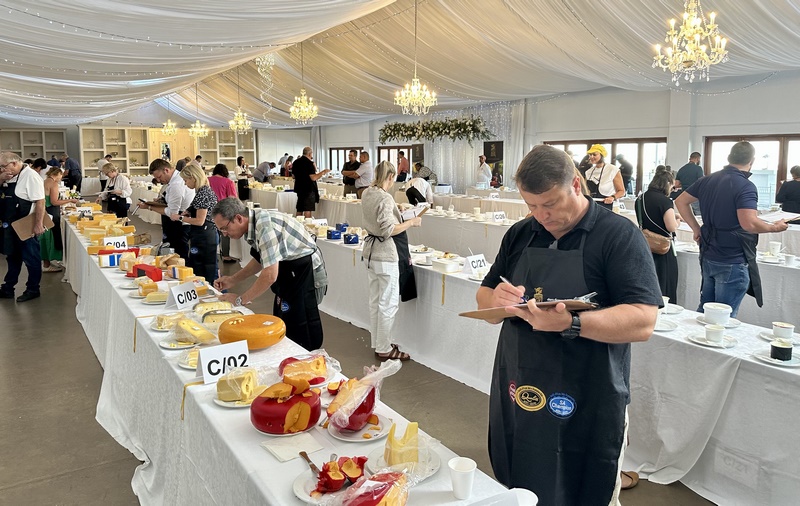
The 37th edition of the prestigious World Cheese Awards took place from 13 – 15 November in Bern, Switzerland. Organised by the Guild of Fine Food, a British organisation dedicated to celebrating artisan food and drink, the competition has been spotlighting exceptional cheese producers from around the globe since 1988.

With over 5,000 cheeses from nearly 50 countries, the World Cheese Awards is widely regarded as the most distinguished event in the global cheese calendar. Once again, Woolworths’ exceptional range stood out among the winners, reaffirming its position as a leader in quality and innovation. Of its 20 submissions, Woolworths suppliers proudly took home 10 awards – 5 Bronze, 1 Silver, 3 Gold, and even more impressively, a Super Gold award – a momentous accomplishment.

Woolworths

A World-Class Judging Panel

Event organisers curate an international judging panel of over 200 leading cheese experts – a balanced mix of technical experts, chefs, buyers, acclaimed food journalists, and passionate connoisseurs, including prominent industry names like Giles & Charlie Barber (Barber’s Cheese), Jason Hinds (Borough Cheese Company) and Cathy Strange (Whole Foods Market).

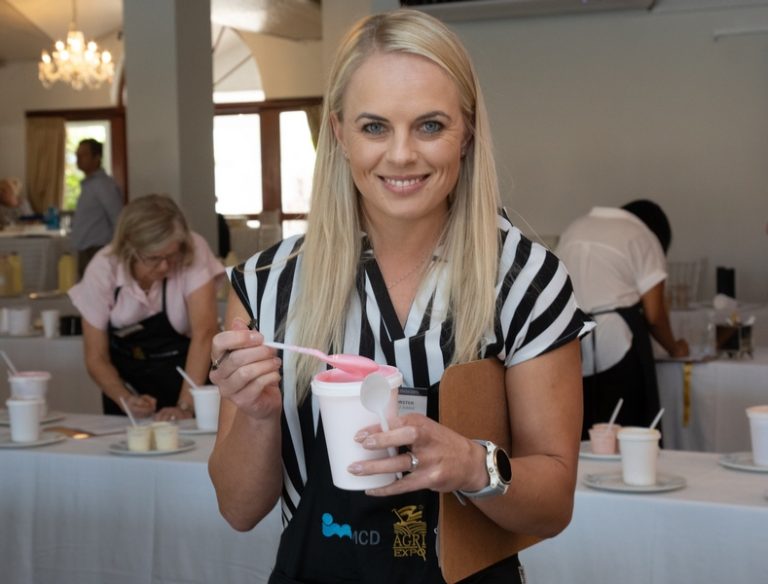
Suzy O’Regan, Woolworths’ Product Development Manager for Central Sensory Quality, celebrated her 15th year as a judge at the awards, stepping into the role of team coordinator this year. Suzy also brings eight years of experience as a Supreme Judge – one of the select few entrusted with choosing the World Champion Cheese. “It’s such an honour to be part of the judging panel for this prestigious event, alongside some of the loveliest, most knowledgeable and passionate people in the industry,” she said.

She was joined this year by Woolworths’ Product Developer for Dairy, Caryn Albers, who served as an assistant judge.

The Judging Process

Judging at the World Cheese Awards is meticulous and transparent. Each cheese is tasted blind, with no indication of its name or producer until the end.

The judges, divided into teams of two or three and led by a team coordinator, assess the appearance of the rind and paste, the aroma, texture, mouthfeel, and most importantly, the flavour of their allocated cheeses. Teams award bronze, silver, and gold medals and nominate one standout cheese per table for Super Gold consideration. Trophies are also presented for various special categories such as “Best Artisan Cheese”, “Best Raw Milk Cheese” or “Best Female Cheesemaker”.

The Super Gold winners then undergo a second round of tasting by a Super Jury of 14 internationally recognised experts. Each juror selects their standout cheese to advance to the final, where all 14 are tasted live on stage. After being scored from one to seven points, the cheese with the highest total is crowned World Champion Cheese. This year, the winning cheese was the Super Gold carefully selected by the team Suzy led, highlighting her expertise and ongoing commitment to excellence.

Proudly South African Wins

Following this rigorous process, Woolworths’ cheeses, made in close collaboration with its trusted and dedicated local cheesemakers earned a host of accolades.

Bronze awards were received for cheeses produced by Klein River, Fairview and Lactalis, including its Klein River Havarti, Klein River Oak Smoked Stanford, Lactalis 10 months matured Gouda, Lactalis 20 months matured Gouda and Fairview Paarl Rock Brie – a phenomenal accomplishment for a brand-new cheese, exclusive to Woolworths. The Klein River Gruberg Vintage 12 months matured earned a Silver, and three other Woolworths-exclusive creations – the Fairview Chevre Roue, Dalewood Fromage Huguenot and Klein River Gruberg 6 months matured – each secured a Gold.

An even greater honour was attained as Dalewood Fromage Boland cheese scooped a coveted Super Gold Award. Woolworths has been in partnership with the master cheesemakers at Dalewood for 25 years, and remains the exclusive retailer for Boland, so it was a proud moment for all involved. This semi-hard, washed-rind cheese, made in the style of a Port Salut, delivers a mild, savoury-sweet flavour and a smooth, velvety texture. This accomplishment is among many Super Gold honours Woolworths’ cheeses have earned over the years, reflecting the strength, consistency, and craftsmanship of its cheesemaking partnerships.

“I’m incredibly proud of Woolworths’ unwavering commitment to delivering cheeses of the highest quality”, Suzy commented. “Woolworths remains dedicated to collaborating with top-quality cheese producers, and our cheesemakers and partners are the true heroes behind these wins. Their expertise, drive for continuous innovation, and passion help us ensure that Woolies’ award-winning products continue to delight both everyday cheese lovers and gourmet enthusiasts alike. We are extremely proud of our team and suppliers whose hard work made this achievement possible”.

United Exports Achieves Sustainability Milestone With Platinum Environmental Certification

United Exports, the exclusive marketer of OZblu blueberries, has reached an unprecedented milestone: its Southern African OZblu farms have earned Platinum Status in their first-ever environmental audits conducted by SIZA (Sustainability Initiative of South Africa) and LEAF (Linking Environment and Farming). This makes United Exports the first large-scale blueberry producer worldwide to achieve LEAF certification, reinforcing its leadership in responsible agriculture.

This recognition signals far more than operational excellence—it reflects a deep, long-term commitment to protecting the planet at a time when environmental action is urgently needed. With global biodiversity having declined 73% between 1970 and 2020 (WWF), the agriculture industry’s impact is under increasing scrutiny. United Exports’ achievement demonstrates that commercial farming and ecosystem conservation can—and must—coexist.

A Sustainability Journey Backed by Global Development Partners

United Exports’ success is the result of several years of dedicated environmental work, supported by key partners: the International Finance Corporation (IFC) and the FMO (Dutch Development Bank). These Development Finance Institutions have played a crucial role in helping the company meet stringent environmental, social and governance (ESG) standards. Their support aligned with United Exports’ strategic focus on improving water use, reducing carbon emissions, enhancing biodiversity, and adopting climate-smart farming practices.

According to Founder and Executive Chairman Roger Horak, the certification represents the culmination of a six-year journey:

“Achieving the top certification across all our OZblu farms is more than a milestone – it’s a testament to our belief that farming and environmental preservation can thrive together.”
He adds that the achievement demonstrates how sustainable agriculture is not just possible, but essential for the future.

Farming in Harmony With Nature

One of the most striking examples of United Exports’ environmental approach is Nyami Berries, a 253-hectare OZblu farm in the Magaliesberg region of South Africa. Nearly a third of the property lies within the protected Magaliesberg Biosphere Reserve, illustrating how the company integrates productive farming with conservation.

This model ensures ecosystems remain intact while allowing the farm to thrive. By protecting natural habitats alongside cultivating blueberries, United Exports demonstrates a holistic method that strengthens biodiversity rather than degrading it.

A Global Company Growing for Good

Since its founding in 2002, United Exports has grown from a stone-fruit operation into a vertically integrated agricultural business. Today, it produces OZblu blueberries in 12 countries, supplying premium berries to major global markets. Its international success is driven by a unique combination of innovative blueberry genetics and precision-based, environmentally conscious farming techniques.

OZblu blueberries are known for being juicier, crunchier, tastier, and longer-lasting than traditional varieties—qualities that stem directly from the company’s advanced breeding programme and sustainable production systems.

Leading the Future of Sustainable Agriculture

United Exports’ Platinum certification marks a defining moment for the global blueberry industry. By proving that high-quality food production can be achieved while actively protecting ecosystems, the company sets a powerful example for agricultural producers worldwide. With continued investment in sustainability and a commitment to environmental stewardship, United Exports shows that saving the planet really can taste this good.

The Subtrop Strategic Blueprint: Diversification, Logistics, and Efficiency

0

The 20th annual Subtrop Marketing Symposium, held on 5 November 2025, in White River, delivered a clear strategic blueprint for South Africa’s subtropical fruit sector. The event, which hosted over 340 delegates, focused on the critical, dual challenge of market diversification to mitigate global trade risk and urgent domestic logistics reform, signalling a future driven by data and actionable on-farm efficiency.

Diversification: The Hedge Against Tariffs

Minister of Agriculture John Steenhuisen’s keynote address underscored the necessity of reaching beyond traditional markets, stating that future growth hinges on competing on value, not just volume. This strategy is being accelerated by the looming threat of US trade dynamics.

While US buyers currently absorb the majority of the 30% US tariffs on certain South African goods, economists warned that this cost will inevitably shift to US consumers next year if current trade dynamics persist, threatening to severely dampen demand. This risk makes market access breakthroughs in Asia critical. The Minister confirmed an aggressive trade mission to the Middle East in January 2026 and highlighted the October 2025 stone fruit protocol with China as a vital stepping stone for expanded litchi access.

For growers, this strategy unlocks an enormous untapped market. Mango industry figures reveal that of the 81,700 tons produced annually, only 7% is exported fresh—leaving a vast growth prize available once new market pathways are secured and logistical efficiencies improve.

Logistics Reform and Economic Stability

A major confidence boost for the sector came from the positive economic outlook and tangible steps toward resolving infrastructure bottlenecks.

Economist Emile du Plessis cited two major events enabling capital investment:

Five months without load-shedding preceding the event, providing stable power for energy-intensive packhouses.

The recent removal of South Africa from the FATF grey list, which significantly reduces the cost of international finance and transaction risk.

This institutional stability is directly fuelling logistics reform. Du Plessis confirmed that over R100 billion in private-sector investment is expected to help double Transnet’s current rail capacity, directly addressing the significant capacity gap that currently prevents farmers from efficiently moving bulk freight.

Finally, the symposium delivered two key operational wins for growers: a forecast for another 50-basis-point interest rate cut in the near term, which will ease financing costs, and the official launch of the Online Application System for Agricultural Inputs Control. This digital reform for Act 36 promises to streamline and shorten the approval times for critical fertilisers and pesticides, significantly enhancing on-farm efficiency and compliance.

The message from White River is clear: the government is focused on market diplomacy and regulatory efficiency, giving growers the tools to focus on world-class quality and seize the vast export potential of subtropical fruit.

Top Suiwelboere Vereer by 2025 LNR Nasionale Meester-suiwelboer-toekennings

0

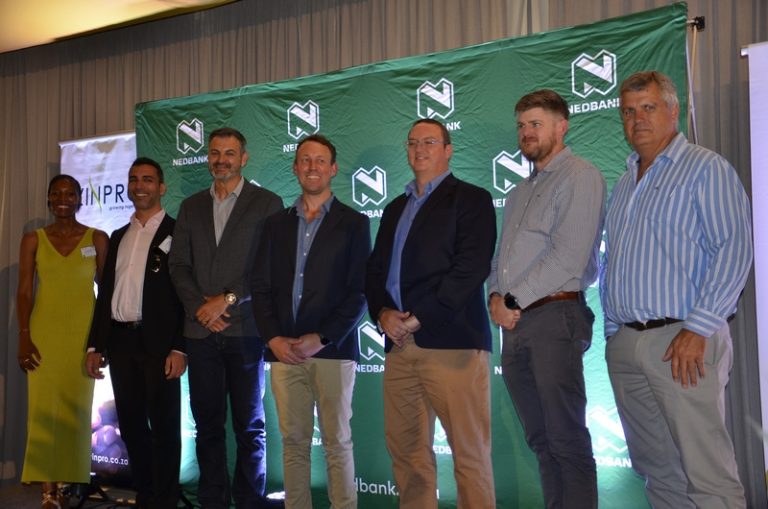
Die Landbou Navorsingsraad (LNR) het die wenners van die 2025 Nasionale Meester-suiwelboer-toekennings op Donderdag 13 November by Lanzerac-wynlandgoed op Stellenbosch aangekondig.

Hierdie gesogte kompetisie, ‘n hoogtepunt op Suid-Afrika se landboukalender, gee jaarliks erkenning aan uitstaande prestasie deur die land se top-suiwelboere. Wenners word in verskeie kategorieë bekroon as die beste presteerders in die teel van geneties uitstaande diere, met behulp van prestasie-opname en prestasie-toetsing as instrumente.

Die wenners van die 2025 LNR Nasionale Meester-suiwelboer-toekennings is:

  • Grootskaal Meester-suiwelboer van die Jaar: JK Basson Family Trust, Darling, Wes-Kaap
  • Mediumskaal Meester-suiwelboer van die Jaar: Van Niekerk Boerdery BK, Caledon, Wes-Kaap
  • Kleinskaal Meester-suiwelboer van die Jaar: Letsolo PT Dairy, Sebokeng, Gauteng
  • ‘n Nuwe kategorie: Korrektiewe Dienste Meester-suiwelboer van die Jaar: Goedemoed Correctional Services, Maletswai (Aliwal Noord), Oos-Kaap
  • Kudde met die beste somatiese seltelling: Packwood Farm, Knysna, Wes-Kaap, met

170 000 selle/ml

  • Kudde met die beste tussenkalfperiode: JK Basson Family Trust, Darling, Wes-Kaap, met ‘n tussenkalfperiode van 375 dae

’n Eretoekenning is aan Boy Blanckenberg van Klipheuwel naby Durbanville toegeken – ’n huldeblyk aan sy visionêre leierskap, onwrikbare steun aan suiwelboere en lewenslange bydrae tot die Suid-Afrikaanse suiwelbedryf.

WÊRELDINSIGTE VIR PLAASLIKE UITNEMENDHEID

Tydens die geleentheid is terugvoer gedeel oor die 2025 Wêreld-suiwelberaad van die Internasionale Suiwelfederasie (IDF), wat in Oktober in Santiago, Chili, plaasgevind het. Christine Leighton, projekbestuurder by Melk Suid-Afrika, het enkele sleutel-insigte uit die wêreldbyeenkoms gedeel, waar meer as 2 000 afgevaardigdes van oor die wêreld bymekaargekom het om onderwerpe soos opvolgbeplanning, stygende insetkoste, arbeidstekorte en nuwe tegnologieë soos robotmelkerye te bespreek.

VENNOOTSKAP VIR LANDBOU-UITNEMENDHEID

Dr. Litha Magingxa, President en HUB van die LNR, en Joyene Isaacs, Voorsitter van die LNR, het die wenners gelukgewens en beklemtoon dat die Landbounavorsingsraad (ARC) ’n betroubare vennoot in wetenskap en innovasie vir Suid-Afrika se suiwelboere is – met die oog daarop om saam ’n volhoubare, regverdige en vooruitstrewende bedryf te bou.

Die toekenningsgeleentheid is aangebied deur Agri-Expo, namens die Nasionale Melkaantekening- en Verbeteringskema van die LNR, en is moontlik gemaak met die ondersteuning van vennote, insluitend die Departement van Landbou, Nedbank, Nova Feeds, Agri-Expo, Afgri, Semex South Africa, Dairy Management Consulting (DMC), Meadow Feeds, World Wide Sires South Africa, Ecolab, Chemuniqué, Axiota® Animal Health, Hollard en die Suid-Afrikaanse Vereniging vir Suiweltegnologie (SASDT).

Die LNR se Nasionale Melk-aantekening- en Verbeteringskema speel ‘n kritieke rol in die suiwelbedryf deur die verskaffing van genetiese verbeteringsdienste, wat geakkrediteer is deur die Internasionale Komitee vir Diereopname. Die doel van die skema is om die volhoubaarheid en winsgewendheid van produksie te verbeter, wat uiteindelik bydra tot voedselsekerheid, werkskepping en die ontwikkeling van menslike kapitaal.

Belangstellendes kan die toekenningseremonie aanlyn kyk by https://www.agriexpo.co.za/arc. Vir meer inligting, kontak Hendrik de Waal by [email protected] of 082 775 7703.

Skakel na Facebook Fotos van die geleentheid

Minister Steenhuisen Announces Comprehensive Plan to Boost Local Honey, Combat Imports, and Protect Bees

0

The humble honeybee, deemed the “farmer of the sky” by Minister of Agriculture John Steenhuisen, is officially valued at a staggering R10 billion annually to South Africa’s food production. This was the core message at the Beekeeping Awareness Field Day, held on Monday, 10 November, 2025, at Oude Raapkraal, West Lake, where the Minister unveiled a comprehensive strategy to safeguard the industry from biosecurity threats, habitat loss, and the rising tide of product adulteration.

The Minister’s address underscored the indispensable role of bees—specifically the indigenous Cape and African honeybee subspecies—in ensuring food security. With nearly 75% of South Africa’s food crops relying on bee pollination, from Western Cape almonds to Limpopo citrus, Steenhuisen warned: “No bees, no food. No pollination, no prosperity.” The event served as a critical follow-up to previous commitments, establishing a firm collaboration between the government and the South African Bee Industry Organisation (SABIO) to support key agricultural outcomes, including increased production and enhanced food security.

Counterfeit Honey Crackdown and Export Ambitions

Beyond pollination, the Minister focused on the need to protect the honey value chain. While South Africa produces up to 2,500 tons of honey per year, consumption far exceeds this, leading to heavy reliance on imports. This demand has opened the door to “very poor quality and sometimes adulterated honey.”

In a clear commitment to consumer protection and local industry support, Steenhuisen announced that the Department of Agriculture’s Inspection Services will conduct a major operation in December. This action is designed to sweep store shelves clean of products “labelled and sold as honey-based syrup,” ensuring citizens receive the quality goods they intend to purchase.

Crucially, the government is also looking outward. To facilitate access to the lucrative European Union (EU) market, the department is actively finalising the Residue Monitoring Plan. This move is intended to place South Africa alongside exporting nations like Tanzania and Zambia, transforming beekeeping into a stronger tool for economic empowerment, supporting rural jobs, and bolstering exports.

Protecting the Heartbeat of Farming

The Minister made a direct appeal to the farming community to prioritise pollinator health, noting that pesticide misuse during bloom can destroy entire apiaries overnight. Steenhuisen stressed the necessity of strengthening integrated pest management, encouraging farmers and beekeepers to maintain open communication and adopt responsible spraying practices. “When bees die, farming loses its heartbeat,” he stated.

To ensure the long-term sustainability and resilience of the sector, the department announced progress on several strategic initiatives, designed to address threats from disease and habitat loss. These include the development of a National Beekeeping/Apiculture Strategy, a dedicated Bee Forage Strategy to address shrinking natural food sources, and an AFB (American Foulbrood) Management Strategy, supported by commissioned research from the Agricultural Research Council (ARC).

In his closing remarks, the Minister framed beekeeping not just as a profitable sector, but as the quiet custodian of a healthy environment and biodiversity. The commitments made at Oude Raapkraal signal a definitive step toward creating an industry that is resilient, sustainable, and critical to the nation’s economic and agricultural future.

From Farm to Nature Reserve: Mount David Restores the Land

0

The Western Cape’s conservation landscape has grown richer with the declaration of the Mount David Nature Reserve, an 800-hectare sanctuary near Hermanus that celebrates both ecological renewal and responsible land stewardship.

Once a working farm known as Diepgat, this land has been transformed through 17 years of steady rehabilitation led by landowner Antony van Hoogstraten. Where grain fields and grazing livestock once dominated, today wetlands glisten and fynbos stretches unbroken across the slopes — a model of how agricultural land can recover its natural balance when given the chance.

Seventeen Years of Regeneration

After purchasing the property in 2008, Van Hoogstraten began a long-term programme of alien vegetation clearing and ecosystem restoration. The aim was to return the land to its natural state — one that sustains biodiversity and supports the region’s fragile ecological networks.

In 2010, a post-fire survey revealed a Critically Endangered Erica species once thought nearly extinct, underscoring the success of the rehabilitation efforts. What began as a personal project of stewardship has since become a cornerstone of the Western Cape’s Protected Area Expansion Strategy, contributing to water security, soil health, and climate resilience for surrounding communities.

Western Cape Minister for Environmental Affairs Anton Bredell confirmed that CapeNature facilitated the legal process in terms of the National Environmental Management: Protected Areas Act, formally declaring Mount David a Provincial Nature Reserve on 7 November 2025. The process was negotiated and implemented by Bionerds for the Endangered Wildlife Trust (EWT), with Bionerds having independently prepared the property’s Protected Area Management Plan in 2023.

Rare Discoveries Reinforce Conservation Value

In 2020, amid lockdowns, Bionerds researchers surveyed the neighbouring Maanschynkop Nature Reserve in search of the elusive Moonlight Mountain Toadlet (Capensibufo selenophos), a species so poorly known it was listed as Data Deficient. Although absent there, the team made a remarkable find on Diepgat’s upper slopes — a healthy breeding population of the toadlet thriving in restored wetland habitats.

For Alouise Lynch, Director of Bionerds, this discovery validated years of habitat work:

“To have recorded a new breeding locality for the Moonlight Mountain Toadlet, and to work with a landowner so committed to conservation, is perhaps the greatest reward for anyone working with threatened species and habitats,” she said.

Further surveys documented Leopard, Klipspringer, Grey Rhebok, Black Harrier, Verreaux’s Eagle, and Blue Cranes, confirming Mount David as a vibrant ecological corridor.

Stewardship and the Future of Private Conservation

Mount David’s declaration is more than a conservation milestone — it demonstrates the vital role private landowners play in safeguarding biodiversity. With support from CapeNature and the EWT, Van Hoogstraten’s commitment has turned a once-degraded farm into a near-pristine ecosystem that contributes to regional sustainability.

As the Western Cape continues expanding its protected-area network, Mount David stands as proof that productive land use and conservation can coexist — a message with deep resonance for the agricultural community.

Landowners wishing to explore formal protection can contact CapeNature’s Stewardship Team at [email protected]