17.8 C
Cape Town
Tuesday, November 24, 2026
Home Blog Page 114

Western Cape’s United Front Against Wildfires

0

The Western Cape’s verdant landscapes, vital to South Africa’s agricultural and tourism sectors, have recently been ravaged by devastating wildfires. These intense blazes in the Cape Winelands highlight the ongoing battle against climate change and the increasing frequency of such natural disasters. Since 22 January 2024, the fires have caused havoc in areas like Wolseley, Bains Kloof, and Fairy Glen in Worcester, Paarl and the Overberg District has grappled with its own infernos in Buffeljags, Hangklip, Betty’s Bay, and Pringle Bay, devastating both the natural environment and human constructions. Moreover, sporadic fires in other parts of the Western Cape have aggravated the situation.

According to the Provincial Disaster Management Centre (PDMC), there have been more than 4 000 fires across the Western Cape this summer so far. The vast majority have been recorded in the Cape Town municipality.

The recent wildfires have not only tested the resilience of the local communities, but have also strained the financial resources allocated for disaster response. By 9 January, the Western Cape had nearly exhausted its wildfire response budget for the season, with just over R1 million remaining from an initial allocation of R16 million. This alarming expenditure, amounting to approximately R15 million in just over a month, underscores the severity of the fires and the pressing need for extensive firefighting and recovery efforts. In response to this financial strain, the Western Cape Government has increased its budget for combating wildfires to R19 million.

The situation has been further complicated by the South African Weather Service’s level 2 warning for damaging winds in the Western Cape, which have intensified the spread of the fires. Despite these daunting challenges, the spirit of cooperation and determination among the local communities has been evident. Firefighters, farmers, agricultural workers, and volunteers have come together in a commendable display of unity to tackle the blazes head-on, mitigating further loss and damage.

Premier Alan Winde has openly praised those on the front lines, stressing the importance of community engagement in navigating this ordeal. Amid the turmoil, Mayor Elna von Schlicht of the Cape Winelands District Municipality, Premier Winde, and Minister of Agriculture, Ivan Meyer, have directly observed the firefighting efforts, reinforcing the situation’s severity and the government’s dedication to resolving the crisis. Their presence not only acknowledged the firefighters’ operational hurdles, but also provided moral support to those enduring gruelling conditions.

Despite the thousands of hectares of land that has burned, the Premier is relieved there has been no loss of life. But he remained very concerned about the situation generally. “Fires are volatile and unpredictable. Coupled with the hot, windy weather these fires have stretched our emergency teams to their limit. But I have all the confidence in our entire disaster management network to eventually bring the blaze under control, with officials in the public and private sector working together round the clock to protect lives and infrastructure. Our disaster management staff have gone from floods to fires and I know the significant toll that it takes on our dedicated staff and all the volunteers who always step-up,” he said.

Premier Winde told a group of firefighters who had come off the line for a break having worked throughout the evening, “You are heroes. You make us all very proud!”
Firefighter, Musa Kalipa, is facing his first fire season. He said, “I love my job because it allows me to help the community. I also love nature and want to help protect our environment.”

Agri Western Cape chief executive officer Jannie Strydom said, “Communities are really sticking together at the moment, and Agri Western Cape would like to thank every firefighter, farmer, Agri worker, and other members of the community that are working tirelessly to combat fires.” Drakenstein Farm Watch chief executive officer Daam Van Leeuwen Boomkamp said that fires that had plagued areas such as Paarl were distinguished due to the collaborative work with other stakeholders.

With the forecast predicting soaring temperatures and persistent winds, the Western Cape remains on high alert for potential new fires. This looming threat emphasizes the critical need for vigilance and preparedness among farmers and residents alike. The recent wildfires in the Western Cape serve as a stark reminder of the challenges posed by climate change, highlighting the need for enhanced disaster management strategies and the importance of community resilience.
Wine Harvest Event Celebrates Industry Leaders and Heritage at Groot Constantia

0

Few events are as keenly anticipated, nor held in as high regard, as the annual Wine Harvest Commemorative Event, which took place on 1 February 2024 – marking the momentous occasion of the birth of South African wine, while also paying tribute to the country’s rich wine heritage, and calling for a blessing on the new harvest.

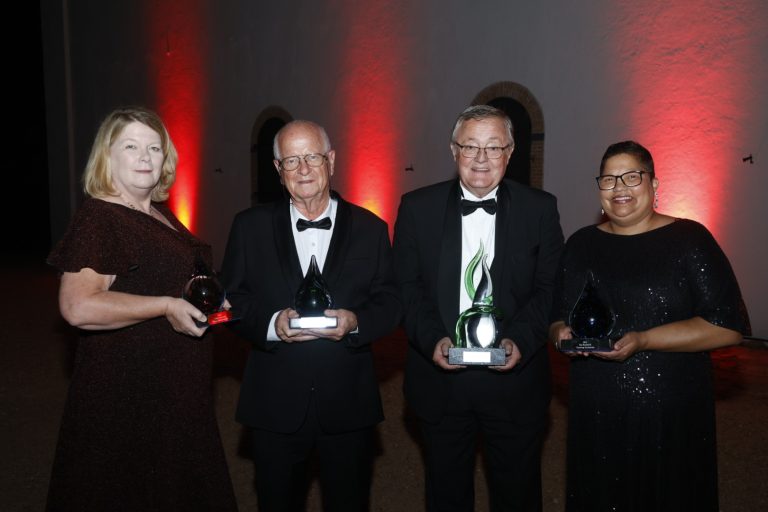
A highlight of the Wine Harvest Commemorative Event – which was fittingly hosted at South Africa’s oldest wine-producing farm, Groot Constantia – is the honouring of key individuals and organisations who have made extraordinary strides towards the ongoing success of South African wine.

Over the years, many great wine legends have been recognised under the categories of Visionary Leadership (with the 1659 Visionary Leadership Award), Growing Inclusivity, Wine Advancement, and Viti- and Viniculture.

This year’s recipients are in keeping with the exceptional pedigree of leaders that have been acknowledged and praised over the years and include: Tim Hutchinson, who has been chosen for the 1659 Award for Visionary Leadership; Cathy Marston, recipient in the Wine Advancement category; Ilse Ruthford recipient in the Growing Inclusivity category; and Dawid Saayman, who was selected in the Viti- and Viniculture category.

Newly elected chairman of the Groot Constantia Trust, Clifford van der Venter, says that, after several years of honouring individuals who have made significant contributions to the SA Wine industry, the Wine Harvest Commemorative Event continues to attract candidates of exceptional quality.

“As in the past, this year’s honourees are indeed a reflection of the strength of the SA wine industry and bear testimony to the extraordinary efforts of the many talented individuals and committed organisations who work tirelessly to ensure that South African wines occupy their rightful space amongst the leaders of the global wine industry. I believe that our industry is healthy and well poised for an even brighter and more sustainable future.”

1659 Award for Visionary Leadership: Tim Hutchinson

This prestigious award went to Tim Hutchinson, leader of one of the largest independent wine companies in South Africa. His bold moves forever shaped the course of South African wine. “Recognition by one’s peers makes all the hard work worthwhile. Thanks to all who share my vision. This award is just as much yours,” says Hutchinson.

Wine Advancement: Cathy Marston

Cathy Marston is the 2024 recipient for her contributions to the image of South African wine and the wine industry in general. Marston is an esteemed wine taster, judge and journalist, as well as a wine educator with global influence. She founded the prestigious International Wine Education Centre (IWEC) in Cape Town, which offers the Wine & Spirit Education Trust (WSET) qualifications.

Growing Inclusivity: Ilse Ruthford
Ilse Ruthford is Managing Director of Compagniesdrift, which is a 100% black-owned company. Ruthford is a mentor and leader for numerous young people, instilling a strong sense of hope. She is also a board member of the Stellenbosch Wine Route, leading socio-economic development.

Viti- and Viniculture: Dawid Saayman

This award honours individuals for their innovative ideas, technologies, and practices in the wine-making industry. Dawid Saayman is a soil scientist specialising in viti-viniculture. He is known for defining the concept of terroir in South Africa by identifying and understanding geology, soil types and climate in the South African ‘Wine of Origin’ scheme.

Dr Ivan Meyer, Western Cape MEC of Agriculture says that the Western Cape Government is proud to be associated with the SA Wine industry and the Wine Harvest Commemorative Event.

“The SA wine industry is vibrant, sustainable, innovative, resilient, and one of the cornerstones of the Western Cape, and South African, agricultural sector. Together we are working towards growing the economy, creating jobs, and a safe Western Cape, while promoting the well-being and dignity of its citizens. Over the last 365 years the wine industry has overcome many challenges and through visionary leadership, such as that honoured at this annual event, developed into an iconic sector which has strong linkages to tourism.”

The 2024 Wine Harvest Commemorative Event was made possible with the generous support of Groot Constantia, the Western Cape Department of Agriculture, Wesgro, South Africa Wine, Standard Bank, Checkers, Die Burger, and Cape Town Tourism.

In2fruit’s Lac du Soleil Leads with Innovative Practices

0

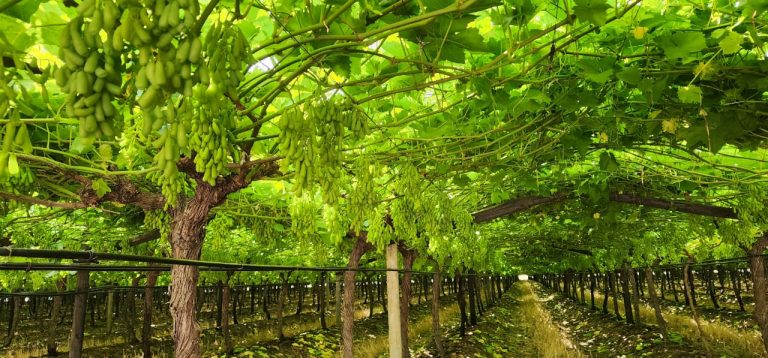
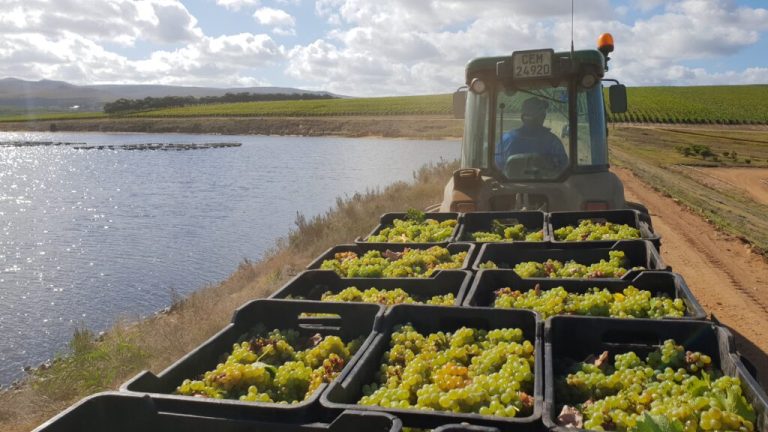
In the picturesque setting near Piketberg lies Lac du Soleil, a former ski resort transformed into a flourishing grape farm by In2fruit Berg River. With 60 hectares dedicated to commercial grape cultivation, this innovative venture began harvesting in early January, eight years after its inception. The farm’s ability to harvest varieties like Sweet Globe™ a fortnight earlier than usual, mainly for the Chinese market, exemplifies its forward-thinking approach.

Gerhard Olivier, the head farm manager, emphasizes the urgency of getting ripe grapes from the vine to the clients as swiftly as possible. In a groundbreaking move, In2fruit performs all weighing and packing directly in the vineyards. This strategy not only saves on packhouse construction, but also expedites the shipping process. Plans are underway to construct a small packhouse for mixed punnets and premium packaging, while the majority of the crop will continue to be packed in the field.

Lac du Soleil

Innovative Cold Chain Management and Logistics

Lac du Soleil has faced logistical challenges, particularly in securing containers and managing the capacity of their onsite cold store. However, they’ve adeptly navigated these hurdles, ensuring timely deliveries to Europe despite global shipping delays. Their facility boasts five forced cooling rooms, capable of rapidly cooling 21 pallets to zero degrees, a testament to their commitment to quality and efficiency.

In response to a shortage in red seedless grapes, the farm resorted to airfreighting 42 pallets to Ireland, despite the high costs. This decision underlines their flexibility and dedication to meeting market demands.

Sustainable Practices and Environmental Stewardship

A key focus for In2fruit is environmental responsibility. Olivier highlights their trials with paper bags, aiming to reduce plastic usage. Although more expensive and sensitive to moisture, these alternatives are showing promising results.

In2fruit is also refining its grape portfolio. They are trailing 18 cultivars, focusing on early and mid-season varieties, and have seen remarkable success with new cultivars like Autumncrisp® and Sweet Globe™. These new varieties not only outperform older ones in yield but also in quality, with some like Sweet Celebration™ and Adora® producing exceptionally high quantities of premium-grade grapes.

The farm’s journey hasn’t been without challenges. They’ve contended with abnormal rainfall and the necessity of drilling boreholes during droughts. Yet, they’ve managed these adversities with resilience and foresight, maintaining a balance between agricultural expansion and ecological harmony.
In2fruit Berg River’s Lac du Soleil stands as a shining example of agricultural innovation. From advanced cooling facilities to environmental consciousness, the farm demonstrates a commitment to excellence and sustainability.

Stellenbosch Goes Big with a Festive Bash for the 365th Wine Harvest Celebrations

0

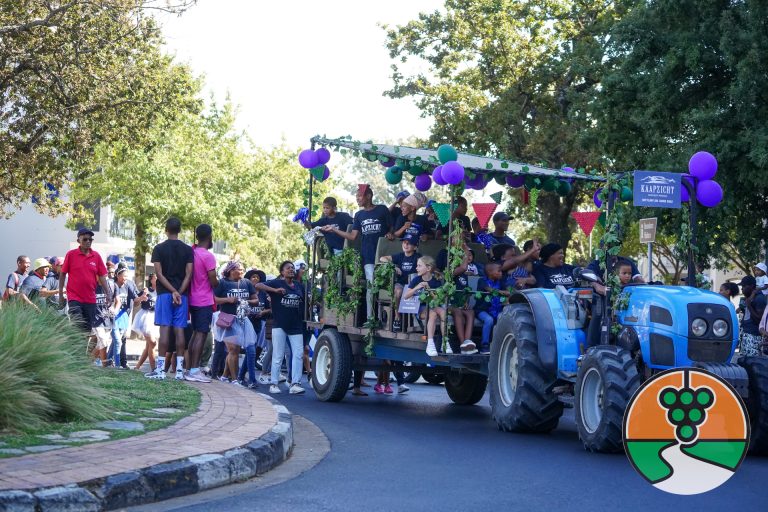
The Stellenbosch Harvest Parade, a cornerstone of the South African wine calendar, unfolded with vibrant festivity on Saturday, 27 January 2024, weaving through the historic streets of Stellenbosch. This annual event, deeply entrenched in tradition and community spirit, marked the prelude to the official celebration of South Africa’s wine harvest on February 2nd. The parade brought together an eclectic mix of participants including marching bands, minstrels, farmers, winemakers, and farm workers. They paraded on floats, trucks, and tractors, all exquisitely decorated to celebrate the commencement of the harvesting season.

Embarking on its journey from the town’s Toy and Miniature Museum located on Market Street, the procession created a moving tapestry of colour and sound that captivated onlookers. It meandered through Alexander, Bird, Church, and Plein Streets, culminating at the town hall. Here, in a ceremony brimming with communal goodwill, the new harvest was blessed, symbolizing hopes for abundance and protection.

Spectators, both local residents and visitors, lined the oak-shaded avenues, their enthusiasm palpable as they cheered and waved at the passing spectacle. This tradition, resonating with similar harvest celebrations worldwide, represents a collective expression of gratitude for the bounties of past harvests and a hopeful petition for the success of the forthcoming one.

Elmarie Rabe, the Stellenbosch Wine Routes manager, reflected on the significance of the parade, stating, “Harvest is a time of elevated activity and infectious excitement on our farms. The parade is not only symbolic but brings our wine story to life, for many of the people and restaurants where these wines are eventually enjoyed.” This sentiment underscores the parade’s role in connecting the community’s agricultural heritage with the broader narrative of South African wine.

With South Africa’s wine industry marking its 365th harvest this year, the parade served as a vibrant reminder of the country’s unique position in the wine world. South Africa’s ability to pinpoint the industry’s inception to a precise diary entry in 1659, celebrated officially on February 2nd, not only signifies the start of winemaking in the region but also cements its legacy in the global wine community.

The 2024 Stellenbosch Harvest Parade will be remembered as a day when the community came together to honor their heritage, celebrate their collective efforts, and look forward to the promise of the new season with hope and jubilation, setting the stage for the official celebrations that follow.

Boost for South African Rooibos Tea Export

0

In a significant development, the Chinese government has reached an agreement to substantially reduce tariffs on South Africa’s renowned rooibos tea, a move that carries far-reaching implications for local producers eyeing expansion in the world’s largest tea-consuming market. Confirming this breakthrough, the Department of Trade, Industry and Competition (DTIC) hailed the decision as a game-changer.

Previously, China had imposed tariffs on rooibos tea ranging from 15% to 30%, but as of January 1, 2024, these tariffs will be slashed to a mere 6%, according to an official statement released by the DTIC. The catalyst for this tariff reduction can be traced back to a meeting between South Africa’s Trade, Industry and Competition Minister, Ebrahim Patel, and his Chinese counterpart, Weng Wentao, in August. During the meeting, Minister Patel underscored the need for reclassifying rooibos and lowering the import duties.

Minister Patel expressed his enthusiasm for this development, stating, “Our rooibos tea is refreshing, delicious, and healthy. This decision will enable more South African rooibos tea to be available to Chinese tea drinkers, creating more jobs in South Africa.”

As per the Rooibos Council of South Africa, the rooibos tea industry employed approximately 8,000 farm labourers in 2021 and produced a staggering 20,000 tonnes, equivalent to roughly 6 billion cups of tea. While around 44% of this production was exported, Germany, Japan, and the Netherlands remained the largest importers, closely followed by the United Kingdom and the United States. Notably, China did not feature in the top 10 destinations in 2021, though it ranked as the seventh-largest importer back in 2019, as reported by the council.

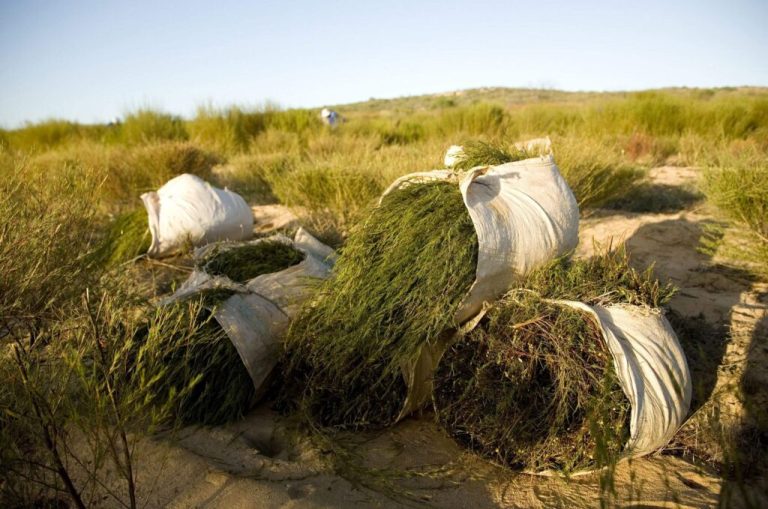
Rooibos tea is derived from a plant native to a specific region within the Cederberg mountain range in South Africa’s Western Cape, necessitating precise climatic and geographical conditions for cultivation. In 2021, rooibos earned the distinction of becoming the first African food item to secure a protected designation of origin (PDO) from the European Union. This designation links products to their specific geographical origins, similar to France’s Champagne and Italy’s Prosciutto di Parma.

In essence, this recent tariff reduction marks a significant milestone for South African rooibos tea producers, poised to seize new opportunities in the burgeoning Chinese market, while further solidifying China’s importance as a strategic trade partner for South Africa’s economic growth and diversification.

Grand Constance and the story of South African Wine

0

Groot Constantia’s Grand Constance wine is a true embodiment of South Africa’s wine history and its delectable amber contents make for a remarkable story. As South Africa’s oldest wine-producing farm, Groot Constantia has produced wine since 1685.

Groot Constantia

Groot ConstantiaStory Of Wine Pioneer

Simon van der Stel founded Groot Constantia, and over the centuries, it has had various owners, including Oloff Bergh, Anna de Koningh and Anna Catharina Scheller. However, Hendrik Cloete, who purchased the Estate in 1778, is the true mastermind behind Groot Constantia. Cloete extended and enhanced the Manor House, built the Cloete Cellar, extended the vineyards, and did much to improve the production and marketing of the celebrated Constantia wines.


In 1993, the government transferred ownership of the Estate to an independent company called Groot Constantia Trust NPC RF. The company’s main aim is to preserve and maintain the cultural heritage of the Estate for posterity.

Groot Constantia

The Birthplace Of Groot Constantia’s Legendary Wines

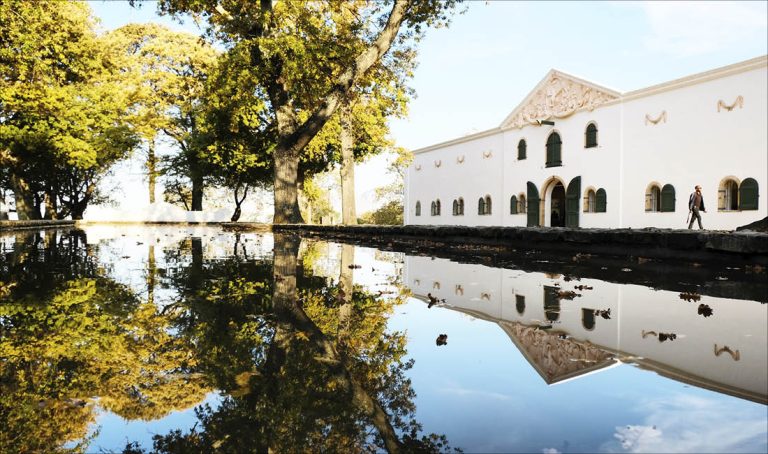
The famed Cloete Cellar is the original wine production cellar from 1791 from where royalty such as Frederick the Great of Prussia, Louis Philippe (King of the French) and Napoleon were supplied. One of the most exceptional bottles is the 1821 vintage, known as Grand Constance. This vintage is nearly two centuries old and is a rare find indeed of the original sweet wine of Constantia. Napoleon drank this wine during his exile on the island of St. Helena from 1815 until his death in May 1821. The Cloete Cellar is truly a magical place where the history and legacy of Grand Constance continue to live on.


Groot ConstantiaConstantia means “steadfast/consistency” in Latin, and the legacy of the Cloete Cellar and the consistent quality of Groot Constantia’s wines continues to this day.

For more information visit www.grootconstantia.co.za

or connect with Groot Constantia via social media on Twitter, Facebook and Instagram @GrootConstantia

Cape Town’s Fruit Export Industry Thrives with Busiest Reefer Deciduous Season in Two Decade

0

In what is being hailed as one of the most robust specialized reefer deciduous fruit seasons in almost 20 years, the bustling activity in the region’s fruit export industry has taken the market by storm. November and December marked the onset of this remarkable season, with two vessels dedicated to transporting pre-Christmas fruit. What was initially planned as a biweekly specialized reefer vessel (SRV) service to Europe and the UK from week 2 through around week 12 from Cape Town has now evolved into a weekly service. Furthermore, the industry has announced the introduction of a second vessel per week from week 3 through week 6 to accommodate the surging demand for fruit shipments.

Charles Gantz, the Managing Director of Anlin Shipping, the South African agent for Seatrade and Cool Carriers, expressed his enthusiasm for the current state of affairs. “In November and December, we had two vessels for the pre-Christmas fruit, and thereafter we had planned to offer a biweekly specialized reefer vessel (SRV) service to Europe and the UK, from week 2 to around week 12 from Cape Town. That biweekly service became a weekly service, and already as from week 3, we are introducing a second vessel per week up until week 6 to assist the industry to ship the maximum available cargo,” commented Gantz.

Apart from the regular European and UK routes, there are also biweekly sailings to St. Petersburg, Russia, operating independently until the citrus season arrives. During the citrus season, vessels are occasionally loaded with cargo bound for both Rotterdam and St. Petersburg, depending on available volumes.

One noteworthy development is the constant loading of vessels from Cape Town to Dover and Rotterdam, where market conditions have created a unique opportunity. Due to constraints in the Red Sea and Panama Canal, South Africa’s competitors have been held back, leaving the market empty for Cape Town exporters.

Anlin Shipping’s significant contribution to these accomplishments can be attributed, in part, to their dedicated quay at FPT, a privately-run terminal in the port of Cape Town, exclusively designated for European and Russian trade. Gantz expressed his gratitude for this invaluable resource, saying, “For that, we as an industry must be extremely grateful. During the citrus season we’re equally busy from Cape Town, but the last time we were this busy with grapes and stone fruit was 17 years ago, in 2007.”

Five years ago, conventional shipments of deciduous fruit from Cape Town had dwindled to almost zero. Today, the industry effortlessly handles 9,500 pallets of fruit each week, accounting for an impressive 35% to 45% of fruit shipped from Cape Town.

Furthermore, Gantz pointed out that there is now minimal price difference between SRV (breakbulk) and container shipping. He emphasized that this price parity becomes evident when taking into account hidden costs arising from inefficiencies within the cost chain and logistics. In light of these developments, the Cape Town fruit export industry appears poised for a prosperous future, and stakeholders are optimistic about the continued growth of this essential sector.

Agri-Expo’s Journey Pioneering and Shaping the Future of Farming

0

Agri-Expo, originally founded as the Cape of Good Hope Agricultural Society in 1831 and rebranded in 1996, stands as a key organization in South Africa’s agricultural sector. In 2024, Agri-Expo celebrates a significant milestone of 193 years of excellence in the agricultural sector, underscoring its enduring impact and commitment.

The organization specializes in professional promotion, marketing, and hosting various public relations initiatives, always prioritizing the interests of its members, agricultural stakeholders, the government, and the public.

In the realm of the South African dairy industry, Agri-Expo has been a prominent figure since 1834, notably through the South African Dairy Championships.  This event is central to enhancing the quality of dairy products in the region. Notable recognitions like the SA Champion Award, the Qualité Award, and the SA Dairy Product of the Year, along with the introduction of the Qualité emblem in 2001, highlight Agri-Expo’s commitment to dairy excellence.

South African Dairy Championships

Moreover, Agri-Expo plays a crucial role in nurturing and supporting the culture of agricultural shows, especially in the Western Cape. These shows, significant for both showcasing agricultural advancements and boosting local economies, particularly in rural areas, offer a unique combination of rural hospitality, community engagement, and entertainment, reflecting the vitality and spirit of the agricultural community.

The organization’s impact on the farming community and the broader public is substantial. Through exhibitions, championships, and agricultural shows, Agri-Expo fosters excellence, innovation, and sustainability within the agricultural sector.

In 2023, under the leadership of General Manager Breyton Milford, Agri-Expo achieved several highlights. The successful SA Dairy Championship received 1000 entries from across South Africa.
The Youth Shows witnessed record entries, growing to 175 participants at last year’s Western Cape Youth Championships, indicating significant growth and the importance of agricultural learning for the youth. Additionally, Agri-Expo shows enjoyed good attendance, further emphasizing their relevance and impact.

Agri Expo Agri Expo

Looking forward to 2024, Agri-Expo is set to embark on new initiatives and expansions, focusing on supporting emerging new farmers. Plans are in place to host the Young Wine Show in 2024. Furthermore, Agri-Expo aspires to bring the Royal Agricultural Society of the Commonwealth’s 2026 Commonwealth Agricultural Congress to Cape Town, engaging in a competitive bid process with other countries.

Breyton Milford has highlighted the active role of the Department of Agriculture in the Western Cape in serving the farmers and their agribusinesses. The department’s collaboration with Agri-Expo exemplifies a partnership dedicated to supporting and advancing the agricultural sector in the region.

Upcoming Agricultural Shows:

Heidelberg Skou: 7 – 10 February

Victoria-Wes Skou:  9 – 10 February

Riversdal Skou:  14 – 18 February

Williston Skou: 22 – 24 February

Swellendam Skou: 29 – 3 March

Navigating Challenges in South African Farming

0

In the vast and diverse landscapes of South Africa, where the beauty of nature meets the resilience of farmers, a daily battle against adversity unfolds. The nation’s agricultural sector has been tested by a relentless series of challenges, including load shedding, climate change, rising diesel prices, export issues, and many more. In these trying times, it’s crucial for farmers to find motivation and inspiration to face each day’s challenges head-on.

Change is Inevitable

Change is a constant companion in today’s world, evolving at a pace never seen before. As advancements in technology and globalization reshape the fabric of our lives, South African farmers are not immune to these transformations. To thrive in this rapidly changing environment, one must be open to new ideas and willing to embrace change. In the face of adversity, farmers have already displayed remarkable resilience, demonstrating their ability to adapt to new circumstances.

Anticipate Change

Rather than being passive recipients of change, it’s advisable to anticipate it. By proactively seeking out information and preparing for what may come, farmers can avoid being blindsided by unforeseen challenges. Whether it’s adjusting planting schedules to accommodate shifting weather patterns or exploring innovative farming techniques, anticipation can empower farmers to navigate change more effectively.

Let Go of the Past

Holding onto the past can weigh us down when we should be moving forward. Outdated habits, beliefs, and expectations that no longer serve a purpose can hinder progress. Instead of resisting change, we should embrace it as an opportunity for growth and new possibilities. Shedding the old allows us to make room for the new and embark on a path of continuous improvement.

Take Action

Recognizing the need for change is merely the first step. Action is the key to transformation. Farmers are no strangers to hard work, and that same tenacity can be applied to adapting to changing circumstances. Whether it’s implementing more sustainable farming practices or diversifying crops to mitigate risks, taking action is the linchpin of success.

Be Accountable

In times of uncertainty, it’s important to remember that we are the captains of our own ships. Taking responsibility for our lives and being accountable for our actions, choices, and responses to change is essential.

The Need for Resilience

Perhaps above all else, resilience is the lifeblood of farming. In the face of load shedding, climate change, rising diesel prices, and export challenges, our farmers have shown remarkable resilience. They have weathered countless storms and emerged stronger and wiser each time.

By incorporating these life lessons into their daily routines, South African farmers can bolster their resilience, adaptability, and ability to navigate the inevitable changes that come their way. The road ahead may be challenging, but with determination, a spirit of innovation, and a commitment to learning from the past, our farmers will continue to thrive in this ever-evolving landscape. In the face of adversity, they remain the heart and soul of our agricultural community, an inspiration to us all.


A Culinary Journey at Hazendal

0

Set amidst the scenic Bottelary Hills of Stellenbosch, Hazendal transcends the ordinary, emerging as a culinary oasis ripe for discovery. More than three centuries have shaped this once-humble homestead into a dynamic destination, offering a gastronomic adventure that tantalizes the senses.

If you’re a food enthusiast, Hazendal promises an experience that’s both authentic and unforgettable. Whether you’re a local or a tourist, the estate’s culinary offerings are designed to provide an unparalleled taste of the Cape.

Hazendal

Your journey begins at the Wine Lounge, where the estate’s selection of terroir-focused wines introduces you to the unique flavours of the region. These wines are a perfect prelude to the culinary delights that await.

The Deli at Hazendal is a treasure trove of flavours, offering hearty all-day breakfasts and a variety of small plates. Create your own dining experience, or enjoy a picnic basket on the estate’s shaded lawns. For those seeking a more casual bite, the Food Truck offers lighter options on the go, perfect for a quick yet delicious treat.

The crown jewel of Hazendal’s culinary offerings is The Restaurant. Here, Executive Chef Michélle Theron weaves her magic, bringing a modern twist to traditional Cape Winelands cuisine. Dishes like smoked snoek ravioli and biltong-spiced free-range beef showcase the rich flavours and culinary creativity South Africa is known for.

The Restaurant also offers a dedicated vegan and vegetarian menu, ensuring that every guest finds something to their taste. This commitment to inclusivity in dining is a testament to the estate’s understanding of modern gastronomy.

Hazendal

After a fulfilling meal, the colourful cigar bar invites you to unwind. Here, indulge in a selection of malt whiskies and hand-rolled Cohibas, providing the perfect end to a day of gastronomic exploration.

So, if you’re planning a visit to the Stellenbosch Winelands, make sure to include Hazendal in your itinerary. Come and discover why this estate is not just a journey for the palate, but a feast for the soul.

For more information visit www.hazendal.co.za