

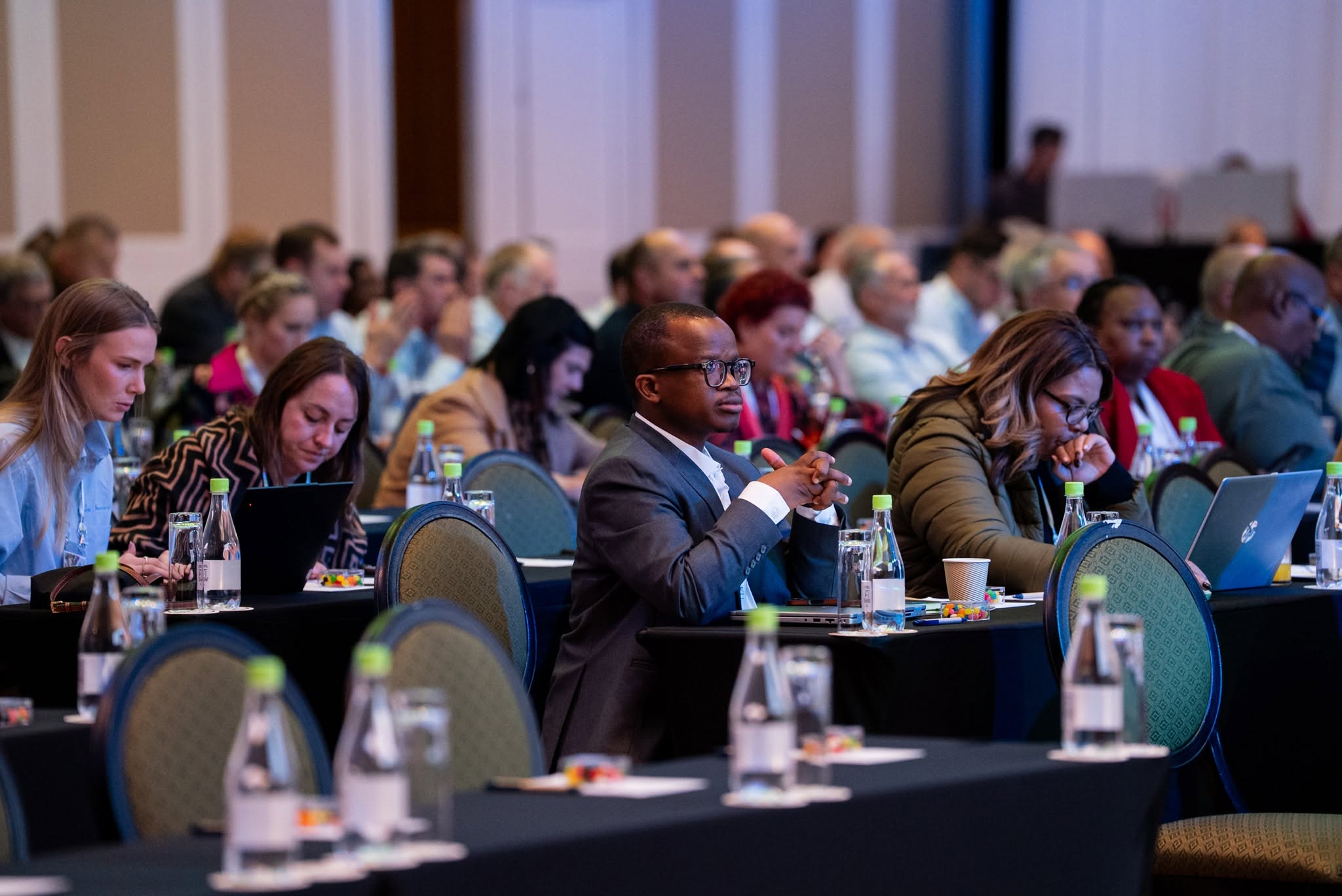

It was in Gqeberha, at the Boardwalk ICC, where the South African agricultural value chain gathered from 3 to 5 June 2026, for the annual Agbiz Congress. Held under the theme “Embracing Collaboration,” the three-day event moved decisively past standard policy rhetoric. Delegates, agribusiness executives, and economic analysts directly confronted the domestic operational bottlenecks, structural financing deficits, and geopolitical realities limiting the sector’s expansion.
While political addresses acknowledged the sector’s resilience—further highlighted by an estimated 3 million tonnes of maize exports projected for the new season—the true value of the congress lay in exposing the friction between world-class commercial performance and domestic structural failure.
- The Perishable Clock vs Logistical Bureaucracy
A dominant theme was the severe impact of South Africa’s failing transport corridors. Industry experts noted that agricultural exporters have effectively been paying a punitive “inefficiency tax” due to rail failures and Transnet-managed port congestion.
The core friction point is that global shipping windows and agricultural cold chains do not wait for policy committees. Missing strict departure windows results in ruined product, immediate financial penalties, and a rapid erosion of international buyer trust. While delegates welcomed private sector participation at the Port of Durban, commercial leaders demanded that public-private partnerships move at operational speed, not political speed.
- Trade Diplomacy and the SACU Bottleneck
A significant strategic debate centered on international trade diplomacy. The Department of International Relations and Cooperation (DIRCO) briefed delegates on a new “Economic Diplomacy” framework that formally prioritizes trade over historical political alliances.
However, industry strategists targeted a massive legal bottleneck: the Southern African Customs Union (SACU) framework. Under current rules, South Africa cannot independently execute fast, flexible bilateral trade agreements because it is bound by a collective regional voting bloc. This structural setup limits agility, leaving local producers vulnerable to rising protectionism in traditional markets like the EU and UK.
- Moving Past Land Collateral in Finance
The agricultural finance panels exposed a systemic banking failure: traditional commercial lending models reliant almost exclusively on fixed land property title deeds are choking broad-based growth and halting emerging farmer integration. The congress called for an immediate shift toward underwriting risk based on productive asset flow and liquid crop movement, emphasizing Warehouse Receipt Systems, commodity-backed lending, and contractually secured off-take agreements over static land ownership.
- Biosecurity, Next-Gen Talent, and Leadership
Following devastating Foot and Mouth Disease outbreaks, veterinary panels warned that biosecurity dictates global investor confidence. Reclaiming export status requires an aggressive, risk-based management framework and integrated private-public digital traceability platforms.
Highlighting human capital sustainability, the Agbiz Student Case Competition tasked top university students with building commercial strategies for the wheat value chain. Group 2 (Katlego Ledwaba, Ona Ndelu, Mia Louw, and Ayanda Mbotho) secured the Best Team Presentation award, while Guillaume Oberholster was named Best Speaker.
To lead Agbiz into this demanding operational era, the AGM confirmed a brand-new governance structure, electing PG Strauss (VKB) as Chairperson, alongside Deputy Chairpersons Dr. Lukeshni Chetty (SANSOR) and Francois Swanepoel (SSK).
The message from the congress was clear: for South African agriculture to navigate global volatility, collaboration must move past slogans and shift entirely toward practical, outcomes-driven execution.